
Inspiration
- Why tequila in Mexico is more than a drink
- Explore the town of Tequila
- Walk through Jalisco’s blue agave landscape
- Discover Guadalajara, the cultural heart of Jalisco
- The different types of tequila to try
- Five tequila drinks to try during your Mexico holiday
- What to eat with tequila
- Tequila and mezcal: what is the difference?
- The best time to visit Tequila and Jalisco
- How to include Tequila in a wider Mexico holiday
- Experience tequila in Mexico with Latin Routes
- FAQs
Discovering tequila in Mexico is about far more than ordering a drink. In the state of Jalisco, blue agave fields stretch across the landscape, family-run distilleries preserve generations of expertise and the colourful town of Tequila offers a fascinating insight into one of the country’s most famous traditions.
For travellers, this is a chance to experience a different side of Mexico. You can walk through fields of blue agave, learn how the plants are harvested, visit working distilleries and taste tequila in the region where it was first produced. Combined with Guadalajara’s markets, mariachi music and regional cuisine, it makes a memorable addition to a wider Mexico holiday. Let's explore tequila in Mexico.
Why tequila in Mexico is more than a drink
Tequila is closely connected to the landscapes, communities and traditions of Jalisco. Its story begins with the blue Weber agave, a striking plant that thrives in the region’s volcanic soil and warm climate.
Unlike a typical crop, agave takes several years to mature. Once ready, it is harvested by skilled workers known as jimadores, who carefully remove the plant’s long, pointed leaves using a traditional tool called a coa. This reveals the rounded heart of the plant, known as the piña because of its resemblance to a pineapple.
The piñas are then cooked, crushed and fermented before the liquid is distilled. Depending on the producer and style of tequila, the spirit may be bottled immediately or aged in wooden barrels.
Watching this process first-hand gives you a much deeper appreciation of tequila in Mexico. What can appear to be a simple drink is actually the result of years of cultivation, specialist knowledge and careful production.
Explore the town of Tequila
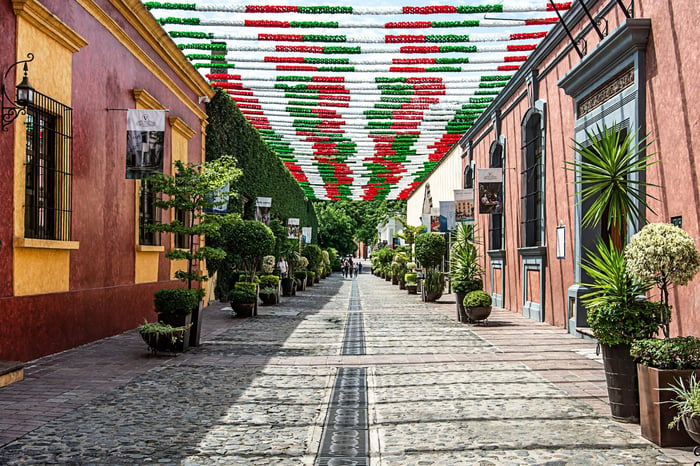
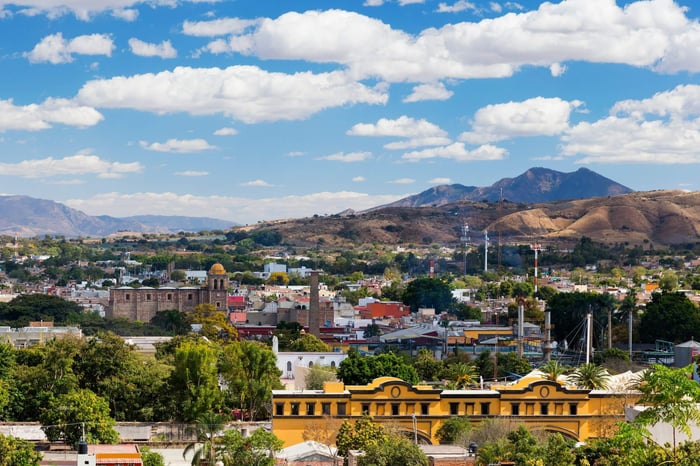
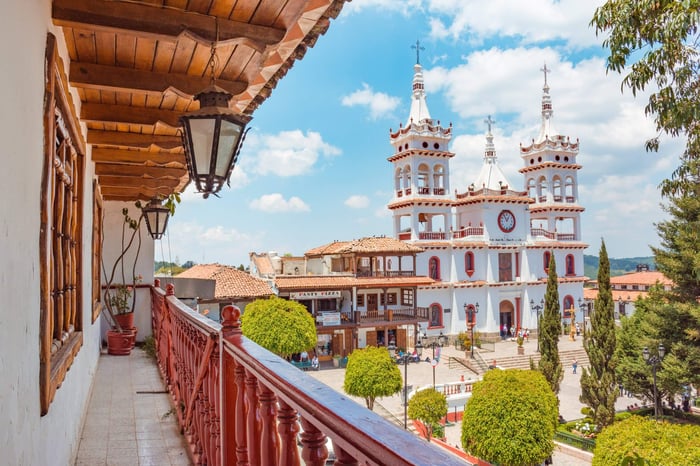
The town of Tequila lies in western Jalisco, within easy reach of Guadalajara. Surrounded by blue agave fields and backed by the Tequila Volcano, it is one of Mexico’s designated Pueblos Mágicos, or ‘Magical Towns’.
At the centre of town, cobbled streets lead towards a lively main square, traditional restaurants and historic buildings. The atmosphere is relaxed, with shops selling locally produced goods and the scent of cooked agave occasionally drifting from nearby distilleries.
A guided visit is one of the best ways to explore. You can learn about the town’s history, visit a traditional distillery and discover how production methods vary between smaller family businesses and larger, internationally recognised producers.
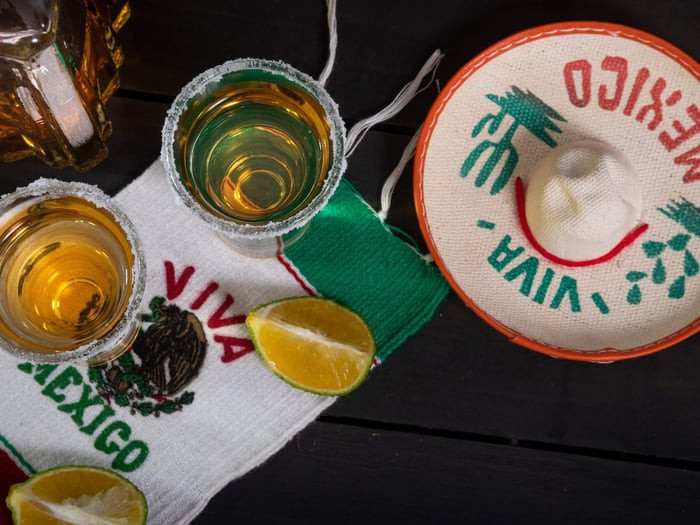
Many distillery visits conclude with a tasting, where a local expert will explain how to recognise different aromas and flavours. Rather than drinking tequila quickly, you are encouraged to sip it slowly and notice the differences between each style.
Spending time in the town itself also gives you the chance to enjoy regional dishes, listen to live music and see how closely tequila is woven into everyday life. This is what makes discovering tequila in Mexico such a rewarding travel experience.
Walk through Jalisco’s blue agave landscape
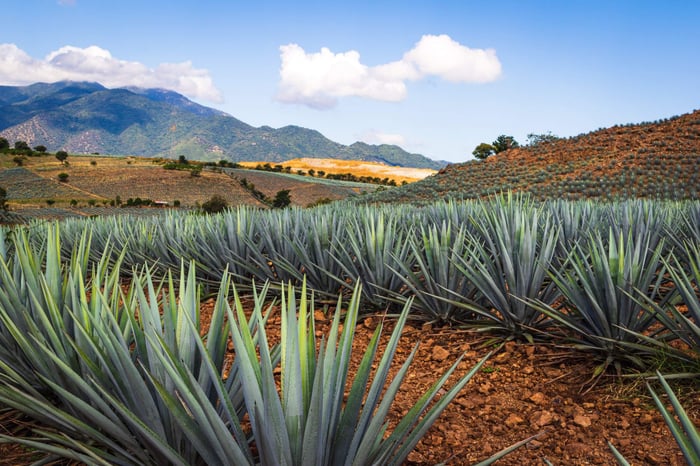
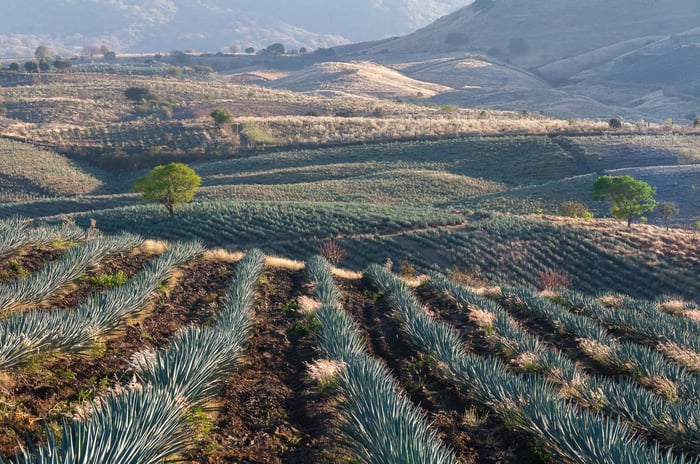
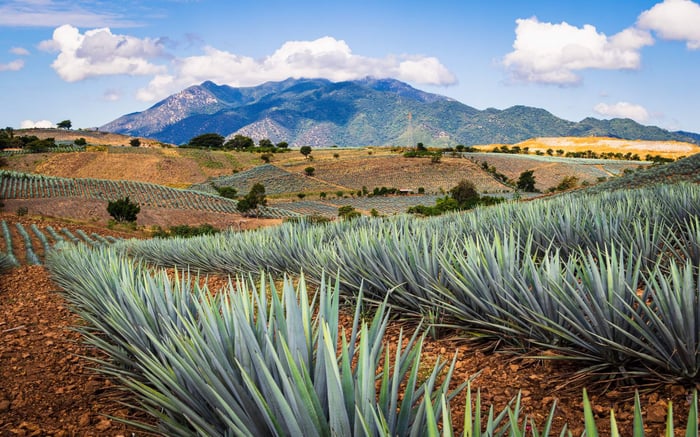
The countryside surrounding Tequila is one of the region’s defining sights. Long, orderly rows of blue agave cover the hillsides, creating a landscape that changes colour with the light.
Recognised by UNESCO for its cultural importance, the agave-growing region reflects centuries of agricultural tradition. The landscape includes fields, historic distilleries and communities whose identities have long been connected to tequila production.
A visit to the agave fields allows you to see the scale of the work involved. Your guide may explain how farmers identify a mature plant, why growing conditions matter and how the agave is prepared for harvesting.
Some experiences include a demonstration by a jimador, giving you the opportunity to see the precision required to remove the plant’s leaves without damaging its heart. It is a physical, highly skilled process, often passed down through families.
Walking among the agave plants, with the hills of Jalisco in the distance, is one of the most memorable ways to experience tequila in Mexico.
Discover Guadalajara, the cultural heart of Jalisco
Tequila works particularly well as part of a longer stay in Guadalajara, the capital of Jalisco and one of Mexico’s most culturally important cities.
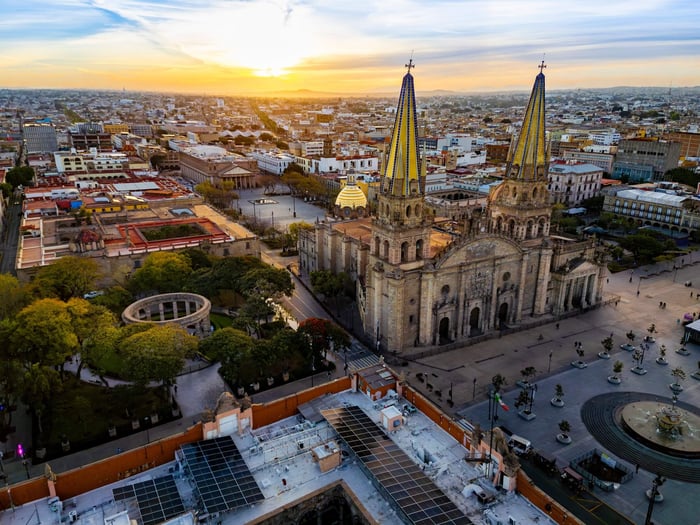
Guadalajara is known as the birthplace of mariachi music and is also closely associated with charro traditions, tequila and some of the country’s best-loved regional dishes. Its historic centre is filled with grand architecture, lively plazas, museums and colourful murals.
The city’s markets are a highlight. Mercado San Juan de Dios is one of the largest indoor markets in Latin America, with stalls selling food, crafts, leather goods and local specialities. For a more local experience, smaller neighbourhood markets offer an insight into everyday life and the ingredients used in Jalisco’s cooking.
In the evening, you may hear mariachi bands performing in the plazas or enjoy dinner in one of the city’s traditional restaurants. Birria, a richly seasoned meat dish, is one of the region’s most famous specialities and pairs particularly well with a carefully chosen tequila.
By combining Guadalajara with the town of Tequila, you experience the drink within its wider cultural setting rather than treating it as a standalone excursion.
The different types of tequila to try
A guided tasting introduces you to the main styles of tequila and helps explain how ageing changes the flavour.
Blanco
Blanco tequila is usually bottled soon after distillation, although it may rest briefly before being released. It tends to have a fresh, vibrant character, with flavours that reflect the cooked agave.
This is often the best style for understanding the natural character of the plant and is commonly used in cocktails.
Reposado
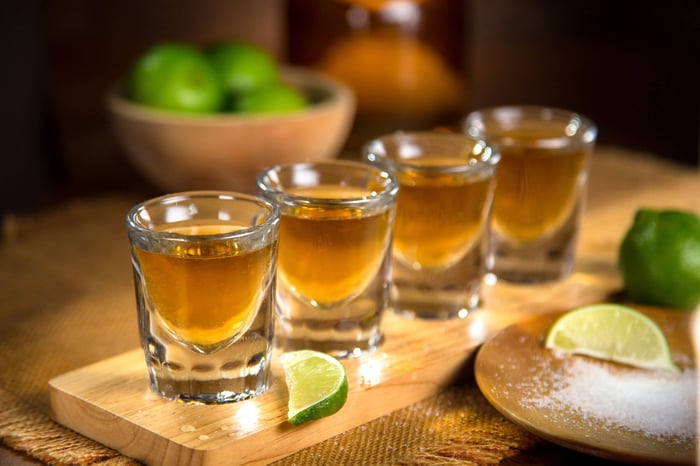
Reposado means ‘rested’. This style is aged in wooden barrels for at least two months, giving it a smoother flavour and a light golden colour.
Depending on the barrel, you may notice notes of vanilla, spice, caramel or oak alongside the agave.
Añejo
Añejo tequila is aged for at least one year. It is usually richer and more complex, with deeper flavours that may include dried fruit, chocolate, spice and toasted wood.
It is often served neat and sipped slowly.
Extra añejo
Extra añejo tequila spends at least three years ageing in barrels. These tequilas can be especially rich and complex and are generally enjoyed in small measures.
Trying several styles side by side is one of the best ways to understand the variety found in tequila in Mexico.
Five tequila drinks to try during your Mexico holiday
Although good-quality tequila is often enjoyed neat, there are several refreshing drinks worth trying during your travels.
Paloma
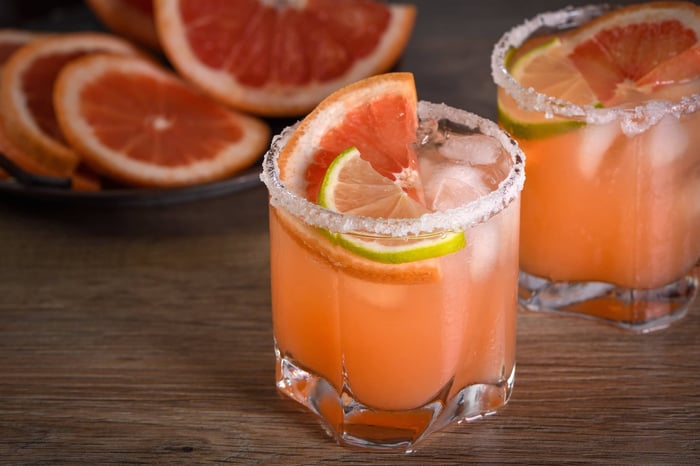
The paloma is one of Mexico’s most popular tequila drinks. Usually made with tequila, grapefruit soda and fresh lime, it is light, citrusy and particularly refreshing in warm weather.
You will find it served in restaurants and bars throughout the country.
Margarita
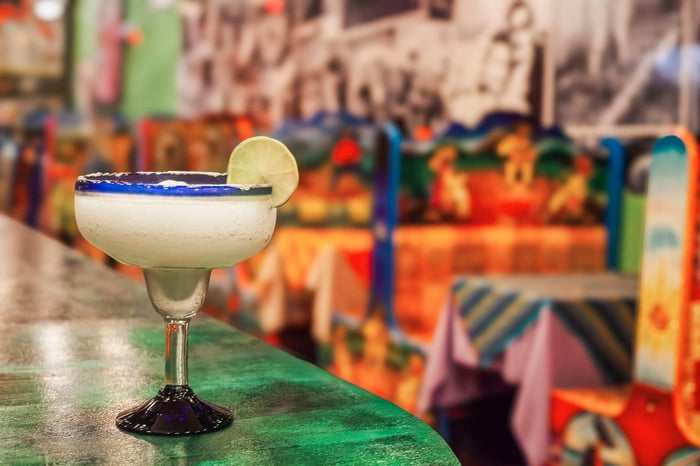
The classic margarita combines tequila, fresh lime juice and orange liqueur. A well-made version should balance citrus, sweetness and the natural flavour of the tequila.
Variations may include fresh fruit, chilli or local ingredients, but the traditional lime version remains one of the best.
Cantarito
Closely associated with Jalisco, the cantarito is traditionally served in a small clay cup. It combines tequila with grapefruit, orange and lime juice, often topped with grapefruit soda.
It is fresh, zesty and an ideal drink to try while exploring the tequila-producing region.
Batanga
The batanga was created in the town of Tequila. It is made with tequila, cola and fresh lime, usually served in a salt-rimmed glass.
Simple and refreshing, it is a drink with strong local connections.
Charro Negro
Similar to the batanga, the charro negro combines tequila, cola and lime. The name refers to the traditional charro horsemen of Jalisco, making it another drink closely linked to the region’s identity.
What to eat with tequila
Food is an important part of any visit to Jalisco, and regional dishes can help bring out different flavours in tequila.
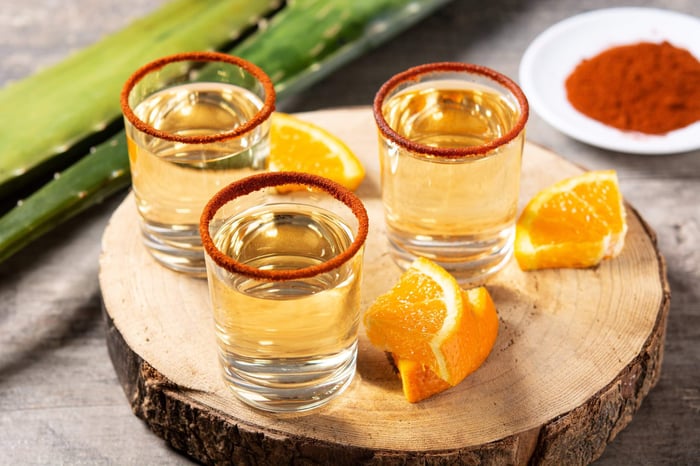
Birria is one of the area’s best-known dishes. Traditionally slow-cooked and richly seasoned, it is often served with tortillas, onions, lime and salsa. Reposado or añejo tequila can complement its deeper flavours.
Lighter blanco tequilas work well with ceviche, grilled seafood and tacos, while aged varieties can be paired with mole, slow-cooked meats or desserts featuring chocolate and caramel.
During a tasting, your guide may recommend small food pairings designed to complement each tequila. This can make the experience more accessible, especially for travellers who are unfamiliar with drinking tequila neat.
Tequila and mezcal: what is the difference?
Tequila and mezcal are both produced from agave, but they have different origins, ingredients and production methods.
Tequila must be made primarily from blue Weber agave and is most closely associated with Jalisco. The agave is usually cooked in ovens or autoclaves, helping to create a clean and recognisable flavour.
Mezcal can be made from many different types of agave and is most strongly associated with Oaxaca. In traditional production, the agave hearts are roasted in underground pits, which can give the finished spirit its distinctive smoky character.
Travelling between Jalisco and Oaxaca gives you the opportunity to experience both. You can compare the landscapes, meet local producers and understand how each spirit reflects the traditions of its region.
Our Mezcal to Mole holiday is a wonderful way to explore Mexico through its food and drink. It combines regional cuisine, local traditions and carefully chosen experiences, including the chance to discover tequila in Jalisco and mezcal in Oaxaca.
The best time to visit Tequila and Jalisco
Jalisco can be visited throughout the year, although the drier months between November and April are often the most comfortable for sightseeing and exploring the agave fields.
During this period, days are generally warm and bright, while evenings can be cooler. It is a good time for walking tours, outdoor visits and combining Guadalajara with other parts of Mexico.
The wetter months usually run from June to September. Rain often falls in short, heavy bursts, and the surrounding countryside can appear especially green. Travelling at this time can still be rewarding, particularly if you prefer quieter conditions.
There is no single harvest season for agave because plants mature at different times. This means distilleries operate throughout the year, making tequila in Mexico an evergreen experience that can be included in your holiday whenever you travel.
How to include Tequila in a wider Mexico holiday
Tequila can be visited as a day trip from Guadalajara, but spending longer in the region allows you to experience it at a more relaxed pace.
You may choose to stay in Guadalajara before travelling to the town of Tequila for a private distillery visit and agave-field tour. From there, you could continue to Oaxaca for its markets, food and mezcal traditions or travel to Mexico City to explore its museums, historic neighbourhoods and exceptional restaurant scene.
Jalisco also combines well with Mexico’s Pacific Coast. After exploring Guadalajara and Tequila, you could continue to Puerto Vallarta or one of the smaller coastal towns for fresh seafood, beaches and time to relax.
Every holiday we create is designed around the places you want to see and the way you prefer to travel. Your Travel Specialist can recommend the right distilleries, organise private transfers and create an itinerary that balances cultural experiences with time to explore independently.
Explore our Mezcal to Mole Holiday
Experience tequila in Mexico with Latin Routes
Experiencing tequila in Mexico offers a deeper connection to the country’s landscapes, traditions and people. It is found in the blue agave fields of Jalisco, in the knowledge of the jimadores and in the family distilleries that continue to produce tequila using methods passed down through generations.
It is also part of a much wider cultural experience. In Guadalajara, tequila sits alongside mariachi music, lively markets and distinctive regional food. In the town of Tequila, it shapes the history, character and daily life of the community.
Whether you are walking through agave fields, joining a guided tasting or enjoying a paloma with dinner, tequila can become one of the most memorable parts of your Mexico holiday.
Speak to one of our Travel Specialists to start planning your truly individual Mexico holiday.
FAQs
Where is tequila made in Mexico?
Tequila is primarily produced in the state of Jalisco, although it can also be made in a small number of designated areas in Guanajuato, Michoacán, Nayarit and Tamaulipas. The town of Tequila, around 90 minutes from Guadalajara, is considered the birthplace of the spirit and is one of the best places to learn about its history and production.
Can you visit tequila distilleries in Mexico?
Yes. Many distilleries in and around the town of Tequila welcome visitors for guided tours. Experiences often include a walk through the agave fields, an explanation of the production process and a tasting of different styles of tequila. Some tours also include food pairings or opportunities to meet local producers.
Is Tequila worth visiting?
Absolutely. Tequila is one of Mexico's designated Pueblos Mágicos and offers much more than distillery tours. Visitors can explore colourful streets, browse artisan shops, enjoy traditional restaurants and discover the UNESCO-listed agave landscape that surrounds the town. It is an excellent day trip or overnight stay from Guadalajara.
What is the best time to visit Tequila, Mexico?
Tequila can be visited throughout the year. The dry season, from November to April, generally brings warm, sunny weather that is ideal for sightseeing and exploring the agave fields. The summer months are greener, with occasional afternoon rain showers, but distilleries remain open year-round.
How far is Tequila from Guadalajara?
The town of Tequila is approximately 65 kilometres (40 miles) from Guadalajara, with the journey taking around 90 minutes by road. It is an easy day trip, although staying overnight allows more time to enjoy the town after many day visitors have left.
What's the difference between tequila and mezcal?
Both tequila and mezcal are made from agave, but tequila is produced mainly from blue Weber agave in Jalisco, while mezcal can be made from a variety of agave species, most commonly in Oaxaca. Mezcal often has a smoky flavour due to the traditional roasting process used before distillation.
Can I include Tequila in a tailor-made Mexico holiday?
Yes. At Latin Routes, we can include Tequila and Guadalajara as part of a truly individual Mexico holiday. They combine particularly well with Mexico City, Oaxaca, the Pacific Coast or the Yucatán Peninsula, creating an itinerary that blends culture, food and authentic local experiences.
Do I need to book tequila tours in advance?
We recommend booking distillery visits in advance, particularly during peak travel periods, to secure your preferred experience. Your Latin Routes Travel Specialist can arrange private tours and tastings as part of your tailor-made itinerary.
What food should I try with tequila in Mexico?
Regional dishes such as birria, tacos, grilled seafood and fresh ceviche pair particularly well with tequila. Many tastings also include local snacks or small food pairings to complement the different styles of tequila.
Is tequila suitable for non-drinkers?
Yes. Even if you don't drink alcohol, visiting Tequila is still worthwhile. The region's agave landscapes, colourful town, local history and cultural heritage make it an enjoyable destination, and many distillery tours focus on the craftsmanship and traditions behind tequila production rather than just the tasting.