



Visit Rio de Janeiro: iconic sights, culture and beaches

Brazil

-3 hours

Real (BZL)

The Beaches
When is the best time to go to Rio De Janeiro?
About Rio de Janeiro and its surrounding areas
Top Things to Do and See in Rio de Janeiro
Things to do in Rio de Janeiro
Copacabana and Ipanema
- Relax on Rio’s most famous beaches and experience its vibrant beach culture
- Enjoy beachfront cafés, bars and a lively atmosphere
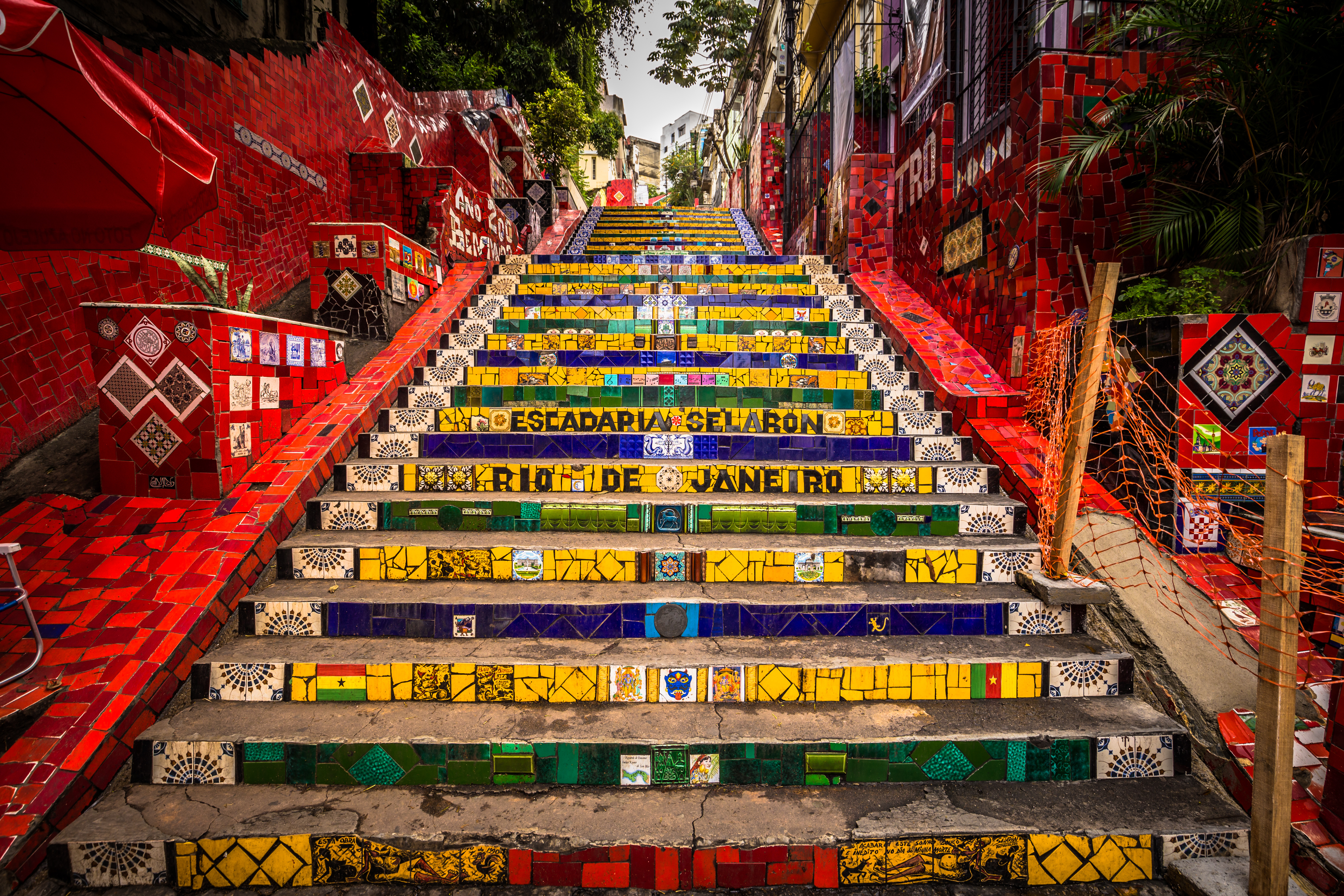
Santa Teresa
- Wander through this hillside neighbourhood known for its historic streets and artistic feel
- Visit the colourful Selarón Steps and take in views across the city
Corcovado and Christ the Redeemer
- Visit one of the New Seven Wonders of the World
- Enjoy sweeping views over Rio, its coastline and surrounding mountains
Sugarloaf Mountain
- Take the cable car to the summit for panoramic views
- Visit at sunset for some of the most memorable scenery in the city
Food and drink experiences
- Try a traditional caipirinha and sample Brazilian dishes such as feijoada and pão de queijo
Day trips from Rio de Janeiro
Petrópolis
- Explore this mountain town known for its imperial history and cooler climate
- Visit highlights such as the Imperial Museum and Crystal Palace
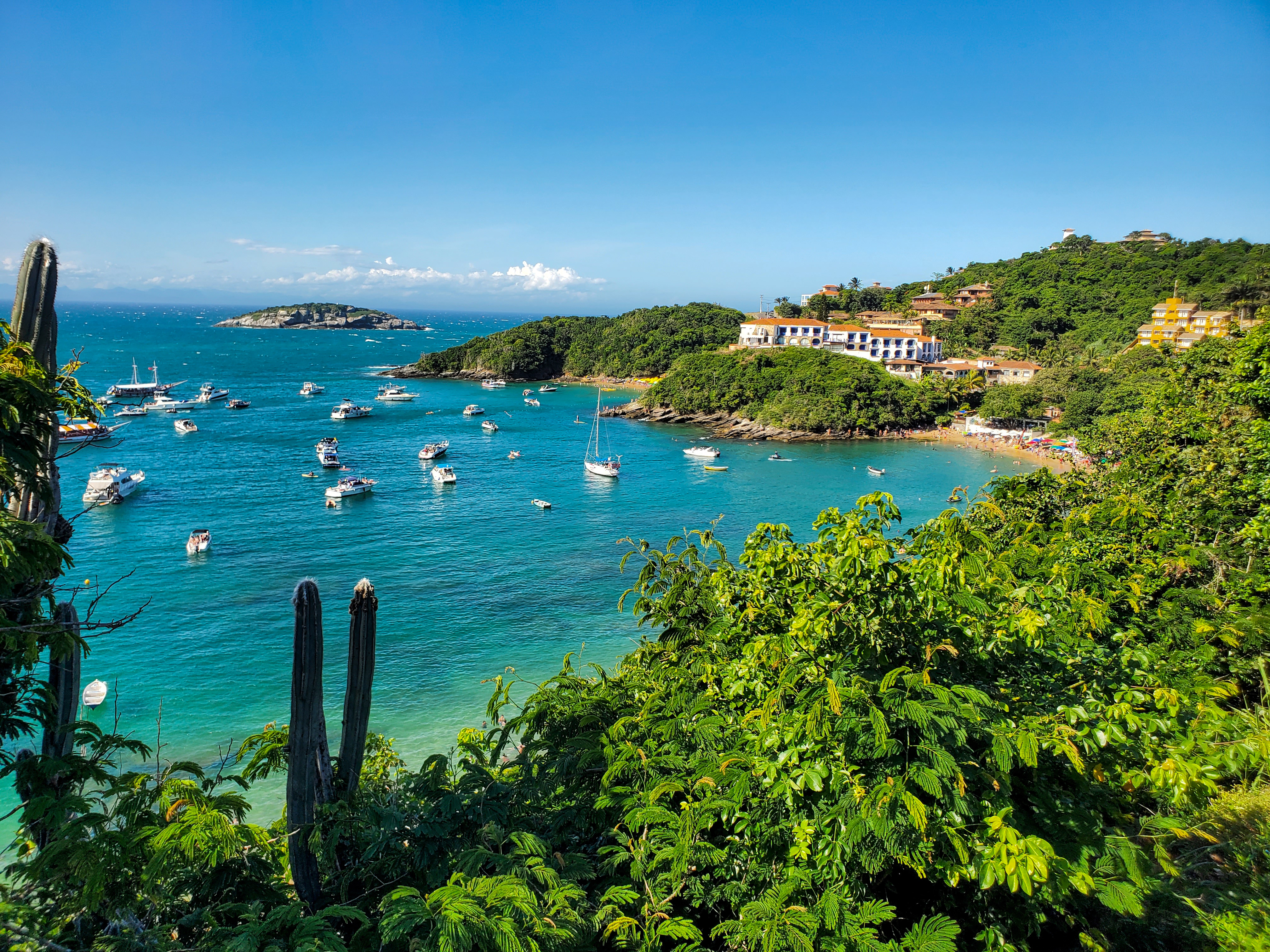
Búzios
- Discover a stylish coastal destination with over 20 beaches
- Enjoy boutique shopping, dining and a relaxed seaside atmosphere
Tijuca National Park
- Explore one of the world’s largest urban rainforests
- Walk scenic trails, visit waterfalls and spot local wildlife
Angra dos Reis
- Take a boat trip through a region of islands and clear waters
- Relax on beaches or enjoy snorkelling along the coast
Arraial do Cabo
- Visit for clear waters and white-sand beaches
- Ideal for boat trips, swimming and coastal scenery






Rio de Janeiro Highlights
Some of the sights and experiences in and around Rio de Janeiro, Brazil




Speak to a Travel Specialist today
Rio de Janeiro Travel FAQs Travel FAQs
Is Rio de Janeiro safe for tourists?
Rio is a vibrant city with many safe areas for visitors, especially popular districts like Ipanema, Copacabana, and Santa Teresa. As with any large city, it’s best to take standard precautions: avoid isolated areas, especially at night, keep valuables out of sight, and use licensed taxis or ride apps for transport.
What is Rio de Janeiro best known for?
Rio is famous for its scenery, iconic landmarks like Christ the Redeemer and Sugarloaf Mountain, and its world-renowned beaches. It's also known for its vibrant Carnival celebrations, rich Afro-Brazilian culture, and love of music, football, and all things festive.
How many days should I spend in Rio de Janeiro?
Spending two to four days in Rio is ideal to take in the city’s main sights, such as Christ the Redeemer, Sugarloaf Mountain, and Copacabana Beach, while also enjoying local culture, food and nightlife. If you want to experience Carnival in Brazil, you might consider staying a bit longer.
What are the must-see attractions in Rio de Janeiro?
Don’t miss the panoramic views from Christ the Redeemer and Sugarloaf Mountain, the beachside vibe at Copacabana and Ipanema, and the colour and charm of the Selarón Steps and Lapa Arches. Tijuca National Park also offers a slice of Atlantic rainforest right within the city limits.
When is the best time to visit Rio de Janeiro?
Rio can be visited year-round, but the best weather is from December to March, during the Brazilian summer. This is also when Carnival takes place — usually in February or March — offering an unforgettable cultural experience. If you prefer milder temperatures and fewer crowds, April to June is ideal.
What is the time difference between Rio de Janeiro and the UK?
The time zone for Rio de Janeiro is GMT-3 year-round, since Brazil does not observe daylight saving time. Therefore, depending on the time of year, Rio can be either 3 or 4 hours behind the UK.
When is Carnival in Rio de Janeiro?
Carnival in Rio de Janeiro usually takes place in February or sometimes early March, with celebrations typically lasting across five days. It’s one of the world’s most famous festivals with spectacular events, parades and music.
What language is spoken in Rio de Janeiro, Brazil?
The official language spoken Rio de Janeiro is Brazilian Portuguese. Learning a few basic phrases may be helpful and appreciated by the locals while on holiday there.
What currency is used in Rio de Janeiro?
The currency used in Rio de Janeiro is the Brazilian Real. While credit and debit cards are widely accepted, it’s handy to carry some cash for taxis, markets and smaller shops.
Do I need a visa for Rio de Janeiro from the UK?
UK passport holders do not currently need a visa to visiting Brazil on holiday for stays of up to 90 days.
Is Rio de Janeiro worth seeing?
Absolutely! Rio de Janeiro is one of the most iconic cities in the world and is definitely worth visiting. From memorable views and famous beaches to vibrant culture and historic landmarks, it offers an unforgettable mix of natural beauty and urban energy.
How do you get around Rio de Janeiro?
Rio is easy to explore using private transfers, taxis and guided tours. Many key sights are spread across the city, so organised excursions are the most convenient way to maximise your time.
Is Rio de Janeiro suitable for families?
Yes, Rio can be a great destination for families, offering beaches, cable car rides, wildlife in Tijuca National Park and cultural experiences suitable for all ages.
What cultural experiences can you enjoy in Rio?
Rio offers a rich cultural scene, from samba music and local markets to art, food and neighbourhood experiences that reflect the city’s character.
What makes Rio de Janeiro unique?
Rio stands out for its setting between mountains and ocean, combining natural scenery with iconic landmarks and a lively cultural atmosphere.
Is Rio de Janeiro good for outdoor activities?
Yes, Rio is ideal for outdoor experiences, including hiking in Tijuca National Park, cycling along the beachfront and taking in viewpoints across the city.
How far is Rio de Janeiro from other Brazil destinations?
Rio is well connected by domestic flights, making it easy to combine with destinations such as Iguazú Falls, Salvador, the Amazon or the Pantanal.
Where can I find more Brazil travel inspiration?
What neighbourhoods are best to stay in Rio?
Copacabana and Ipanema are the most popular areas, offering beach access, restaurants and easy transport links. Santa Teresa provides a more cultural and relaxed alternative.
Can Rio de Janeiro be part of a multi-centre Brazil holiday?
Yes, Rio pairs well with destinations such as the Amazon Rainforest, Iguazú Falls, the Pantanal or the Green Coast, creating a varied Brazil holiday.
What are the must-see attractions in Rio de Janeiro?
Top highlights include Christ the Redeemer, Sugarloaf Mountain, Copacabana and Ipanema beaches, and the views from Corcovado Mountain.
Is Rio de Janeiro good for beach holidays?
Yes, Rio is one of the best destinations in Brazil for beach holidays, combining iconic beaches with a lively atmosphere and scenic surroundings.