


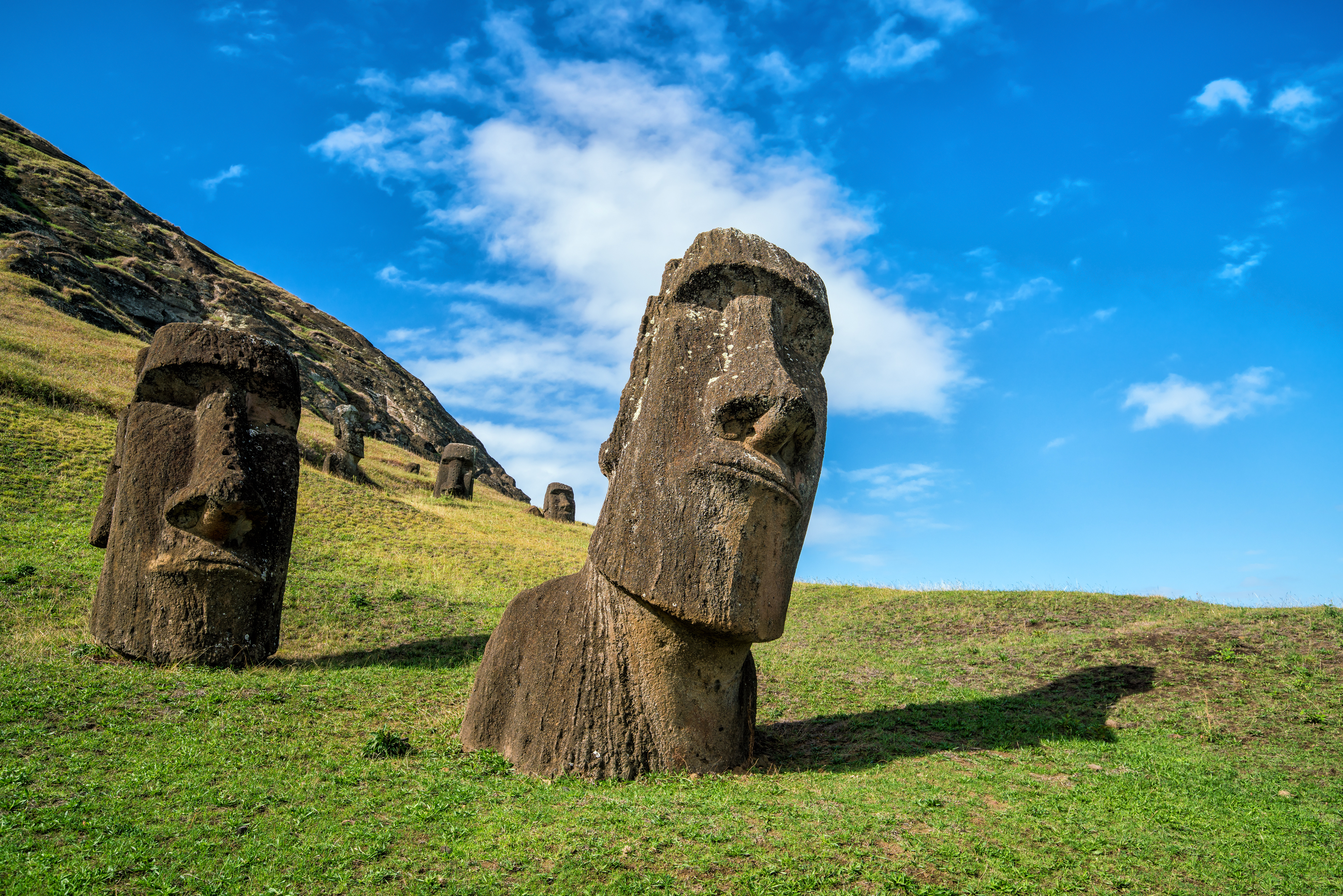
Discover the Mystery of Easter Island: Stone Heads and Breathtaking Landscapes
Hidden in the Pacific Ocean more than 3,500km from mainland Chile, Easter Island, known locally as Rapa Nui, is one of the world’s most remote inhabited islands. Renowned for its iconic moai statues, volcanic landscapes and rich Polynesian heritage, Easter Island holidays offer a unique addition to wider Chile holidays, combining history, culture and dramatic scenery in one remarkable destination.
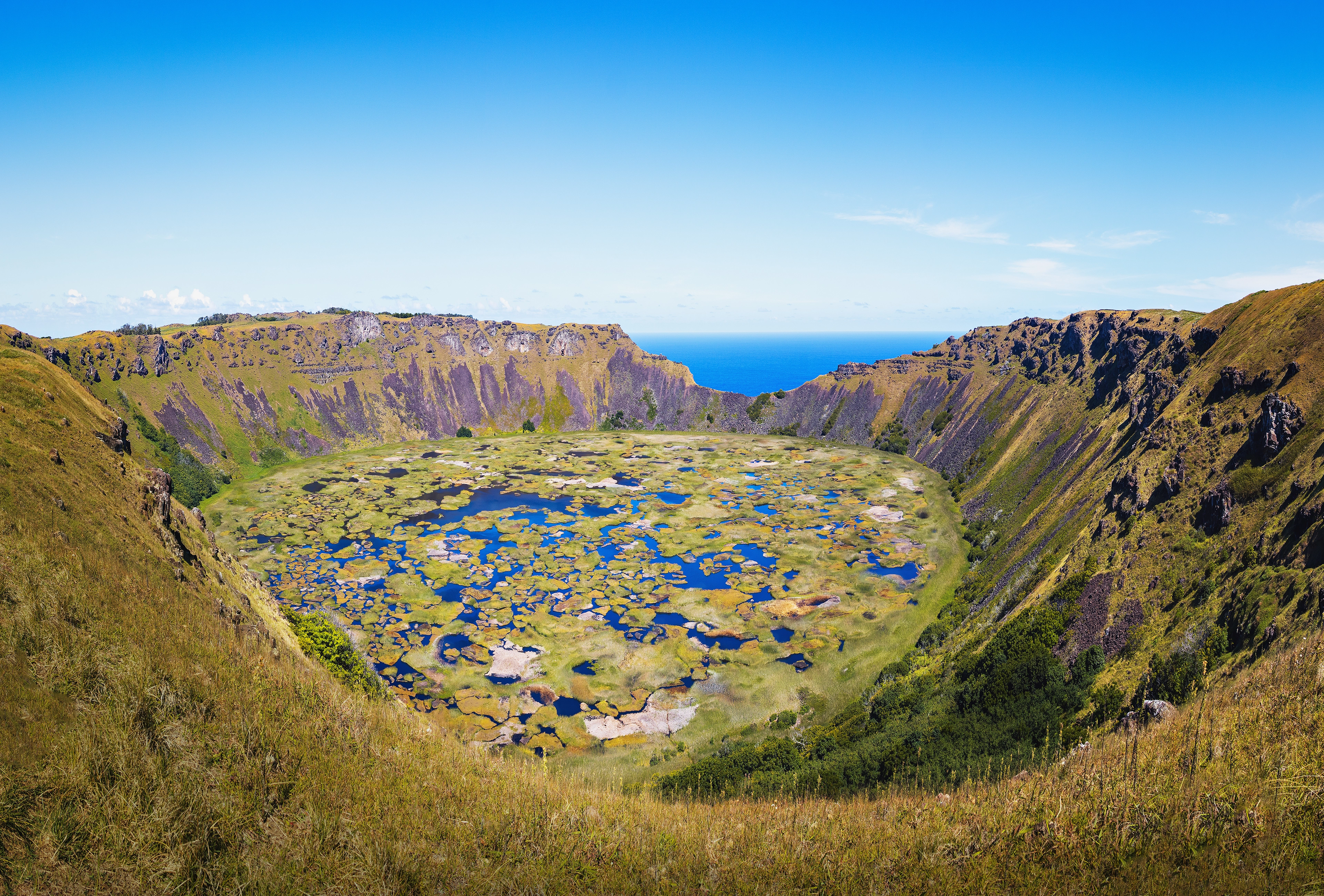
From the archaeological site of Rano Raraku, where the moai were carved, to the ceremonial platform of Ahu Tongariki overlooking the Pacific, the island reveals a fascinating mix of ancient history and striking natural landscapes. Guided cultural experiences, volcanic viewpoints and coastal walks all contribute to the island’s slower pace and strong sense of place.
Why Visit Easter Island?
Easter Island offers one of South America’s most distinctive cultural and natural experiences, combining remote Pacific landscapes with extraordinary archaeological heritage. Whether exploring the moai statues, volcanic scenery or rugged coastline, the island is ideal for travellers seeking something immersive, unique and rewarding as part of a wider Chile holiday.

Chile

-3 hours

Chilean Peso (CLP)

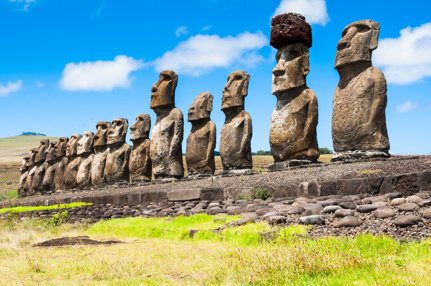
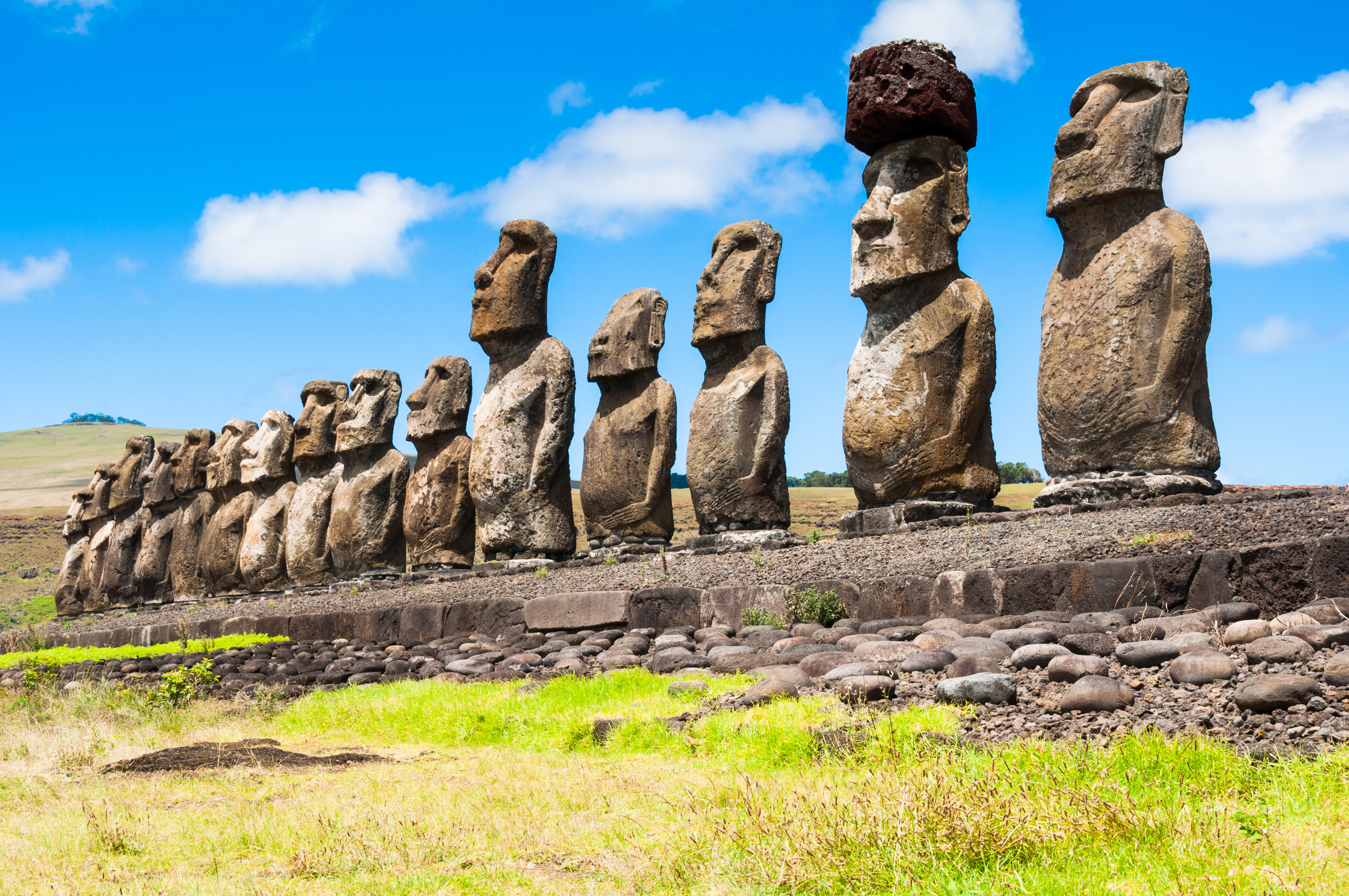
Moai statues at Ahu Tongariki
When is the best time to go to Easter Island?
Easter Island enjoys a pleasant subtropical climate throughout the year, moderated by the surrounding Pacific Ocean. For the warmest temperatures and sunniest conditions, the best time to visit is during the austral summer, from December to March. This period offers ideal weather for exploring the island's archaeological sites, volcanic landscapes and dramatic coastline.
Winter on Easter Island, from July to September, remains mild and comfortable, making it an excellent destination year-round. While occasional rainfall can occur at any time of year, temperatures remain pleasant, allowing visitors to enjoy the island's cultural and natural attractions in every season.
What to Pack for Easter Island?
Planning a trip to Easter Island? Packing the right clothing will help you stay comfortable while exploring the island's unique landscapes and changing weather conditions.
Winter (June–August): Temperatures remain mild throughout winter, but it's worth bringing layers such as jumpers and a light jacket for cooler evenings. A waterproof jacket or umbrella is also recommended, as occasional showers can occur.
Summer (December–February): Lightweight, breathable clothing is ideal for the warmer summer months. Evenings can still be cooler, so packing a light jumper is advisable. A compact raincoat or umbrella is useful for any unexpected rainfall.
Whatever time of year you visit, comfortable walking shoes, sun protection and a reusable water bottle are recommended for exploring Easter Island's archaeological sites, volcanic landscapes and coastal trails.
Where to Go and What to Do on Easter Island?
Easter Island offers a wealth of unforgettable experiences, from exploring the iconic moai statues to hiking volcanic landscapes and discovering the island's fascinating Polynesian heritage. Whether you're interested in archaeology, culture, nature or adventure, there are plenty of things to do during your Easter Island holiday.
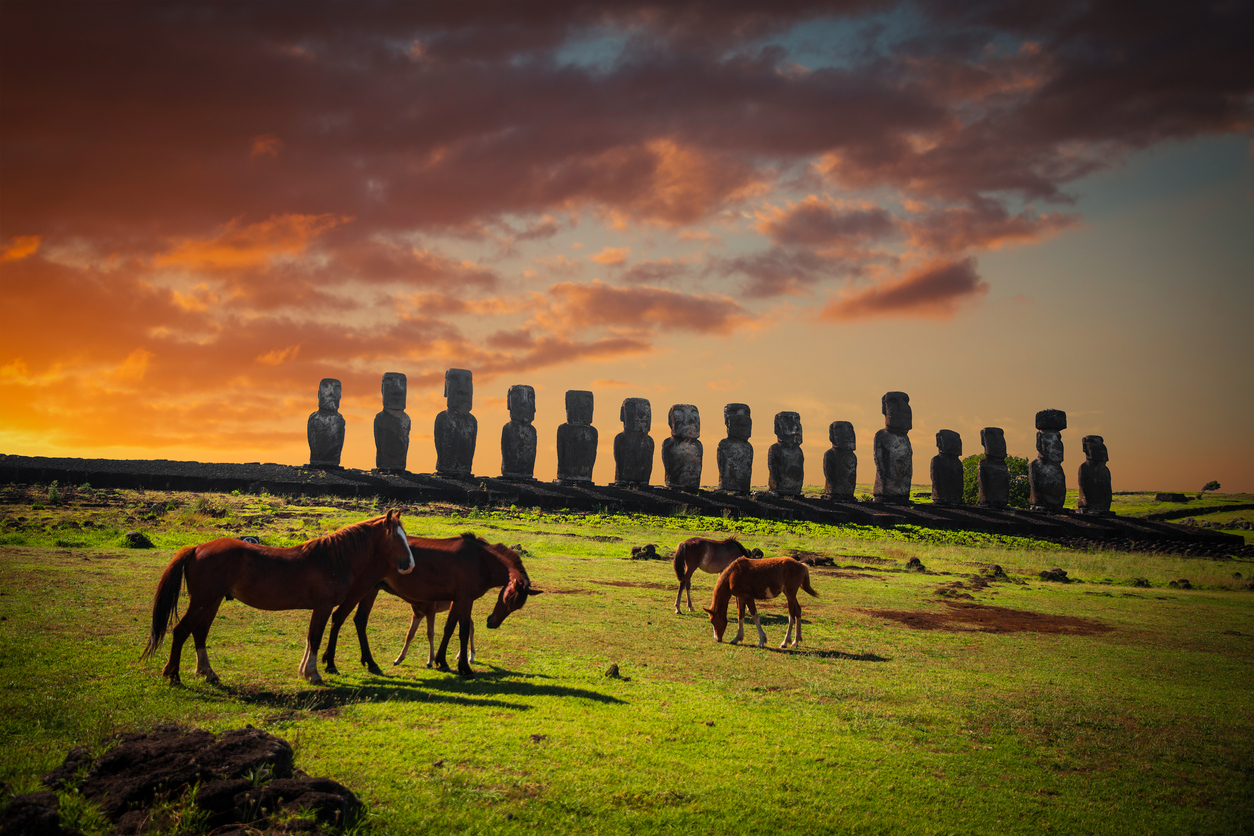
- Watch the Sunrise at Ahu Tongariki: One of the island's most memorable experiences, sunrise at Ahu Tongariki sees 15 restored moai statues illuminated by the first light of day against the backdrop of the Pacific Ocean.
- Cycle Around the Island: Easter Island's compact size makes it ideal for exploring by bicycle. Cycling offers a relaxed way to discover archaeological sites, coastal scenery and local villages at your own pace.
- Hike to the Summit of Terevaka: Reach the highest point on Easter Island and enjoy panoramic views across the island's volcanic terrain and surrounding ocean.
- Experience a Traditional Rapa Nui Dance Show: Enjoy an evening of music, dance and storytelling that celebrates the island's unique culture and Polynesian roots.
- Collect a Moai Passport Stamp: Visit the local post office in Hanga Roa to receive a distinctive moai-themed stamp as a memorable keepsake from your trip.
- Explore Hanga Roa: The island's main town is home to restaurants, cafés, artisan shops and several archaeological sites, offering an insight into everyday life on Easter Island.
- Visit Rano Raraku: Known as the quarry of the moai, Rano Raraku is one of Easter Island's most important archaeological sites, where many of the island's famous statues were carved.
- Relax at Anakena Beach: This picturesque white-sand beach combines crystal-clear waters with a backdrop of palm trees and moai statues, making it one of the island's most popular spots.
- Explore Ana Kakenga Cave: Also known as the Cave of Two Windows, this dramatic sea cave offers spectacular coastal views and is steeped in local legend.
- Discover the Petroglyphs at Papa Vaka: See some of Easter Island's most significant rock carvings, which depict fishing traditions, canoes and symbols from Rapa Nui culture.
Add Easter Island on to your Holiday to South America
Enhance your Chile holiday with this 4-day Easter Island extension. Discover the fascinating history, iconic moai statues and unique Polynesian culture of Rapa Nui, one of the world's most remote and captivating destinations. Whether added to the beginning or end of your South America itinerary, Easter Island provides a memorable cultural and archaeological experience unlike anywhere else on the continent.
Highlights of Easter Island
A Journey to Easter Island: Stone Heads, Stunning Scenery, and Cultural Wonders
Speak to a Travel Specialist today
Easter Island Travel FAQs
What to Pack for Easter Island?
Easter Island enjoys a mild subtropical climate throughout the year, making it a comfortable destination to visit in any season. While temperatures remain relatively consistent, weather conditions can change quickly, so packing a few layers is recommended.
- Winter (June–August): Temperatures remain pleasant, although evenings can be cooler. We recommend bringing jumpers, a light jacket and a waterproof coat, as occasional rainfall is more common during this period.
- Summer (December–February): Lightweight, breathable clothing is ideal for warm daytime temperatures. A light jumper is useful for cooler evenings, while a compact rain jacket can be helpful, as showers can occur at any time of year.
Comfortable walking shoes, sun protection and a reusable water bottle are also recommended for exploring the island’s archaeological sites, volcanic landscapes and coastal trails.
How do you get to Easter Island?
Travelling to Easter Island from the UK typically involves flying to Chile before connecting onwards to Rapa Nui. Most journeys route through Santiago, where regular flights operate to Mataveri International Airport on Easter Island. The flight from Santiago takes approximately five and a half hours, making it one of the most remote yet accessible destinations in the Pacific.
How big is Easter Island?
Easter Island may be relatively small, covering approximately 63 square miles (163 square kilometres), but it is rich in natural beauty, archaeological sites and cultural heritage. Despite its size, the island is home to an extraordinary concentration of attractions, and it is possible to drive around the entire coastline in just a few hours while taking in volcanic landscapes, coastal scenery and the iconic moai statues.
How many Moai are there on Easter Island?
Easter Island is home to nearly 1,000 moai statues, the iconic stone figures created by the Rapa Nui people between the 13th and 16th centuries. These remarkable monuments vary in size, with some standing more than 10 metres tall and weighing up to 75 tonnes. Found across the island, they remain one of the world’s most fascinating archaeological achievements and a powerful symbol of Easter Island’s unique cultural heritage.
How many days should I spend on Easter Island?
Our Easter Island holiday extension allows you to spend four memorable days exploring one of the world’s most fascinating and remote destinations. This provides ample time to visit the island’s principal archaeological sites, discover its remarkable moai statues and gain a deeper understanding of Rapa Nui culture, all at a relaxed pace that allows you to fully appreciate the island’s unique atmosphere and landscapes.
Is it worth visiting Easter Island?
Yes, Easter Island is widely regarded as one of the world’s most remarkable destinations, combining archaeological wonders, dramatic volcanic landscapes and a rich Polynesian heritage. Home to the iconic moai statues and surrounded by the vast Pacific Ocean, the island offers a unique blend of history, culture and natural beauty that cannot be found anywhere else, making it a rewarding addition to any Chile holiday.
What language is spoken in Easter Island?
The primary language spoken on Easter Island is Spanish, the official language of Chile. English is also spoken in many hotels, visitor centres and by local guides, making it easy for travellers to explore the island. Alongside Spanish, the indigenous Rapa Nui language remains an important part of the island’s cultural identity and continues to be spoken by members of the local community.