Visit Patagonia, a land of vast wilderness and dramatic landscapes
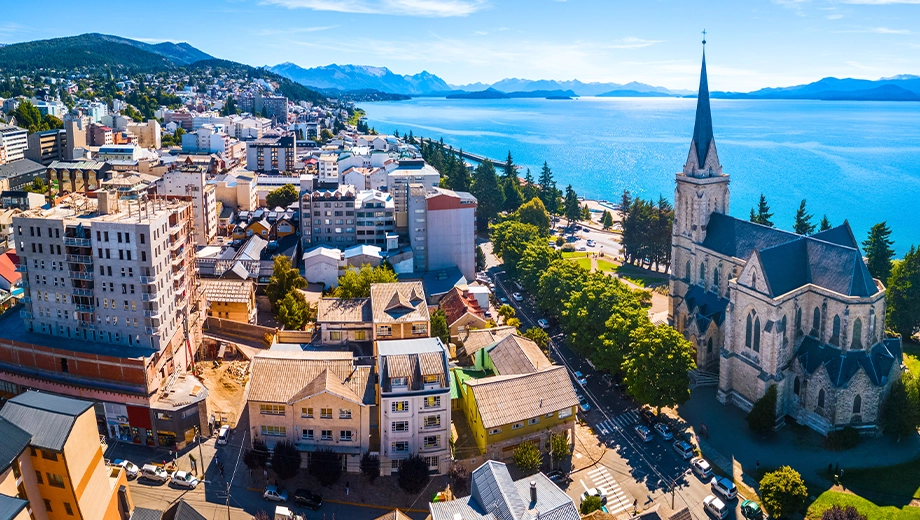
Holidays to Patagonia offer an extraordinary journey through one of the most diverse and remote regions in Latin America. Spanning southern Chile and Argentina, Patagonia stretches from the scenic lake districts in the north to Tierra del Fuego in the far south, close to Antarctica. Shared between Chile and Argentina, this vast region combines dramatic landscapes, unique wildlife and contrasting cultures, creating a rich and varied travel experience.
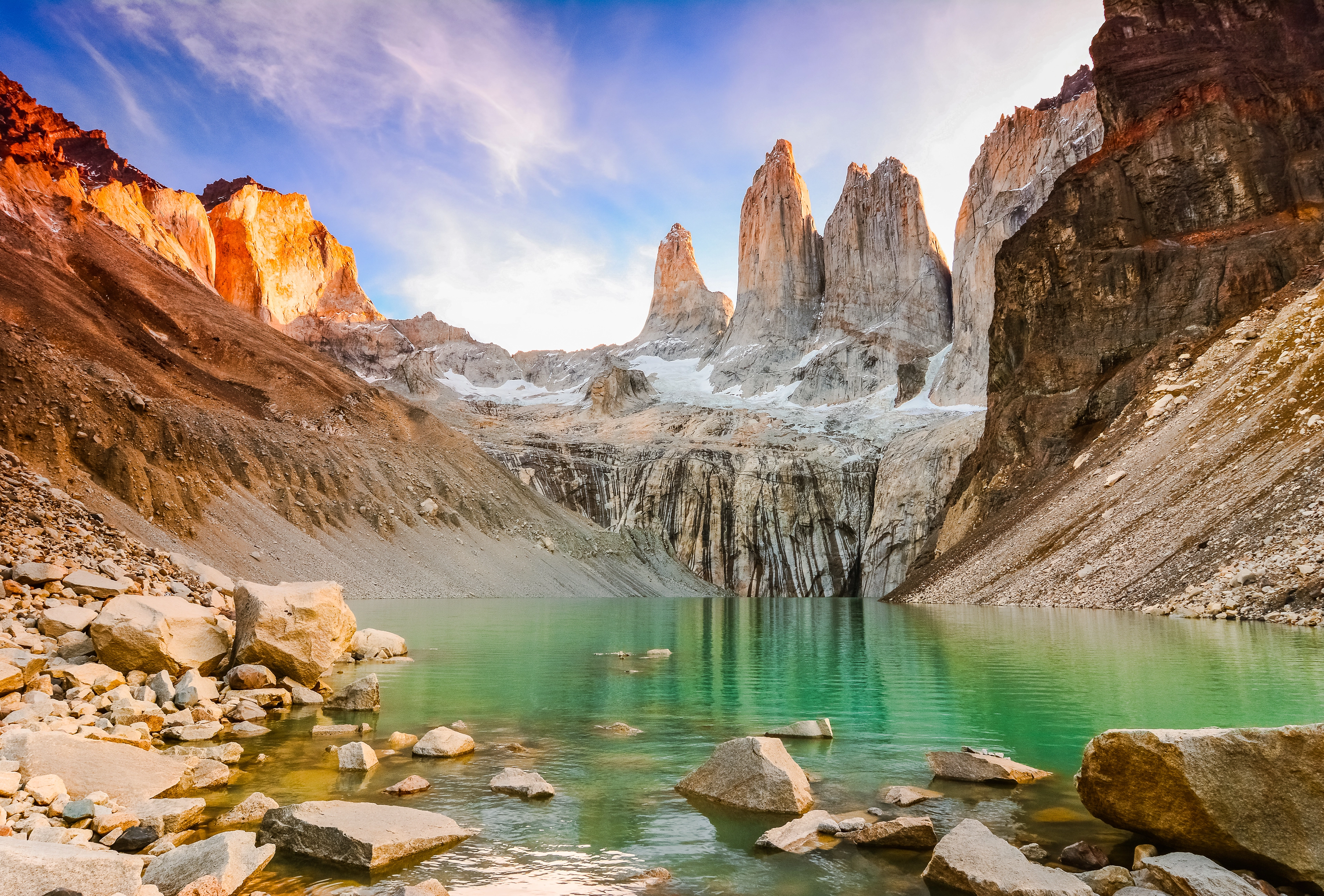
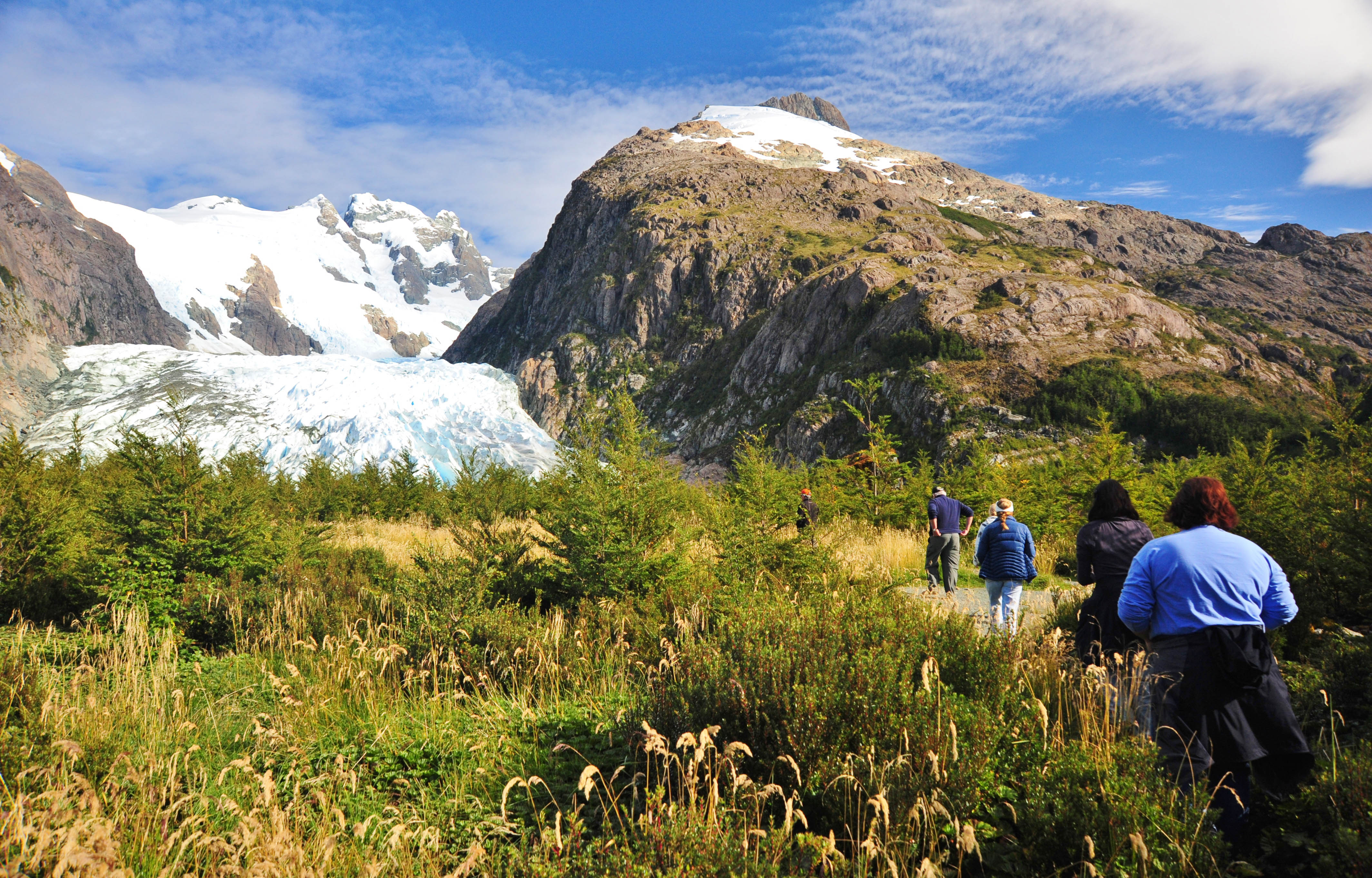
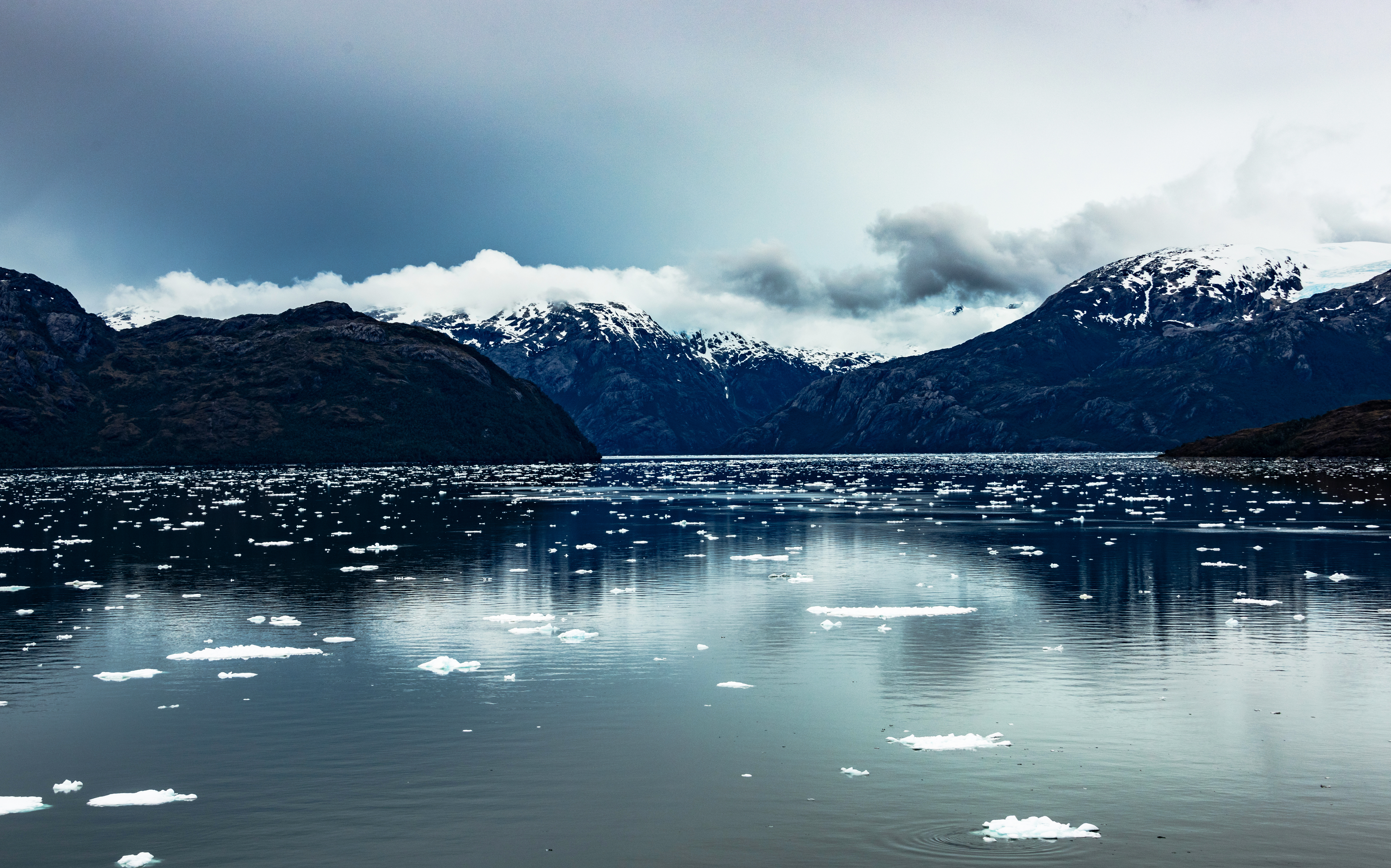
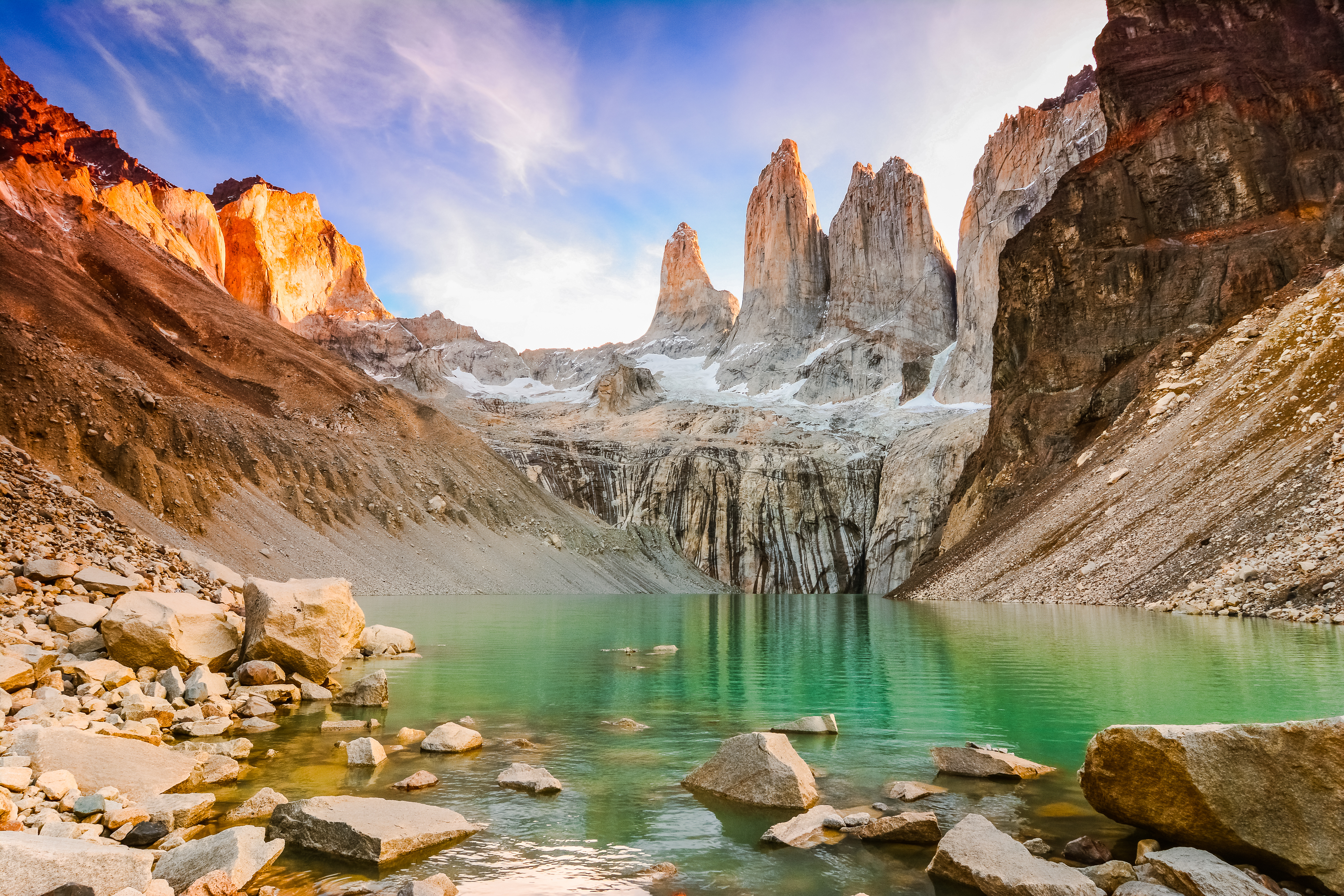
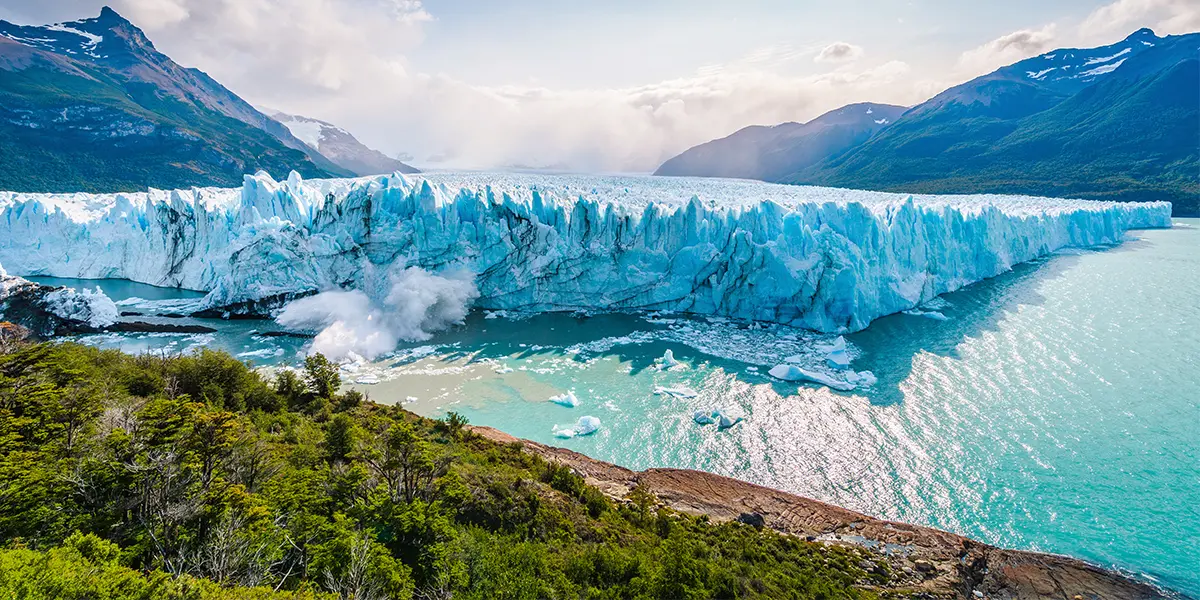
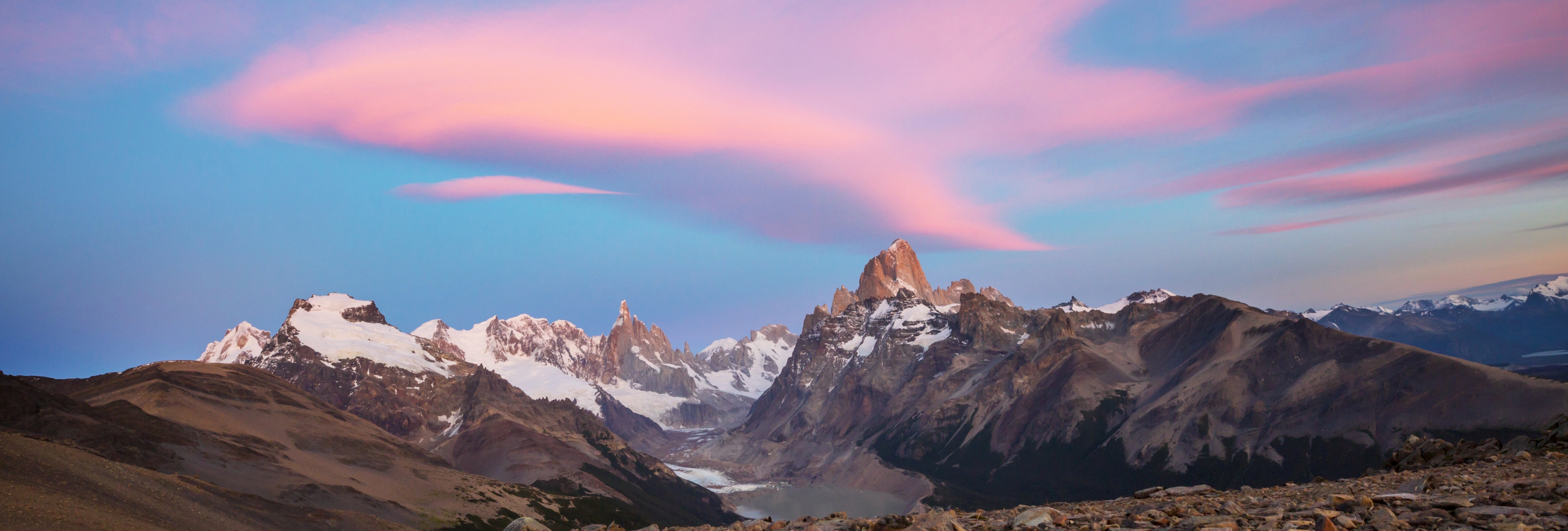
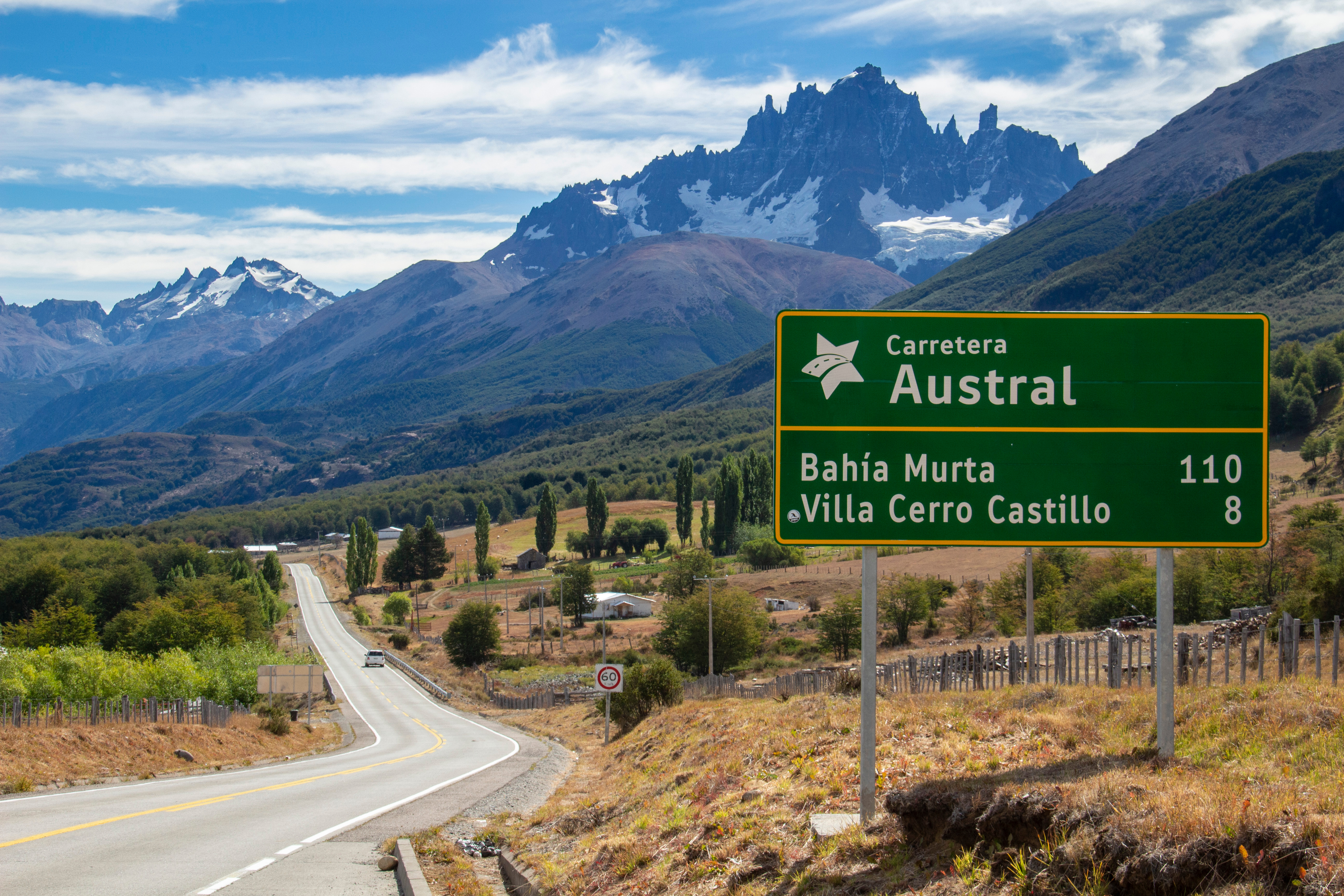
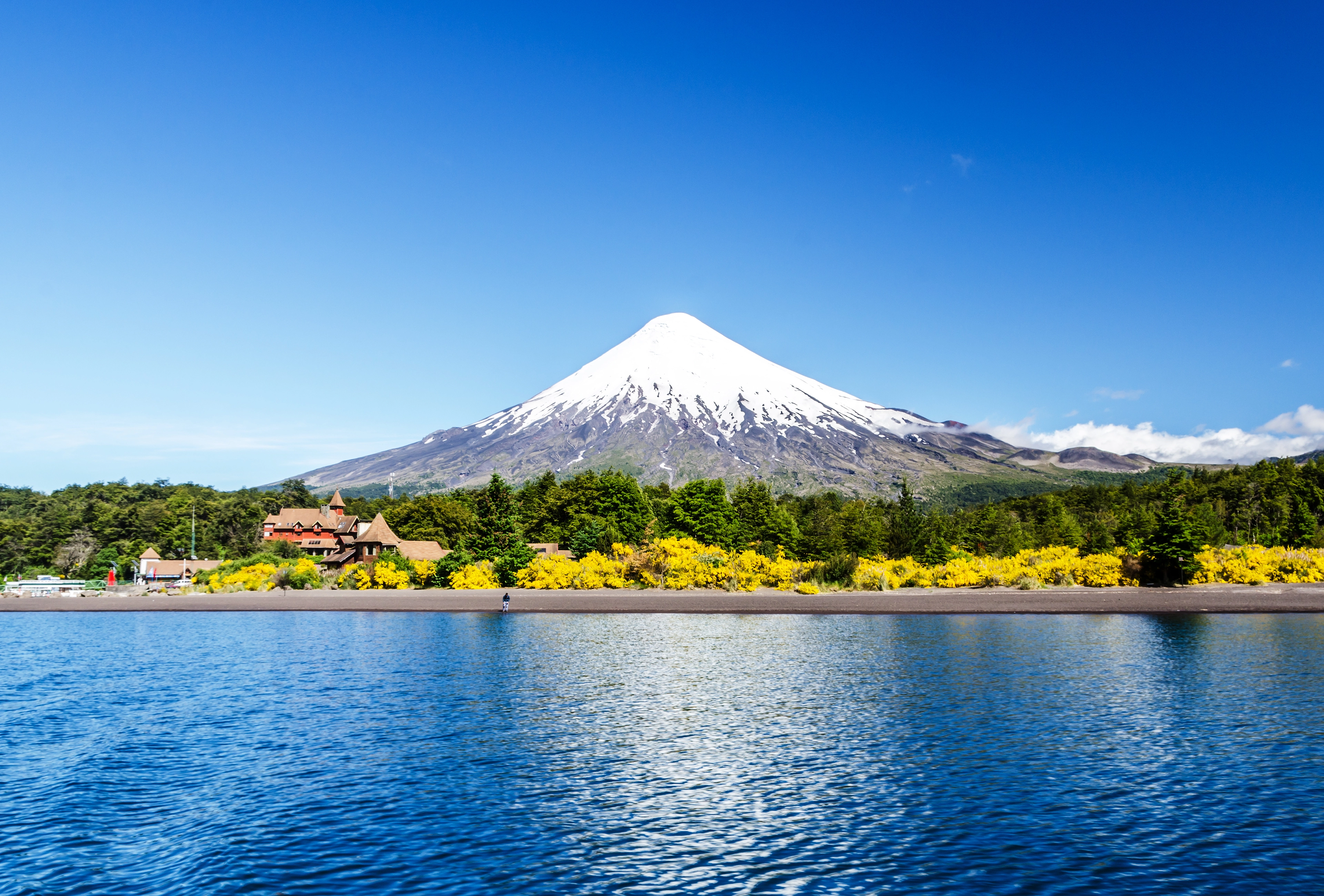
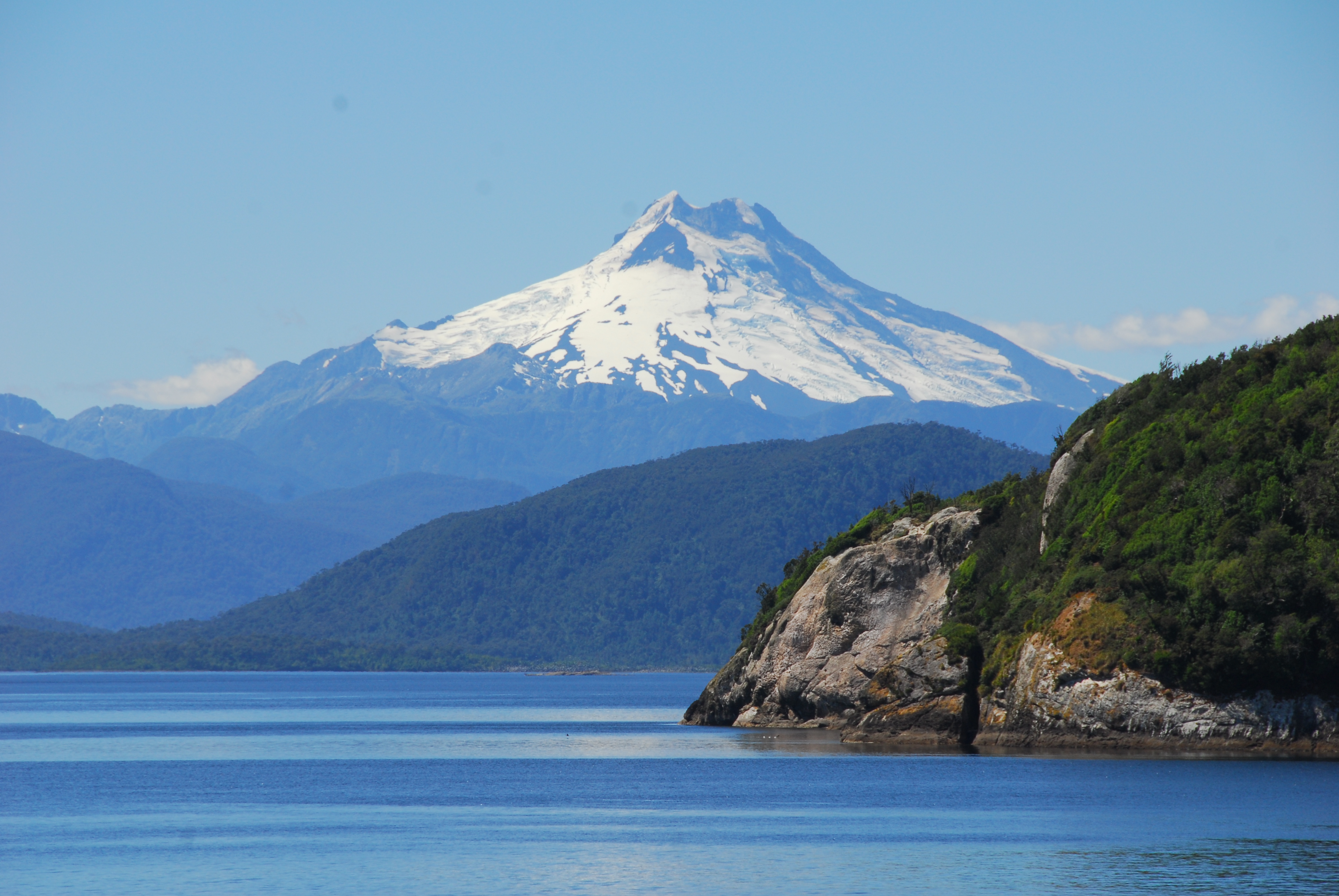
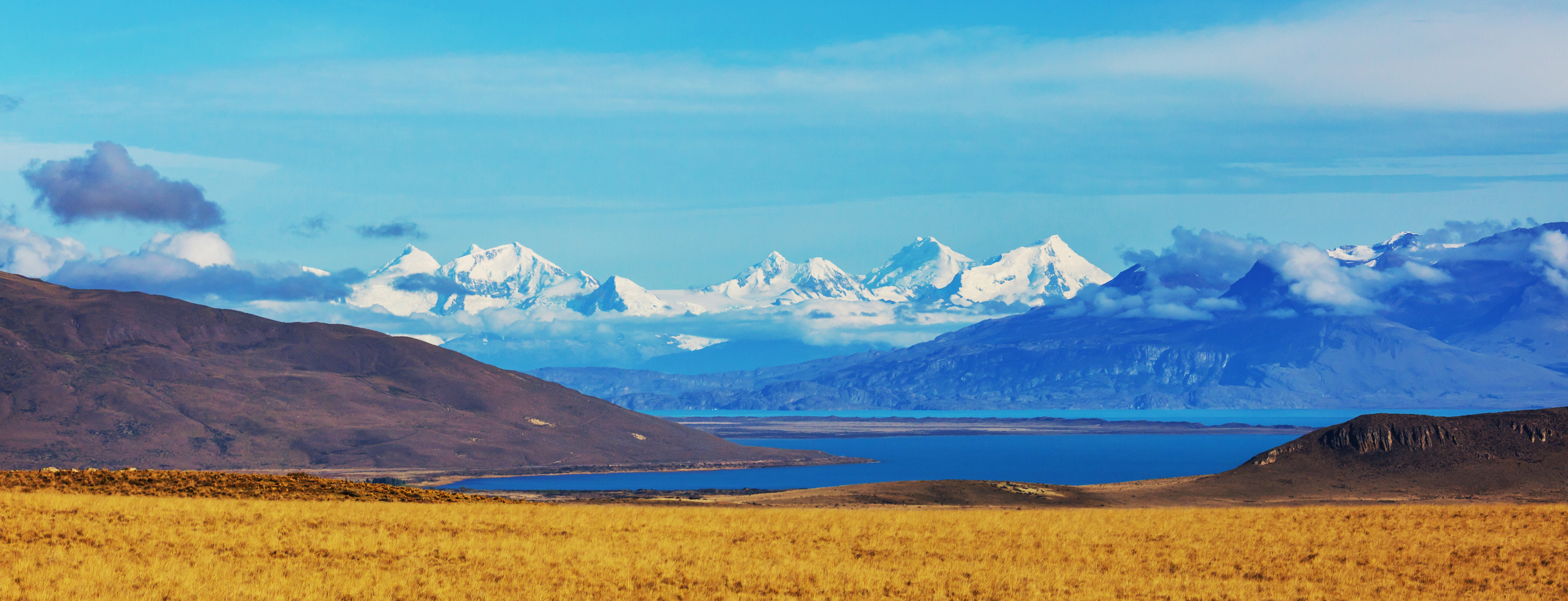
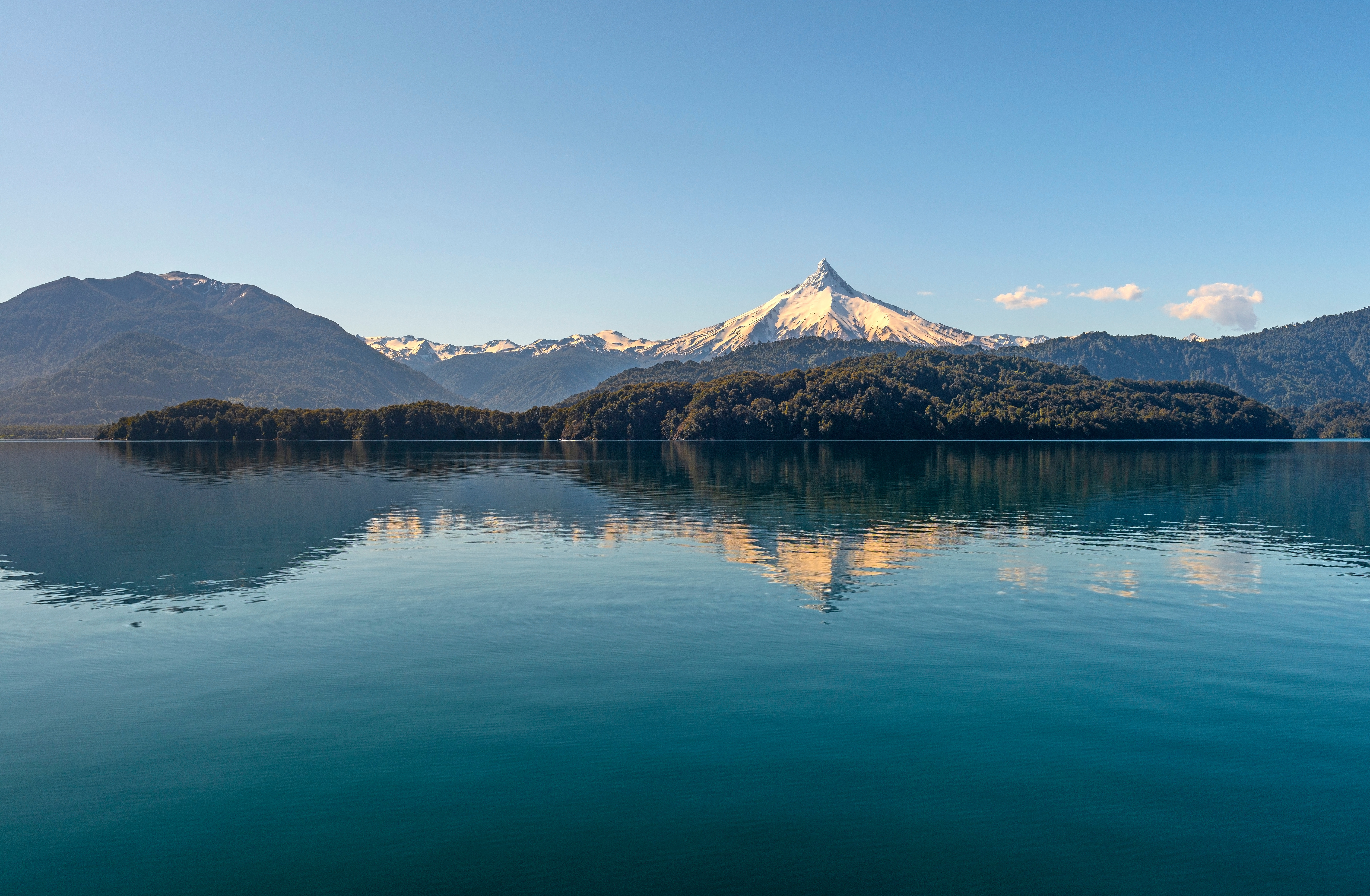
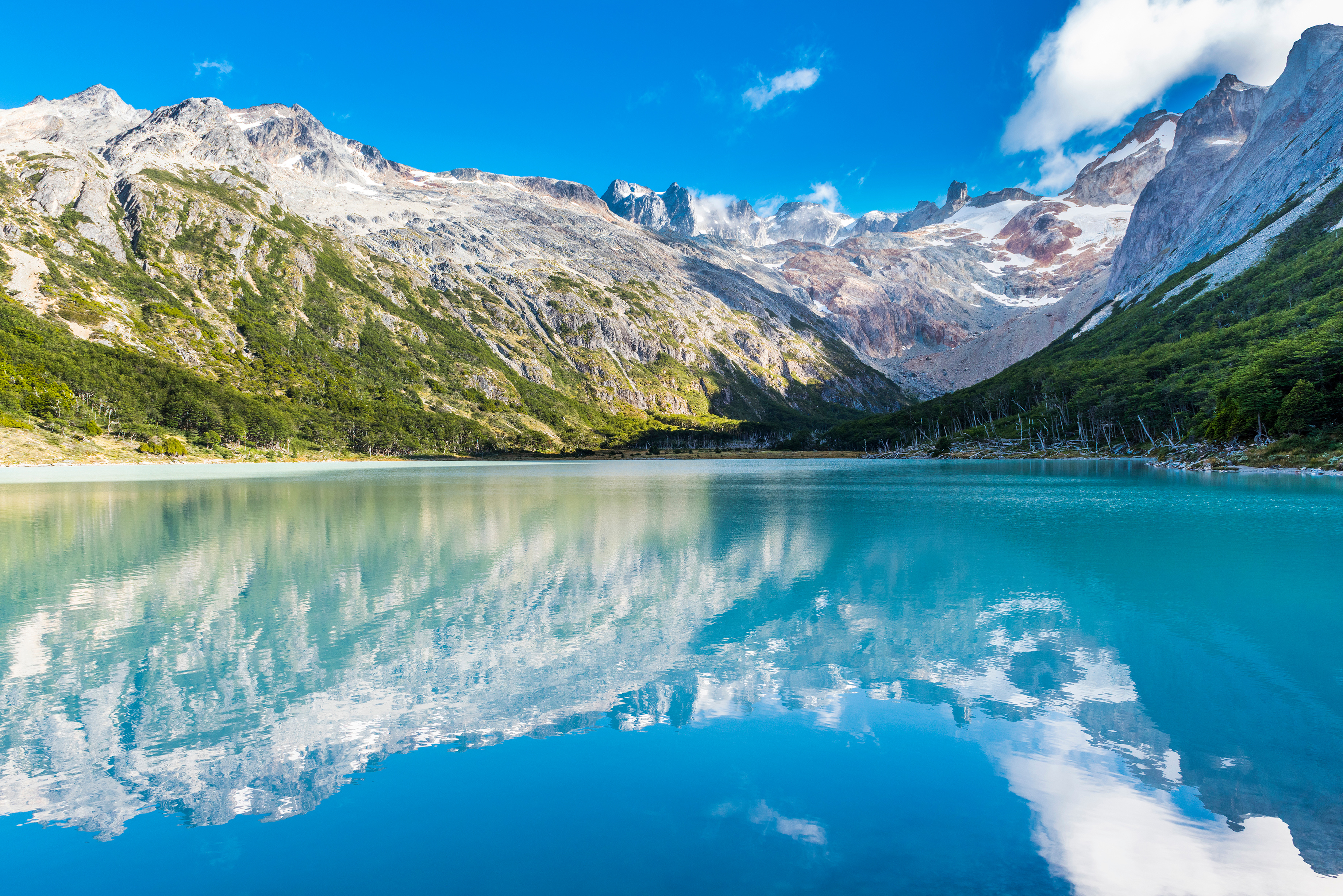
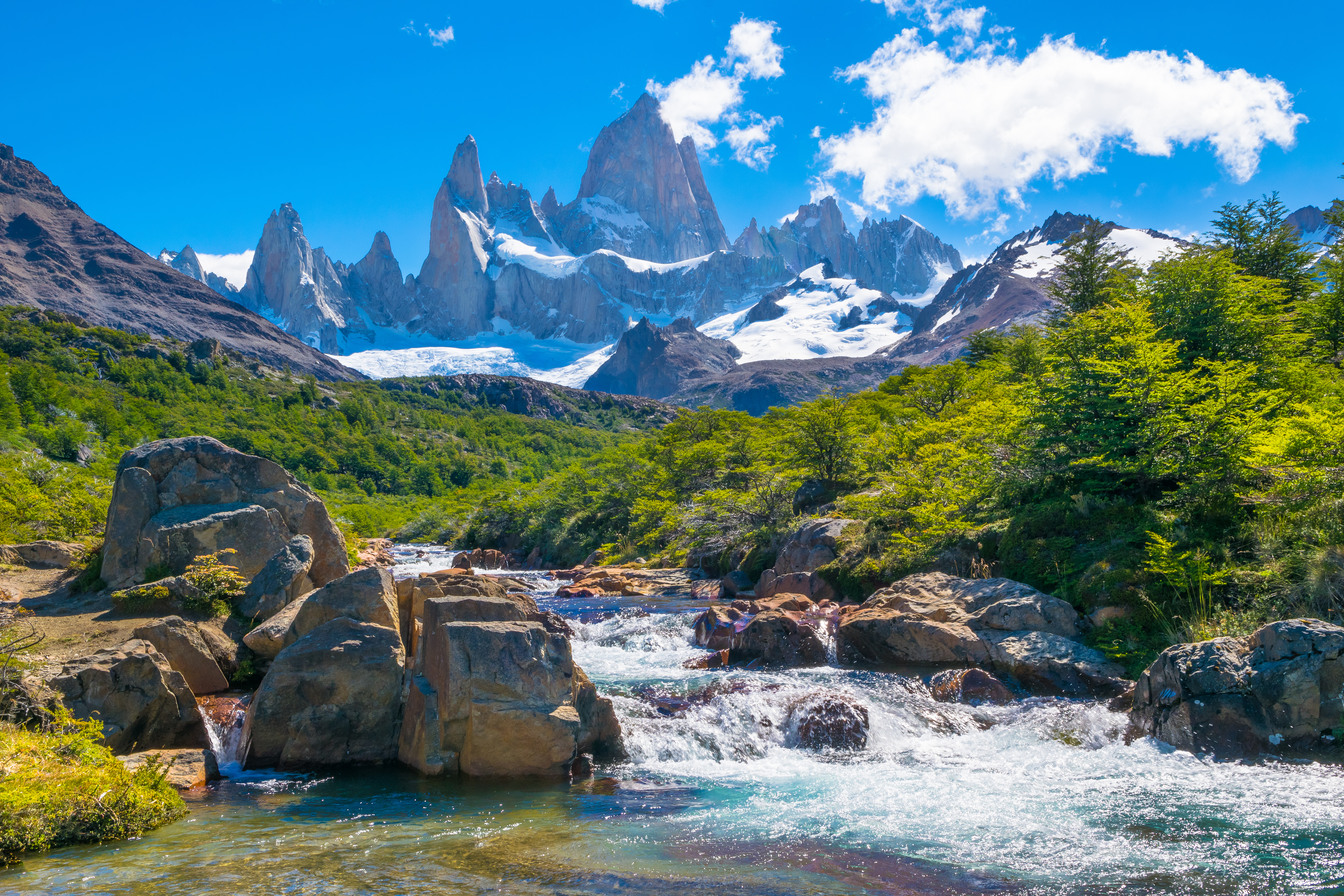
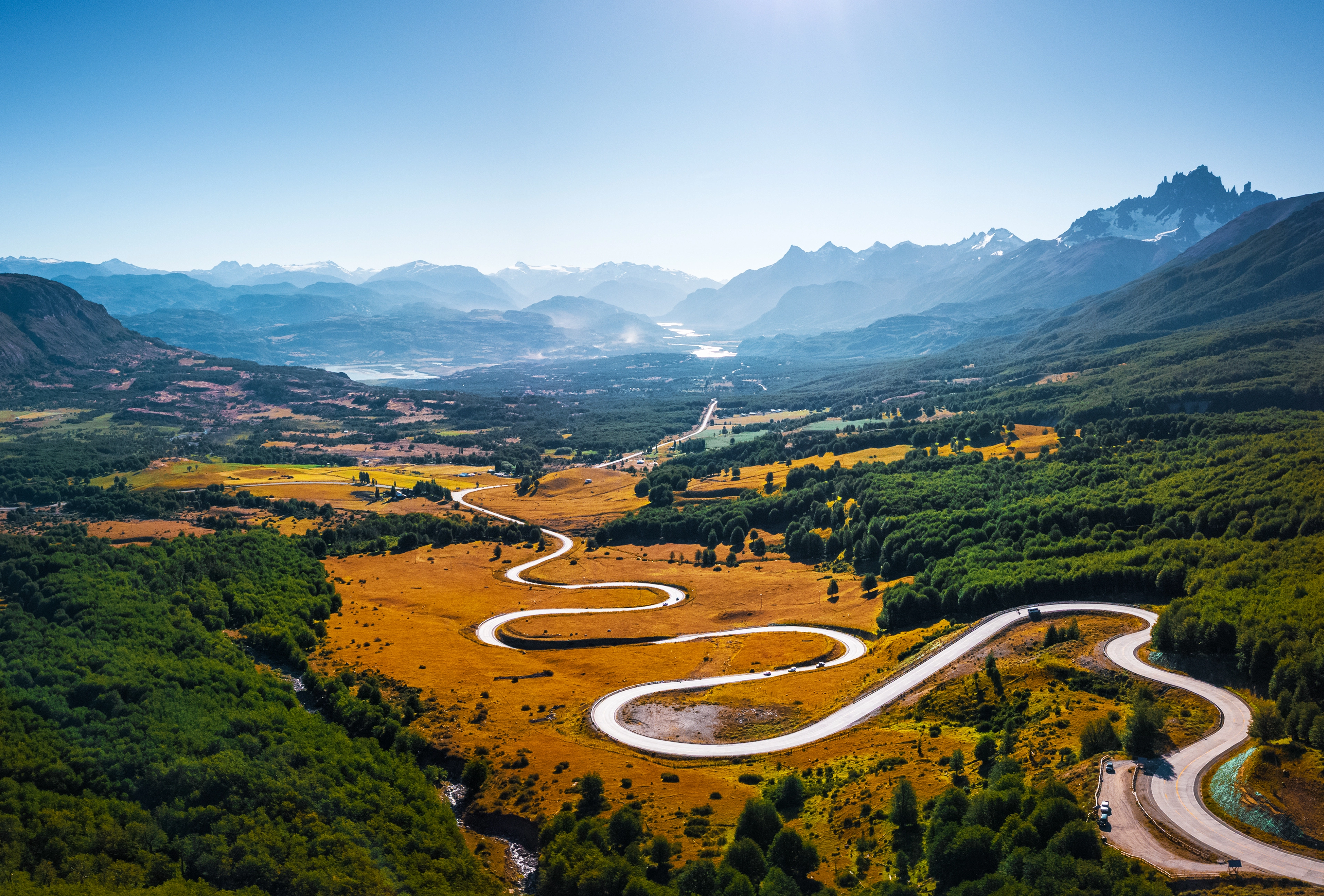
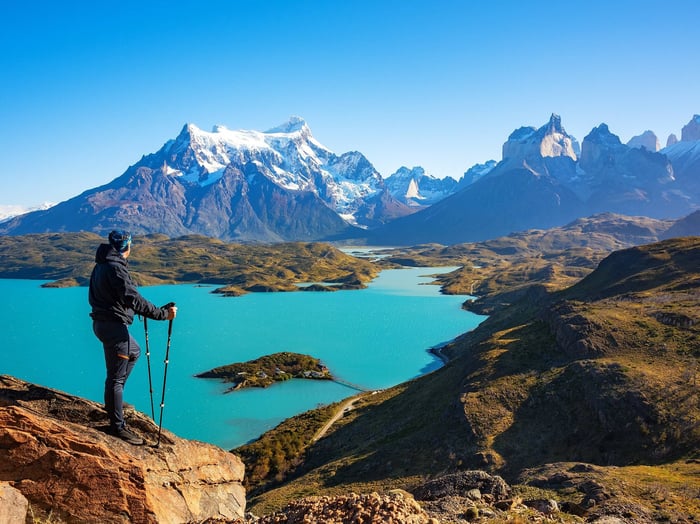
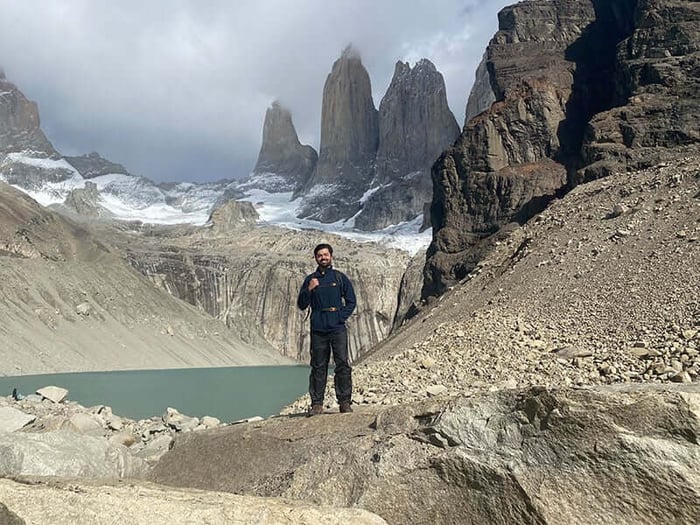
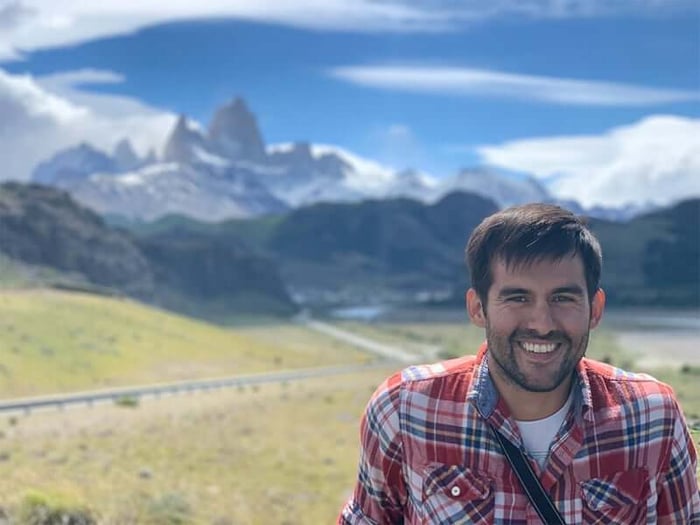
Patagonia holidays showcase some of the most iconic natural sights in Latin America. In Chile, Torres del Paine National Park is known for its striking granite towers, turquoise lakes and expansive glaciers. Across the border in Argentina, Los Glaciares National Park is home to the impressive Perito Moreno Glacier and the dramatic peaks of Mount Fitz Roy. Beyond these highlights, the region reveals snow-capped volcanoes, cool temperate rainforests, open steppe and intricate fjord systems, particularly in Chile’s Aisén region, which is now more accessible than ever.

Holidays tailored to your requirements

Our holidays are ATOL Protected

US Dollars (USD), Chile Peso (CLP), Argentina Peso (ARS)

The Landscapes
When is the best time to visit Patagonia?
The best time to visit Patagonia is between September and March, during the Southern Hemisphere’s spring and summer. This period offers longer daylight hours, milder temperatures and the most reliable conditions for exploring the region’s national parks and landscapes.
From December to February, you can expect the warmest weather, making it ideal for hiking in Torres del Paine or Los Glaciares National Park, as well as wildlife watching along the Valdés Peninsula. These months are also the busiest, so early planning is recommended.
The shoulder seasons of September to November and March are often a rewarding alternative, with fewer visitors, good wildlife activity and excellent conditions for photography. While Patagonia’s weather is known for being unpredictable year-round, these months strike a strong balance between accessibility, scenery and a quieter experience.
About Patagonia
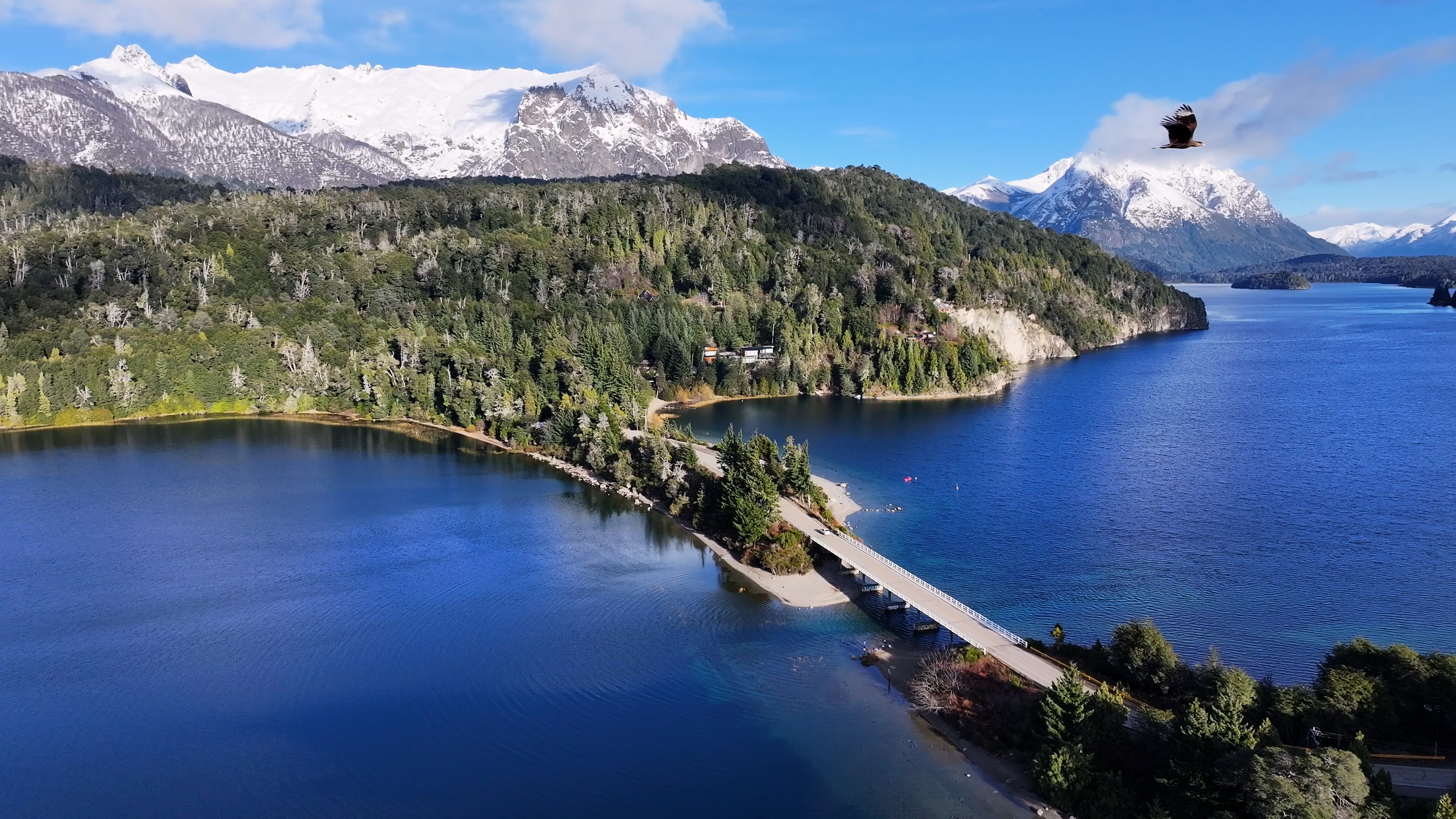
Patagonia is one of the most captivating and remote regions in Latin America, stretching across the southern reaches of both Chile and Argentina. Extending from the lake districts in the north to Tierra del Fuego at the very edge of the continent, it covers an immense area shaped by powerful natural forces. Rather than belonging to a single country, Patagonia is a shared region, where landscapes and ecosystems flow seamlessly across borders, creating a rich and varied travel experience.
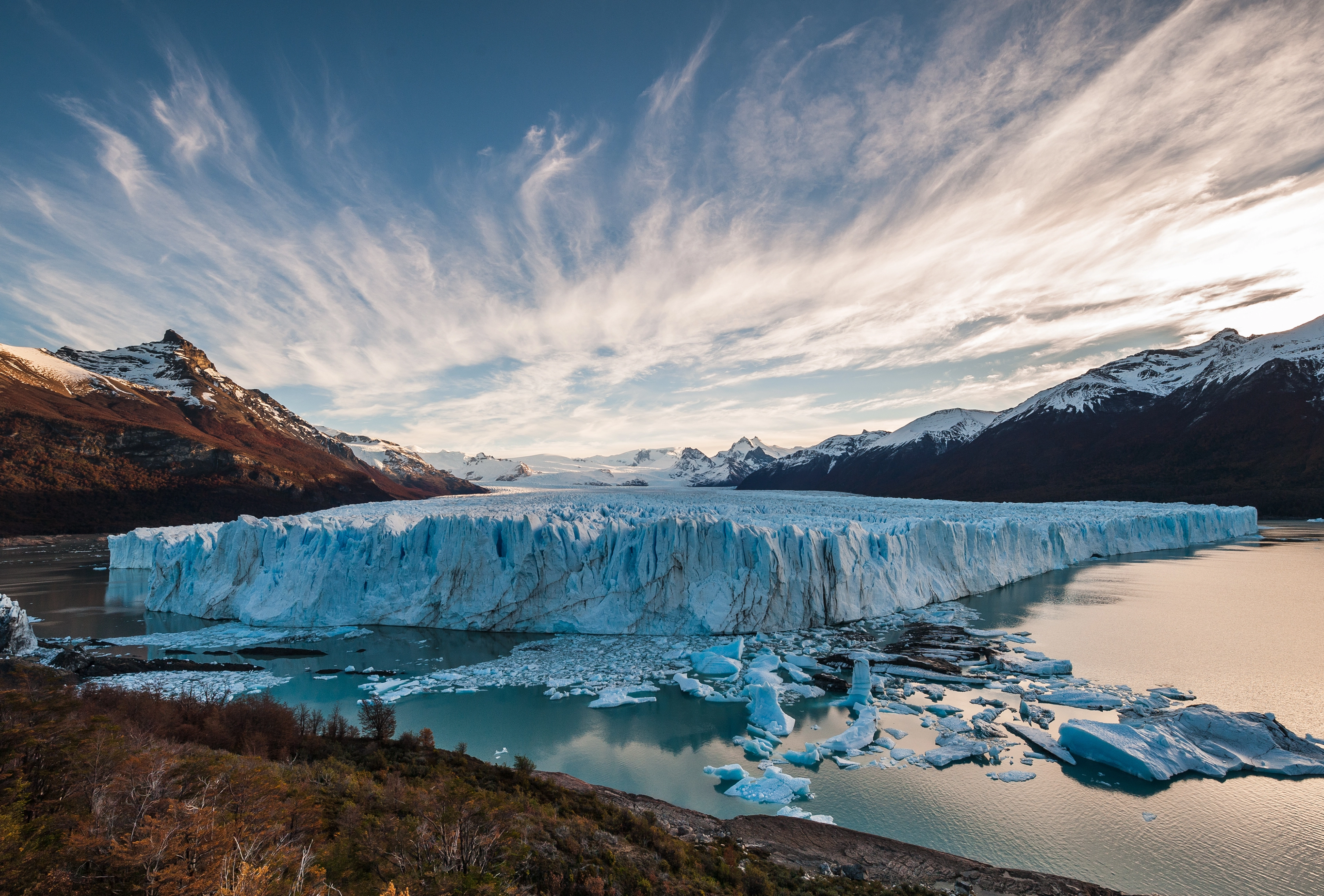
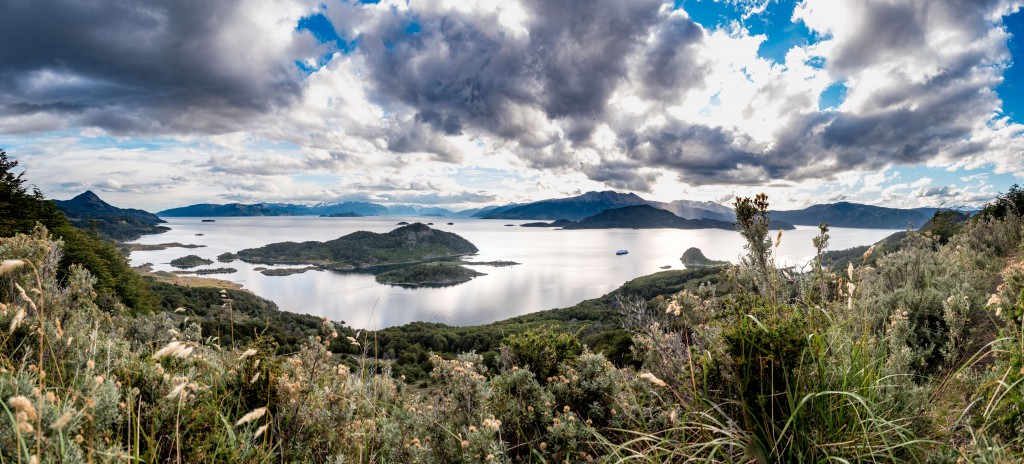
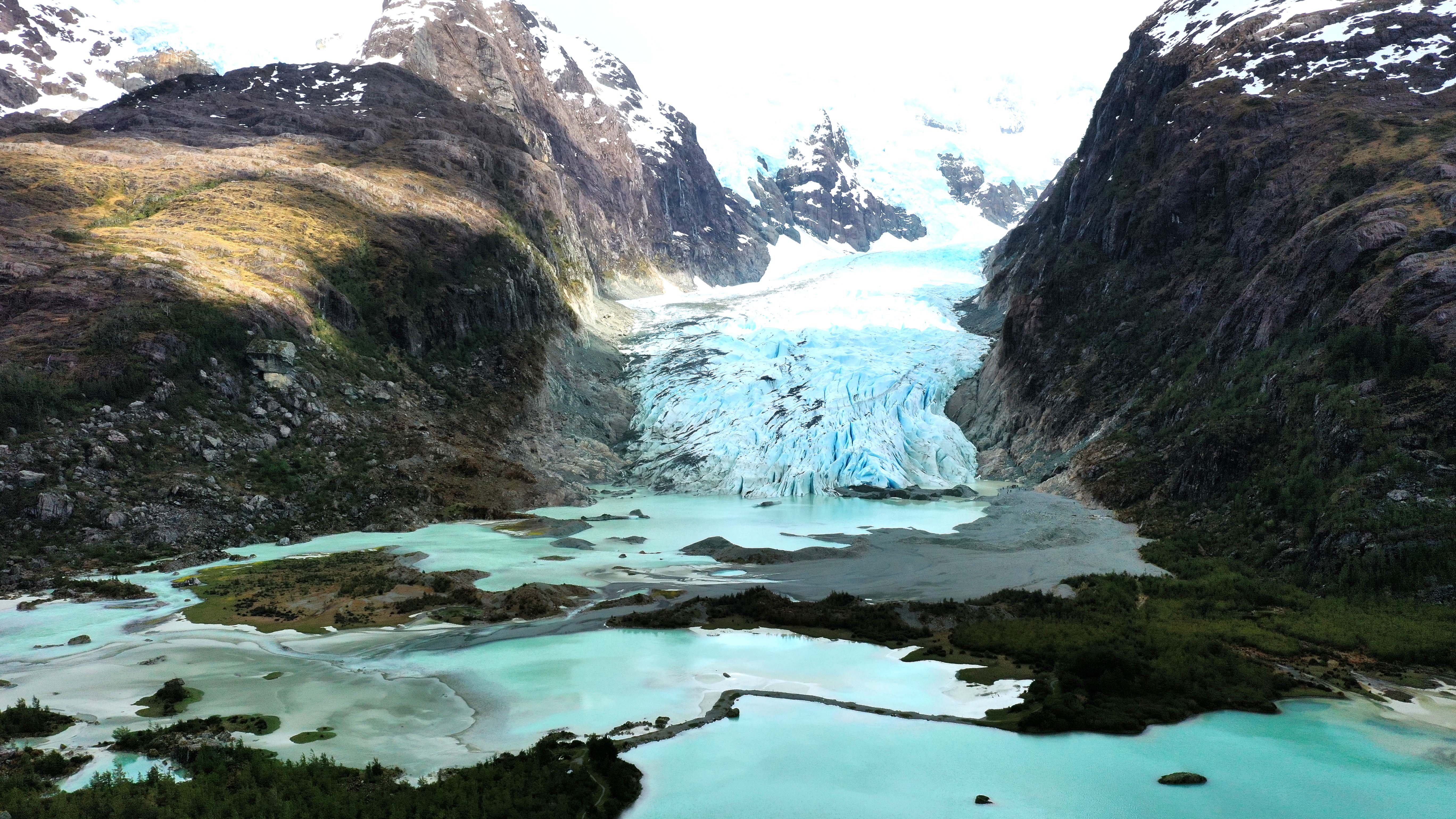
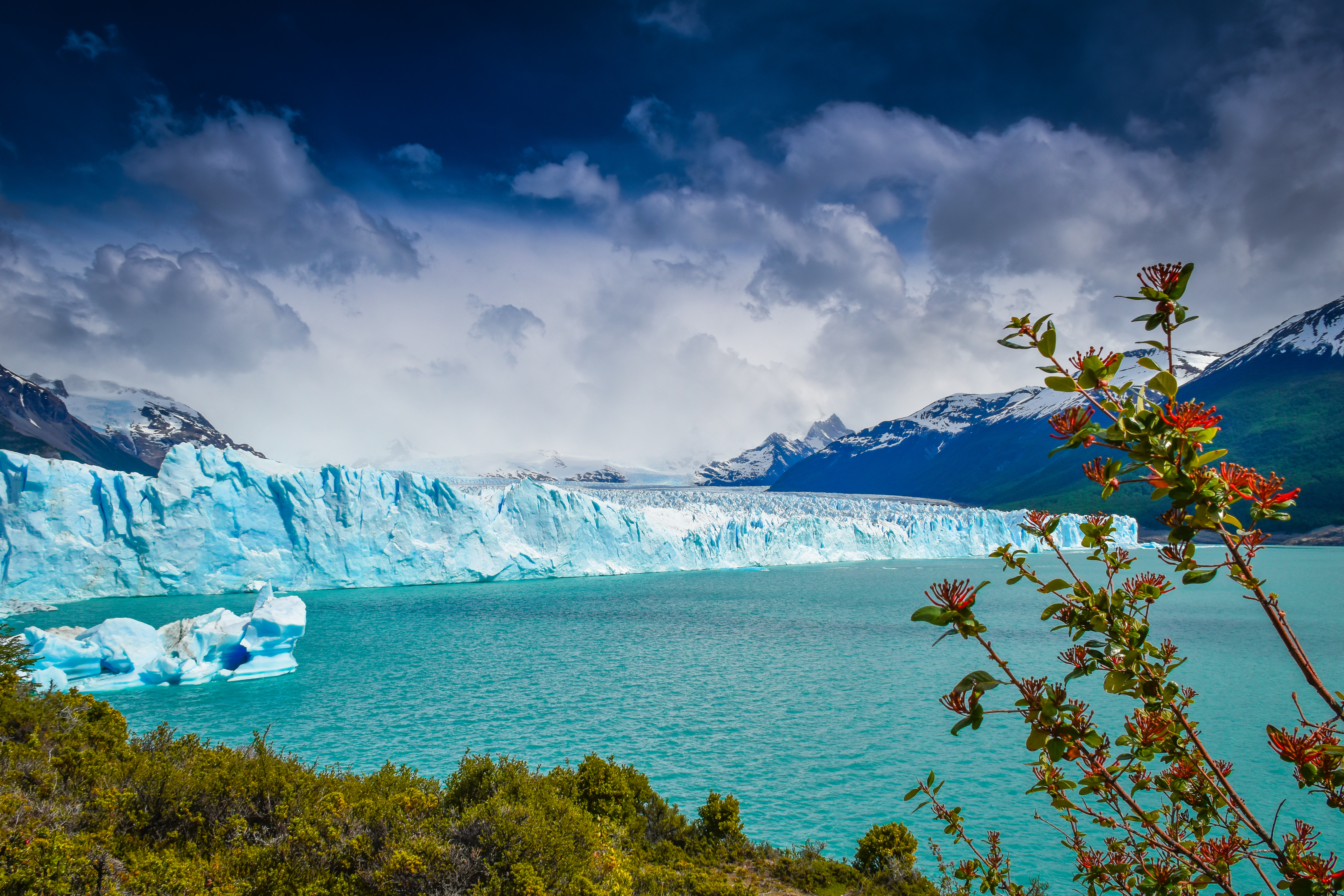
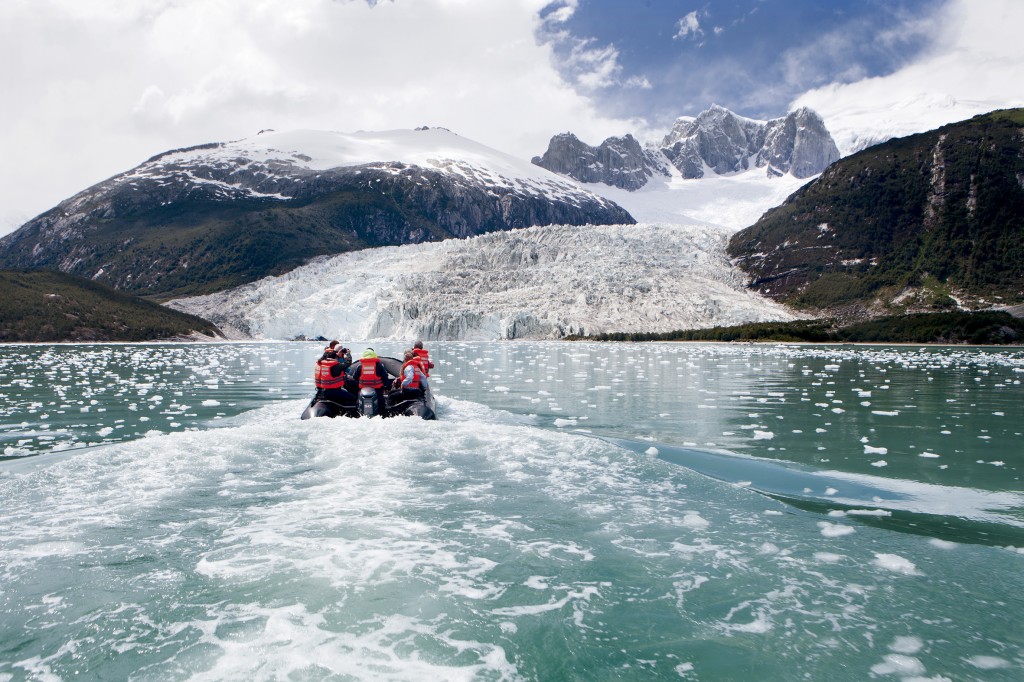
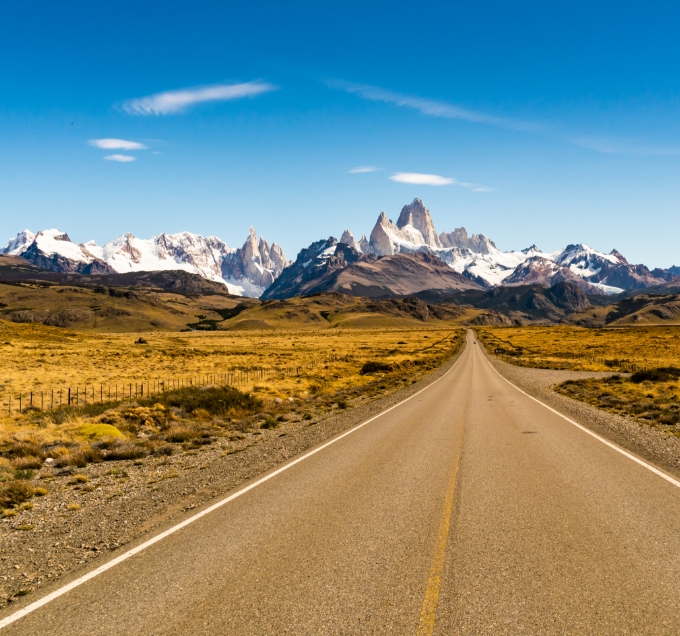
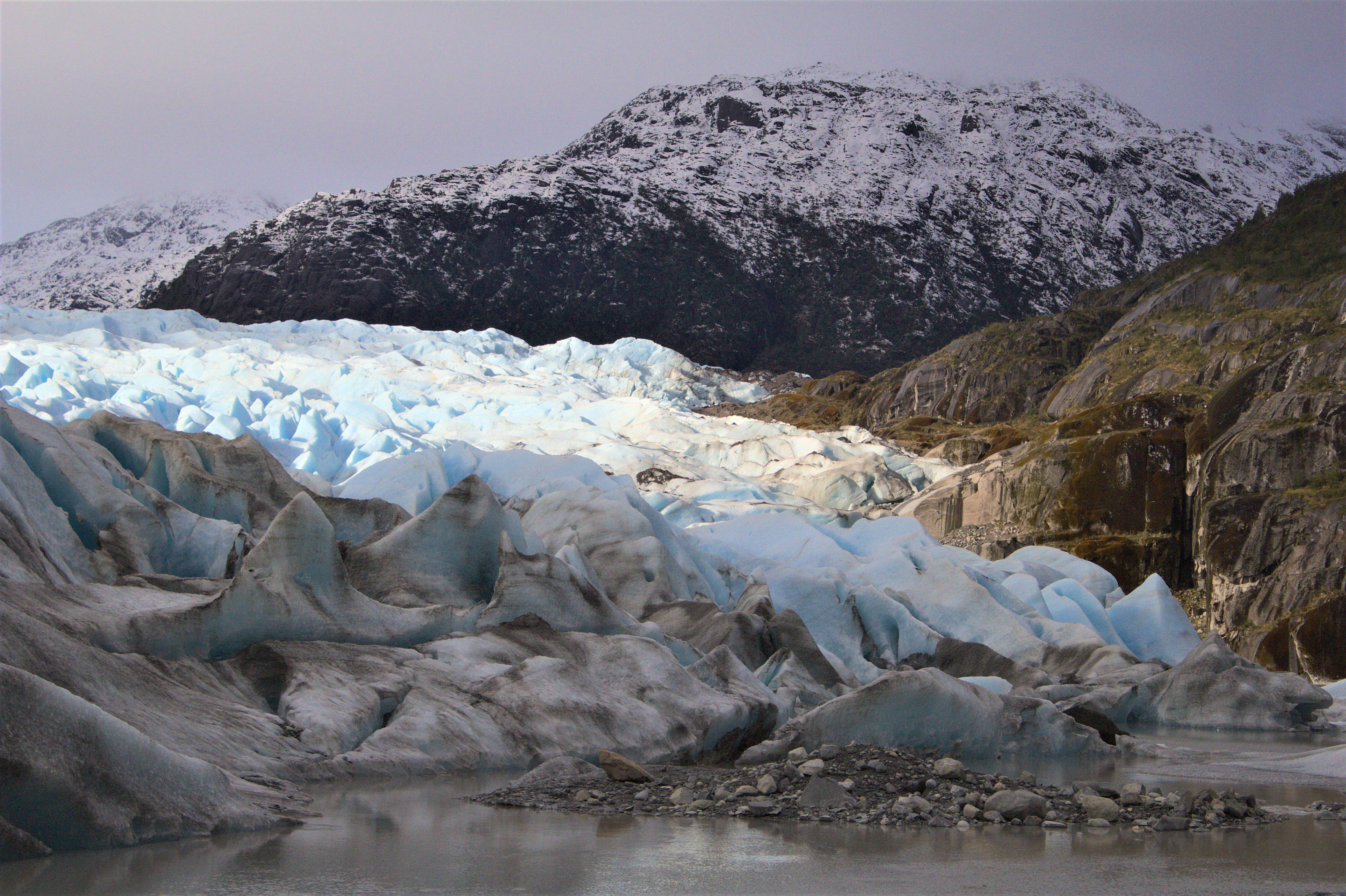
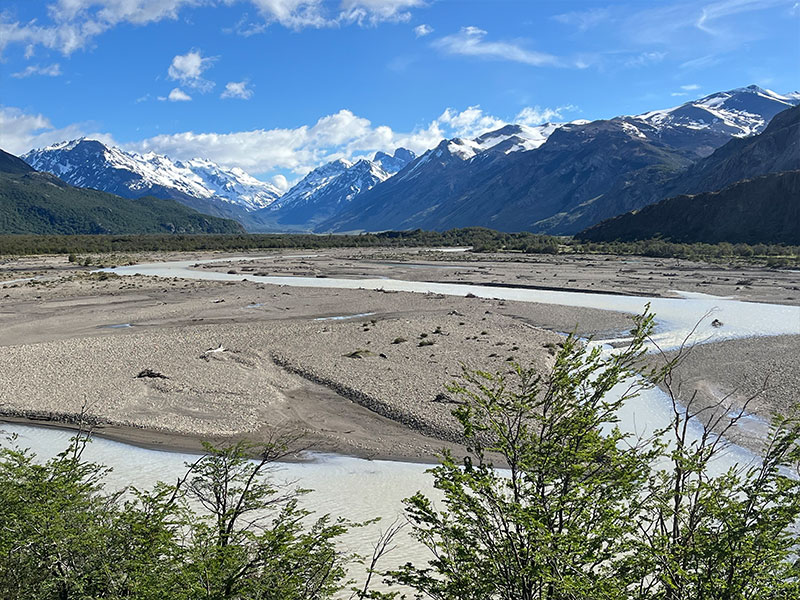
The scenery here is defined by dramatic contrasts. In Chilean Patagonia, deep fjords, scattered islands and vast ice fields dominate the landscape, alongside the striking peaks of Torres del Paine National Park. Across the border in Argentina, the terrain opens out into wide steppe, punctuated by glacier-fed lakes and the jagged silhouettes of Mount Fitz Roy and the surrounding peaks of Los Glaciares National Park. The Southern Patagonian Ice Field, one of the largest outside Antarctica, feeds many of the region’s glaciers, including the well-known Perito Moreno, where immense walls of ice meet the waters of Lago Argentino.
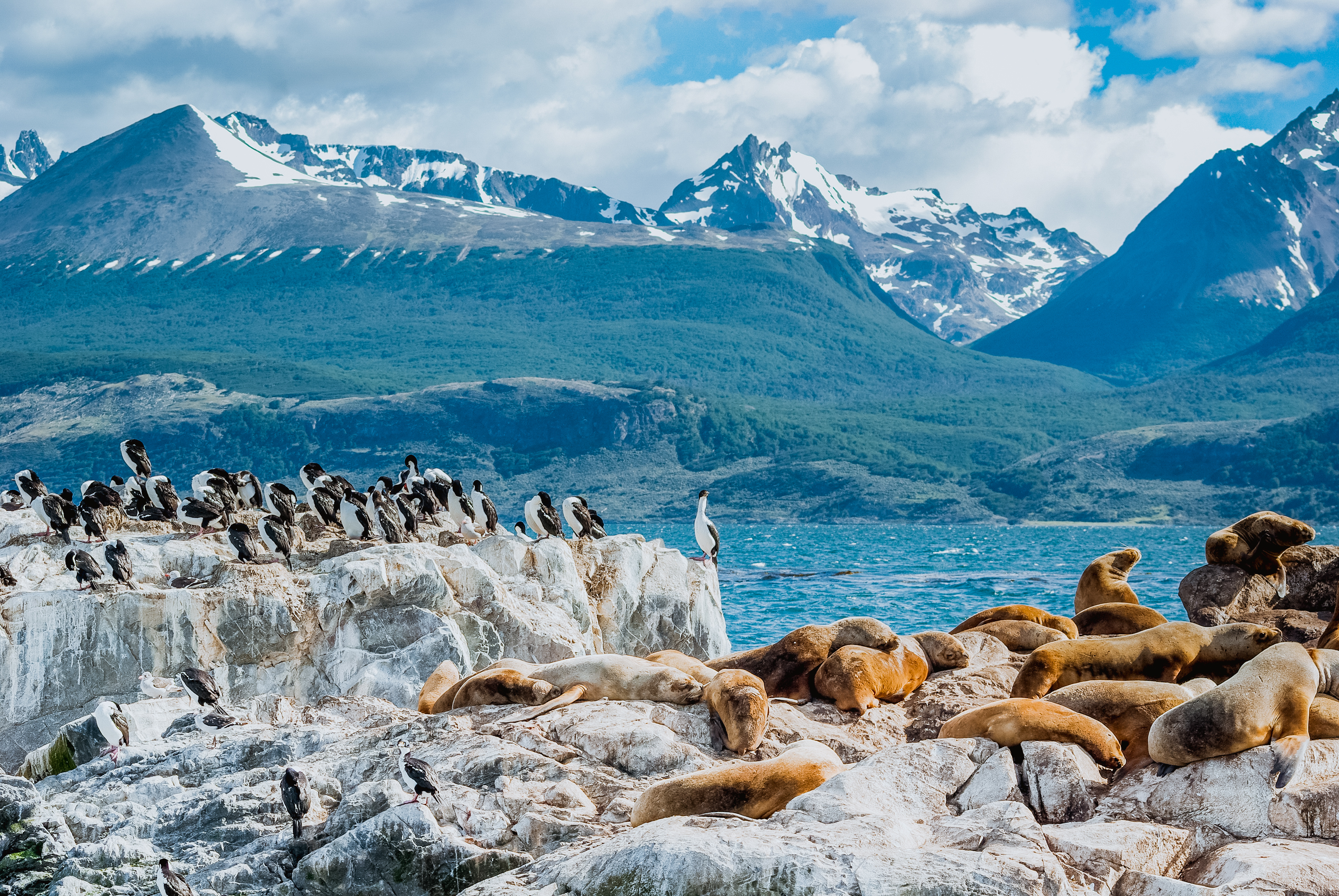
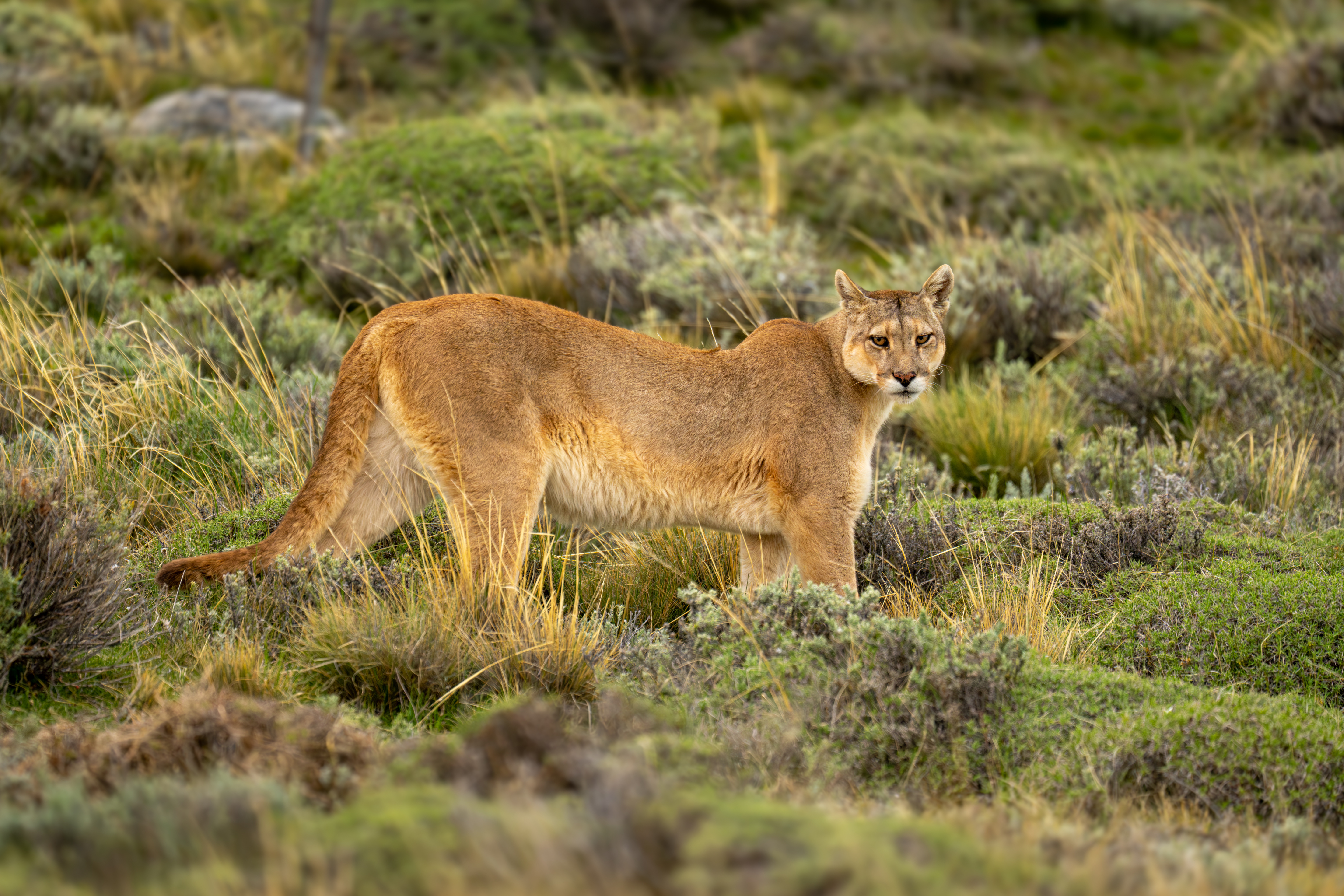
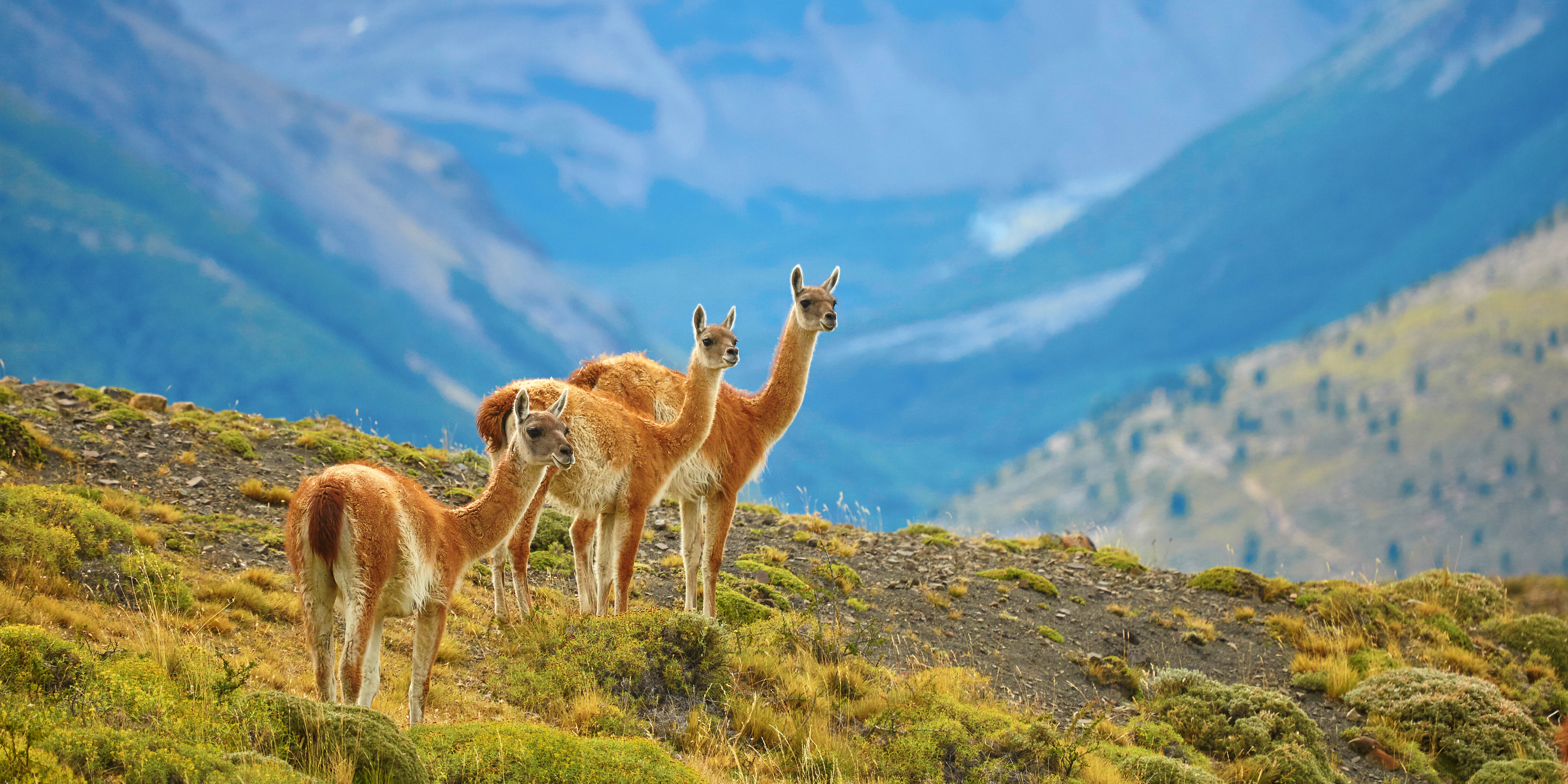
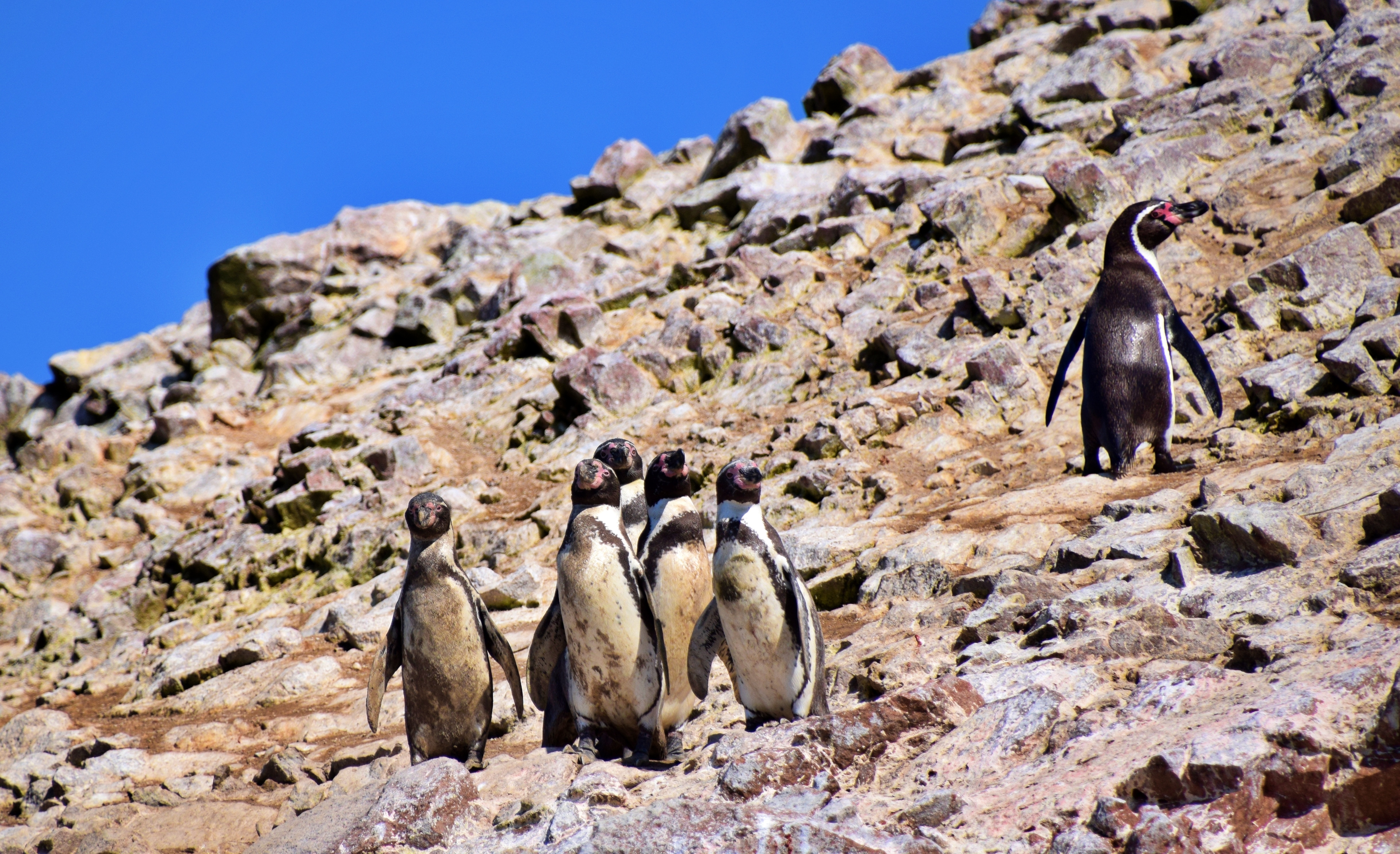
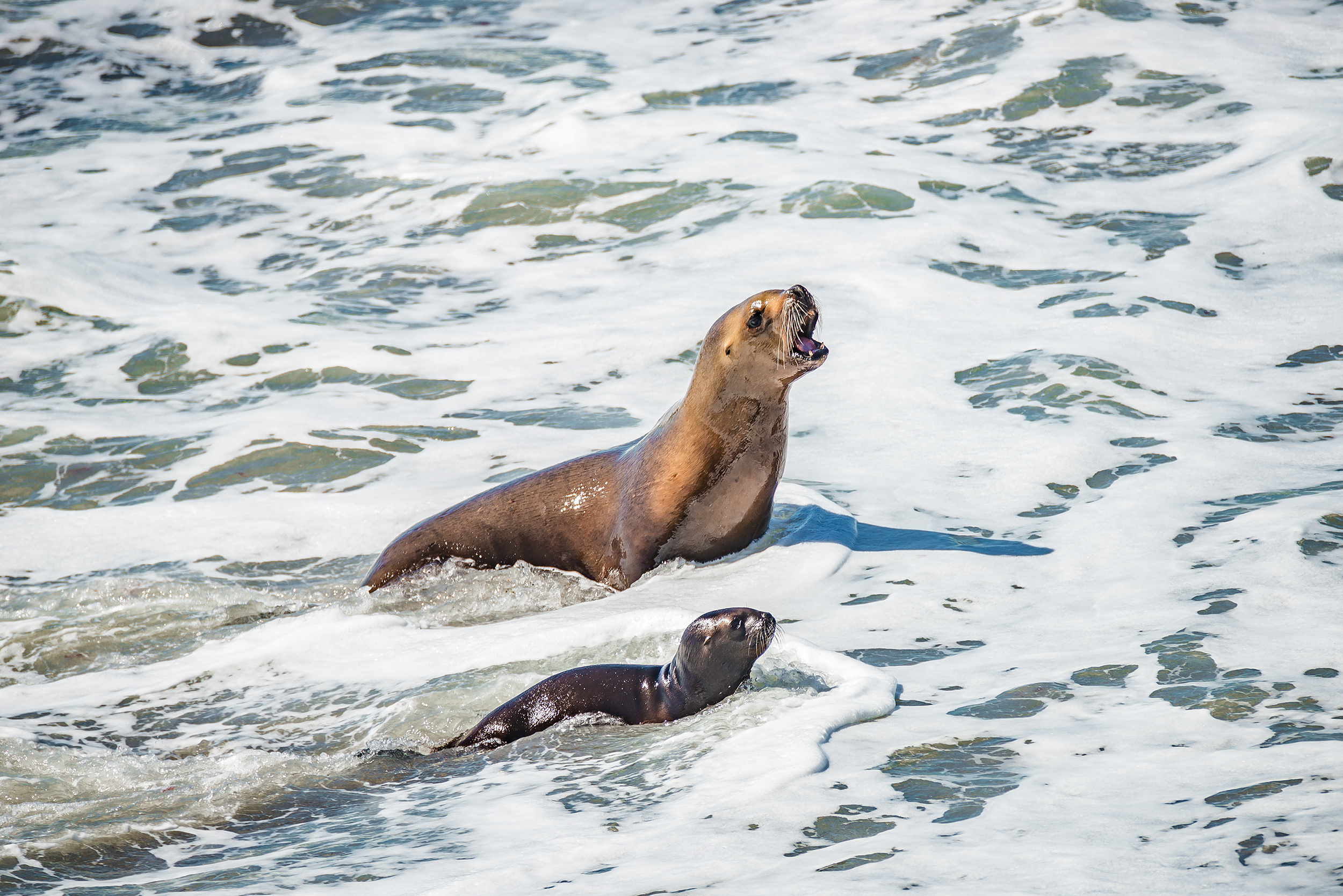
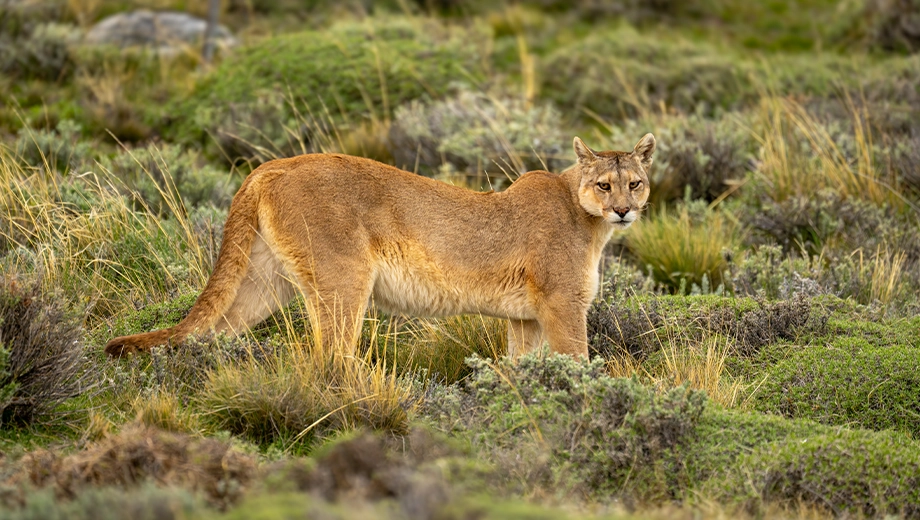
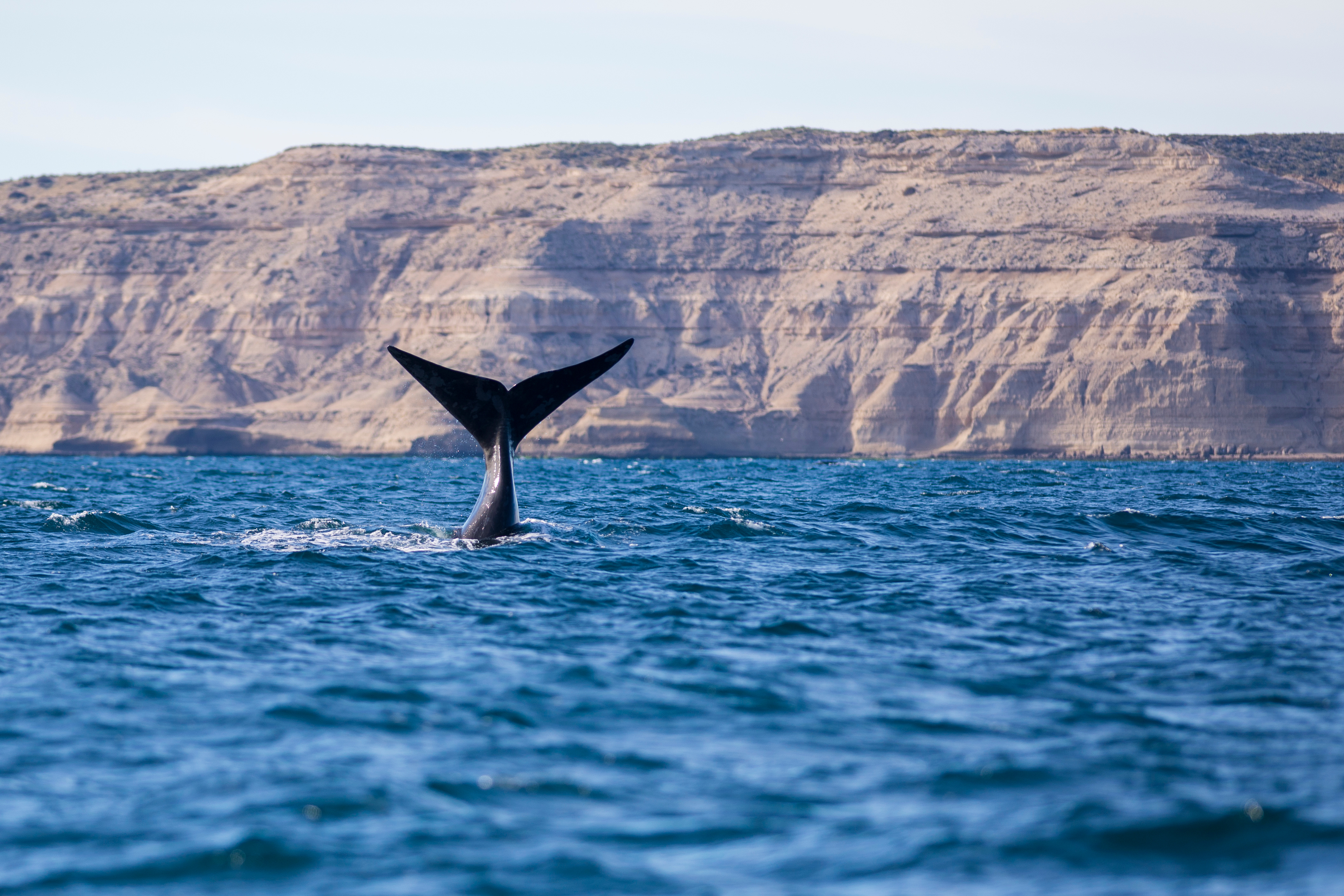
Patagonia’s diversity extends beyond its landscapes. The region is home to a wide range of wildlife, adapted to its often harsh and unpredictable climate. Along the Atlantic coast, the Valdés Peninsula offers some of the best wildlife viewing in Argentina, with whales, elephant seals and penguins gathering in large numbers. Inland, guanacos roam the plains, while condors glide above mountain ridges. In more remote areas, the elusive puma remains one of Patagonia’s most iconic species.
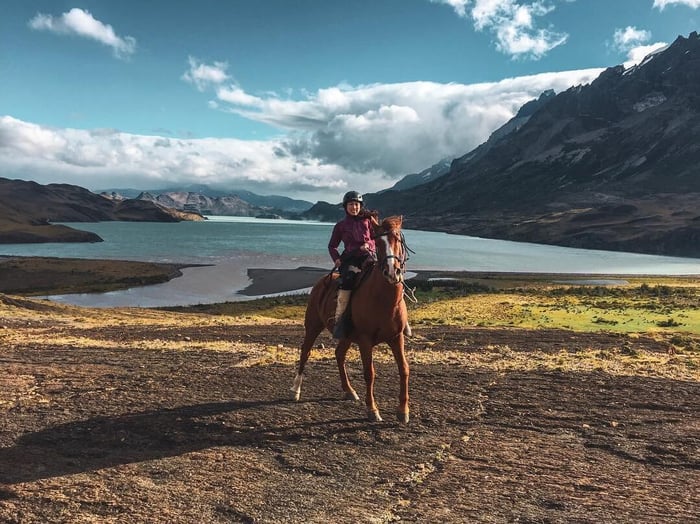
Culturally, Patagonia reflects a blend of indigenous heritage and more recent settler traditions. The legacy of the region’s early inhabitants, including the Mapuche people, is still present today, while the influence of European settlers is seen in the estancia culture that defines much of rural Patagonia. Staying on a traditional ranch offers insight into this way of life, where sheep farming, horseback riding and a strong connection to the land remain central.
Despite its growing reputation as a must-visit destination, Patagonia retains a strong sense of isolation and tranquillity. Distances are vast, infrastructure is limited in some areas, and weather conditions can change quickly, all of which contribute to the region’s raw and authentic character. For travellers, this means planning is essential, often combining private transfers, guided excursions and carefully selected accommodation to make the most of each area.
Whether you are drawn by iconic national parks, remarkable wildlife, or the sheer scale of its landscapes, Patagonia offers a travel experience that feels both immersive and deeply rewarding. It is a region where nature takes centre stage, and where every journey reveals a new perspective on one of the world’s last great wildernesses.
Things to do and see in Patagonia
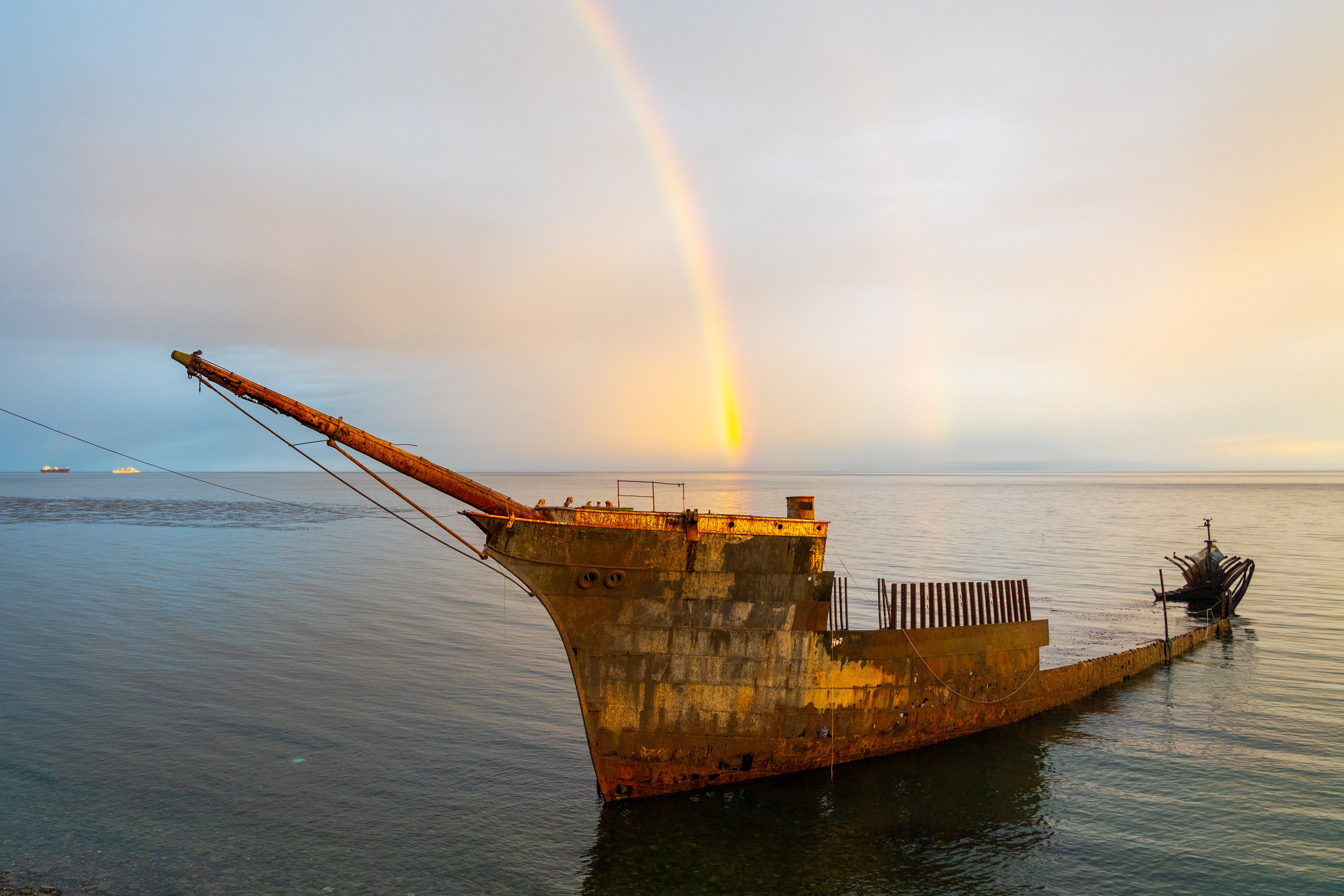
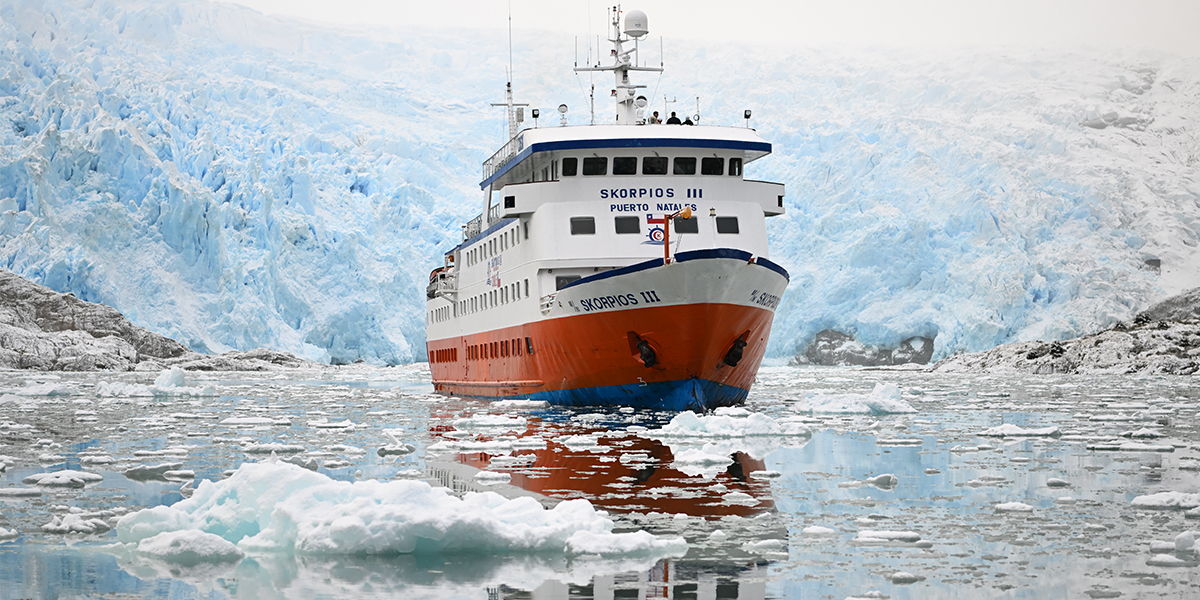
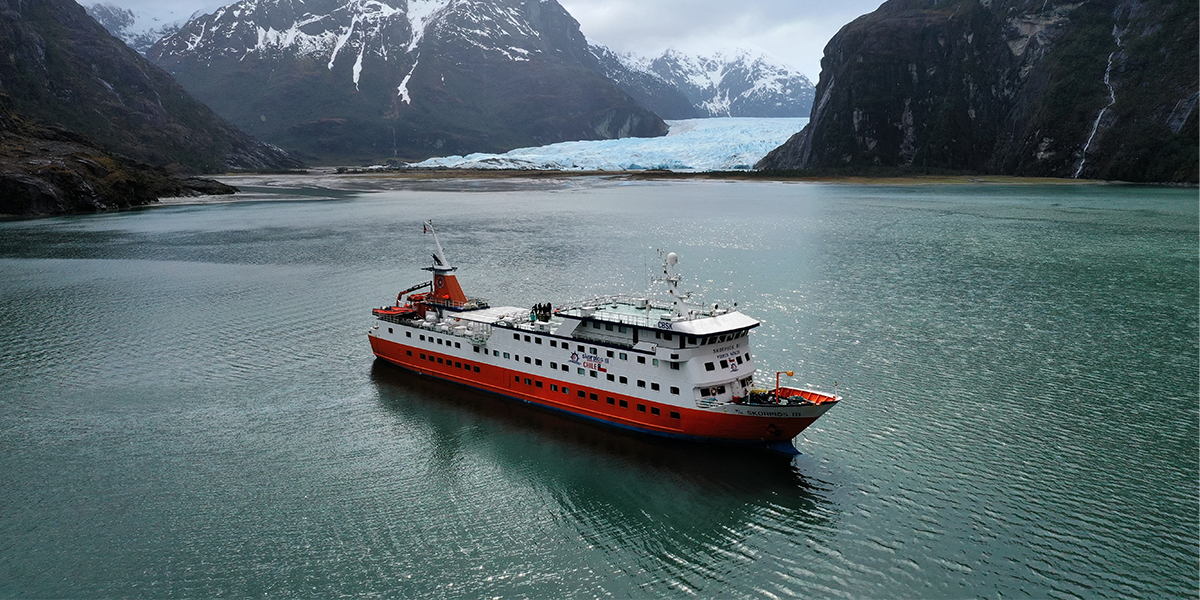
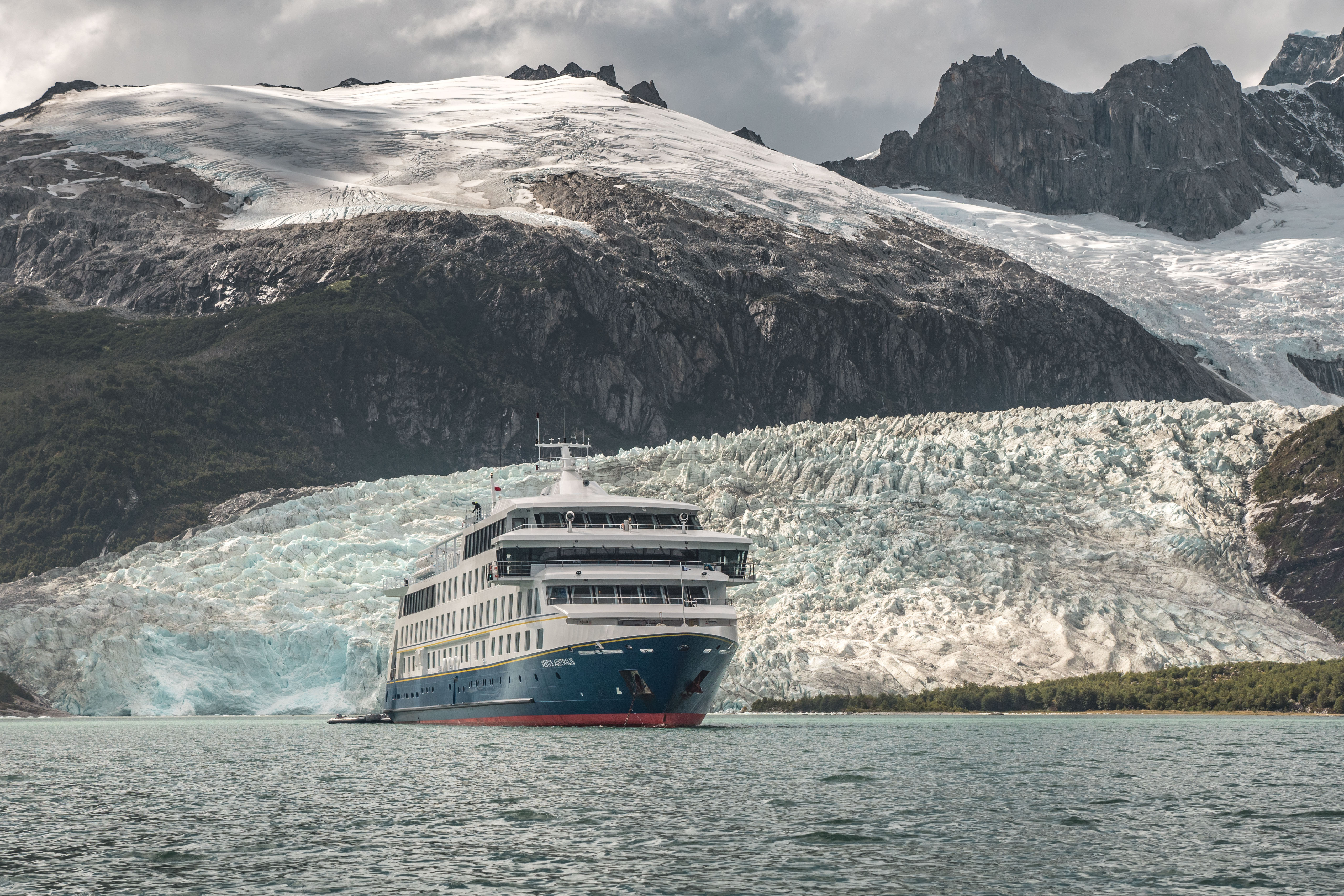

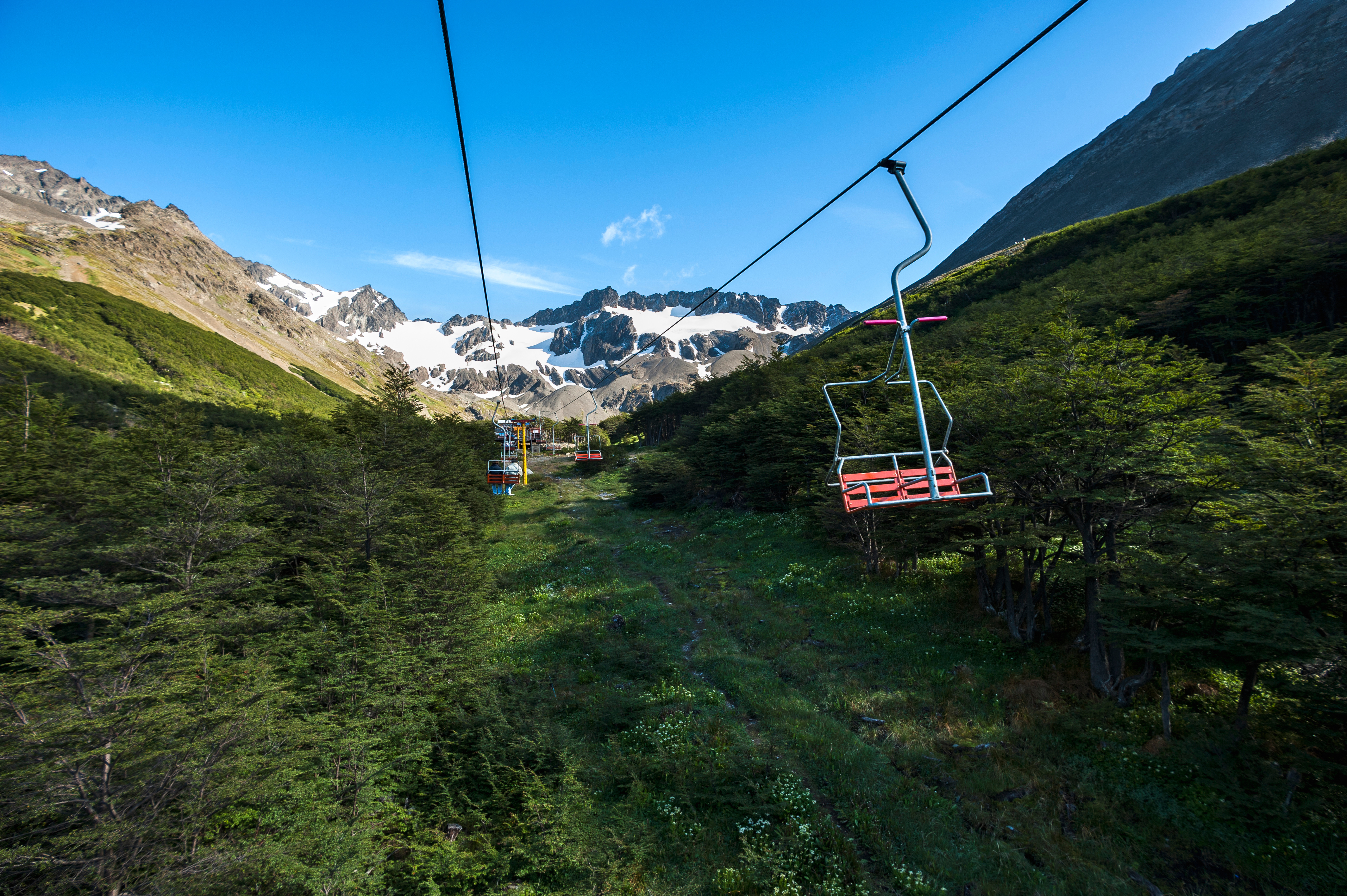
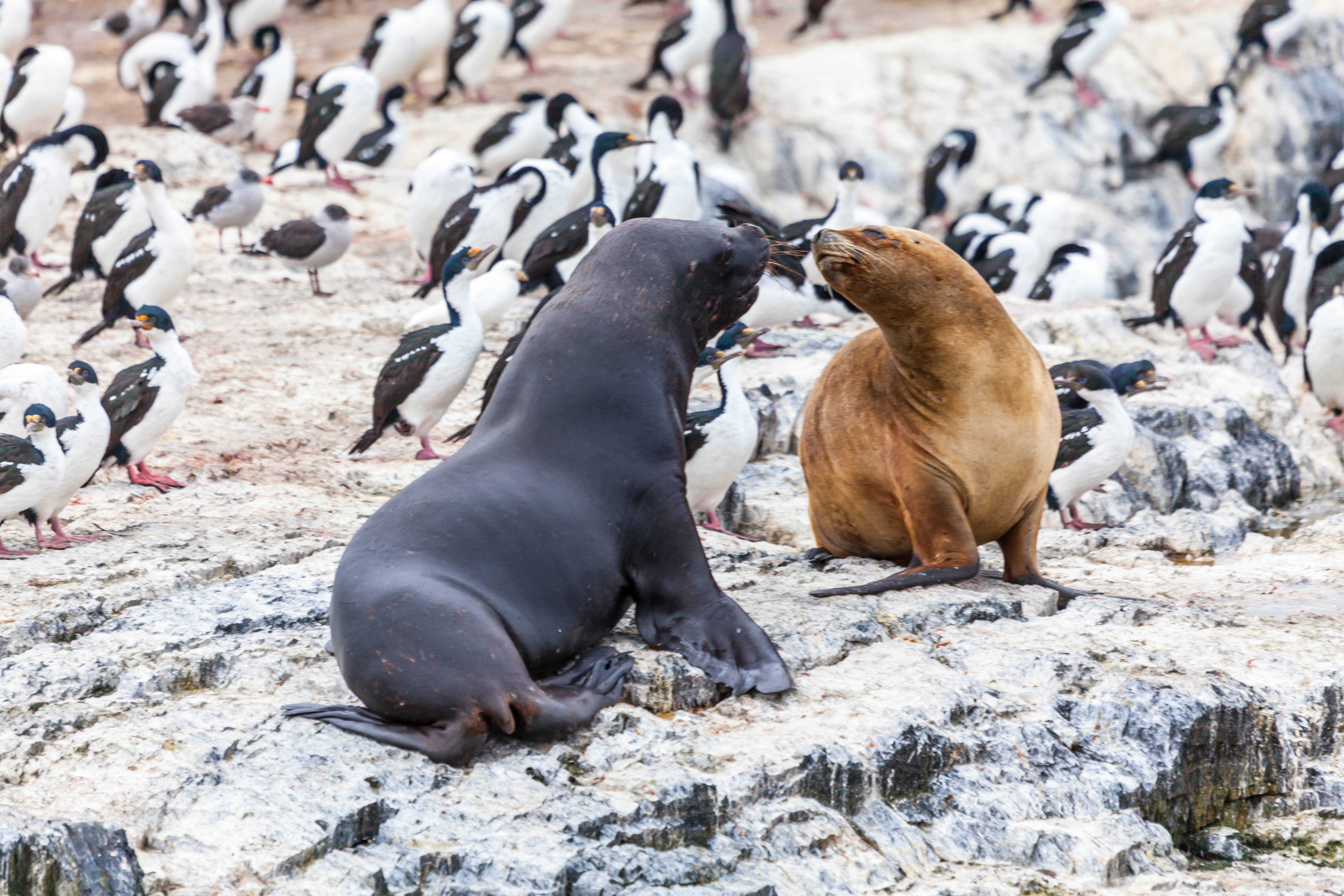
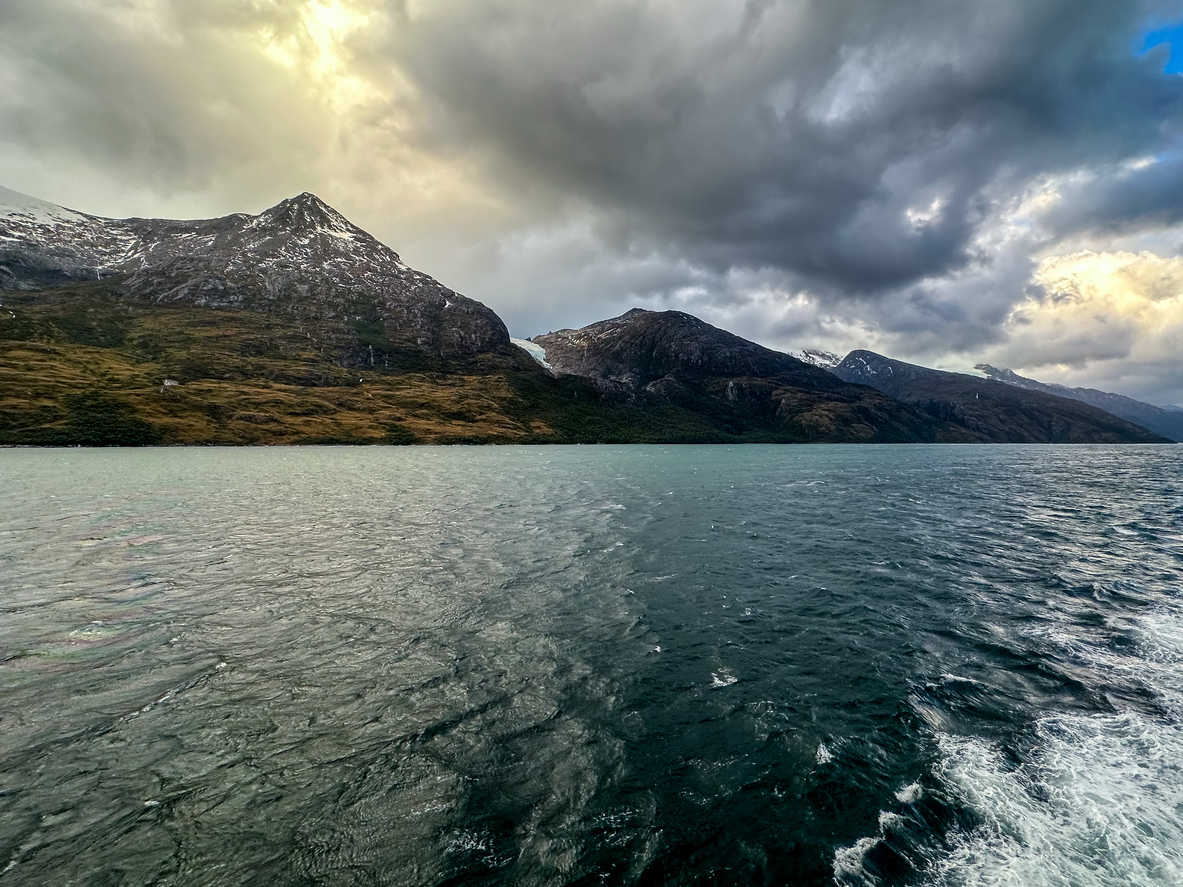
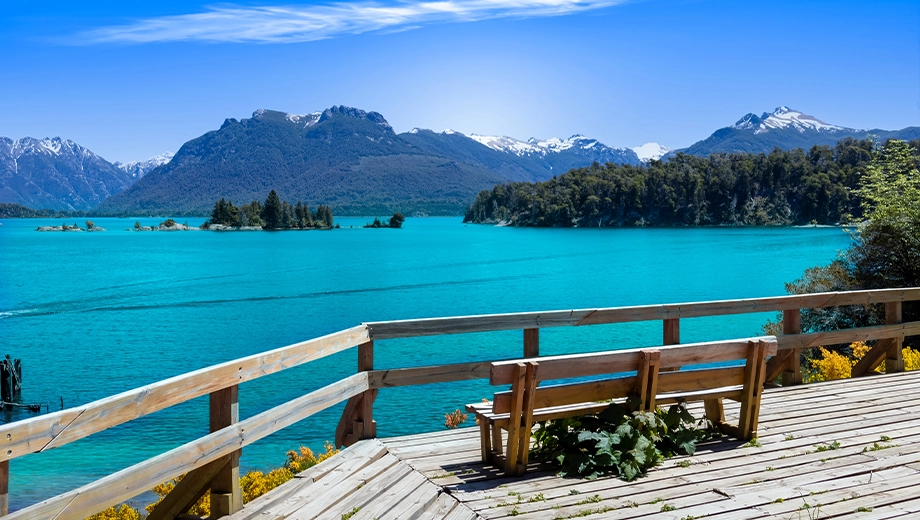

Experiences in Patagonia
Patagonia holiday packages with a difference

Speak to a dedicated Patagonia Travel Specialist today
Patagonia FAQs
Where is Patagonia?
Patagonia is a vast region located at the southern tip of Latin America, shared between Chile and Argentina. It is not a single country, but a diverse area that spans both, stretching from the lake districts in the north down to Tierra del Fuego in the far south. This distinction is important when planning a trip, as most Patagonia holidays combine destinations in both countries.
Do I need to visit both Chile and Argentina to see Patagonia?
You can explore Patagonia in either Chile or Argentina, but visiting both offers the most complete experience. Chilean Patagonia is known for fjords, glaciers and Torres del Paine National Park, while Argentine Patagonia features the Perito Moreno Glacier, Los Glaciares National Park and the Patagonian steppe. Latin Routes Travel Specialists can help you plan the right balance based on your interests and timeframe.
How do I get to Patagonia from the UK?
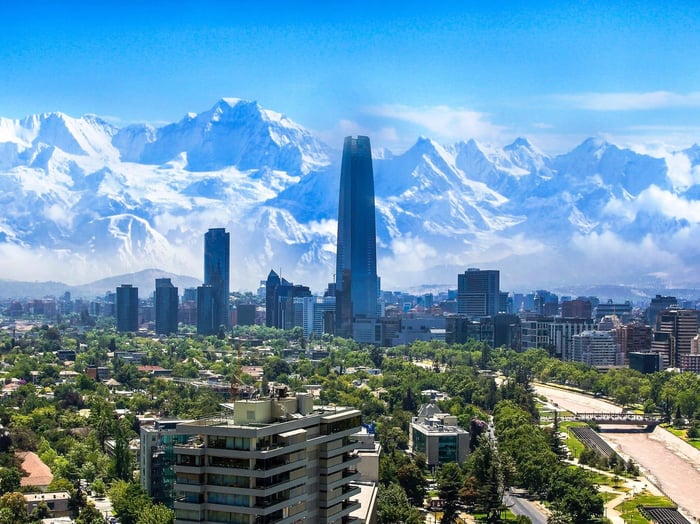
There are no direct flights to Patagonia from the UK. Most journeys begin with an international flight to Santiago in Chile or Buenos Aires in Argentina, followed by domestic flights to key gateways such as Punta Arenas, Puerto Natales, El Calafate or Ushuaia. Due to the distances involved, careful planning is essential, and our Travel Specialists will arrange all flights and connections for a smooth journey.
Is Patagonia difficult to plan independently?
Due to its size, remote locations and limited transport infrastructure, Patagonia can be complex to plan without expert support. Choosing the right routes, accommodation and timing is key to making the most of your trip. Latin Routes Travel Specialists provide tailored advice and handle all arrangements, ensuring a well-paced and rewarding journey.
What is the best way to experience Patagonia?
The best way to experience Patagonia is through a tailor-made itinerary that combines key highlights with time to explore at your own pace. This might include guided walks in Torres del Paine, glacier excursions in Los Glaciares National Park and wildlife experiences along the coast. Latin Routes will design your holiday around your interests, ensuring a balanced and memorable trip.
When is the best time to visit Patagonia?
The ideal time to visit Patagonia is between September and March, when days are longer and conditions are generally more favourable for travel and outdoor activities. Each season offers something different, and our Travel Specialists can advise on the best time based on what you would like to see and do.
Why book a Patagonia holiday with Latin Routes?
With over 40 years of experience in Latin America, Latin Routes offers expert knowledge and carefully curated itineraries. Our Travel Specialists take care of every detail, from flights and transfers to accommodation and excursions, creating a seamless and personalised Patagonia holiday from start to finish.
What destinations can I combine with Patagonia?
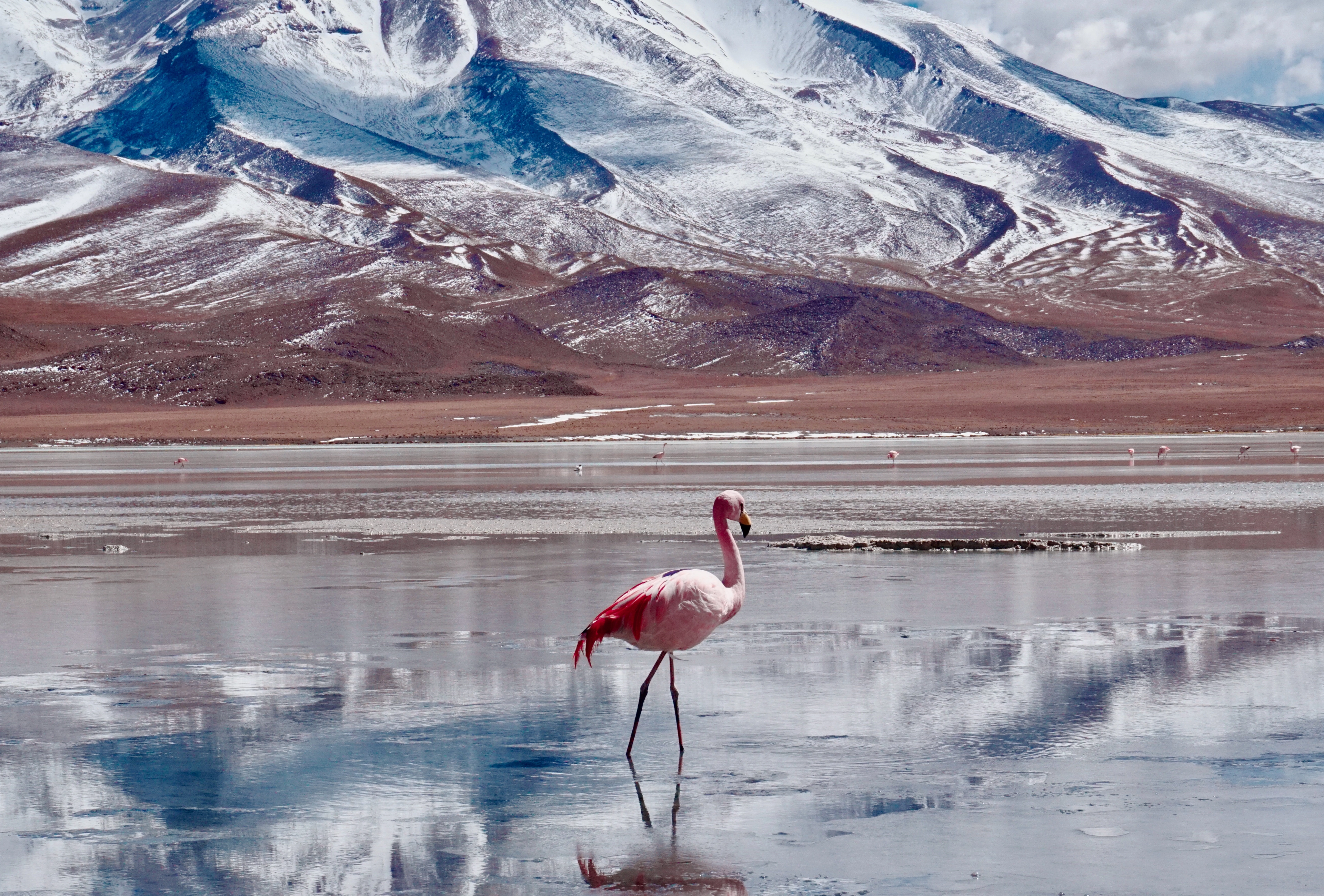
Patagonia works well as part of a wider Latin America holiday. Popular combinations include Buenos Aires, Santiago, the Atacama Desert, Iguazú Falls and Antarctica. Each pairing adds a different perspective, from vibrant cities and wine regions to deserts, waterfalls and polar landscapes.
Can I add Antarctica to a Patagonia holiday?
Yes, Patagonia is the natural starting point for Antarctica expeditions, with most departures from Ushuaia. This makes it possible to combine a Patagonia holiday with a voyage to Antarctica for a truly unique multi-centre journey.
Can I include a Patagonia cruise in my itinerary?
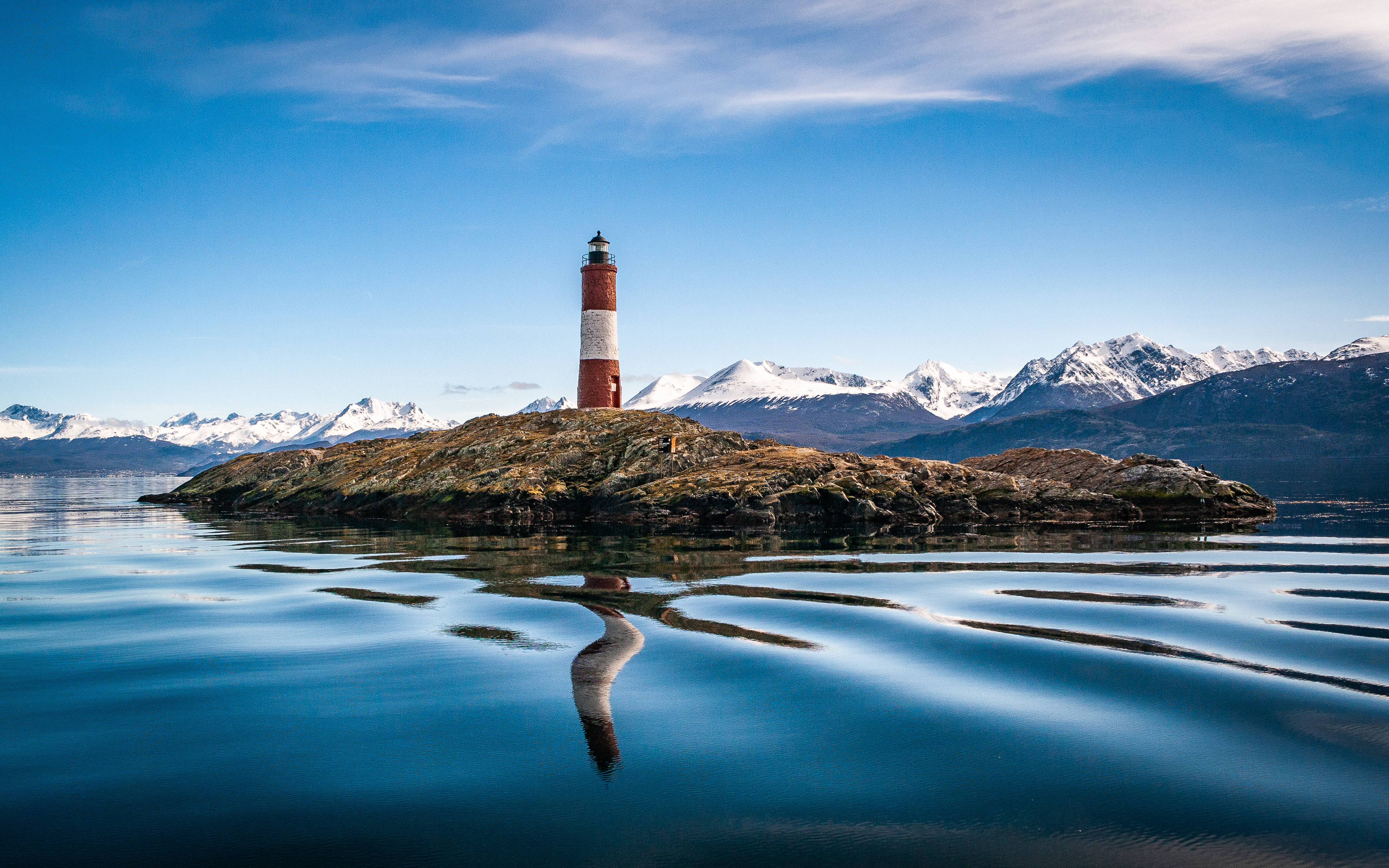
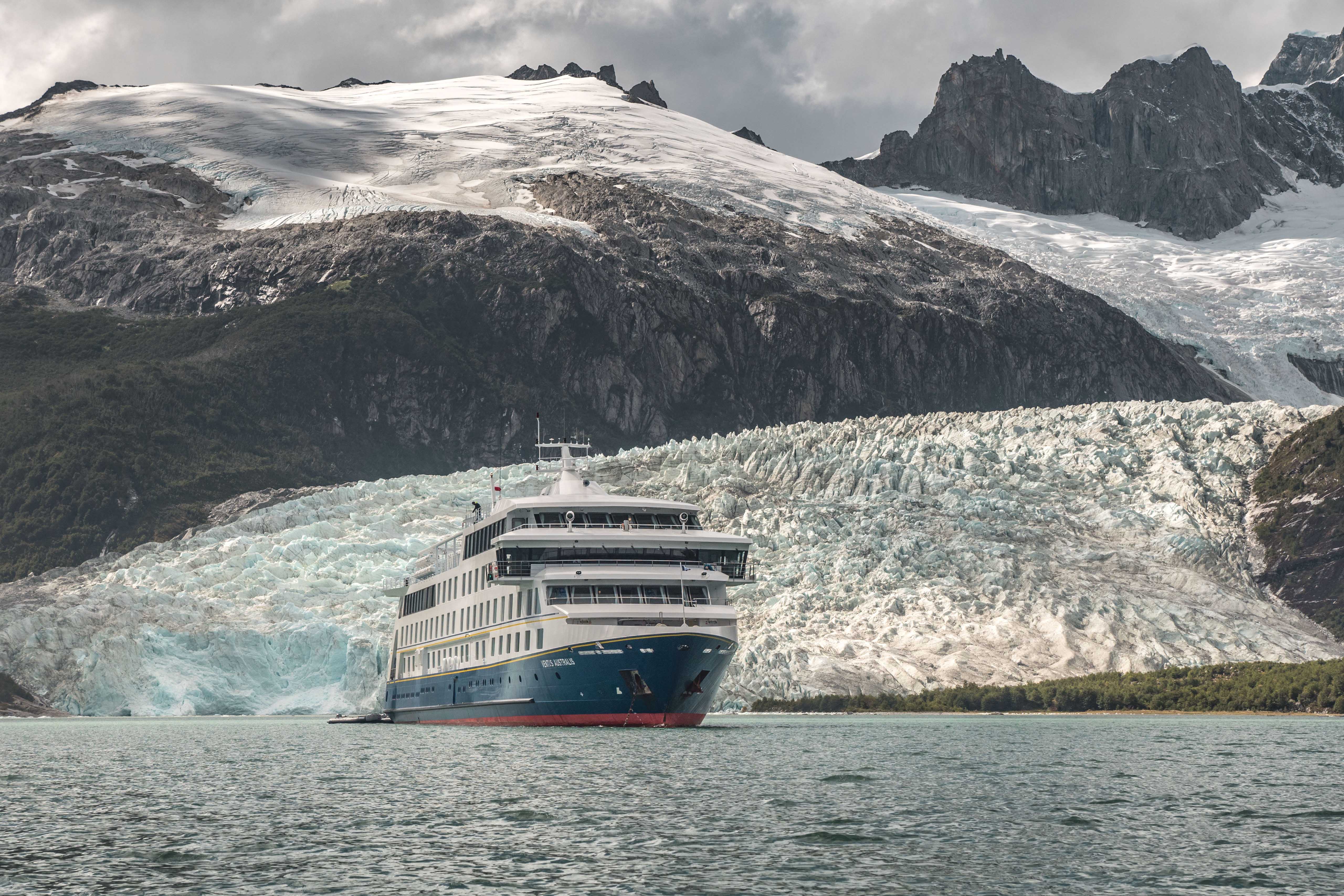
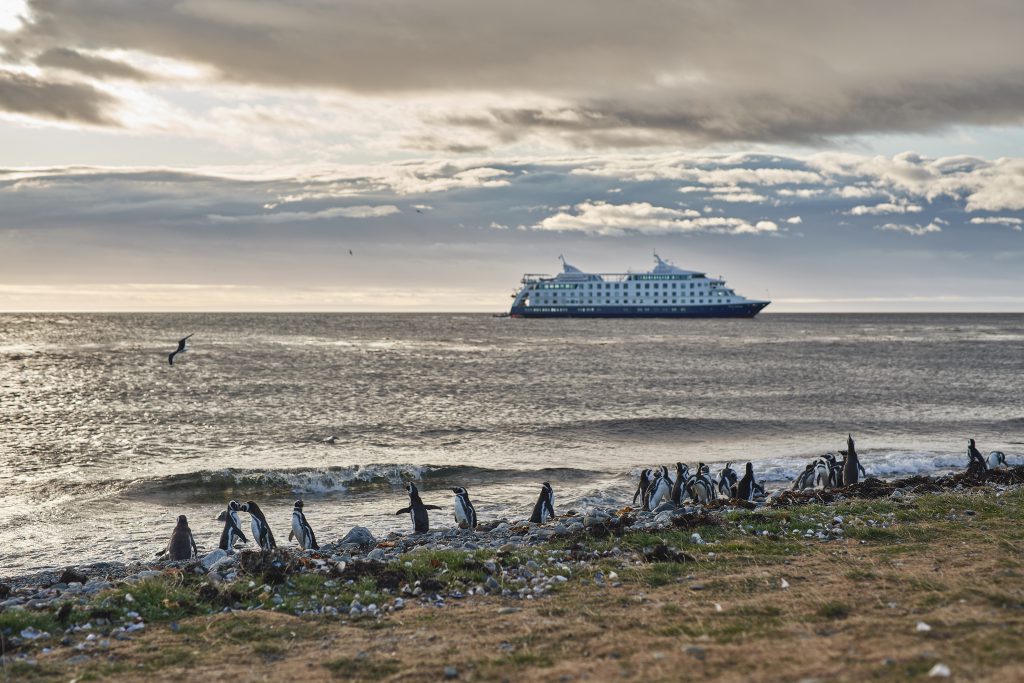
A Patagonia cruise is an excellent addition, offering access to remote fjords, glaciers and channels that are difficult to reach by land. Routes typically sail between Punta Arenas and Ushuaia, navigating through the Beagle Channel and the fjords of Tierra del Fuego. This provides a different perspective of Patagonia and pairs well with land-based exploration.
What Makes a Latin Routes Holiday Truly Unforgettable?
Every journey we plan is truly individual – created just for you, by our expert team. Whether you’re dreaming of wildlife, culture, food or landscapes, 5* luxury or off-grid adventure, we’ll design a Latin American holiday that’s truly unforgettable for all the right reasons.

We’re recognised by both the industry and our clients for our outstanding personalised service.

We design every trip around you: your interests, your must-sees, your perfect holiday.

Every recommendation is shaped by real experience, true passion and specialist care.

Consistently rated ‘Excellent’ by our clients for our expert planning and personalised attention.


What Our Clients Say About Us