


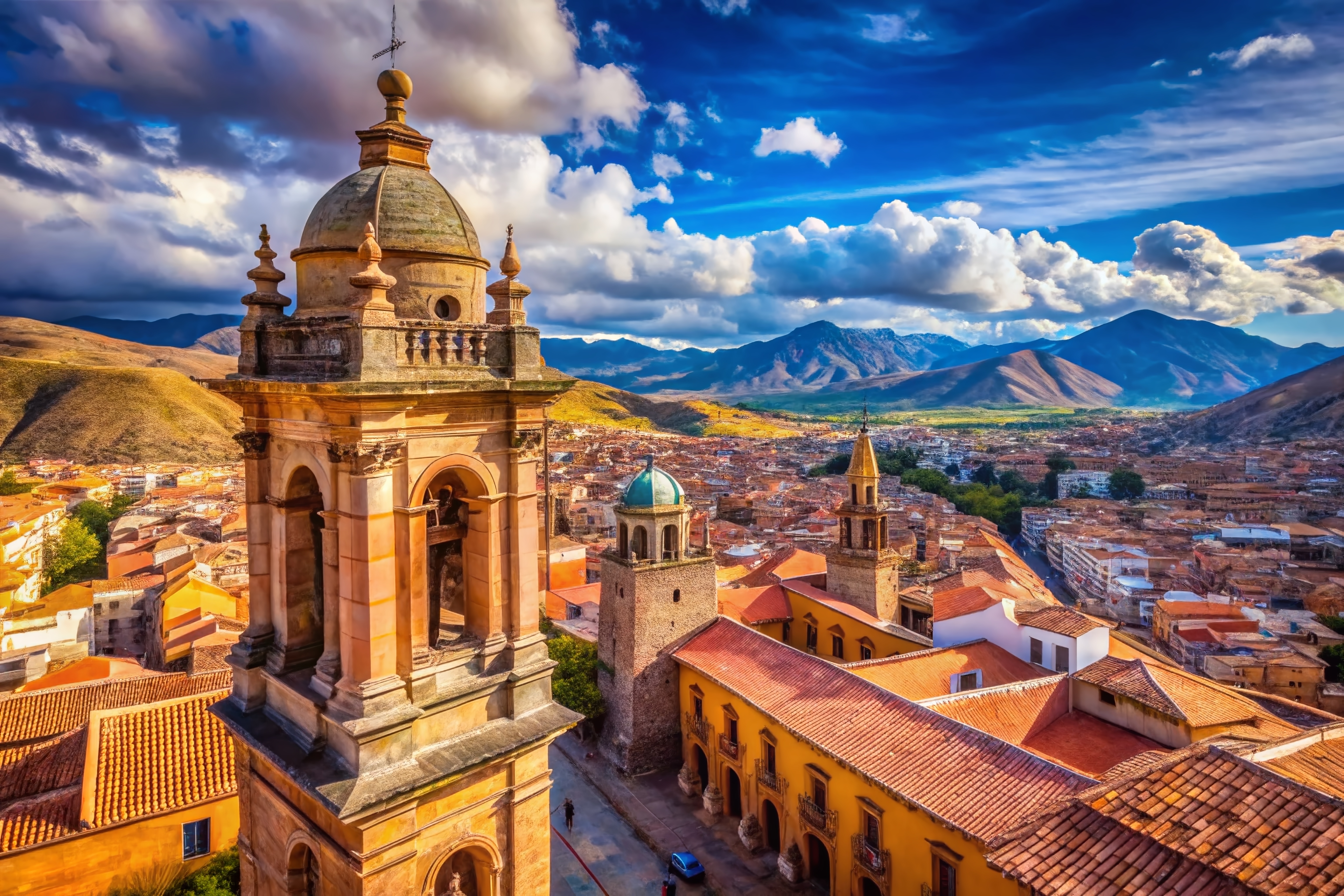
Visit Potosí: Explore Bolivia's Historic Silver City

Bolivia

-5 hours

Bolivianos

Mine Tours
When is the best time to visit Potosi?
Potosí sits at an altitude of over 4,000 metres above sea level, giving the city a cool to cold climate throughout the year. Daytime temperatures are generally low, rarely rising above 13°C, while evenings and early mornings can feel particularly cold. The high elevation and exposed setting mean warm layers are essential, especially when spending time outdoors or visiting sites around Cerro Rico.
The most comfortable months to visit Potosí tend to fall outside the coldest part of winter. February through May and August to November usually bring clearer skies and slightly milder daytime conditions, making sightseeing more enjoyable. From June to August, winter nights often drop below freezing, so travelling during the more temperate months allows for easier exploration of the historic centre, colonial churches, and mining heritage without the added challenge of extreme cold.
About Potosi and things to do
Potosí is a historic city set high in the southern highlands of Bolivia, defined by its extraordinary mining heritage. Sitting at an altitude of around 4,090 metres above sea level, it is one of the highest cities in the world and has long held global significance.
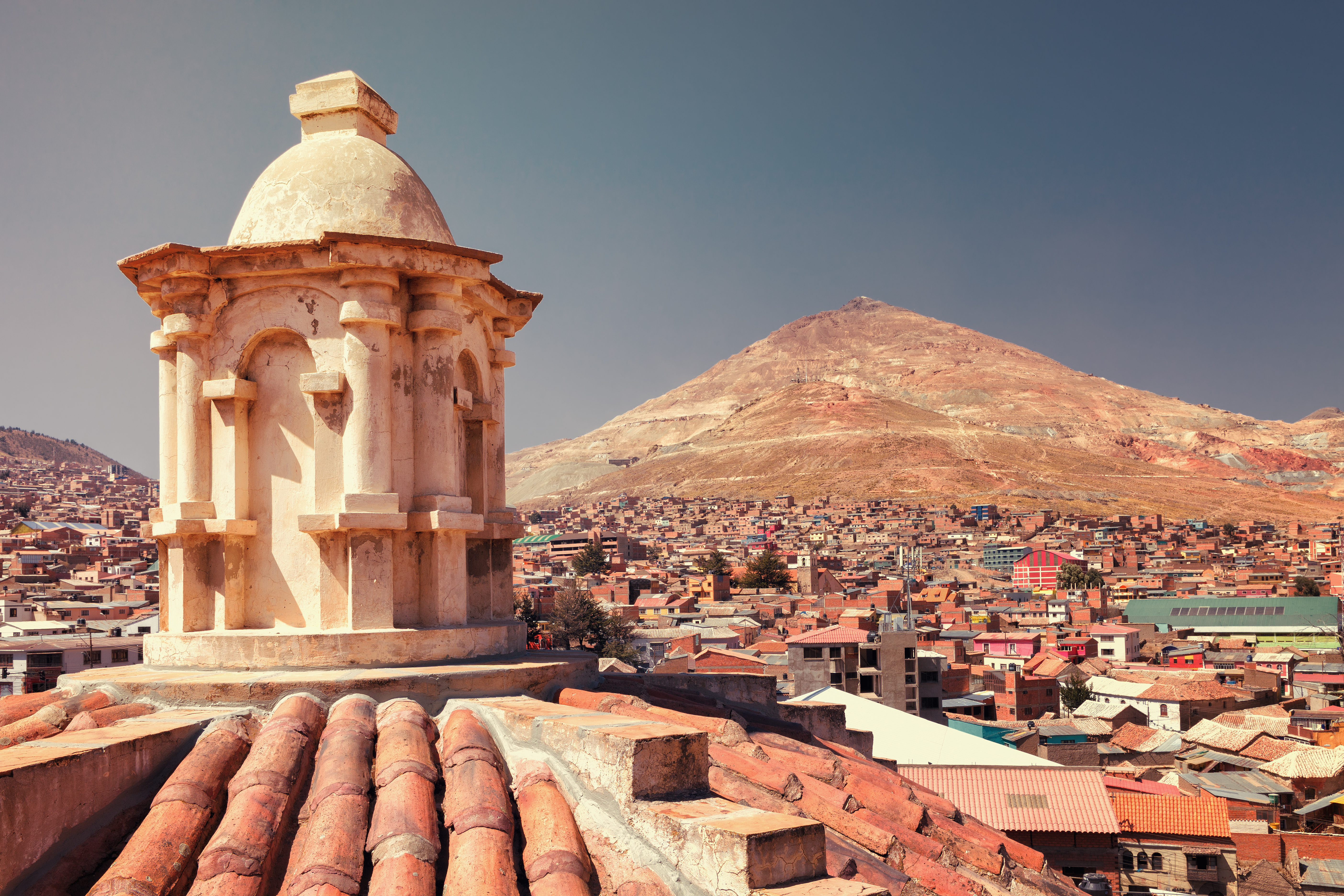
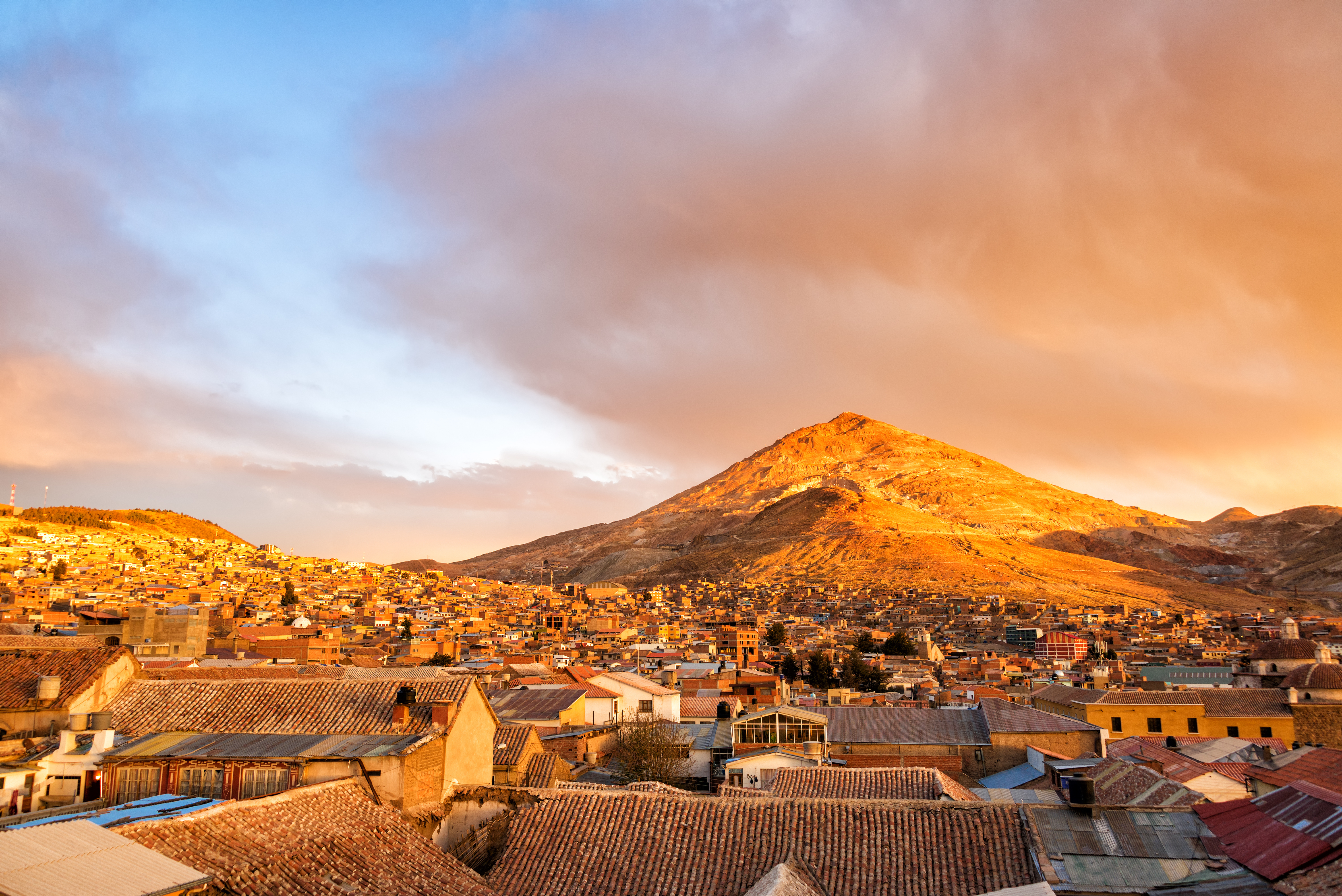
The city rose to prominence during the Spanish colonial period, when the silver mined from Cerro Rico, known as Rich Hill, transformed Potosí into one of the wealthiest cities on Earth. Its output played a central role in financing the Spanish Empire, shaping global trade and leaving a lasting mark on Bolivia’s history. Today, Potosí remains a powerful reminder of this past, with its historic centre, colonial architecture, and mining sites offering insight into the city’s enduring cultural and historical legacy.
Things to Do in Potosí, Bolivia
- Cerro Rico: Take a tour of the historic silver mine that once made Potosí one of the wealthiest cities in the world and learn about its significance during the colonial era.
- Museo Casa de la Moneda: Explore this fascinating museum housed in the former colonial mint, where Potosí’s silver was coined for the Spanish Empire.
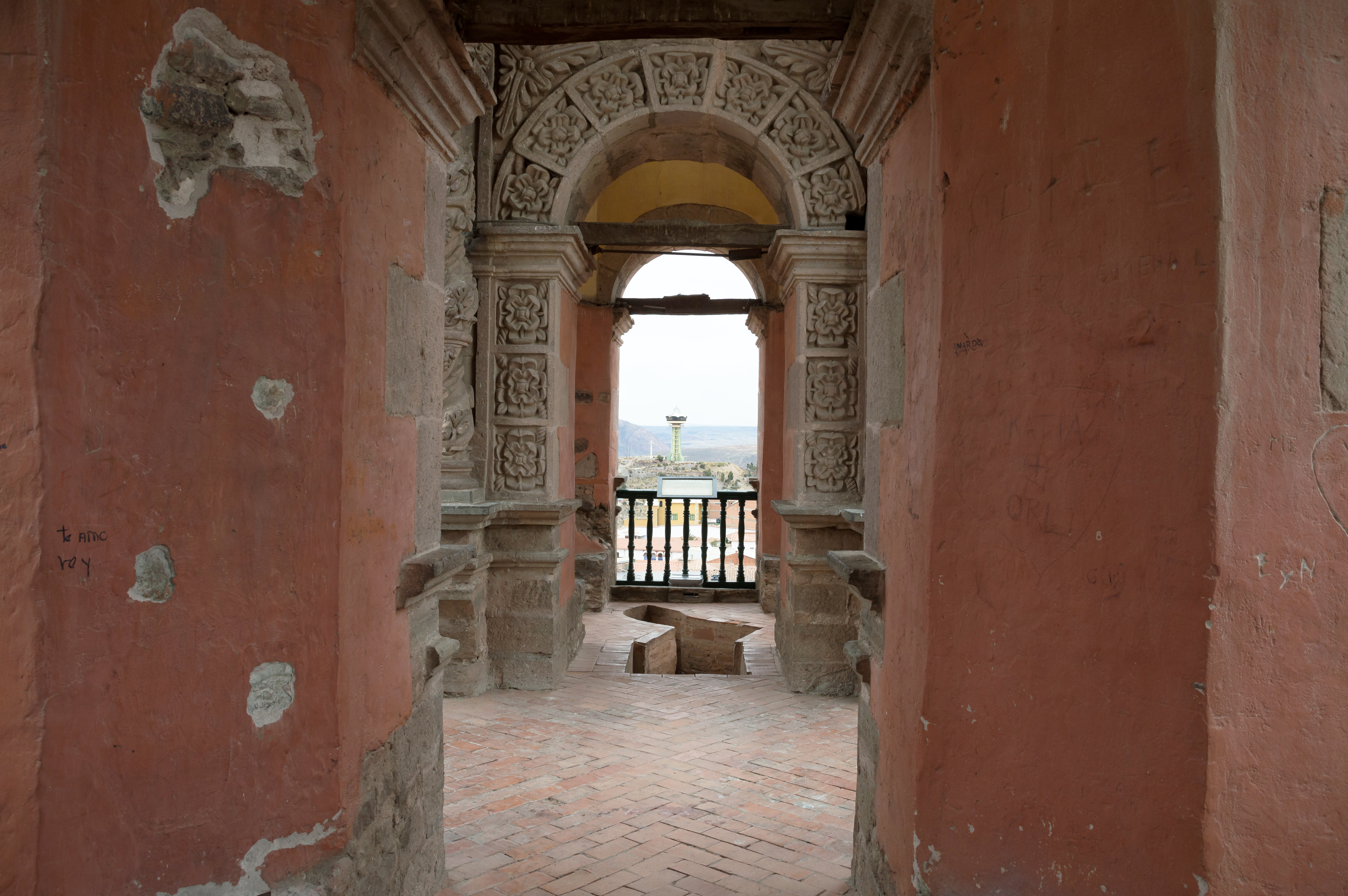
- Torre de la Compañía de Jesús: Climb the tower for sweeping views of the city, Cerro Rico, and the surrounding mountains, offering a glimpse of Potosí’s history.
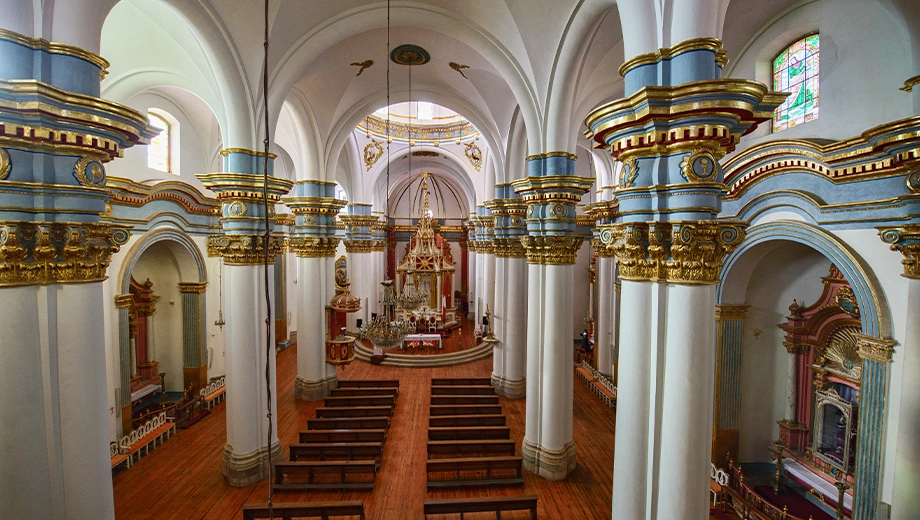
- San Francisco Church: Visit this beautiful Baroque church and convent, a key religious site with impressive architecture and artwork from the colonial period.
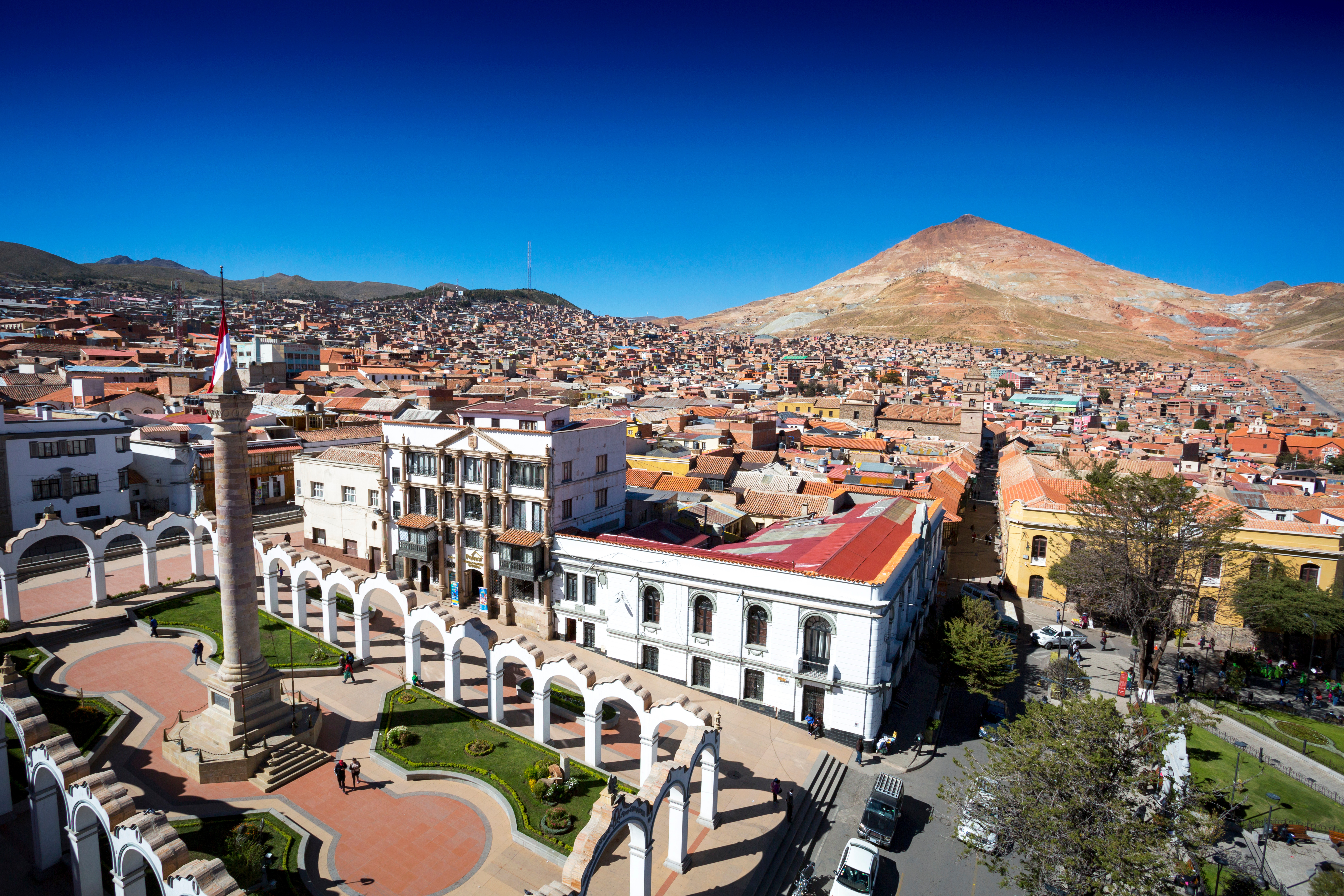
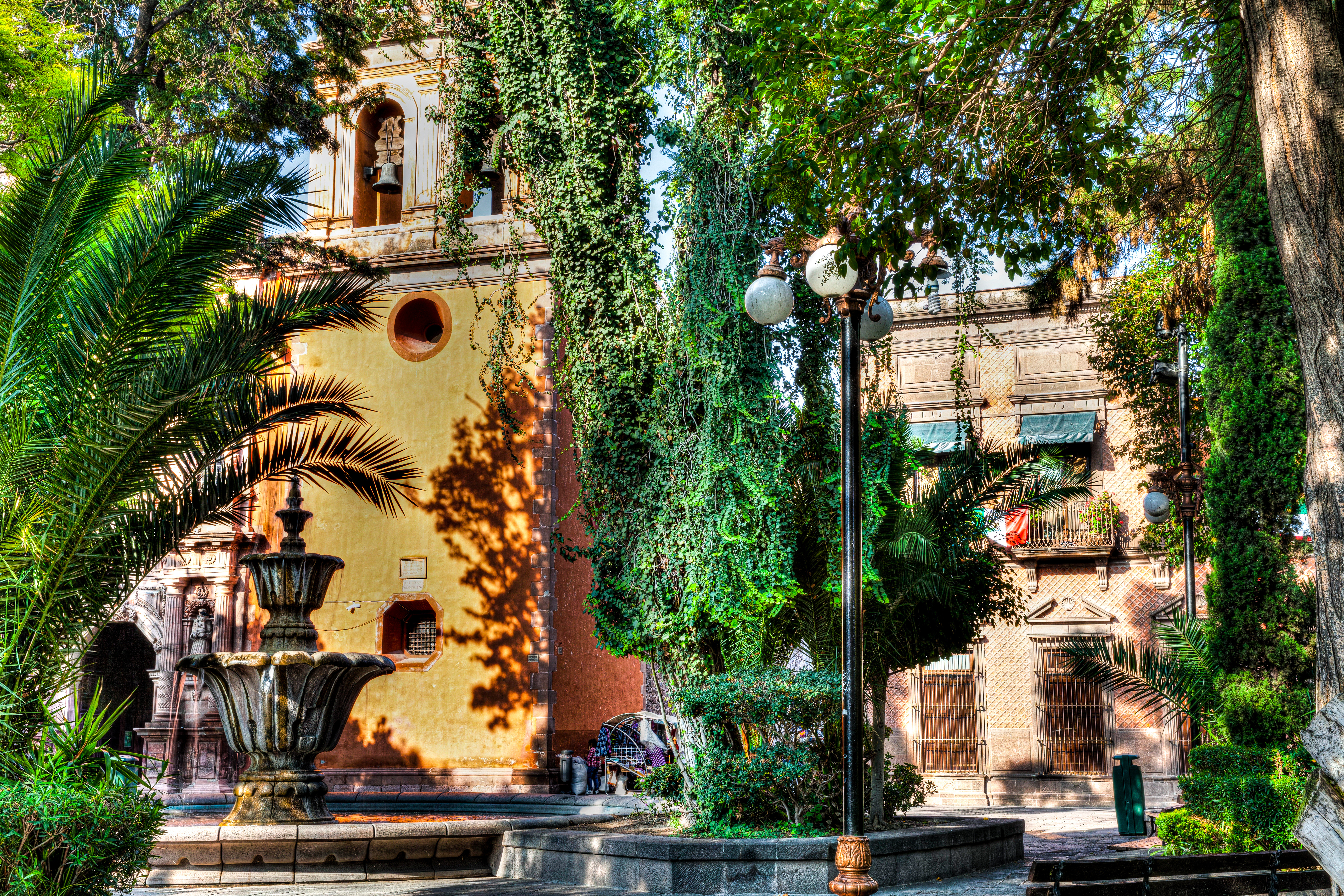
- Historic Centre: Stroll through Potosí’s UNESCO-listed historic centre, where you can explore colonial buildings, lively markets, and picturesque squares.
- Cooperative Mines: Experience a tour of the cooperative mines, where miners still work under conditions that have changed little since the colonial era, providing insight into their daily lives.
- Plaza 10 de Noviembre: Spend time in the vibrant city square, surrounded by significant historical buildings, perfect for people-watching and soaking in local culture.
- Potosí Cathedral: Admire the architectural beauty of the Potosí Cathedral, located in Plaza 10 de Noviembre, showcasing the city’s colonial past.
- Royal Gardens: Relax in the peaceful Royal Gardens near the Museo Casa de la Moneda, offering a tranquil space to enjoy the views of the city.
- Mercado Central: Visit the bustling Mercado Central to shop for fresh produce, local crafts, and souvenirs, providing an authentic Bolivian market experience.
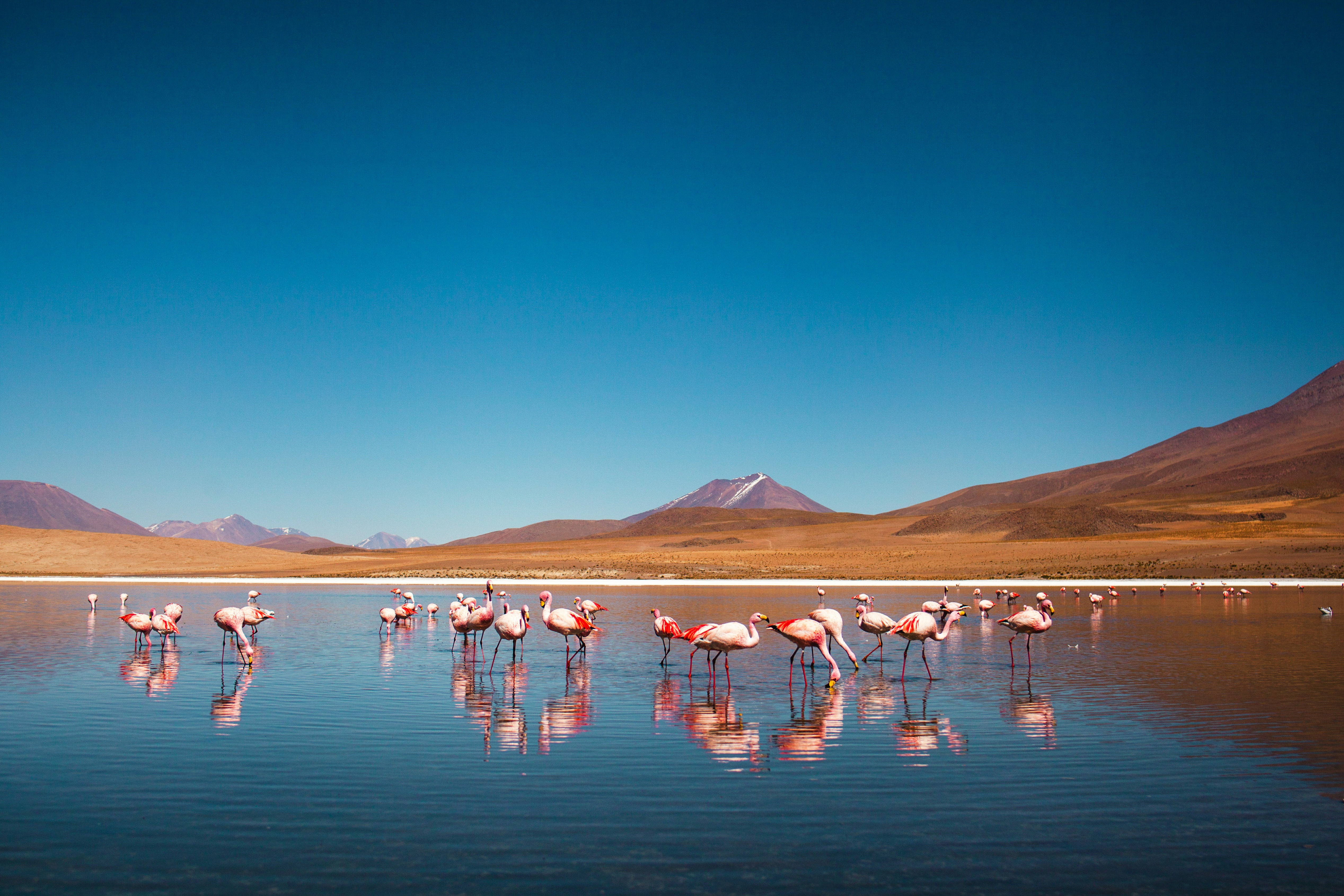
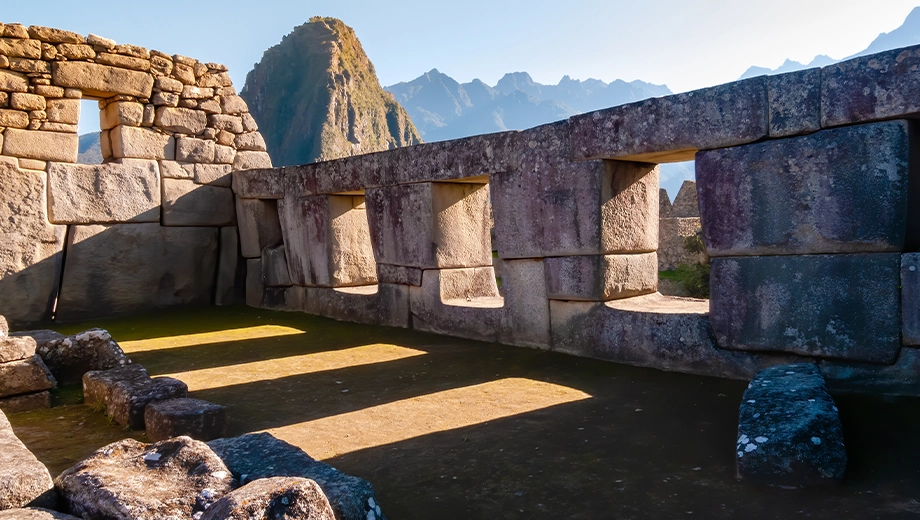
Potosi, Bolivia Highlights
Some of the sights and experiences in and around Potosi, Bolivia
Speak to a Travel Specialist today
Potosi Travel FAQs
What is Potosí known for?
Potosí is known for its rich mining history and its role in shaping the Spanish colonial economy. The city grew around Cerro Rico, the silver mountain that once made Potosí one of the wealthiest cities in the world. Today, it is recognised for its historic architecture, colonial legacy, and powerful cultural significance.
Where is Potosí located?
Potosí sits in southern Bolivia in the Andean highlands, at an altitude of over 4,000 metres above sea level. Its high elevation contributes to its cool climate and dramatic mountain setting.
How long should I spend in Potosí?
One to two days is usually sufficient to explore the city’s main sights, including its historic centre and museums. Travellers often include Potosí as part of a wider journey through southern Bolivia, linking it with Sucre and Uyuni.
What are the main highlights of Potosí?
Key highlights include the historic Cerro Rico mines, the Casa Nacional de la Moneda, one of South America’s most important colonial buildings, and the city’s churches and plazas. Together, they provide insight into Potosí’s global importance during the colonial era.
Is Potosí a UNESCO World Heritage Site?
Yes. Potosí was designated a UNESCO World Heritage Site for its exceptional testimony to colonial mining history and its well preserved historic centre, which reflects the city’s former wealth and influence.
When is the best time to visit Potosí?
The best time to visit is during the dry season from May to October, when rainfall is low and skies are generally clear. Due to the high altitude, temperatures remain cool throughout the year, with cold mornings and evenings.
Is Potosí suitable for families?
Potosí is best suited to travellers with an interest in history and culture. Families with older children may find it rewarding, particularly those interested in learning about Bolivia’s colonial past, though the altitude should be taken into account when planning a visit.
Can Potosí be combined with other destinations in Bolivia?
Yes. Potosí combines naturally with Sucre, Bolivia’s constitutional capital, and with Uyuni and the salt flats further south. It forms an important cultural link within southern Bolivia itineraries.