


Visit the Yucatán Peninsula, where Maya history meets natural beauty
The Yucatán Peninsula stretches across south-eastern Mexico, bringing together relaxed beach towns, dense jungle landscapes, clear freshwater cenotes and a deep-rooted Maya heritage. Often included as part of a wider Mexico holiday, the region is shaped by both history and nature, where days can be spent exploring ancient cities, swimming in cenotes or wandering through colonial streets at an unhurried pace.
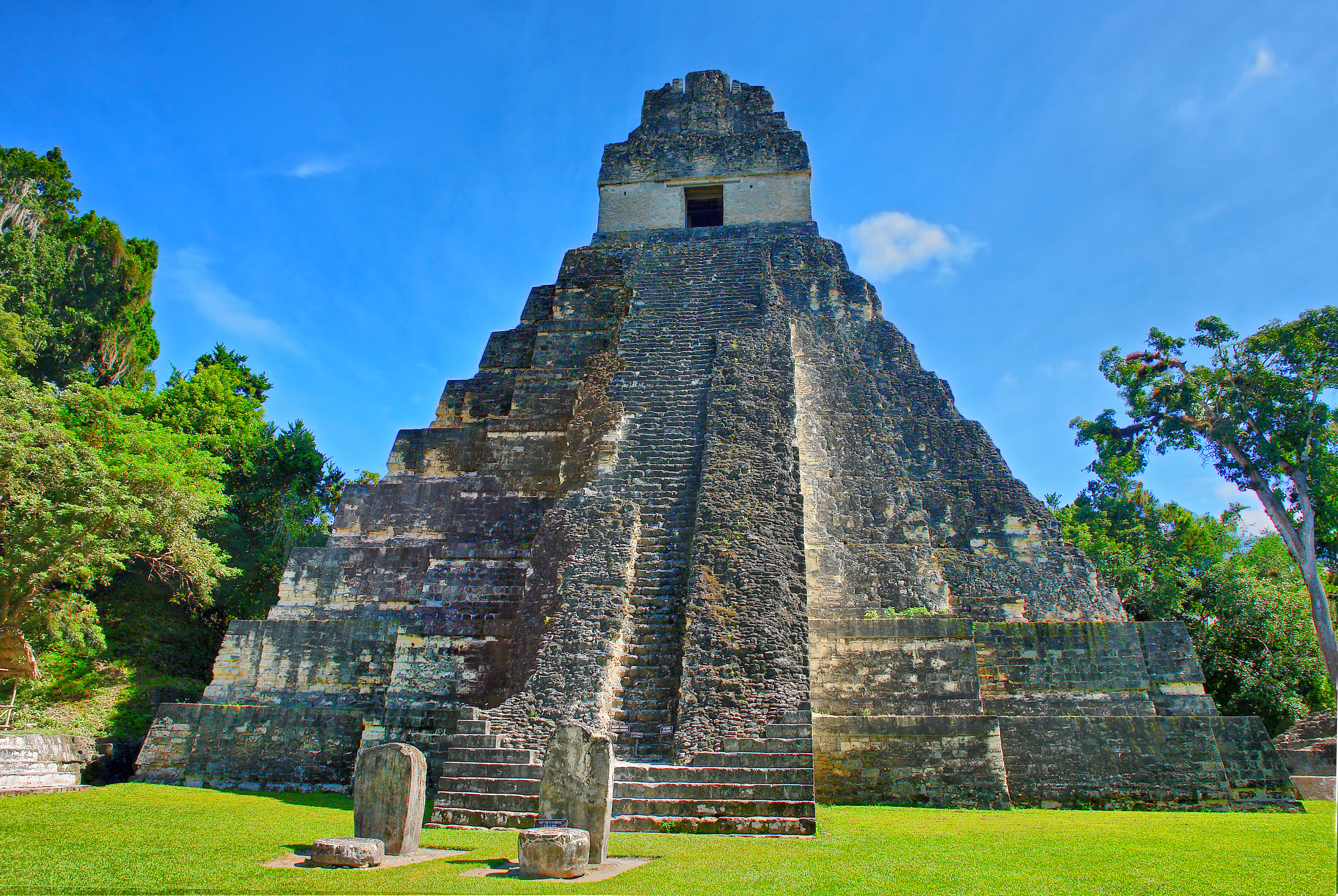
Chichén Itzá is the peninsula’s most visited archaeological site and one of Mexico’s most important historic landmarks, drawing visitors from around the world each year. Beyond this iconic site, places such as Uxmal, Mayapán, Xcambó and Kabah reveal the scale and diversity of Maya civilisation through their distinctive architecture and jungle settings. Colonial cities including Mérida and Campeche reflect the region’s Spanish and Indigenous influences, while local markets, artisan communities and regional cuisine offer insight into everyday life across the peninsula.
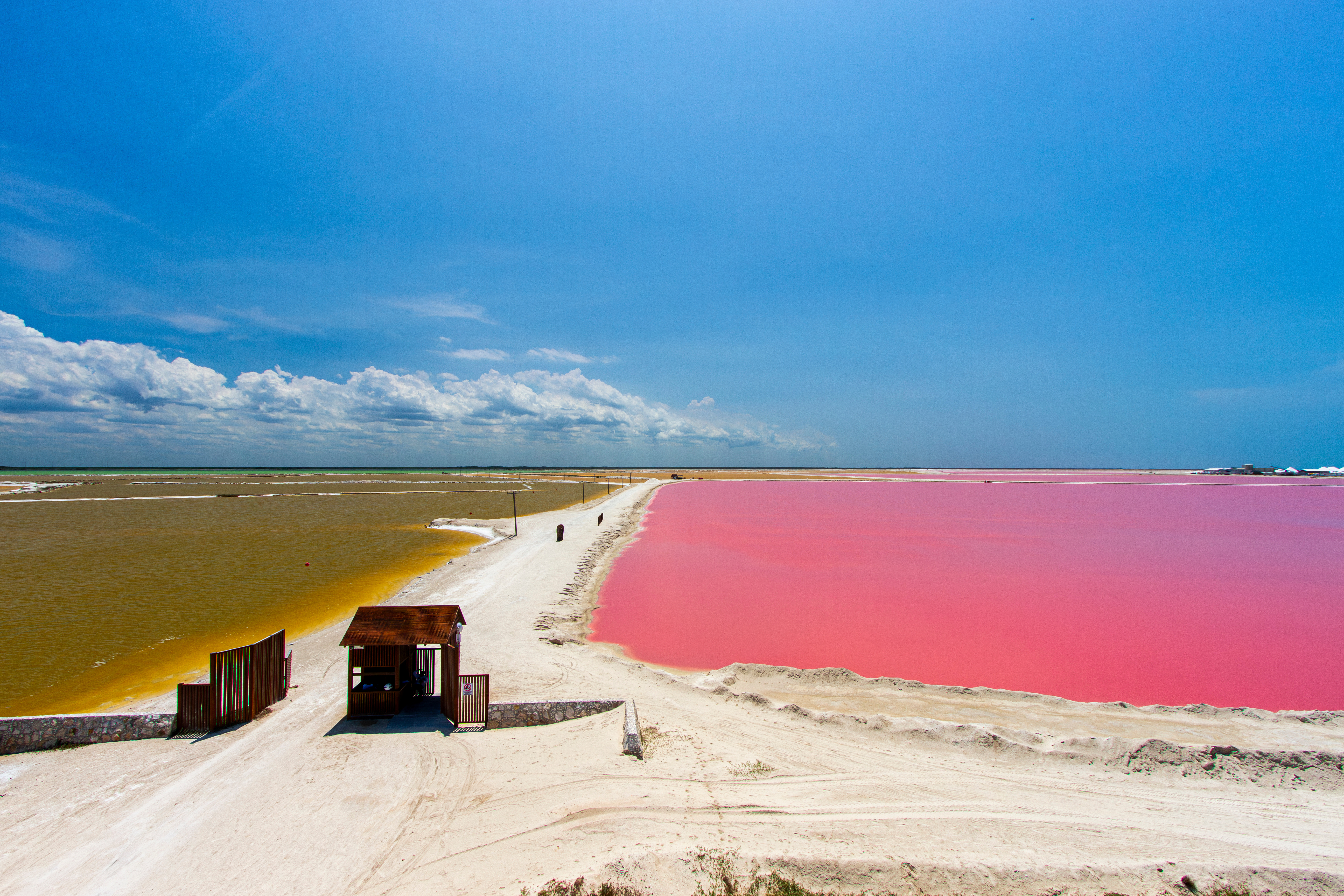
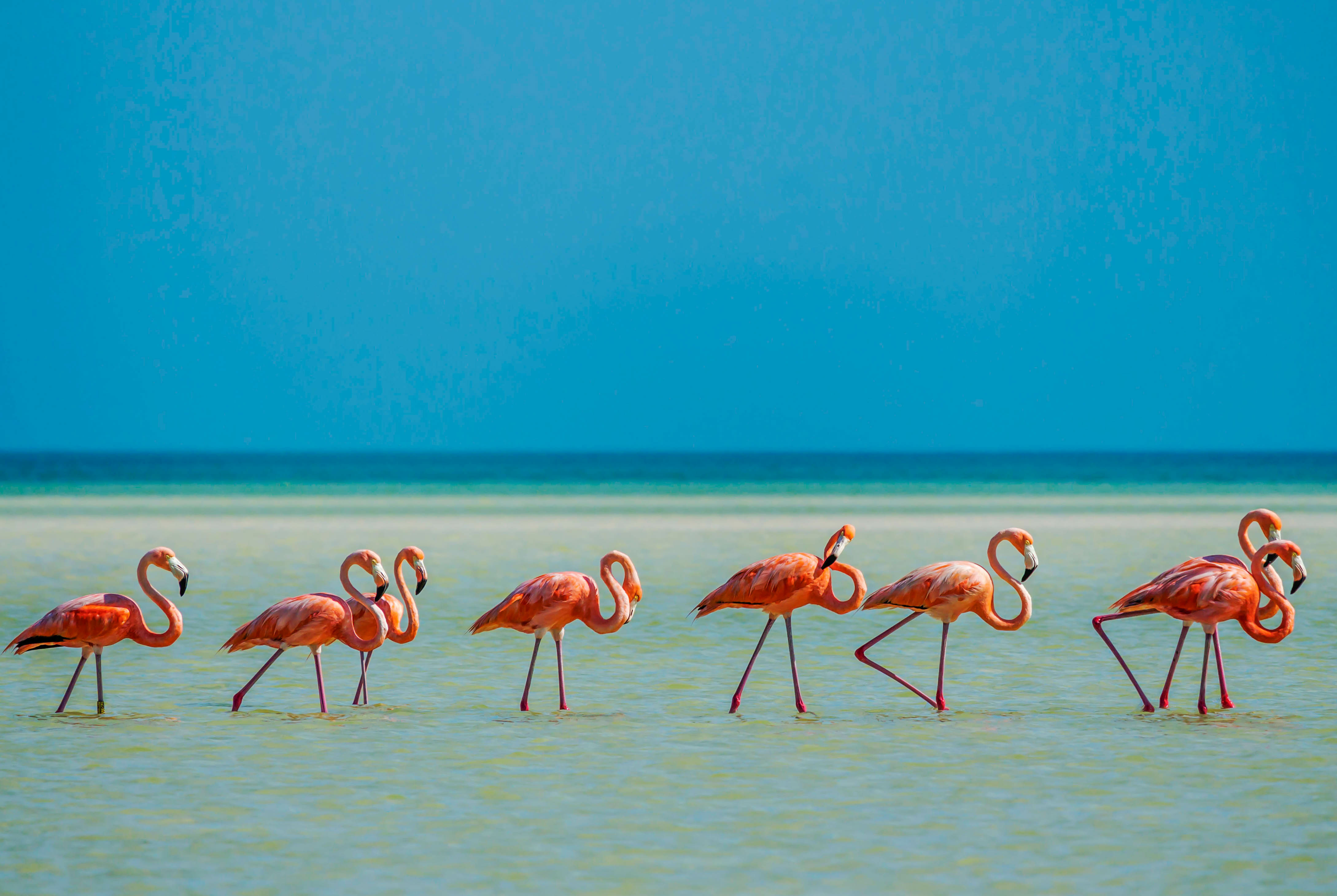
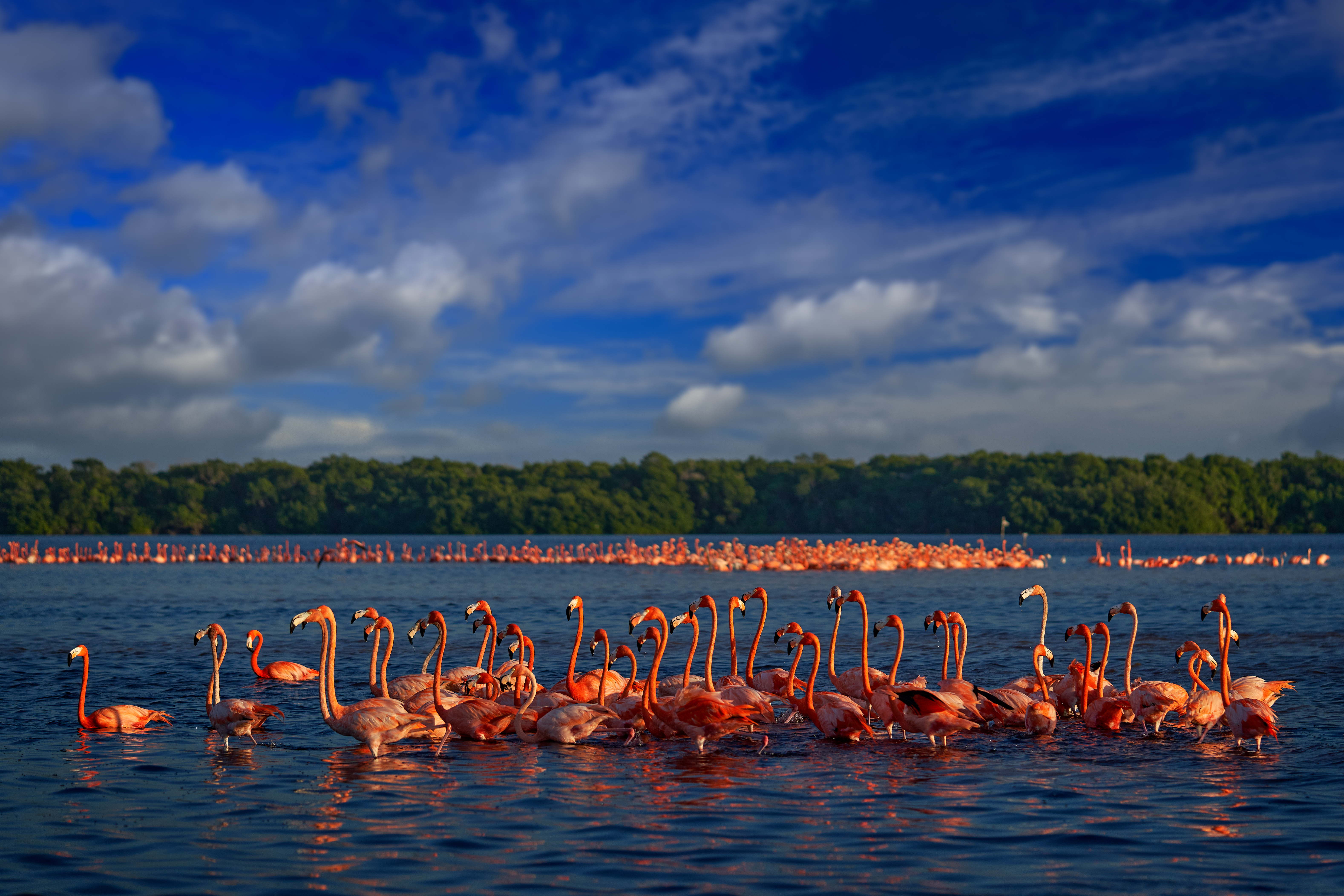
For a slower pace, the coastal village of Celestún offers access to the Ría Celestún Biosphere Reserve, where flamingos and other wildlife gather within the wetlands. Nearby, Las Coloradas presents one of the region’s most unusual natural sights, with shallow salt lakes coloured in striking shades of pink along the Gulf coast. Elsewhere, towns such as Valladolid and Izamal provide a quieter and more immersive connection to the Yucatán’s character and traditions.
Why visit Yucatán?
Yucatán offers a rewarding mix of archaeology, wildlife and living culture. Travellers can move easily between ancient Maya ruins, cenotes, colonial towns and nature reserves, creating a journey that balances exploration with time to slow down. With its varied landscapes, strong regional identity and rich cultural heritage, the Yucatán Peninsula is one of Mexico’s most rewarding regions for travellers seeking culture, nature and authentic experiences.

Mexico

-6 hours

Mexican Peso (MEX) & US Dollars (USD)

Chichen Itza & Cenotes
When is the best time to visit Yucatan Peninsula?
The most popular time to visit the Yucatán Peninsula is during the dry season from December to April. These winter months bring warm, comfortable temperatures averaging around 25°C, making them well suited to sightseeing, cenote swimming, and exploring archaeological sites. This period also coincides with the flamingo migration in Celestún, with January and February offering particularly good opportunities to see large flocks gathered in the lagoons.
Travellers often choose to avoid the summer months, when higher humidity and increased rainfall can affect travel plans. The Atlantic hurricane season typically runs from late summer into early autumn, so visiting outside this period allows for more settled weather and greater flexibility when exploring the region.
About Yucatan Peninsula and its surrounding areas
Mérida is the colonial capital of Yucatán and an excellent base for exploring the region’s cenotes, historic towns, and ancient Maya sites. Its central location makes it easy to combine city life with day trips into the surrounding countryside, offering a balanced pace of travel.
The wider state is home to more than 3,000 cenotes, with around 900 forming the Ring of Cenotes just outside Mérida. Each cenote has its own character, from open air pools to shaded cave systems, and provides a welcome way to cool off after time spent exploring ruins or walking through the city.
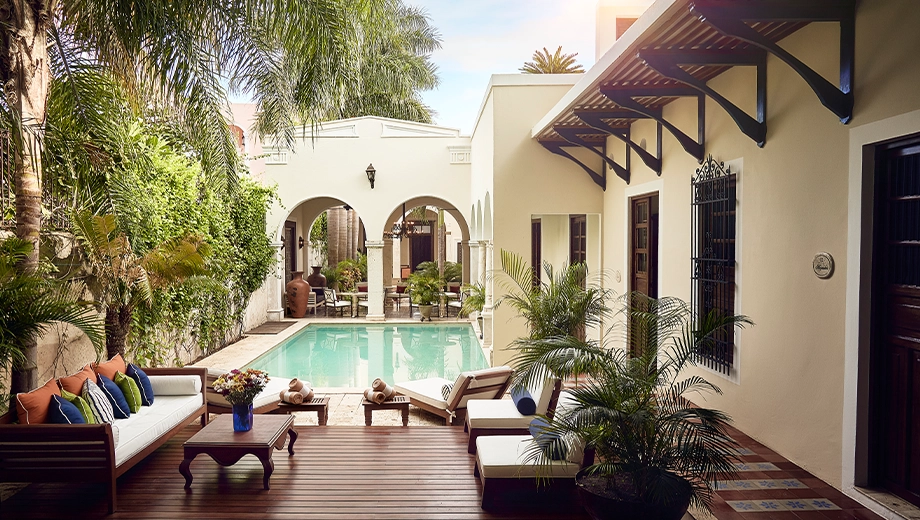
Mérida itself is compact and easy to explore on foot, blending grand colonial buildings with contemporary cafés, galleries, and cultural spaces. Staying near the Plaza Grande places you close to a wide choice of hotels, restaurants, and key sights, as well as convenient departure points for guided excursions. For a quieter contrast, Izamal lies just over an hour away and offers a slower rhythm, with its golden toned architecture and calm streets providing a gentle counterpoint to city life.
Things to do in the Yucatán Peninsula, Mexico
- Visit Chichén Itzá: Explore one of Mexico’s most important archaeological sites, recognised as a UNESCO World Heritage Site and one of the New Seven Wonders of the World. El Castillo sits at the heart of the complex, showcasing the sophistication of Maya astronomy and architecture.
- Swim in cenotes: Discover the Yucatán Peninsula’s network of natural freshwater sinkholes, with thousands scattered across the region. Well known cenotes such as Ik Kil and Suytun sit alongside quieter alternatives, offering refreshing swims among limestone formations.
- Explore Uxmal: Visit this beautifully preserved Maya city, celebrated for its distinctive Puuc architectural style. With fewer visitors than Chichén Itzá, it allows for a more relaxed and immersive experience.
- Visit Ek Balam: Step into a lesser visited archaeological site surrounded by jungle. The Acropolis pyramid can still be climbed, rewarding visitors with wide views over the forest canopy.
- Spot wildlife in Celestún: Take a guided boat trip through the Ría Celestún Biosphere Reserve to see flamingos, crocodiles, and diverse birdlife in their natural habitat.
- See Las Coloradas: Visit the striking pink salt lakes along the Gulf coast, where mineral rich waters create vivid colour contrasts unlike anywhere else in the region.
- Tour Izamal: Wander through the historic streets of the Yellow City, where golden coloured buildings frame ancient pyramids and a hilltop convent.
- Discover Mérida: Experience the cultural heart of Yucatán, with leafy plazas, local markets, and frequent cultural events. The city also works well as a base for nearby ruins and cenotes.
- Relax in Sisal: Spend time in this peaceful coastal town known for unspoilt beaches, calm waters, and gentle sunsets.
- Explore the haciendas: Visit restored estates such as Hacienda Sotuta de Peón to learn about the region’s henequén industry, set among landscaped grounds and rural scenery.
- Discover Valladolid: Explore the colourful streets of this colonial town, well placed for visiting Chichén Itzá and Ek Balam, with nearby cenotes and welcoming plazas.
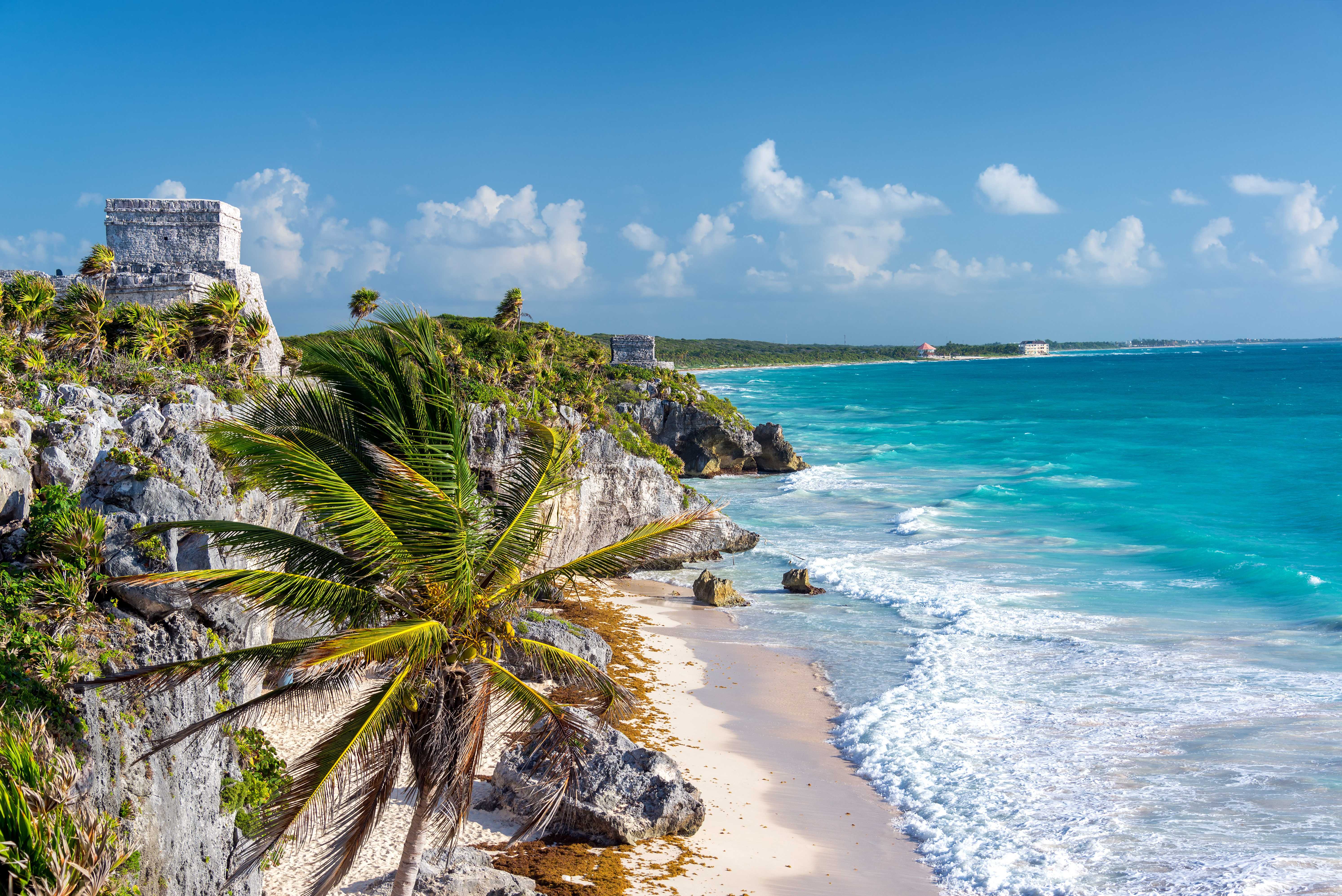
Yucatan Peninsula Highlights
Some of the sights and experiences in and around Yucatan Peninsula, Mexico
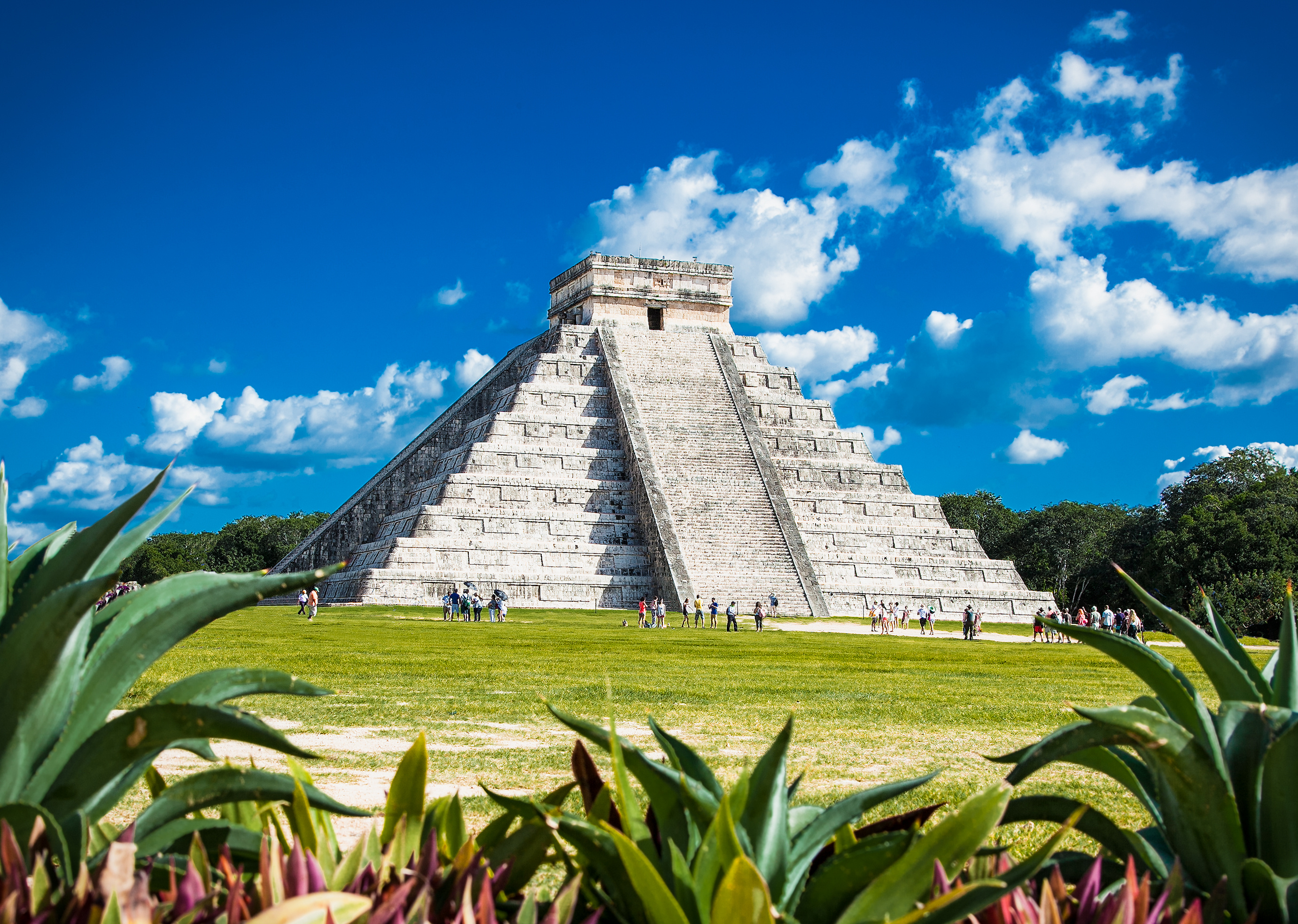
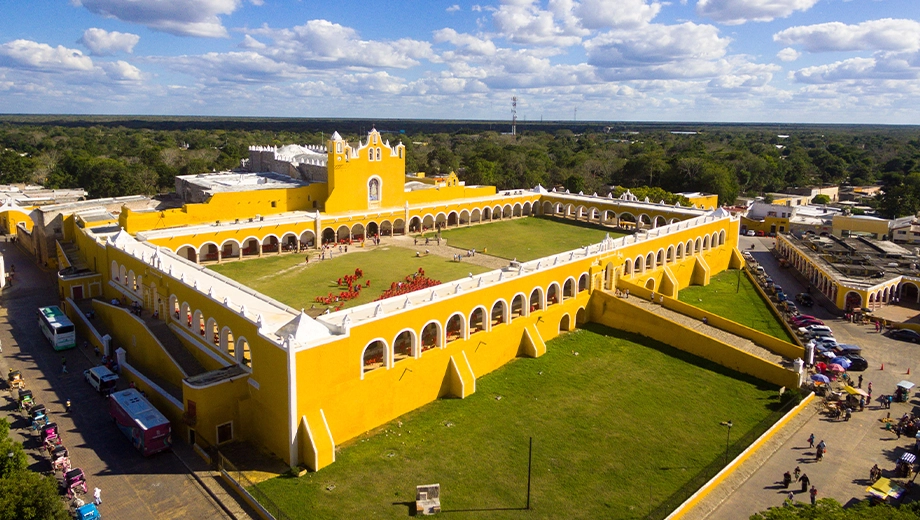
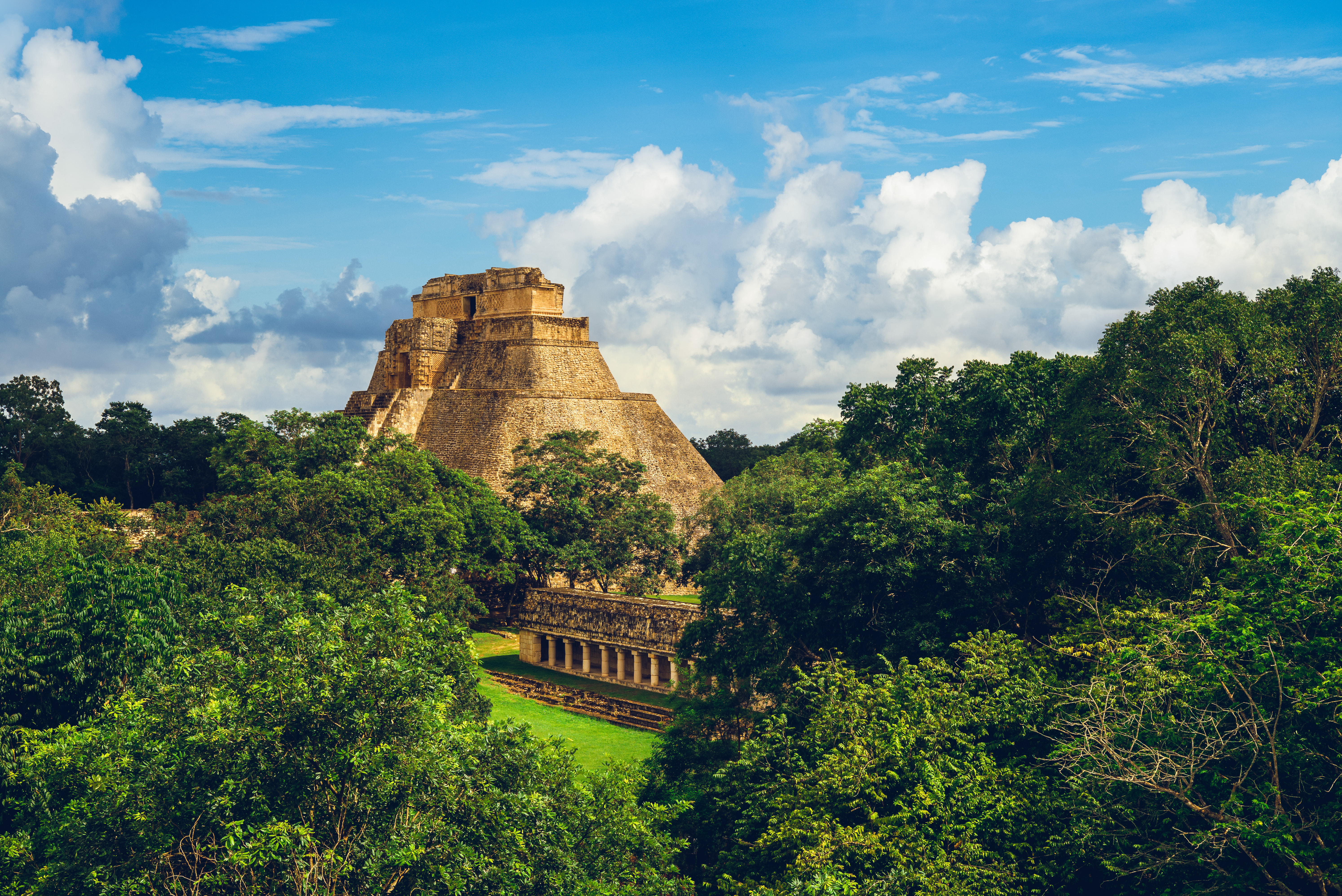
Speak to a Travel Specialist today
Yucatan Peninsula Travel FAQs
What is the Yucatán Peninsula known for?
The Yucatán Peninsula is known for its Maya heritage, Caribbean coastline, and distinctive natural landscapes. It is home to major archaeological sites such as Chichén Itzá and Cobá, hundreds of freshwater cenotes, and coastal regions including the Riviera Maya. Colonial cities, wildlife reserves, and rich regional cuisine add further depth to the experience.
When is the best time to visit the Yucatán Peninsula?
The most popular time to visit is during the dry season from December to April, when temperatures are warm and rainfall is low. May and June offer good conditions with fewer visitors, while July to October is hotter and more humid, with occasional tropical showers. The Atlantic hurricane season runs from September to November.
How long should I spend in the Yucatán Peninsula?
A minimum of seven to ten days allows time to explore key highlights such as archaeological sites, cenotes, and coastal areas. Travellers combining culture with beach time may prefer a longer stay to enjoy the region at a relaxed pace.
What destinations should I include in the Yucatán Peninsula?
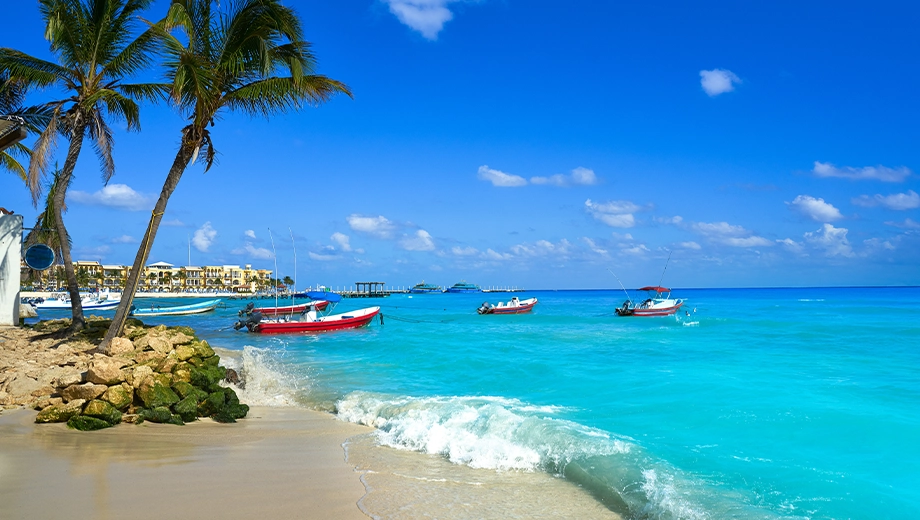
Popular destinations include Tulum, Playa del Carmen, Valladolid, Mérida, and the islands of Isla Mujeres and Isla Holbox. Each offers a different perspective, from coastal relaxation to colonial architecture and traditional Maya culture.
What are cenotes and where can I visit them?
Cenotes are natural freshwater sinkholes formed in limestone terrain and are unique to the Yucatán Peninsula. They are found throughout the region, with notable examples near Tulum, Valladolid, and Cobá. Many are suitable for swimming and snorkelling, while others are best appreciated for their geological beauty.
Is the Yucatán Peninsula suitable for families?
Yes. The region works well for families, offering calm beaches, interactive cultural sites, and nature based activities. Short travel distances and a wide range of accommodation options make it manageable and engaging for children and adults alike.
Can the Yucatán Peninsula be combined with other parts of Mexico?
The Yucatán Peninsula combines easily with Mexico City for history and culture, or with Oaxaca for food and indigenous heritage. Many travellers finish a wider journey in the region to enjoy beach time at a slower pace.
How do you get around the Yucatán Peninsula?
Private transfers and car hire are the most comfortable ways to travel between destinations. This allows flexibility when visiting archaeological sites, cenotes, and smaller towns, particularly in more rural areas.