Your Galápagos Guide
Galápagos Islands Frequently Asked Questions
Why visit the Galapagos Islands?
The Galapagos Islands are renowned for their unique biodiversity and close-up wildlife encounters. Thanks to strict conservation measures and limited visitor numbers, the islands remain one of the most pristine ecosystems in the world. Wildlife here has little natural fear of humans, allowing for exceptional viewing opportunities both on land and in the water.
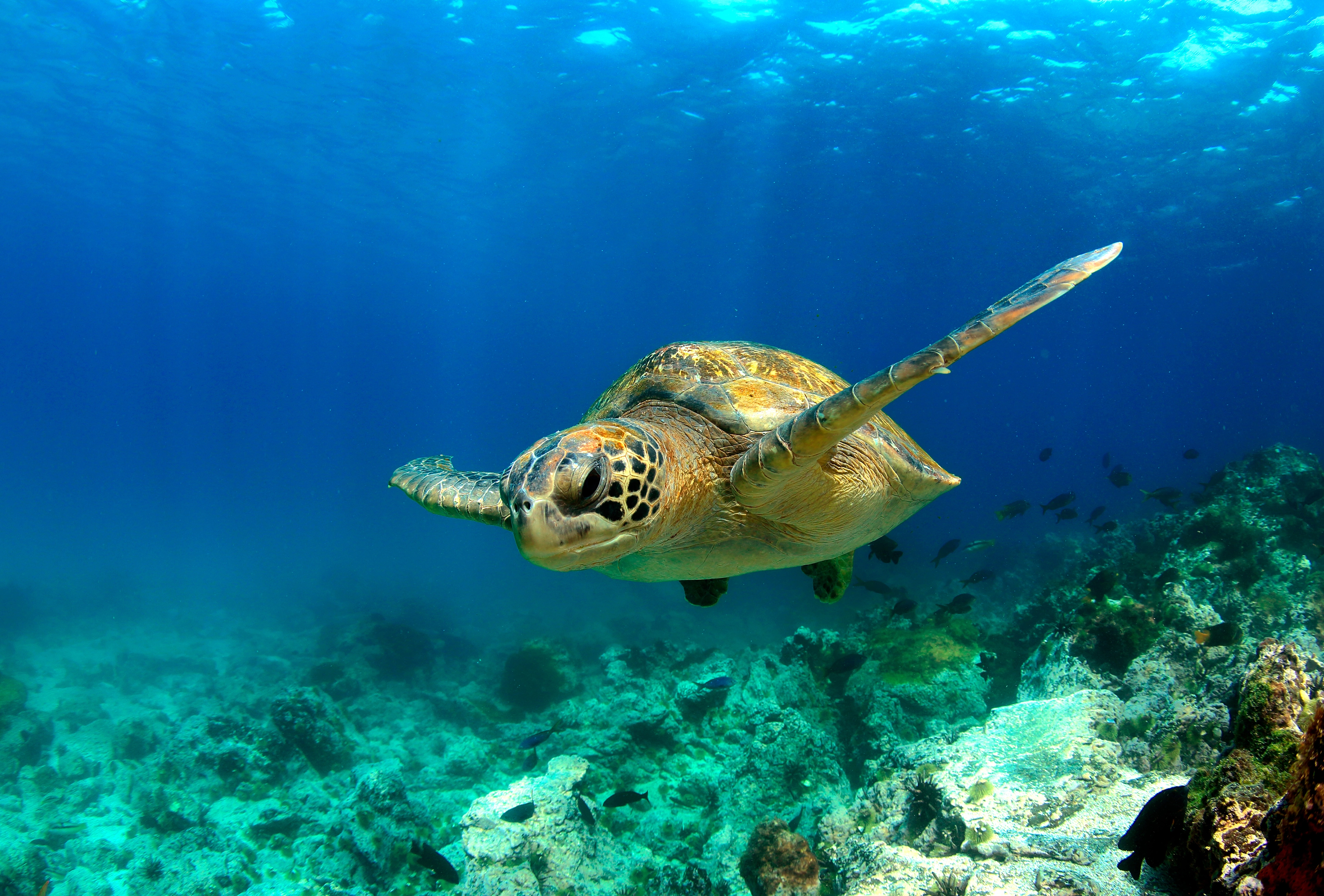
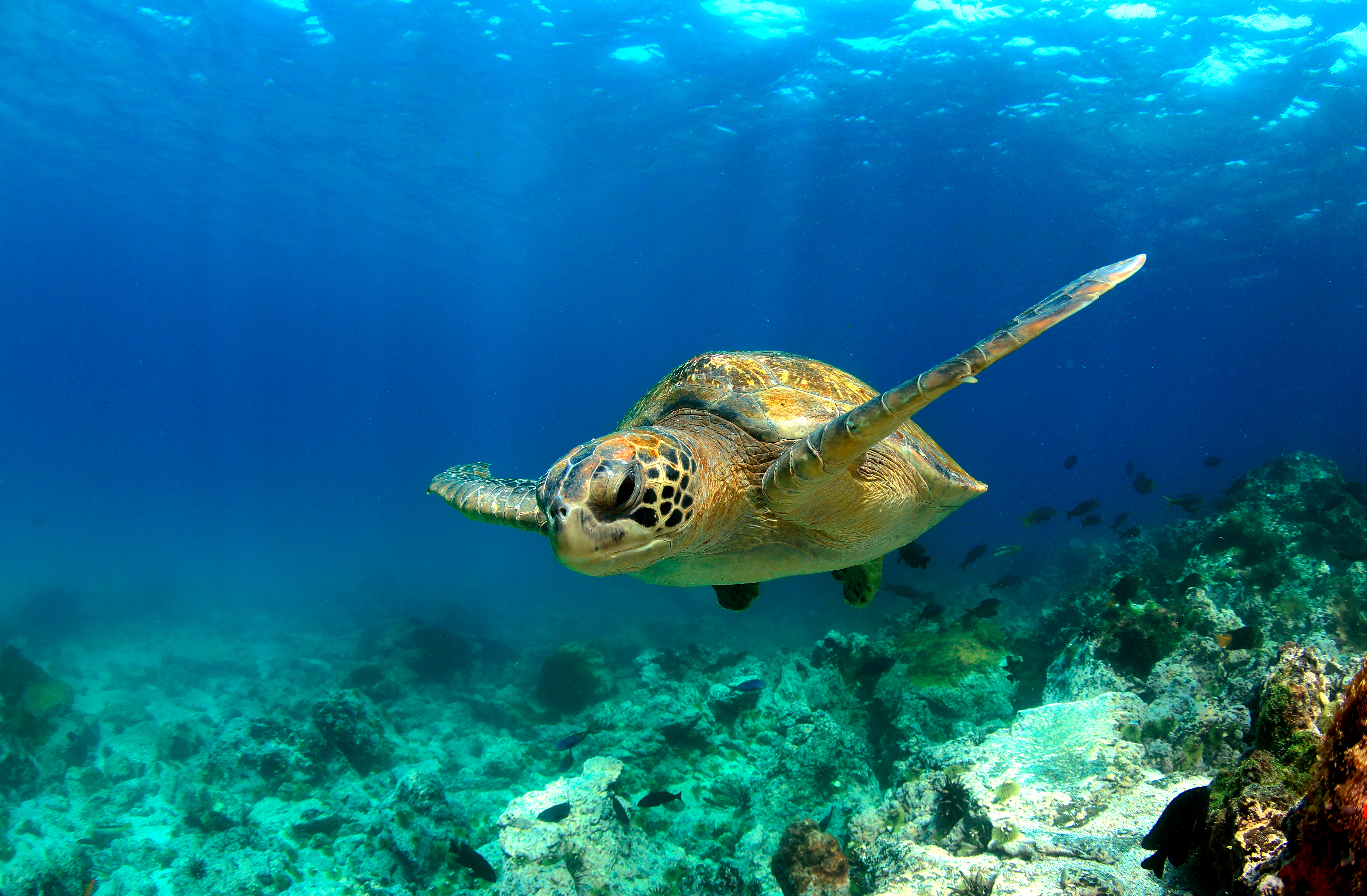
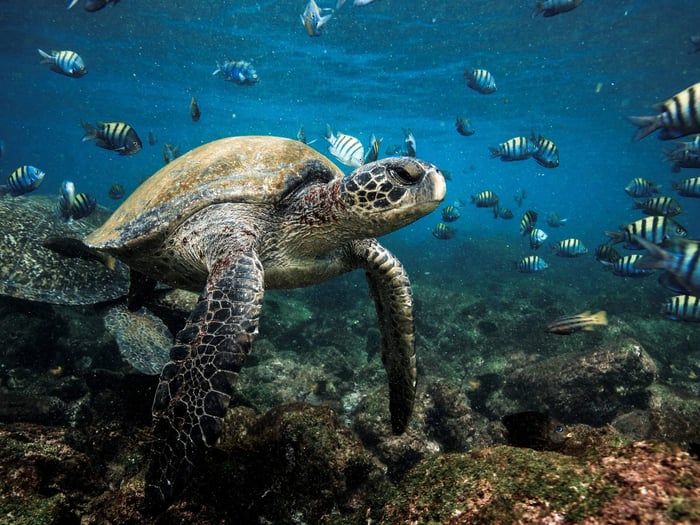
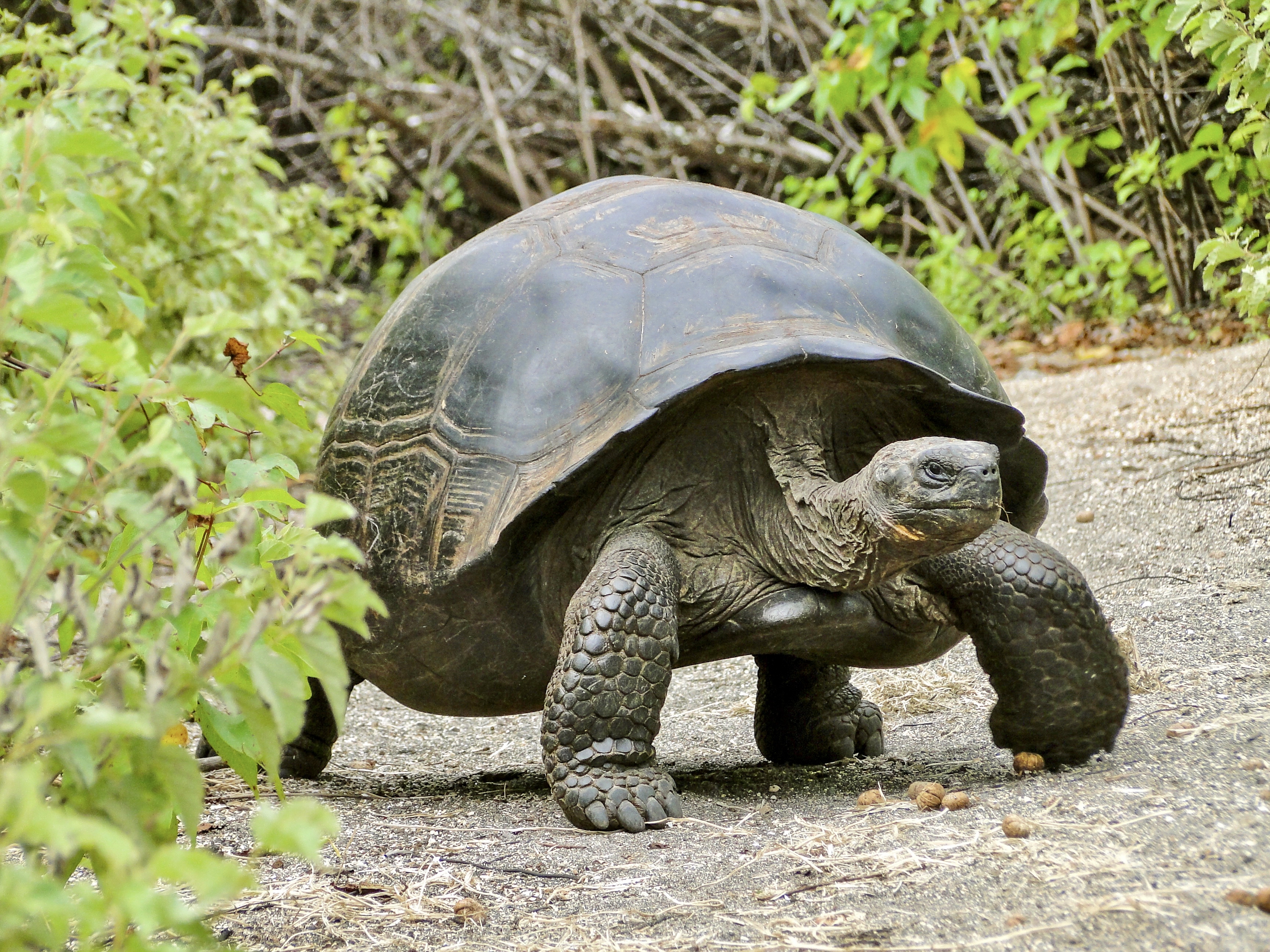
Visitors can expect encounters with giant tortoises in the highlands, snorkelling alongside sea turtles and reef sharks, and watching seabirds nesting along dramatic volcanic coastlines. Each island offers something different, making it a destination best explored across several days or via a guided cruise.
Where are the Galapagos Islands?
The Galapagos Islands sit in the Pacific Ocean, approximately 1,000 kilometres west of mainland Ecuador. The archipelago consists of 13 main islands, along with smaller islets and rock formations, all formed by volcanic activity over millions of years.
The islands are part of Ecuador and are protected as a national park and UNESCO World Heritage Site, ensuring their landscapes and wildlife are carefully preserved.
When is the Best time to visit the Galapagos Islands?
The Galapagos Islands are a true year-round destination, with each season offering different wildlife experiences and conditions.
- December to May: Warm, sunny weather with calmer seas and excellent snorkelling conditions. This is ideal for swimming, photography and beach time.
- June to November: Cooler temperatures with nutrient-rich waters attracting marine life such as whales and whale sharks, making it a great time for diving and wildlife activity.
There is no single “best” time to visit. Instead, your ideal travel window depends on whether you prioritise calm seas, specific wildlife sightings or underwater experiences.
What Wildlife can I see in the Galapagos Islands?
Wildlife is the main reason to visit the Galapagos, and the islands are famous for species that cannot be found anywhere else in the world.
Highlights include:
- Giant tortoises roaming freely in the highlands
- Marine iguanas, the only sea-swimming lizards on Earth
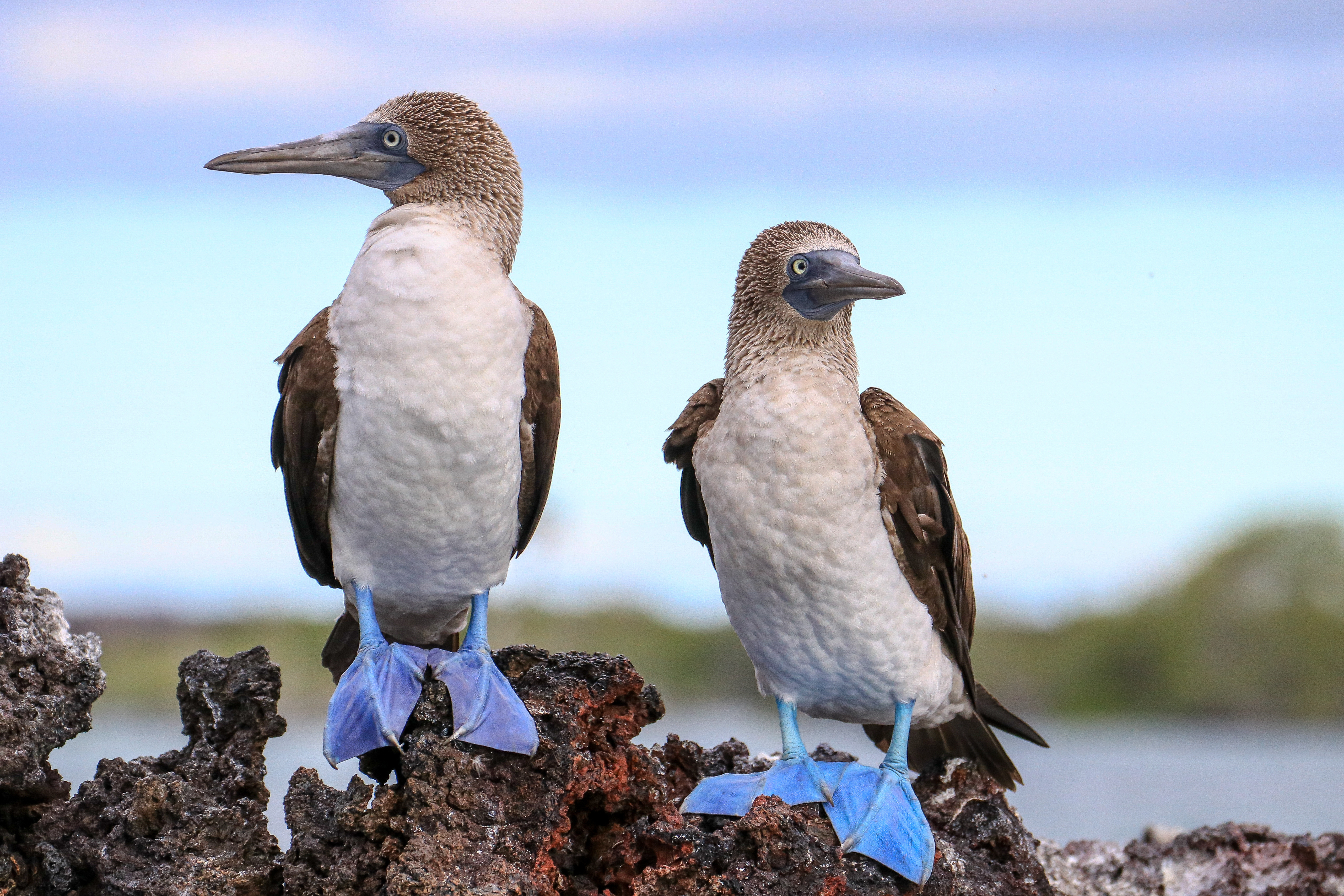
- Blue-footed boobies performing their distinctive courtship dance
- Galapagos penguins and flightless cormorants
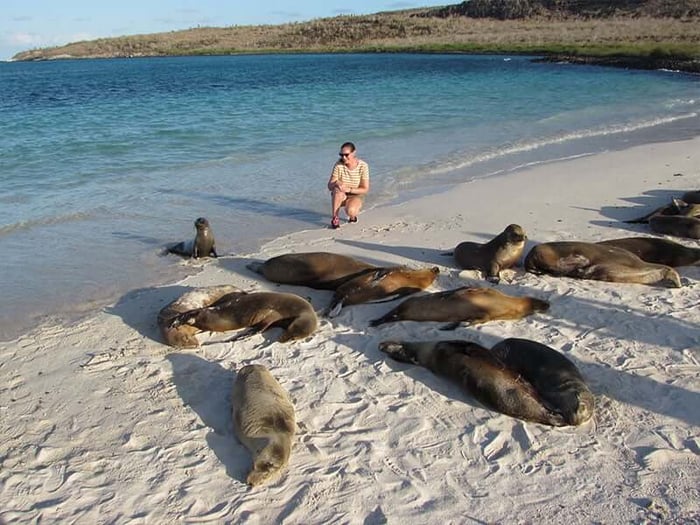
- Sea lions and dolphins often seen along the coastline
Wildlife activity changes throughout the year, with breeding seasons, migrations and nesting periods influencing what you can see.
My season:
December – February
The Galápagos Islands become warmer and greener. Land birds begin courtships rituals and sea turtles begin to nest on the beaches. Rising ocean temperatures mean that there is a flurry of underwater activity and snorkelling and diving opportunities are at their very best. This is also the time that marine iguanas are at their most colourful and flamingos become far less elusive.
March – May
Temperatures continue to rise and clear sunny days can almost be guaranteed. Many land species continue to mate during this time, including blue footed boobies, and there is no better time to see the hatchings of sea turtles and land iguanas.
June – August
With the dry season approaching, bringing cooler temperatures and choppier waters, many species are at their most active. Giant tortoises begin to nest, penguin numbers are abundant and flightless cormorants begin their beautiful courtship rituals. Marine life is also at its most prolific and large pods of dolphins and humpback whales can be frequently spotted from the shore, drawn to the large shoals of fish that can be found at this time of year.
September – November
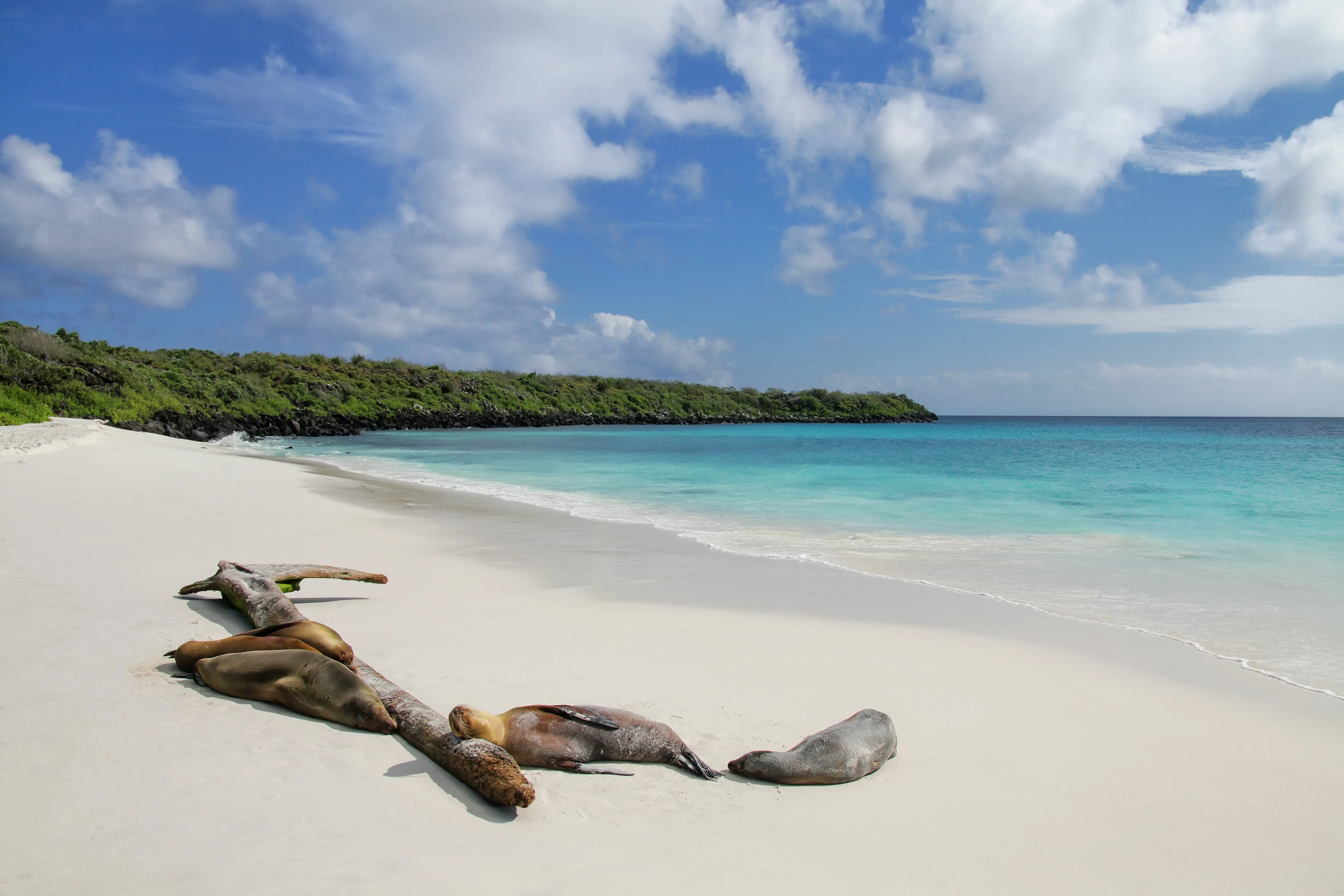
Whilst September is a relatively quiet month for the Galápagos, coming into the months of October and November wildlife activity begins to flourish. This is when many marine bird species are nesting including flamingos, penguins and blue footed boobies and giant tortoises have not yet migrated to the highlands. Sea lion pups can be spotted basking and playing on the beaches and the sea continues to offer fantastic visibility for snorkellers. Adult Sea lions are also particularly active at this time of year, as are fur seals who begin their mating rituals.
What is the best way to explore the Galapagos Islands?
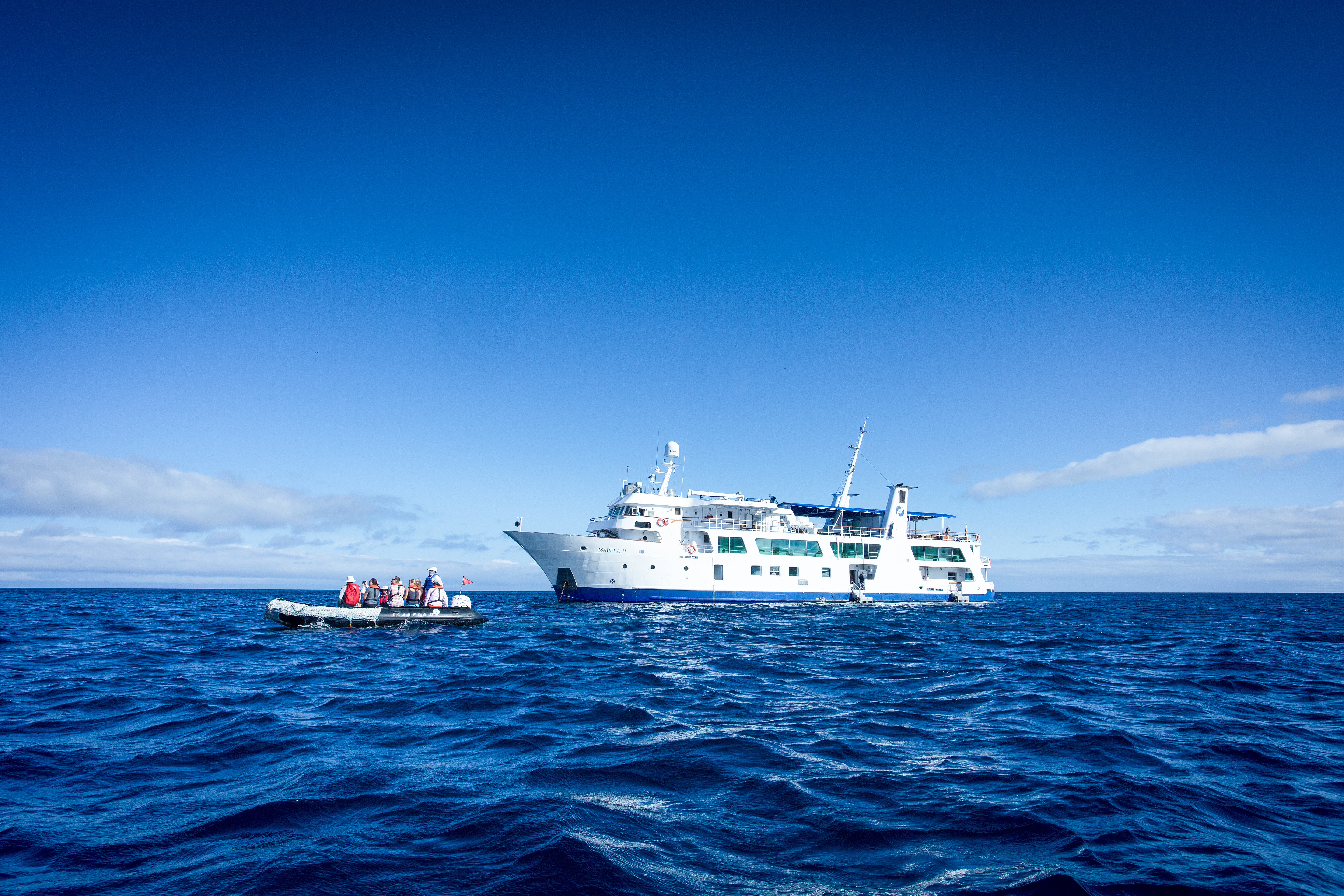
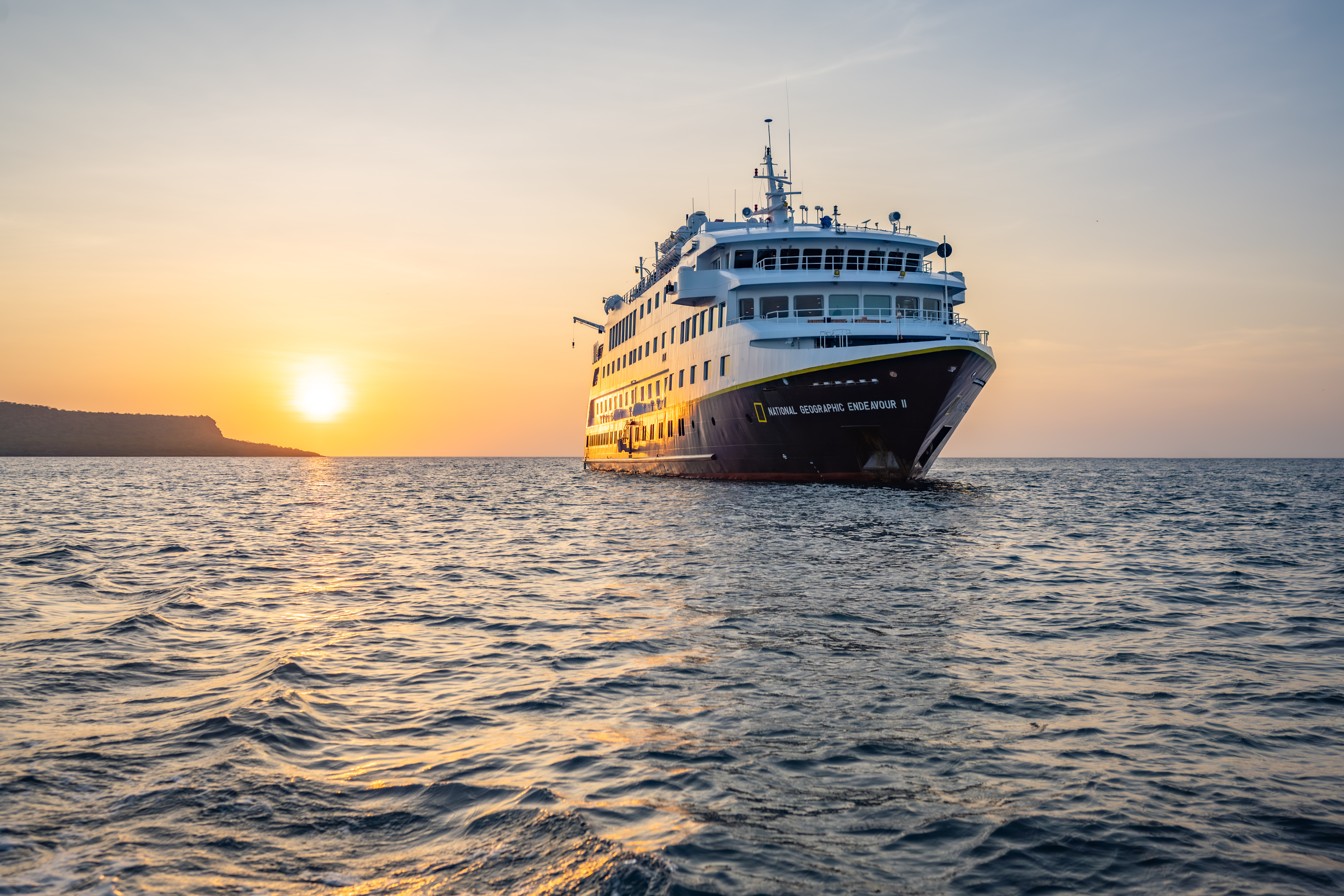
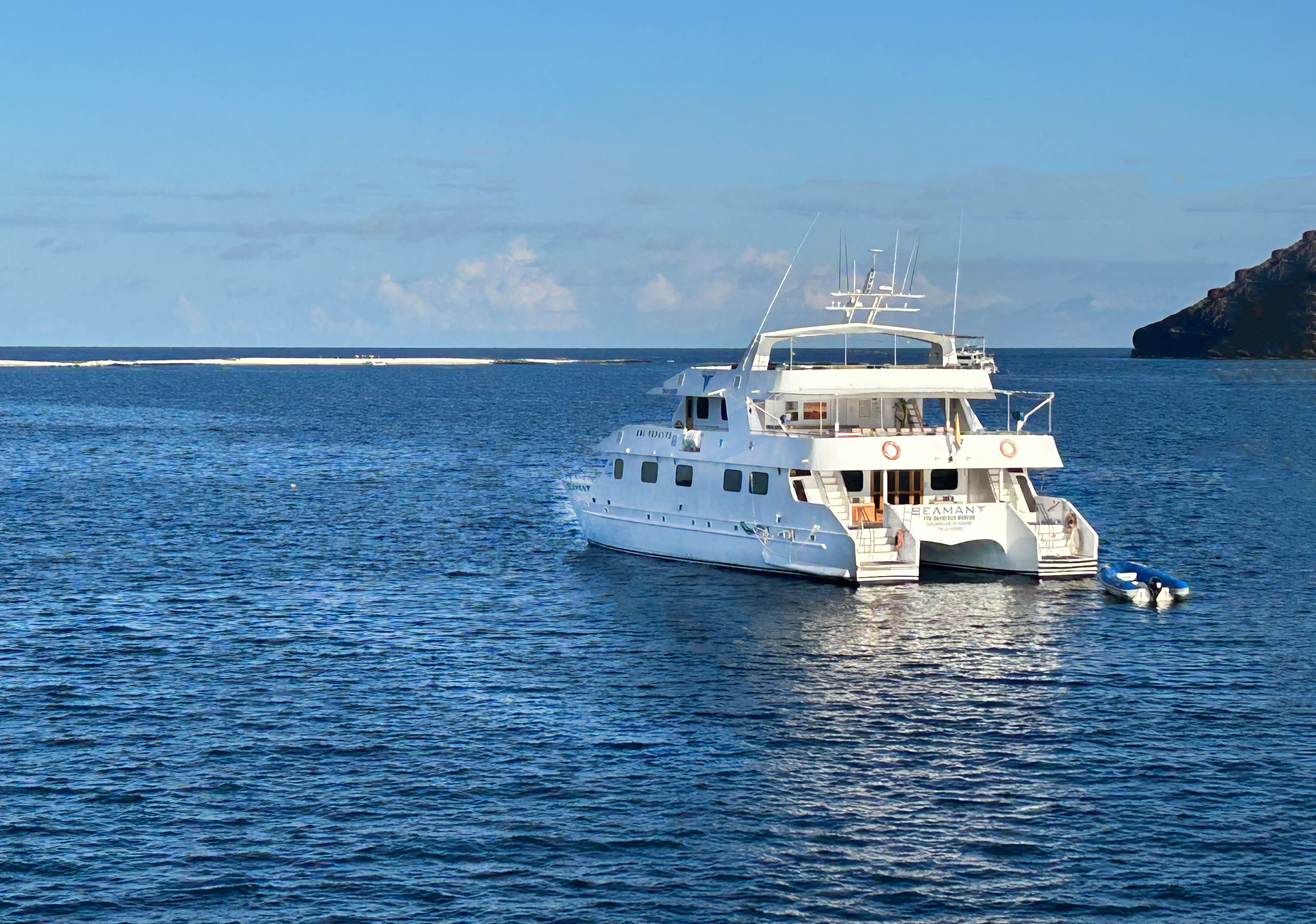
There are two main ways to experience the Galapagos Islands:
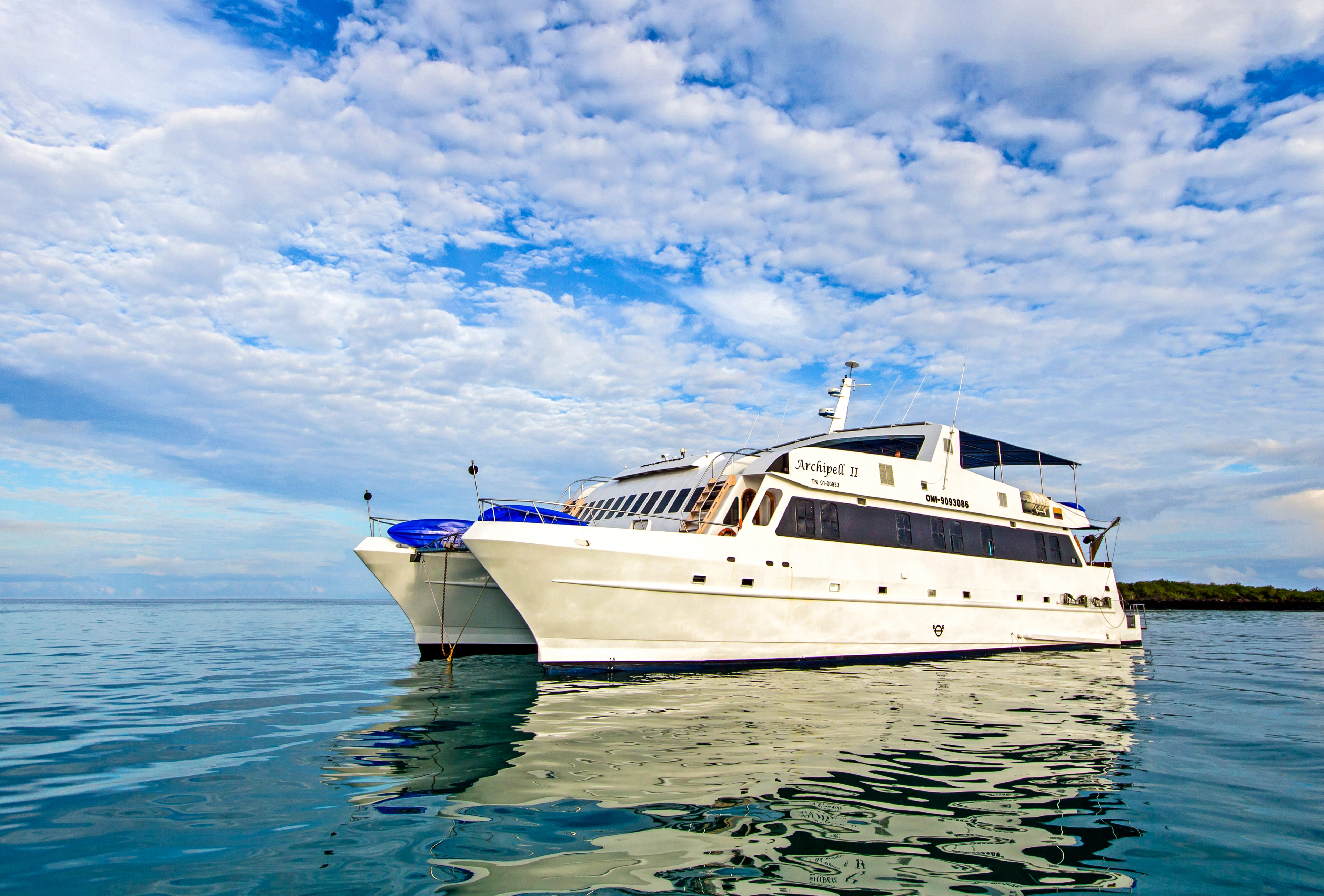
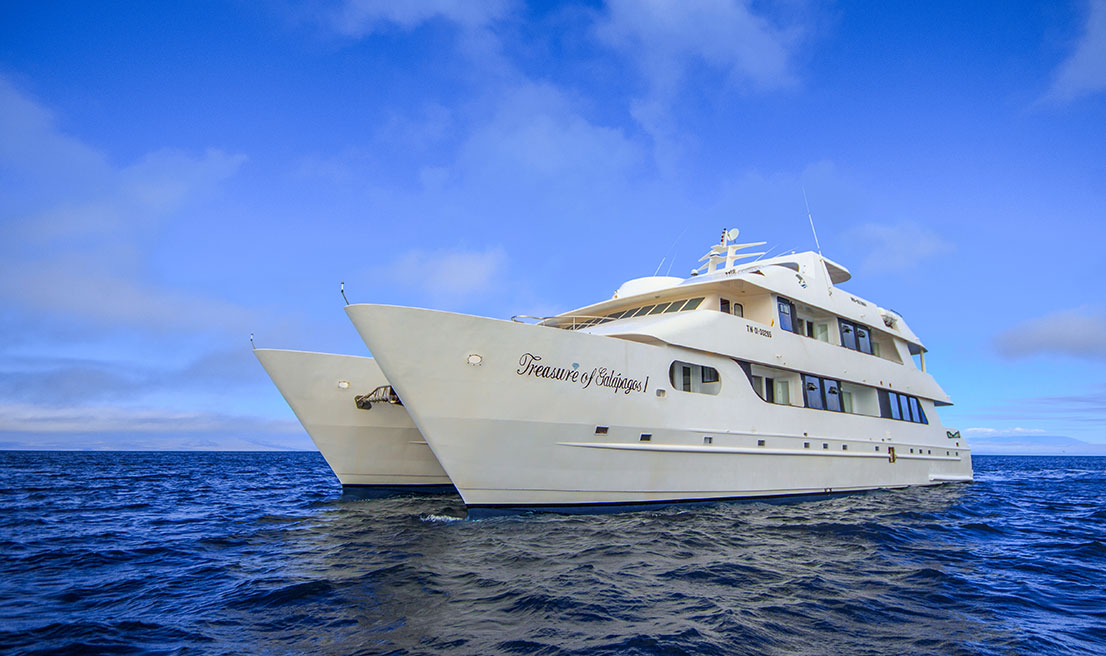
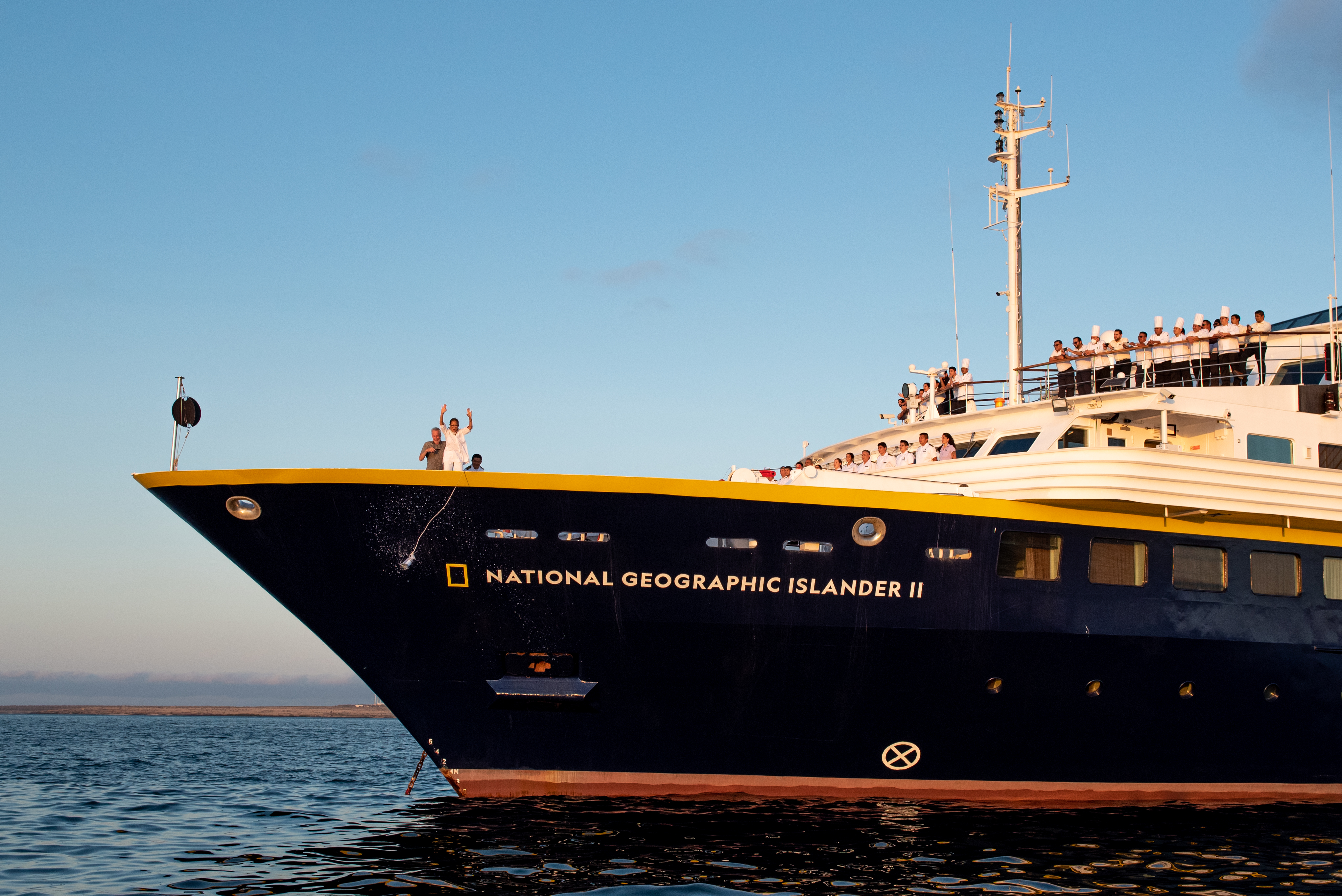
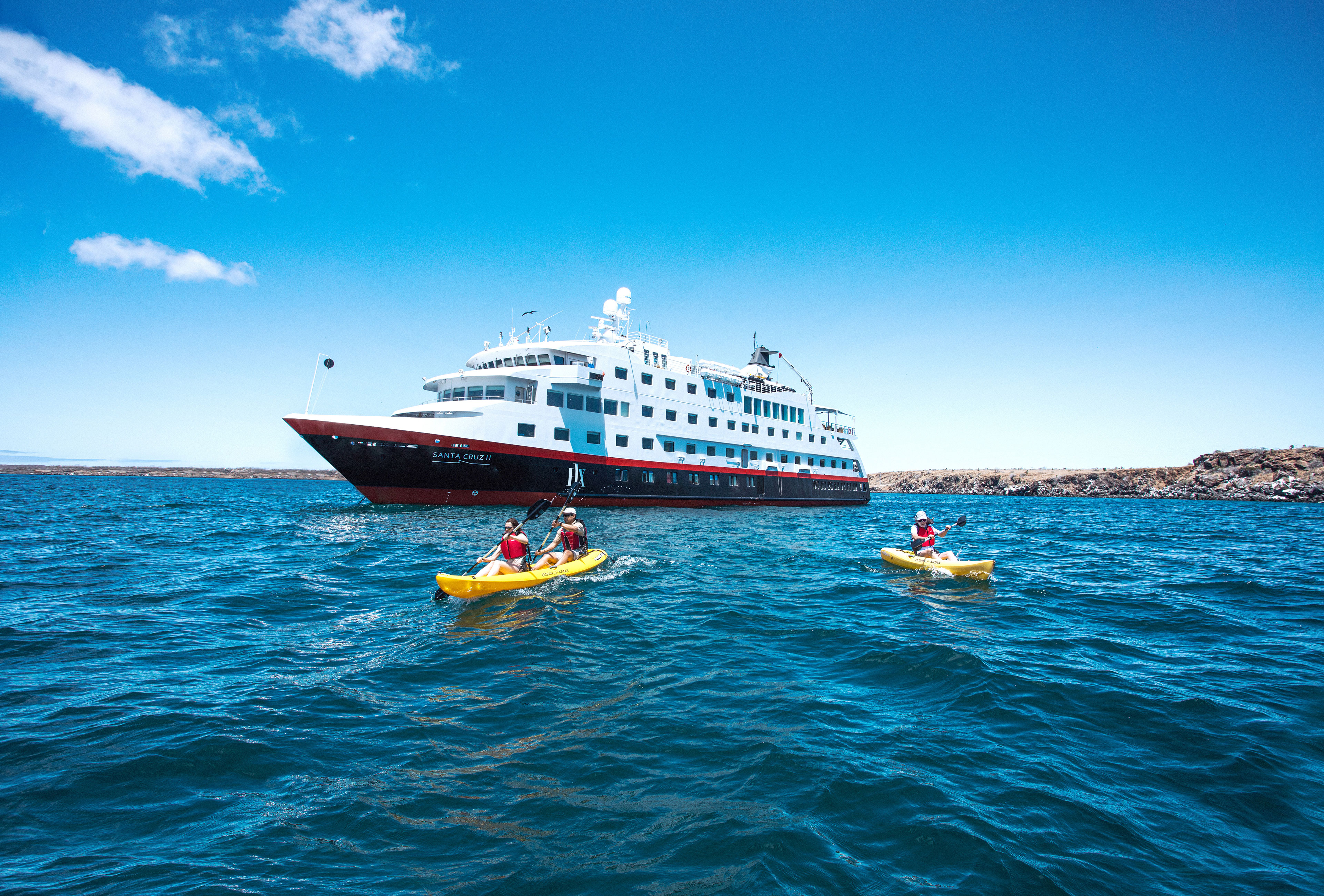
Cruise-based travel
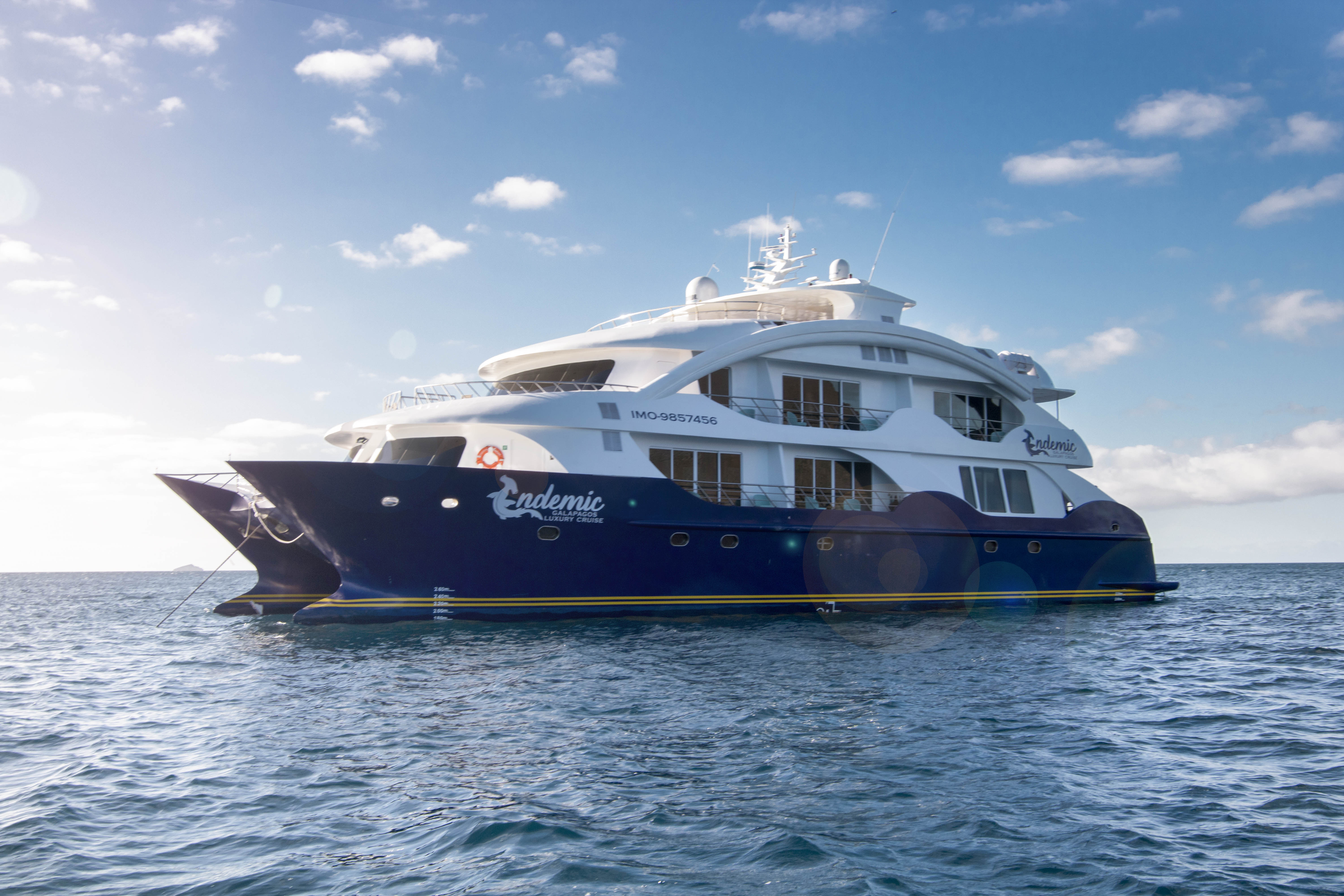
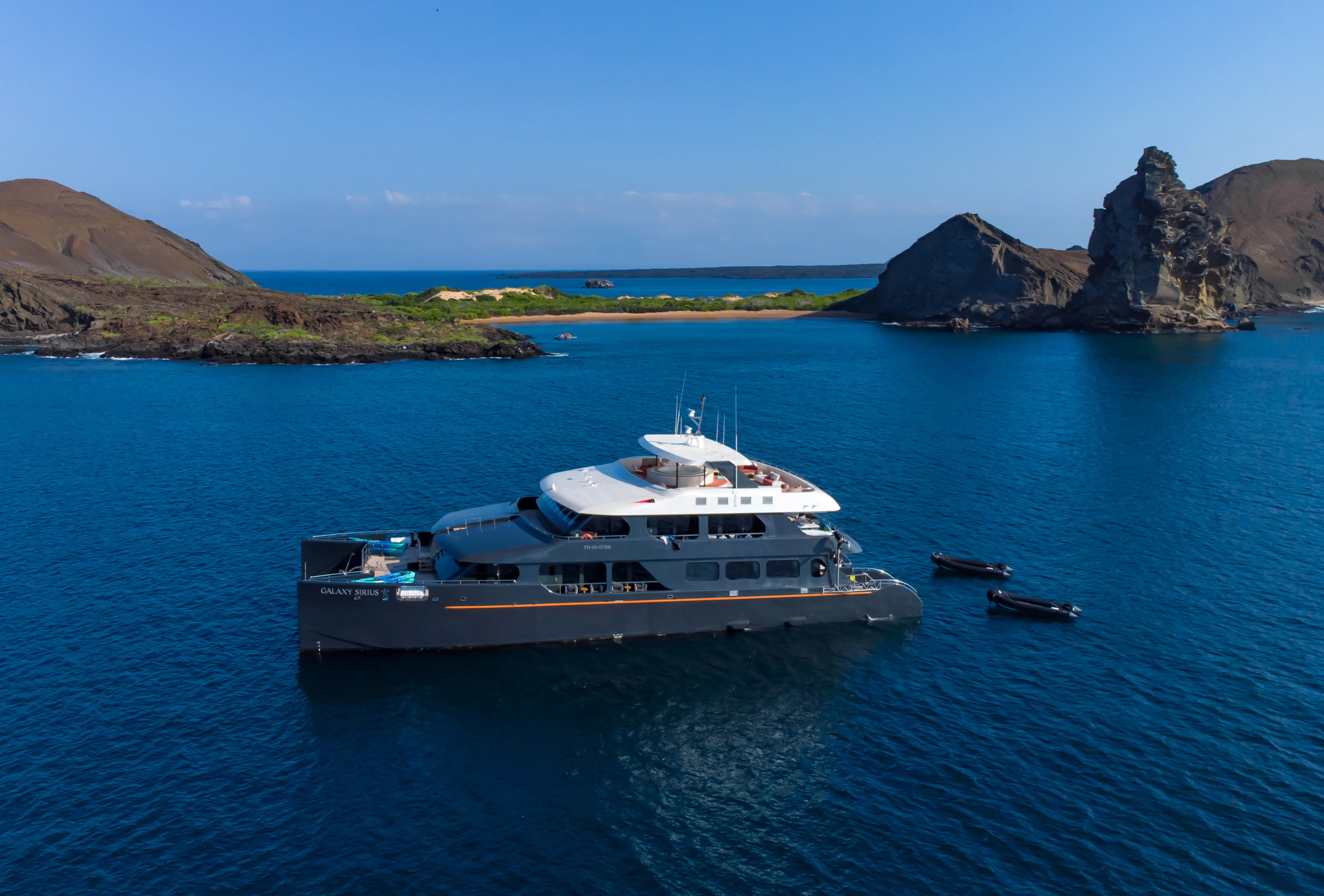
A cruise allows you to visit multiple islands efficiently, often accessing more remote locations with expert naturalist guides. This is the best option for maximising wildlife encounters and exploring further afield.
Land-based stays
Staying on islands such as Santa Cruz, San Cristobal or Isabela offers a more flexible pace, with day trips and guided excursions to nearby islands. This option suits travellers looking for a balance of exploration and comfort.
Whichever option you choose, visits are carefully regulated, and excursions within the national park are led by certified guides to protect the environment.
What are the most popular islands to visit in the Galapagos?
Each island offers a different experience, making variety a key part of any Galapagos Islands holiday:
- Santa Cruz: The main hub, home to the Charles Darwin Research Station
- Isabela: The largest island, known for volcanoes and diverse wildlife
- San Cristobal: A great introduction to the islands, with accessible wildlife
- Española: Known for waved albatross and dramatic scenery
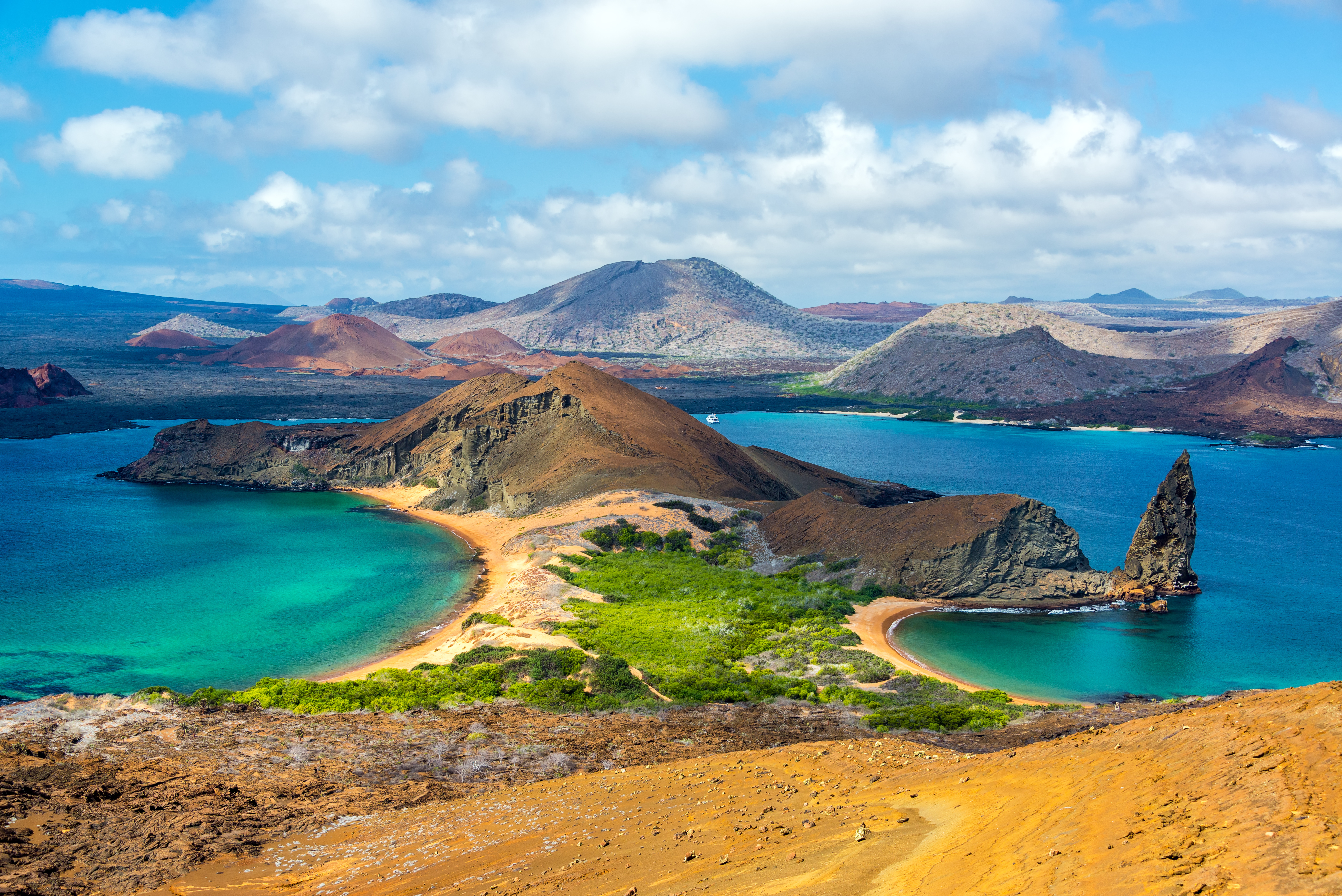
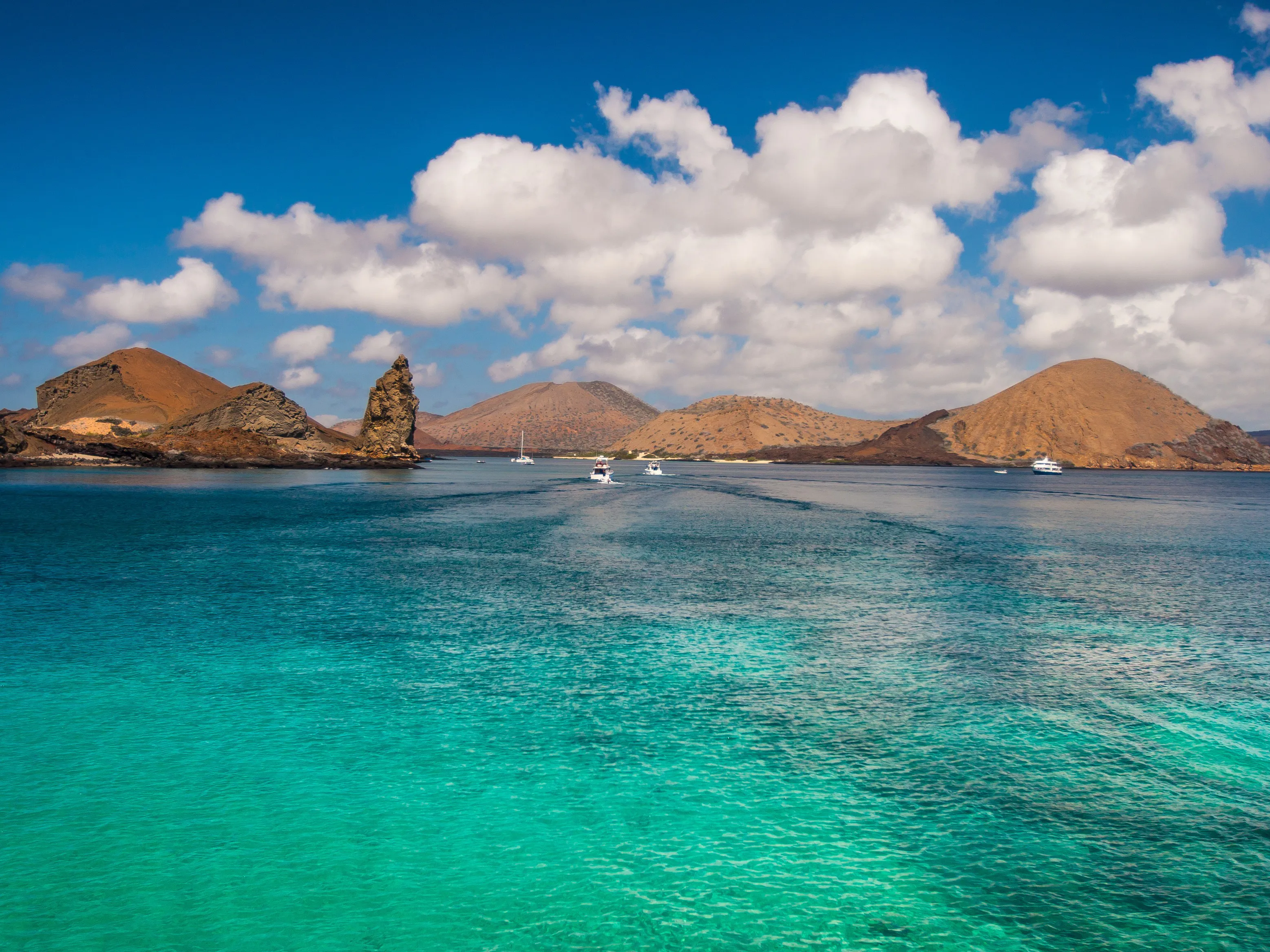
- Bartolomé: Famous for its iconic volcanic landscapes and viewpoints
How long should I spend in the Galapagos Islands?
Most Galapagos holidays range from 7 to 10 days, allowing enough time to explore several islands and experience a range of wildlife encounters. Longer itineraries provide a more in-depth experience, particularly when travelling by cruise.
Are Galapagos holidays suitable for families?
Yes, many Galapagos holidays are suitable for families, particularly those with older children who enjoy nature and outdoor activities. Cruises and guided excursions are designed to be engaging, educational and safe for a range of ages.
What should I pack for the Galapagos Islands?
Lightweight clothing, comfortable walking shoes, swimwear and reef-safe sun protection are essential. It is also advisable to bring a light waterproof jacket or windbreaker, as conditions can vary between islands and at sea.
How far in advance should I book Galapagos holidays?
Booking 6 to 12 months in advance is recommended, particularly for cruises and peak travel periods, as availability is limited and demand is high.
Can I combine the Galapagos Islands with other destinations?
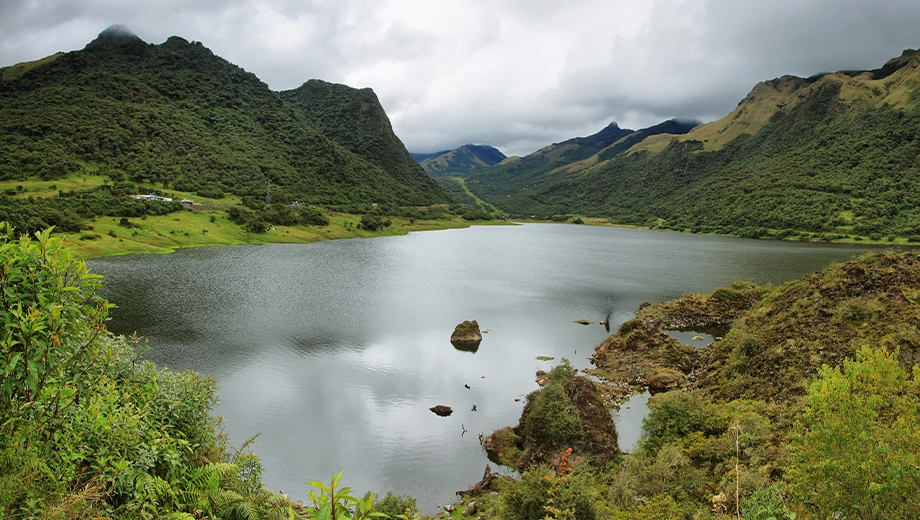
Yes, many travellers combine Galapagos holidays with time in mainland Ecuador, including Quito or the cloud forest, or extend their journey to other destinations across Latin America for a more varied holiday experience.
Galapagos Islands Gallery
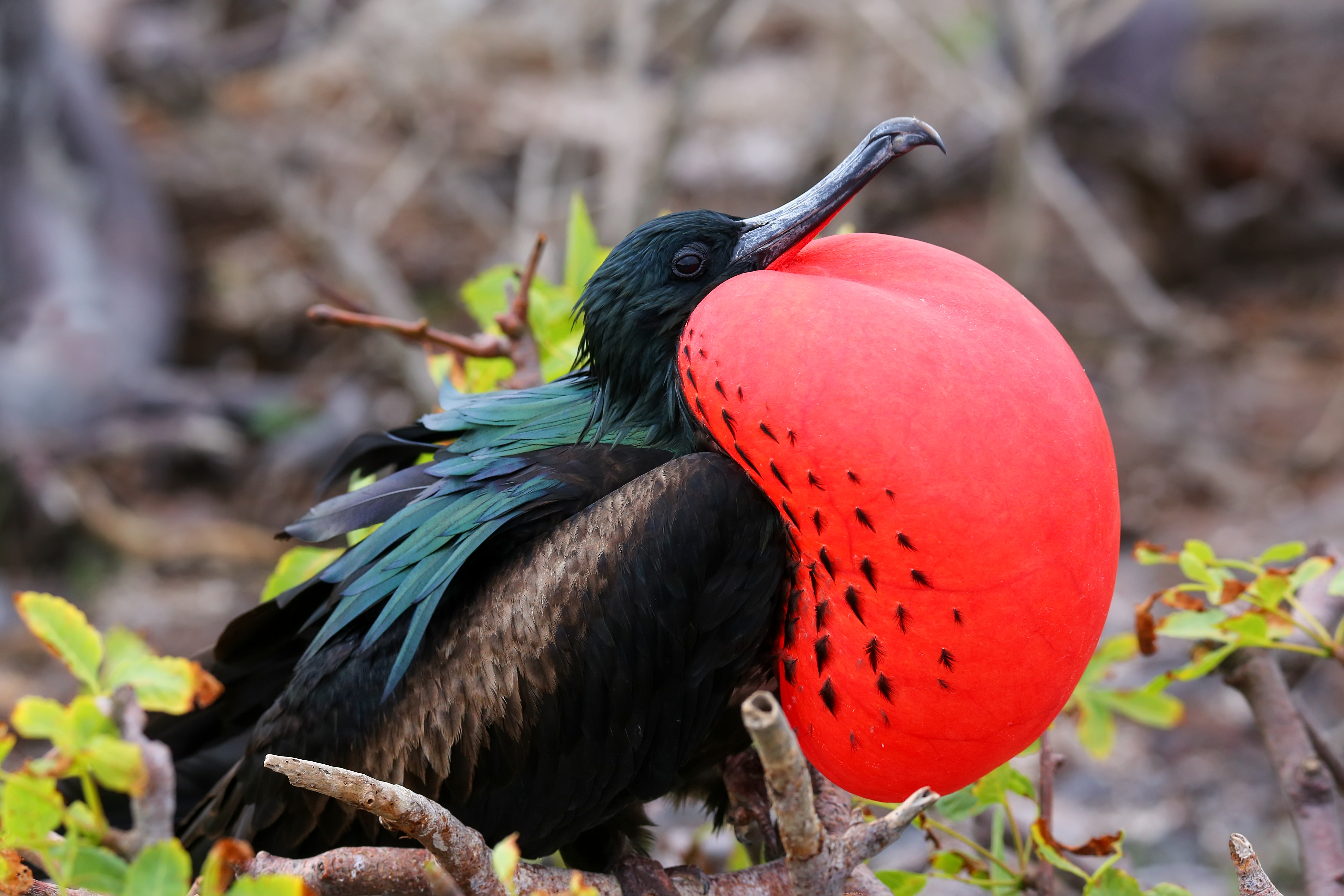
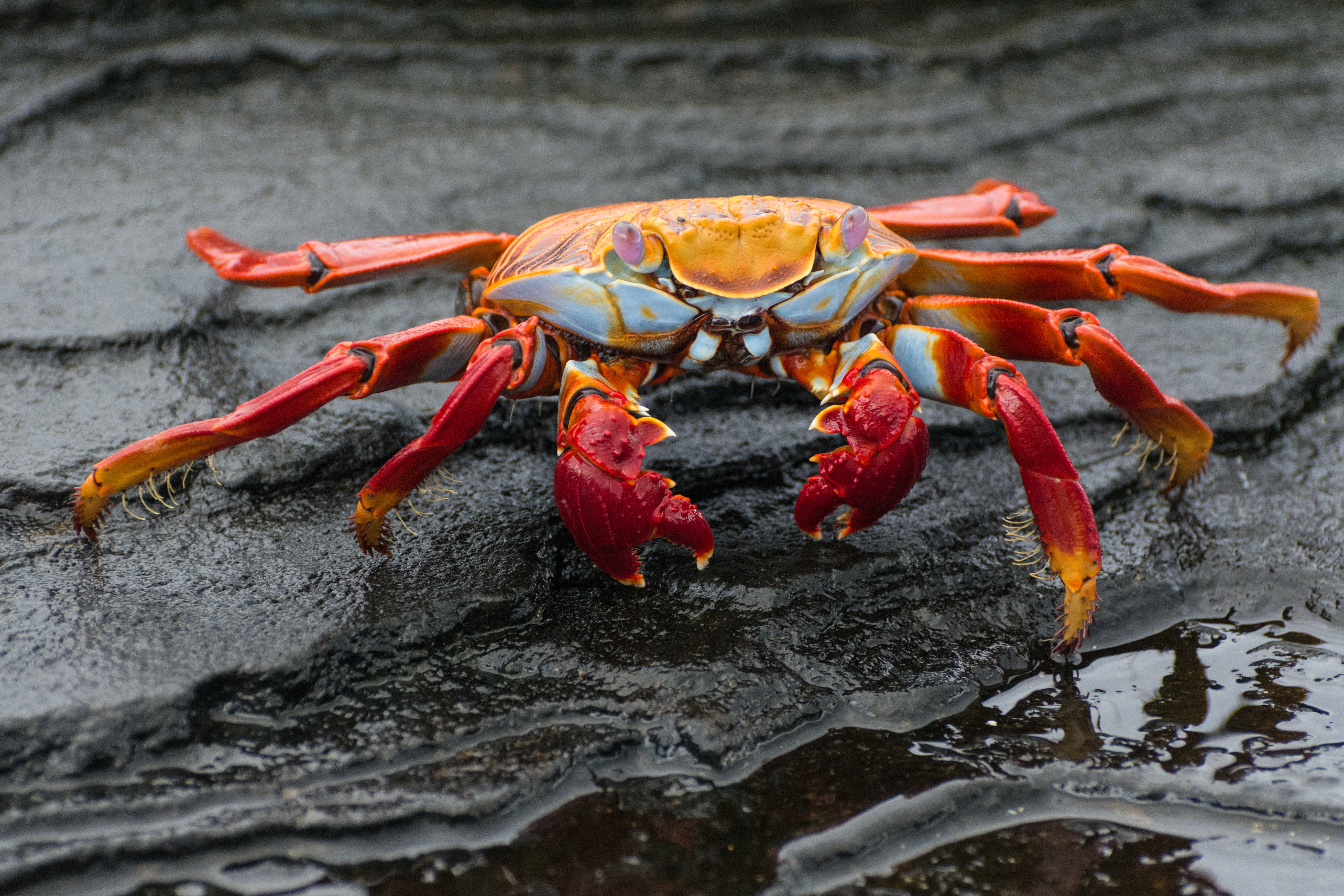
Explore our Galapagos Islands gallery and discover the extraordinary wildlife, landscapes and experiences that make this destination so unique. From close-up encounters with giant tortoises and sea lions to dramatic volcanic scenery and pristine beaches, these images offer a glimpse into what makes Galapagos holidays so special and inspire your own journey to the islands.



Speak to a dedicated Galapagos Travel Specialist today