


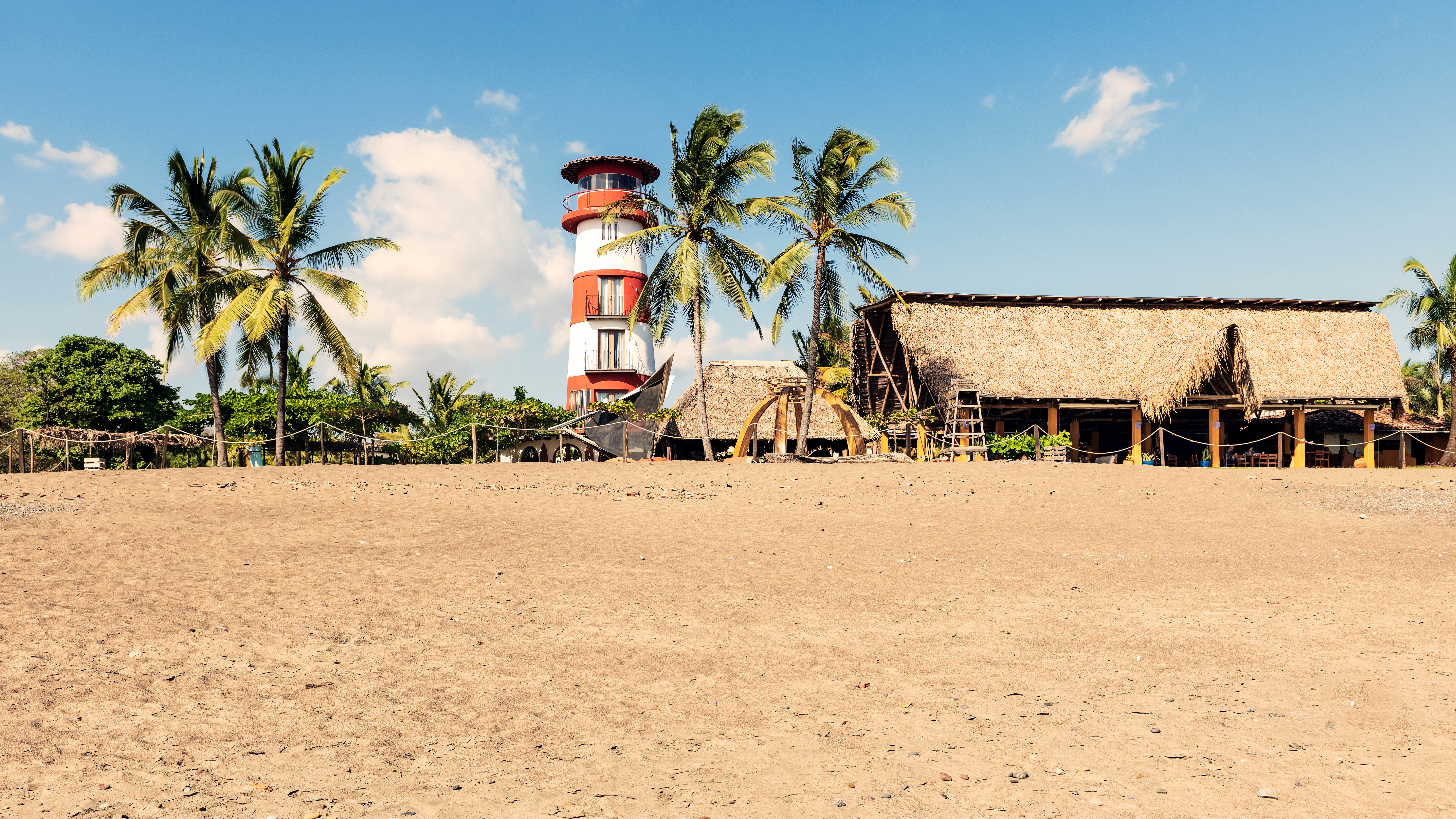
Where the Soul of Panama Dances with the Sea
The Azuero Peninsula stretches into the Pacific Ocean in southern Panama and is widely regarded as the country’s cultural heartland. This is a region where traditions remain central to daily life, shaped by artisan crafts, music and festivals that reflect Panama’s identity. Golden beaches, rolling countryside and small coastal towns provide a calm and grounded setting for travel.
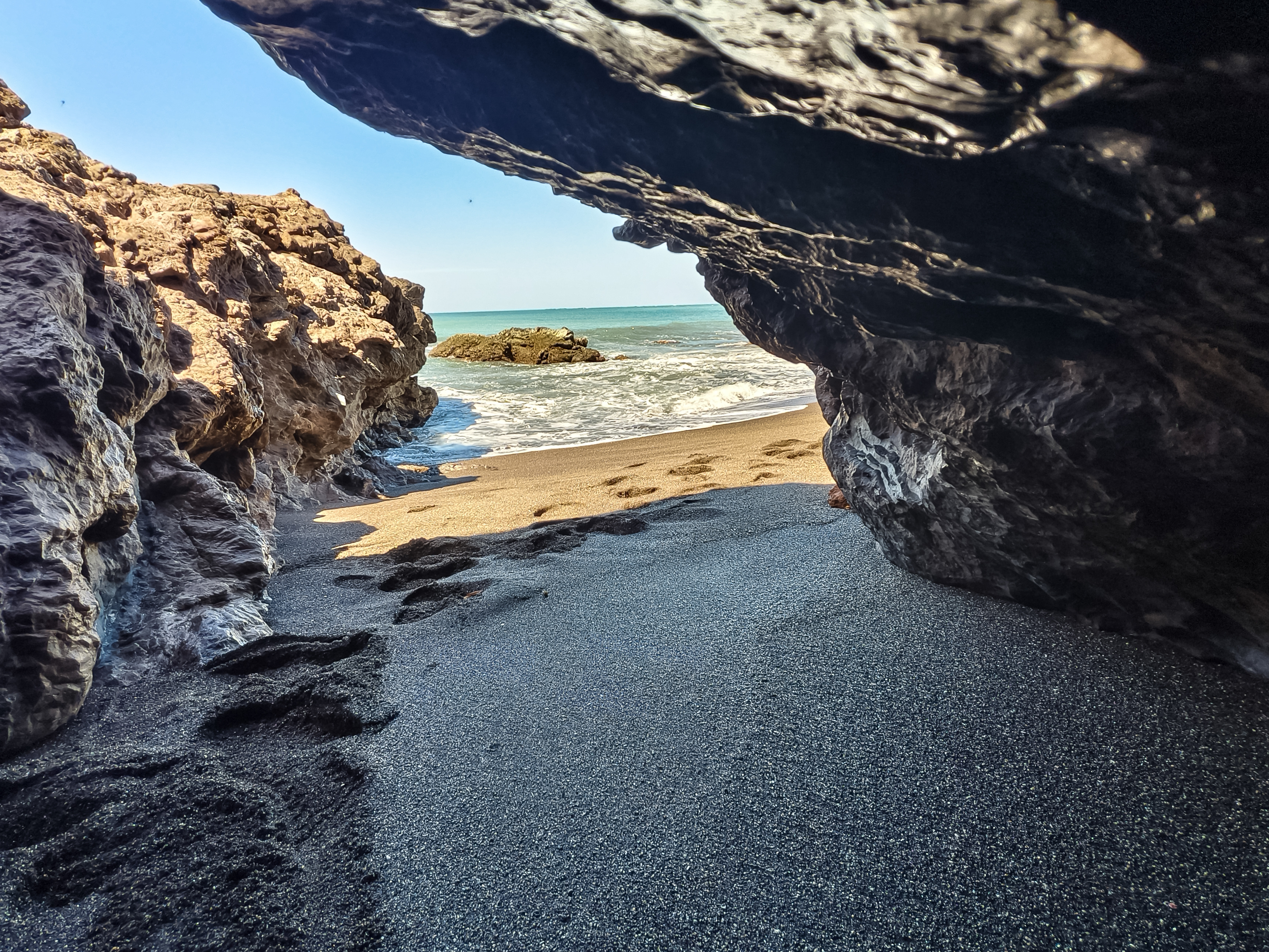
Landscape variety defines the peninsula. Dry tropical forest gives way to surf beaches such as Playa Venao and Cambutal, while inland hills and protected areas offer opportunities for walking and wildlife spotting. Cerro Hoya National Park, located at the southern tip of the peninsula, protects one of Panama’s most remote ecosystems and supports species including jaguars, ocelots and harpy eagles, making it a key area for conservation focused travel.

Off the coast near Pedasí, Isla Iguana Wildlife Refuge adds a marine dimension to the experience. White sand beaches, coral reefs and strong birdlife make it ideal for snorkelling and quiet exploration, while the island also plays an important role as a nesting site for sea turtles. Back on the mainland, towns such as Las Tablas and Pedasí are known for their cultural life, with events like Carnival and the Festival de las Mil Polleras celebrating traditional dress, music and community spirit.
Why visit the Azuero Peninsula
The Azuero Peninsula offers a balanced journey through culture, nature and coast. It suits travellers looking to experience Panama beyond its cities, with meaningful encounters shaped by local traditions, varied landscapes and a slower pace of life. From Pacific surf and protected forests to festivals and everyday community life, Azuero reveals a deeply rooted and rewarding side of the country.

Panama

-5 hours

Balboa (PAB) & US Dollars (USD)

Snorkelling
When is the best time to go to Azuero Peninsula?
The most favourable time to visit the Azuero Peninsula is during the dry season, from mid December to April. These months bring warm, settled weather and reliable sunshine, making them ideal for beach time, hiking and exploring the peninsula’s cultural towns. Surf conditions are strong along the Pacific coast at places such as Playa Venao and Cambutal, while inland areas and national parks are more accessible. This period also coincides with the region’s most important celebrations, including Carnival in Las Tablas, usually held in February or early March, when music, costume and tradition take centre stage.
From May to early December, the green season offers a different experience. Rainfall is more frequent, typically falling in short afternoon showers, while mornings are often clear. The countryside becomes noticeably greener and quieter, with fewer visitors and better value for accommodation. This season suits travellers interested in wildlife, particularly birdwatching and sea turtle nesting along the coast. Surfing remains appealing during these months, especially from June to August when Pacific swells are at their most consistent.
The Azuero Peninsula rewards travel at any time of year. Whether visiting for festivals and sunshine or for a calmer, nature focused journey, each season highlights a different side of the region’s landscape and culture.
About Azuero Peninsula and its surrounding areas
The Azuero Peninsula offers a small selection of well placed bases, each suited to a different style of travel. Pedasí is one of the most popular choices, known for its relaxed atmosphere, colourful streets and strong sense of local life. It provides easy access to nearby beaches such as Playa Arenal and boat trips to Isla Iguana, making it a good balance of culture, coast and nature.
Further along the Pacific coast, Cambutal appeals to travellers looking for a quieter, more nature focused stay. This small beachside village is shaped by surf culture and open landscapes, with a slower pace and fewer visitors. It is well suited to those who want time by the ocean, access to walking trails and a more secluded setting.
For travellers drawn to Panama’s traditions and festivals, Las Tablas offers a different experience. As the cultural centre of the peninsula, it places you close to folkloric celebrations, local crafts and everyday life. Staying here provides deeper insight into Azuero’s heritage, particularly during major events such as Carnival.
Top Things to Do and See in the Azuero Peninsula
- Pedasí & Playa Arenal - Explore this charming town and relax on nearby beaches. Take a boat trip to Isla Iguana for snorkelling, birdwatching, and turtle spotting.
- Cambutal - A quiet, picturesque beach destination surrounded by nature. Ideal for surfing, yoga retreats, whale watching (July–October), and scenic hikes into the surrounding hills.
- Las Tablas - Experience the vibrant heart of Panamanian culture, especially during Carnival or the Festival de la Pollera, where traditional dress, parades, and folkloric music take centre stage.
- Cerro Hoya National Park - Discover one of Panama’s most remote and biodiverse national parks, home to jaguars, monkeys, and endemic bird species. Excellent for hiking and eco-tours.
- Isla Iguana Wildlife Refuge - A protected island just off Pedasí, known for its white-sand beaches, coral reefs, nesting seabirds, and seasonal sea turtle sightings.
- Whale Watching - From July to October, humpback whales migrate along Azuero’s coast - join a local tour for a chance to see them up close.
- Venao Beach (Playa Venao) - A world-class surf destination with a laid-back, social vibe. Great for surf lessons, beachfront dining, and coastal nightlife.
- Horseback Riding - Ride through the countryside or along the beach for a truly immersive experience in the rural charm of the Azuero region.
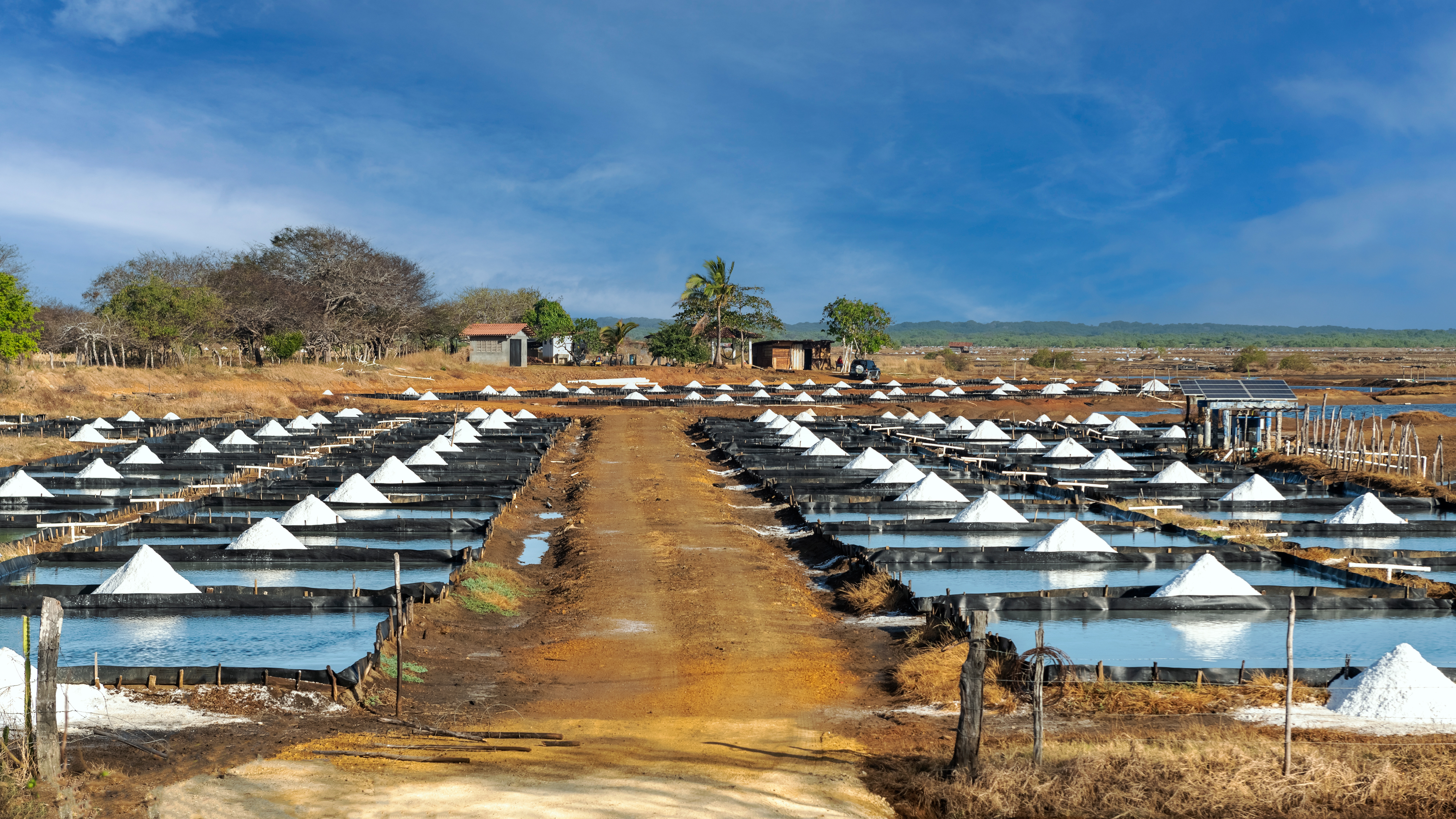
- Salinas de Mensabé (Salt Fields) - Near Las Tablas, explore the traditional salt flats of Mensabé, where locals still harvest sea salt using age-old techniques. The geometric pools are especially striking at sunrise or sunset and provide a fascinating glimpse into one of the peninsula’s oldest industries.
- Traditional Artisan Workshops - Visit local workshops where artisans craft Panama’s famous polleras, handmade drums, pottery, and intricate devil masks used in traditional dances.
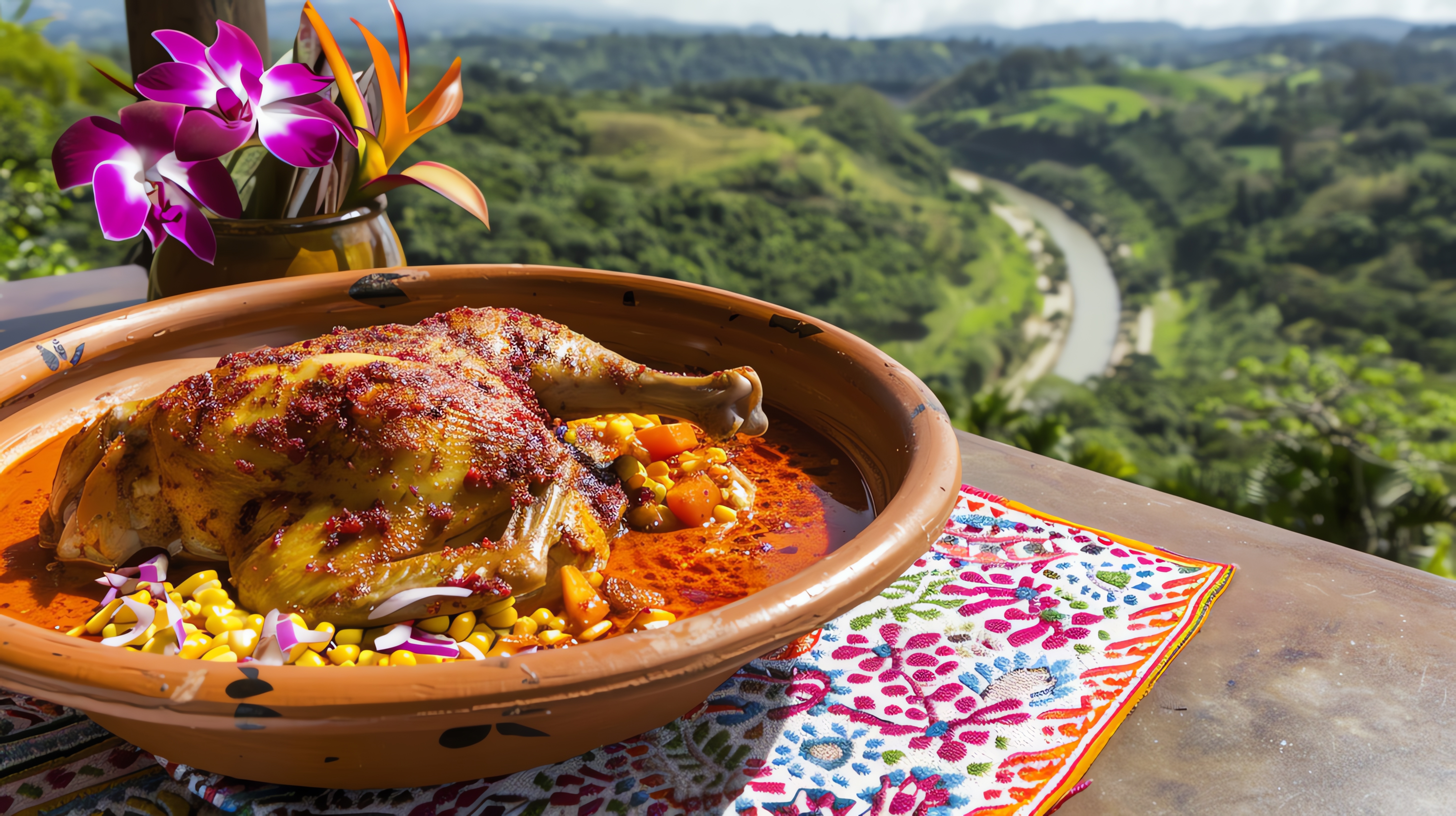
- Local Cuisine & Food Tours - Savour traditional Panamanian dishes like sancocho (chicken stew), carimañolas (stuffed yuca), and hojaldres (fried bread). Don’t miss trying locally produced cheese, rum, and fresh seafood.
Azuero Peninsula Highlights
Some of the sights and experiences in and around Azuero Peninsula, Panama

Speak to a Travel Specialist today
Azuero Peninsula travel FAQs
Where is the Azuero Peninsula located?
The Azuero Peninsula is located in south western Panama, extending into the Pacific Ocean. It is easily reached from Panama City and is known for its rural landscapes and traditional communities.
What is the Azuero Peninsula known for?
The region is widely regarded as the cultural heart of Panama. It is known for its strong traditions, folkloric music and dance, handmade crafts and some of the country’s most important festivals. The peninsula is also home to quiet beaches and rolling countryside.
Which towns are most commonly visited in Azuero?
The most visited towns include Las Tablas, Pedasí and Chitré. Las Tablas is famous for festivals and folklore, Pedasí offers access to beaches and wildlife, and Chitré acts as a regional hub with museums and markets.
What cultural experiences can you have in Azuero?
Visitors can experience traditional festivals, local music and dance, visit mask makers and artisans, and learn about Panamanian folklore. The region offers a strong sense of everyday life rooted in long standing customs.
Are there beaches on the Azuero Peninsula?
Yes. The peninsula has a number of quiet Pacific beaches, particularly around Pedasí and Playa Venao. These beaches are less developed than other parts of Panama and suit travellers looking for a relaxed coastal experience.
What wildlife can be seen in the Azuero Peninsula?
Wildlife includes sea turtles, whales during migration season, birdlife and marine species. Isla Iguana, just offshore from Pedasí, is known for snorkelling, coral reefs and nesting turtles.
When is the best time to visit the Azuero Peninsula?
The dry season from December to April offers the most comfortable conditions for travel and festivals. The green season brings more rain but fewer visitors and greener landscapes.
Who is the Azuero Peninsula best suited for?
The Azuero Peninsula suits travellers interested in culture, traditional festivals, crafts and a slower pace of travel. It is ideal for those wanting to experience a more rural and authentic side of Panama alongside time on the coast.