


The Land of the Seven Moles: Exploring Oaxaca’s Culinary Heritage
The often mispronounced city and state of Oaxaca (said wah-ha-kah) is renowned for its remarkable diversity, colourful festivals and rich culinary heritage. Often included as part of holidays in Mexico, the region is particularly known for mole, a flavour-packed sauce prepared using a wide range of ingredients and traditional techniques. Oaxaca is celebrated for its seven classic types of mole, each with its own character and commonly served with meat. It is also worth trying tlayudas, sometimes referred to as ‘Mexican pizza’, which offer an introduction to Oaxaca’s vibrant food culture.
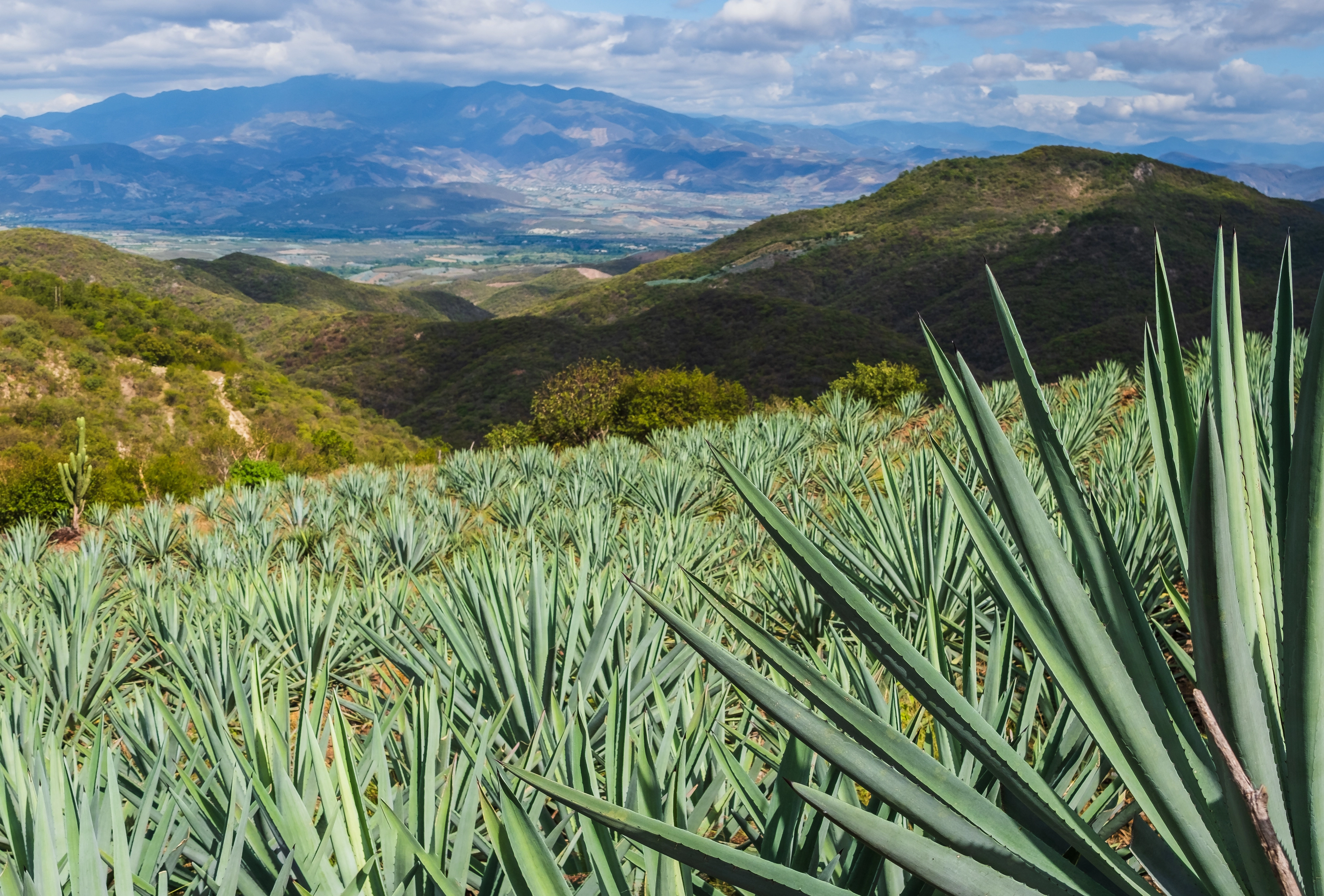
Oaxaca is equally known for mezcal, the smoky agave-based spirit often considered tequila’s more complex cousin. For travellers interested in gastronomy and regional traditions, the city offers a wonderfully immersive and sensory cultural experience shaped by food, craft and local identity.
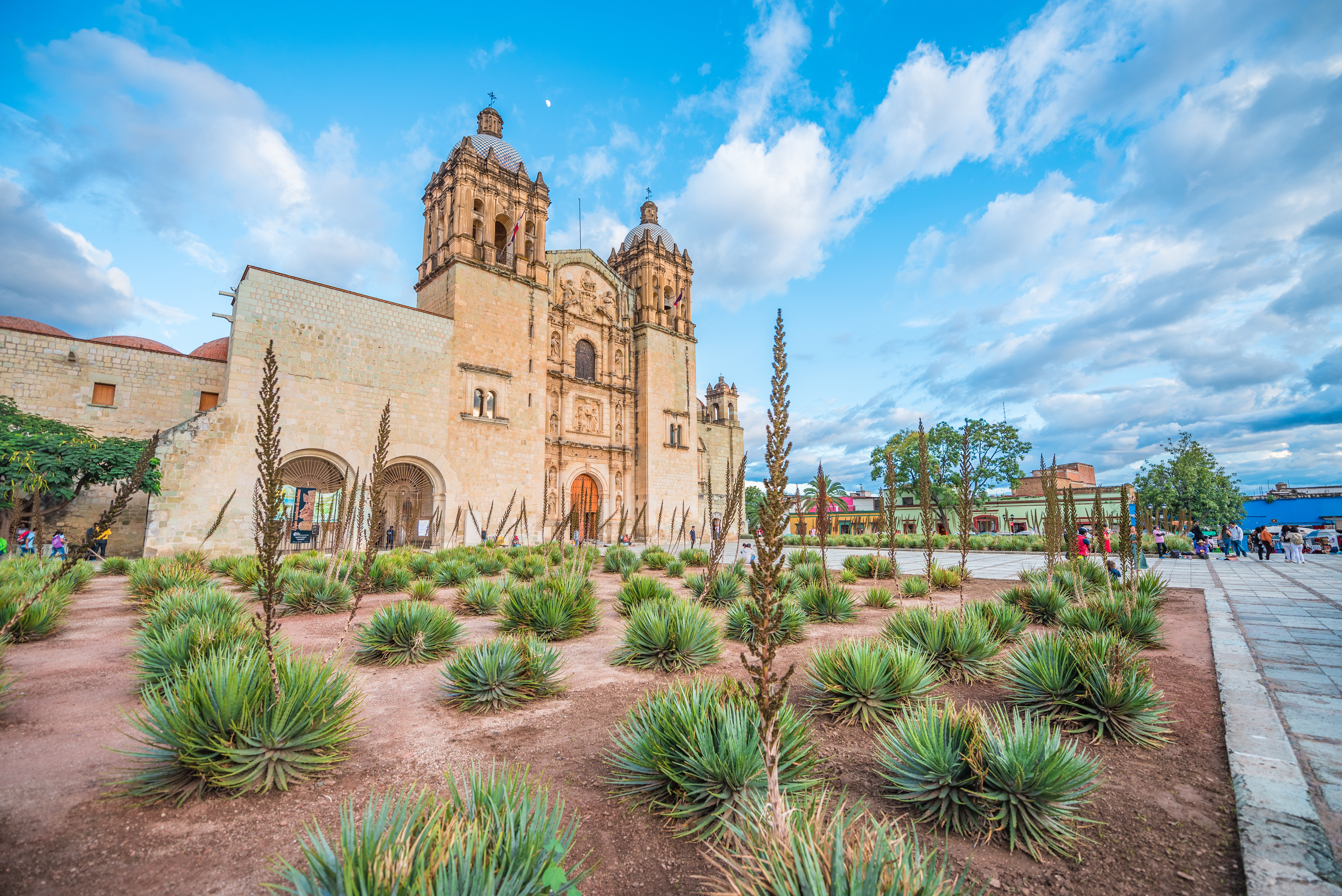
The region is home to 16 Indigenous groups whose customs and artistry continue to shape daily life. In the historic Santo Domingo neighbourhood, visitors can discover handicrafts, galleries and the Baroque architecture of Santo Domingo Church, known for its gilded interior. Beyond the city, nearby artisan villages and Zapotec communities can be explored on private tours that offer meaningful insight into local craftsmanship and heritage.
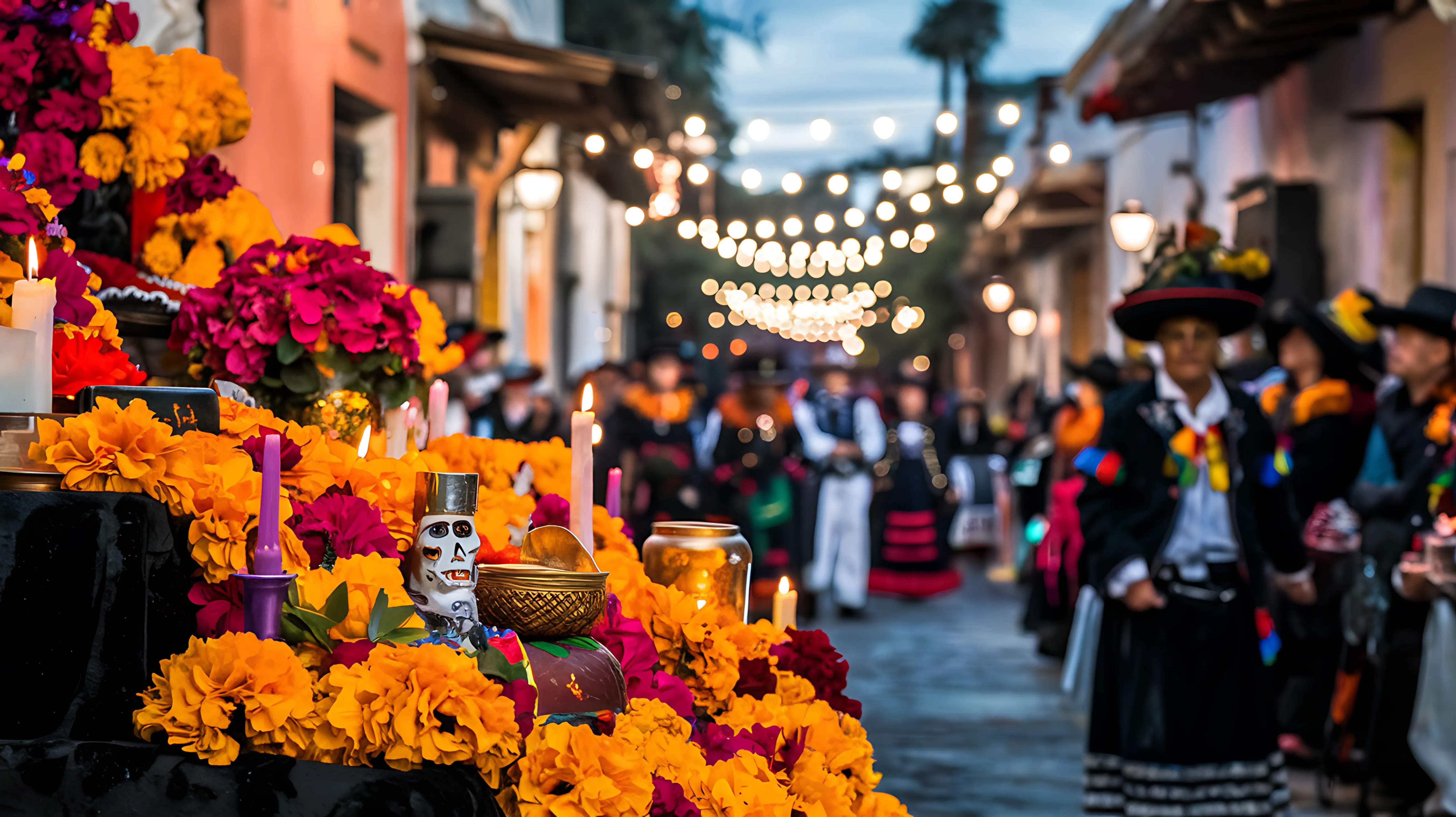
One of the most striking times to visit is during Día de los Muertos (Day of the Dead), an important cultural celebration that fills the streets with altars, parades and marigold displays. Oaxaca is one of the most memorable places in Mexico to experience this tradition and demand is high during the festival period, so early booking is recommended.
Why visit Oaxaca?
Oaxaca combines culture, cuisine and regional traditions in a way that feels both immersive and rewarding. Travellers can explore Indigenous heritage, discover local markets and enjoy the region’s renowned food scene, while the nearby coast offers opportunities to unwind at a slower pace. For those seeking a culturally rich experience shaped by art, gastronomy and everyday life, Oaxaca provides one of Mexico’s most distinctive and memorable journeys.

Mexico

-6 hours

Mexican Peso (MEX) & US Dollars (USD)

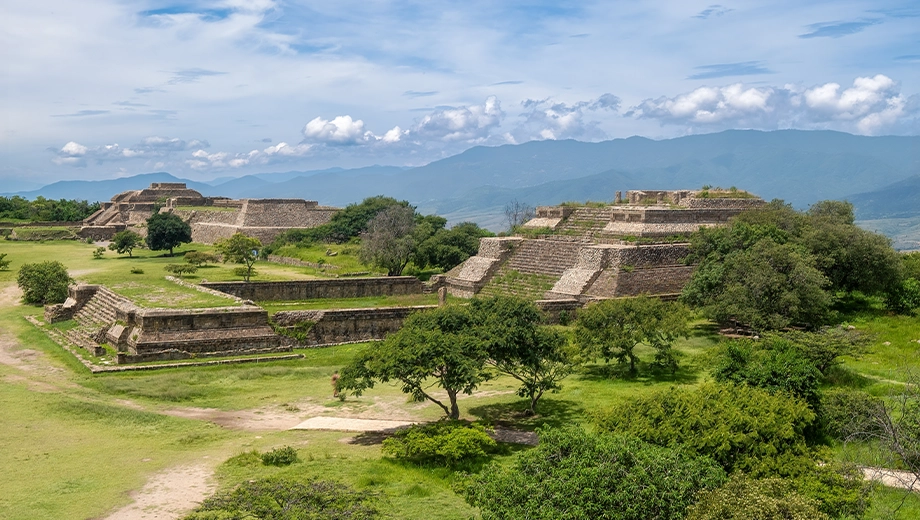
Monte Albán
When is the best time to visit Oaxaca?
Oaxaca City experiences two distinct seasons: dry and wet. The dry season typically runs from October to April, offering clear skies and warm temperatures, making it ideal for outdoor activities. The wet season spans from May to October, with the highest rainfall occurring in September and October.
Interestingly, despite the rain, the wet season is often considered one of the best times to visit Oaxaca. During this period, you can enjoy fewer crowds, lower hotel rates, and milder temperatures. However, keep in mind that the Day of the Dead celebrations on October 31st attract a surge in visitors, so plan accordingly if you wish to experience this vibrant festival.
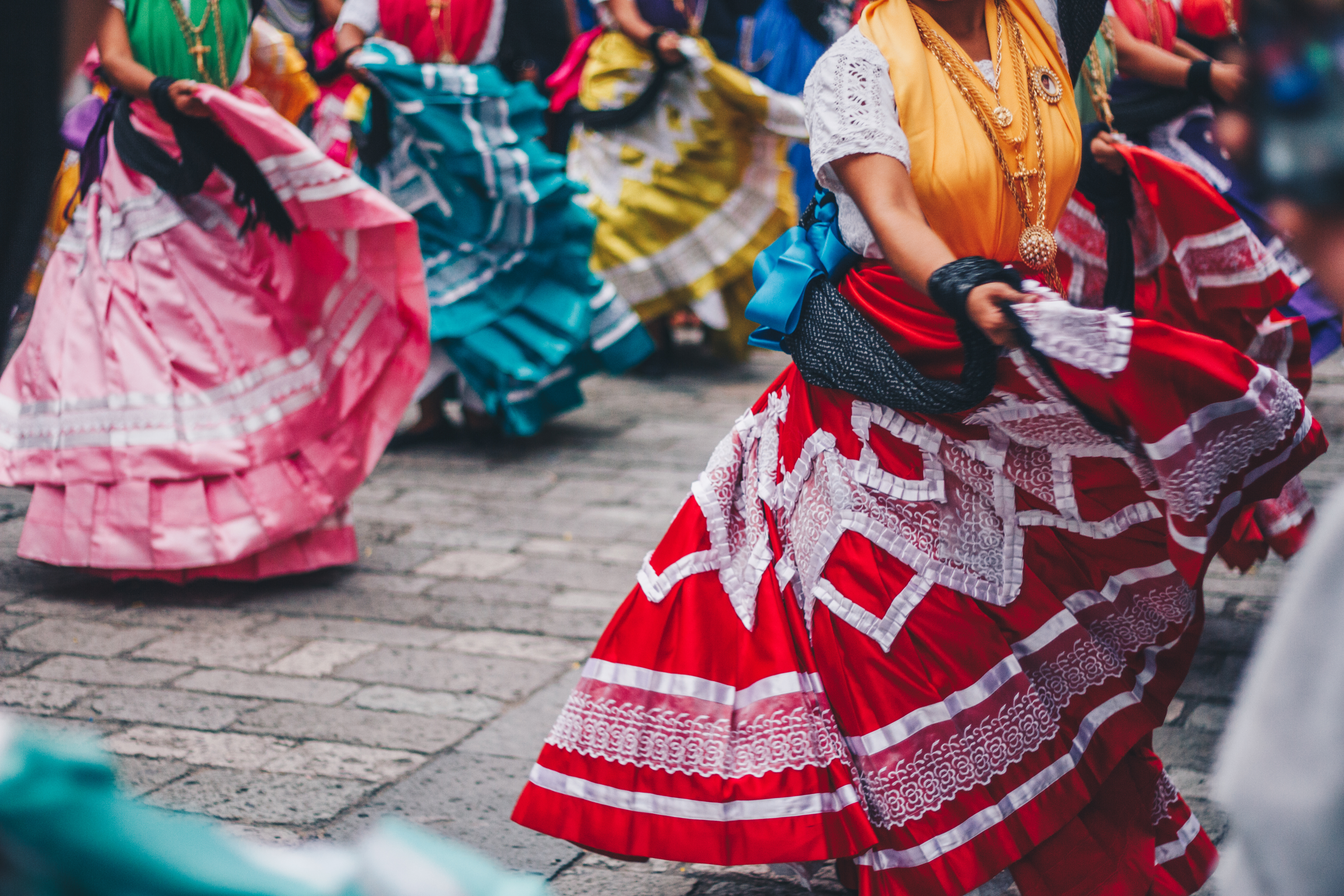
For an unforgettable cultural experience, consider timing your visit with the Guelaguetza Festival held every July. This annual event is a spectacular celebration of Oaxacan culture, featuring traditional dances, music, and colourful costumes from various indigenous communities across the region.
About Oaxaca and its surrounding areas
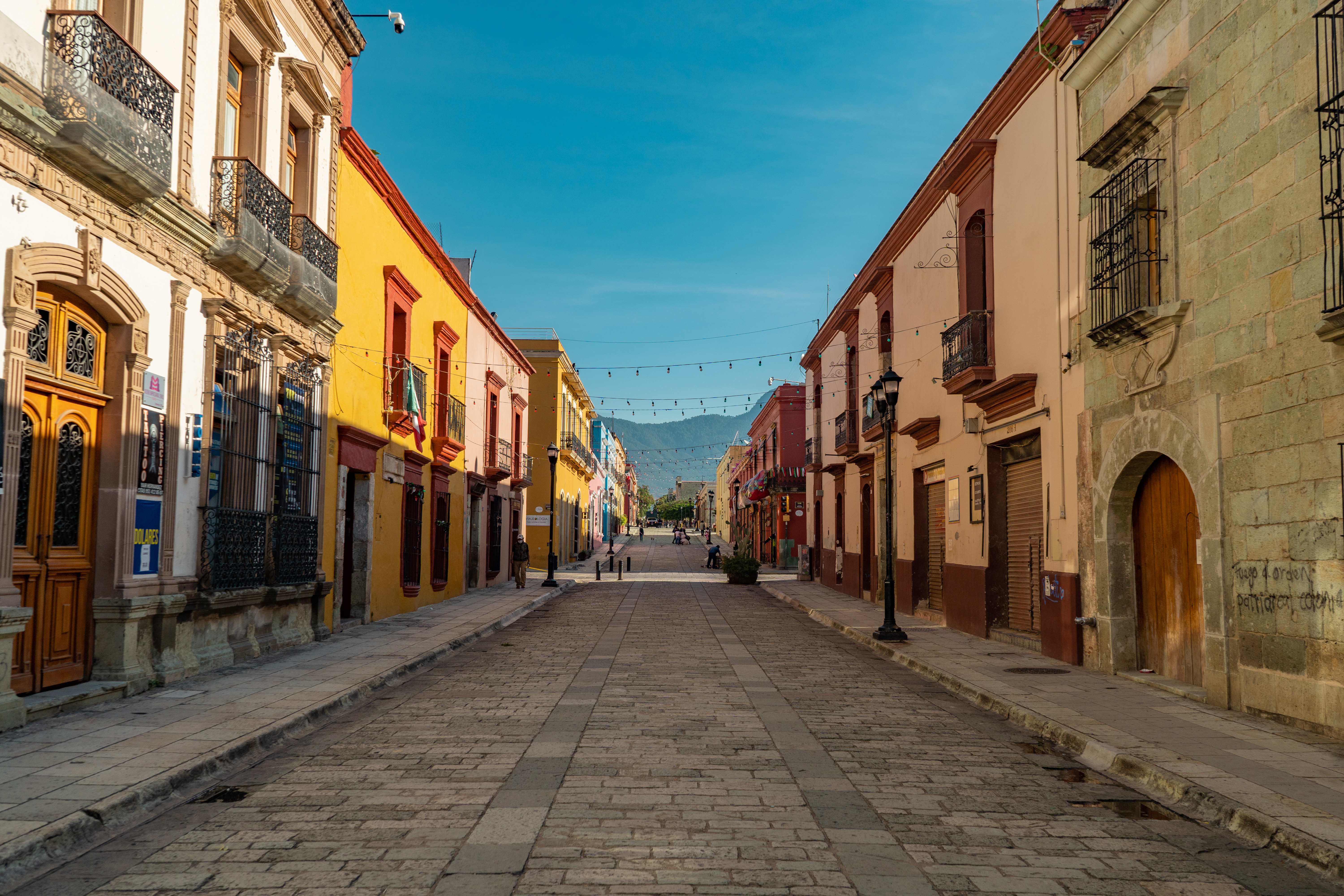
Oaxaca is a wonderfully walkable city, its grid of colourful streets creating an inviting setting for travellers to immerse themselves in vibrant Mexican culture. The historic heart of the city is the Santo Domingo neighbourhood, which is the most popular area for visitors. Here you will find boutique and luxury hotels set within beautifully restored colonial mansions, lively squares filled with activity and a wide choice of restaurants serving traditional Oaxacan dishes crafted from time honoured ingredients and flavours.
One of the most atmospheric times to visit is during Día de los Muertos (Day of the Dead), when the city is transformed with intricate altars, lively parades and candlelit vigils. The celebration holds special cultural significance in Oaxaca and attracts visitors from around the world who come to experience its artistry and meaning. It is essential to book early as accommodation and tours are in high demand during this period.
For a quieter experience, the Barrio de Xochimilco offers a peaceful alternative. As the oldest neighbourhood in Oaxaca, it has a village like quality, with calm streets, inviting cafés and traditional textile workshops. It is an excellent choice for travellers seeking a relaxed atmosphere and a small selection of boutique places to stay.
Those who prefer a modern and more upscale environment will enjoy Reforma, a northern neighbourhood known for its contemporary feel and refined character. Here you can explore international dining, stylish bars and boutique shops, providing a polished contrast to the historic charm found elsewhere in the city.
Things to do and see in Oaxaca
- Visit the Santo Domingo Church: Explore the stunning Baroque architecture and gilded interior of this historical landmark.
- Discover the Guelaguetza Festival: Experience Oaxaca’s vibrant celebration of indigenous culture, music, and dance every July.
- Taste Oaxacan Cuisine: Try traditional dishes such as mole, tlayudas, and tamales at local restaurants.
- Tour Monte Albán: Visit this ancient Zapotec archaeological site, offering panoramic views of the valley and fascinating ruins.
- Shop at Mercado 20 de Noviembre: Browse the lively market for fresh produce, crafts, and authentic Oaxacan food.
- Take a Mezcal Tour: Visit mezcal distilleries to learn about and sample this iconic Oaxacan spirit.
- Explore Barrio de Xochimilco: Wander through Oaxaca’s oldest neighbourhood, with quaint streets, cafes, and textile workshops.
- Relax on the Beaches of Puerto Escondido: Unwind in luxury resorts along the stunning Pacific coastline.
- Visit the Oaxaca Textile Museum: Discover the artistry of traditional weaving and textile design from local indigenous communities.
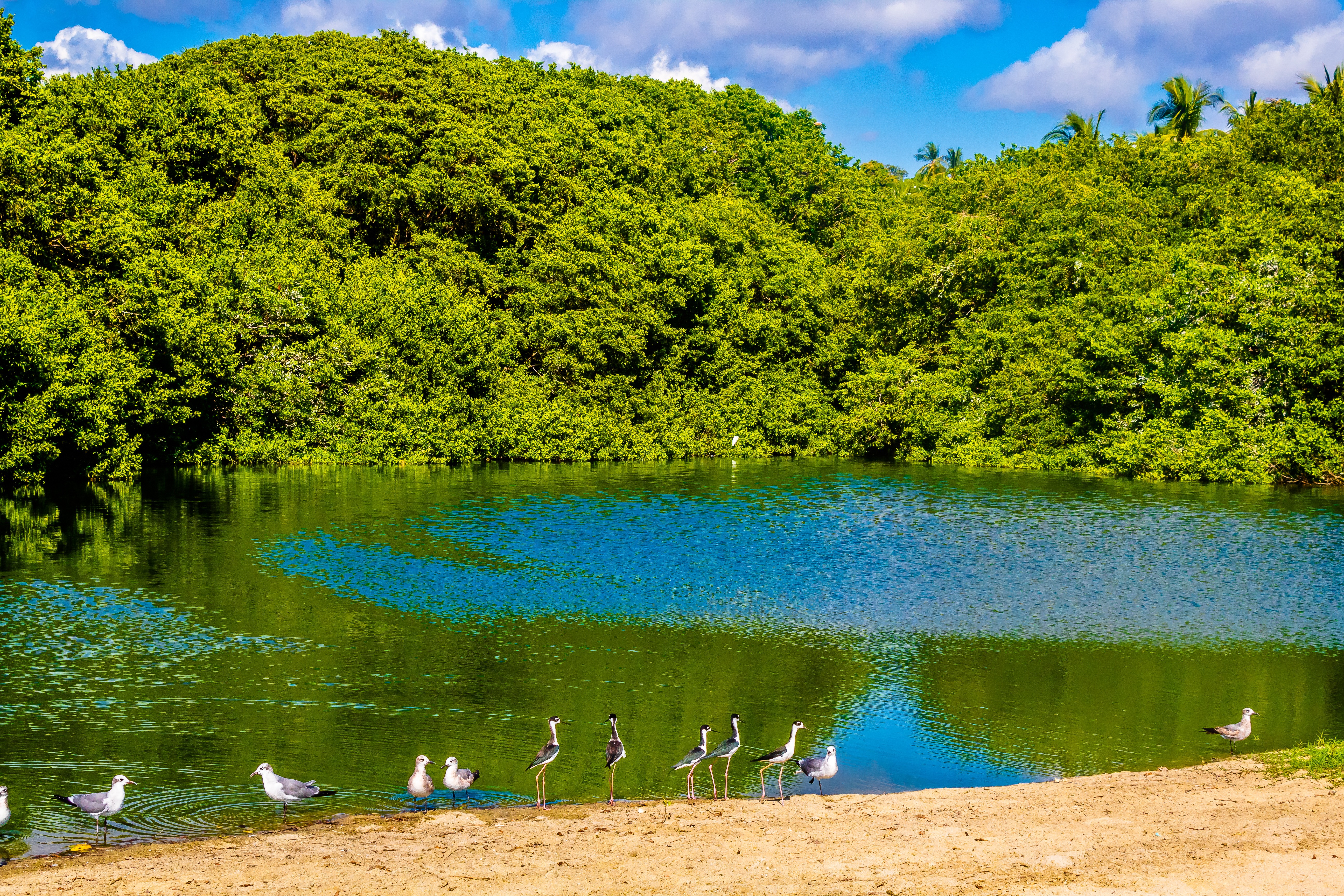
- See the Bioluminescent Lagoon in Puerto Escondido: Witness the magical glow of plankton illuminating the water at night.
- Take a Cooking Class: Learn how to make traditional Oaxacan dishes with expert chefs in local kitchens.
- Explore the Zapotec Villages: Take private tours to visit villages that preserve ancient Zapotec traditions, crafts, and architecture.
- Experience Día de los Muertos (Day of the Dead): Visit during late October to early November to witness one of Mexico’s most iconic celebrations. Expect candlelit vigils, vibrant altars, music-filled parades, and a deeply moving tribute to ancestors.


Oaxaca Highlights
Some of the sights and experiences in and around Oaxaca


Speak to a Travel Specialist today
Oaxaca Travel FAQs
When is the best time to visit Oaxaca?
The most comfortable months are from October to April when the weather is warm and dry. May and June bring rising temperatures, while the rainy season runs from June to September, often with brief afternoon showers.
How do you get to Oaxaca?
Oaxaca International Airport has regular connections from Mexico City and other major hubs. Private transfers are the easiest way to reach hotels in the historic centre or surrounding neighbourhoods.
What is Oaxaca best known for?
The region is celebrated for its Indigenous cultures, colonial architecture, outstanding gastronomy and traditional crafts. It is also home to the impressive archaeological site of Monte Albán, once a major Zapotec capital.
Is Oaxaca a good destination for food lovers?
Yes. Oaxaca is often considered one of Mexico’s culinary capitals. Travellers can enjoy dishes such as mole, tlayudas and memelas, as well as local chocolate, coffee and artisanal mezcal. Markets and cooking classes offer excellent insight into regional flavours.
What are the key attractions in Oaxaca City?
Highlights include the Santo Domingo complex, the botanical garden, colourful markets, contemporary art galleries and the vibrant streets of the historic centre. Many visitors also explore the nearby craft villages known for pottery, weaving and woodcarving.
Can I visit archaeological sites from Oaxaca?
Yes. Monte Albán is only a short drive away and offers panoramic views and well preserved structures. Other sites such as Mitla and Yagul can be visited on guided excursions through the surrounding valleys.
How long should I spend in Oaxaca?
A stay of four to five nights works well for exploring the city, visiting archaeological sites and enjoying culinary or cultural experiences. Those wanting to include excursions into the valleys or mountains may prefer a longer stay.
Is Oaxaca suitable for combining with other regions of Mexico?
Absolutely. Many tailor made itineraries combine Oaxaca with Mexico City, Chiapas or the beaches of the Pacific coast, creating a balanced journey of culture, history and relaxation.