


Visit South Georgia in the South Atlantic
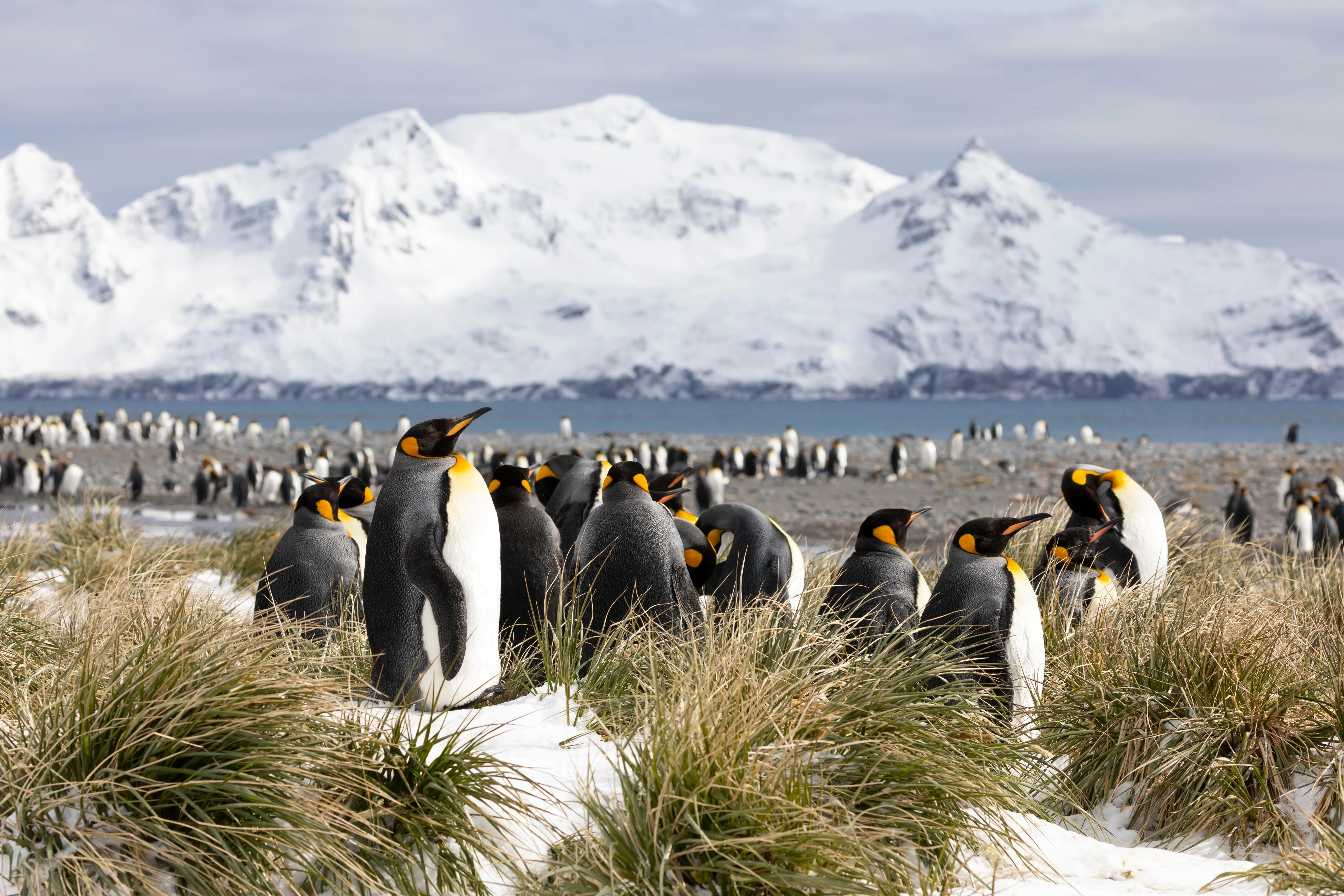
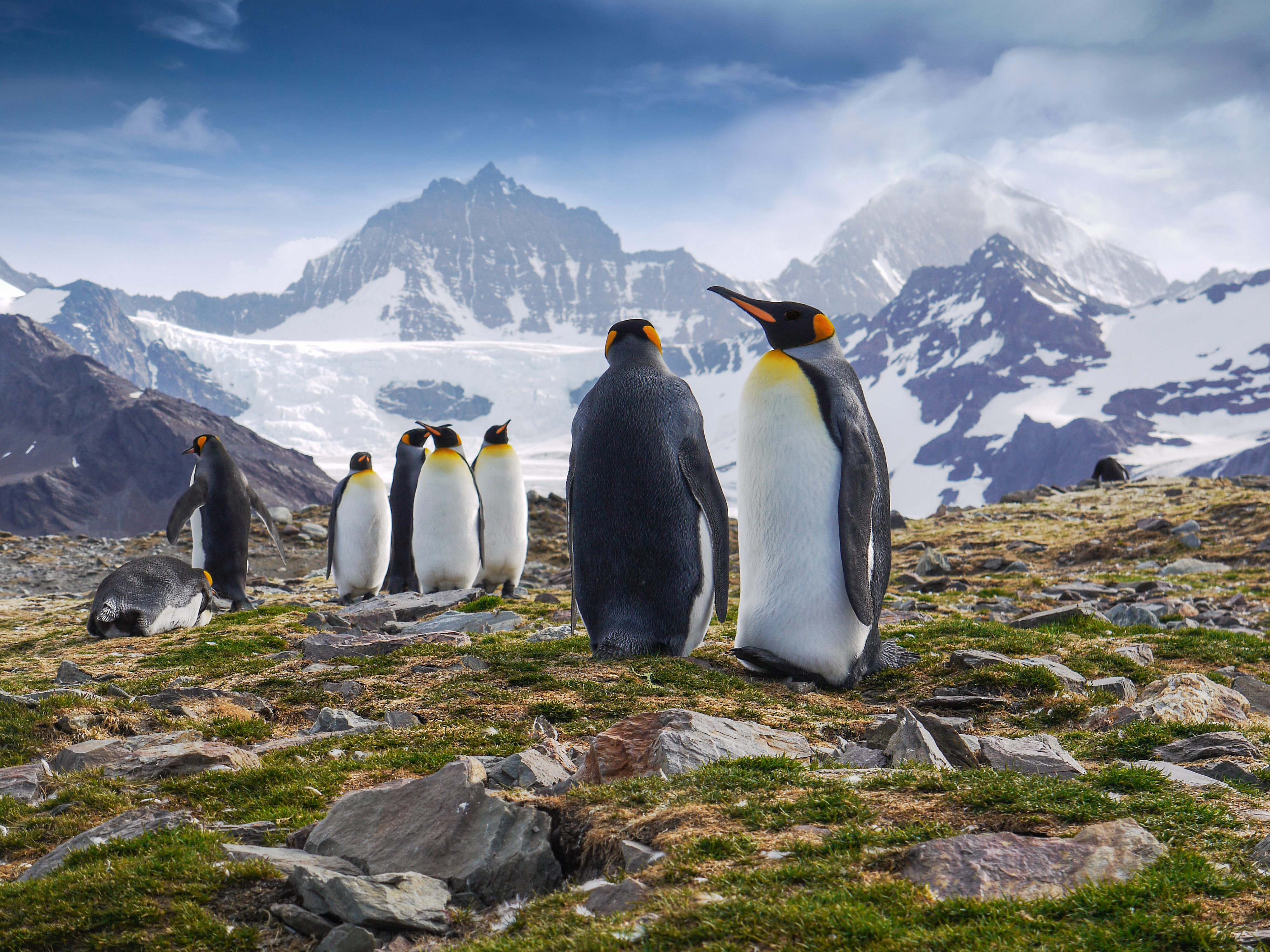
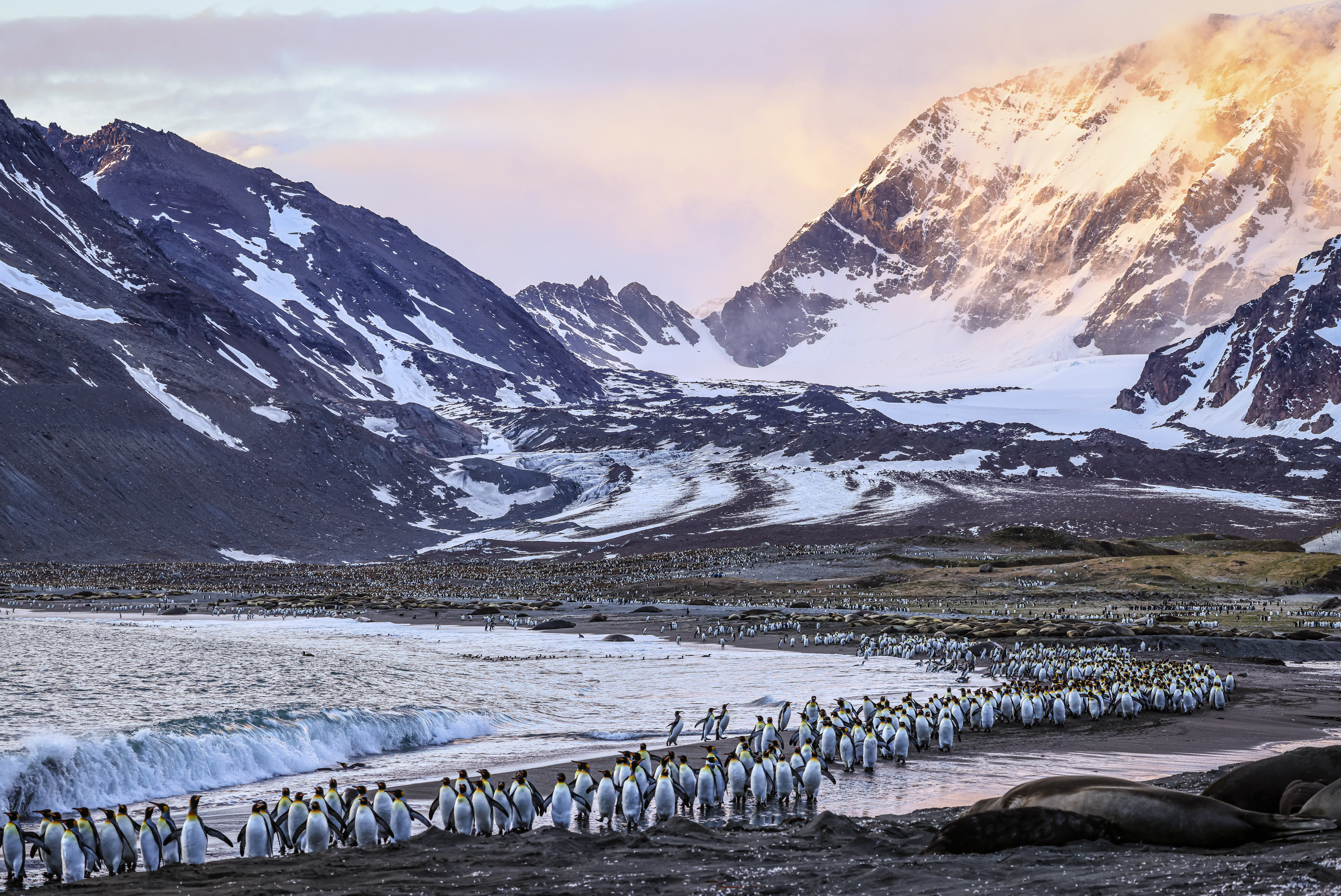
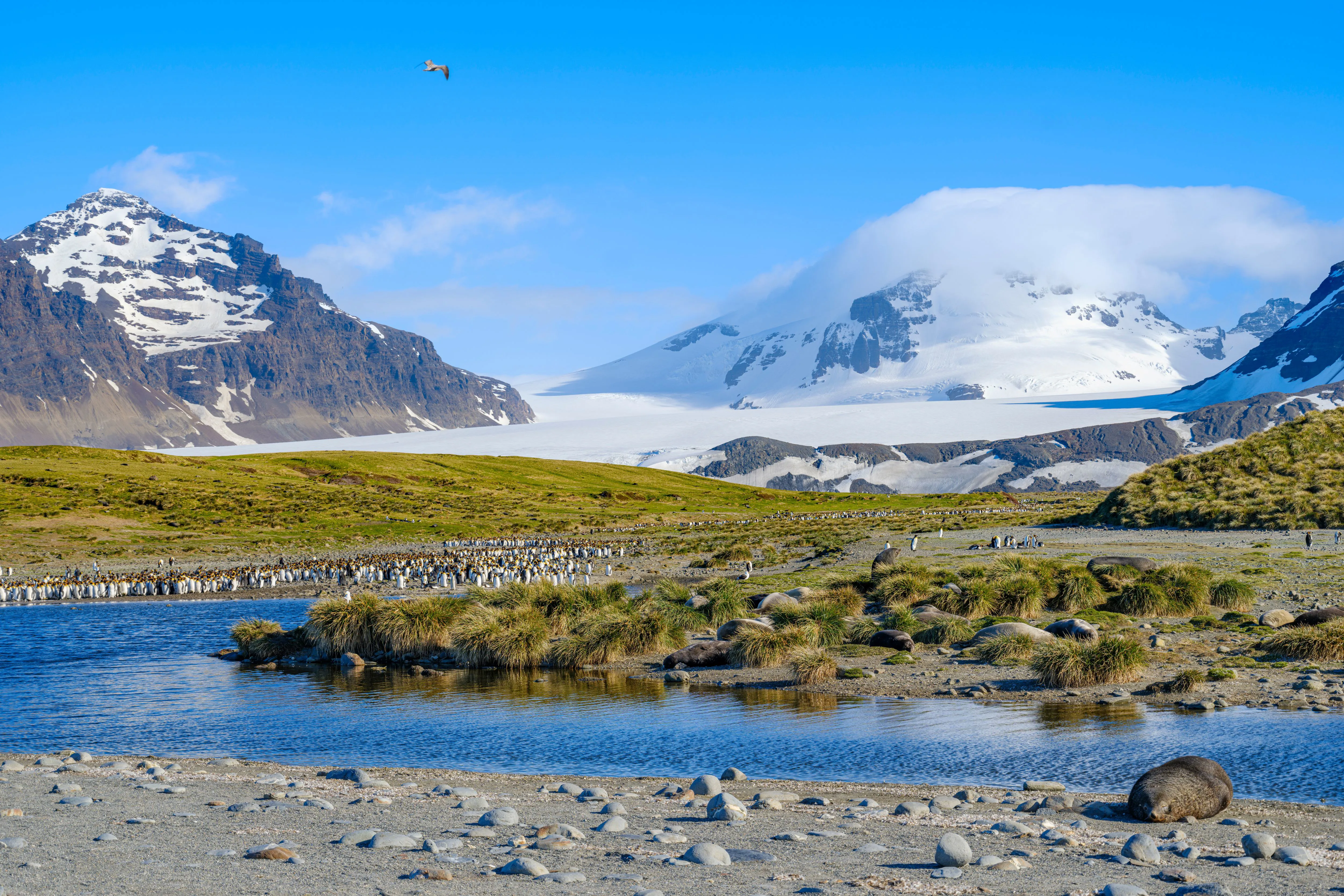
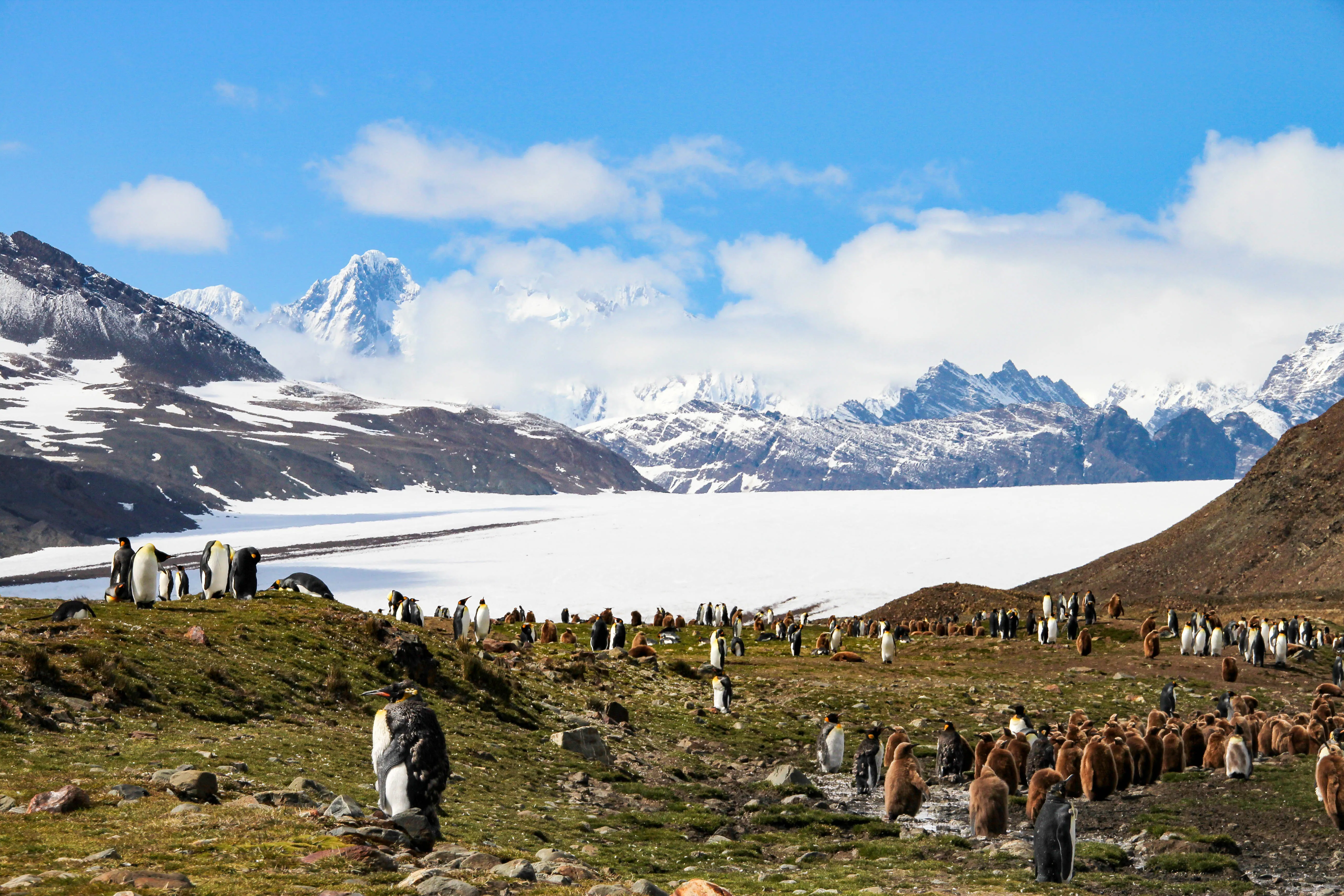
Located in the South Atlantic Ocean, South Georgia is one of the most remarkable wildlife destinations in the polar regions. Often visited as part of an Antarctic cruise, this remote British Overseas Territory is known for its dramatic mountain scenery, vast king penguin colonies and rich maritime history. St Andrew’s Bay on the island’s east coast is home to more than 300,000 king penguins, creating one of the most extraordinary wildlife spectacles in the world.
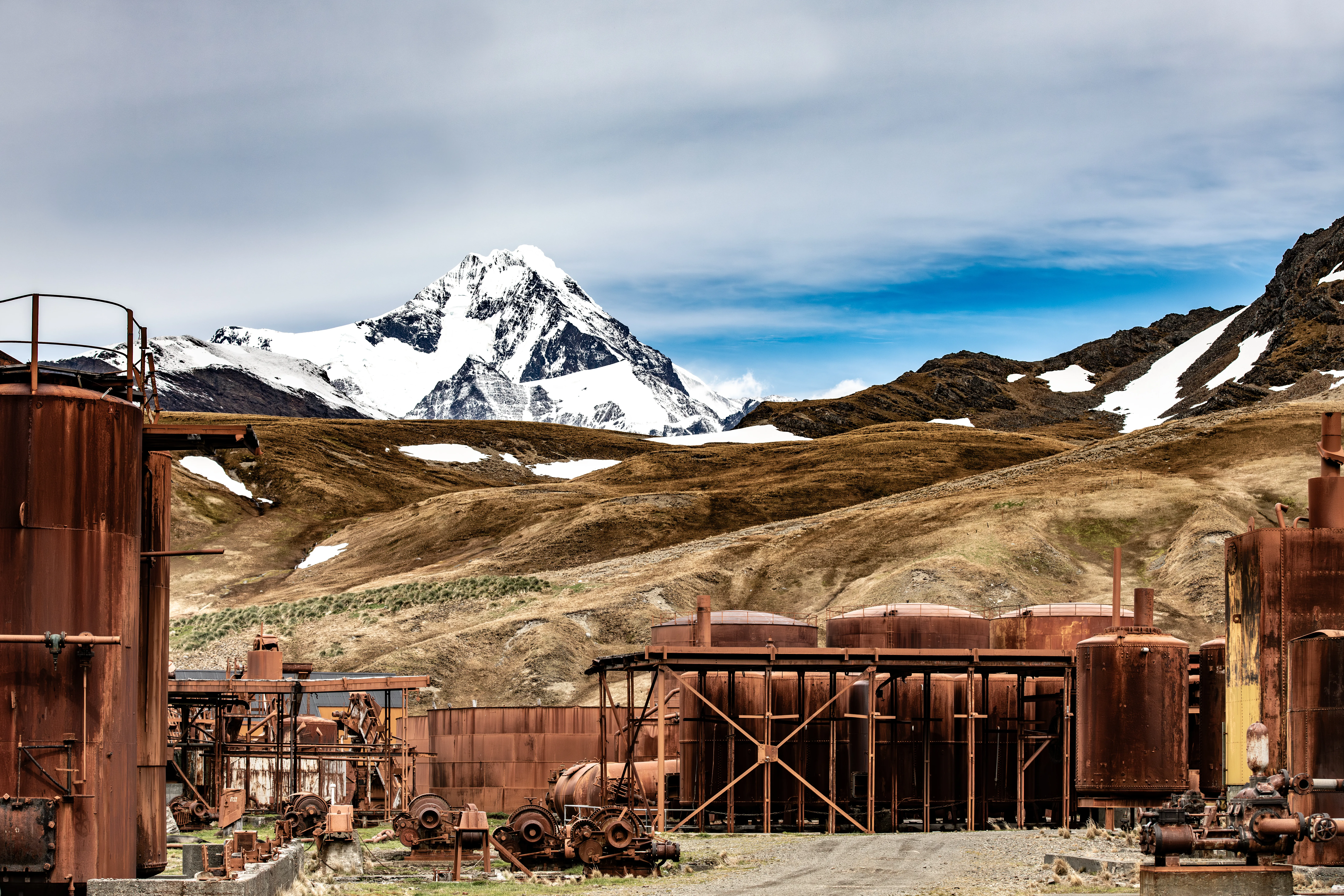
South Georgia is also home to large populations of elephant seals and fur seals, which gather along the island’s beaches and grassy plains. Once a centre of whaling activity, the island has since become a sanctuary for wildlife, with nature thriving following the decline of the whaling industry. Visitors can also explore Grytviken, the former whaling station where Sir Ernest Shackleton is buried, adding a fascinating historical element to any voyage through the region.
Why visit South Georgia?
South Georgia offers unforgettable wildlife encounters, dramatic polar landscapes and fascinating exploration history. See vast king penguin colonies, elephant seals and fur seals, while visiting historic sites linked to Sir Ernest Shackleton. Often combined with Antarctica and the Falkland Islands, South Georgia is a highlight of any polar cruise adventure.

South Atlantic Ocean

-2 hours

British pound sterling

St Andrew’s Bay
Best time to visit South Georgia & Antarctica
About South Georgia Island
Top things to do & see in South Georgia
- Visit St Andrew’s Bay: See one of the largest king penguin colonies in the world, with more than 300,000 penguins gathered along the shoreline against a backdrop of glaciers and mountains.
- Explore Grytviken: Discover South Georgia’s whaling history at Grytviken, including the museum, abandoned whaling station and the grave of Sir Ernest Shackleton.
- See wildlife at Salisbury Plain: One of the island’s best wildlife landing sites, Salisbury Plain is home to thousands of king penguins, elephant seals and fur seals.
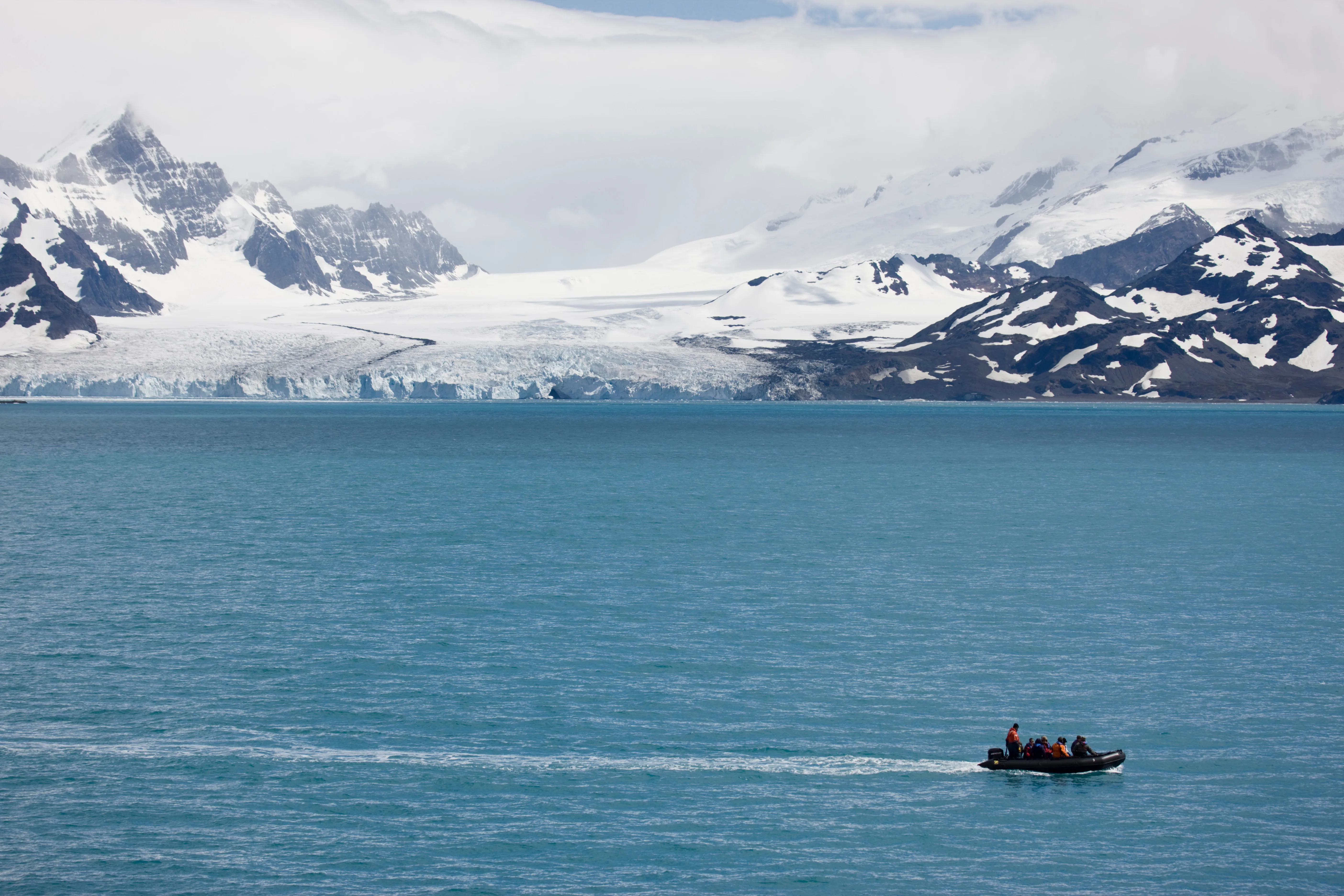
- Experience zodiac excursions: Expedition cruises offer zodiac landings and guided excursions, allowing close-up encounters with penguins, seals and seabirds along South Georgia’s rugged coastline.
- Follow Shackleton’s route at Fortuna Bay: Walk part of the famous route completed by Sir Ernest Shackleton during his remarkable crossing of South Georgia in 1916.
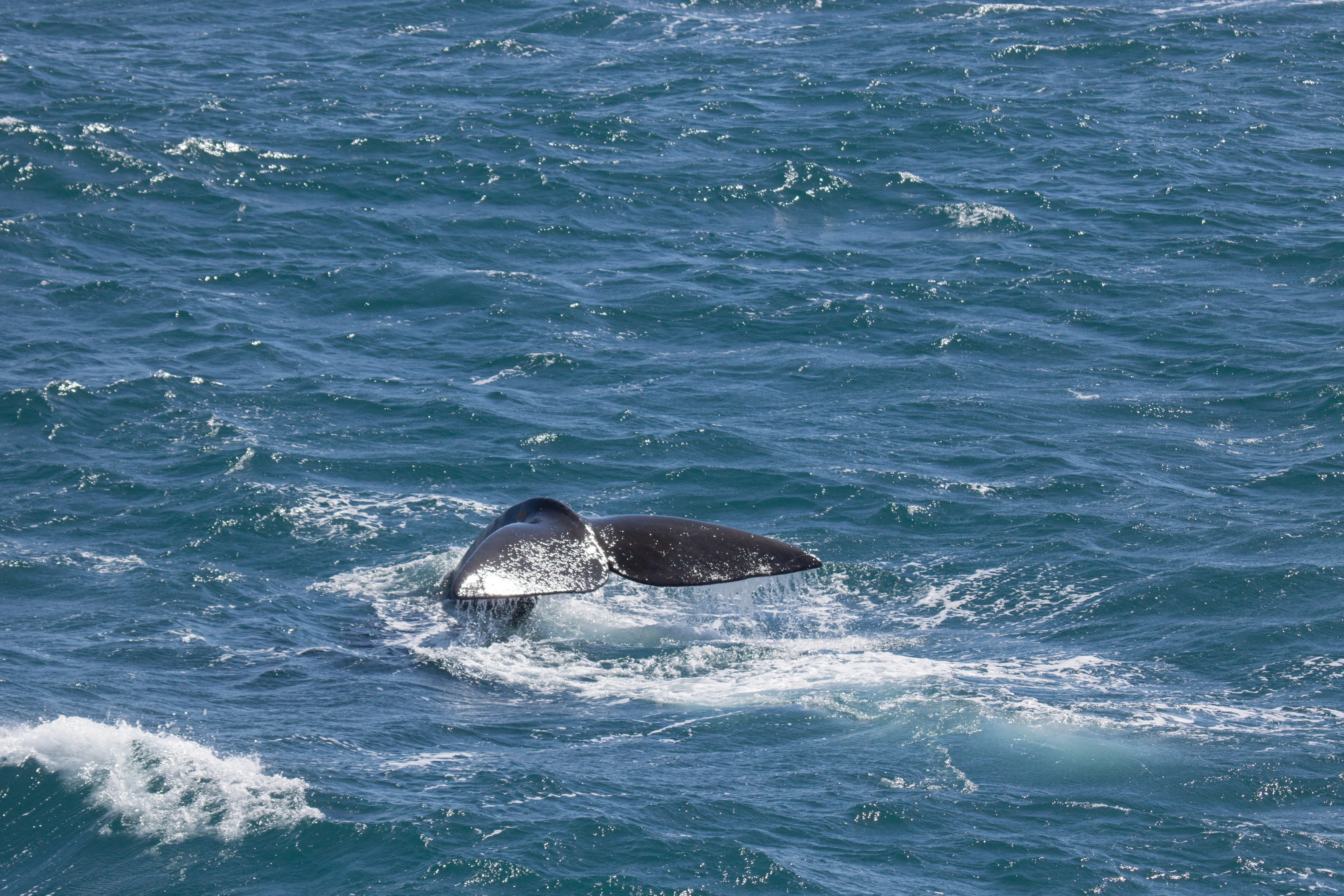
- Spot whales in the South Atlantic: During the later Antarctic cruise season, humpback whales, minke whales and other marine species are often seen feeding in the waters surrounding South Georgia.
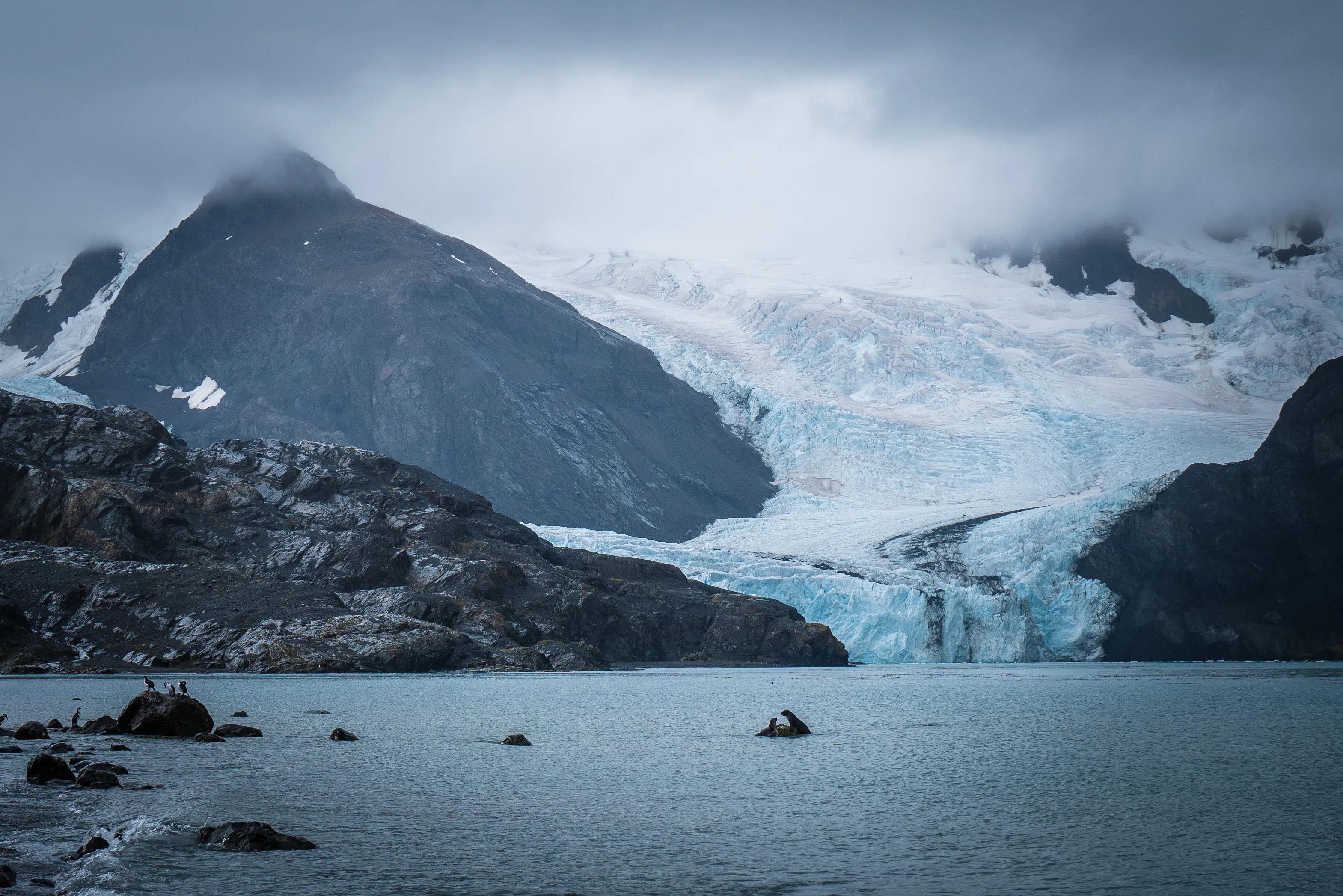
- Photograph dramatic polar landscapes: South Georgia’s towering peaks, hanging glaciers, black sand beaches and wildlife-rich bays provide incredible opportunities for polar photography.
- Combine South Georgia with Antarctica & the Falkland Islands: Many expedition cruises combine South Georgia with the Antarctic Peninsula and the Falkland Islands, creating one of the world’s most rewarding wildlife and adventure travel experiences.
Highlights of South Georgia
Visit South Georgia for unforgettable wildlife and polar landscapes:
Speak to a Travel Specialist today
South Georgia Travel FAQs
Where is South Georgia located?
South Georgia is a remote British Overseas Territory located in the South Atlantic Ocean, east of the Falkland Islands and north of Antarctica. The island is most commonly visited as part of an Antarctica expedition cruise.
What is South Georgia famous for?
South Georgia is famous for its incredible wildlife, particularly its vast king penguin colonies, elephant seals and fur seals. It is also known for its dramatic polar landscapes and connections to explorer Sir Ernest Shackleton.
Can you visit South Georgia on an Antarctica cruise?
Yes, many Antarctica cruises include South Georgia as part of a longer expedition itinerary. South Georgia is often combined with the Antarctic Peninsula and the Falkland Islands for a complete polar adventure.
When is the best time to visit South Georgia?
The best time to visit South Georgia is between October and March during the Antarctic cruise season. December to February offers peak wildlife activity, while February and March are excellent for whale watching.
What wildlife can you see in South Georgia?
South Georgia is home to king penguins, macaroni penguins, elephant seals, Antarctic fur seals, albatross and several whale species. Wildlife viewing is one of the main highlights of visiting the island.
What is St Andrew’s Bay?
St Andrew’s Bay is one of South Georgia’s most famous wildlife sites and home to one of the world’s largest king penguin colonies. It is considered a highlight of many South Georgia cruises.
What is Grytviken?
Grytviken is a historic former whaling station in South Georgia. Visitors can explore the museum, old whaling buildings and the grave of Sir Ernest Shackleton.
How do you get to South Georgia?
South Georgia is accessed by expedition cruise ship, usually departing from Ushuaia in Argentina. There are no commercial flights to the island.
Do you need a visa to visit South Georgia?
UK passport holders do not typically require a visa to visit South Georgia as part of an organised Antarctica cruise, although entry requirements can vary depending on your itinerary and transit countries.