


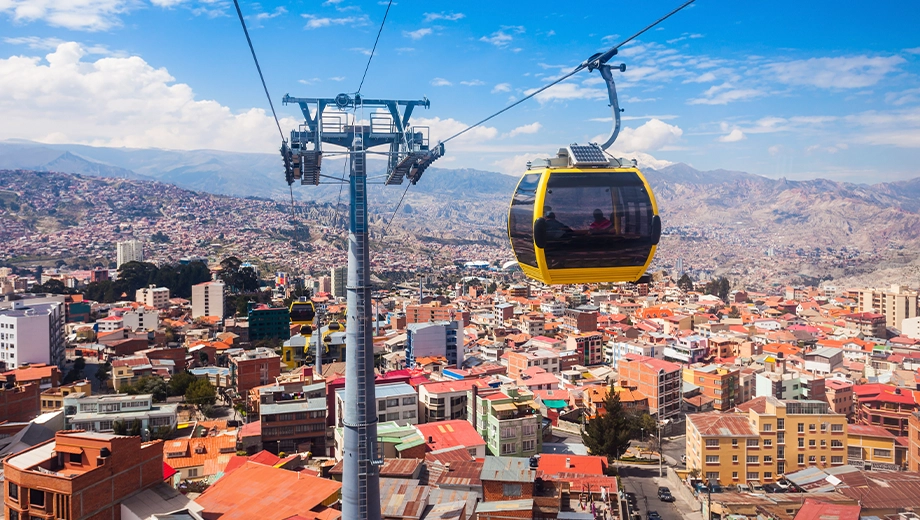
Explore La Paz: Vibrant Culture, Unique Markets, and Stunning Landscapes

Bolivia

-5 hours

Bolivianos

Cable Cars
When is the best time to visit La Paz?
La Paz sits at an altitude of over 3,600 metres above sea level, which gives the city a cool, highland climate throughout the year. Days are generally mild and fresh, while temperatures drop noticeably after sunset, particularly during the winter months. Its position in a steep valley, surrounded by Andean peaks, creates clear contrasts between sunny daytime conditions and crisp evenings.
The most favourable time to visit La Paz is during the dry season from April to August. These months bring clearer skies, low rainfall, and bright days that suit sightseeing and time outdoors. As this period coincides with Bolivia’s winter, temperatures remain cool rather than cold, making it comfortable for walking, visiting markets and museums, and enjoying views from the Teleférico. Conditions are also well suited to excursions beyond the city, including Moon Valley and other nearby natural landscapes.
About La Paz and things to do
La Paz is the third most populous city in Bolivia and the highest administrative capital in the world, set high in a dramatic Andean bowl surrounded by snow capped peaks. The city offers a rich mix of experiences, from striking viewpoints and historic landmarks to its distinctive cable car network, often described as a subway in the sky.
Culture, history, and landscape are closely interwoven here. Colourful markets sit alongside grand plazas, indigenous traditions shape daily life, and sweeping views open up from the Teleférico as it glides across the valley. Whether wandering through lively streets, visiting cultural sites, or taking in the scale of the surrounding mountains, La Paz leaves a strong and lasting impression.
Things to Do in La Paz, Bolivia
- Ride the Teleférico: Travel across the city using La Paz’s cable car network, which links neighbourhoods high above the valley and offers wide views of the city and surrounding Andean peaks.
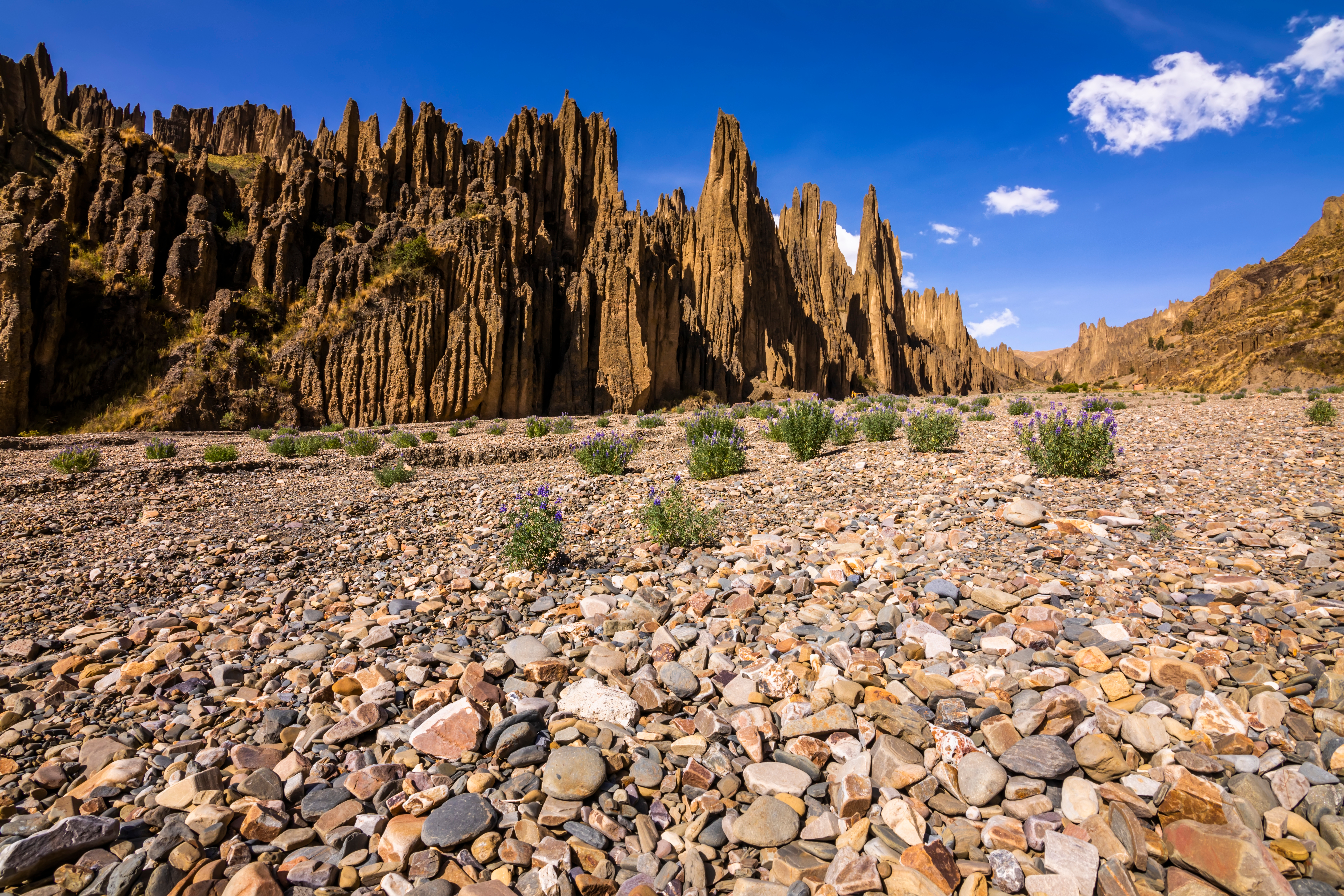
- Visit Moon Valley: Explore an otherworldly landscape of eroded clay spires and narrow paths just outside the city, shaped over centuries by wind and rain.
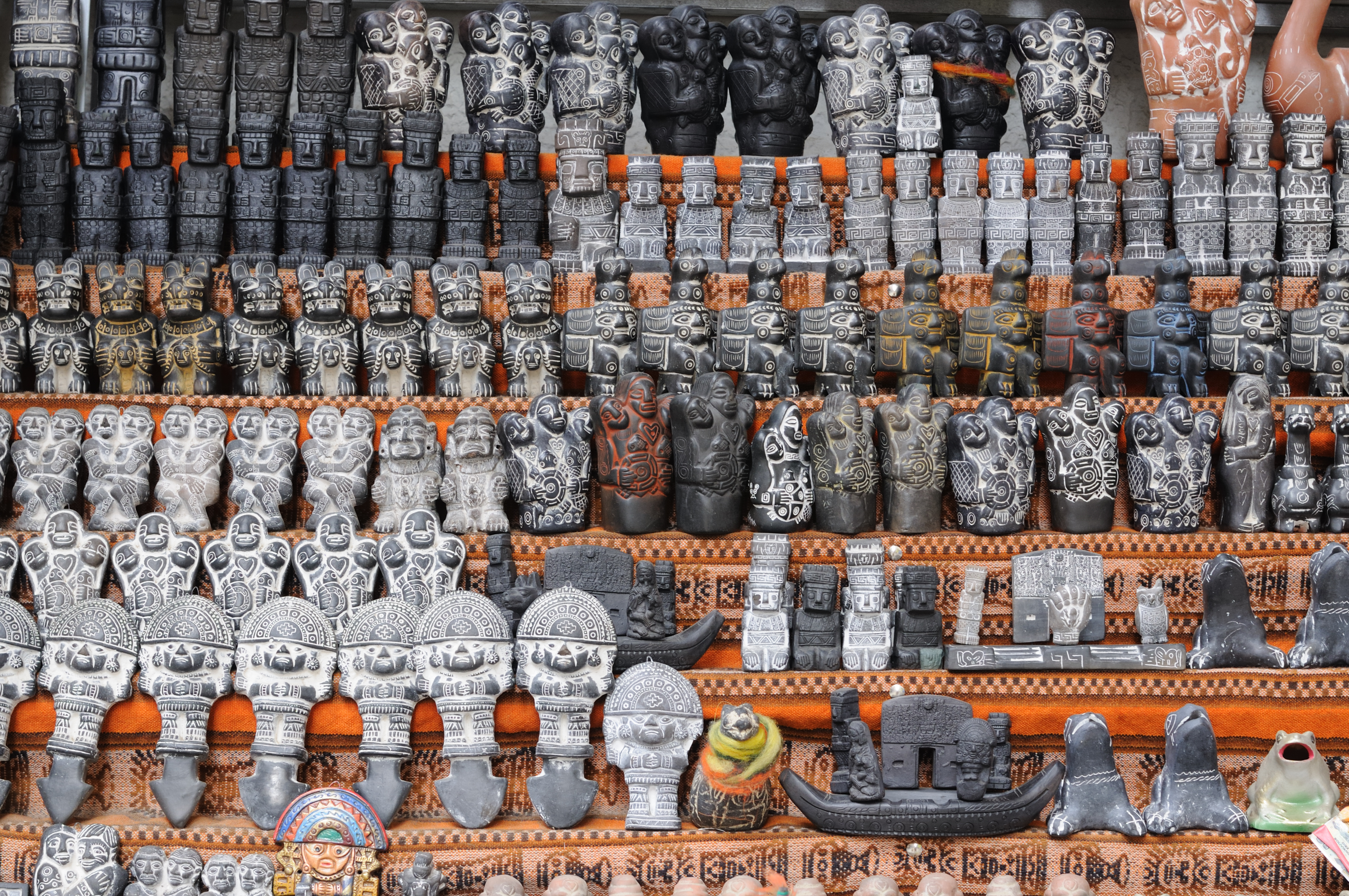
- Witches’ Market: Wander through one of La Paz’s most distinctive markets, where stalls sell traditional remedies, herbs, ceremonial items, and objects linked to Andean beliefs.
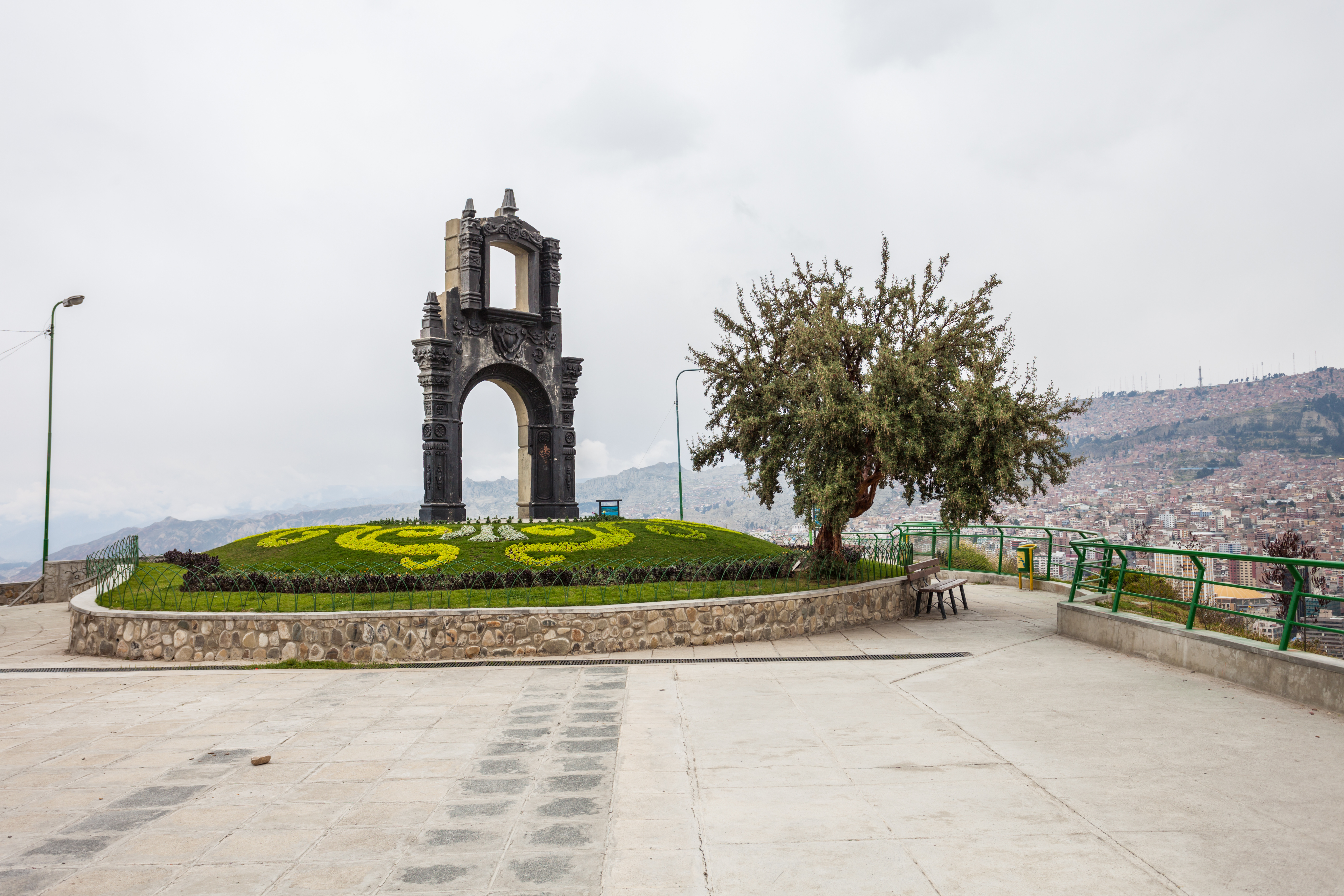
- Tupac Katari mirador: Visit this historic viewpoint named after the indigenous leader, offering sweeping panoramas across La Paz and, on clear days, Mount Illimani.
- Museo Nacional de Arte: Discover Bolivia’s artistic and cultural history inside an elegant colonial building, with collections ranging from pre Hispanic pieces to contemporary works.
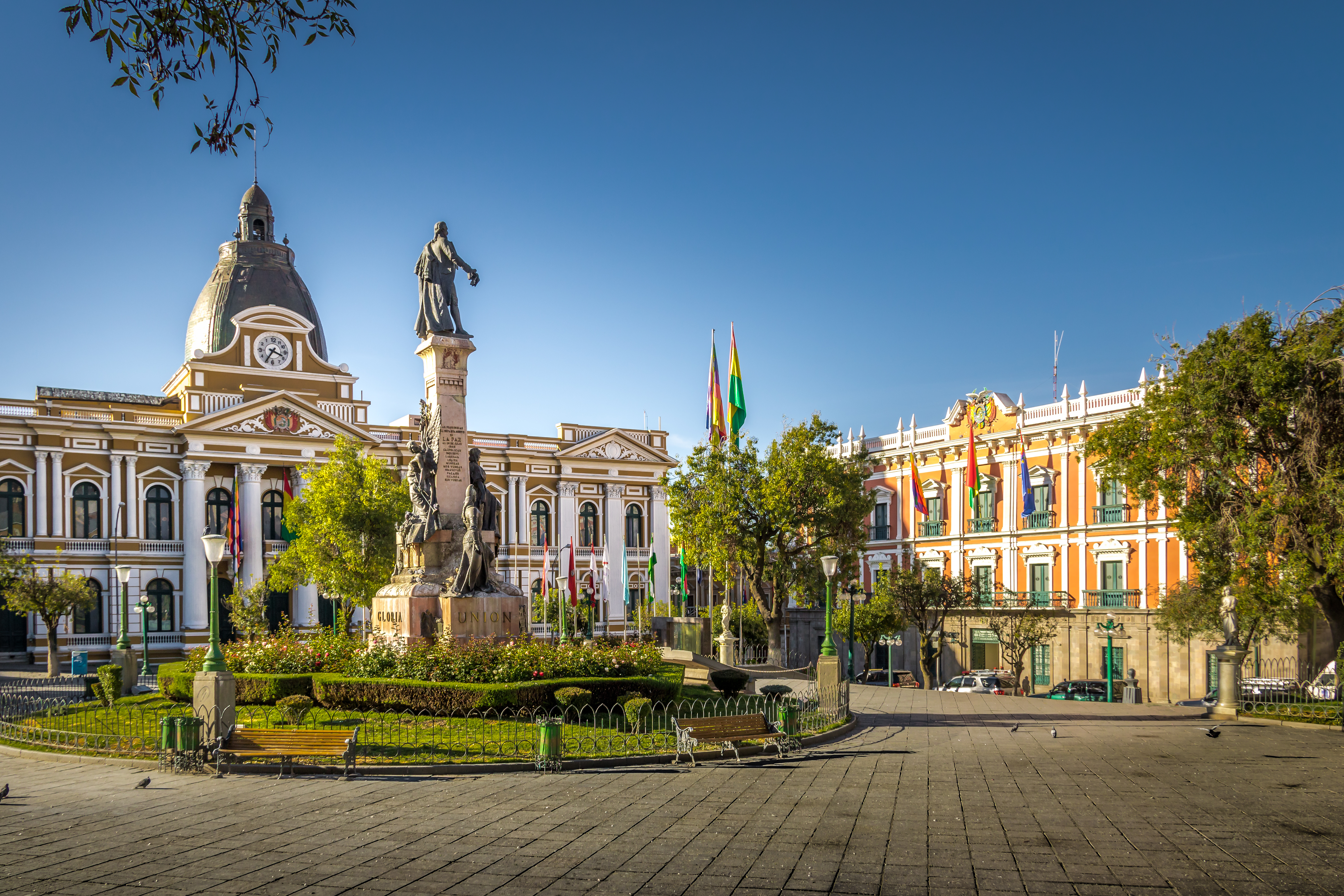
- La Paz Cathedral: Step inside this impressive cathedral on Plaza Murillo, a focal point of the city’s political and historic life, known for its grand interior and religious art.
- Mercado 16 de Julio: Experience one of South America’s largest open air markets, held weekly in El Alto, where everything from fresh produce to clothing and household goods is sold.
- Valle de las Ánimas: Walk through a striking valley of jagged rock towers and narrow ravines, offering a quieter and more atmospheric contrast to the city centre.
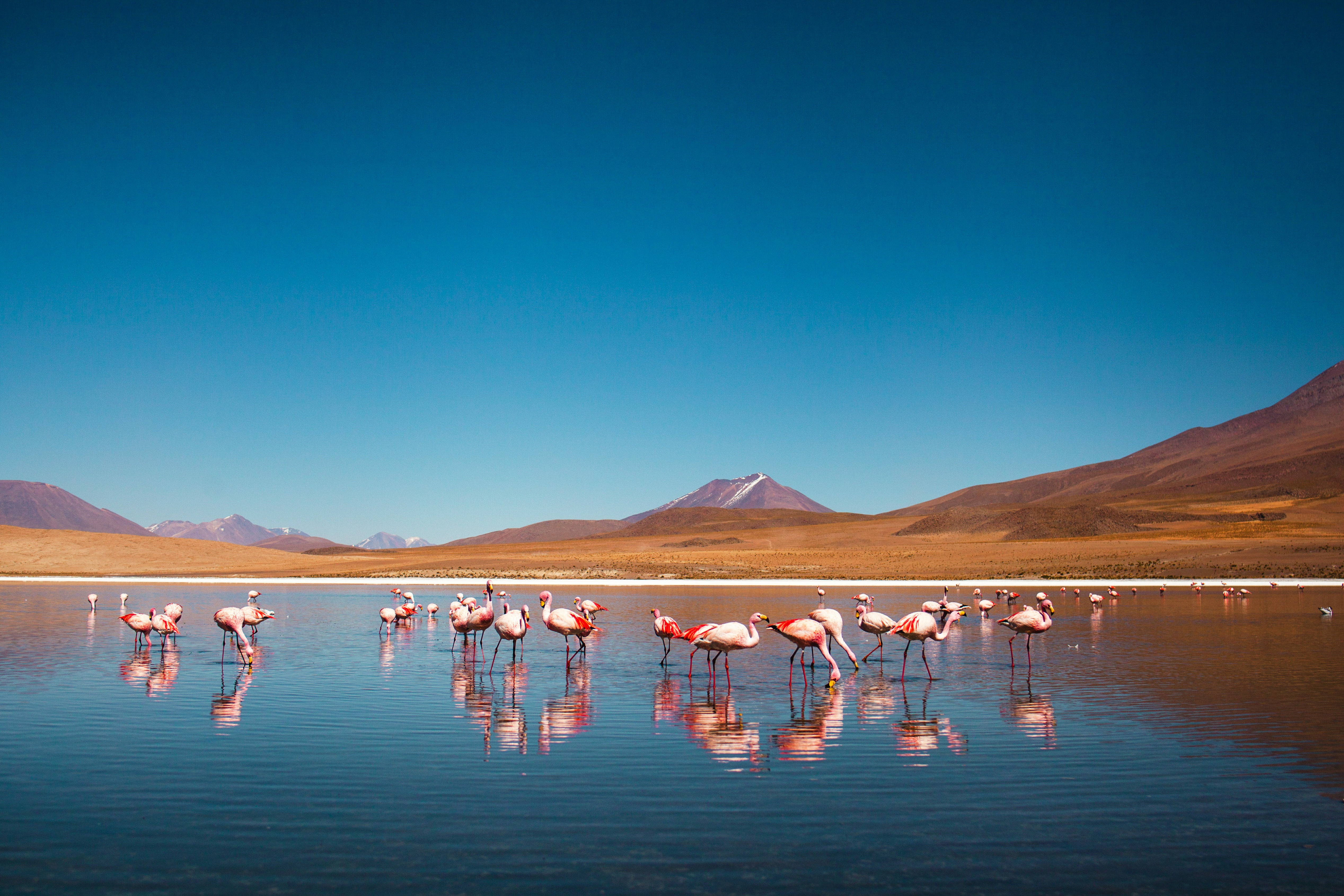
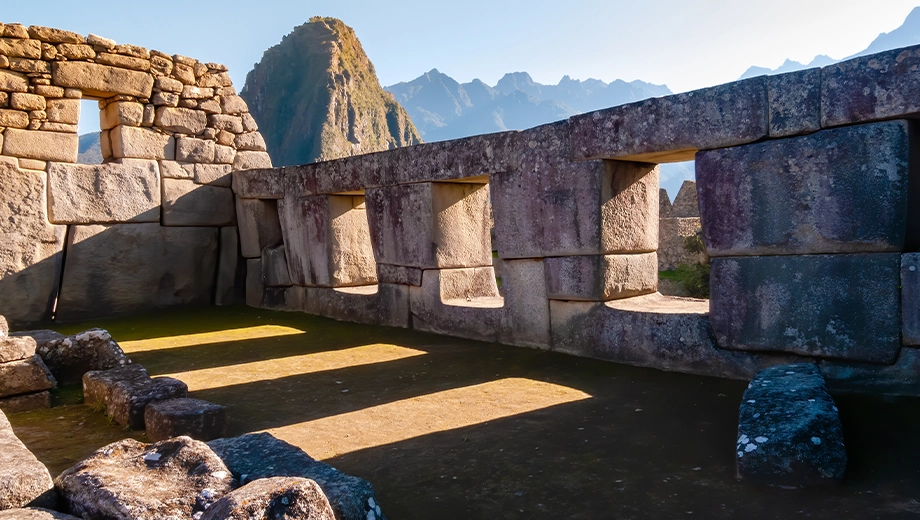
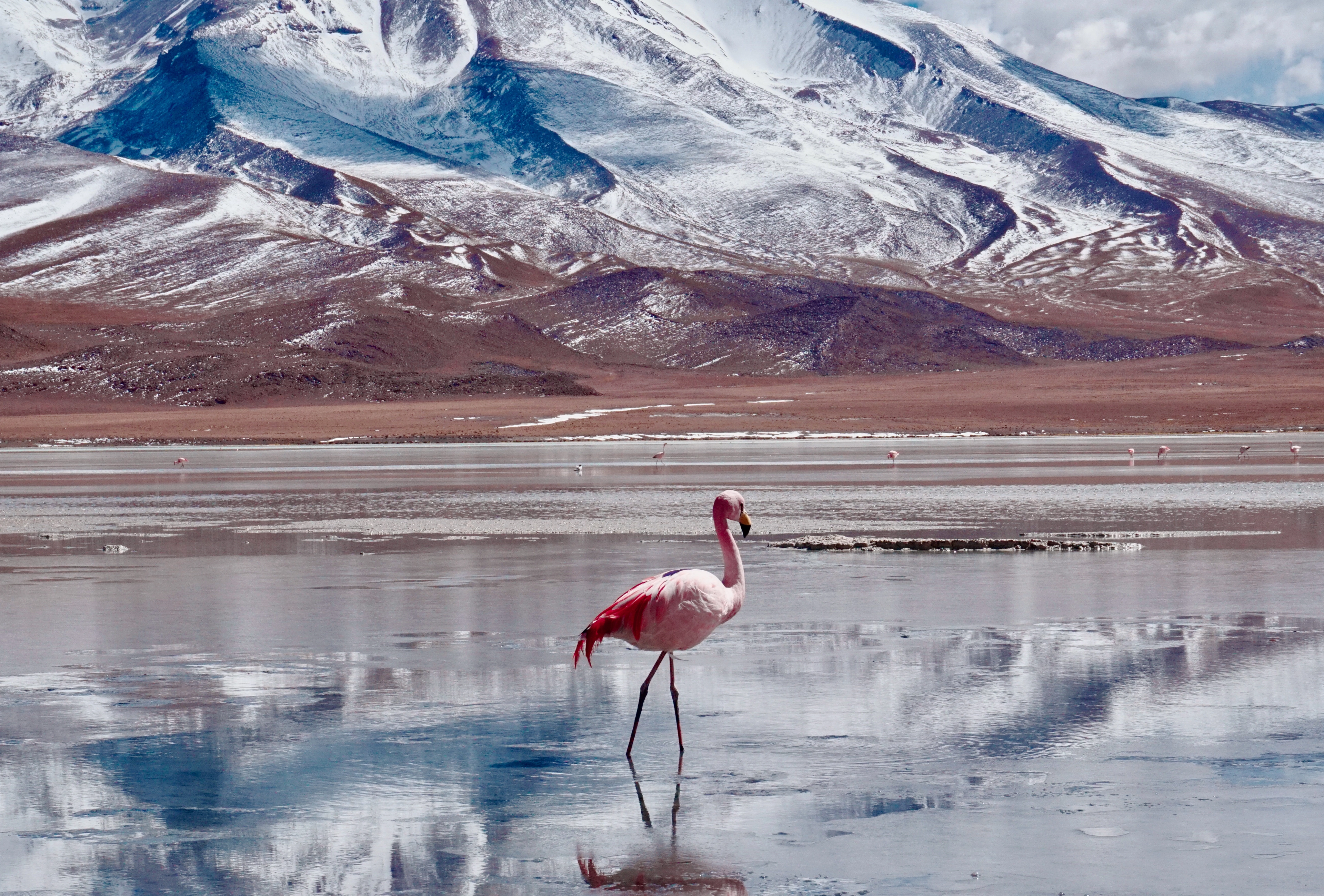
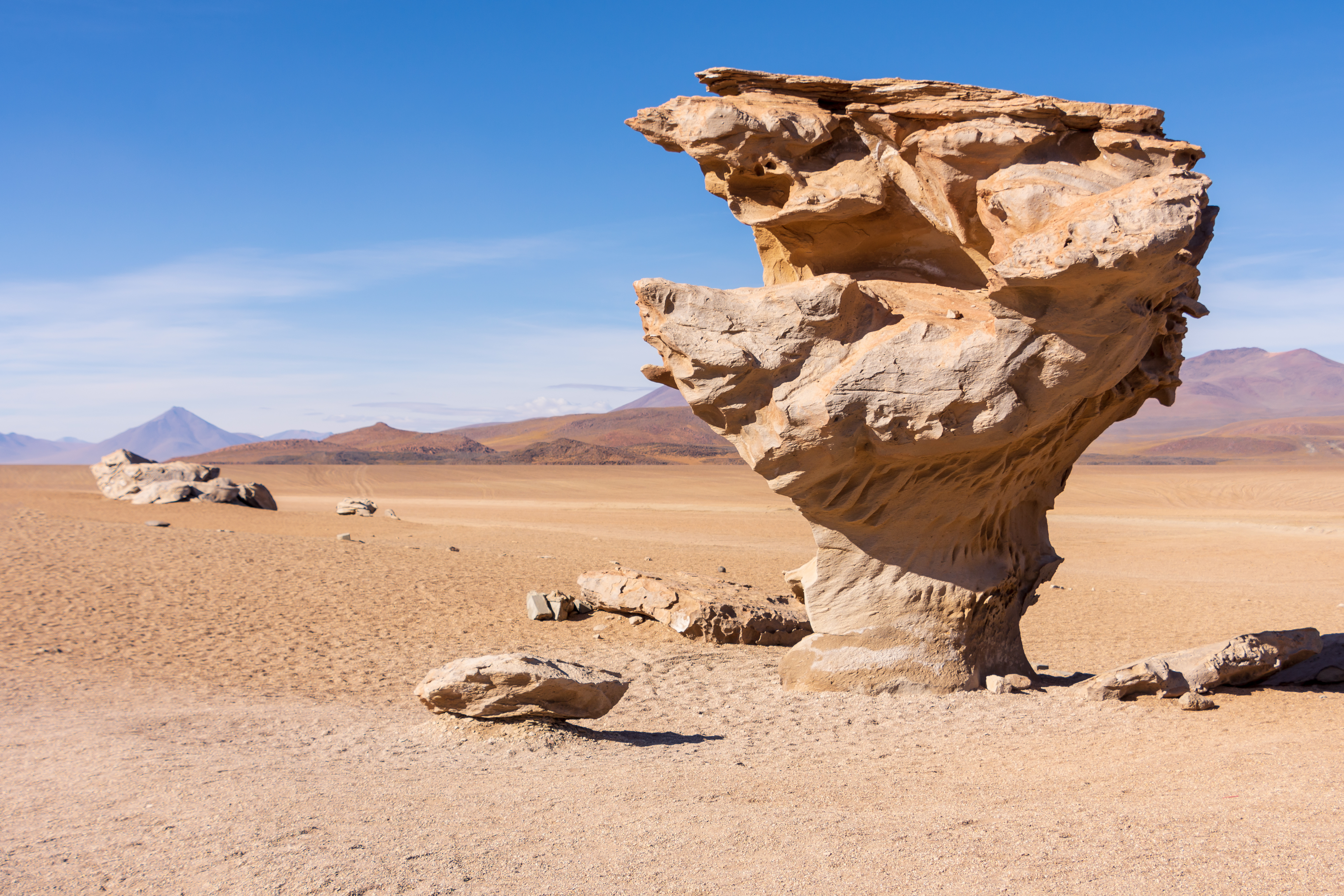
La Paz, Bolivia Highlights
Some of the sights and experiences in and around La Paz, Bolivia

Speak to a Travel Specialist today
La Paz Travel FAQs
What is La Paz known for?
La Paz is known for its dramatic setting high in the Andes, sitting in a deep bowl surrounded by snow capped peaks. It is Bolivia’s political and cultural capital, recognised for its vibrant street life, colourful markets, indigenous traditions, and striking contrasts between modern neighbourhoods and historic areas.
How high is La Paz?
La Paz sits at around 3,650 metres above sea level, making it one of the highest capital cities in the world. Its altitude shapes daily life, scenery, and travel pace, and many itineraries allow time to adjust gradually on arrival.
How long should I spend in La Paz?
Two to three days is ideal for exploring the city itself, including markets, viewpoints, and cultural sites. Travellers often add extra time to include day trips to the Moon Valley, Tiwanaku, or nearby Andean landscapes.
What are the main highlights of La Paz?
Key highlights include the Witches’ Market, Plaza Murillo, the historic centre, and the city’s extensive cable car network, which offers panoramic views across the valley. Nearby attractions such as the Valley of the Moon and Lake Titicaca add further variety to a stay.
Is La Paz easy to get around?
Yes. La Paz is well connected by its cable car system, which links different parts of the city efficiently while offering scenic views. For comfort and flexibility, private transfers and guided services are recommended, particularly when travelling to areas outside the city centre.
Can La Paz be combined with other destinations in Bolivia?
La Paz combines naturally with Lake Titicaca and Copacabana, as well as with Uyuni and the salt flats further south. It also works well as a gateway to the Bolivian Amazon or the Cordillera Real for travellers seeking nature focused experiences.
When is the best time to visit La Paz?
The most popular time to visit is during the dry season from May to October, when days are generally clear and rainfall is low. Temperatures remain cool year round due to the altitude, with colder evenings and early mornings.
Is La Paz suitable for families?
La Paz can suit families with older children who enjoy culture and history. Open markets, cable car rides, and nearby natural attractions offer engaging experiences, while itineraries can be tailored to allow for a comfortable pace at altitude.