


Northeast Brazil: dunes, coastline and cultural journeys
Northeast Brazil is a region of striking landscapes, vibrant culture and rich history. The Route of Emotions takes travellers through some of the area’s most memorable destinations, from the historic streets of São Luís, a UNESCO World Heritage Site, to the surreal dunes and lagoons of Lençóis Maranhenses and the waterways of the Parnaíba Delta. Along the way, discover remote communities, natural beauty and authentic cultural experiences. Lençóis Maranhenses, accessed from Santo Amaro, Atins or Barreirinhas, is ideal for those seeking adventure, while Fortaleza combines urban energy with beautiful beaches.
Fortaleza to São Luís: gateway to the Route of Emotions
The Route of Emotions (Rota das Emoções) is a captivating journey through Northeast Brazil, linking coastal landscapes, national parks and cultural highlights across Ceará, Piauí and Maranhão. Starting in Fortaleza, the route leads west to Jericoacoara, known for its wide beaches and relaxed atmosphere, before continuing through the wildlife-rich Parnaíba Delta and on to Lençóis Maranhenses National Park.
Along the way, smaller towns such as Camocim and Atins offer opportunities to explore by buggy, enjoy watersports or take in the scenery at a slower pace. Whether travelling along coastal tracks or across rolling dunes, the journey reveals a different side of Brazil, shaped by nature and tradition.
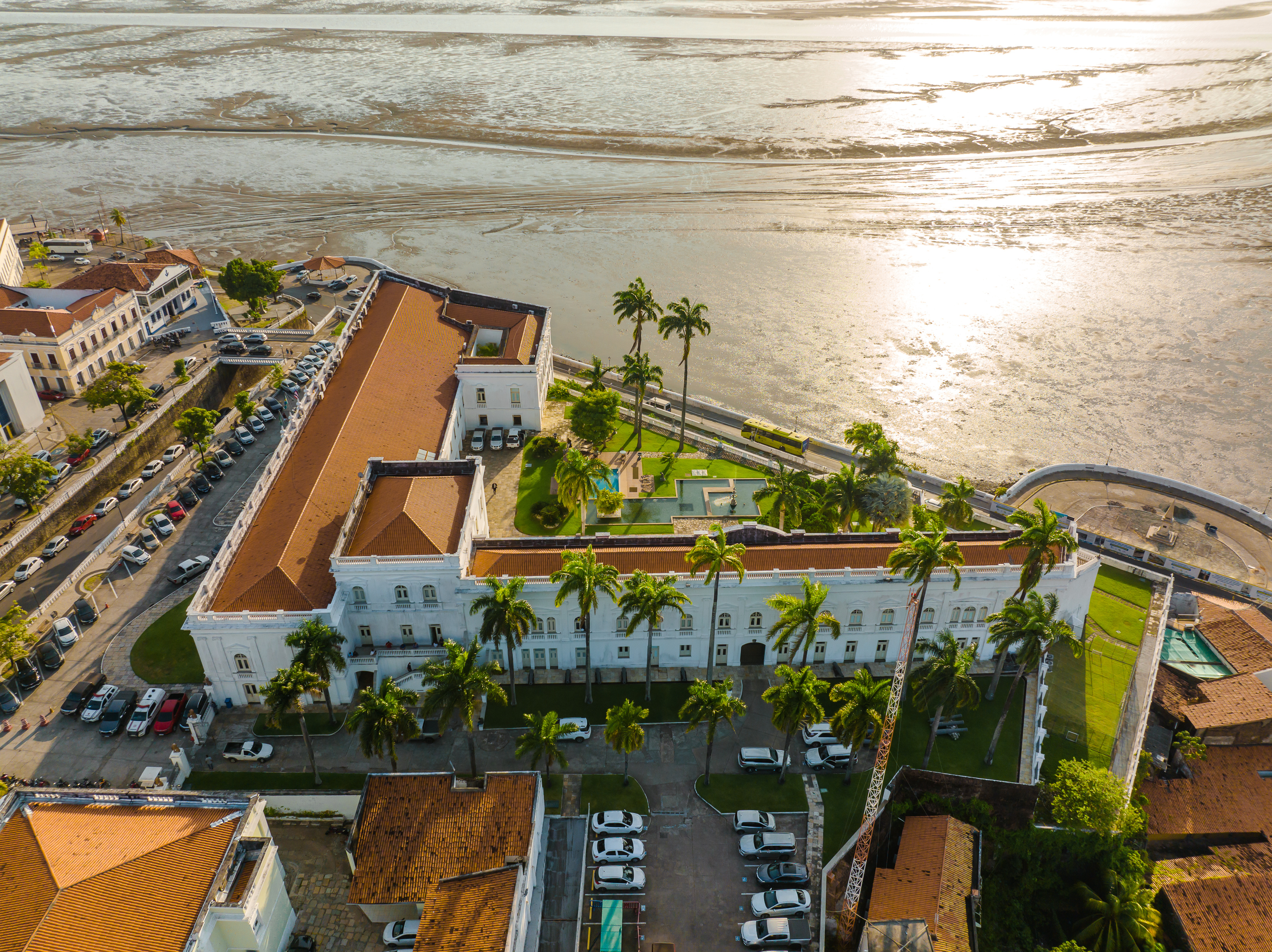

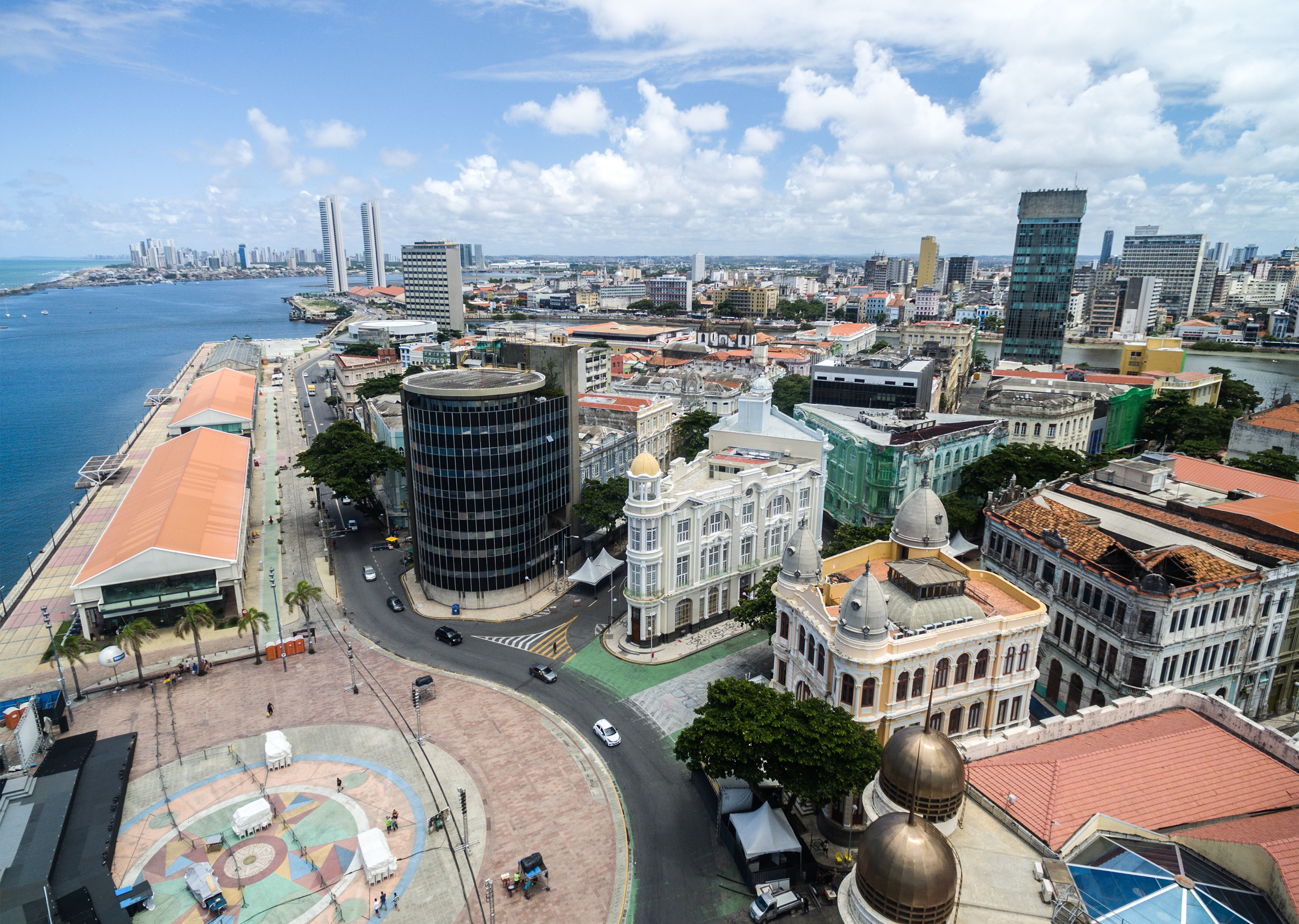
For added cultural depth, Recife and Olinda offer historic architecture and vibrant local life, while São Luís stands out for its preserved centre and strong Afro-Brazilian heritage.
Fernando de Noronha: a remote island escape
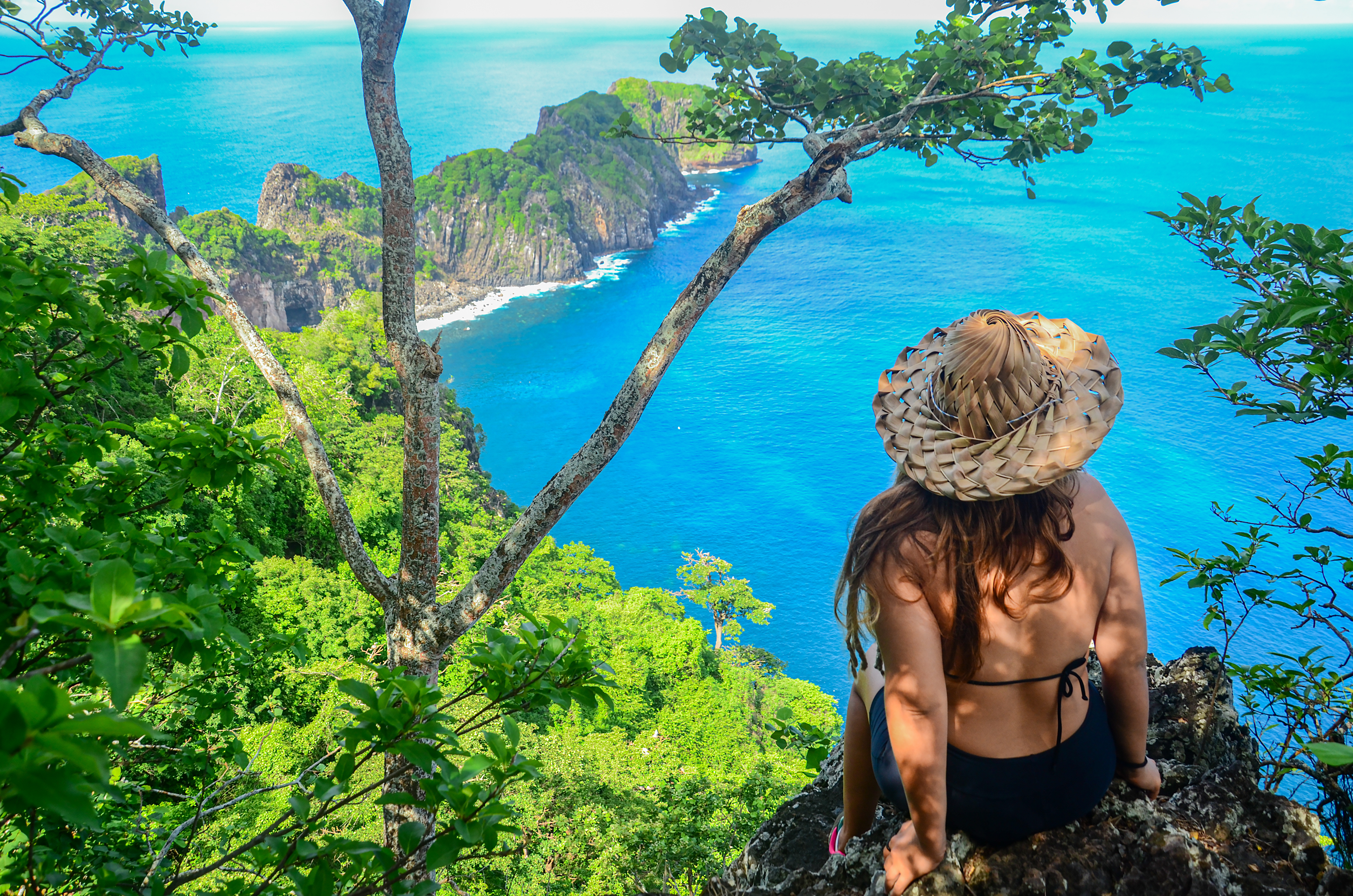
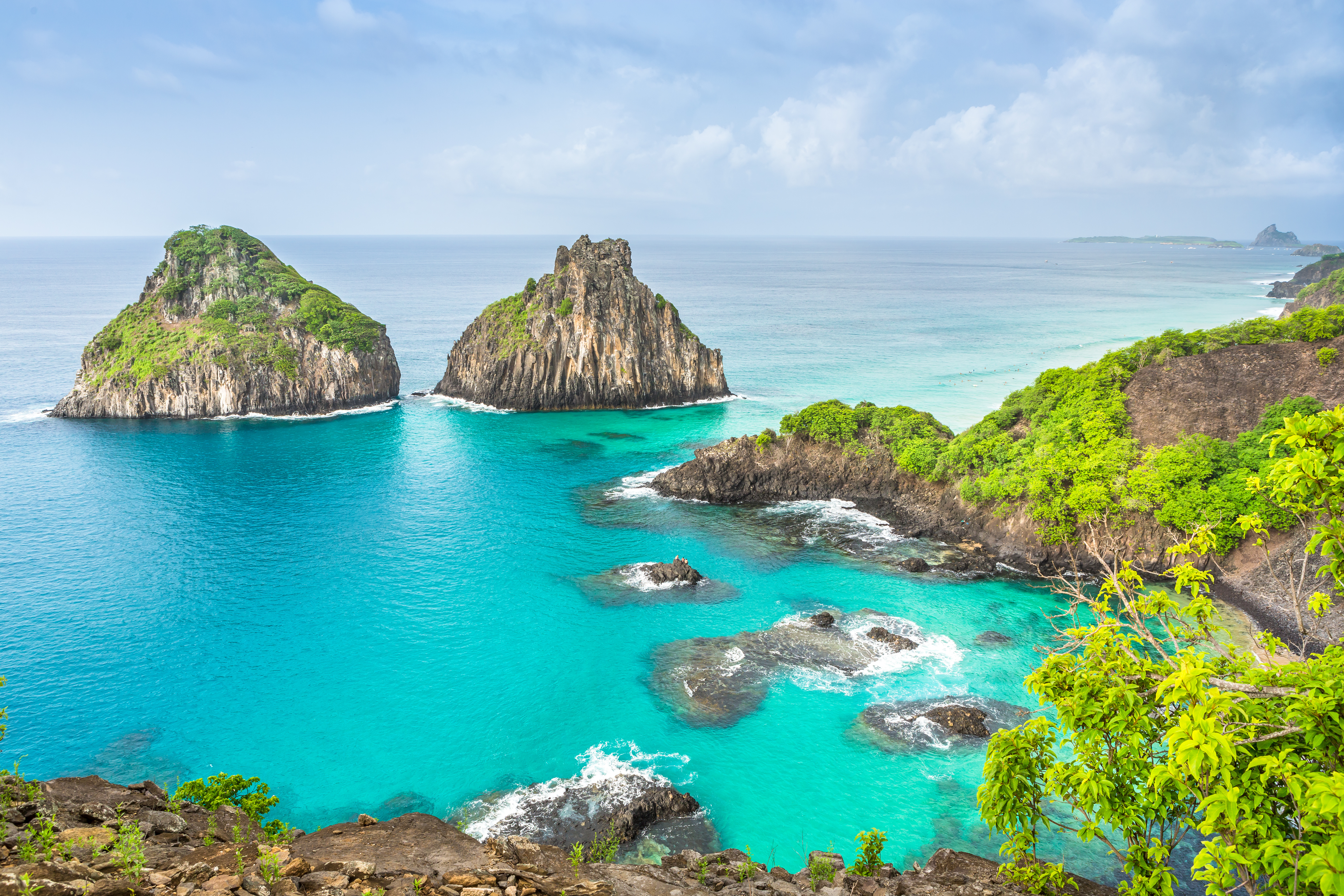
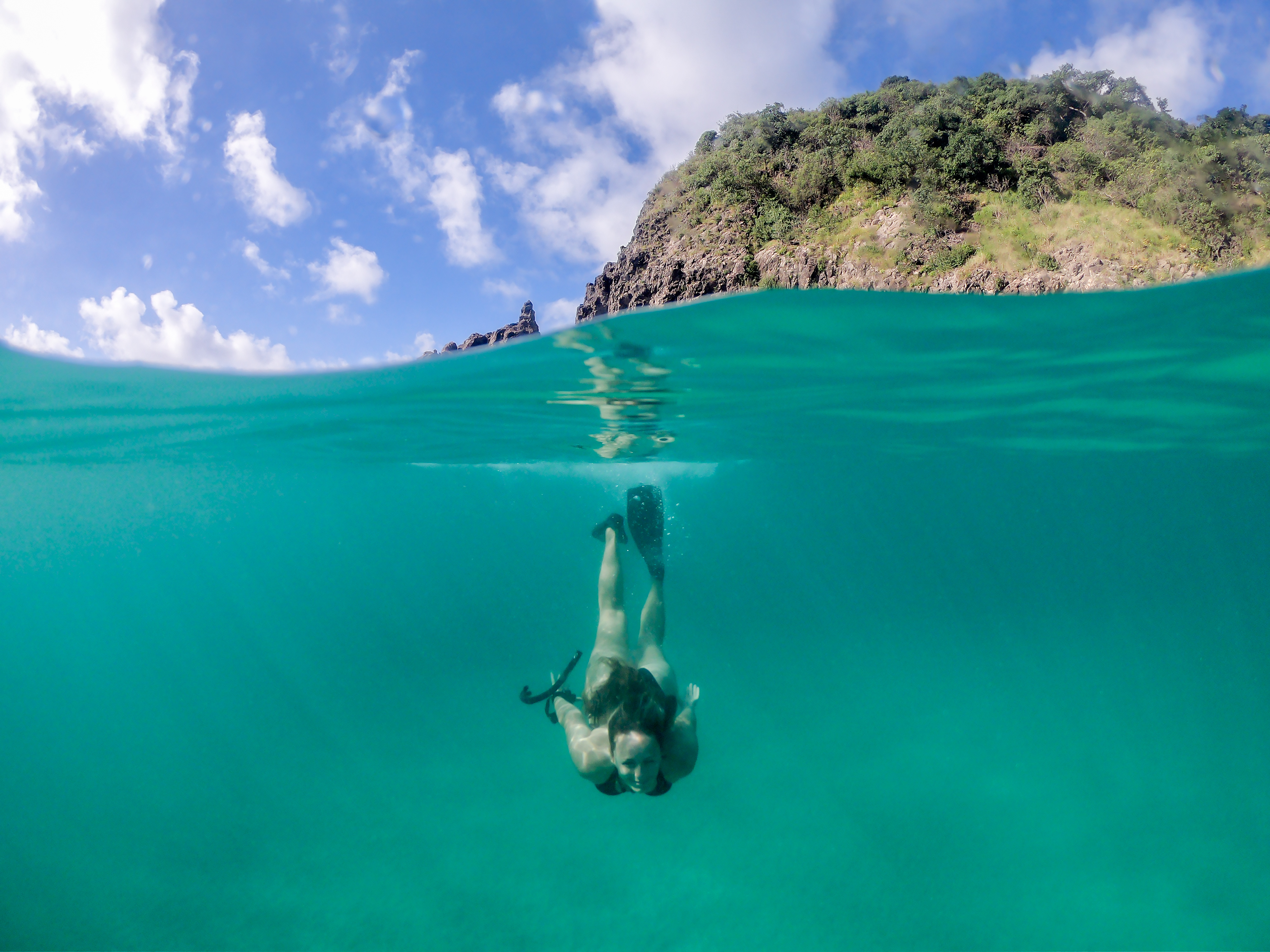
Fernando de Noronha is a protected archipelago in the Atlantic, reached by a short flight from Recife or Natal. Recognised as a UNESCO World Heritage Site, it is known for its clear waters, marine life and unspoilt beaches. With limited visitor numbers, it offers a more secluded setting, ideal for snorkelling, diving or simply unwinding by the coast.
Why visit Northeast Brazil?

Brazil

-3 hours

Real (BZL)

Route of Emotions
When is the best time to visit Northeast Brazil and the Route of Emotions?
Northeast Brazil enjoys warm temperatures year-round, often reaching up to 32°C, making it a rewarding destination in any season. The best time to travel along the Route of Emotions is generally between September and March, when conditions are drier and ideal for beach days, coastal journeys and outdoor exploration.
Fortaleza is at its liveliest during this period, with long, sunny days and a vibrant atmosphere. Between April and August, brief afternoon showers are more common, though temperatures remain warm and travel is still enjoyable.
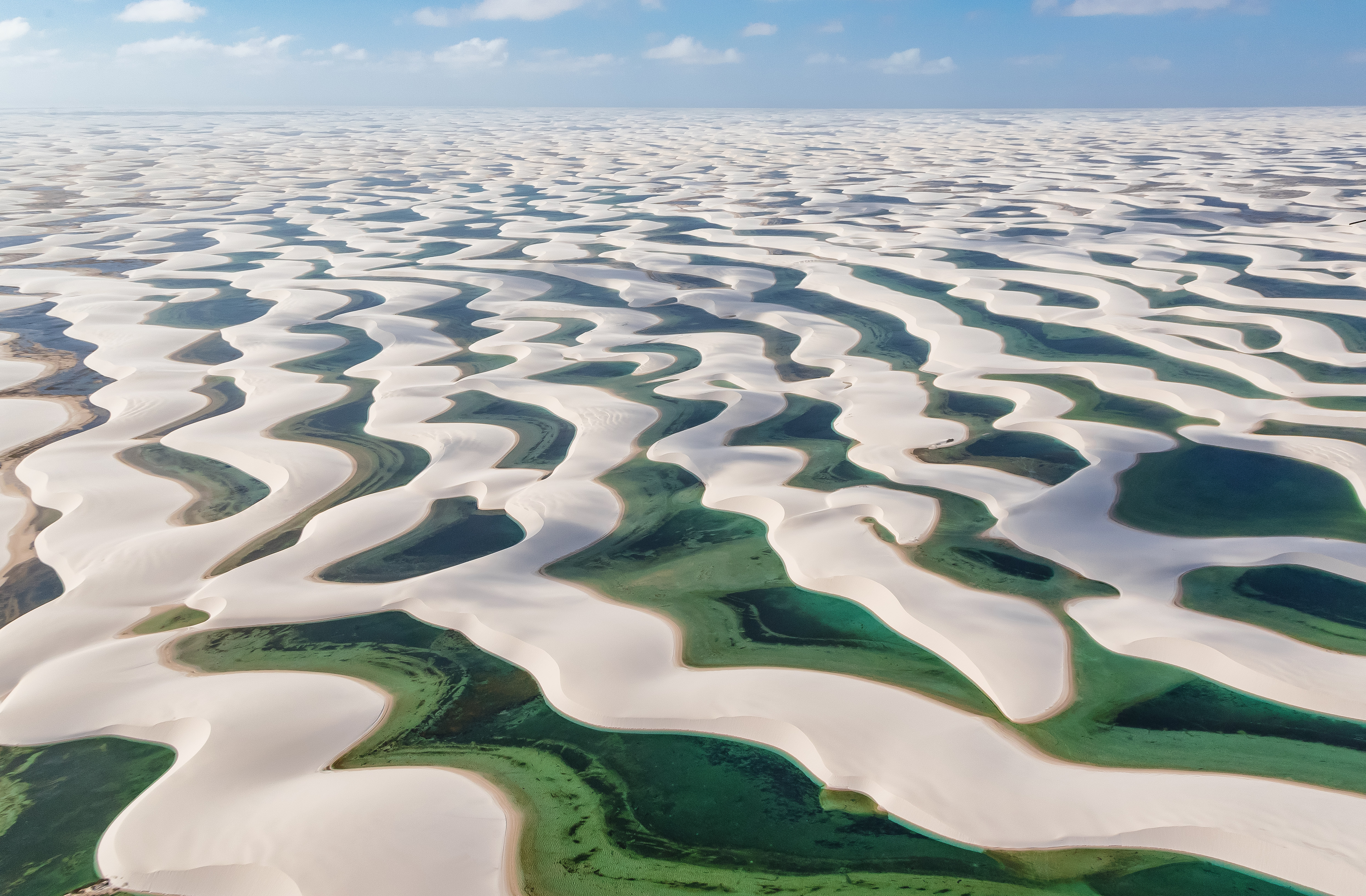
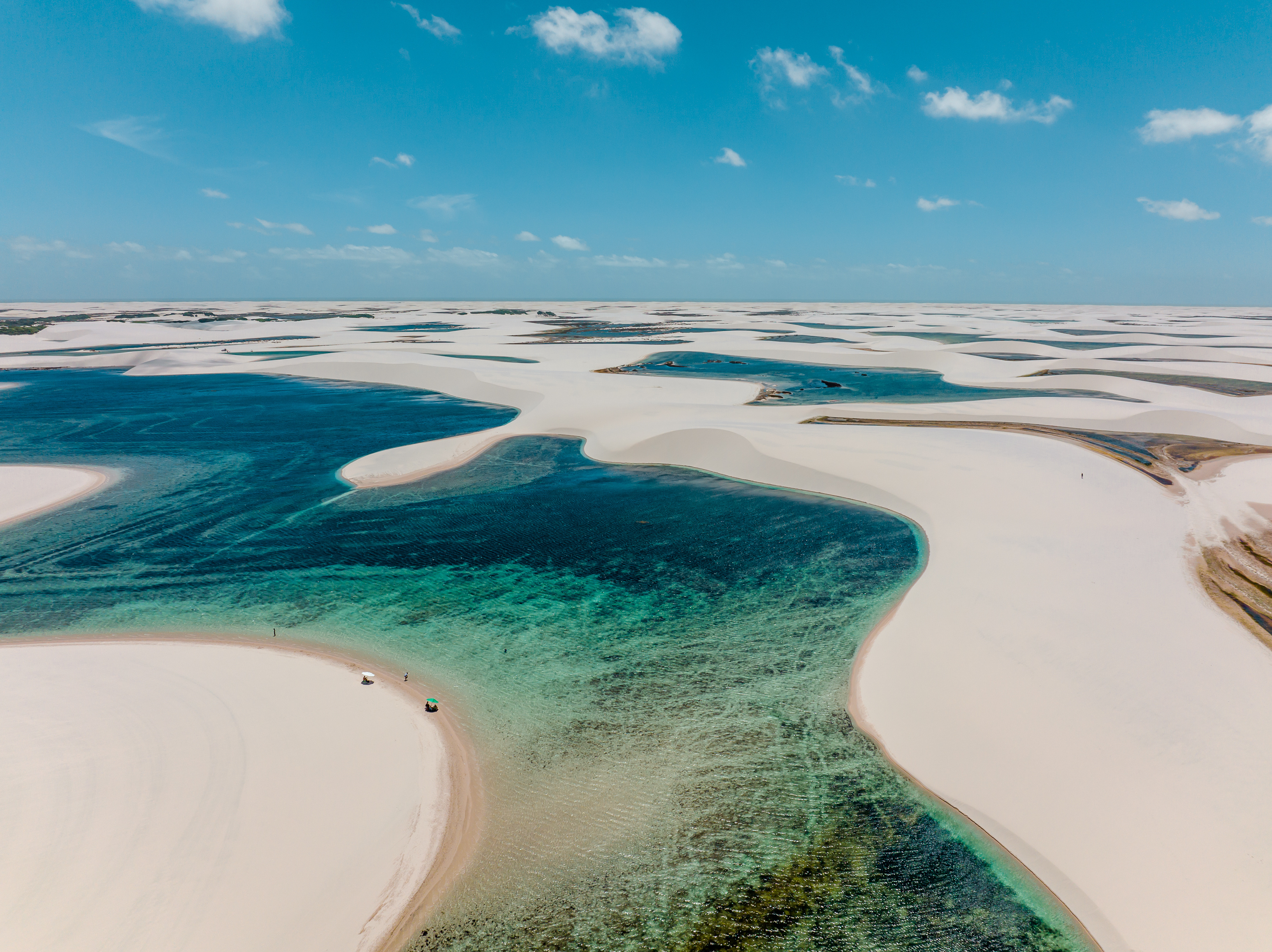
For Lençóis Maranhenses National Park, the best time to visit is from June to September, when seasonal lagoons form between the dunes, creating the region’s most striking landscapes. Visiting São Luís in June also offers the chance to experience the Bumba Meu Boi festival, a highlight of the local cultural calendar.
Fernando de Noronha is particularly appealing between September and March, when calm seas and clear waters are ideal for snorkelling and diving. While April to August brings occasional rainfall, it remains warm, and the island retains its appeal with fewer visitors and lush scenery.
About Northeast Brazil and its surrounding areas
Things to do in Northeast Brazil and along the Route of Emotions
Explore São Luís
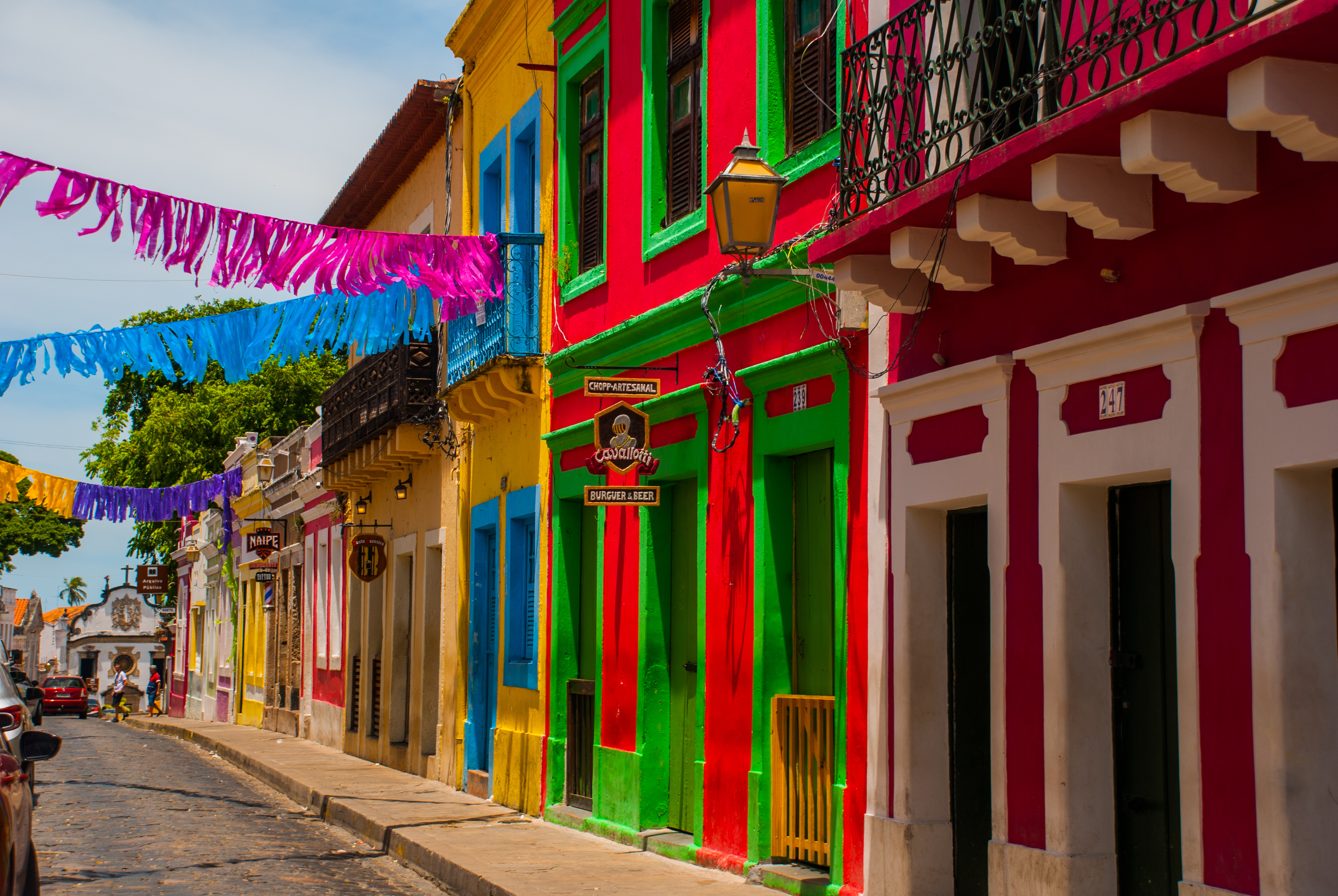
- Wander through the UNESCO-listed historic centre, known for its colourful buildings and Afro-Brazilian heritage
- Relax on beaches such as Praia do Calhau and Praia de São Marcos
- Visit cultural centres, museums and galleries showcasing local history and traditions
Discover Recife and Olinda
- Stroll through Olinda’s historic streets, with baroque architecture and a lively cultural scene
- Explore Recife’s historic centre, including Marco Zero and the Museu do Frevo
- Relax on Boa Viagem beach or enjoy a quieter setting at Praia de Pina
Experience Fortaleza and the Ceará coast
- Visit the Dragão do Mar Cultural Centre for exhibitions and performances
- Enjoy Fortaleza’s nightlife, particularly around Praia de Iracema
- Relax on Praia do Futuro, known for its beach bars and seafood
- Take a day trip to Morro Branco and Canoa Quebrada for dramatic cliffs and coastal scenery
Visit Jericoacoara
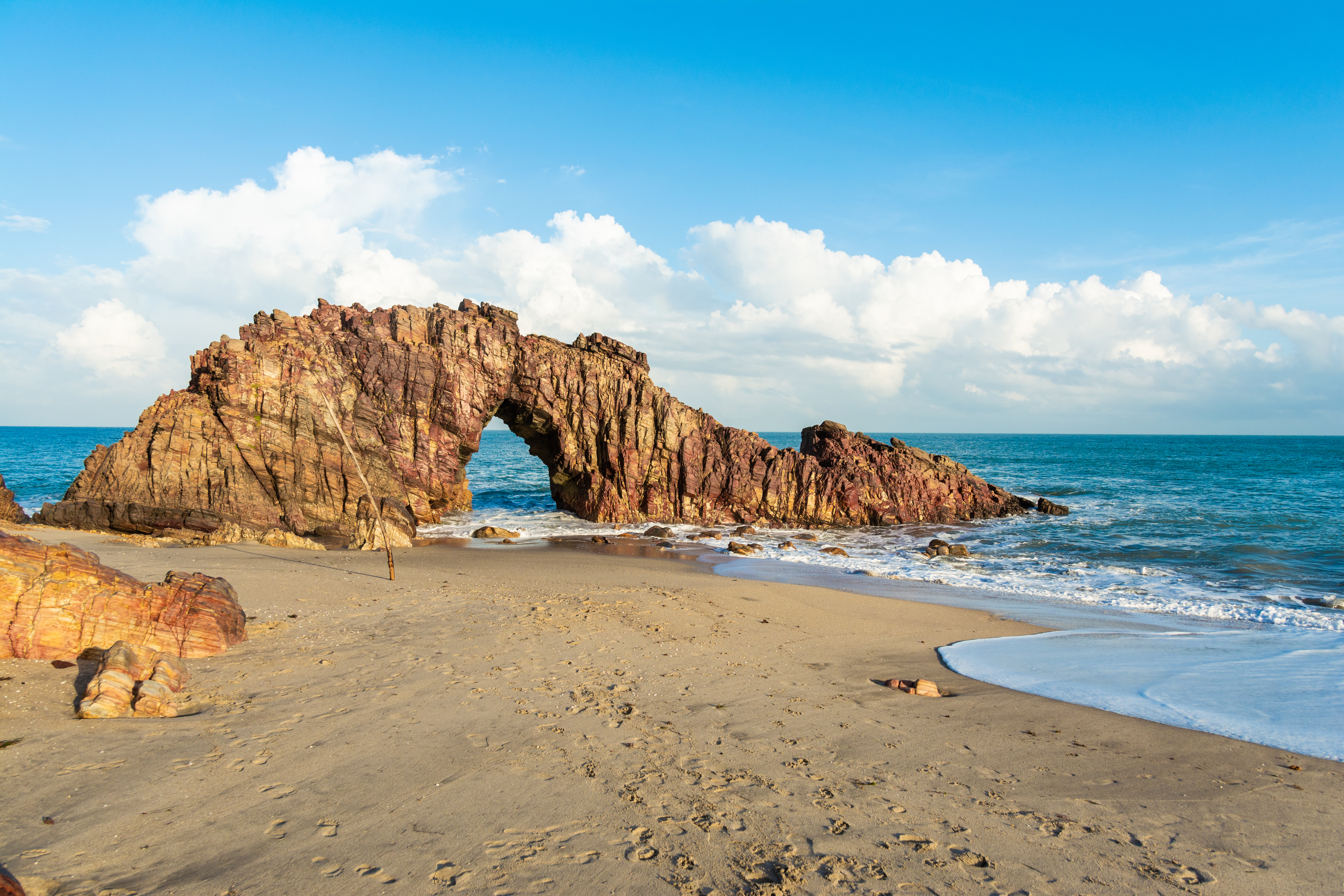
- Explore wide beaches, dunes and lagoons in this laid-back coastal destination
- Try windsurfing or kitesurfing, or simply take in the sunset over the dunes
Explore Lençóis Maranhenses and the Route of Emotions
- Visit Lençóis Maranhenses National Park, known for its white dunes and seasonal lagoons
- Take a boat trip through the Parnaíba Delta, with its waterways, islands and wildlife
- Discover Atins, a relaxed village ideal for exploring nearby dunes and enjoying local cuisine
Things to do in Fernando de Noronha
- Relax at Baía do Sancho, known for its clear waters and natural setting
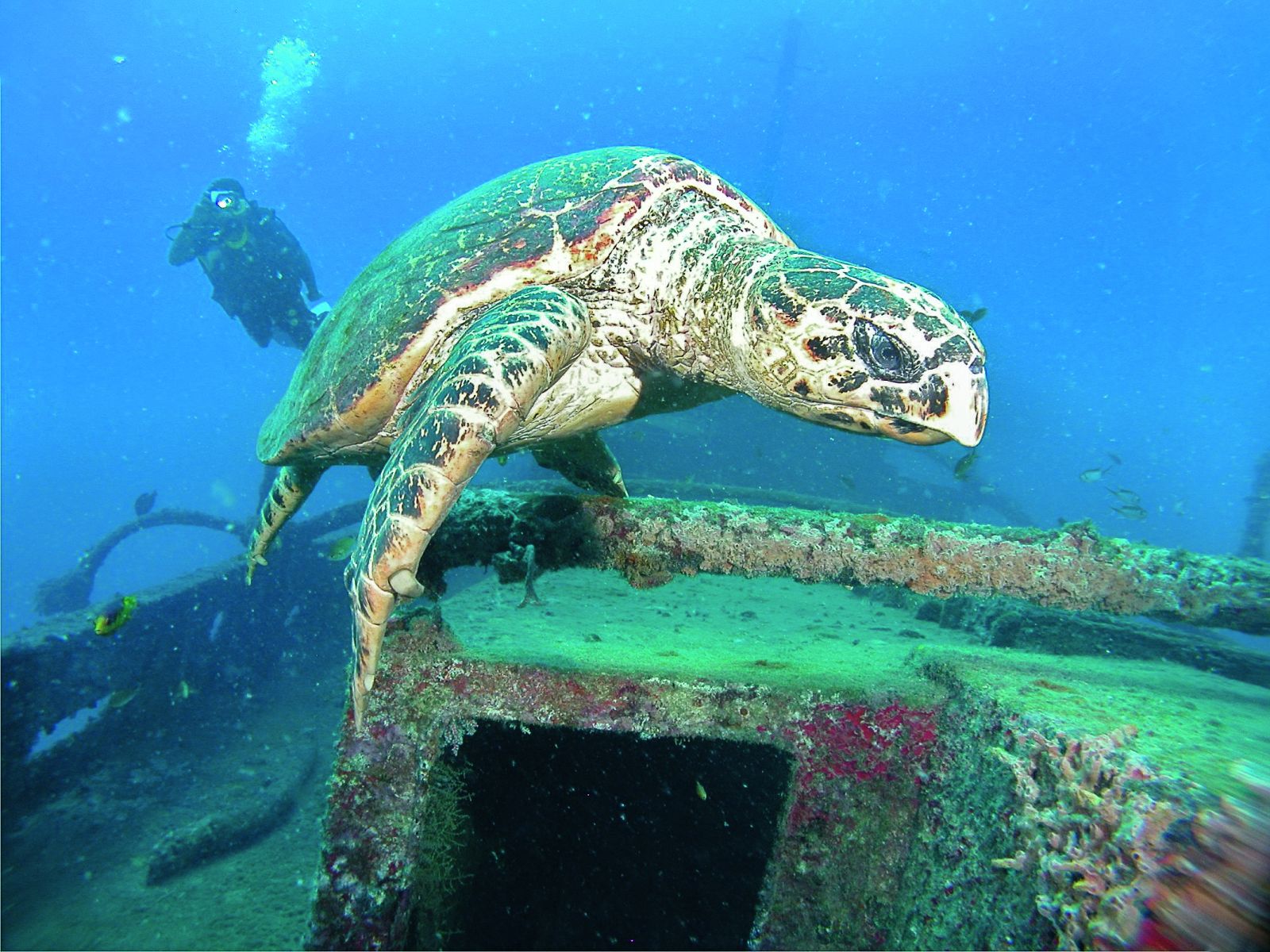
- Go snorkelling or diving to see marine life including turtles and dolphins
- Visit Ponta da Sapata for coastal views and unique rock formations
- Hike to Mirante dos Golfinhos to watch dolphins at sunrise
Highlights of Northeast Brazil
Some of the sights and experiences in and around Fortaleza and Fernando de Noronha

Speak to a Travel Specialist today
Northeast Brazil - The Route of Emotions Travel FAQs
What is the Route of Emotions?
How long do you need for the Route of Emotions?
A typical Route of Emotions journey takes 7 to 10 days, allowing time to explore Jericoacoara, the Parnaíba Delta and Lençóis Maranhenses at a relaxed pace.
How do I travel along the Route of Emotions?
Travelling the route involves a combination of 4x4 vehicles, dune buggies, boats, and small aircraft. The terrain is remote and often sandy, so guided or organised travel is essential. Most travellers begin the route in São Luís (Maranhão) and end in Jericoacoara, or vice versa.
What is Lençóis Maranhenses and when can I see the lagoons?
Lençóis Maranhenses National Park is a surreal landscape of white sand dunes dotted with freshwater lagoons. These lagoons fill up during the rainy season and are at their most beautiful from June to September, when they’re full and perfect for swimming. It's one of the most unique natural wonders in Brazil.
Is Jericoacoara worth visiting?
Absolutely. Jericoacoara, often called “Jeri,” is a remote beach village famed for its laid-back vibe, kite surfing, and golden sunsets. Surrounded by sand dunes and with no paved roads, it’s ideal for relaxing after an adventure-filled journey. Don’t miss the walk to the Sunset Dune or a visit to the iconic Pedra Furada (Holed Rock).
What wildlife can you see in Northeast Brazil?
Northeast Brazil is home to a diverse range of wildlife across its varied landscapes. Along the Route of Emotions, ecosystems shift from dunes and lagoons to wetlands and mangroves, creating ideal habitats for many species. In the Parnaíba Delta, boat trips through its waterways offer opportunities to spot scarlet ibis, monkeys and caiman, along with a wide variety of birdlife.
Along the coast, particularly in Fernando de Noronha, the focus turns to marine life. Here, you may encounter dolphins, sea turtles and an array of tropical fish, making it one of Brazil’s most rewarding destinations for wildlife experiences both on land and at sea.
What Active/Adventure activities can I take part in along the route?
Beyond its striking landscapes, the Route of Emotions offers a range of active and cultural experiences. Explore the dunes of Lençóis Maranhenses on guided walks, paddle through the waterways of the Parnaíba Delta or cycle through the sandy streets of Jericoacoara.
Along the way, connect with local communities through artisan workshops, discover traditional fishing techniques and learn how to prepare regional dishes such as moqueca. This journey combines adventure, culture and hands-on experiences, creating a well-rounded and immersive Brazil holiday.
Are there cultural experiences or local dishes to try along the route?
When is the best time to visit Northeast Brazil?
Northeast Brazil is warm year-round, but the best time to visit is typically between September and March, when conditions are drier and ideal for beaches and outdoor activities.
When should I visit Lençóis Maranhenses?
The best time to visit Lençóis Maranhenses is from June to September, when the lagoons are full and the landscape is at its most striking.
How do you get to the Route of Emotions from the UK?
Flights from the UK usually connect via São Paulo or Lisbon to Fortaleza or São Luís. From there, private transfers are the best way to travel along the Route of Emotions.
What are the highlights of the Route of Emotions?
Key highlights include the dunes and lagoons of Lençóis Maranhenses, the waterways of the Parnaíba Delta and the beaches of Jericoacoara.
Is Northeast Brazil suitable for a multi-centre holiday?
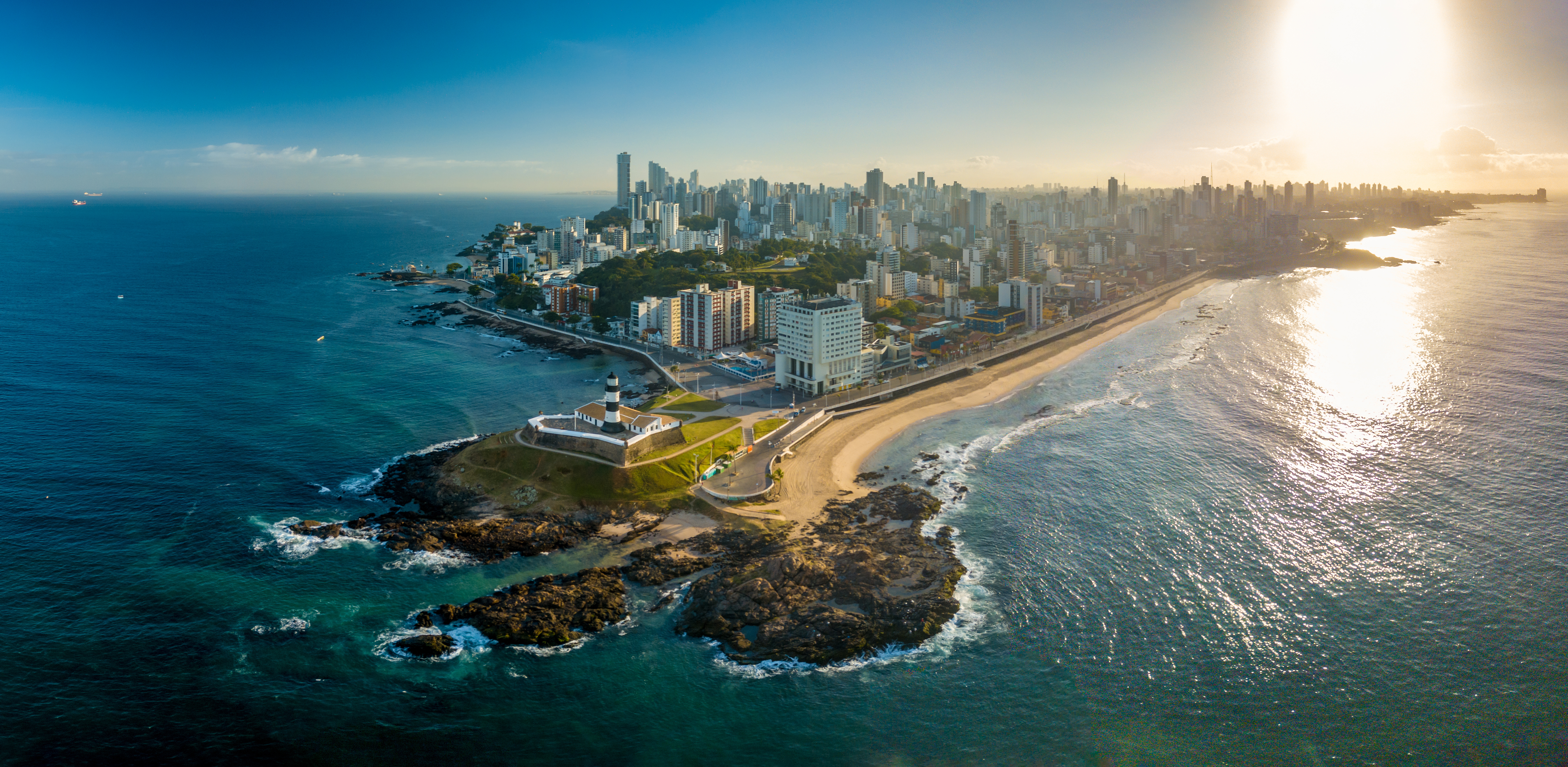
Yes, Northeast Brazil works particularly well as part of a multi-centre Brazil holiday. It can be combined with Rio de Janeiro for iconic landmarks and beaches, Salvador for culture and heritage, or the Amazon Rainforest for wildlife and nature. This creates a varied journey that balances coastline, culture and natural landscapes.
What is Fernando de Noronha known for?
Fernando de Noronha is known for its clear waters, marine life and protected beaches, making it one of the best places in Brazil for snorkelling and diving.
Is Northeast Brazil good for beaches?
Yes, the region is home to some of Brazil’s most scenic coastlines, with a mix of lively beach towns and quieter, more remote stretches.