


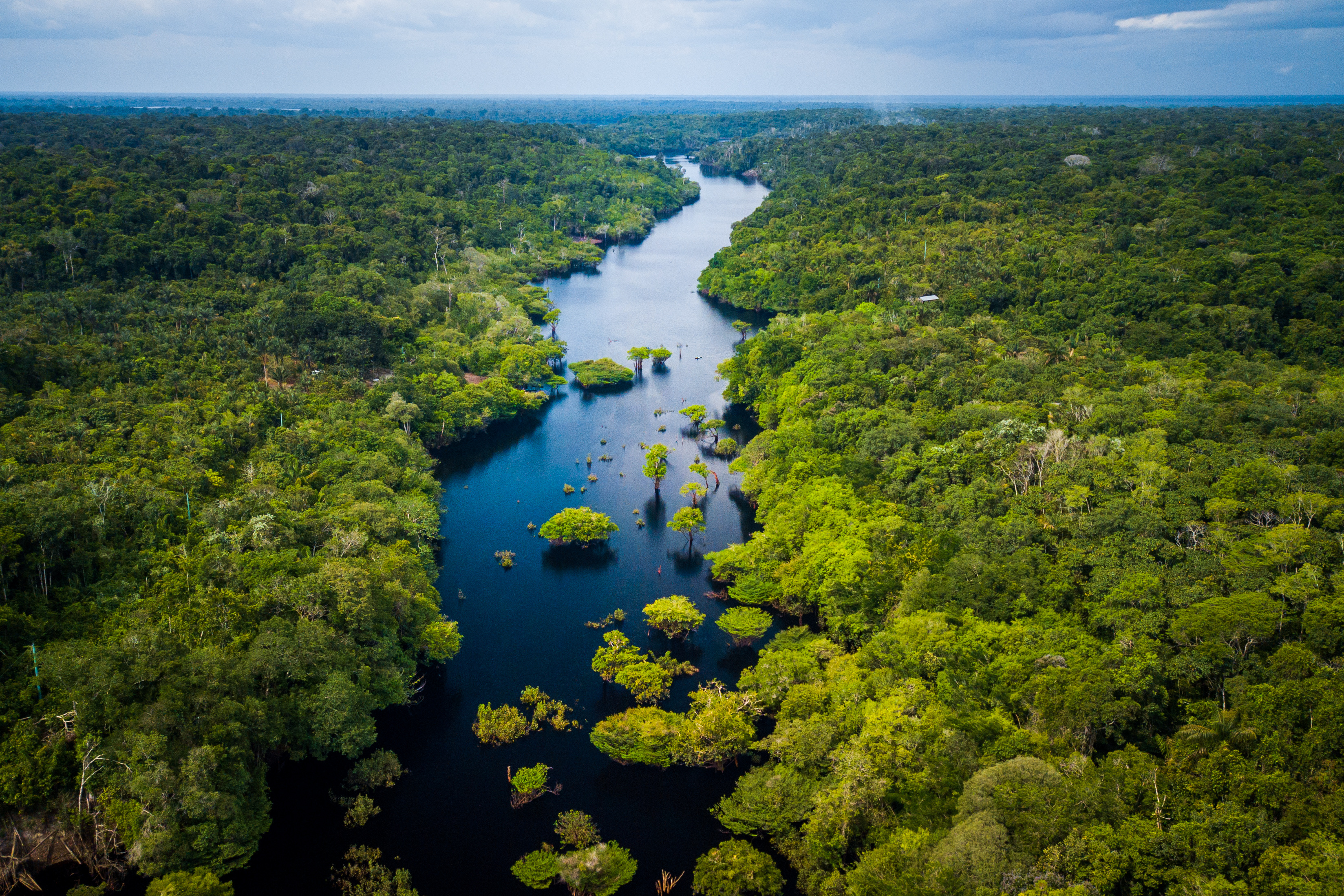
Experience Brazil’s Amazon Rainforest: A World of Wildlife & Nature
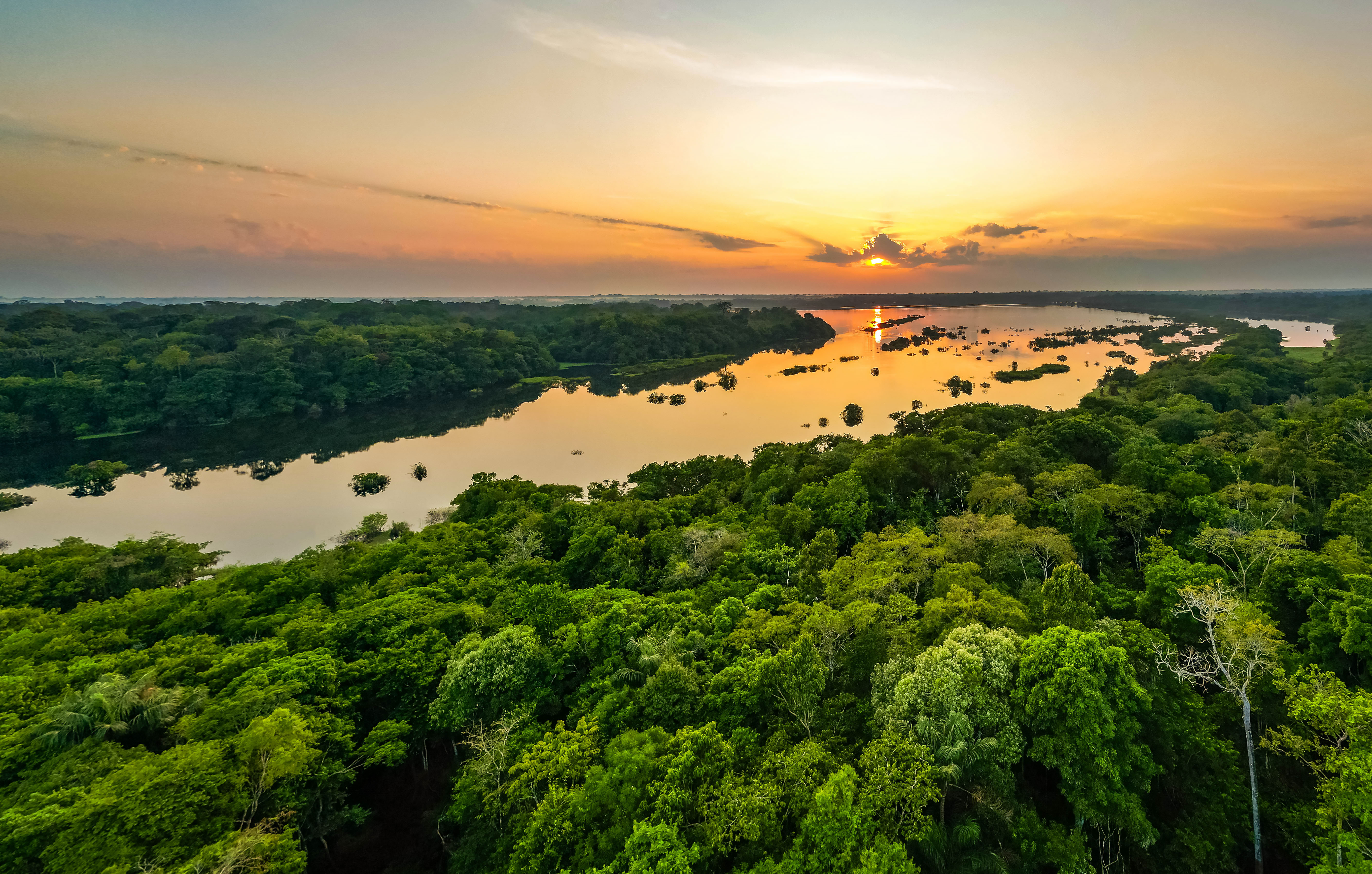
Covering nearly half of Brazil and extending into eight other countries in Latin America, the Amazon Rainforest is the largest rainforest on Earth and home to the vast Amazon River. This immense and biodiverse region offers an extraordinary natural environment, where dense jungle, winding waterways and rich ecosystems create one of the planet’s most important landscapes.
The Amazon is renowned for its remarkable wildlife, from monkeys and sloths to colourful birdlife and countless plant species. Exploring with expert guides allows you to uncover the rainforest’s hidden details, whether walking beneath the canopy, travelling by boat along quiet tributaries or venturing out at night to experience the jungle after dark.
Why visit the Amazon Rainforest?
The Brazilian Amazon provides one of the most accessible ways to experience this vast ecosystem, with a range of carefully selected jungle lodges and guided excursions. These immersive stays offer a deeper understanding of the region, combining wildlife encounters with insight into the traditions and knowledge of indigenous communities.
From river journeys and wildlife spotting to simply enjoying the sounds of the rainforest, the Amazon offers a unique sense of scale and connection to nature. It is an unforgettable addition to any Brazil holiday, ideal for those seeking a truly immersive and meaningful travel experience.

Brazil

-3 hours

Real (BRL)

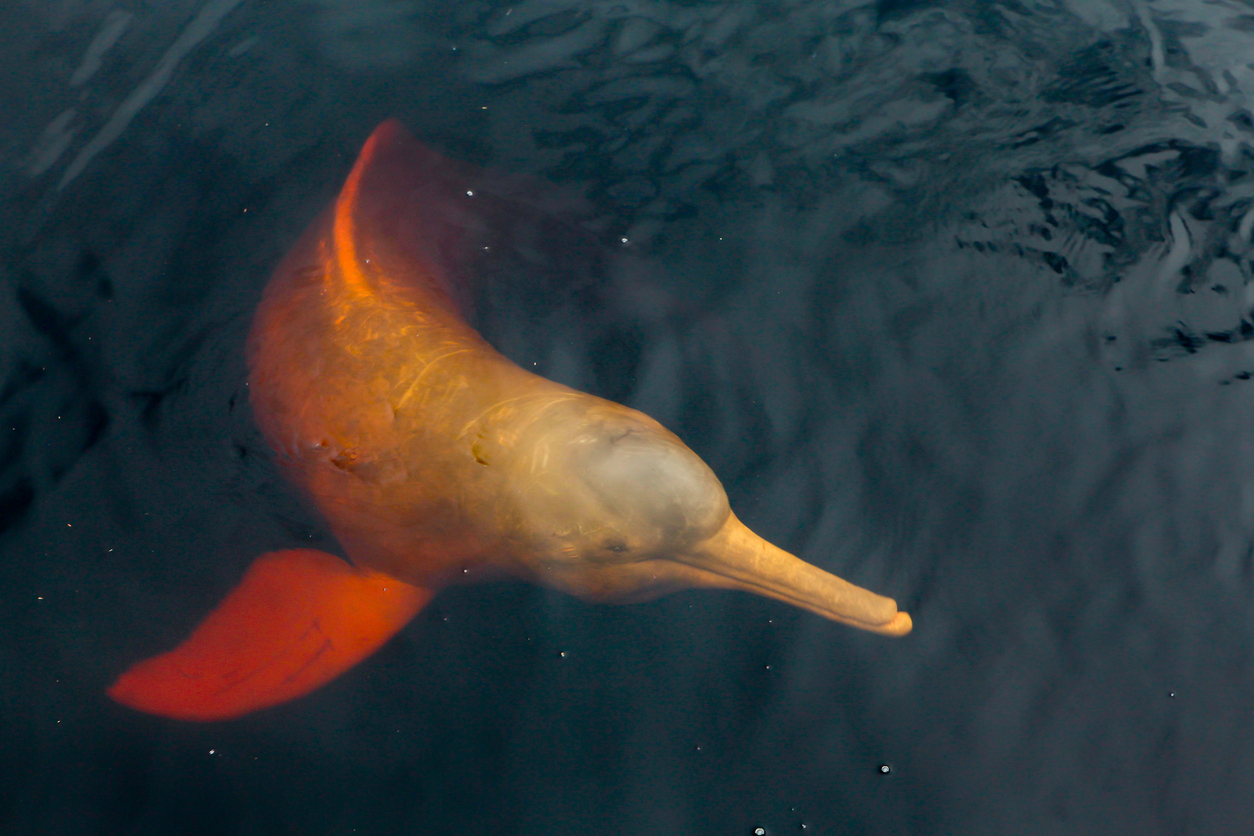
Pink River Dolphins
When is the best time to go to the Brazilian Amazon Rainforest?
The Amazon Rainforest has two main seasons, each offering a different experience.
Dry season (July to November)
Temperatures range from 26°C to 40°C, with lower rainfall and better conditions for wildlife spotting, as animals gather around water sources.
Wet season (December to June)
Temperatures range from 23°C to 30°C, with higher humidity and frequent rain. During this time, flooded waterways make canoeing and river exploration easier, and the landscape is at its most lush.
The Amazon remains warm and humid year-round, offering an immersive rainforest experience at any time of year.
About The Brazilian Amazon and its surrounding areas
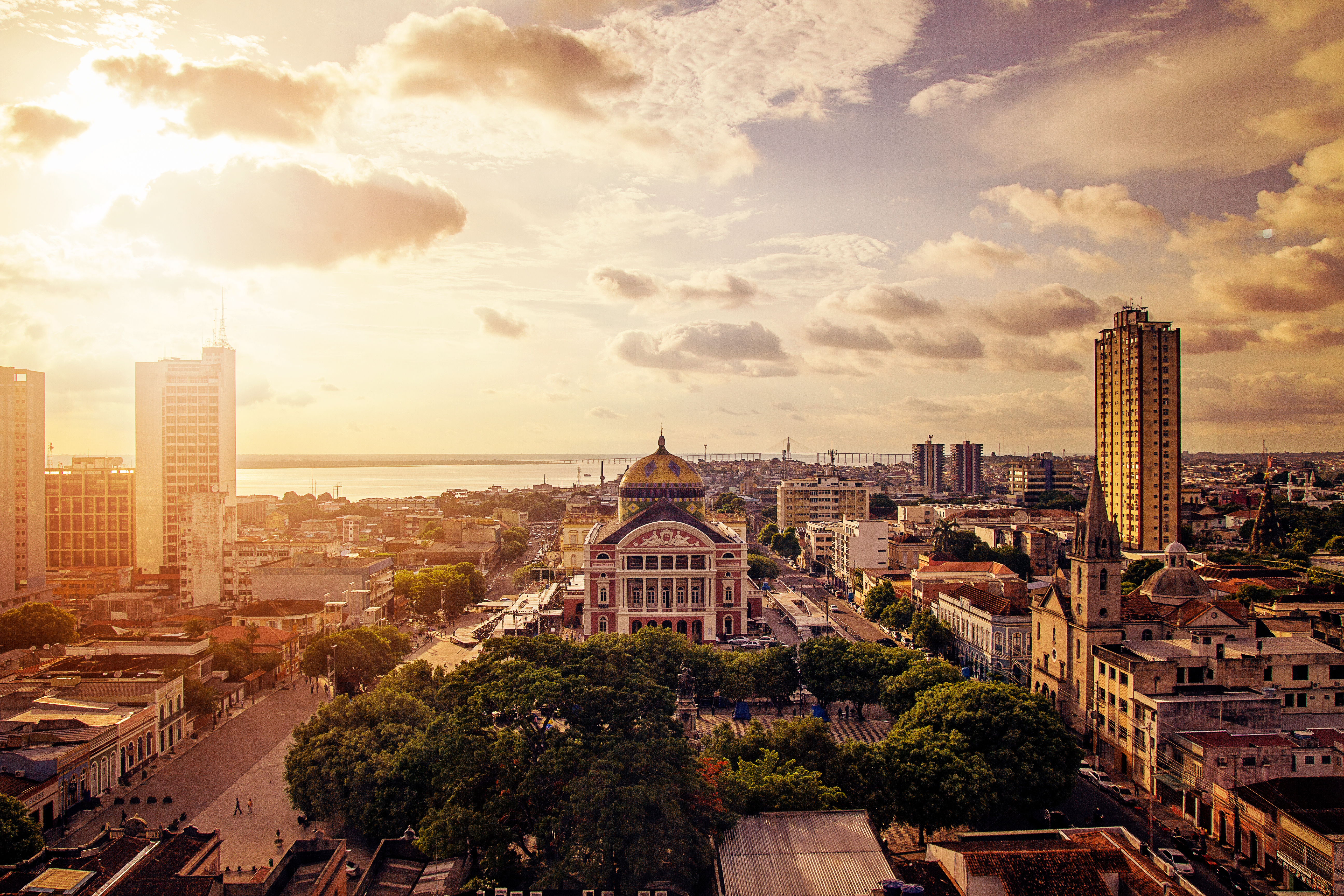
The main gateway to the Brazilian Amazon is Manaus, a vibrant city that acts as the starting point for rainforest exploration. From here, you can travel by boat or road to reach jungle lodges and remote areas of the forest.
For a more immersive experience, it is worth venturing deeper into the Amazon. Whether staying in an eco-lodge surrounded by rainforest or exploring by river cruise, these journeys offer closer wildlife encounters and a stronger connection to the natural environment.
The Amazon can also be explored from neighbouring countries such as Peru and Ecuador, each offering a different perspective. Combining destinations can create a richer and more varied rainforest experience.
Amazon Rainforest & Top Things to Do
- Jungle trekking and observation towers: Explore the rainforest on guided walks and climb canopy towers for a different perspective and wildlife spotting
- Amazon river cruises and canoeing: Travel along rivers and flooded forests to experience the landscape from the water
- Wildlife spotting: Look out for pink river dolphins, caiman, sloths, monkeys and a wide variety of birdlife
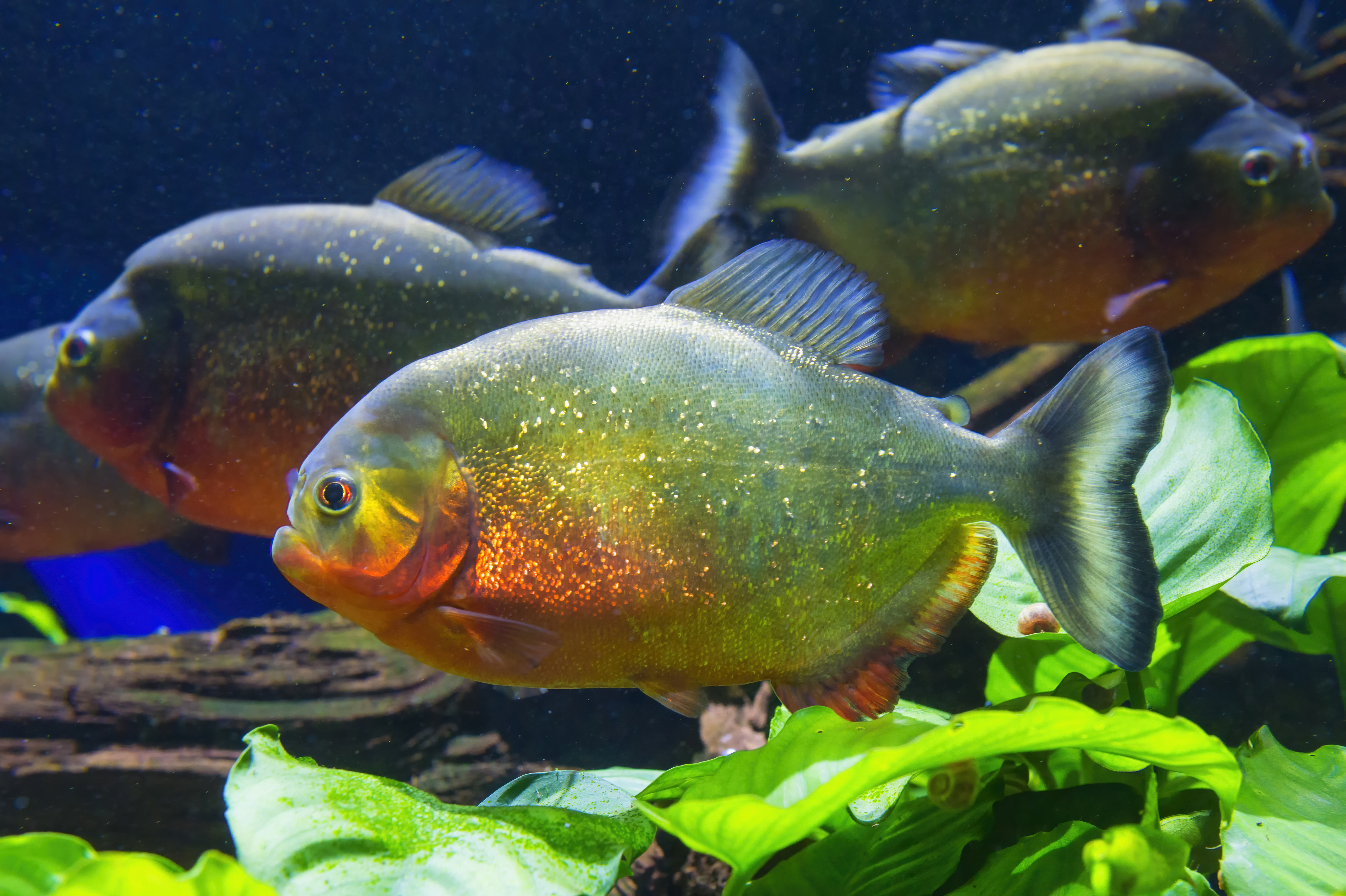
- Piranha fishing: Try traditional fishing techniques in the Amazon’s waterways
- Stay in an eco-lodge: Immerse yourself in the rainforest with a stay surrounded by nature
- Meeting of the waters: Witness the natural phenomenon where two rivers flow side by side without mixing
- Visit Manaus: Explore the Amazon Theatre, local markets and cultural highlights of the region’s main gateway
- Indigenous community visits: Learn about traditional lifestyles, knowledge and customs
- Night safaris: Experience the rainforest after dark, when nocturnal wildlife becomes active
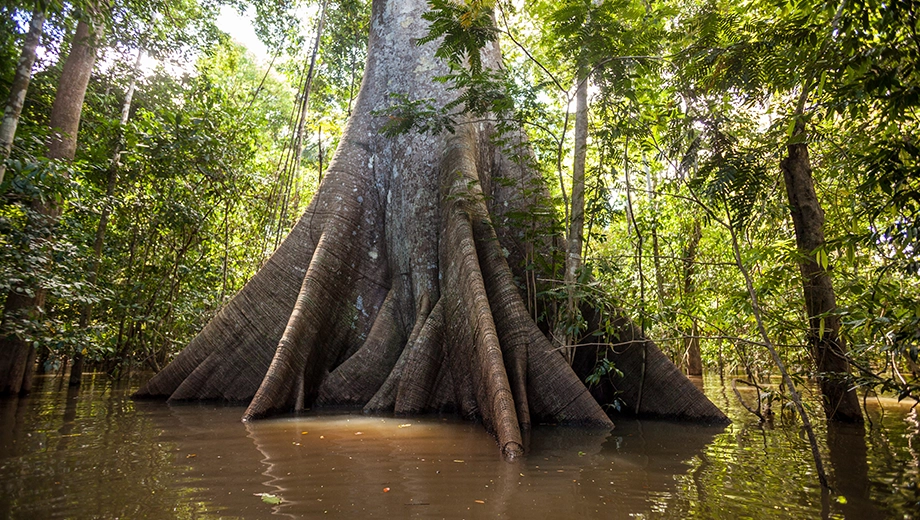
- Discover tropical flora: See unique plant life, including giant water lilies and towering rainforest trees
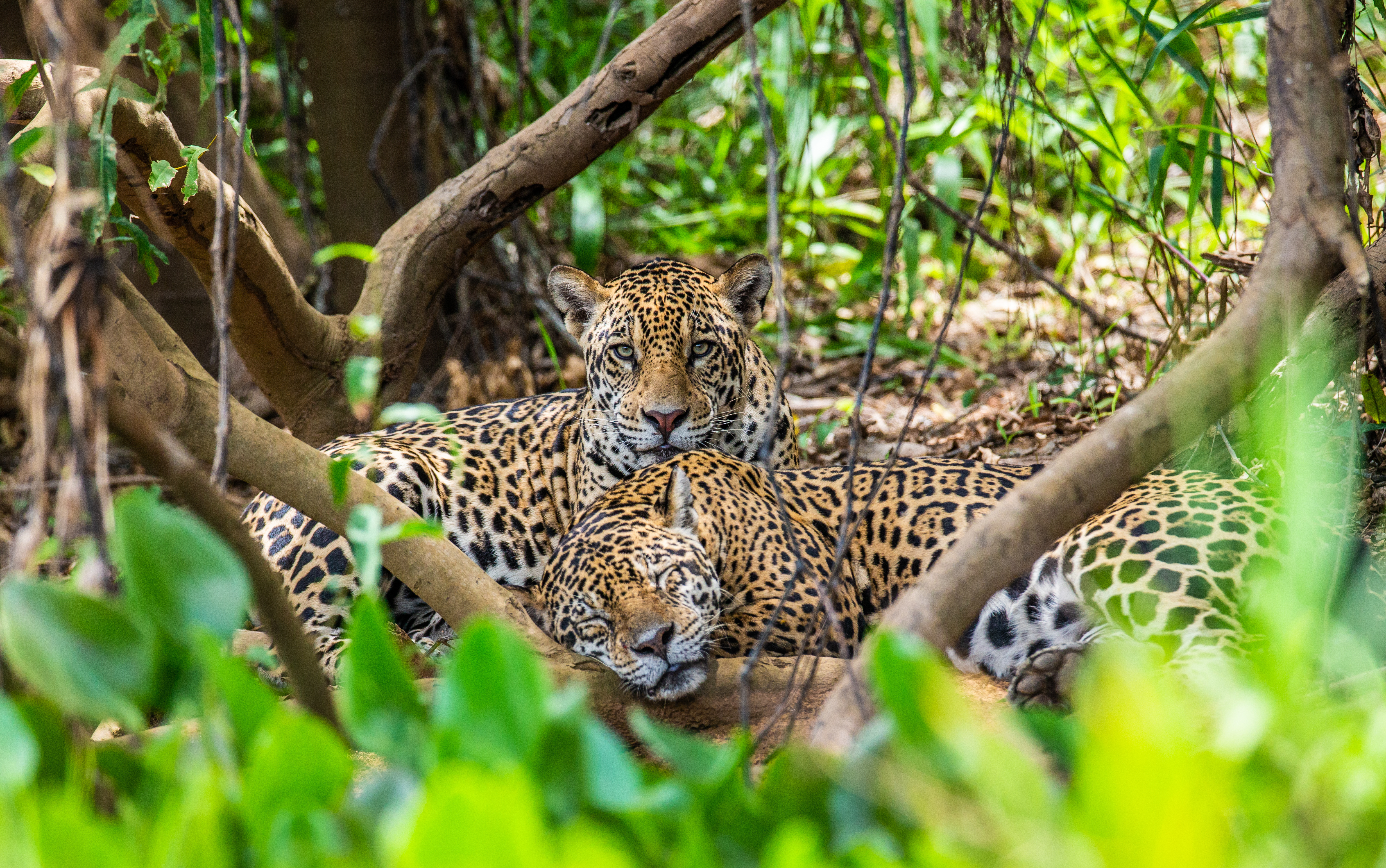
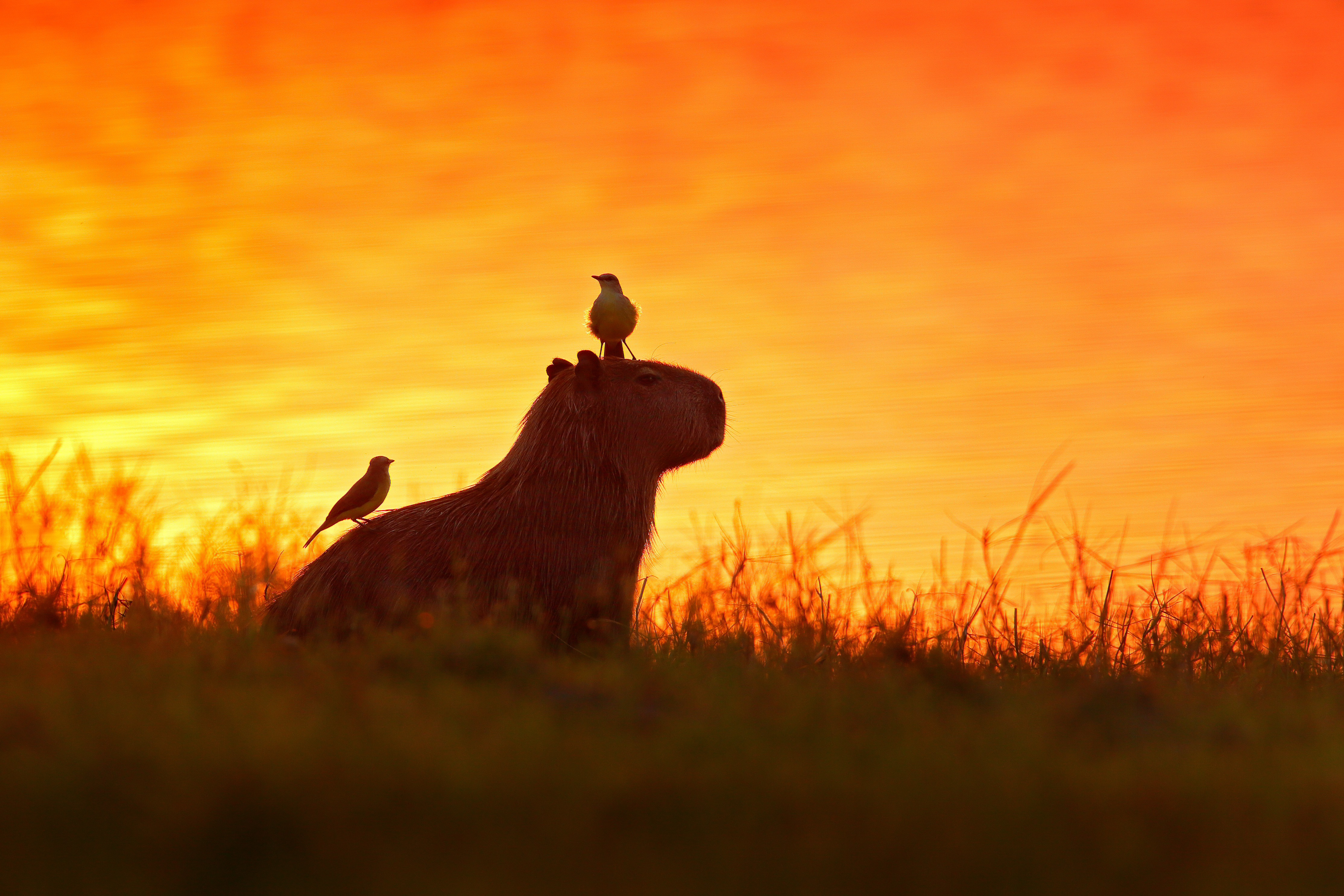
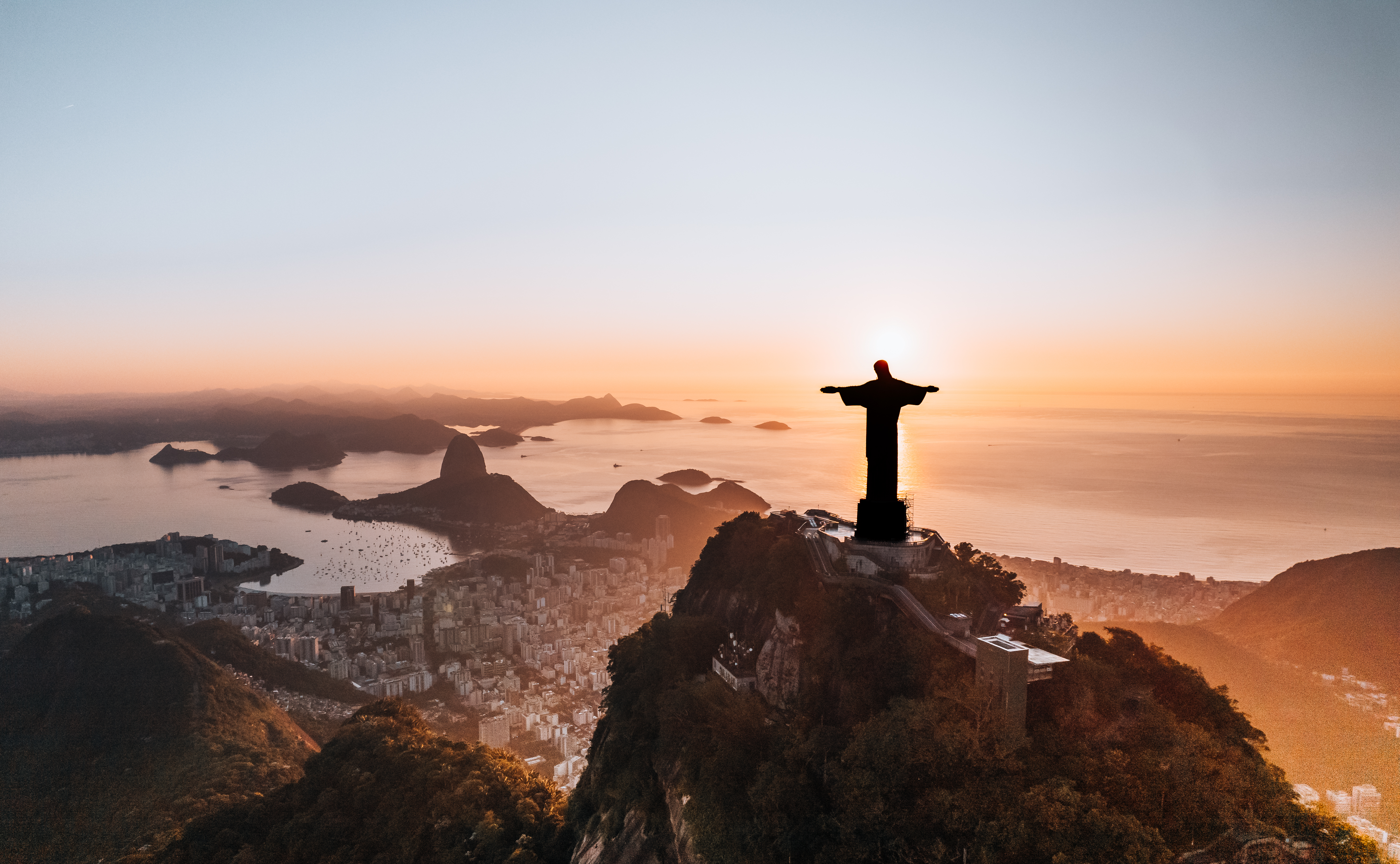
Highlights of the Brazilian Amazon
Some of the sights and experiences in and around the Brazilian Amazon
Speak to a Travel Specialist today
Brazilian Amazon Rainforest Travel FAQs
What wildlife can you see in the Amazon Rainforest?
The Amazon Rainforest is home to an astonishing variety of wildlife. You may spot sloths, monkeys, pink river dolphins, caimans, toucans, macaws, anacondas, and even elusive jaguars. Guided excursions, especially by boat or on foot, offer the best chances of seeing these incredible species in their natural habitat.
Where is the Amazon Rainforest in Brazil?
The Amazon Rainforest covers the north and north-west regions of Brazil. The city of Manaus is the main gateway for exploring the Brazilian Amazon, with access to river cruises, lodges, and guided jungle tours.
Can you hike in the Amazon Rainforest?
Yes, guided hikes are a popular way to explore the Amazon Rainforest. Walks are led by experienced guides who can point out wildlife and plants as you go. You can go jungle trekking and climb trees to observation towers, giving you incredible views of the rainforest. There’s also river cruises and canoeing excursions for an extra adventure.
Is the Amazon Rainforest worth visiting?
Absolutely! The Amazon Rainforest offers a truly unique and immersive travel experience. It’s rich in wildlife, Indigenous culture and natural beauty, giving a lasting impression for those seeking adventure, nature and meaningful travel.
What should I wear when visiting the Amazon Rainforest?
We suggest wearing lightweight, long-sleeved clothing in breathable fabrics to protect against insects and the sun. Study waterproof walking shoes or boots are essential, and a light rain jacket is recommended. You may also want to take a hat and don’t forget sun cream!
What’s the best time of year to visit the Amazon?
The Amazon can be visited year-round, but conditions vary by season. The wet season (December to May) sees higher water levels, allowing for more exploration by boat through flooded forests. The dry season (June to November) offers better opportunities for forest hikes and wildlife spotting on land. Each season offers a unique perspective on the rainforest ecosystem.
Is it safe to travel in the Amazon Rainforest?
Yes — the areas visited by travellers are generally safe and welcoming, especially when exploring with knowledgeable local guides. It’s important to follow expert advice, use insect repellent, and stay hydrated. Health precautions such as yellow fever vaccination and malaria prevention should also be considered in advance of your trip.
What is it like to stay in the Amazon?
Staying in the Amazon typically means immersive experiences at eco-lodges or aboard river cruises, surrounded by pristine jungle and waterways. Expect early morning wildlife excursions, canoe trips, night walks, and cultural visits to local communities. Accommodation can range from rustic to comfortable, but the focus is always on connecting with the natural world.
What plants can I see when visiting the Amazon Rainforest?
The Amazon is one of the most biodiverse ecosystems on Earth, home to an incredible variety of plant species. You can see giant water lilies and towering kapok trees, for example, and learn how the dense vegetation plays a vital role in the planet’s climate.
How do you get to the Amazon in Brazil from the UK?
Flights from the UK connect via São Paulo or Rio de Janeiro to Manaus, the main gateway to the Brazilian Amazon. From there, private transfers and boat journeys take you to your lodge.
How many days should I spend in the Amazon Rainforest?
A stay of 3 to 5 nights is recommended to fully experience guided excursions, wildlife spotting and time in the rainforest.
Is the Amazon Rainforest suitable for a multi-centre Brazil holiday?
Yes, the Amazon combines well with destinations such as Rio de Janeiro, Iguazú Falls or the Pantanal, creating a varied Brazil holiday.
What activities can you do in the Amazon?
Activities include jungle trekking, canoeing, river cruises, wildlife spotting, visiting local communities and night excursions.
Is the Amazon Rainforest safe to visit?
Yes, when travelling with experienced guides and staying in reputable lodges, the Amazon is a safe and well-managed destination.
How big is the Amazon Rainforest?
The Amazon covers around 5.5 million square kilometres and spans nine countries, with the largest portion located in Brazil.
Why is the Amazon Rainforest important?
The Amazon Rainforest plays a vital role in regulating the global climate, storing carbon and producing oxygen. It is also one of the most biodiverse ecosystems on Earth.
Can you visit indigenous communities in the Amazon?
Yes, guided visits offer insight into traditional ways of life, local knowledge and the cultural importance of the rainforest.
How does the Amazon Rainforest affect the climate?
The Amazon helps regulate rainfall patterns and absorbs large amounts of carbon dioxide, making it essential in the fight against climate change.
Is the Amazon Rainforest flooded all year?
No, water levels change seasonally. During the wet season, large areas flood, while in the dry season more forest trails become accessible.
What is the Amazon River known for?
The Amazon River is the largest river by volume in the world and is central to life in the rainforest, supporting transport, wildlife and ecosystems.
What ecosystems exist within the Amazon Rainforest?
The Amazon includes upland forest, flooded forest, rivers and wetlands, each supporting different types of wildlife and vegetation.