


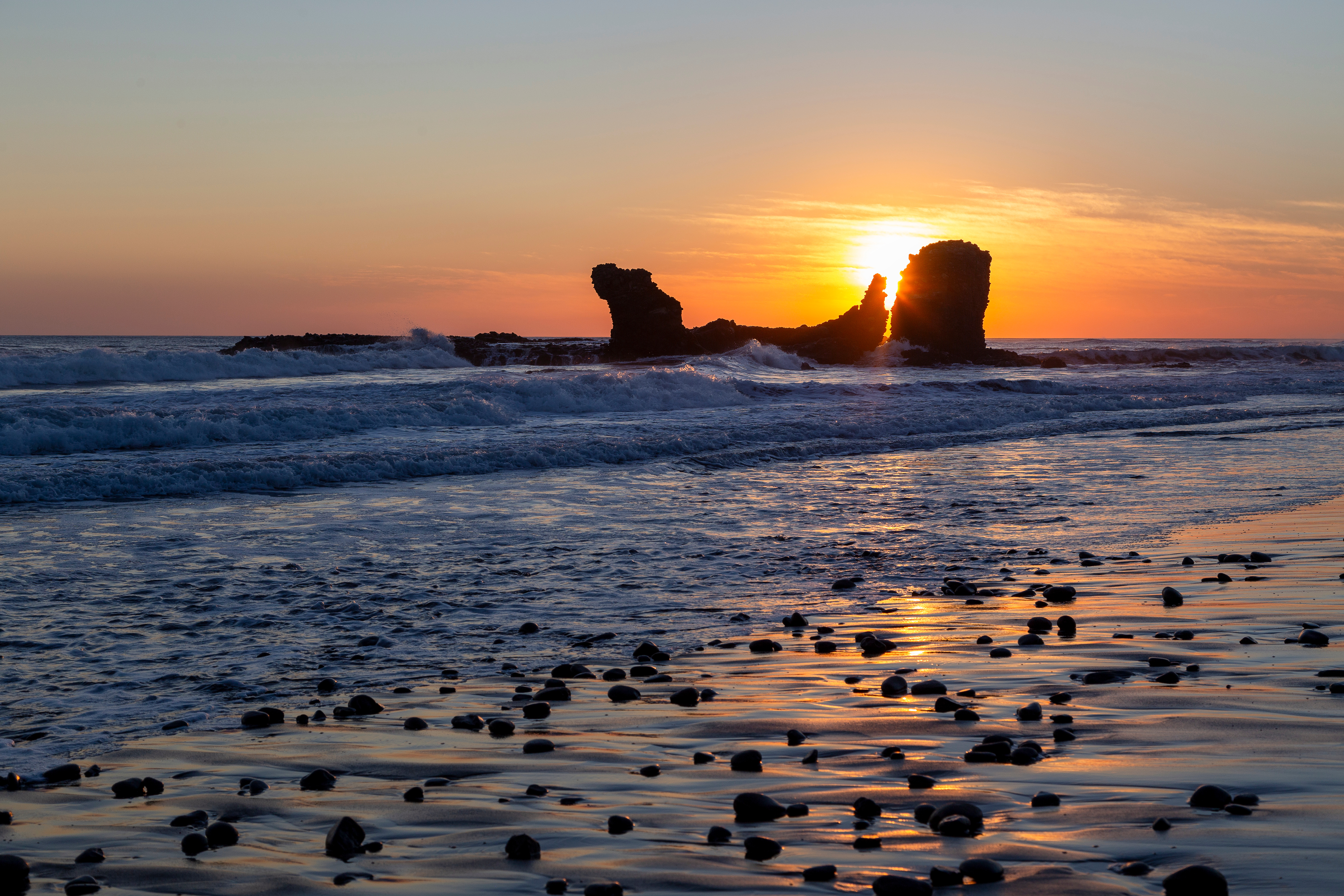
El Salvador’s Pacific Coast: Surf, sunshine and volcanic landscapes along El Salvador’s wild Pacific shoreline
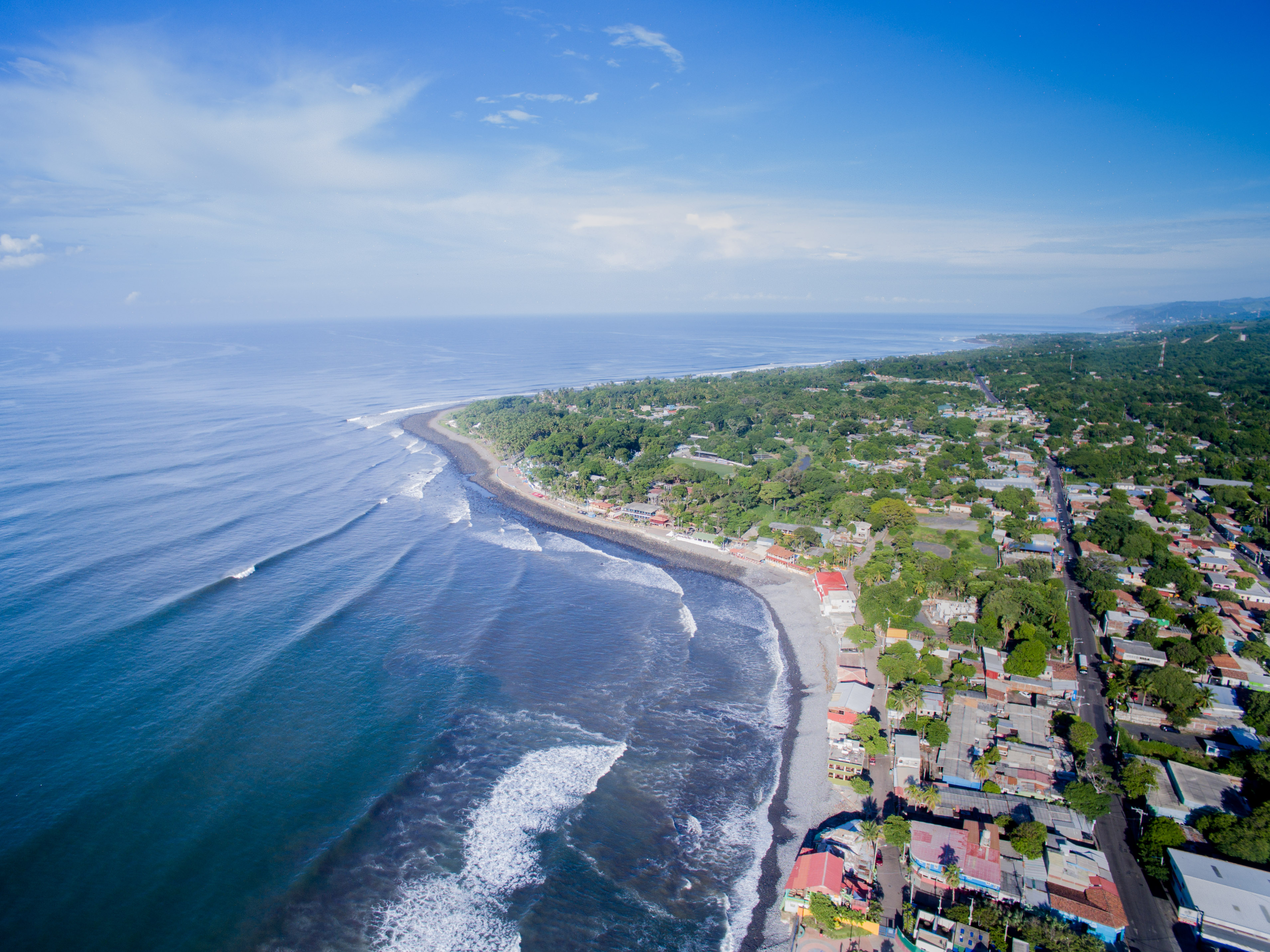
El Salvador’s Pacific Coast is defined by contrast and movement, where dark volcanic sands meet mangrove forests, fishing villages and open ocean. Just a few hours from San Salvador, this stretch of coastline offers a varied blend of surf culture, rich ecosystems and everyday coastal life. From the energetic waves of El Tunco to the calm waterways of Bahía de Jiquilisco, the landscape feels dynamic and deeply connected to nature.
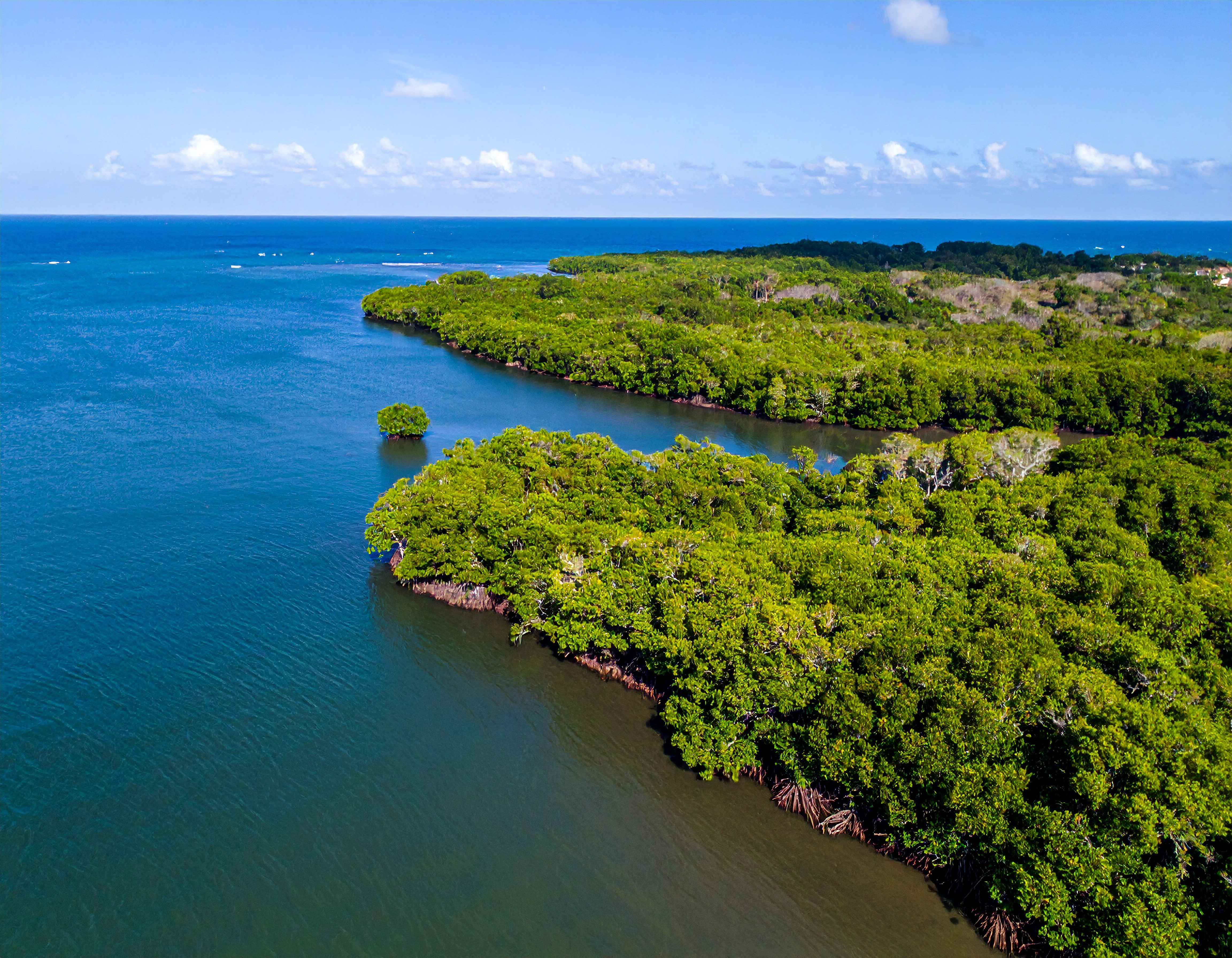
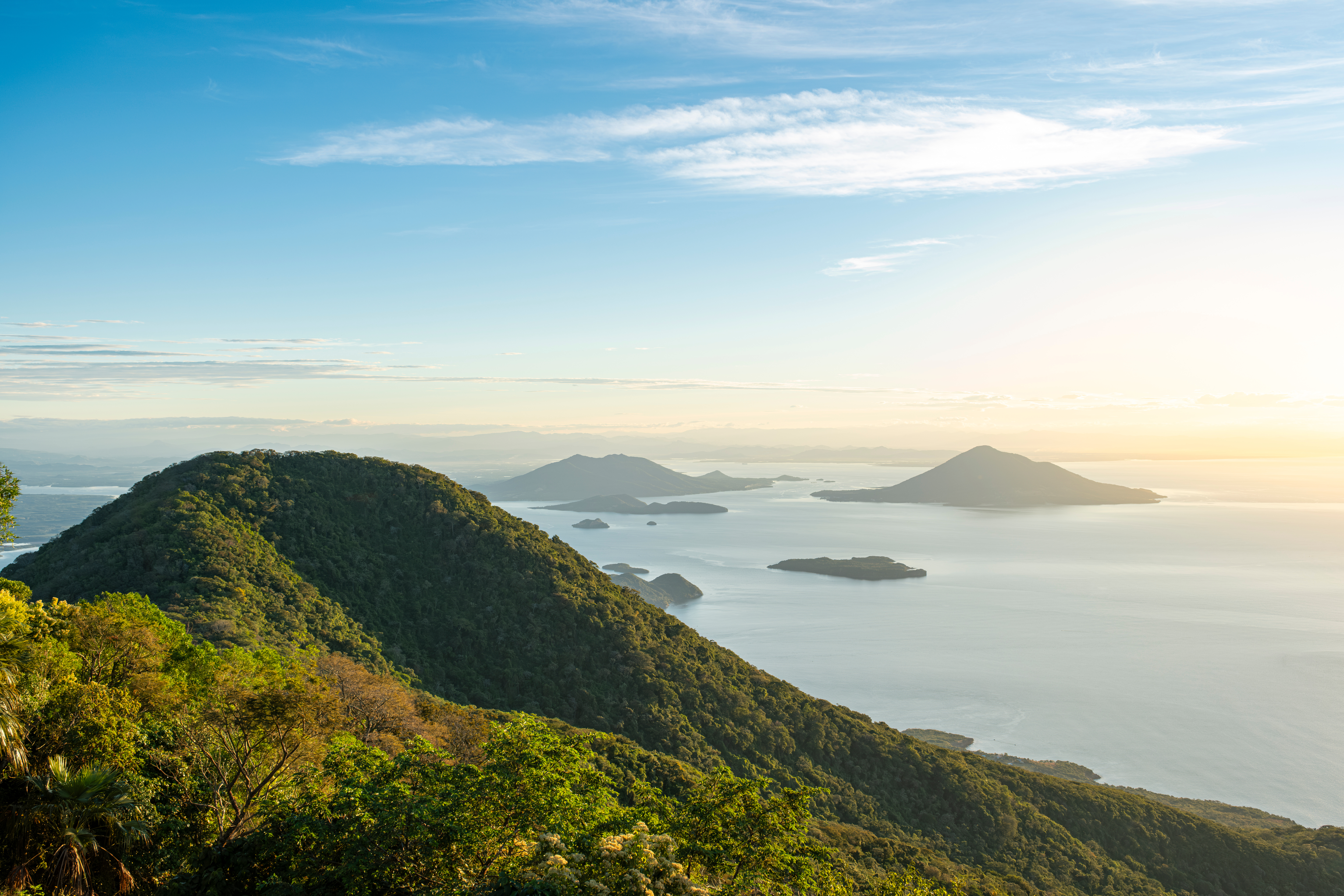
The coast is well known among surfers for its consistent breaks and relaxed beach towns, while nature focused travellers are drawn to its ecological importance. Protected wetlands, including RAMSAR sites, support diverse wildlife, from migratory birds to endangered hawksbill turtles. Mangrove forests line the estuaries, where quiet canoe journeys reveal shaded channels and thriving marine life. Further east, the Gulf of Fonseca, shared with Nicaragua and Honduras, offers a slower pace, with volcanic backdrops, small islands and excellent birdwatching opportunities.
Why visit El Salvador’s Pacific Coast
This coastline appeals to travellers looking for a more immersive and grounded experience. Whether surfing, exploring coastal ecosystems, visiting cacao growing areas or engaging with conservation projects, El Salvador’s Pacific Coast offers a meaningful balance of nature, culture and community, shaped by the rhythms of the ocean and the land.

El Salvador

-6 hours

US Dollars

Turtle conservation with ICAPO
When is the best time to visit El Salvador Pacific Coast?
About El Salvador's Pacific Coast and its surrounding areas
Things to do in and around El Salvador Pacific Coast
- Surf the Pacific waves: Ride consistent breaks at El Tunco, El Zonte, and Punta Roca, beaches known for their volcanic sands and conditions that suit both beginners and experienced surfers.
- Explore Bahía de Jiquilisco: Discover this vast coastal wetland by kayak or boat, moving through mangrove channels, estuaries, and lagoons within a UNESCO Biosphere Reserve.
- Join turtle conservation programmes: Take part in responsible conservation initiatives with organisations such as ICAPO, where seasonal visits may include observing nesting turtles or hatchling releases.
- Visit a cacao plantation: Learn about traditional cacao cultivation and chocolate making, gaining insight into one of the region’s most important agricultural traditions.
- Spot wildlife in mangrove forests: Look out for monkeys, iguanas, herons, and other birdlife in the sheltered ecosystems that line the eastern Pacific coast.
- Visit islands in the Gulf of Fonseca: Travel by boat to quiet islands for relaxed beach time, birdwatching, and views across the shared waters of El Salvador, Honduras, and Nicaragua.
- Relax in coastal fishing villages: Spend time in places such as Las Tunas or El Cuco, where a slower pace of life, open beaches, and simple seaside restaurants define the experience.
- Hike near La Unión: Walk volcanic hills overlooking the Gulf of Fonseca, with panoramic views stretching across three countries meeting at the water’s edge.
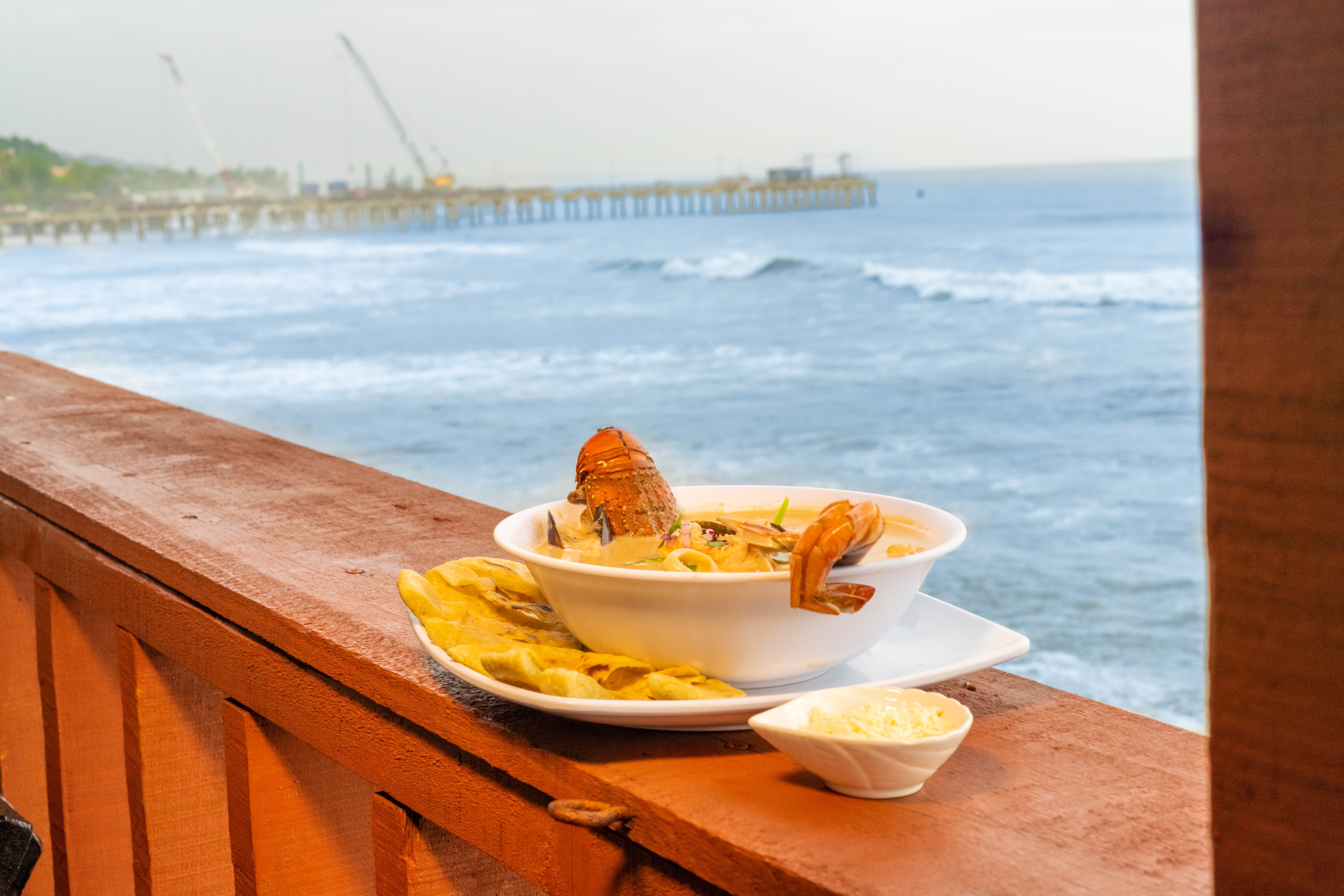
- Enjoy fresh seafood: Dine at local comedores and beachside eateries serving freshly caught fish and shellfish, prepared simply and full of flavour.
- Support eco focused stays: Choose community run lodges and nature reserves that prioritise sustainability, conservation, and local involvement along the coast.
El Salvador’s Pacific Coast Highlights
Some of the sights and experiences in and around El Salvador’s Pacific Coast

Speak to a Travel Specialist today
El Salvador’s Pacific Coast Travel FAQs
Is it safe to travel along the Pacific Coast?
The main coastal areas, including El Tunco, El Cuco, and Bahia de Jiquilisco, are generally safe for tourists, especially when travelling with a guide or tour operator. As with any destination, it’s best to stay aware of your surroundings and follow local advice.
Can I swim in the ocean?
Yes, but be cautious, some beaches have strong currents and are better suited to surfing than swimming. Always check local conditions and follow lifeguard advice where available.
Are there eco-friendly places to stay?
Absolutely. The Pacific Coast is home to several eco-lodges and turtle conservation centres especially around Bahia de Jiquilisco and the Gulf of Fonseca.
What should I pack?
Light, breathable clothing, sun protection, insect repellent, water shoes (for mangrove and boat trips), and a dry bag for kayaking or island-hopping. Don’t forget binoculars if you’re into birdwatching.
Can I use US dollars in San Salvador?
Yes, the US dollar is the official currency in El Salvador. Credit cards are widely accepted in urban areas, but it’s useful to carry small cash for markets and local shops.
What language is spoken?
Spanish is the official language. English is spoken in some tourist areas, but learning a few basic Spanish phrases can enhance your experience.
Can I take part in conservation activities?
Yes, organisations like ICAPO offer opportunities to join turtle monitoring, hatchling releases, and mangrove restoration projects. These experiences can be arranged in advance or through local partners.