


Sucre, Bolivia: Explore the Heart of Bolivia’s History and Cultural Heritage

Bolivia

-5 hours

Bolivianos

Colonial Architecture
When is the best time to visit Sucre?
Sucre can be visited throughout the year, thanks to its relatively mild climate and relaxed pace, but the most favourable time to travel is during the dry season from April to September. During these months, days are generally sunny with comfortable temperatures, creating ideal conditions for exploring the city’s colonial streets, visiting museums, and spending time in its open plazas.
The settled weather also suits outdoor activities such as short hikes and excursions into the surrounding countryside. While Sucre retains its appeal in every season, travelling during the dry months allows visitors to enjoy the city at its best, with minimal rainfall and consistently pleasant conditions for sightseeing.
About Sucre and things to do
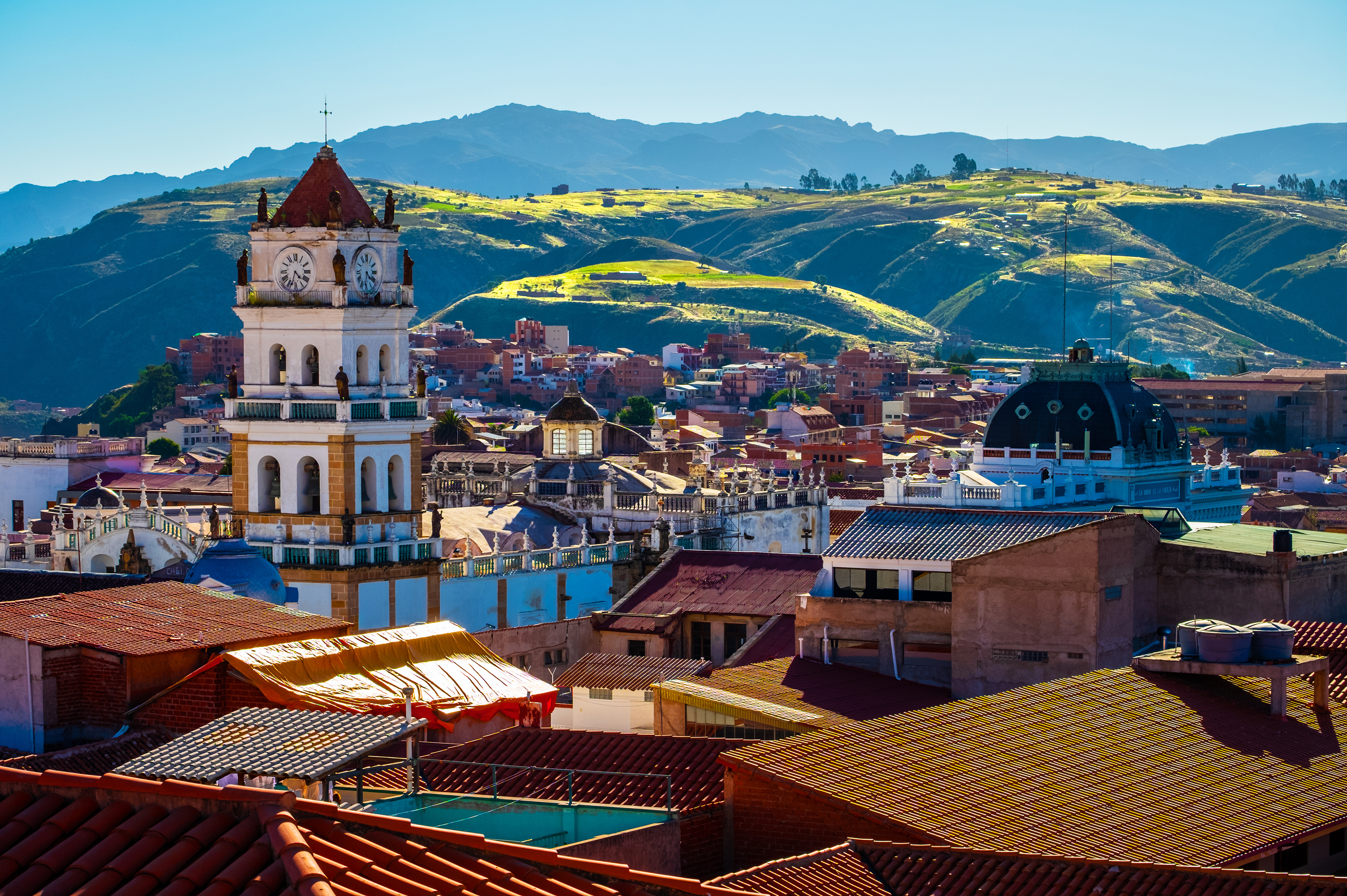
Located in south central Bolivia, Sucre is the country’s sixth most populous city and is widely regarded as one of South America’s most graceful colonial destinations. Its historic centre is exceptionally well preserved, with whitewashed buildings, cobbled streets, and elegant plazas reflecting centuries of Spanish colonial influence.
As Bolivia’s constitutional capital, Sucre holds deep political and historical significance. It was here that the country’s independence was declared, and many of its most important institutions remain based in the city today. Combined with a lively cultural scene and a relaxed pace of life, Sucre offers travellers a compelling introduction to Bolivia’s history and identity.
Things to do in Sucre, Bolivia
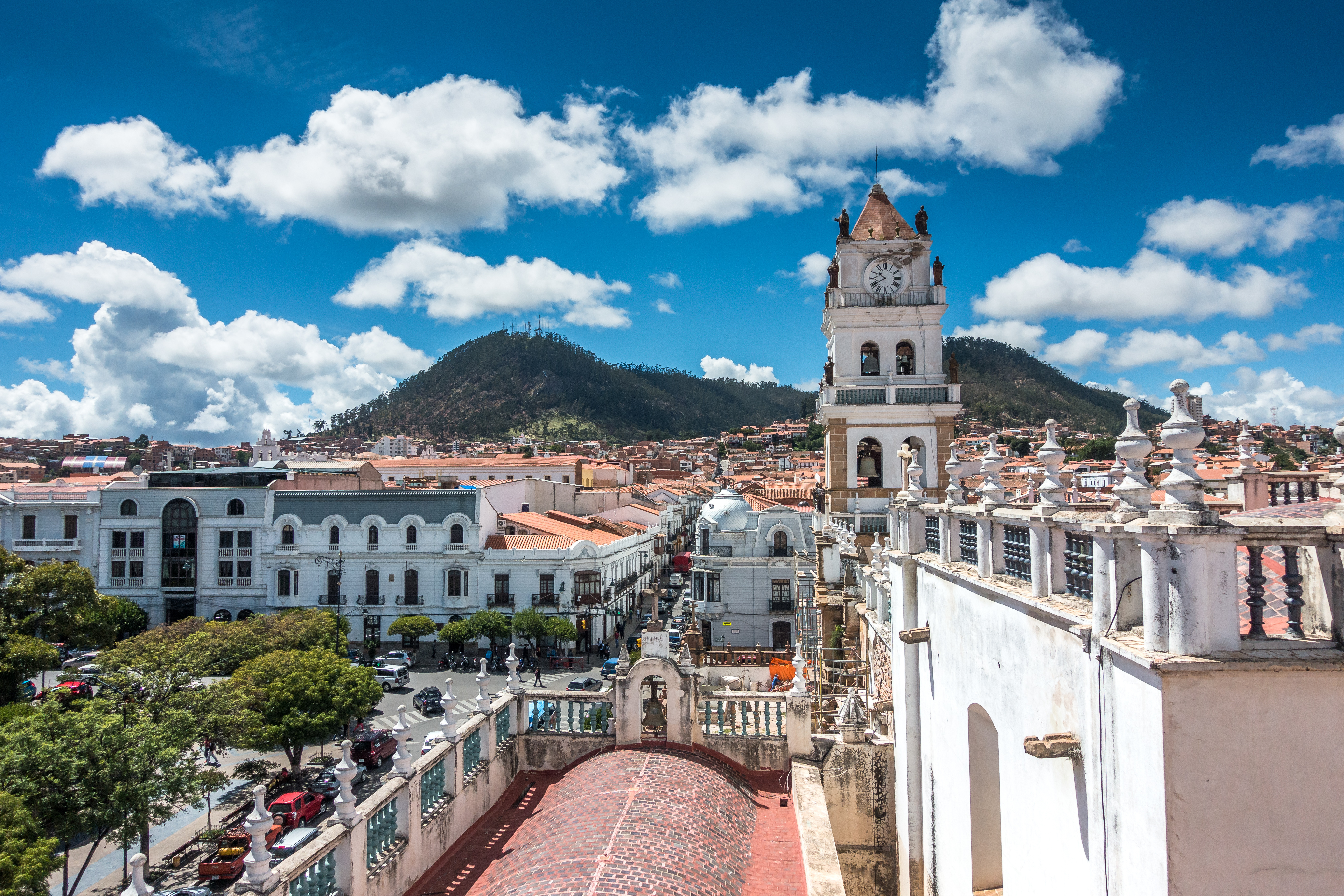
- Explore the Historic City Centre: Wander through Sucre's UNESCO World Heritage-listed city centre with colonial architecture, cobbled streets, and charming plazas like Plaza 25 de Mayo.
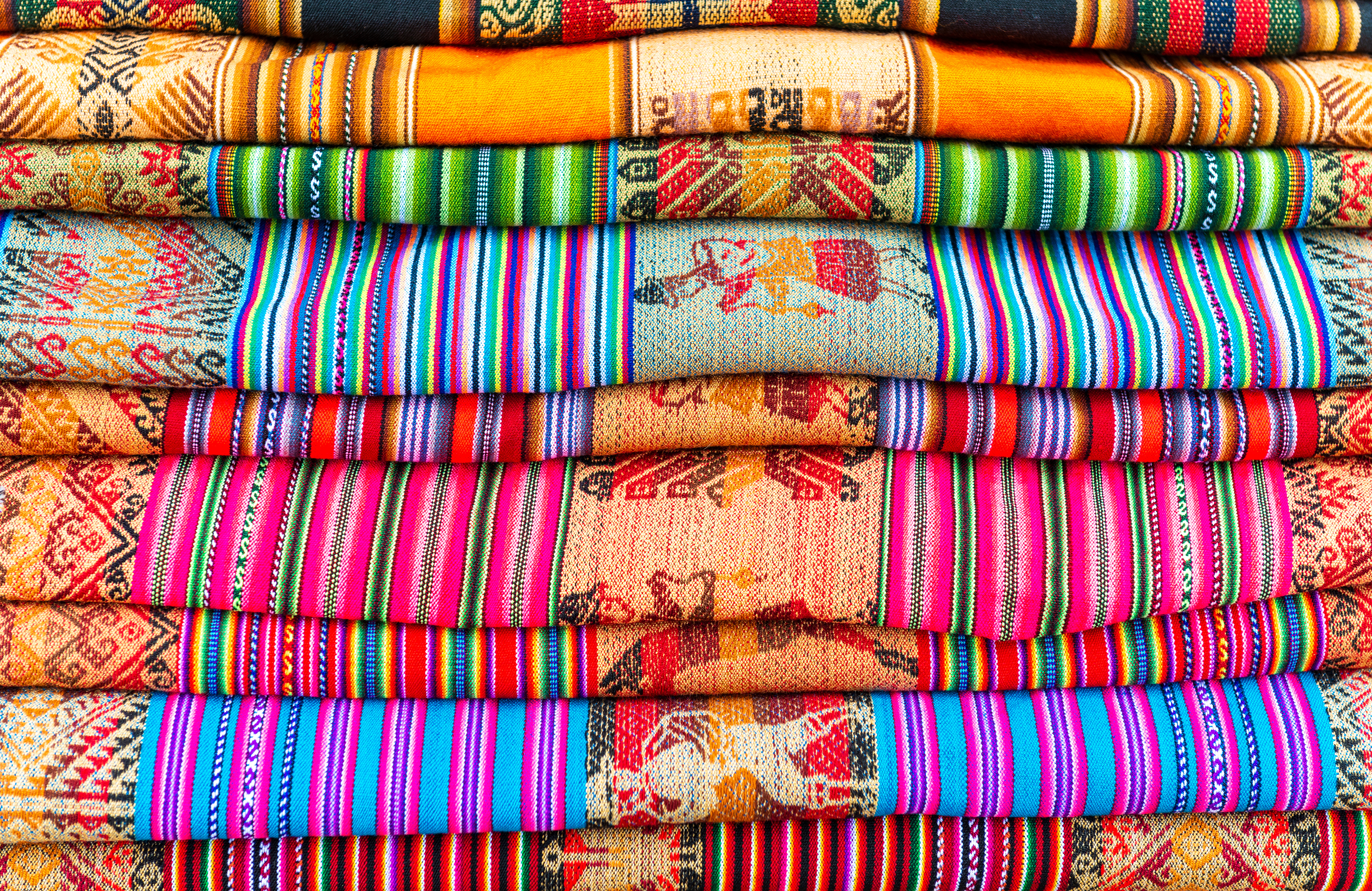
- Visit the National Museum of Indigenous Art: Discover Bolivia's indigenous cultures through traditional textiles, pottery, and artwork.
- Discover the Museo Casa de la Libertad: Learn about Bolivia’s independence at the museum where the country’s declaration was signed in 1825.
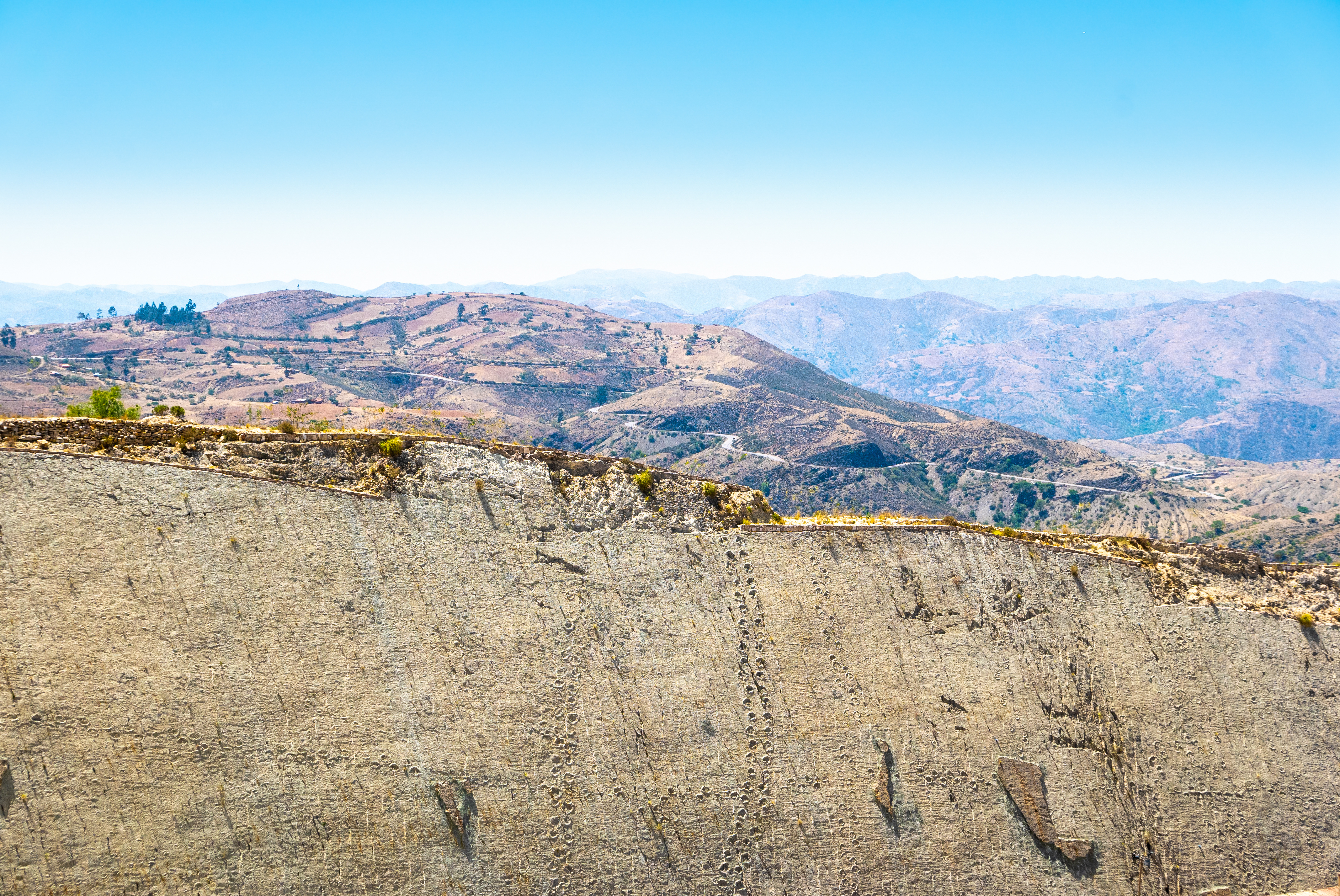
- Tour the Parque Cretácico: See impressive fossilised dinosaur footprints just outside the city, offering a fascinating glimpse into the prehistoric past.
- Relax at La Recoleta Viewpoint: Enjoy panoramic views of Sucre and its surrounding mountains from this scenic spot.
- Wander through Sucre's Markets: Experience local life at the Mercado Central, where you can shop for fresh produce, handicrafts, and traditional Bolivian food.
- Hike to the Tarabuco Village: Visit the indigenous village of Tarabuco, known for its traditional dress and Sunday market full of handmade crafts.
- Visit the Sucre Cathedral: Admire the stunning 16th-century Sucre Cathedral located at the main square.
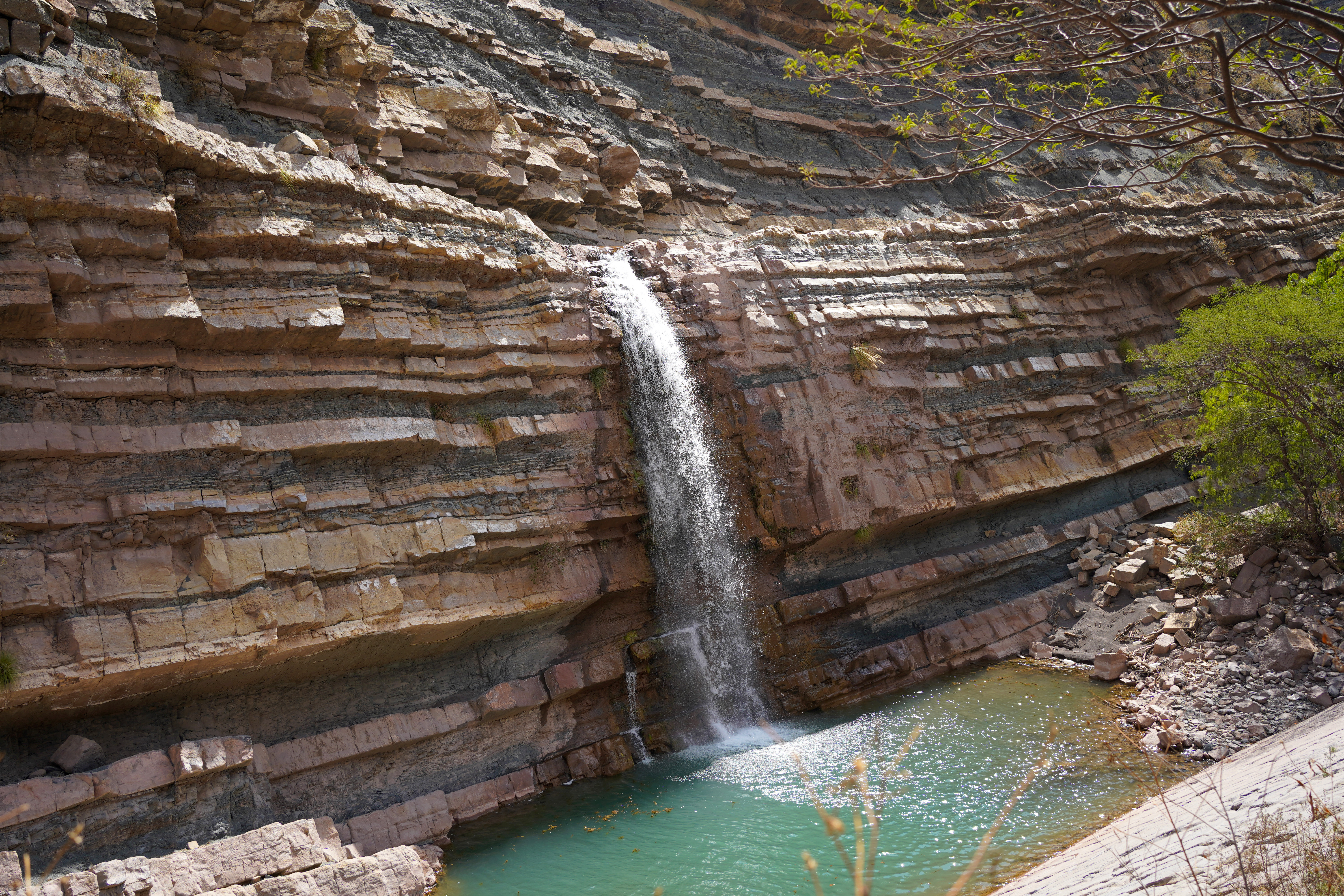
- Trek to the Waterfalls of Sucre: Explore the surrounding countryside for hidden waterfalls, tranquil rivers, and memorable landscapes.
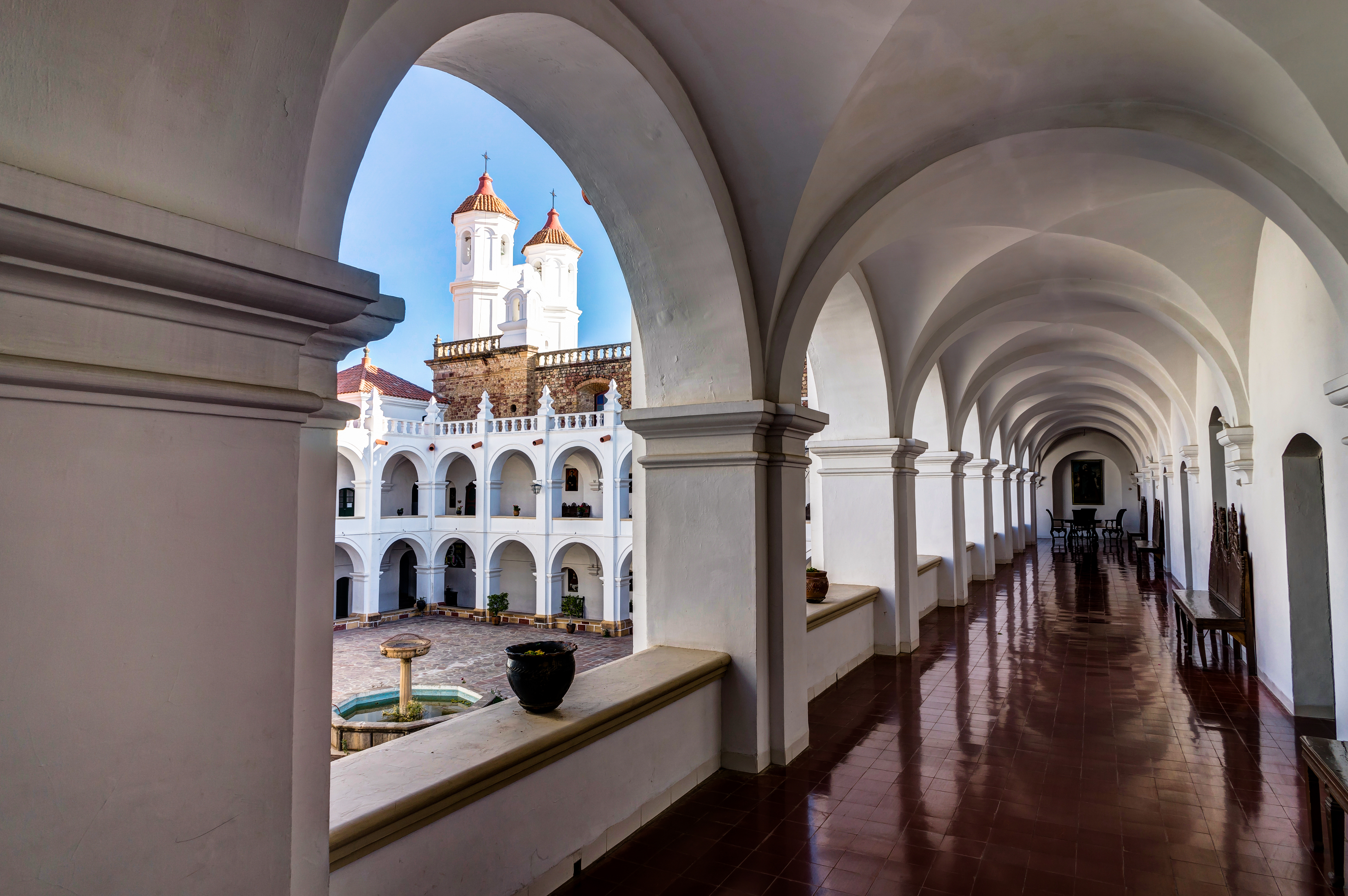
- Visit the San Felipe Neri Monastery: Discover the 18th-century San Felipe Neri Monastery, known for its stunning baroque-style architecture, peaceful courtyard, and panoramic views of Sucre from the bell tower.
Sucre, Bolivia Highlights
Some of the sights and experiences in and around Sucre, Bolivia
Speak to a Travel Specialist today
Sucre Travel FAQs
What is Sucre known for?
Sucre is known for its well preserved colonial architecture, whitewashed buildings, and elegant plazas. As Bolivia’s constitutional capital, it plays an important role in the country’s history and is often considered one of its most beautiful cities.
Where is Sucre located?
Sucre sits in south central Bolivia, at a lower altitude than cities such as La Paz and Potosí. Its elevation gives it a milder climate, making it a comfortable stop within a wider Bolivia itinerary.
How long should I spend in Sucre?
Two to three days allows enough time to explore Sucre’s historic centre, museums, markets, and surrounding viewpoints. Many travellers use Sucre as a relaxed base before continuing on to Potosí or southern Bolivia.
What are the main highlights of Sucre?
Highlights include the historic Plaza 25 de Mayo, the Casa de la Libertad where Bolivia’s independence was declared, and the city’s many churches and convents. Nearby attractions include dinosaur footprints at Cal Orck’o and scenic countryside just outside the city.
Is Sucre a UNESCO World Heritage Site?
Yes. Sucre’s historic centre is recognised as a UNESCO World Heritage Site for its exceptional preservation of colonial architecture and urban layout.
When is the best time to visit Sucre?
The most popular time to visit is during the dry season from May to October, when days are generally sunny and rainfall is low. Thanks to its lower altitude, Sucre enjoys warmer daytime temperatures than much of the Andean highlands.
Is Sucre suitable for families?
Sucre can work well for families, particularly those interested in history and culture. Its walkable centre, open plazas, and relatively mild climate make it easier to explore at a relaxed pace.
Can Sucre be combined with other destinations in Bolivia?
Yes. Sucre combines naturally with Potosí, Uyuni, and La Paz, forming an important cultural link within a wider journey through Bolivia.