


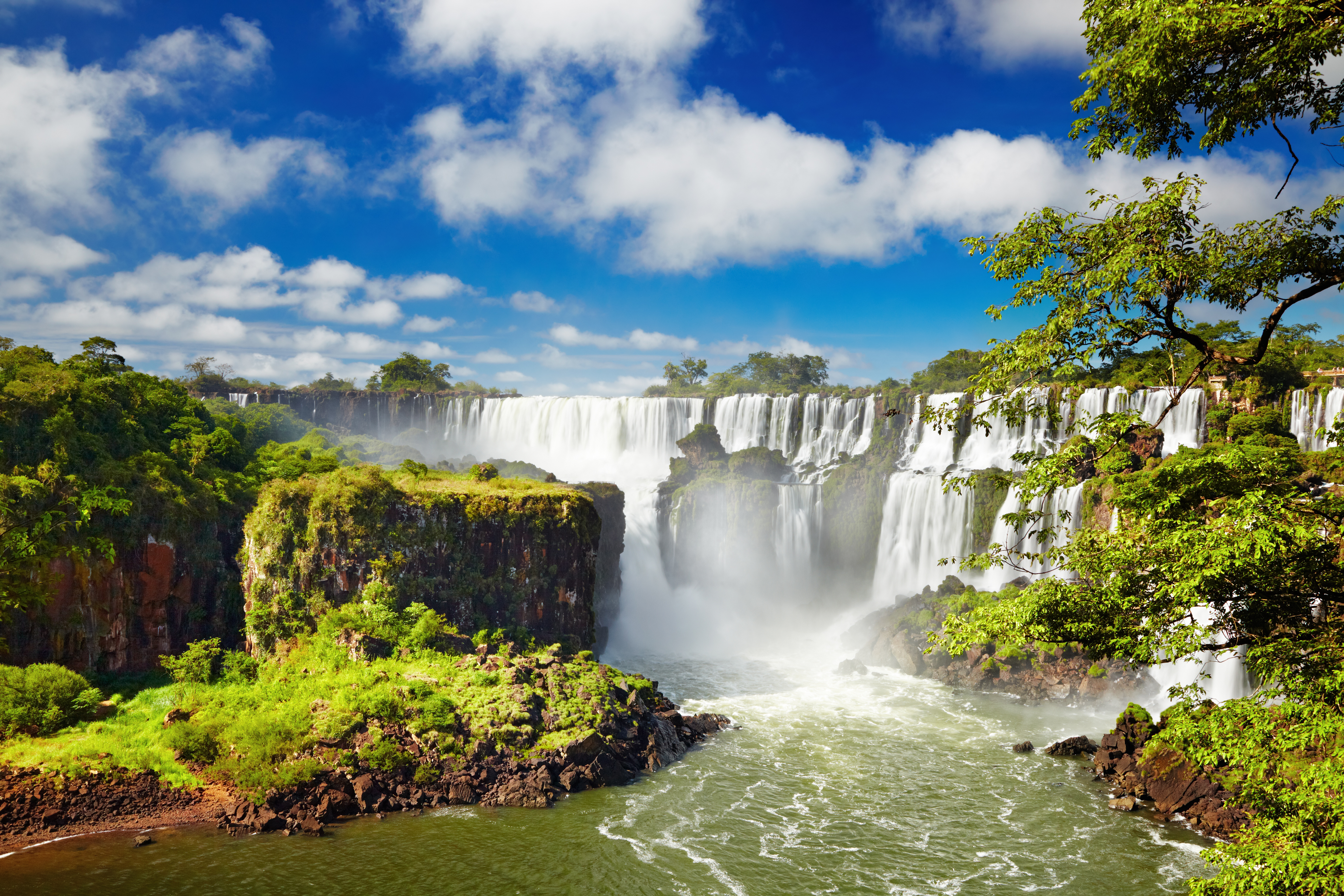
Experience the power of Iguazú Falls: one of Latin America’s most popular travel destinations
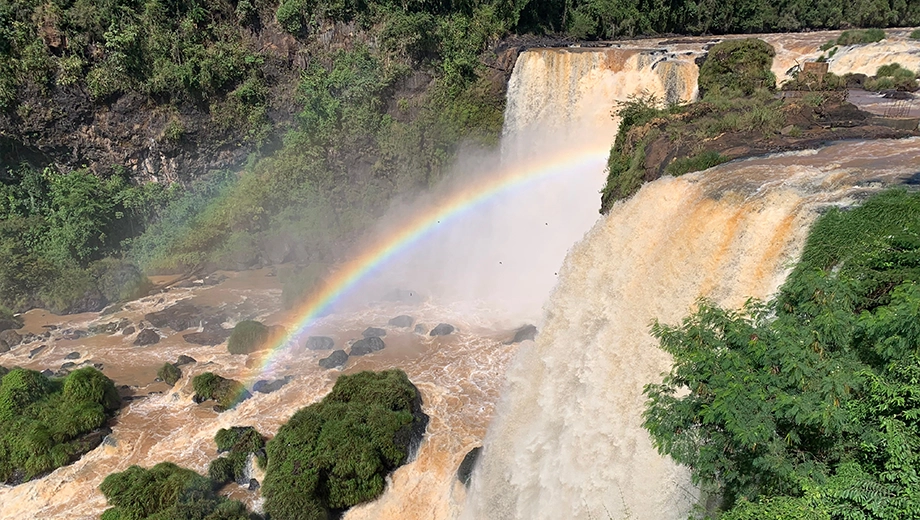
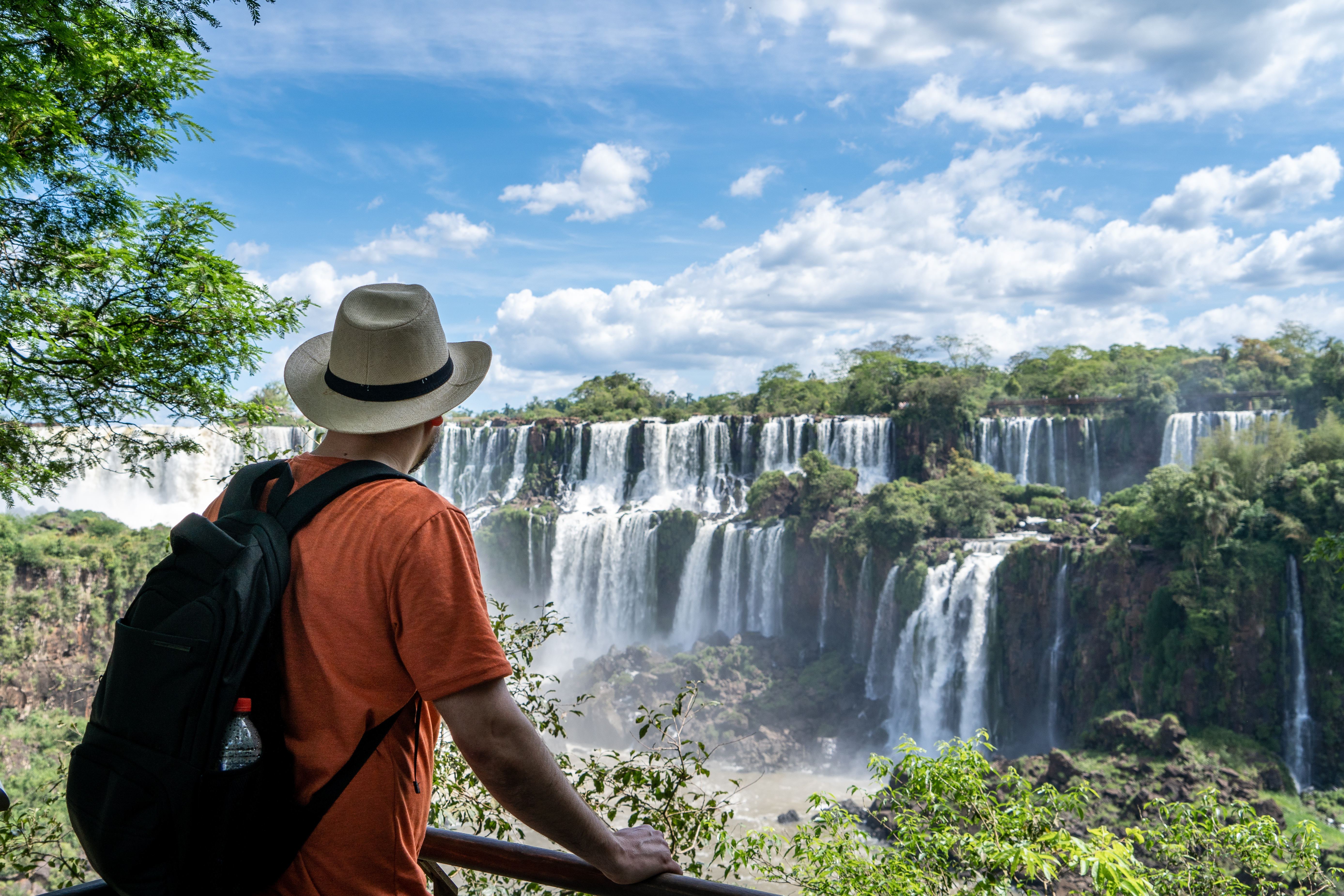
Iguazú Falls is one of Latin America’s most remarkable natural wonders, with around 275 waterfalls stretching nearly 3km along the border of Argentina and Brazil. Set within Iguazú National Park, a UNESCO World Heritage Site, it is one of the highlights of any Argentina holiday. The Devil’s Throat is the most powerful section of the falls, where vast volumes of water plunge into a dramatic gorge, creating one of South America’s most impressive natural spectacles.
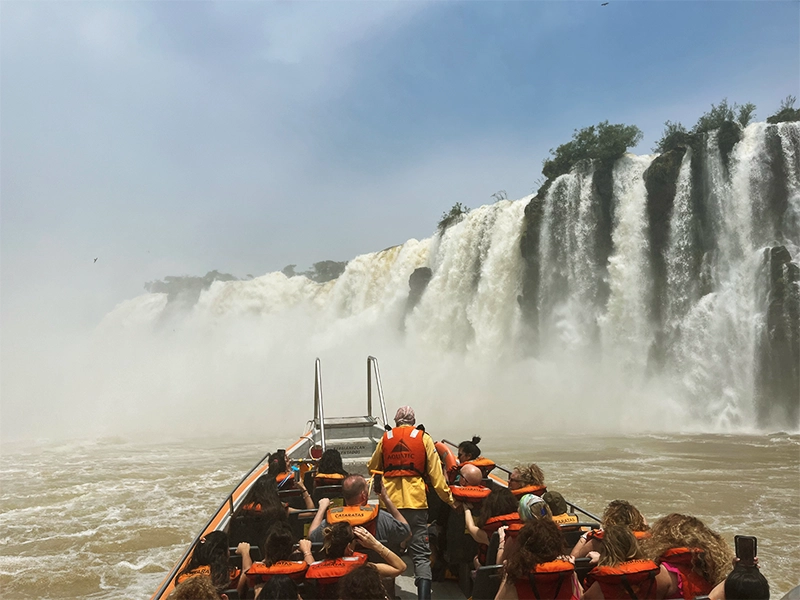
The Argentine side offers the most immersive way to experience Iguazú Falls, with an extensive network of walkways leading through subtropical rainforest and alongside the cascades. Visitors can explore a variety of viewpoints, encounter local wildlife and take boat excursions beneath the falls for a close-up perspective of their power and scale. While the Brazilian side provides spectacular panoramic views, the majority of the trails, viewpoints and close-up experiences are found within Argentina.
Why visit Iguazú Falls?
Iguazú Falls combines dramatic scenery, rich biodiversity and unforgettable experiences, making it one of the most rewarding destinations in Argentina. From standing above the Devil’s Throat and exploring rainforest trails to venturing onto the water beneath the cascades, the Argentine side offers a well-balanced and immersive way to experience one of the world’s greatest waterfall systems.
If you are deciding between the Argentine and Brazilian sides, our guide to Iguazú Falls Argentina vs Brazil: which side to visit provides a helpful comparison.

Argentina & Brazil

-3 hours

Peso (ARS)

Boat Trip
When is the best time to go to Iguazú Falls?
Iguazú Falls can be visited year-round, with a warm and humid subtropical climate. The falls are typically at their most powerful between December and March, when seasonal rainfall increases water levels and creates an even more dramatic spectacle.
For more comfortable temperatures and generally fewer visitors, April to October is often considered the best time to visit. During these months, conditions are ideal for exploring Iguazú National Park, walking the trails and enjoying boat excursions around the falls.
About Iguazú Falls and its surrounding areas
Puerto Iguazú, on the Argentine side, is the main base for visiting Iguazú Falls, offering easy access to the national park and a range of lodges set within the rainforest. Many properties focus on sustainable tourism and provide an immersive experience surrounded by nature, making them ideal for travellers seeking wildlife and nature-focused holidays in Argentina.
Across the border, Foz do Iguaçu on the Brazilian side is a larger city with convenient access to the falls and a wide choice of accommodation, from comfortable hotels to luxury lodges. Staying on either side allows visitors to experience different perspectives of Iguazú Falls while enjoying excellent facilities and easy access to the national parks.
For a more secluded stay, several rainforest lodges in the Iguazú region offer a peaceful retreat close to the falls. These properties are ideal for travellers looking to unwind, reconnect with nature and enhance their visit with a more immersive rainforest experience.
Things to do at Iguazú Falls, Argentina and Brazil:
- Iguazú Falls - Visit one of the most impressive natural wonders in Latin America, with more than 270 waterfalls set within Iguazú National Park, a highlight of any Argentina or Brazil holiday.
- Boat Excursions - Get close to the cascades on an exhilarating boat trip, one of the best ways to experience the power and scale of the falls.
- Scenic Flights - Take to the air for a unique perspective of the waterfalls and surrounding rainforest, offering a wider view of this remarkable landscape.
- Horse Riding - Explore the rainforest and surrounding areas on horseback, a relaxed way to experience the natural beauty of the region.
- Rainforest Lodges - Stay in accommodation designed to blend into the surrounding rainforest, ideal for immersive nature experiences and sustainable travel.
- Jungle Lodges - Experience the tranquillity of the rainforest with a stay in a jungle lodge, perfect for unwinding and connecting with nature during your visit.
- Trekking in Iguazú National Park - Follow walking trails through lush rainforest, discovering diverse landscapes, viewpoints and wildlife along the way.
- Canopy Walks - Walk among the treetops for a different perspective of the rainforest and a unique way to experience the biodiversity of Iguazú.
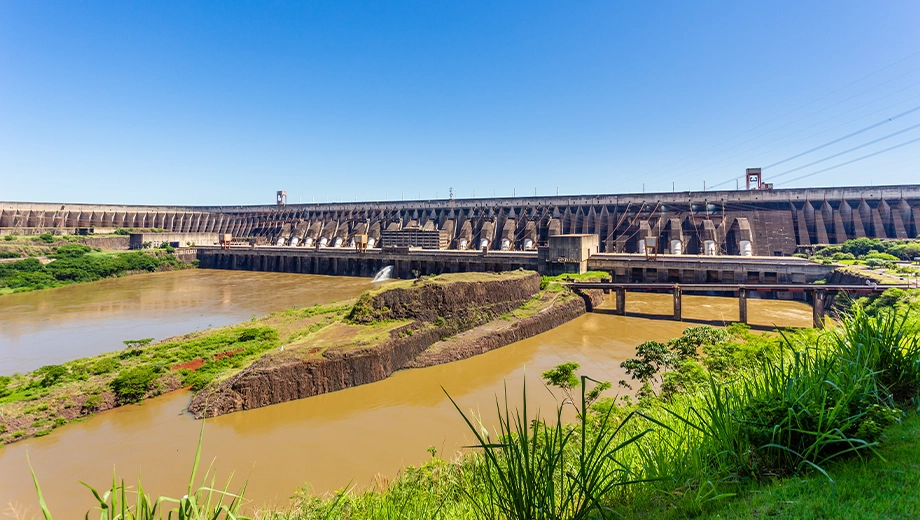
- Itaipu Dam - Visit one of the world's largest hydroelectric power plants, located near Foz do Iguaçu and recognised for its engineering scale and regional importance.
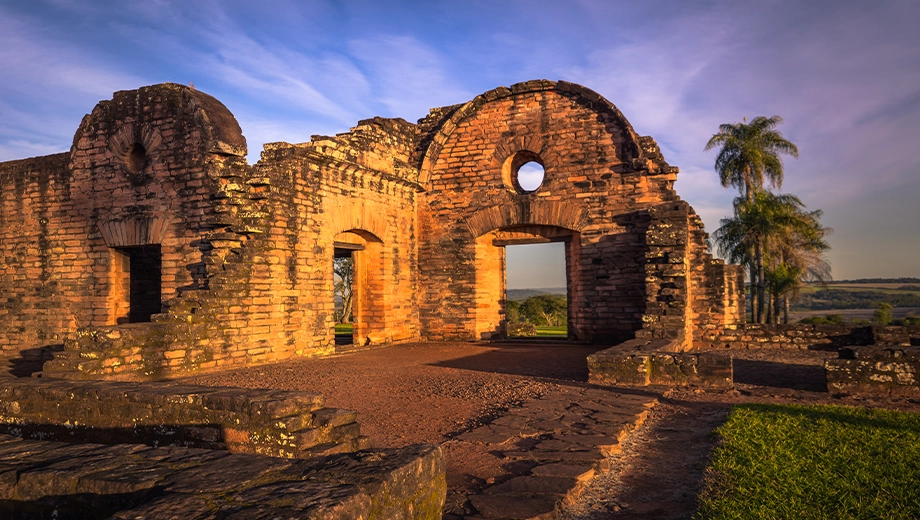
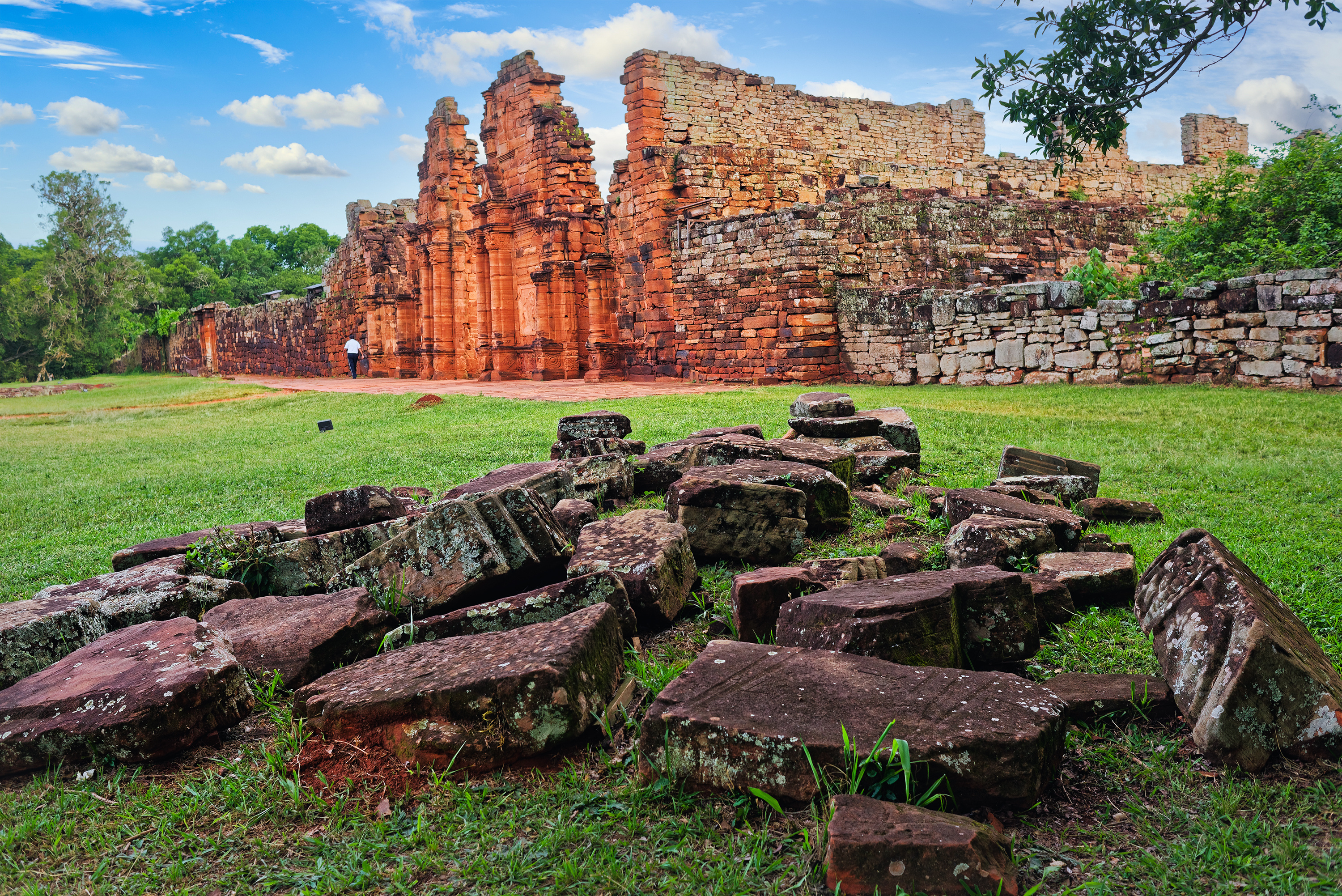
- San Ignacio Ruins - Explore the UNESCO-listed Jesuit ruins in northern Argentina, offering insight into the region's colonial history and an enriching addition to your Iguazú itinerary.
The History: The Jesuit Communities in the Iguaçu Region
Jesuit missionaries established a network of communities across South America, including parts of present-day Argentina, Brazil and Paraguay. Known as Reductions, these settlements combined religious teaching, education and community life, providing indigenous populations with a degree of protection from colonial exploitation. At their peak, more than 140,000 people lived within these thriving communities.
During the 17th century, Portuguese slave raids increasingly threatened the missions. In response, several communities relocated to the region around the Yabebirí River, where settlements such as San Ignacio Miní, Loreto, Santa María la Mayor and Santa Ana were established. Many of these sites have since been restored and are now open to visitors.
The Jesuit mission system flourished until the 18th century, when the Jesuits were expelled from Spanish and Portuguese territories. Over time, many of the mission buildings fell into decline as local communities dispersed. Today, visitors can explore these fascinating UNESCO-listed ruins and gain insight into an important chapter of South American history.



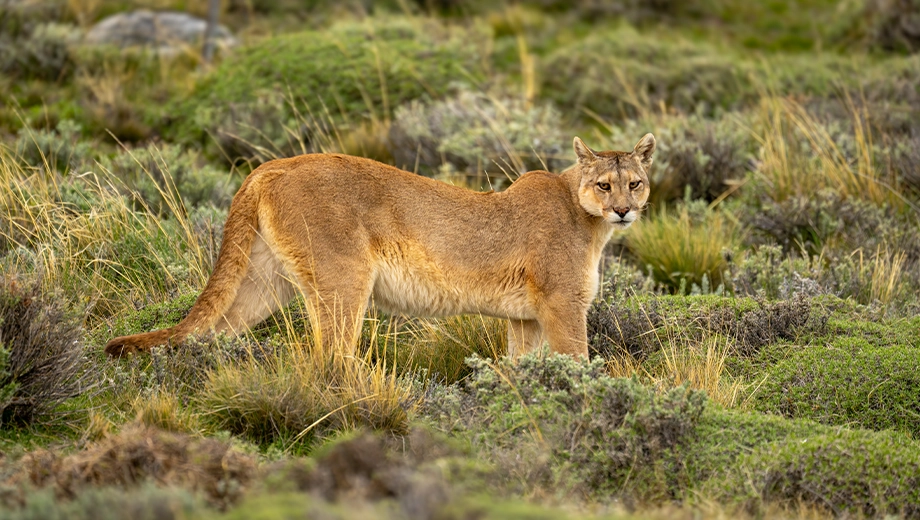

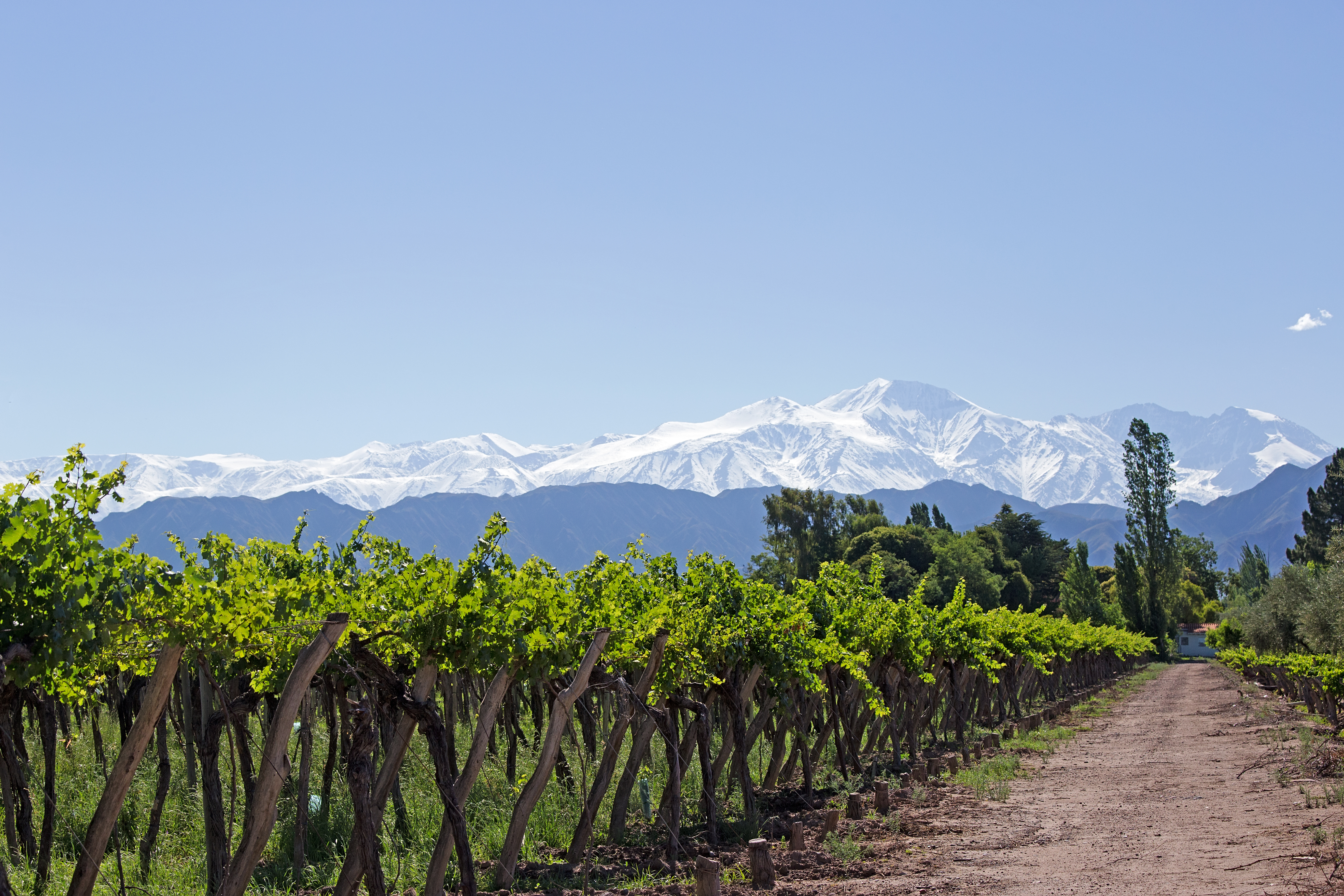
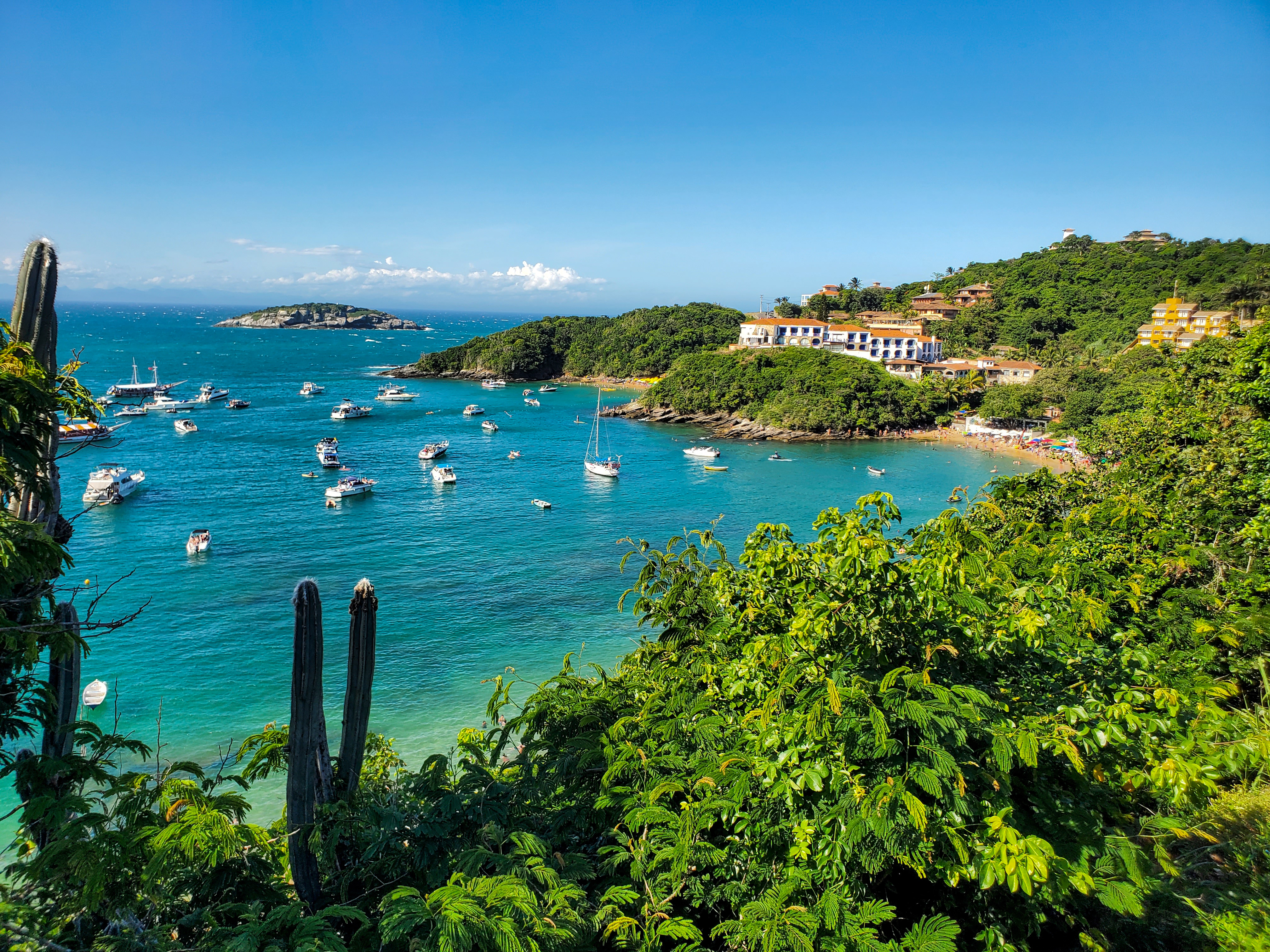



Highlights of the Iguazú Falls
Discover One of the World's Greatest Natural Wonders

Speak to a Travel Specialist today
Iguazú Falls Travel FAQs
How do I get to Iguazú Falls in Argentina?
Iguazú Falls is located in northeast Argentina, near the borders with Brazil and Paraguay. The easiest way to get there is via a domestic flight from Buenos Aires to Puerto Iguazú Airport (IGR), which takes just under 2 hours. Latin Routes can arrange all transfers and tours to suit your itinerary.
How many days do you need at Iguazú Falls?
We recommend spending 2 to 3 days at Iguazú Falls to fully explore both the Argentine and Brazilian sides, enjoy boat trips and experience the surrounding rainforest.
Is Iguazú Falls worth visiting?
Absolutely — Iguazú Falls is one of the most spectacular natural wonders in the world, with over 270 individual waterfalls spread across a lush tropical setting. It’s a UNESCO World Heritage Site and offers a breathtaking experience, whether you’re viewing it from above, below, or by boat.
What’s the difference between the Argentine and Brazilian sides of the falls?
The Argentine side offers a more immersive experience, with walkways that bring you up close to the falls, including the impressive Devil’s Throat (Garganta del Diablo). The Brazilian side provides panoramic views, ideal for photography. We recommend visiting both sides for the full Iguazú experience — and we can arrange the necessary border crossing.
What kind of holiday packages include Iguazú Falls?
At Latin Routes, we include Iguazú Falls in many of our tailor-made Argentina holidays, often as a stop between Buenos Aires and destinations like Mendoza or Patagonia. Whether you're after adventure, nature, or photography, we’ll design a personalised itinerary that makes the most of your time at this unforgettable destination.
Where are Iguazú Falls located?
Iguazú Falls are located on the border of Argentina and Brazil, within Iguazú National Park in Argentina and Iguaçu National Park in Brazil. They are one of the most visited natural attractions in South America.
Which side of Iguazú Falls is better, Argentina or Brazil?
Both sides offer different experiences. The Argentine side provides close-up access with walking trails and boardwalks, while the Brazilian side offers panoramic views of the waterfalls. Most Argentina holidays include the Argentine side, often combined with a visit to Brazil.
How do you get to Iguazú Falls?
The main airport on the Argentine side is Puerto Iguazú (IGR), while Foz do Iguaçu (IGU) serves the Brazilian side. Both offer easy access to the national parks, with private transfers typically taking 20 to 30 minutes. Your travel specialist will arrange your itinerary and entrances for you.
What are the best things to do at Iguazú Falls?
Top things to do at Iguazú Falls include visiting the Devil’s Throat, walking the rainforest trails, taking a boat ride beneath the falls and exploring Iguazú National Park. Scenic flights and nearby cultural sites can also be included.
Can you visit Iguazú Falls from Argentina and Brazil in one trip?
Yes, it is common to visit both sides of Iguazú Falls in one trip. Crossing the border is straightforward, and experiencing both perspectives gives a more complete view of the falls.
What wildlife can you see at Iguazú Falls?
Iguazú National Park is home to diverse wildlife, including coatis, toucans, monkeys and a wide variety of bird species. It is an excellent destination for nature and wildlife holidays in Argentina.
Are there hotels near Iguazú Falls?
Yes, there are a range of accommodation options near Iguazú Falls, from rainforest lodges and eco-lodges to luxury hotels. Staying close to the park allows easy access and a more immersive nature experience.
Do you need a visa to visit Iguazú Falls?
Visa requirements depend on your nationality. UK passport holders do not currently need a visa for short stays in Argentina or Brazil, but it is always best to check the latest entry requirements before travel.