


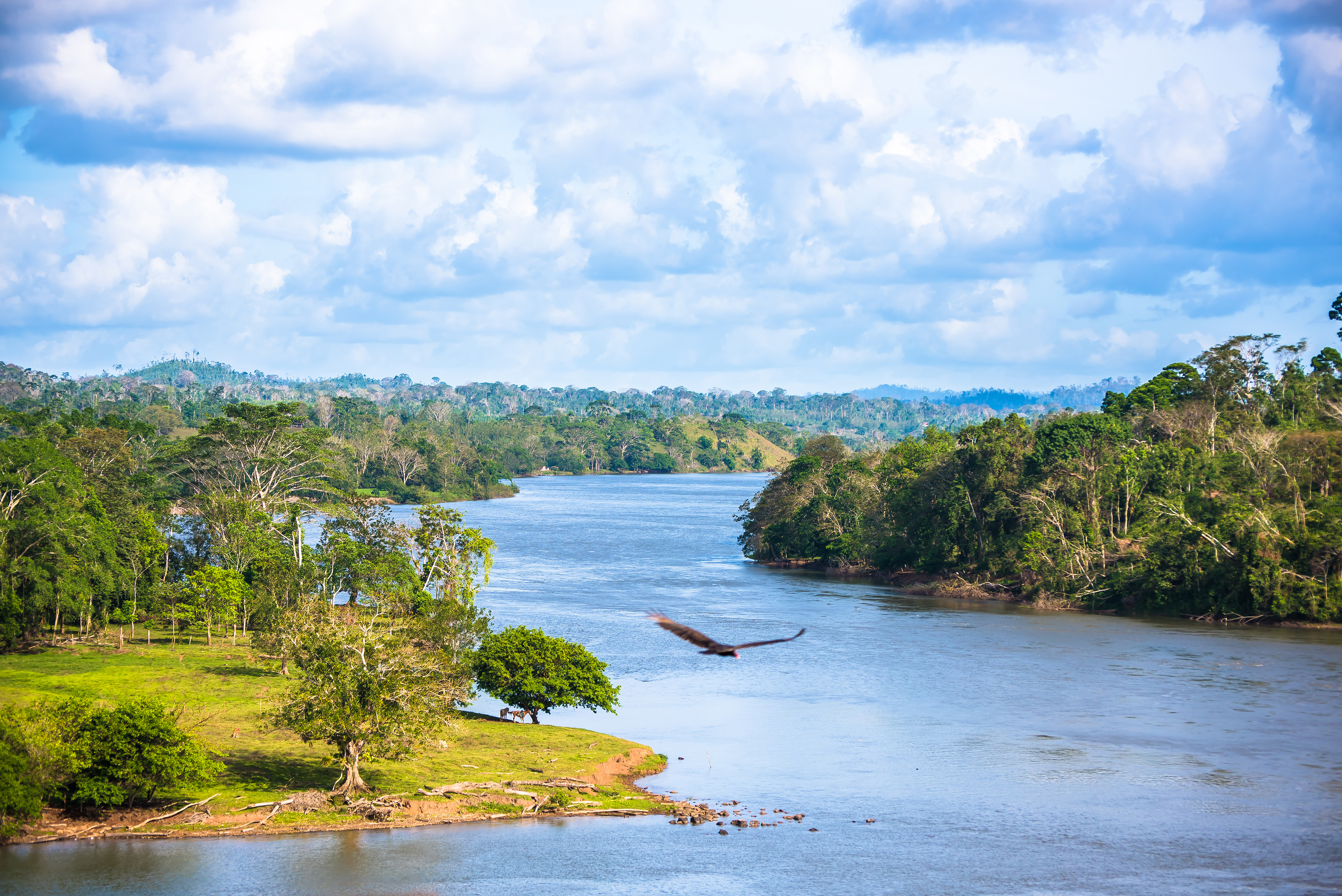
Río San Juan – A Journey Through History, Wildlife, and Untouched Nature
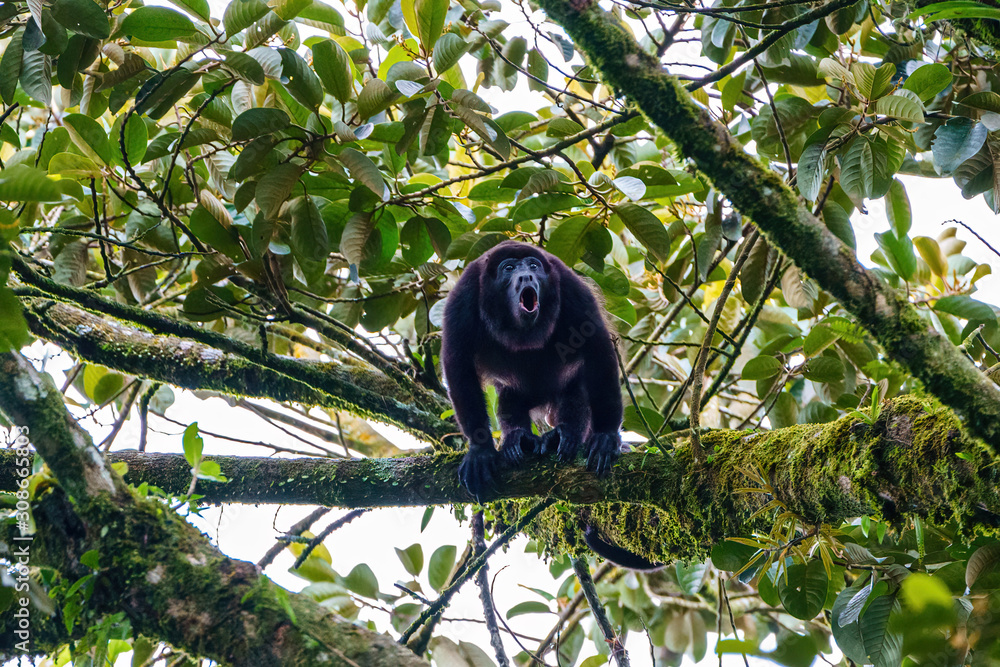
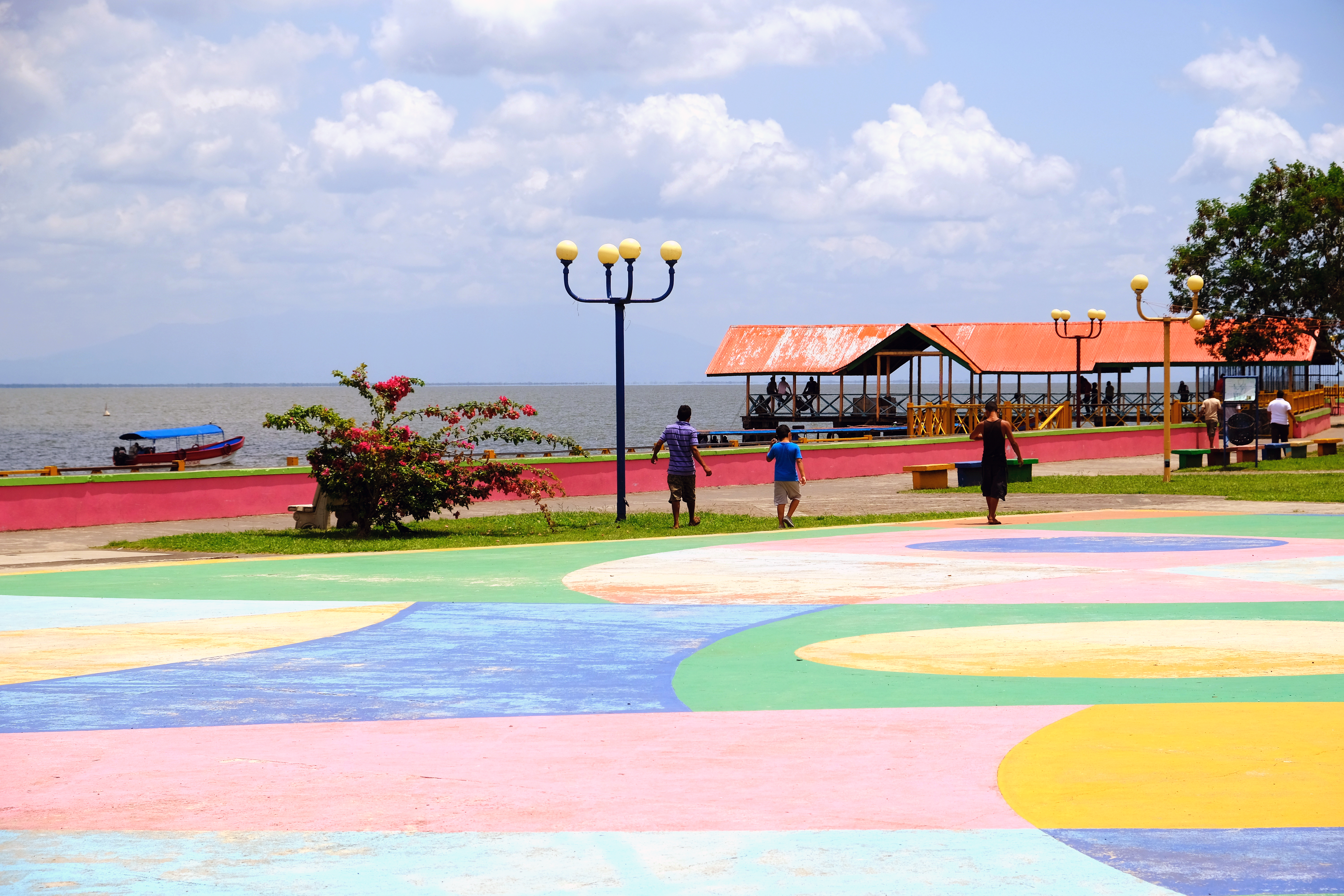
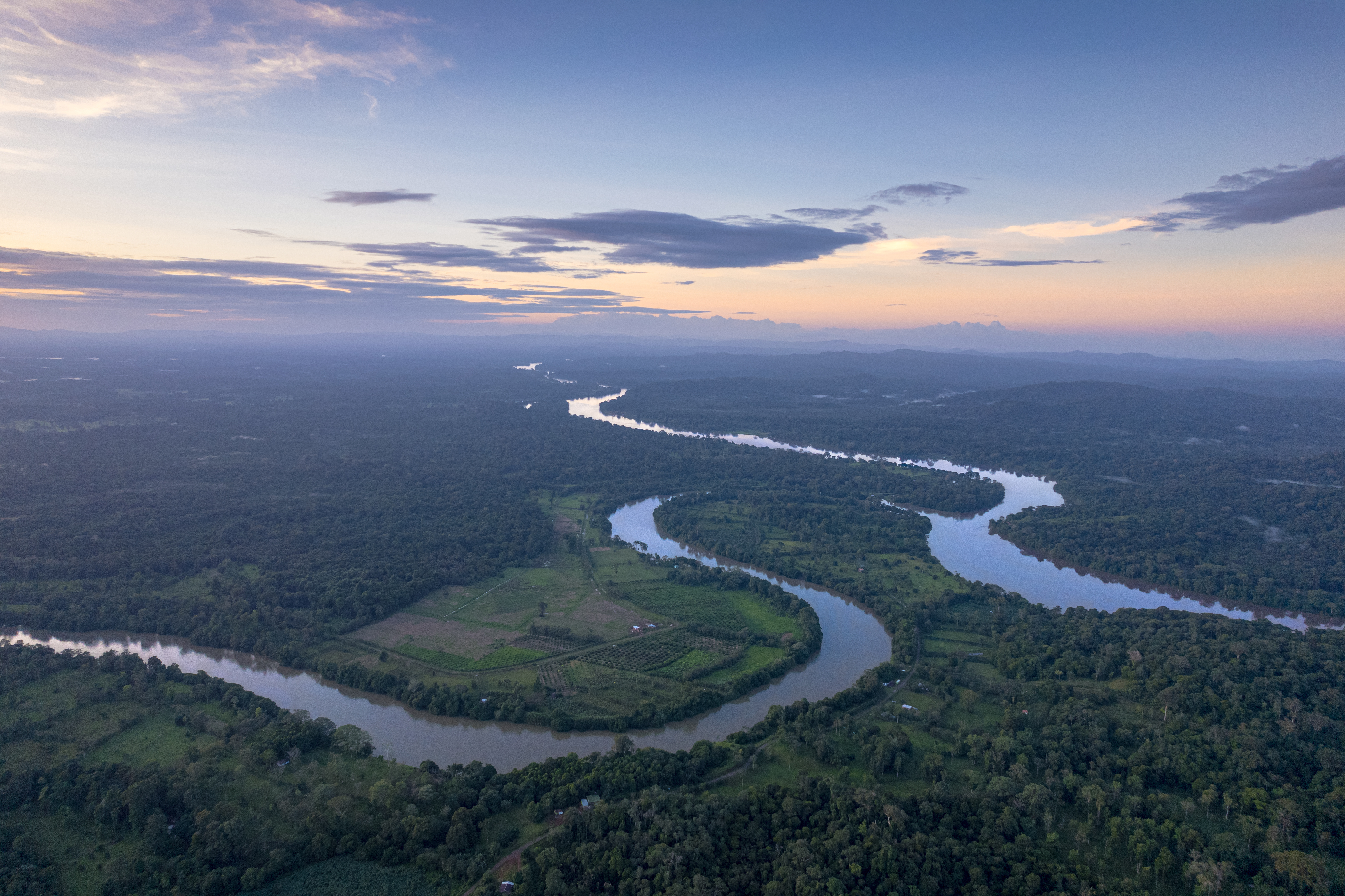
The Río San Juan flows from Lake Nicaragua to the Caribbean Sea, carving a remote and atmospheric route through rainforest, wetlands and riverside communities. San Carlos acts as the main gateway to the region, where a lively local market and historic remains reflect the river’s long role in trade and defence. From here, journeys continue downstream into increasingly wild landscapes, including the Indio Maíz Biosphere Reserve, one of Central America’s most important protected areas and home to monkeys, toucans, caiman and river turtles.
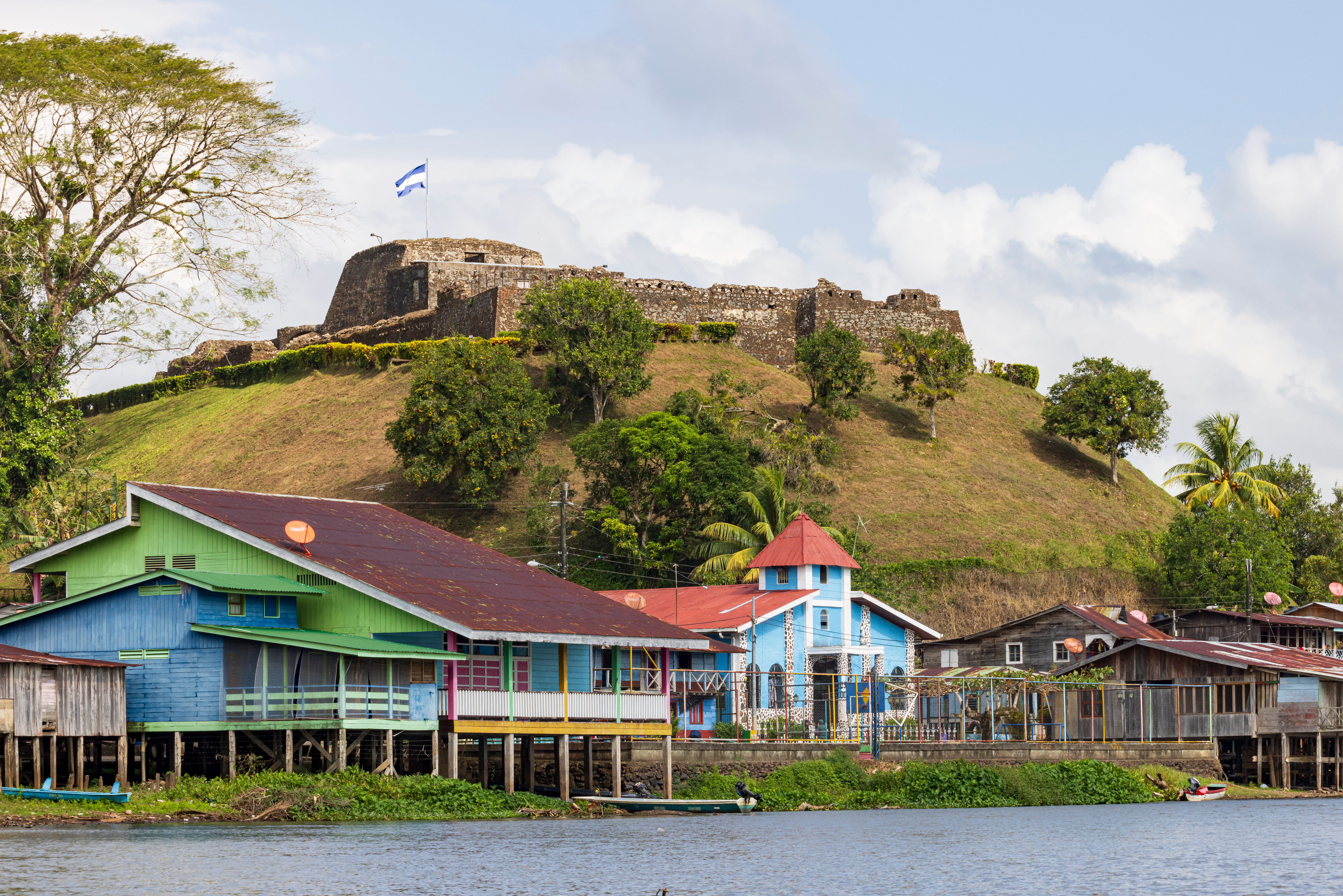
Further along the river, El Castillo stands above the water with its 17th century Spanish fortress, built to protect Granada from pirate attacks. The views from the fort stretch across the river corridor, offering a strong sense of the region’s strategic past. Nearby, the Solentiname Islands provide a peaceful contrast, known for forested trails, abundant birdlife and a close knit artistic community whose hand painted balsa wood carvings reflect daily life and nature.
Why visit Río San Juan
Río San Juan offers a deeply immersive experience shaped by water, wildlife and history. Slow river travel, rich biodiversity and small community encounters define the journey, making it ideal for travellers seeking nature led exploration and cultural depth. It is a region best experienced at an unhurried pace, revealing a quieter and more reflective side of Nicaragua.

Nicaragua

-6 hours

Córdobas /US Dollars

Indio-Maiz Biosphere
When is the best time to go to Rio San Juan?
The best time to visit Río San Juan is during the dry season, from December to May, when you’ll experience warm temperatures, clear skies, and ideal conditions for exploring the river, rainforests, and historic towns. This period offers the best opportunities for wildlife spotting, boat tours, and outdoor adventures without the heavy rains of the wet season.
A highlight of this time is the Río San Juan Carnival, held in mid-January in San Carlos. This lively celebration features a floating parade on the river, vibrant street festivities, live music, dance performances, and traditional Nicaraguan food. The carnival attracts both locals and visitors, making it a fantastic time to experience the region’s culture, history, and community spirit.
About Río San Juan (San Juan River) and its surrounding areas
Río San Juan is one of Nicaragua’s most remote and nature led regions, shaped by rainforest, waterways and a strong sense of history. Exploration is centred on the river itself, whether travelling by boat, kayak or on guided walks into the surrounding forest. The nearby Indio Maíz Biosphere Reserve offers one of the country’s most immersive jungle environments, rich in wildlife and largely untouched. Staying within the reserve’s buffer zone allows for evening river cruises, when nocturnal wildlife activity brings the riverbanks to life.
Located close to the Costa Rican border, Río San Juan works naturally into itineraries that combine both countries. Its position makes it a rewarding transition point, offering a slower pace and a deeper connection to nature and local life. For travellers drawn to wildlife, river journeys and off the main routes experiences, Río San Juan adds a distinctive and memorable dimension to a journey through Nicaragua.
Things to do in and around Rio San Juan (San Juan River)
- Explore Indio-Maíz Biosphere Reserve - Spot monkeys, toucans, caimans, and exotic wildlife in one of Central America’s most biodiverse rainforests.
- Visit El Castillo - Discover the historic 17th-century Spanish fort built to protect Granada from pirates.
- Take a Night Wildlife Cruise - Glide along the river after dark to spot nocturnal creatures like caimans and owls.
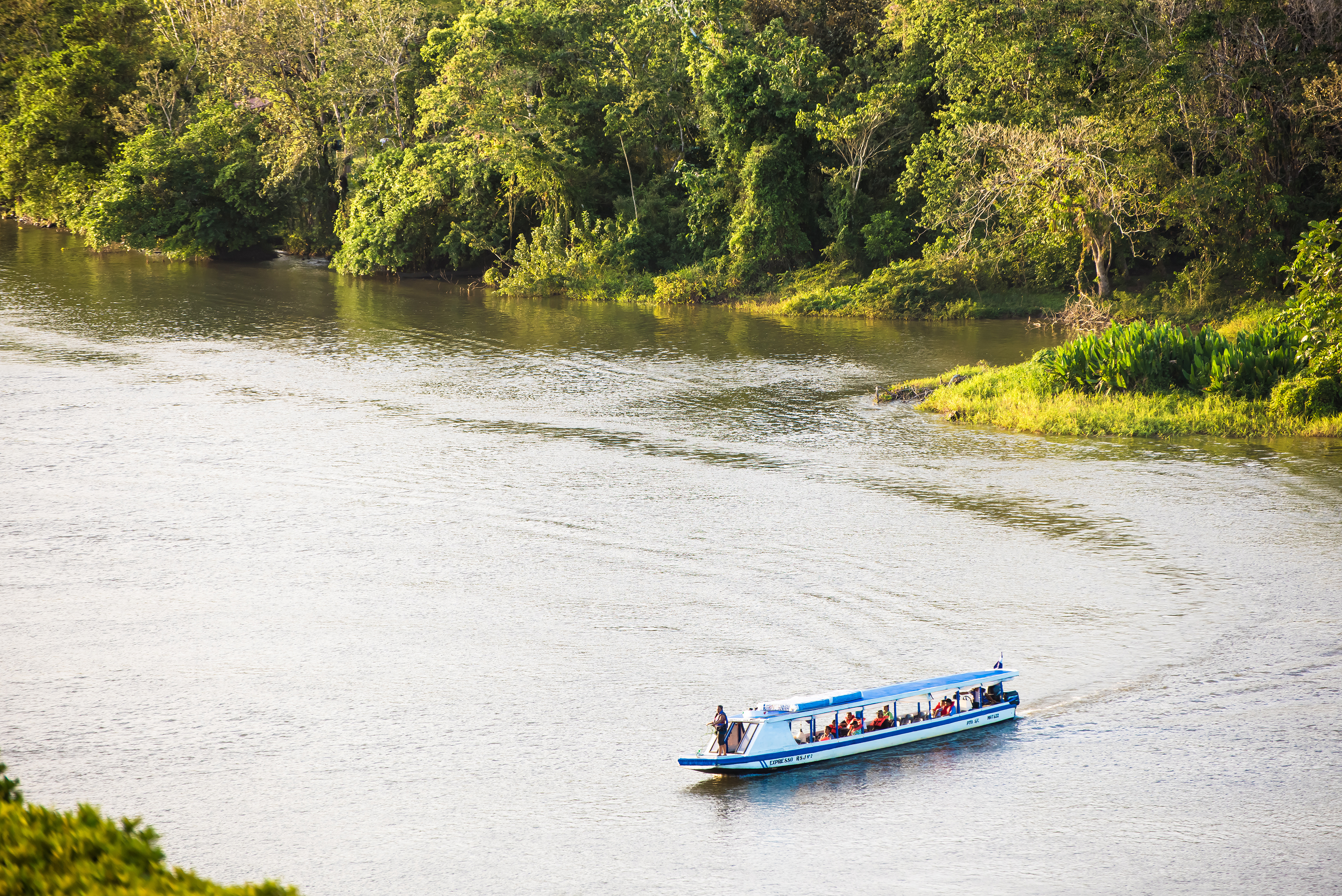
- Kayak or Boat Along the River - Enjoy a scenic journey through lush jungle landscapes and remote villages.
- Experience the Río San Juan Carnival - Join the mid-January celebrations in San Carlos, featuring a floating parade and cultural festivities.
- Birdwatch in Solentiname Islands - See rare species in this tranquil archipelago, a haven for wildlife and nature lovers.
- Visit Local Artisan Communities - Explore the Solentiname Islands’ famous balsa wood carvings and traditional artwork.
- Go Fishing - Try your luck with tarpon fishing, a popular activity in the river’s rich waters.
- Cross into Costa Rica – Use Río San Juan as a scenic gateway between Nicaragua and Costa Rica.
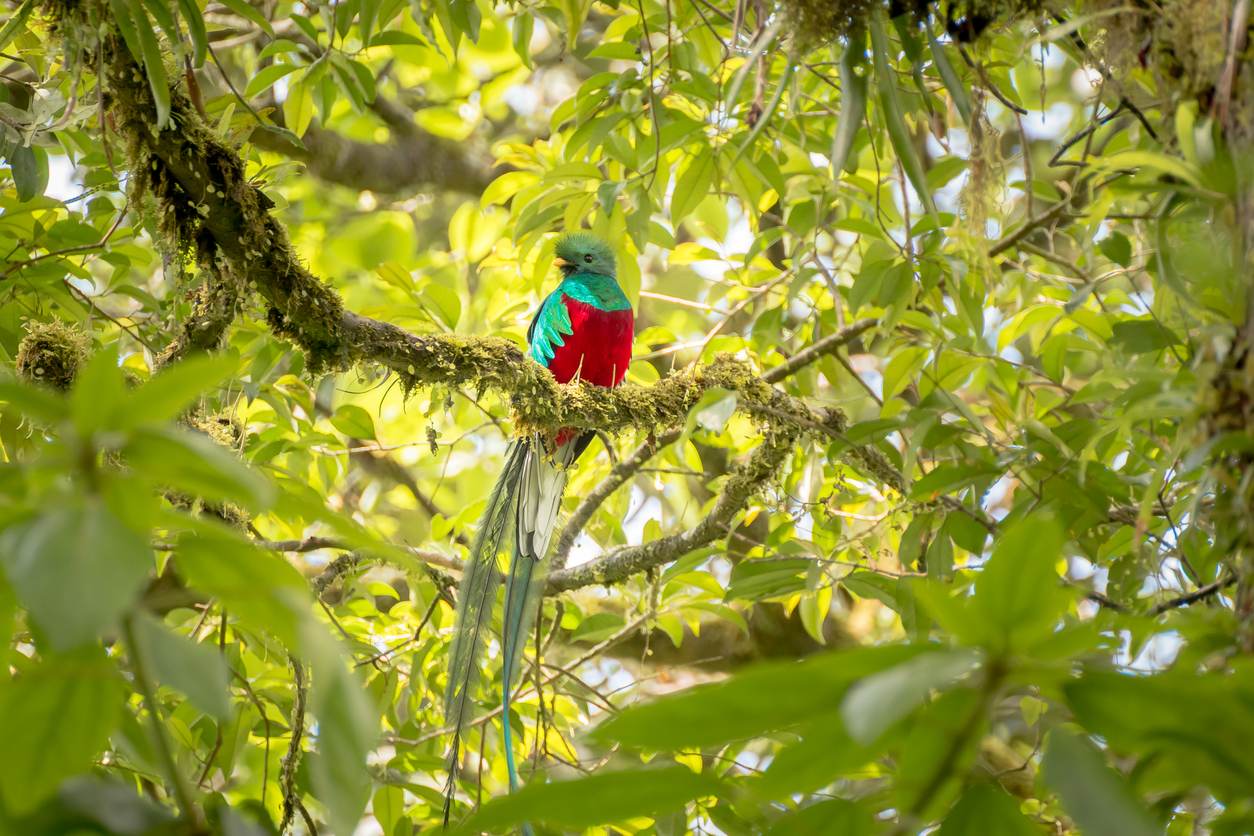
Rio San Juan Highlights
Some of the sights and experiences in and around Rio San Juan, Nicaragua
Speak to a Travel Specialist today
Rio San Juan travel FAQs
Where is the Río San Juan located?
The Río San Juan runs along Nicaragua’s southern border with Costa Rica, flowing from Lake Nicaragua eastwards to the Caribbean Sea. The river forms a natural corridor through rainforest, wetlands and small riverside communities.
What is the Río San Juan known for?
The region is known for its lush rainforest landscapes, rich wildlife and historic importance as a former trade and transport route. It offers a quieter, nature led experience focused on river travel, wildlife viewing and rural life.
What wildlife can be seen in the Río San Juan region?
The river and surrounding forests support a wide range of wildlife, including monkeys, sloths, caiman, river turtles and numerous bird species. Birdlife is particularly strong, with kingfishers, herons and migratory species commonly spotted.
Who is the Río San Juan best suited for?
The Río San Juan suits travellers seeking a quiet, nature focused experience away from busy centres. It is ideal for wildlife enthusiasts, birdwatchers and those interested in Nicaragua’s lesser visited regions and history.
What activities are available along the Río San Juan?
Activities include boat journeys along the river, guided nature walks, birdwatching, fishing and visits to historic sites such as El Castillo fortress. The region is well suited to slow travel and immersive nature experiences.
How do you get to the Río San Juan?
Access is usually via road and boat from towns such as San Carlos or Los Chiles on the Costa Rican side. Travel is best arranged in advance, with private transfers offering the most comfortable option.
How long should you spend in the Río San Juan region?
Most travellers spend two to three nights in the region. This allows time to explore the river, visit surrounding reserves and experience local life at an unhurried pace.
When is the best time to visit the Río San Juan?
The drier months from December to April offer more predictable conditions for river travel and walking. The green season brings higher water levels and lush landscapes, though rain can be more frequent.