


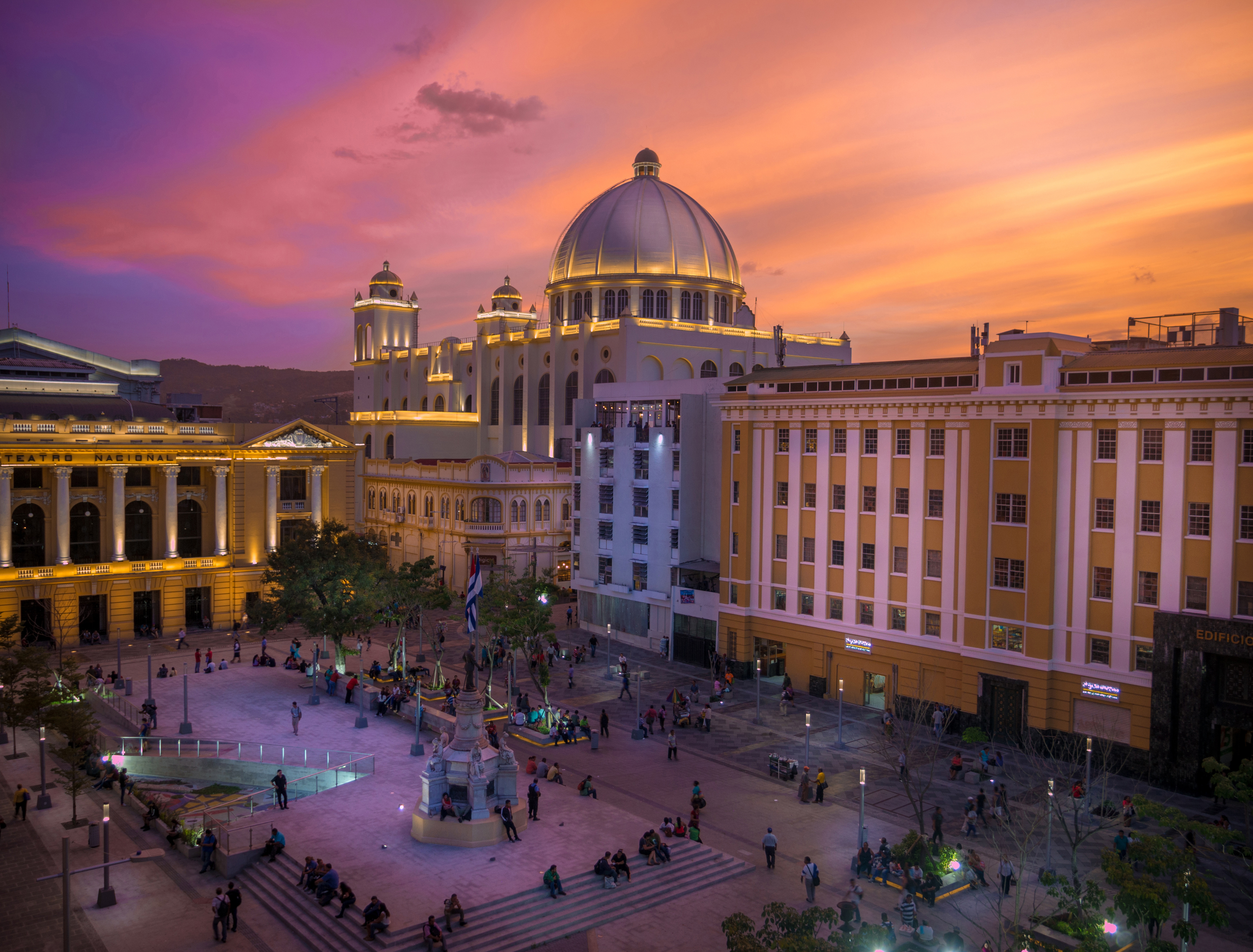
San Salvador: A city of culture, contrast and connection

El Salvador

-6 hours

US Dollars

Joya de Cerén
When is the best time to visit San Salvador?
San Salvador can be visited year-round, though the dry season from November to April is generally the most comfortable time to explore the city and its surroundings. During these months, warm temperatures and clearer skies are well suited to visiting museums, historic neighbourhoods and archaeological sites on day trips from the capital.
May marks the beginning of the green season and coincides with the Las Flores y Las Palmas festival in nearby Panchimalco, offering a lively cultural experience rooted in local tradition. From May to October, rainfall is more frequent, but showers are often short lived and bring a greener feel to the landscape. Travelling during this period also tends to be quieter, appealing to those who prefer a slower pace and fewer visitors.
About San Salvador and its surrounding areas
Set within a broad valley at the foot of the San Salvador Volcano, the capital combines contemporary energy with long standing traditions. Neighbourhoods such as Zona Rosa bring together cafés, galleries and modern restaurants, while the historic centre reveals churches, markets and everyday life shaped by generations of cultural influence.
Just beyond the city, the surrounding region adds depth to the experience. Panchimalco offers insight into El Salvador’s indigenous heritage and colonial past, with traditions that remain central to community life. To the west, the archaeological sites of Joya de Cerén and San Andrés reveal different chapters of Maya history, from a farming village preserved beneath volcanic ash to the ceremonial remains of a once influential city.
Together, San Salvador and its neighbouring sites create a connected journey that links present day life with El Salvador’s layered past. Exploring the capital alongside these nearby cultural and historical landmarks provides a fuller understanding of the country’s identity and evolution.
Things to do in and around San Salvador
- Learn more about El Salvador’s identity at the Museum of Anthropology (MUNA): Explore the country’s rich cultural layers, from pre-Hispanic civilisations to modern-day traditions, through artefacts, exhibits, and interactive displays.:
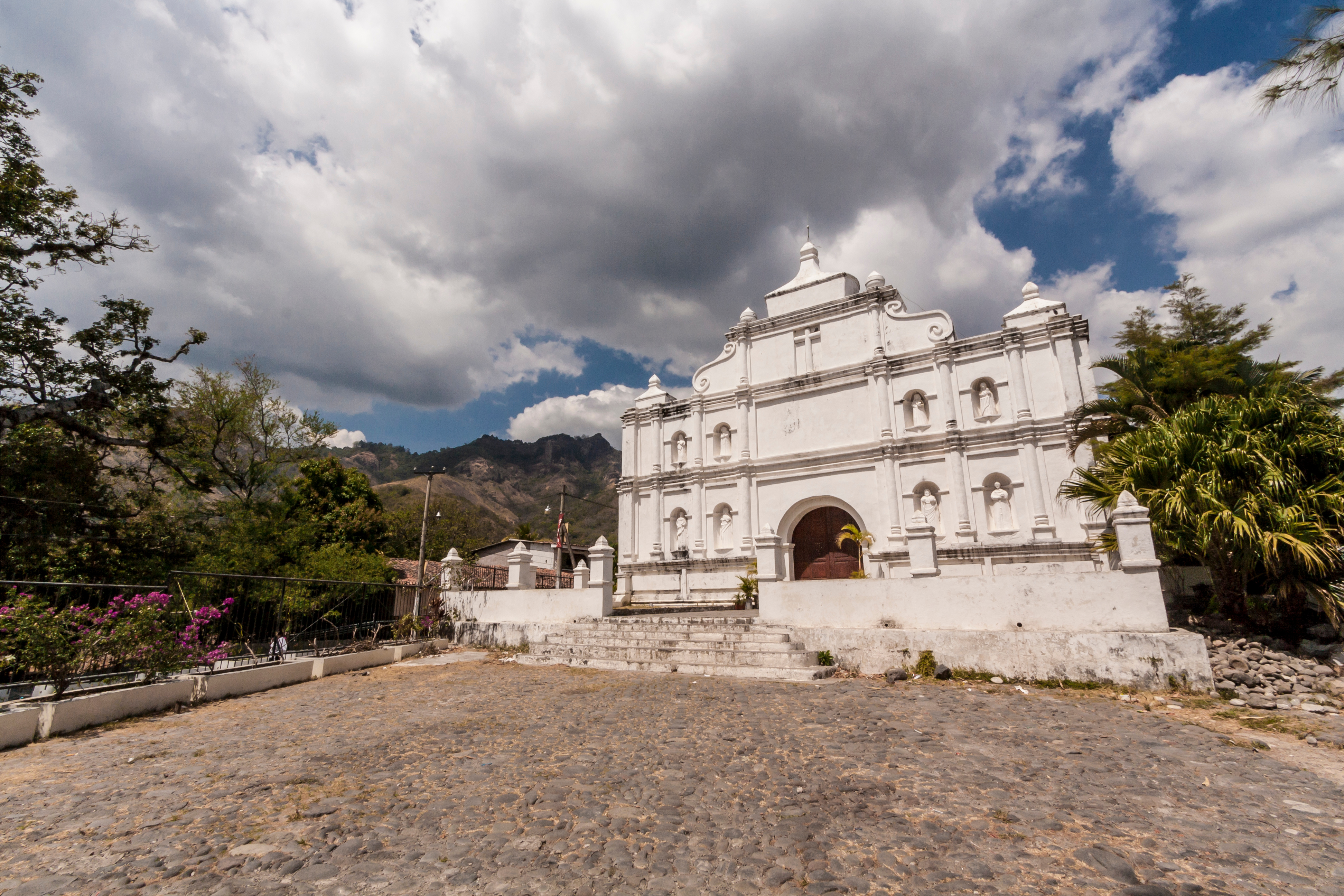
- Visit the 200-year-old church in Panchimalco: Step inside one of the oldest churches in El Salvador, set in a town known for its strong indigenous heritage and vibrant community festivals.
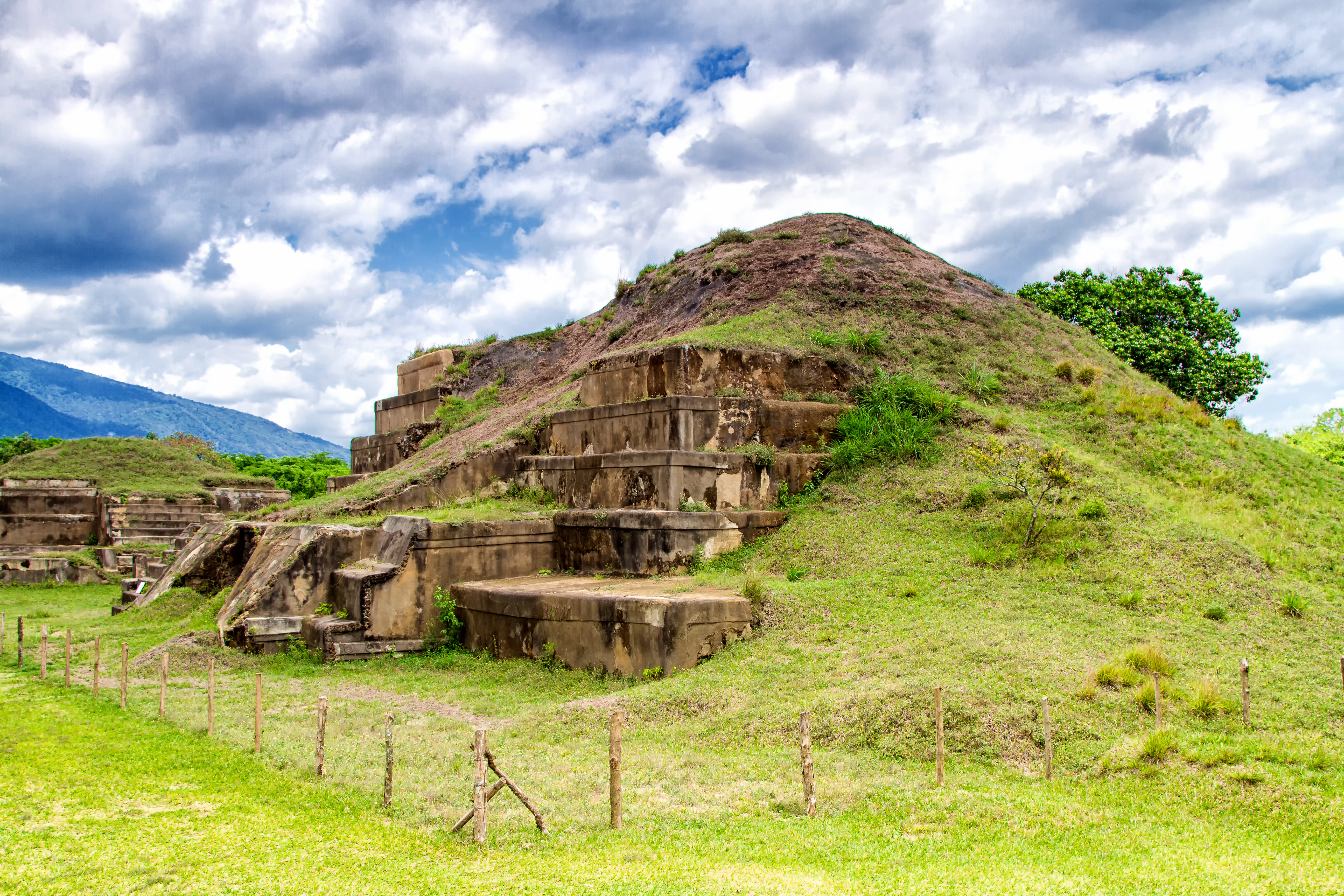
- Uncover the secrets of the ancient Maya at Joya de Cerén: Often called the “Pompeii of the Americas,” this UNESCO World Heritage Site offers a rare glimpse into everyday Maya life, preserved in volcanic ash.
- Explore the ceremonial ruins of San Andrés: Just a few miles from Joya de Cerén, this archaeological site reveals the grandeur of a once-thriving Maya city, complete with pyramids, plazas, and trade links across Mesoamerica.
- Stroll through Zona Rosa’s cafés, galleries, and restaurants: This lively district is the capital’s cultural and culinary heart, perfect for a relaxed afternoon or an evening out.
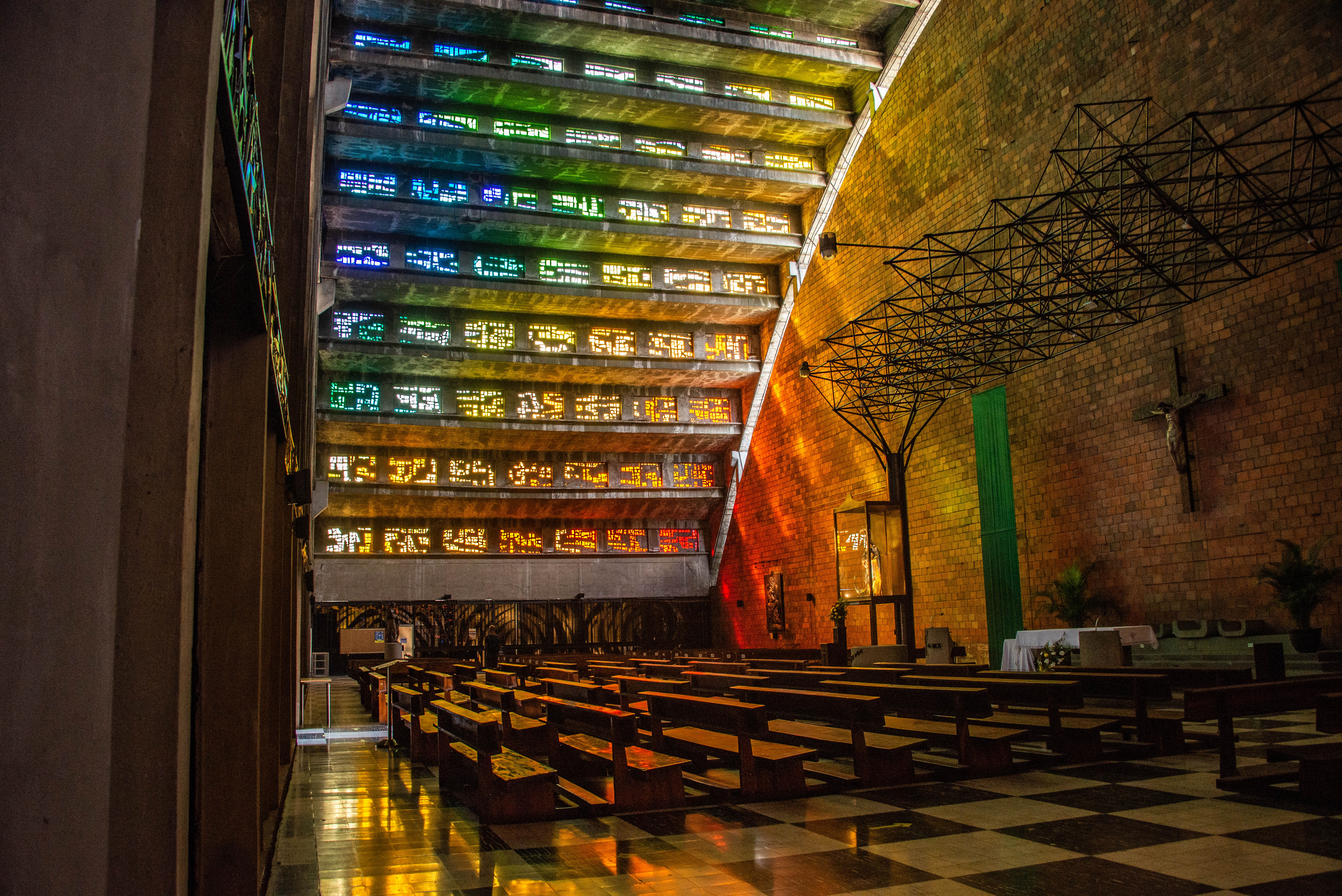
- Admire the stained glass and brutalist beauty of El Rosario Church: From the outside, it’s unassuming, but step inside and you’ll find a kaleidoscope of coloured light pouring through arched stained glass, illuminating one of the city’s most unique architectural landmarks.
- Visit the Museum of Art of El Salvador (MARTE): Discover a diverse collection of Salvadoran art, from 19th-century works to contemporary installations that reflect the country’s evolving creative identity.
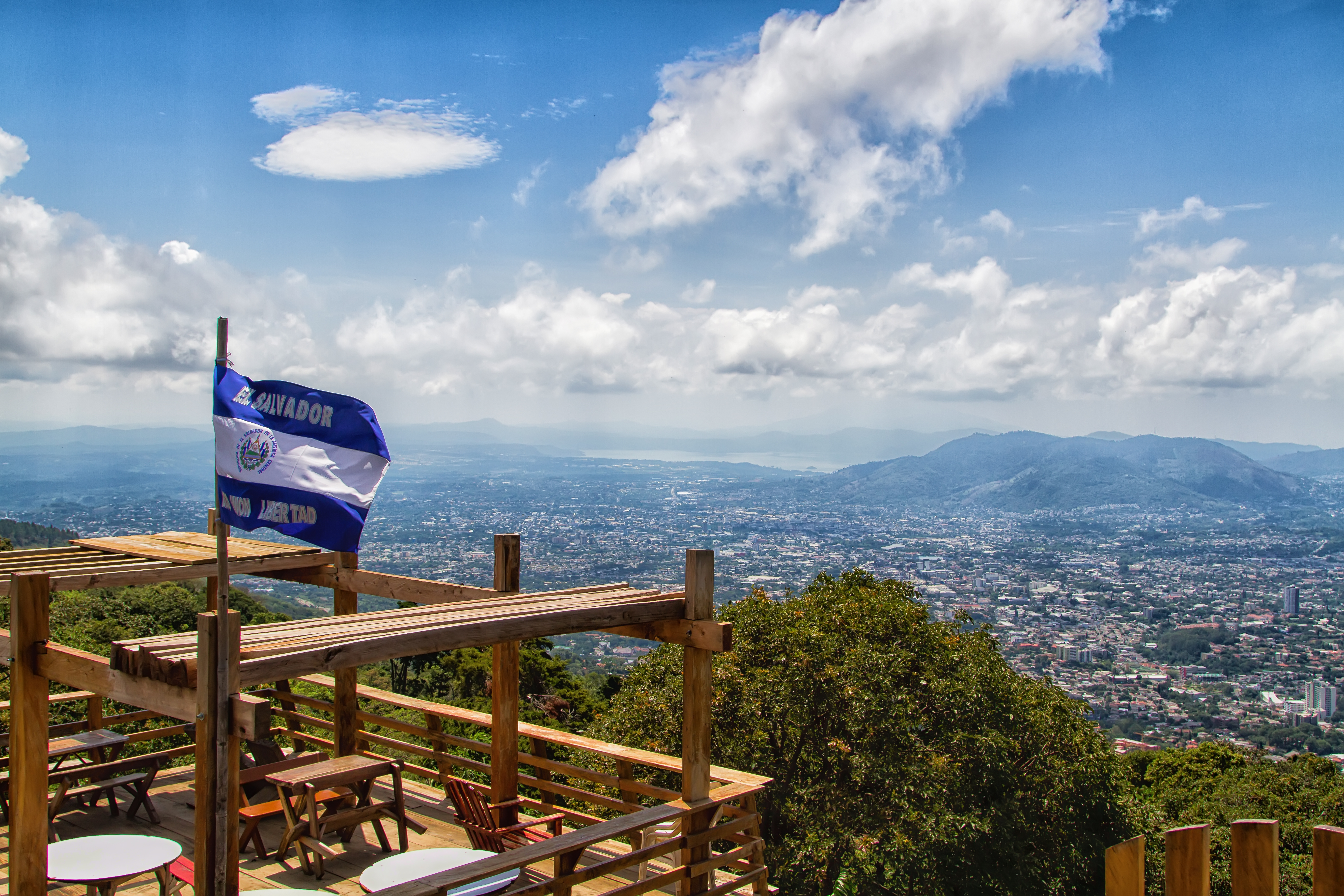
- Take in the views from El Boquerón National Park: Located on the rim of the San Salvador Volcano, this park offers cool air, forest trails, and panoramic views over the city and surrounding valleys.
- Shop for local crafts at Mercado Nacional de Artesanías: Pick up handmade textiles, ceramics, and woodwork at this artisan market, ideal for finding authentic souvenirs.
- Experience a traditional festival in Panchimalco: If visiting in May, don’t miss the Las Flores y Las Palmas festival, a colourful celebration blending Catholic and indigenous traditions with music, dance, and food.
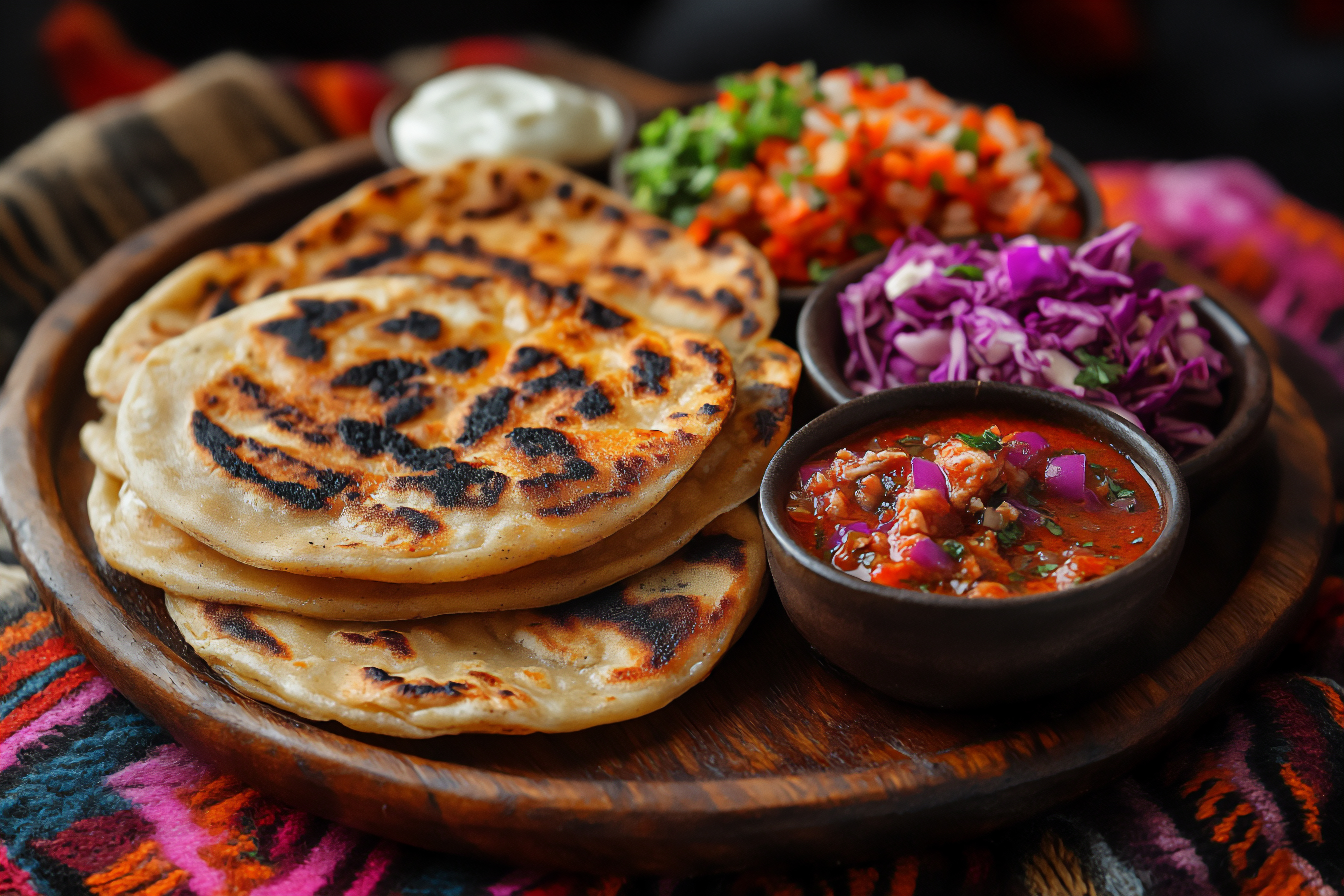
- Sample pupusas at a local eatery: No visit to San Salvador is complete without trying El Salvador’s national dish, thick corn tortillas filled with cheese, beans, or pork, best enjoyed hot off the griddle.
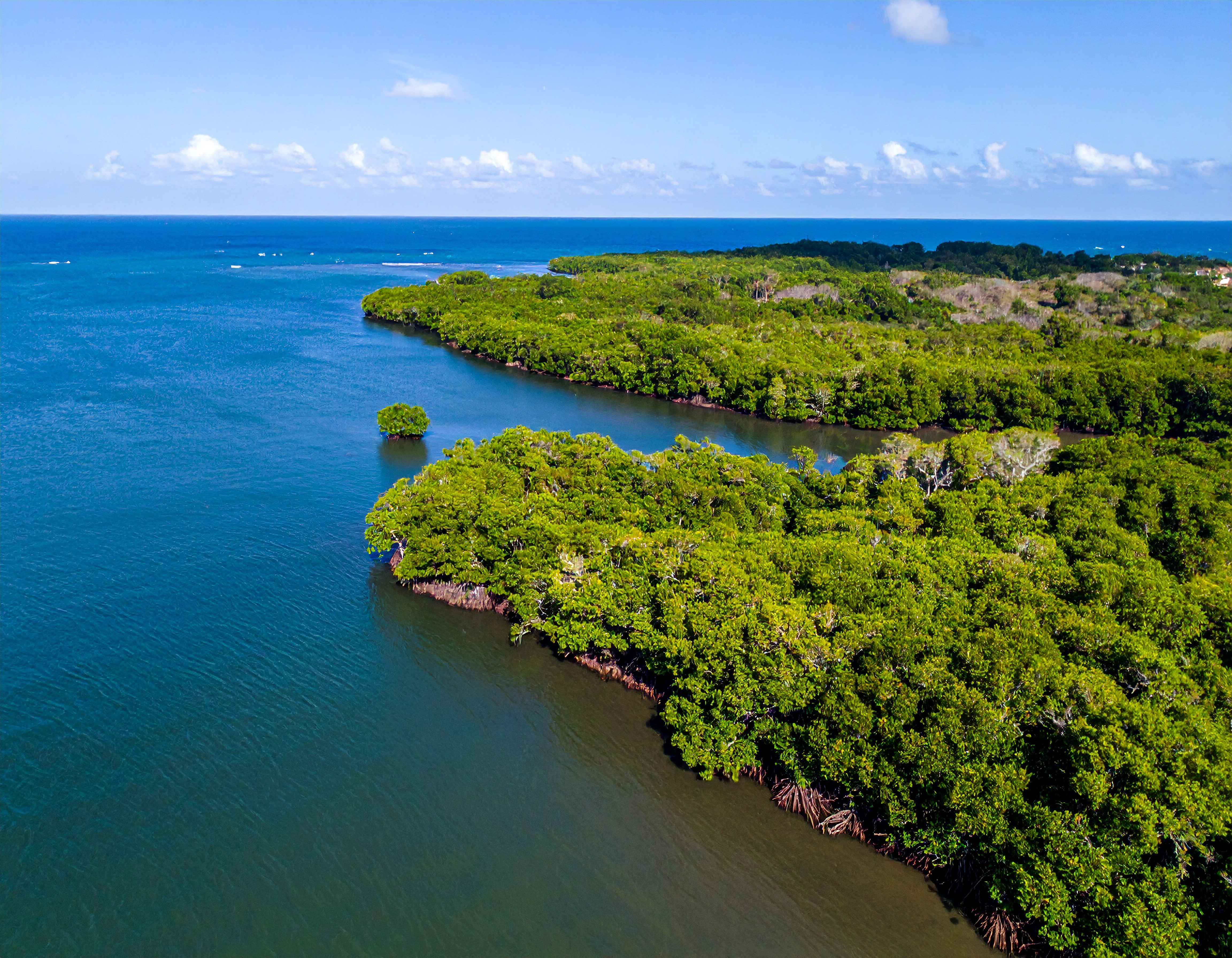

San Salvador Highlights
Some of the sights and experiences in and around San Salvador, El Salvador
Speak to a Travel Specialist today
San Salvador Travel FAQs
Where is San Salvador located?
San Salvador is the capital of El Salvador, located in the central part of the country, nestled in a valley beneath the San Salvador Volcano.
Are there any cultural festivals worth attending?
Yes! The Las Flores y Las Palmas festival in Panchimalco (May) is a vibrant celebration blending indigenous and Catholic traditions. The city also hosts art, food, and music events throughout the year.
What archaeological sites are nearby?
Just outside the city, you’ll find Joya de Cerén, a UNESCO World Heritage Site preserving a Maya village, and San Andrés, a ceremonial centre with pyramids and plazas dating back to 600 AD.
Is San Salvador safe for tourists?
San Salvador is increasingly popular with visitors, especially in areas like Zona Rosa and cultural districts. As with any major city, it’s best to stay aware of your surroundings, avoid isolated areas at night, and follow local advice.
What should I wear?
Light, breathable clothing is ideal for the warm climate. Bring a light jacket for cooler evenings or higher altitudes, and comfortable shoes for walking or exploring archaeological sites.
Can I use US dollars in San Salvador?
Yes, the US dollar is the official currency in El Salvador. Credit cards are widely accepted in urban areas, but it’s useful to carry small cash for markets and local shops.
What language is spoken?
Spanish is the official language. English is spoken in some tourist areas, but learning a few basic Spanish phrases can enhance your experience.
Are there local dishes I should try?
Absolutely! Don’t miss pupusas, El Salvador’s national dish, along with yuca frita, tamales, and empanadas de plátano. Many local eateries and markets offer authentic flavours at affordable prices.