


Discover Copán, Honduras: Ancient Maya ruins, nature & culture in the western highlands
Tucked into the lush hills of western Honduras, Copán is a destination where ancient history, natural beauty and vibrant culture come together. At its heart is the charming town of Copán Ruinas, a relaxed base for exploring the region’s archaeological wonders, forested landscapes and coffee-covered hillsides. Whether you're wandering through Maya ruins, sipping locally grown coffee or spotting scarlet macaws in the treetops, Copán offers a rich and rewarding experience far from the crowds.
Why Visit Copán, Honduras?
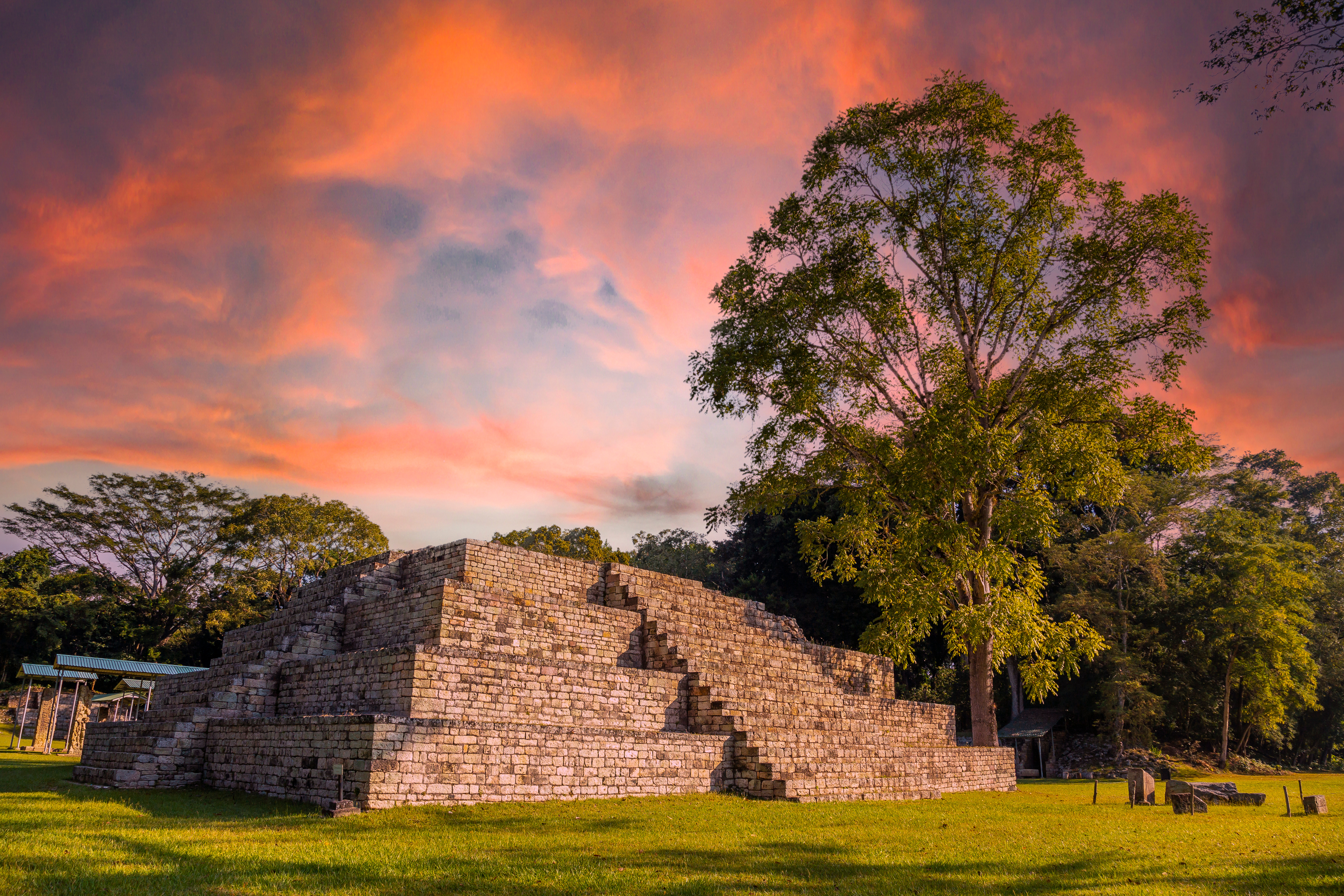
Copán is home to one of the most important Maya sites in Central America, a UNESCO World Heritage treasure known for its intricately carved stelae, towering pyramids and the famous Hieroglyphic Stairway. Just beyond the ruins, Macaw Mountain Bird Park & Nature Reserve offers a peaceful retreat where rescued parrots and macaws thrive in a tropical forest setting. The surrounding countryside is dotted with coffee farms, where visitors can learn about the bean-to-cup process and sample some of Honduras’ finest brews. For those looking to explore further, the lesser-known El Puente archaeological site provides a quieter, more intimate glimpse into Maya civilisation.

Honduras

-6 hours

Lempira (HNL) = US Dollars accepted

Copán Archaeological Site
When is the best time to visit Copán?
About Copán and its surrounding areas
Located in western Honduras close to the Guatemalan border, Copán is a region shaped by Maya heritage and a gently rolling landscape of hills, coffee plantations, and tropical forest. The small town of Copán Ruinas acts as the main gateway to the Copán Archaeological Site, a UNESCO World Heritage Site celebrated for its finely carved stelae, hieroglyphic stairway, and ceremonial plazas.
Beyond the ruins, the area offers a quieter connection to nature and rural life. Macaw Mountain Bird Park and Nature Reserve sits just outside town, providing a peaceful setting to see rescued tropical birds among forested trails. Nearby coffee farms introduce visitors to one of Honduras’ most important agricultural traditions, with opportunities to learn about cultivation and production at source.
Exploring further afield reveals a countryside of small villages, scenic walking routes, and lesser visited Maya sites such as El Puente. Together, these experiences give Copán a balanced character, where ancient history, natural surroundings, and everyday life come together in an unhurried and rewarding way.
Things to do in and around Copán
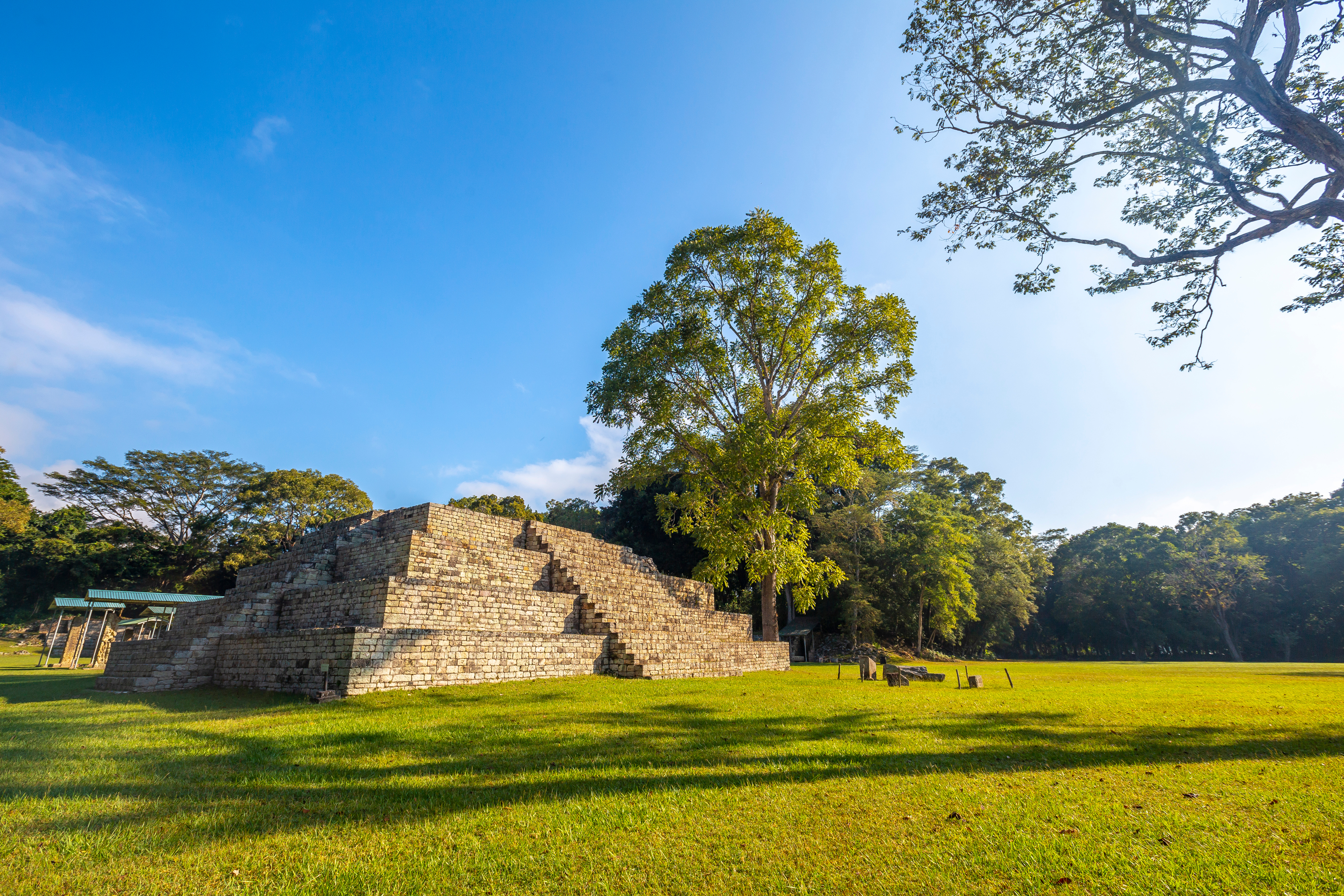
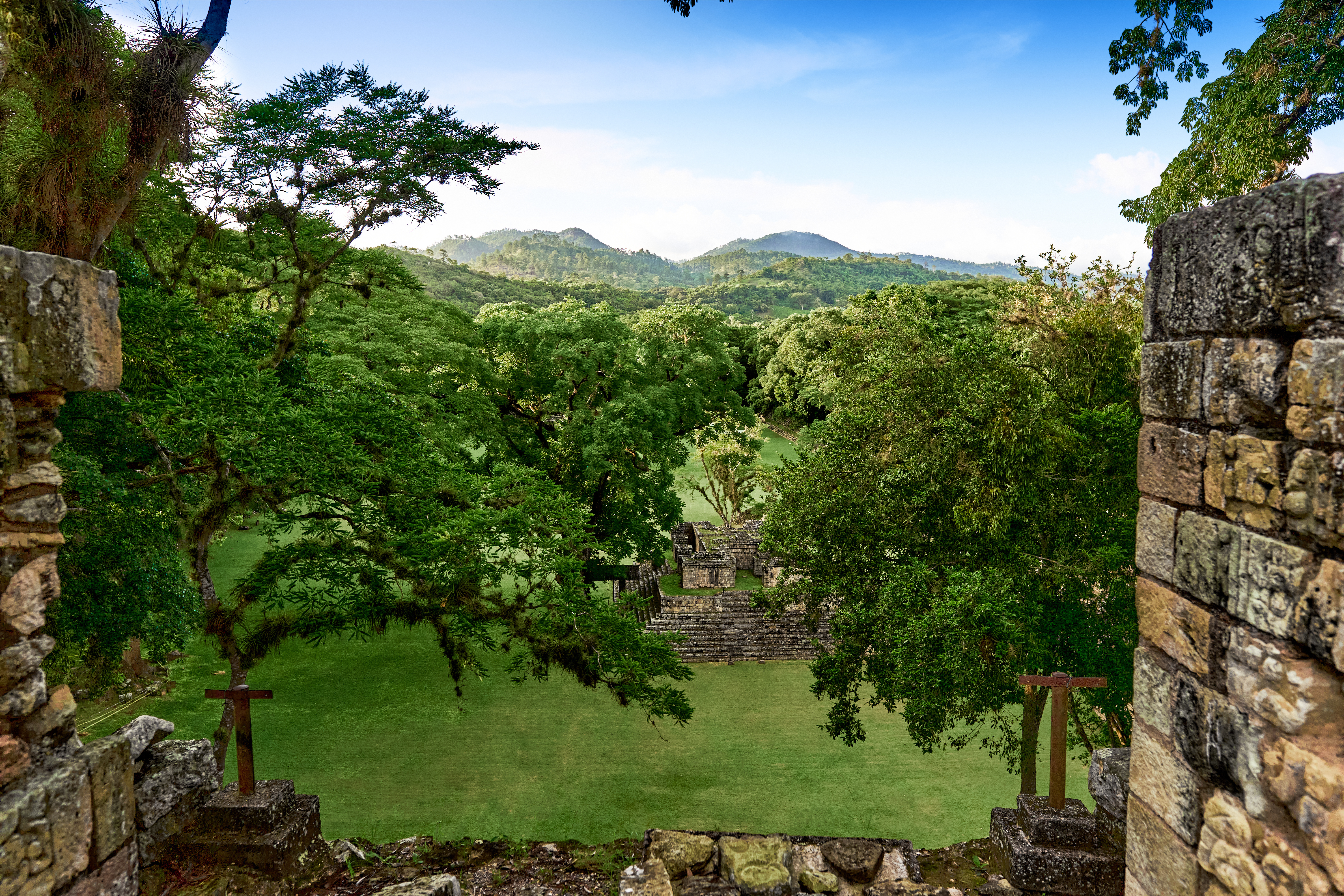
- UNESCO World Heritage Copán archaeological site: Explore one of the most significant Maya sites in Central America. Known for its intricately carved stelae, ceremonial plazas and the Hieroglyphic Stairway, Copán offers a fascinating glimpse into ancient civilisation in a lush, jungle setting.
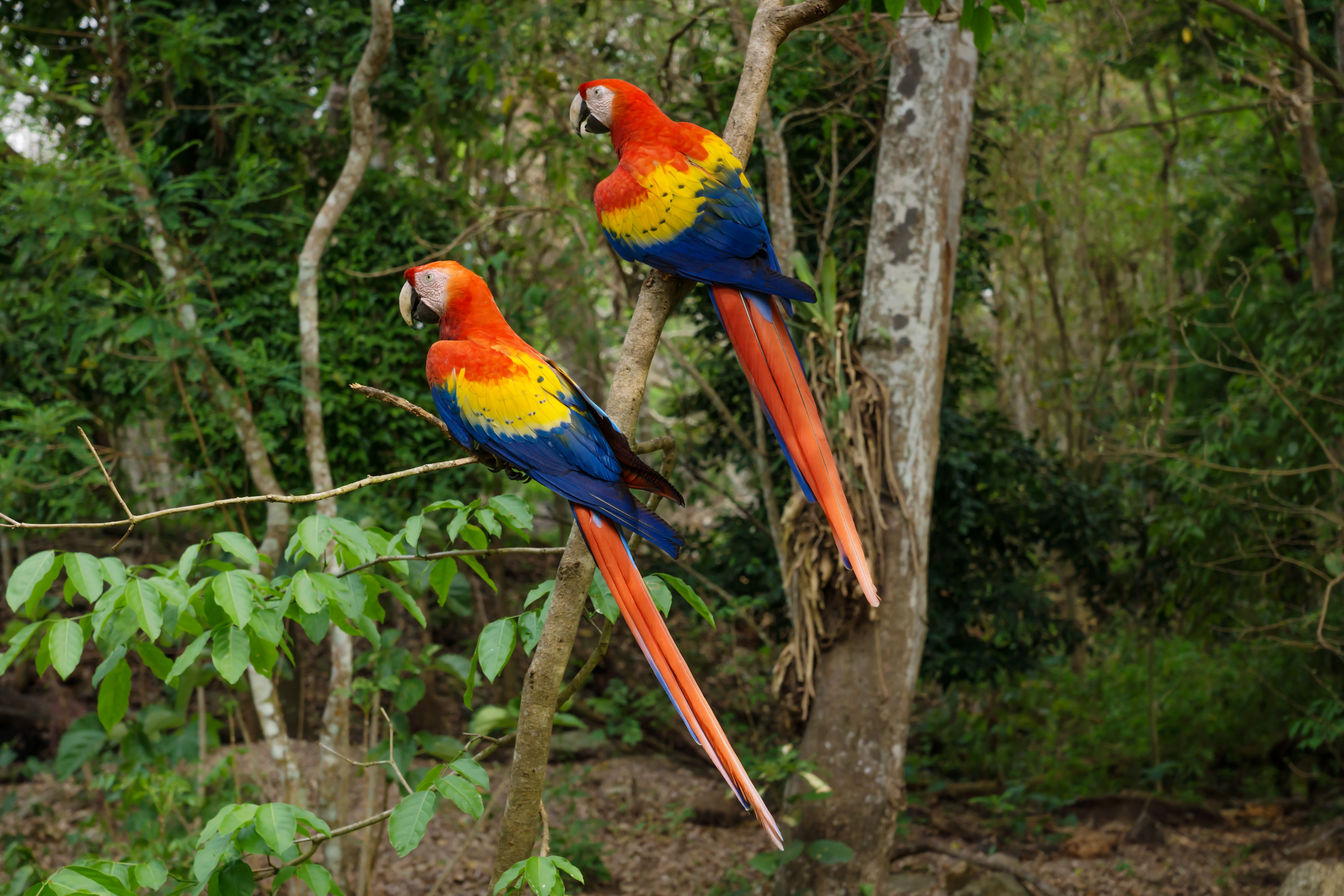
- Macaw Mountain bird park & nature reserve: Wander through tropical forest trails in this peaceful sanctuary dedicated to the rescue and conservation of native birds. Scarlet macaws, toucans and parrots soar freely, making it a favourite for nature lovers and photographers.
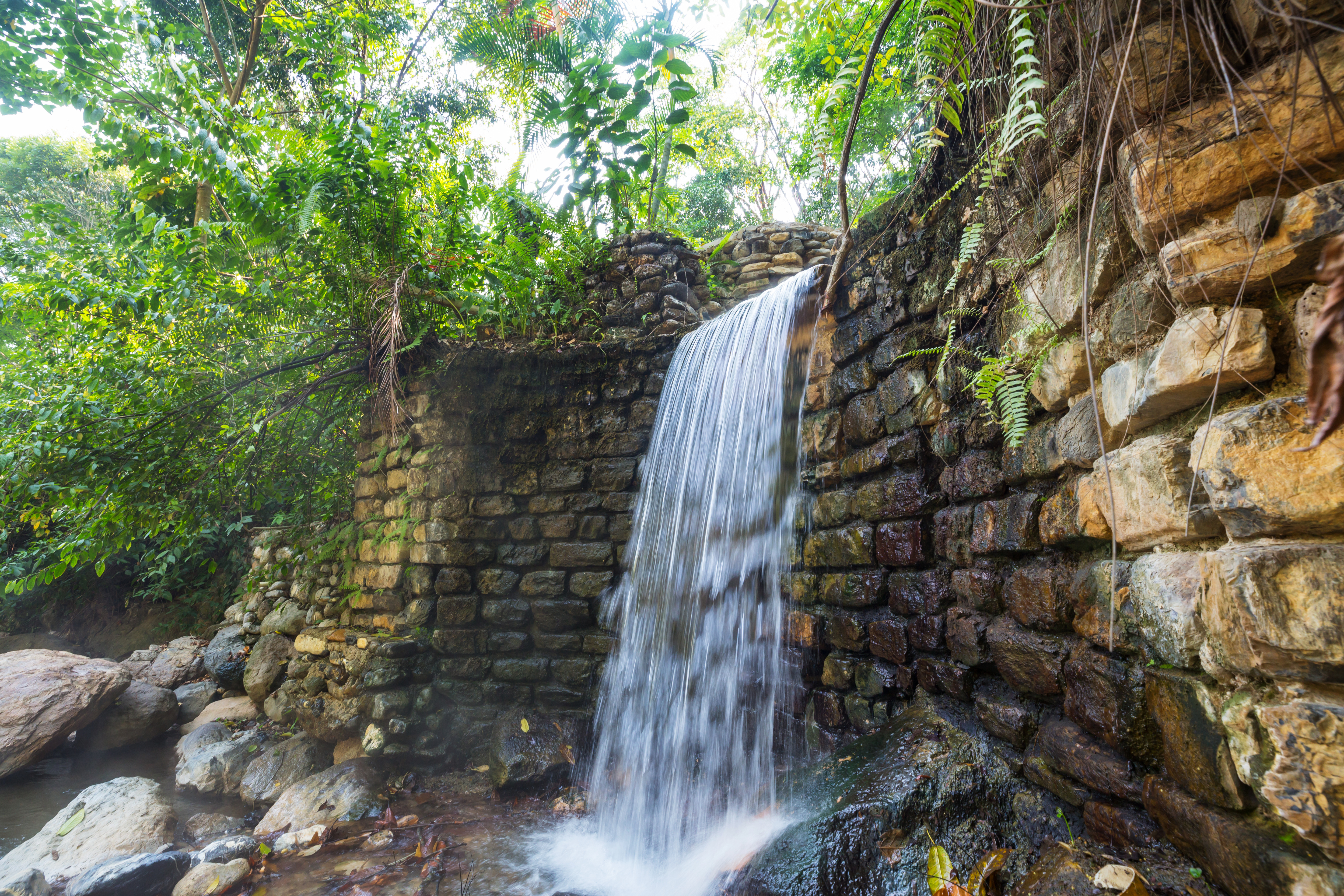
- Luna Jaguar Hot Springs: Relax in natural thermal pools surrounded by forested hills. Located just outside Copán, this tranquil retreat offers a mix of hot springs, spa treatments and jungle scenery—perfect after a day of exploring.
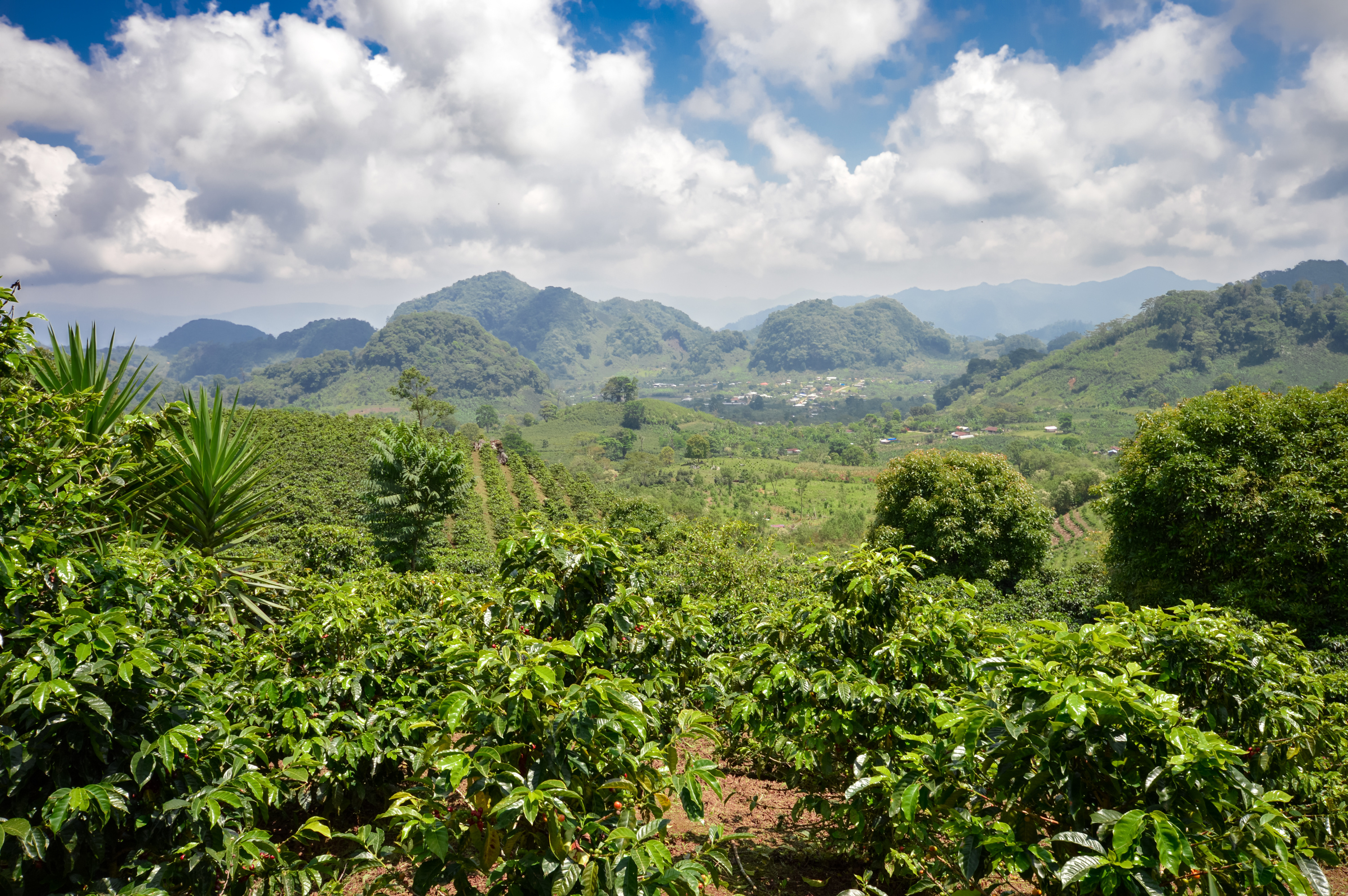
- Coffee tours and tastings: Visit local plantations to learn about the coffee-making process from bean to cup. Guided tours include walks through the fields, insights into cultivation and roasting, and tastings of rich, aromatic blends unique to the region.
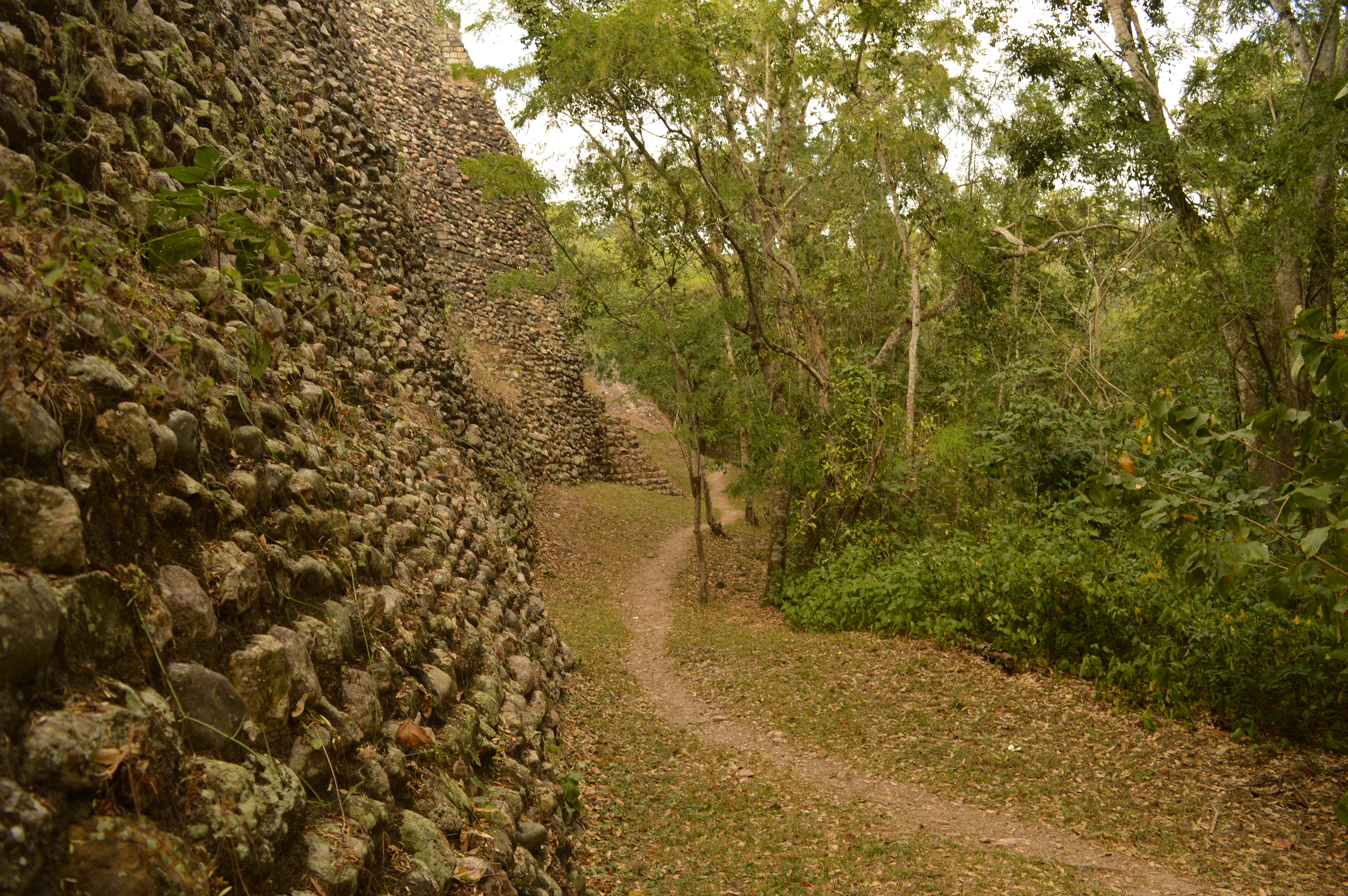
- El Puente archaeological site: For a quieter, off-the-beaten-path experience, head to El Puente. This lesser-known Maya site features beautifully preserved ruins set in peaceful countryside, ideal for those looking to explore beyond the main complex.
- Copán Sculpture Museum: Located near the archaeological site, this museum showcases original Maya sculptures and replicas in a thoughtfully designed space. Highlights include the reconstructed Rosalila Temple and detailed carvings from the ruins.
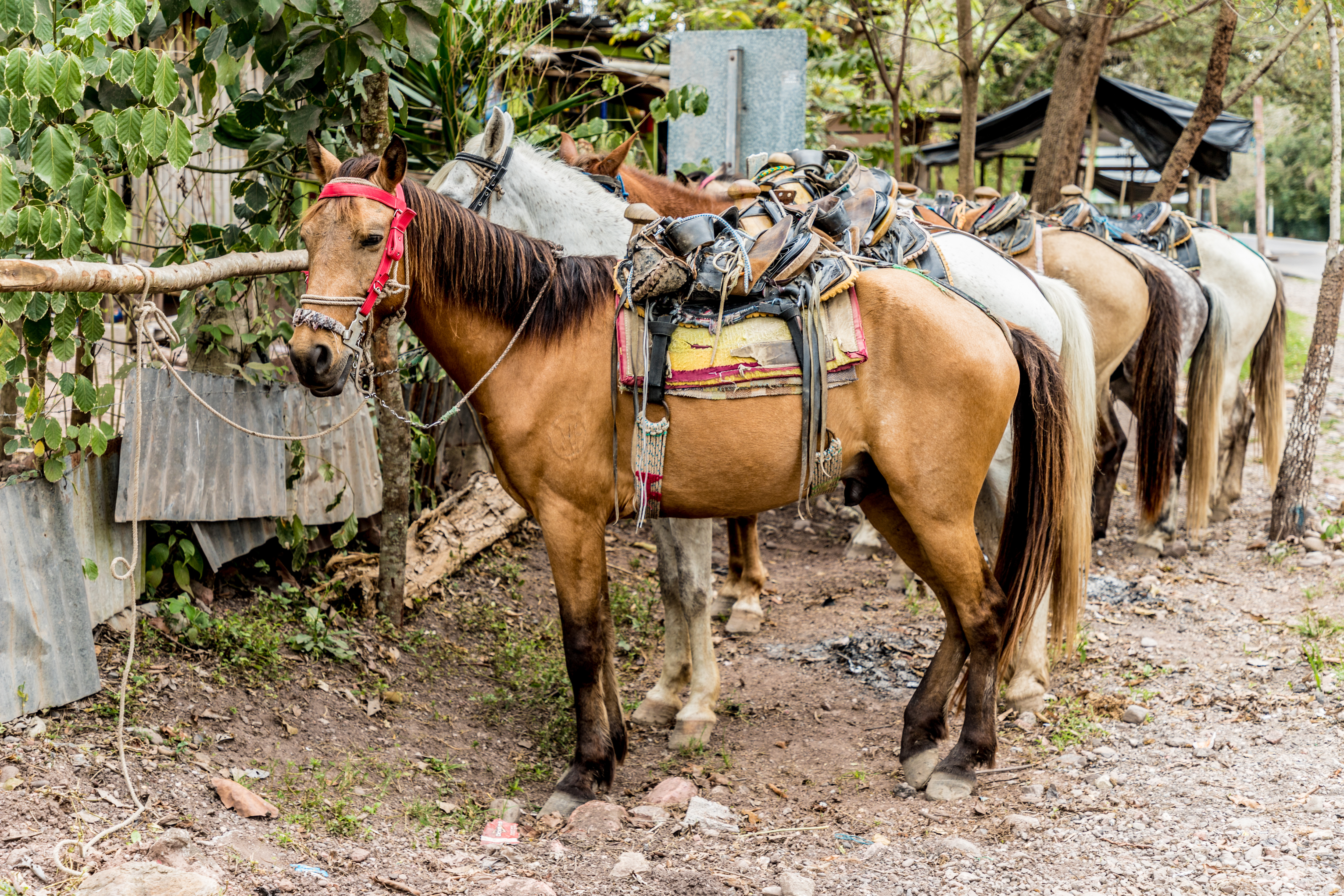
- Horseback riding in the hills: Take a guided ride through the scenic countryside surrounding Copán Ruinas. Trails wind past coffee farms, small villages and forested slopes, offering a relaxed way to experience the landscape.
- Local artisan markets: Browse handmade crafts, textiles and pottery in Copán Ruinas. The town’s small shops and stalls offer unique souvenirs and a chance to support local artisans.
- Los Sapos Trail: A short hike from town leads to this small archaeological site featuring frog-shaped carvings believed to be linked to Maya fertility rituals. The trail also offers lovely views of the valley and surrounding hills.
- Cooking classes and cultural experiences: Join a local cooking class to learn traditional Honduran recipes, or take part in cultural workshops that explore Maya heritage, music and storytelling.
Copán Highlights
Some of the sights and experiences in and around Copán, Honduras
Speak to a Travel Specialist today
Copán Travel FAQs
How many days should I spend in Copán?
Two to three days is ideal to explore the main archaeological site, visit Macaw Mountain, enjoy a coffee tour and relax in the nearby hot springs. Add an extra day if you’d like to visit El Puente or take part in cultural experiences.
Is Copán suitable for families?
Yes. The ruins are easy to explore, and attractions like Macaw Mountain and Luna Jaguar Hot Springs are great for children. Guided tours can be tailored to suit all ages.
What’s the best way to get to Copán?
Copán is accessible by road from San Pedro Sula (approx. 3.5 - 4 hours) or from Guatemala’s border town of Chiquimula. Private transfers and shuttle services are available, and many travellers combine it with visits to Antigua or Lake Atitlán.
Do I need a guide to visit the ruins?
While you can explore independently, a local guide adds depth to the experience. They’ll help interpret the carvings, explain Maya history and point out hidden details you might miss on your own. Your travel specialist can arrange and plan a guide into your travel itinerary.
Is Copán safe for travellers?
Copán Ruinas is considered one of the safest towns in Honduras for visitors. It’s a small, welcoming community with a relaxed atmosphere. As always, standard travel precautions apply.
Can I visit coffee farms in Copán?
Absolutely. Several local plantations offer guided tours where you can learn about the cultivation process and enjoy tastings of freshly roasted coffee.
Are there good places to eat in Copán Ruinas?
Yes. The town has a mix of cosy cafés, traditional Honduran eateries and international options. Many restaurants use locally sourced ingredients and offer vegetarian choices.
What currency is used in Copán?
The Honduran lempira (HNL) is the official currency. US dollars are accepted in some places, but it’s best to carry local currency for small purchases and tips.
What should I pack for Copán?
Light, breathable clothing for the day, a light jacket for cooler evenings, comfortable walking shoes, insect repellent, sunscreen and a reusable water bottle. A rain jacket is useful during the wet season.