


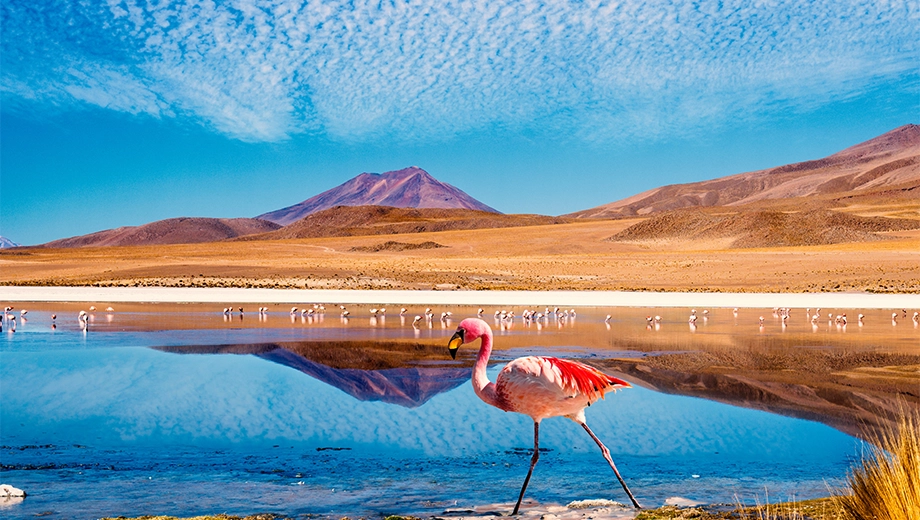
Uyuni: Home to One of the Most Beautiful Places on Earth – The Salt Flats

Bolivia

-5 hours

Bolivianos

Stargazing
When is the best time to visit Uyuni Salt Flats?
Uyuni can be visited throughout the year, with each season offering a distinctly different experience of the salt flats. The landscape of Salar de Uyuni changes dramatically between the dry and rainy seasons, making timing an important part of planning your visit.
From May to October, the dry season reveals the classic salt flat scenery, with an endless expanse of bright white, geometric salt formations stretching to the horizon. These months bring clear skies and stable conditions, ideal for exploring the flats and surrounding high altitude landscapes.
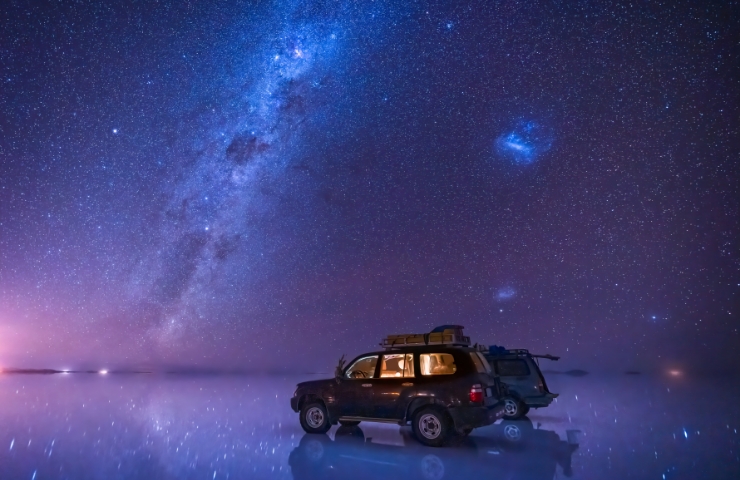
Between November and March, seasonal rainfall creates a thin layer of water across the surface, transforming Salar de Uyuni into a vast natural mirror. Reflections of clouds and sky produce striking visual effects, particularly at sunrise and sunset. Both seasons offer memorable experiences, and the best time to visit depends on whether you are drawn to crisp, textured landscapes or the surreal mirror like reflections that have made Uyuni so iconic.
About the Uyuni Salt Flats and things to do
Founded in 1890 as a small trading post, Uyuni sits on the edge of a vast high altitude plain in southwest Bolivia. Today, the town has a population of just over 10,000 residents and lies at around 3,700 metres above sea level, giving it a stark yet distinctive setting within the Andean landscape.
Uyuni is best known as the gateway to Salar de Uyuni, the world’s largest salt flat. Covering approximately 12,000 square kilometres, this immense white expanse stretches to the horizon and is unlike any landscape found elsewhere. Its scale, light, and changing seasonal character draw travellers from across the world, making it one of Bolivia’s most iconic natural sights and an essential stop when exploring the region.
Things to do in and around Uyuni Salt Flats
- Explore Salar de Uyuni: Visit the world’s largest salt flat, an immense white expanse that shifts in character throughout the year, from geometric salt patterns to mirror like reflections during the rainy season.
- Visit the Train Graveyard: Discover a collection of rusting steam locomotives on the edge of Uyuni, remnants of the town’s past as a major rail hub and now an atmospheric historical site.
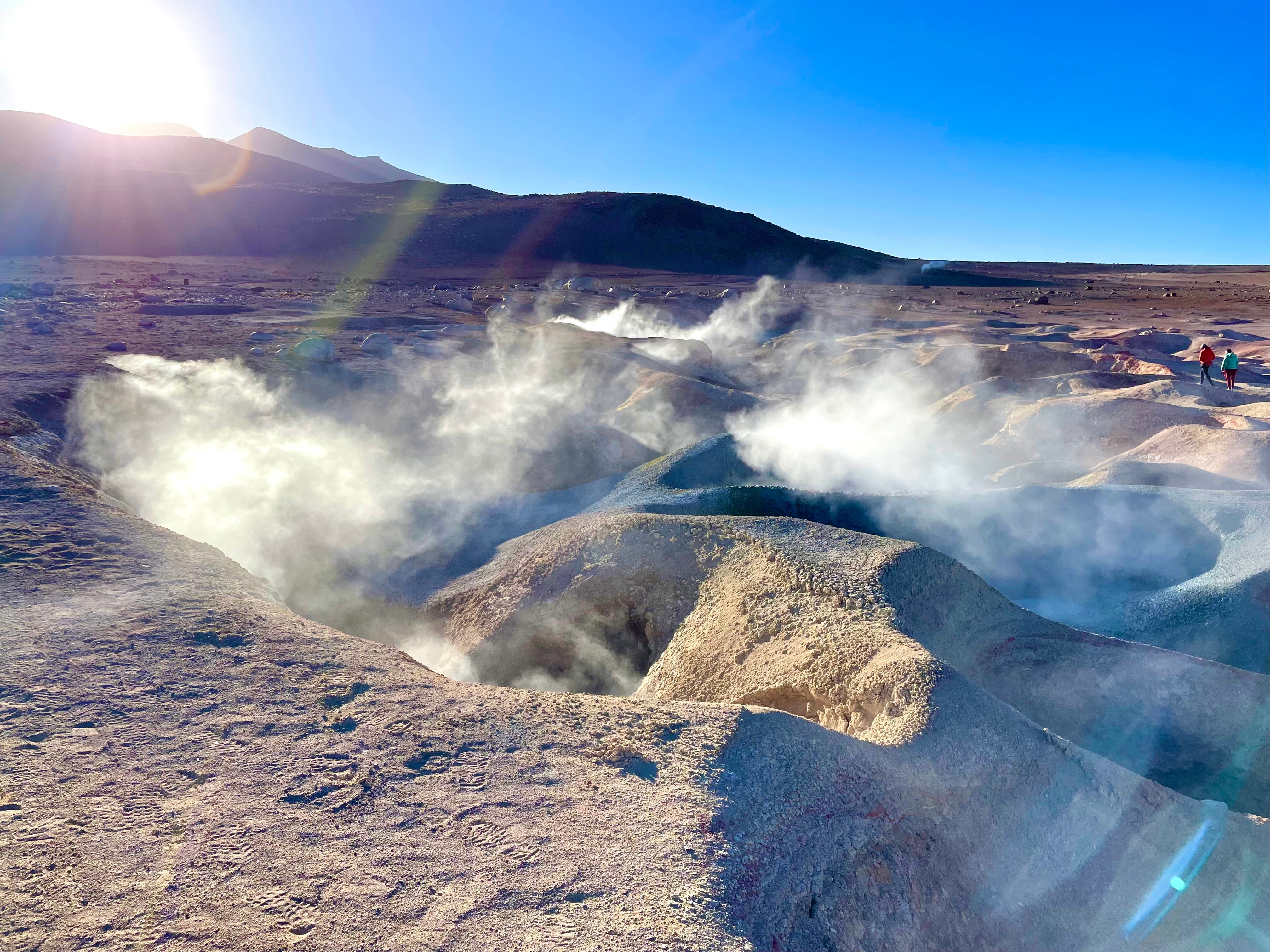
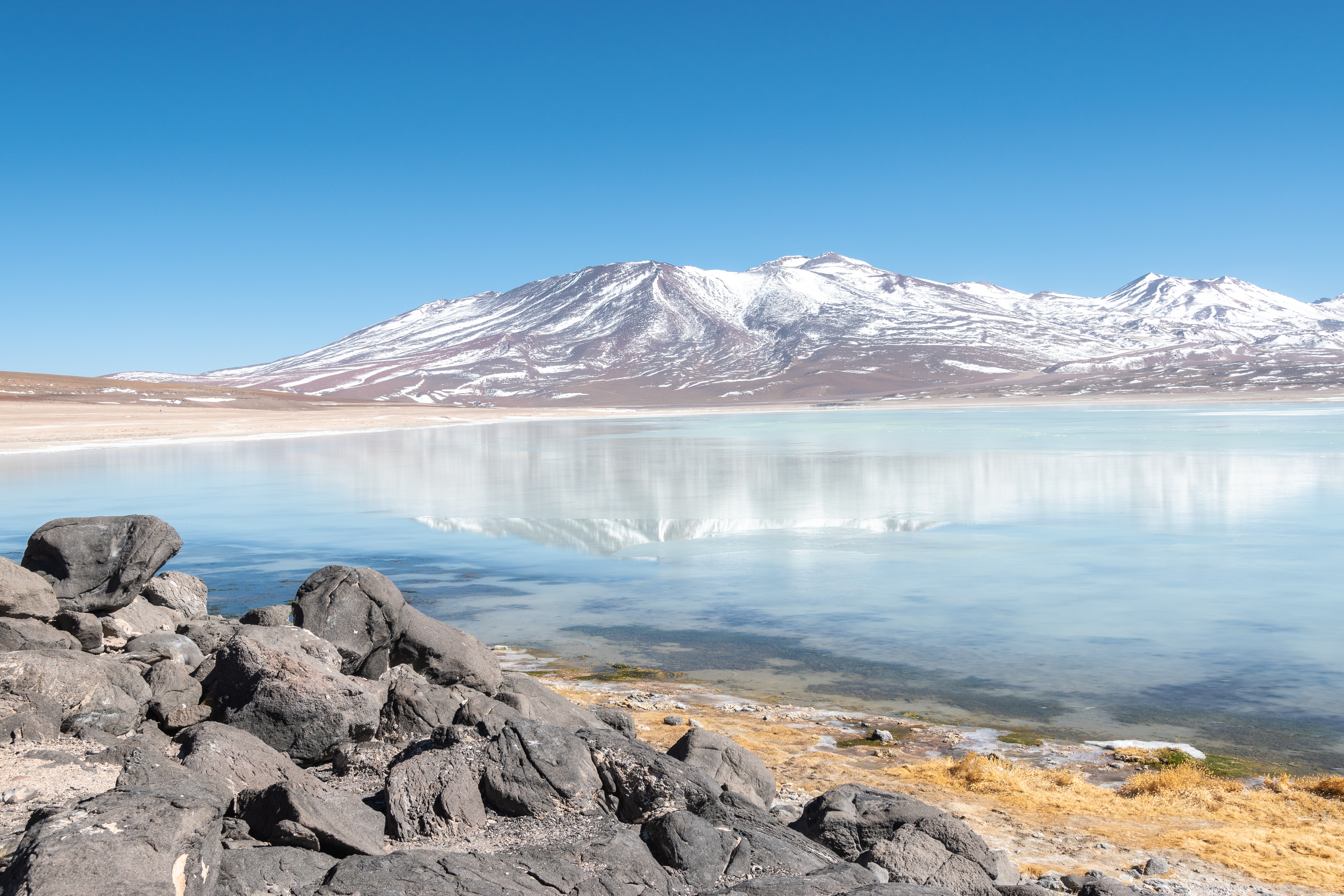
- Tour Eduardo Avaroa National Park: Explore one of Bolivia’s most dramatic protected areas, known for its geysers, volcanic landscapes, thermal pools, and vividly coloured high altitude lagoons.
- Stargaze on the salt flats: Experience exceptionally clear night skies, where the flat horizon and lack of light pollution create ideal conditions for stargazing and night photography.
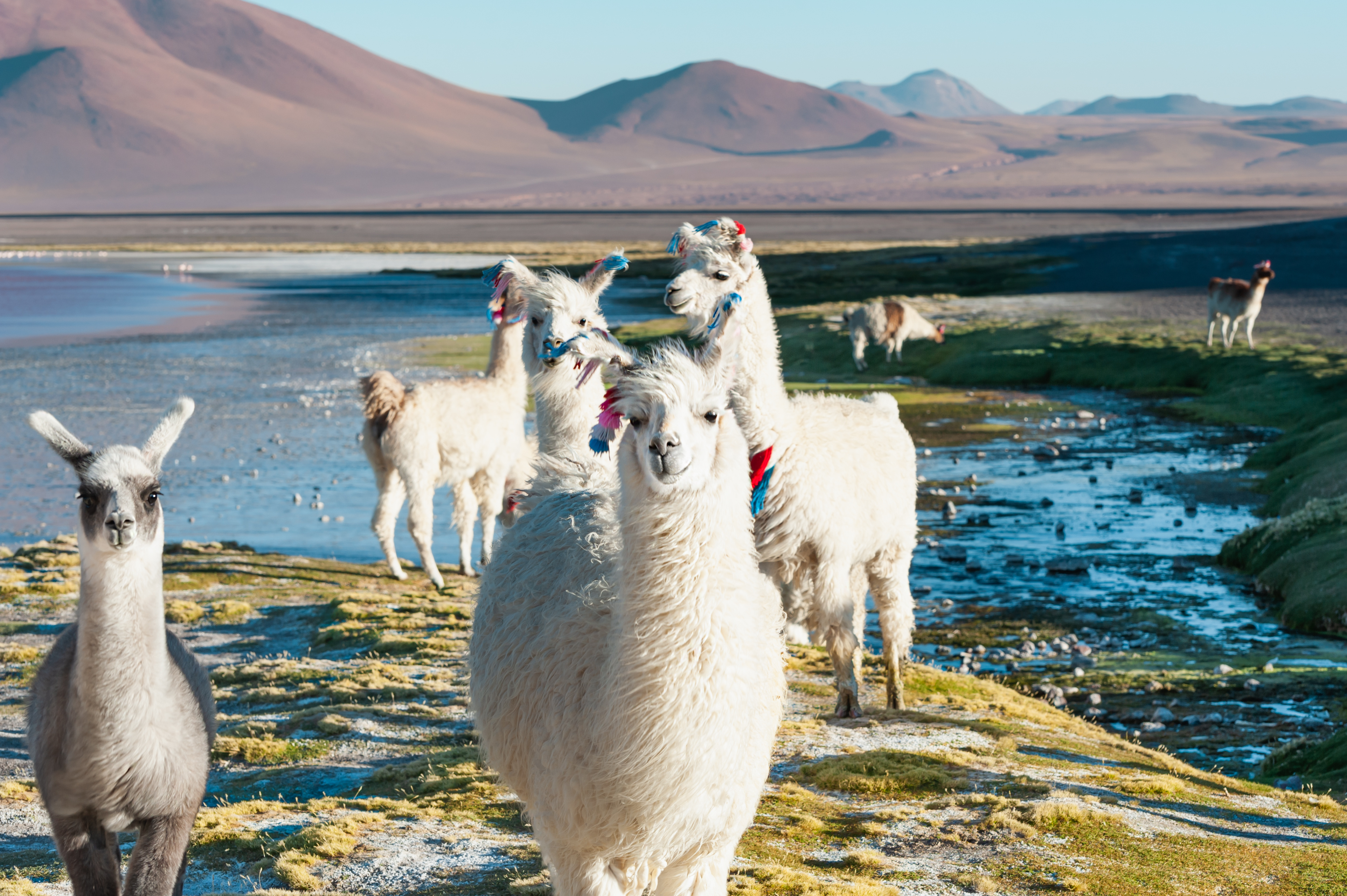
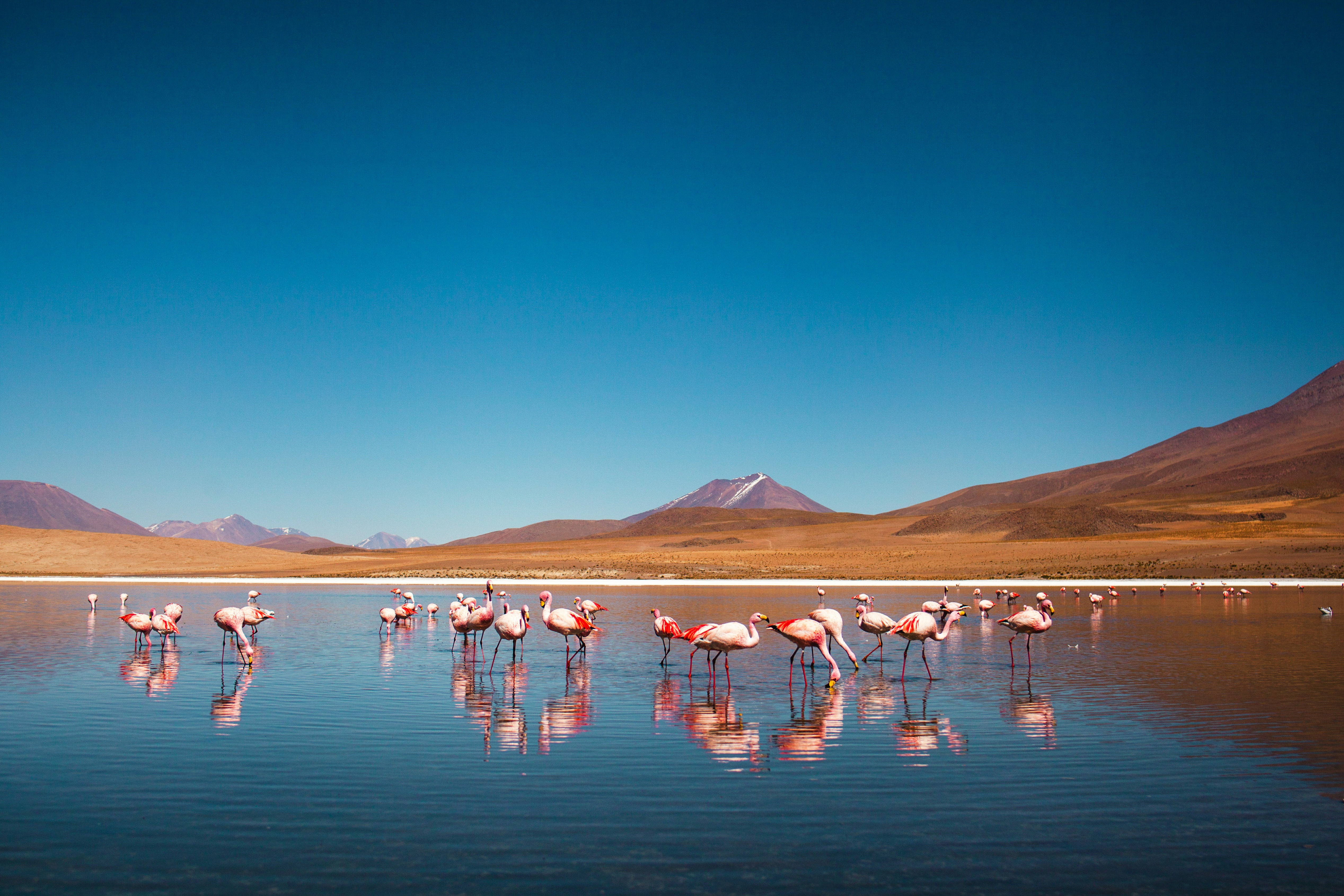
- See Laguna Colorada: Observe this striking red hued lagoon, set against a stark Andean backdrop and home to large numbers of flamingos feeding along its shores.
- Relax in natural hot springs: Unwind in open air thermal pools near the national park, offering a welcome contrast to the cool high altitude temperatures.
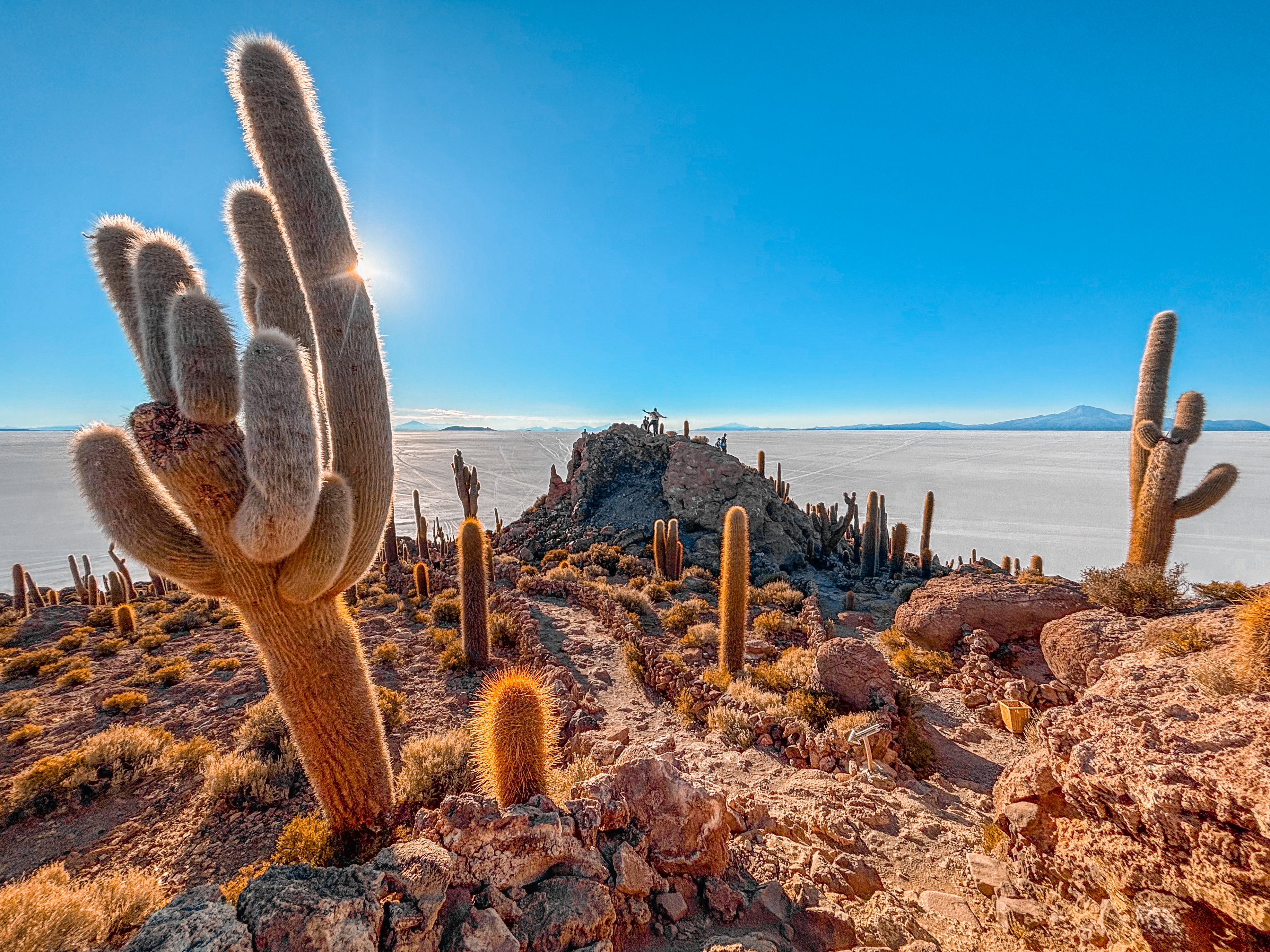
- Explore by private 4x4 vehicle: Travel across the salt flats and surrounding desert landscapes in a dedicated 4x4 vehicle, including stops at Isla Incahuasi and other key viewpoints.
- Visit nearby villages: Gain insight into local life in communities such as Colchani, known for salt processing, and San Cristóbal, with its relocated colonial church and mining history.
- Stay in a salt hotel: Spend the night in a unique hotel constructed almost entirely from salt, offering a memorable way to experience the landscape after day visitors have departed.
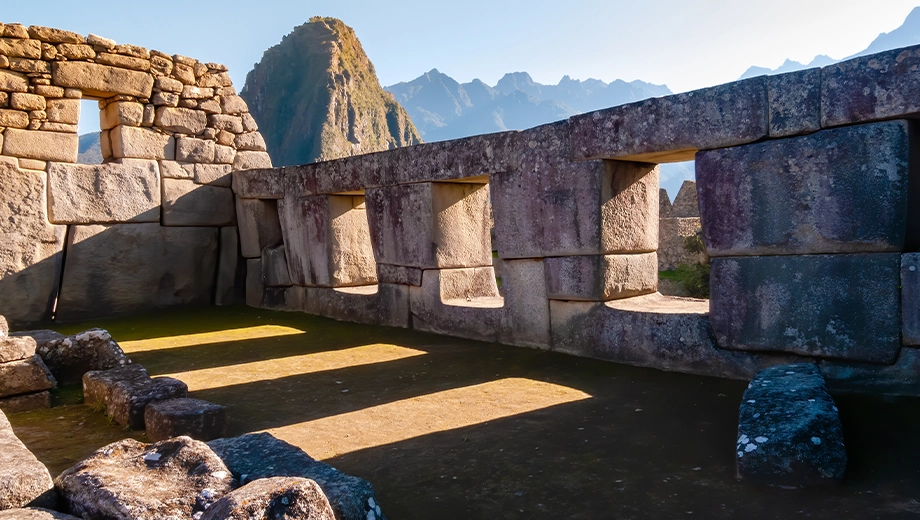
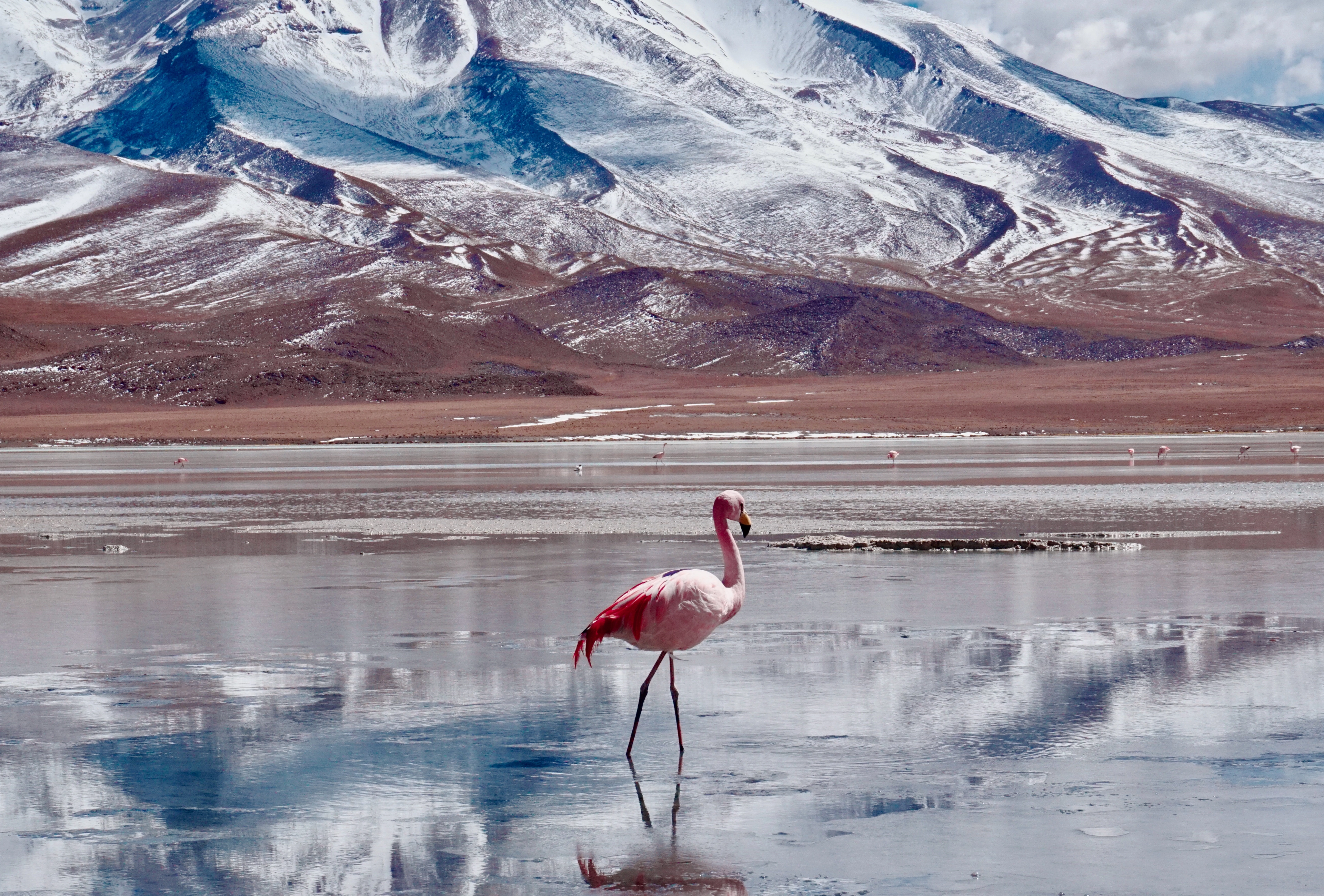
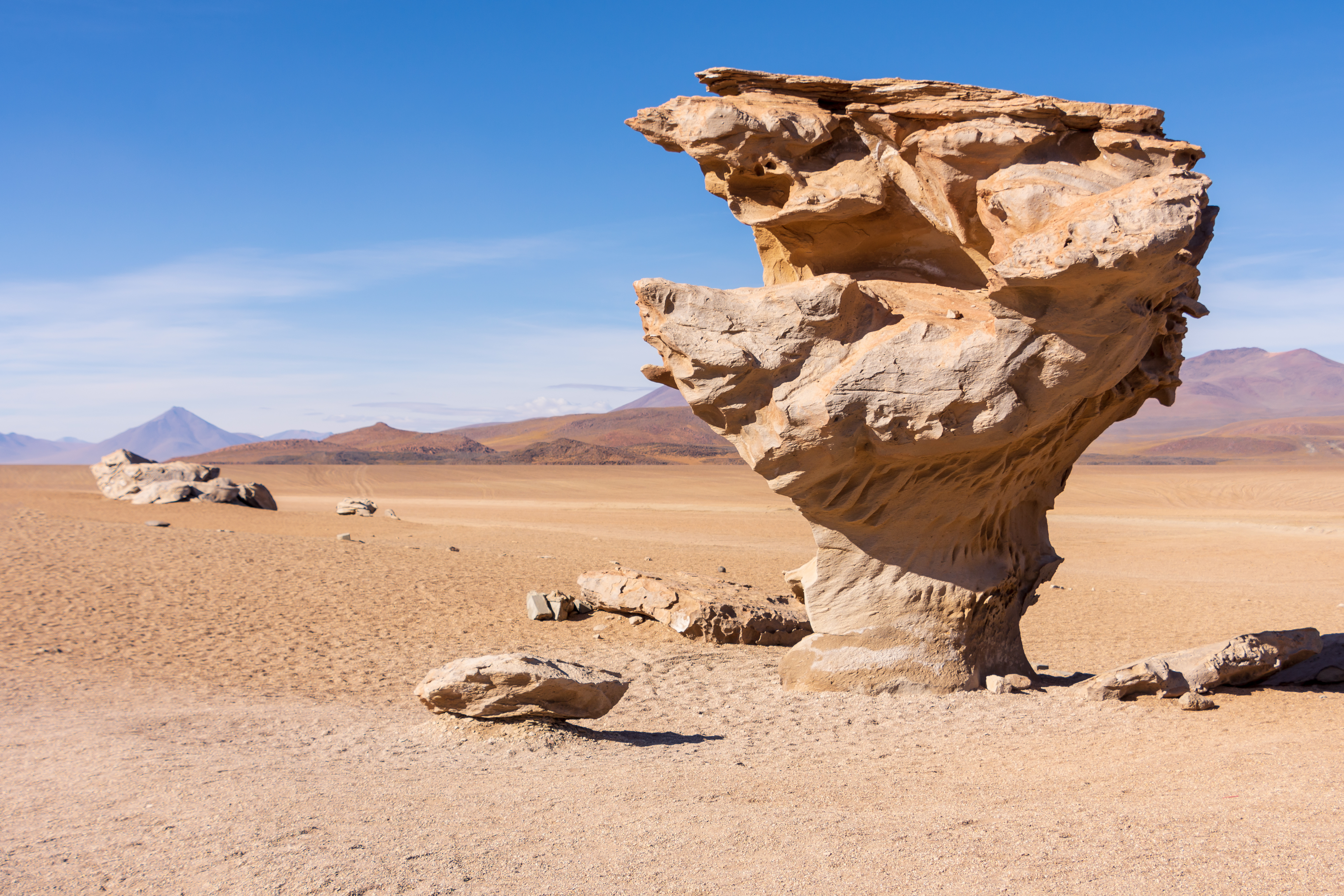
Uyuni Salt Flats, Bolivia Highlights
Some of the sights and experiences in and around Uyuni Salt Flats, Bolivia


Speak to a Travel Specialist today
Uyuni Salt Flats Travel FAQs
What are the Uyuni Salt Flats?
The Uyuni Salt Flats, known locally as Salar de Uyuni, form the largest salt flat in the world. Located in southwest Bolivia, this vast white expanse stretches for more than 10,000 square kilometres and sits at an altitude of around 3,650 metres above sea level. It is one of South America’s most striking natural landscapes.
When is the best time to visit the Uyuni Salt Flats?
The Uyuni Salt Flats can be visited year round, with experiences varying by season. From May to October, the dry season reveals the classic cracked salt surface and clear skies, ideal for photography and exploration. From December to March, rainfall creates a shallow layer of water that transforms the flats into a giant natural mirror, reflecting the sky in dramatic fashion.
How long should I spend at the Uyuni Salt Flats?
Most travellers spend two to three days exploring the salt flats and surrounding landscapes. This allows time to visit key highlights such as Incahuasi Island, coloured lagoons, and desert scenery, while travelling at a comfortable pace.
What can I see besides the salt flats?
Beyond the salt flats themselves, the wider region includes cactus covered islands, volcanic landscapes, high altitude lagoons, and unique wildlife such as flamingos. Multi day tours often include desert plains, hot springs, and remote Andean scenery.
How do you get to the Uyuni Salt Flats?
The town of Uyuni is the main gateway to the salt flats and can be reached by domestic flight or private transfers from cities such as La Paz. From Uyuni, guided 4x4 tours are the standard way to explore the salt flats and surrounding areas.
What should I pack for a visit to Uyuni?
Warm clothing is essential, as temperatures can drop sharply, particularly at night and early in the morning. Sunglasses, sunscreen, and sturdy footwear are also important due to the strong sun reflection and uneven surfaces.
Is the Uyuni Salt Flats suitable for families?
The Uyuni Salt Flats are best suited to families with older children, particularly due to the altitude, long driving distances, and basic facilities in remote areas. Itineraries can be adjusted to suit comfort levels and interests.
What is Incahuasi Island?
Incahuasi Island is a rocky outcrop rising from the salt flats, covered in giant cacti that can grow several metres tall. It offers panoramic views across the white expanse and is one of the most recognisable landmarks within the Salar de Uyuni.