


Journey Through Guyana’s Natural Wonder | Iwokrama Rainforest

Guyana

-4 hours

Guyanese Dollar

Wildlife
When is the best time to go to Iwokrama Rainforest ?
The Iwokrama Rainforest Research Centre welcomes visitors throughout the year, offering the chance to experience one of the world’s most biologically rich ecosystems in every season. Wildlife is present year-round, but the drier periods, typically from February to March and August to November, are often preferred as walking trails are more accessible and conditions are more comfortable for exploring the forest.
During these popular months, accommodation can fill quickly, so booking well in advance is recommended. Outside the drier seasons, the rainforest remains vibrant and active, with lush vegetation and excellent wildlife viewing opportunities.
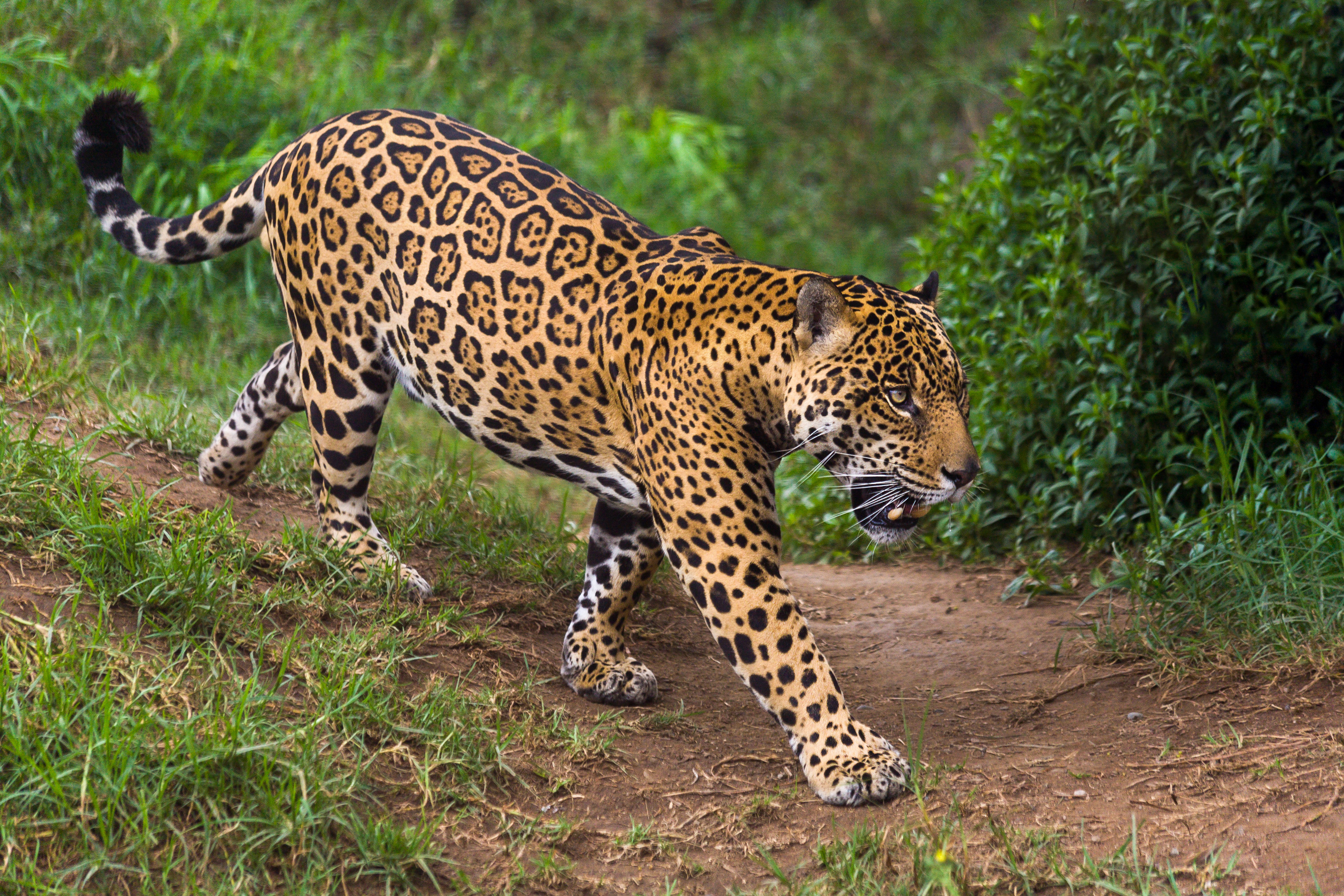
Whatever the time of year, Iwokrama offers rewarding encounters with its diverse wildlife, from jaguars and giant river otters to colourful birdlife. Seasonal changes shape the experience, but each visit provides a powerful insight into the rhythms of the rainforest and its remarkable natural heritage.
About Iwokrama Rainforest and its surrounding areas
Bordering the Iwokrama Rainforest, the wetlands and wide-open savannahs of the Rupununi create a rare opportunity to experience two contrasting ecosystems in one journey. Moving between dense rainforest and open grasslands offers a deeper understanding of Guyana’s natural diversity, with each landscape supporting its own wildlife and rhythms of life.
Daily flights operate from Georgetown to the Rupununi region, making access straightforward despite the remoteness. From here, the Iwokrama Rainforest Research Centre is reached by a scenic journey of just over three hours in a 4x4 vehicle, travelling through changing terrain and remote wilderness.
This natural link between the Rupununi and Iwokrama allows travellers to combine rainforest exploration with savannah experiences in a single, well-balanced itinerary. The result is a rewarding journey through some of Guyana’s most remarkable and varied landscapes, shaped by scale, space and a strong sense of adventure.
Things to Do in Iwokrama Rainforest
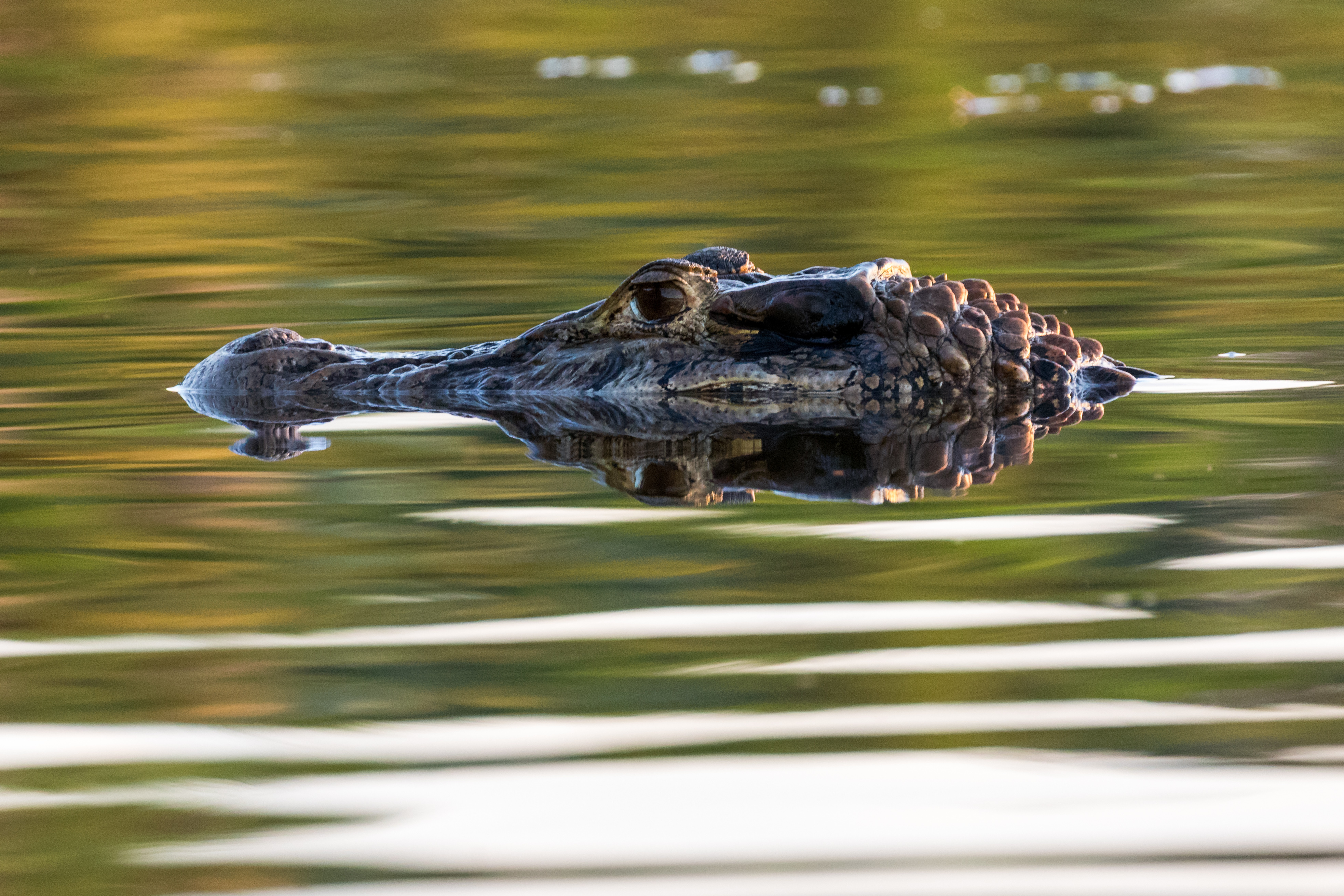
- Night-time Boat Trips: Embark on a boat trip along the river at night to observe black caimans, nocturnal species, and the sounds of the rainforest after dark. A unique opportunity to see wildlife hidden during
- the day.
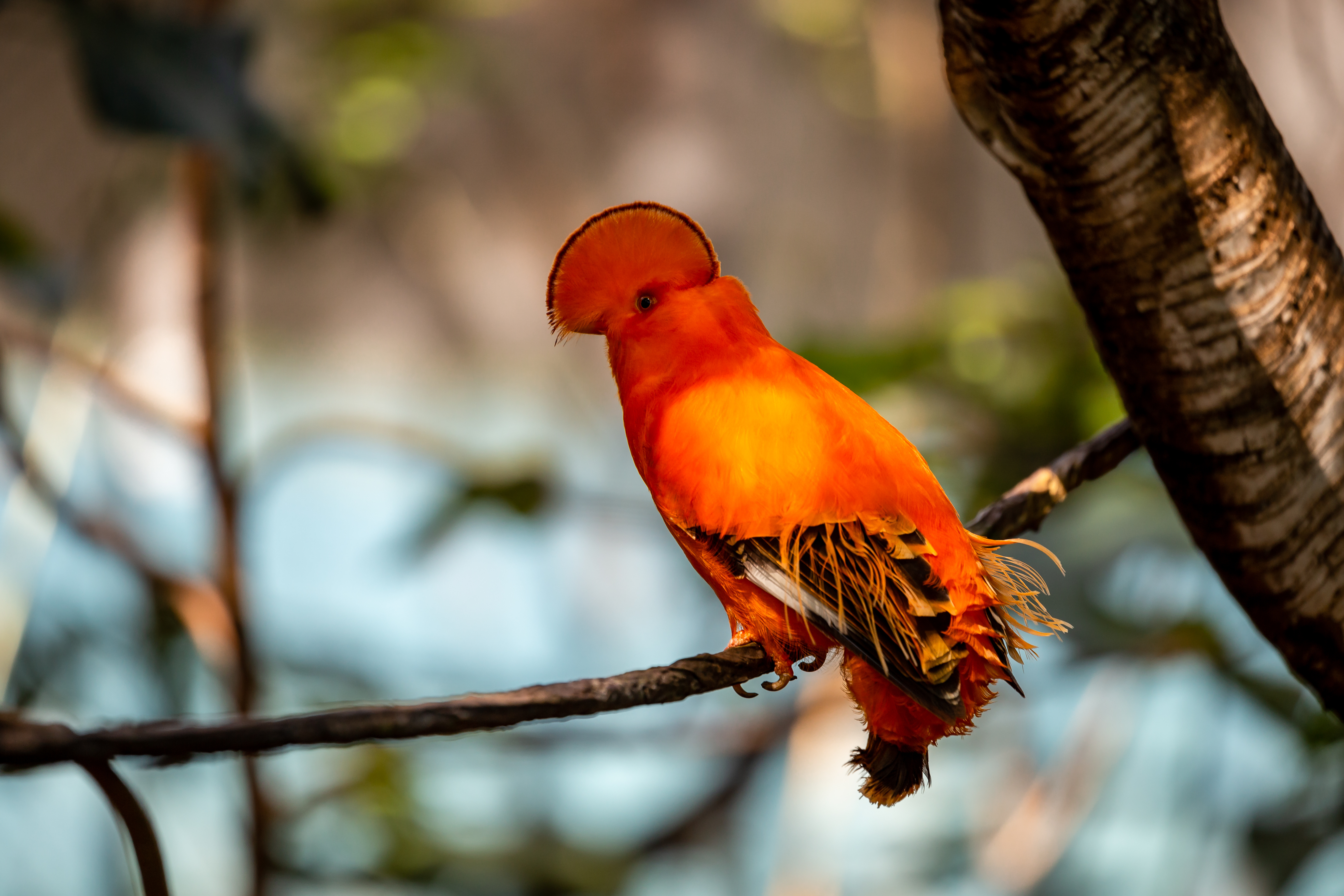
- Guided Jungle Hikes: Take guided hikes through the dense rainforest, spotting Guianan cock-of-the-rock nests and elusive species. Learn about the ecosystem from expert guides.
- Turtle Mountain Summit: Hike to the summit of Turtle Mountain for breathtaking panoramic views of Iwokrama and its vast rainforest, perfect for nature lovers and photographers.
- Educational Talks by Research Scientists: Engage with experts and learn about rainforest conservation, the protection of endangered species, and sustainable eco-tourism efforts.
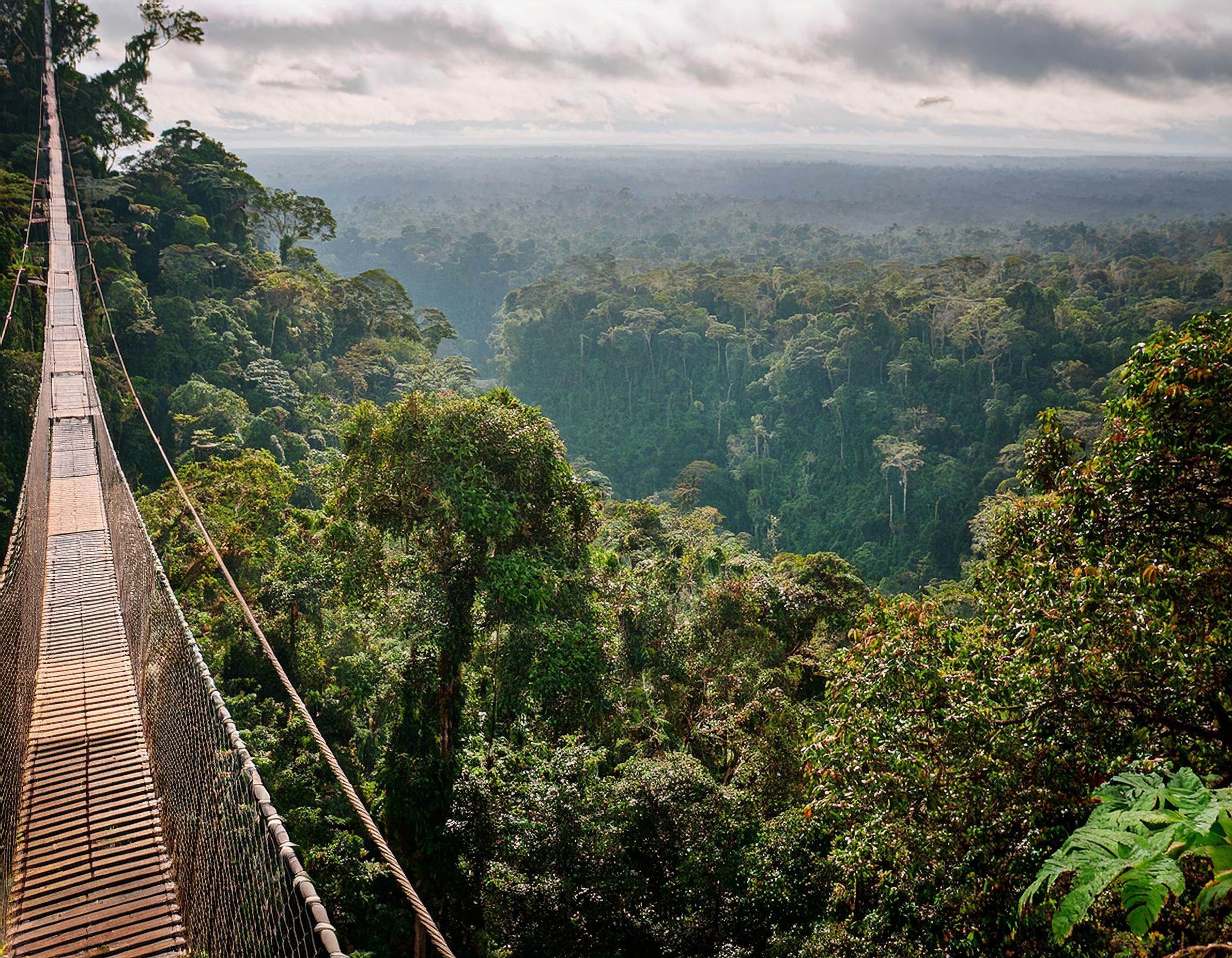
- Canopy Walkway Experience: Walk high above the forest floor on the canopy walkway, offering a bird’s-eye view of the rainforest and its birdlife and arboreal species.
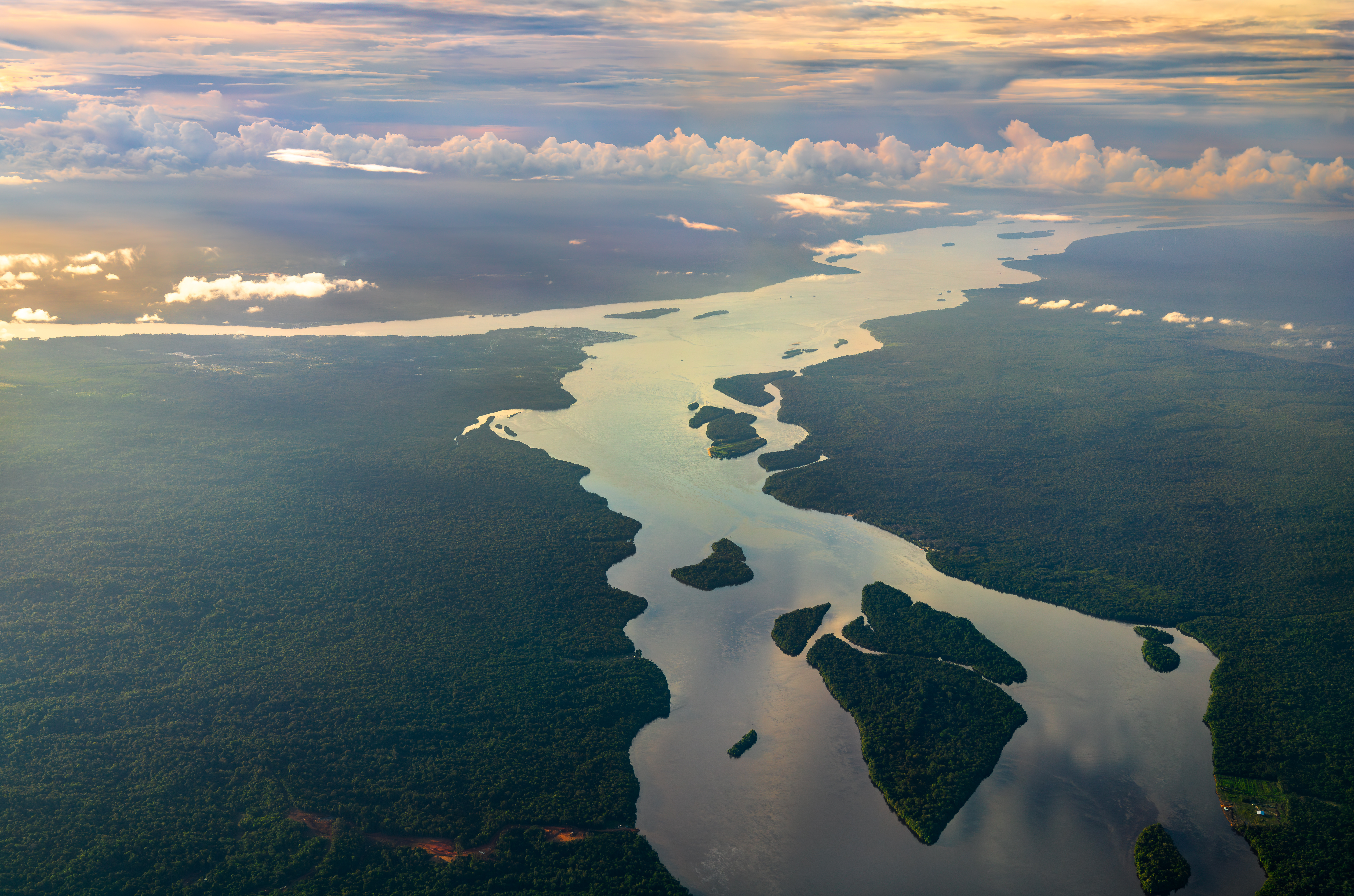
- River Cruises: Cruise the Essequibo River and spot wildlife such as giant river otters, capybaras, and various bird species in serene surroundings.
- Wildlife Observation Tower: Visit the observation tower for an elevated vantage point to spot monkeys, anteaters, tropical birds, and other wildlife moving through the trees.
- Cultural Experiences with the Makushi People: Immerse yourself in the local culture by learning about the Makushi indigenous community’s traditions, crafts, and sustainable way of life.
- Fishing Expeditions: Join a guided fishing trip along the Essequibo River or smaller rainforest streams, where you can catch species like piranhas and arapaima.
- Birdwatching: With over 500 bird species, Iwokrama is a birdwatcher's paradise. Join a tour to spot rare and endangered species in the jungle, by the river, or on the canopy walkway.
Iwokrama Rainforest, Guyana Highlights
Some of the sights and experiences in and around Iwokrama Rainforest, Guyana
Speak to a Travel Specialist today
Iwokrama Rainforest travel FAQs
Where is the Iwokrama Rainforest located?
The Iwokrama Rainforest is located in central Guyana, between the Rupununi savannah to the south and the lowland forests of the north. It forms part of a protected corridor linking the Guiana Shield’s key ecosystems.
What makes the Iwokrama Rainforest special?
Iwokrama protects more than one million hectares of largely untouched tropical rainforest. It is one of the most important conservation areas in Guyana, known for its exceptional biodiversity and long-term research and protection led by the Iwokrama International Research Centre.
What wildlife can you see in Iwokrama?
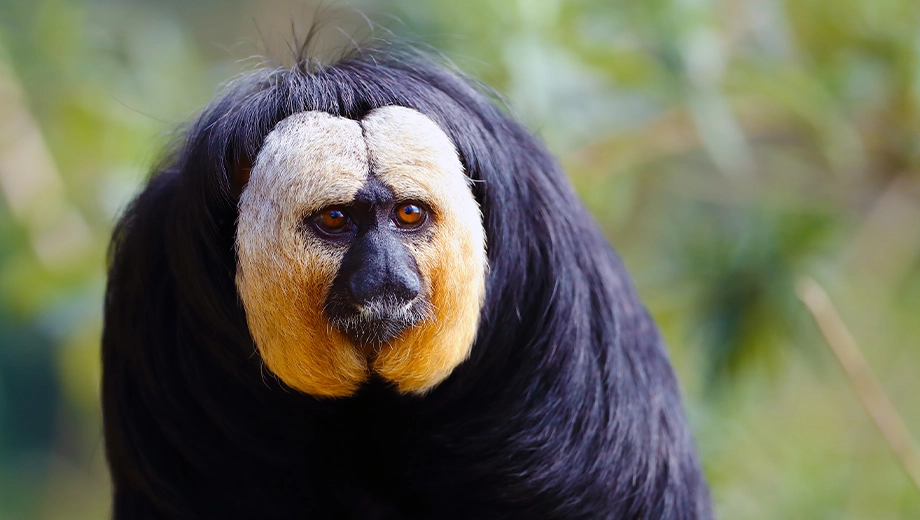
The rainforest is home to jaguars, giant river otters, black caiman, tapirs, primates, and hundreds of bird species. Wildlife viewing is guided and responsible, increasing the chances of sightings while supporting conservation efforts.
Can you stay in the Iwokrama Rainforest?
Yes. Visitors can stay at simple, comfortable lodges within the rainforest, including accommodation near the research centre. These stays allow for early morning and evening wildlife activities when animals are most active.
What activities are available in Iwokrama?
Activities include guided rainforest walks, river excursions, canopy walks, birdwatching, night safaris and visits to research areas. Experiences are led by knowledgeable local and specialist guides with a strong focus on conservation.
Who are the Makushi people?
The Makushi are Indigenous communities whose ancestral lands include parts of the Iwokrama Rainforest. Their knowledge and involvement are central to conservation and sustainable tourism in the region, and visitors may learn about traditional practices and forest life during their stay.
When is the best time to visit Iwokrama?
Iwokrama can be visited year-round. Drier periods from February to April and August to October are often preferred for walking trails and wildlife activities, though conditions vary and the rainforest is active in all seasons.
How do you reach the Iwokrama Rainforest?
Access is typically via domestic flight from Georgetown to the Rupununi region, followed by a guided road or river transfer. Travel is arranged in advance as part of an organised itinerary.