


Punta Del Este: Where Golden Sands Meet Glamour on the Edge of the Atlantic
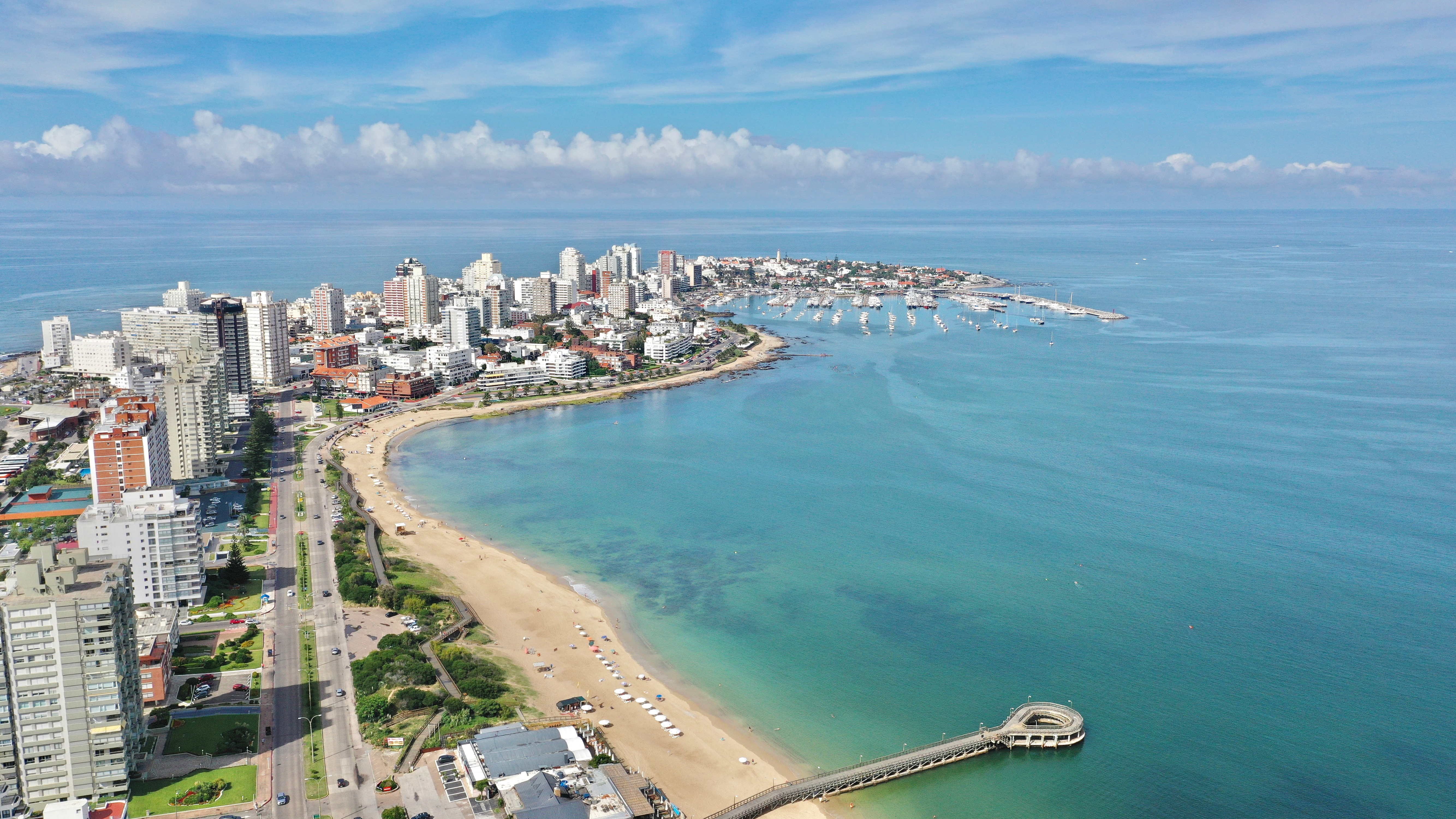
Punta del Este is Uruguay’s most celebrated coastal resort, known for its elegant seaside homes, refined hotels and polished marina. Set on a narrow peninsula where the Río de la Plata meets the Atlantic Ocean, it attracts both international travellers and Uruguayans seeking a relaxed yet sophisticated beach escape. During the summer months, the town comes to life as residents from Montevideo retreat to their coastal homes, drawn by the atmosphere and long stretches of sand.
The resort extends across more than 50 kilometres of coastline, with beaches offering distinctly different moods. Playa Mansa, facing the river, is calm and sheltered, making it ideal for relaxed beach days and families. On the Atlantic side, Playa Brava has a livelier feel, while further along the coast, La Barra and Bikini Beach introduce a more contemporary edge, with fashionable cafés, beach clubs and a younger crowd.
Despite its reputation for glamour, Punta del Este remains compact and easy to explore, combining beach life with art galleries, waterfront restaurants and coastal walks. The balance between natural beauty and refined leisure defines its appeal.
Why visit Punta del Este
Punta del Este offers a polished beach experience that blends long sandy beaches with a relaxed yet stylish atmosphere. Whether you prefer quiet days by the water, energetic beach scenes or evenings spent enjoying good food and coastal views, it provides variety without losing its sense of ease. It is an ideal stop for travellers looking to experience Uruguay’s coastline at its most refined.

Uruguay

-3 hours

Uruguayan Peso (UYU)

Casapueblo
When is the best time to go to Punta Del Este?
About Punta Del Este and its surrounding areas
Punta del Este offers several distinct areas to stay, each appealing to a different travel style. Playa Brava suits those drawn to a more energetic setting, with an active beach scene, nearby nightlife and easy access to bars and restaurants. Close by, La Barra has a fashionable, contemporary feel, known for its boutiques, cafés and evening social life, and is particularly popular with younger travellers.
For a quieter stay, Playa Mansa provides a calmer, more relaxed atmosphere with sheltered waters and a slower pace, making it well suited to families or those looking to unwind. Punta Ballena offers a more secluded option, set slightly away from the centre, with open landscapes and wide coastal views. Whether seeking lively beach life or a peaceful retreat, Punta del Este’s neighbourhoods allow visitors to choose the setting that best matches their pace and interests.
Things to do in Punta del Este, Uruguay
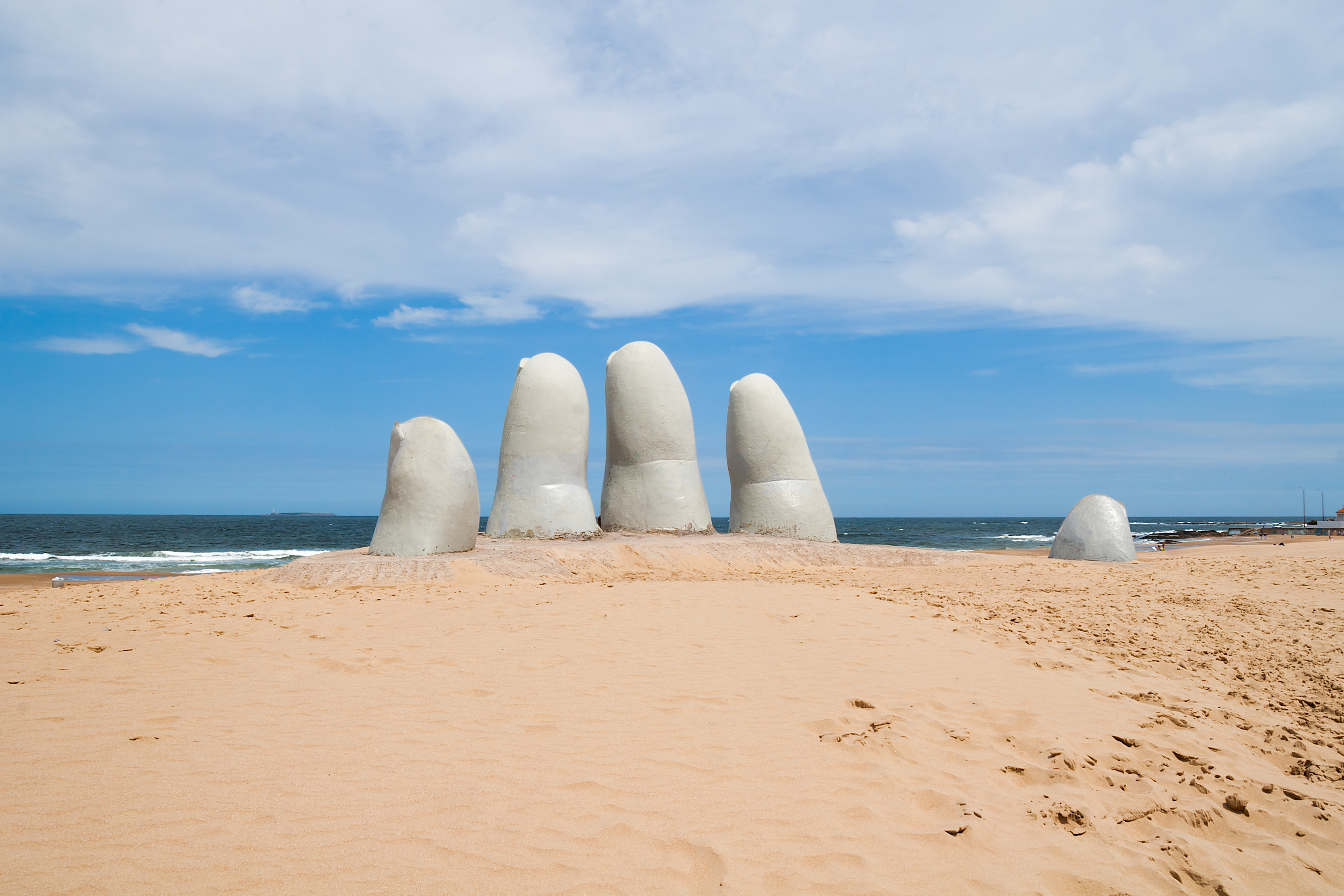
- Relax on Playa Brava – Enjoy the lively atmosphere, surf, and the famous La Mano sculpture.
- Stroll along La Rambla – Take in the coastal views while walking or cycling along this scenic promenade.
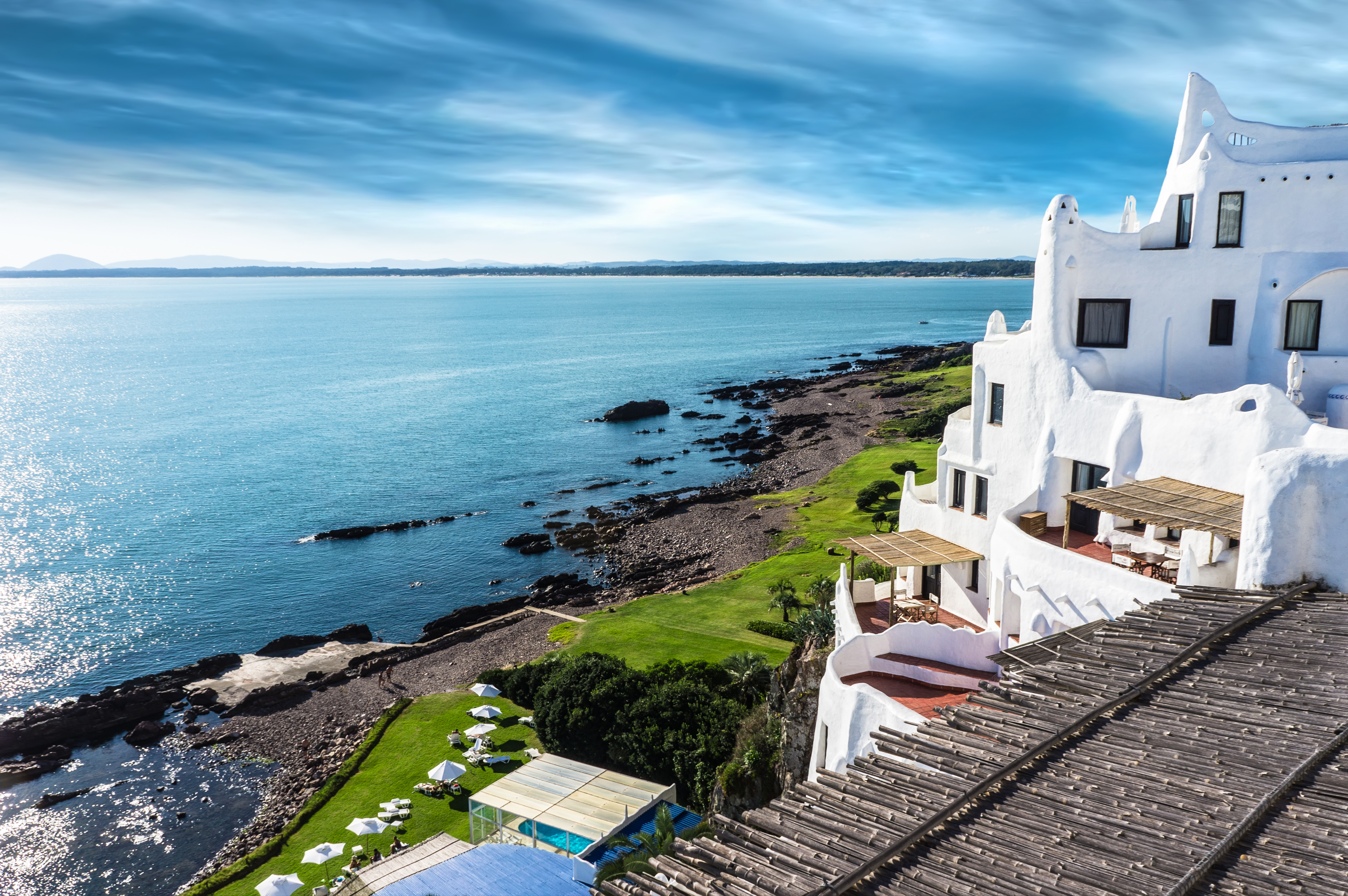
- Visit Casapueblo – Explore the unique, white-washed building designed by artist Carlos Páez Vilaró, with stunning views of the ocean.
- Enjoy the nightlife at La Barra – Experience trendy bars, restaurants, and clubs in this fashionable neighbourhood.
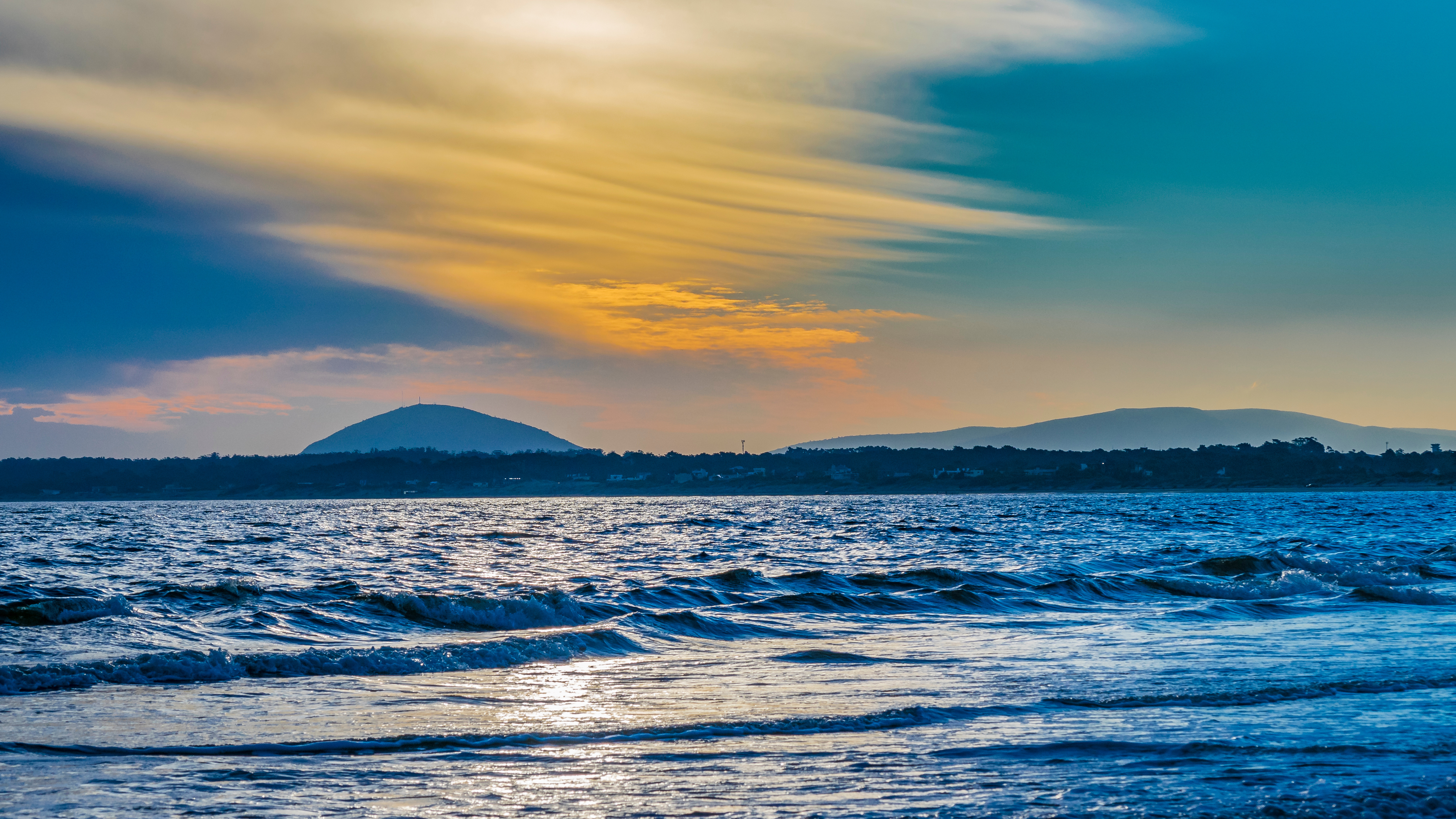
- Discover Punta Ballena – Visit this quieter area known for its beautiful sunsets and peaceful beaches.
- Tour the Museo Ralli – Explore this museum, showcasing Latin American and European art in a stunning setting.
- Visit Isla de Lobos – Take a boat trip to this island to see a large colony of sea lions.
- Explore Punta del Este’s Marina – Enjoy the luxury yachts and boats docked in this beautiful harbour area.
- Experience the local markets – Visit the Feria de Artesanos to browse handmade crafts and local products.
- Relax on Playa Mansa – Spend time on this quieter, family-friendly beach with calm waters, perfect for swimming and sunbathing.
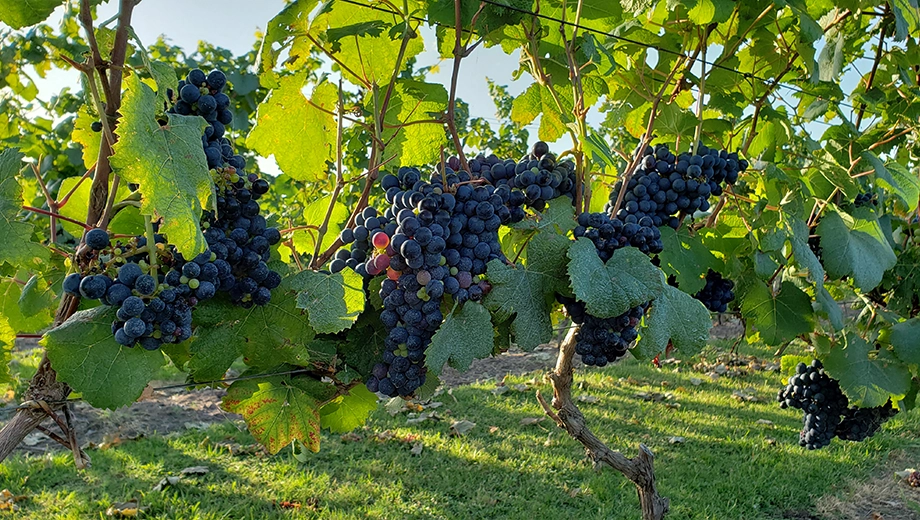
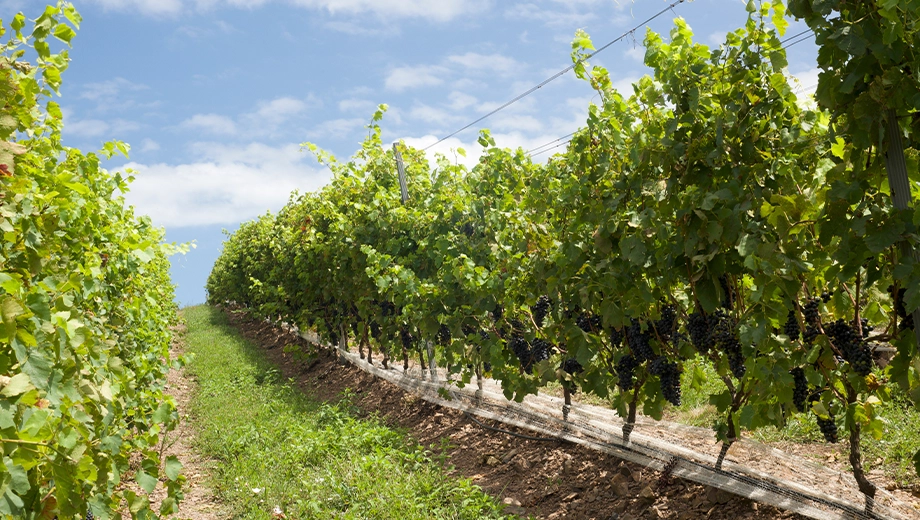
- Tour a local vineyard – Explore the nearby vineyards, such as Bodega Garzón, offering wine tastings and tours through the scenic countryside.
Punta Del Este Highlights
Some of the sights and experiences in and around Punta Del Este, Uruguay

Speak to a Travel Specialist today
Punta Del Este travel FAQs
Where is Granada located?
Granada is located in south western Nicaragua on the shores of Lake Nicaragua, at the foot of the Mombacho Volcano. It is one of the country’s oldest cities and sits around an hour from Managua by road.
What is Granada known for?
Granada is known for its well preserved colonial architecture, colourful streets and lakeside setting. It is one of Nicaragua’s most historic cities, with grand churches, central plazas and elegant homes reflecting its Spanish colonial past.
How long should you spend in Granada?
Most travellers spend two to three nights in Granada. This allows time to explore the historic centre, enjoy the cafés and galleries, and take excursions to nearby natural attractions such as Las Isletas and Mombacho Volcano.
What are the main things to do in Granada?
Highlights include wandering the colonial streets, visiting Granada Cathedral, exploring local markets and taking a boat trip around Las Isletas, a group of small islands scattered across Lake Nicaragua. Guided hikes on Mombacho Volcano offer cloud forest trails and panoramic views.
What are Las Isletas?
Las Isletas is an archipelago of more than 300 small islands formed by an ancient volcanic eruption. Boat or kayak trips through the islets reveal birdlife, lakeside communities and views back towards Granada and the volcanoes.
What is the best time to visit Granada?
The most comfortable time to visit is during the dry season from November to April, when days are warm and rainfall is low. The green season from May to October brings more rain, greener landscapes and fewer visitors.
Is Granada suitable for relaxed travel?
Yes. Granada is well suited to travellers who enjoy a slower pace. Its walkable historic centre, lakeside setting and relaxed café culture make it an ideal place to unwind while still offering cultural depth.
How do you get to Granada?
Granada is easily reached from Managua by private transfer, usually taking around one hour. It is also well connected to other destinations in southern Nicaragua, making it a convenient stop on a wider itinerary.