


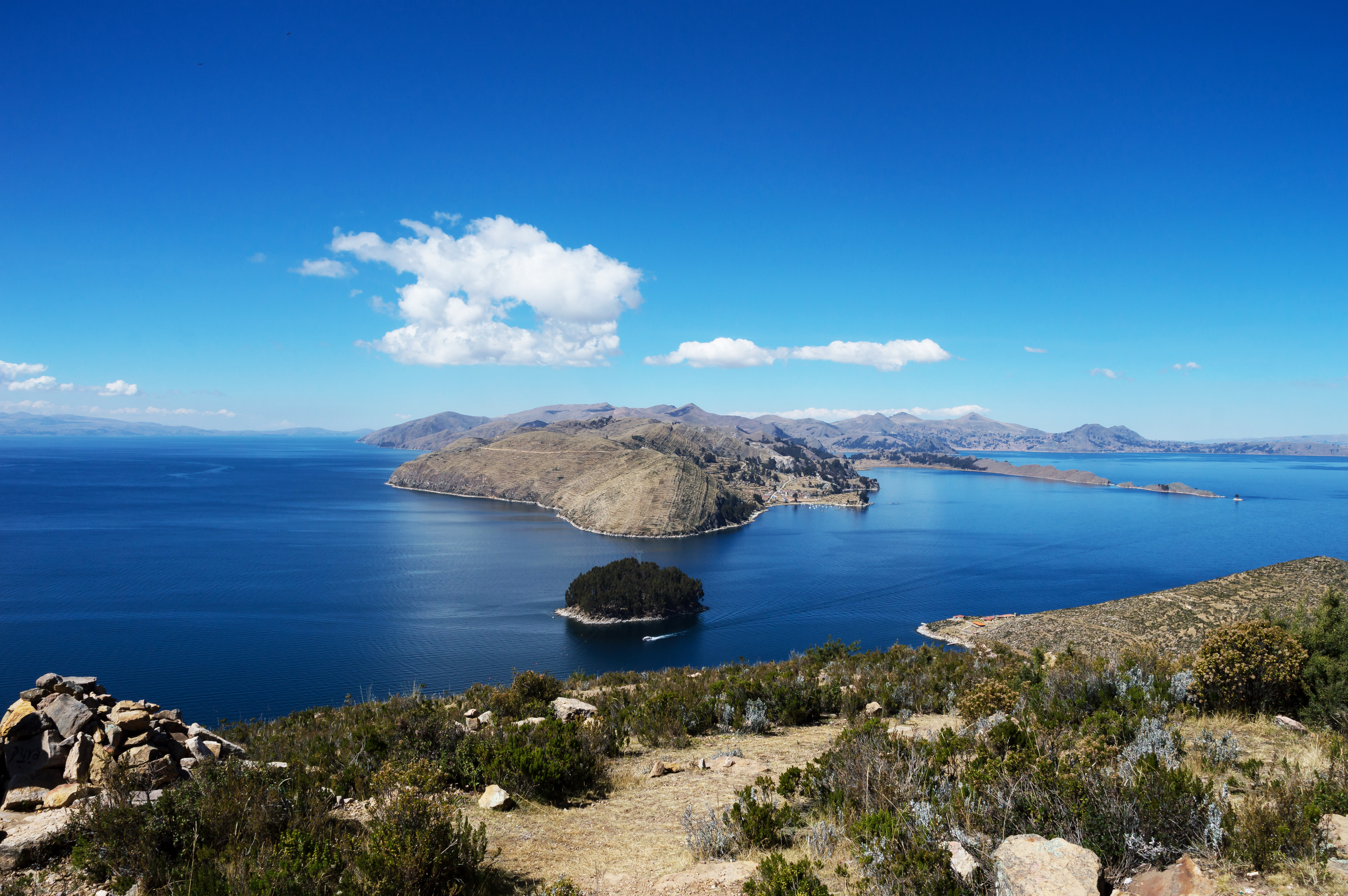
Explore Sun Island: The Heart of Lake Titicaca

Bolivia

-4 hours

Bolivianos

Inca Ruins
When is the best time to visit Lake Titicaca & Sun Island?
Sun Island can be visited at any time of year, but the most favourable period is during the dry season from May to September. These months bring clearer skies, low rainfall, and settled conditions, making them well suited to walking between villages, exploring archaeological sites, and spending time outdoors along the lake.
Daytime temperatures during the dry season typically sit between 16°C and 17°C, creating a cool and comfortable climate at altitude. Evenings can be cold, but the mild daytime conditions are ideal for hiking Inca paths, visiting historic ruins, and enjoying uninterrupted views across Lake Titicaca.
About Lake Titicaca & Sun Island and things to do
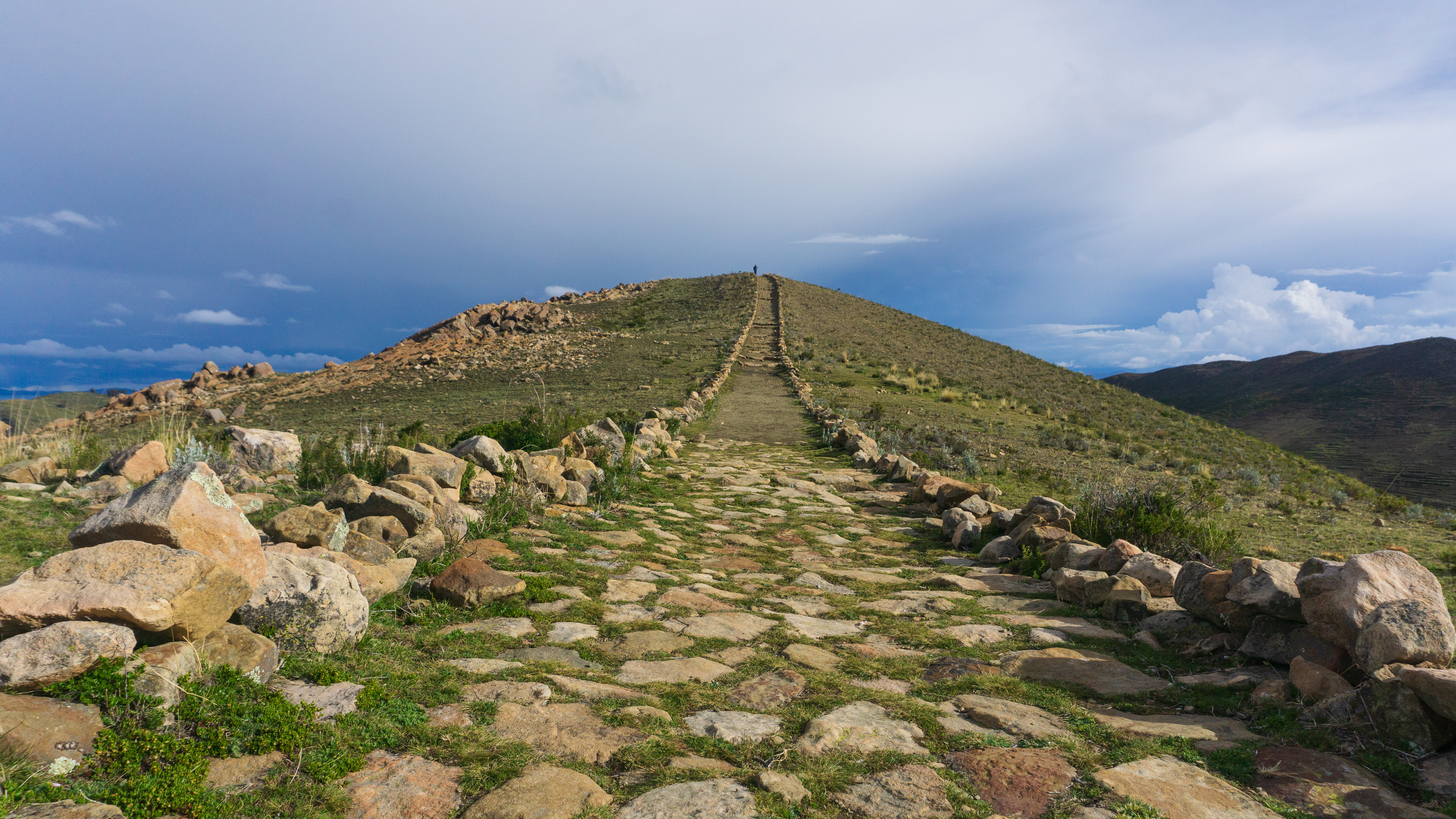
One of the things that tourists must remember when visiting Sun Island is that there are no vehicles on the island. Therefore, visitors are limited to hiking along rocky trails (some are now paved in Inca style) or traveling by boat. Of course this all great news as long as you are up for a little bit of adventure and physical activity.
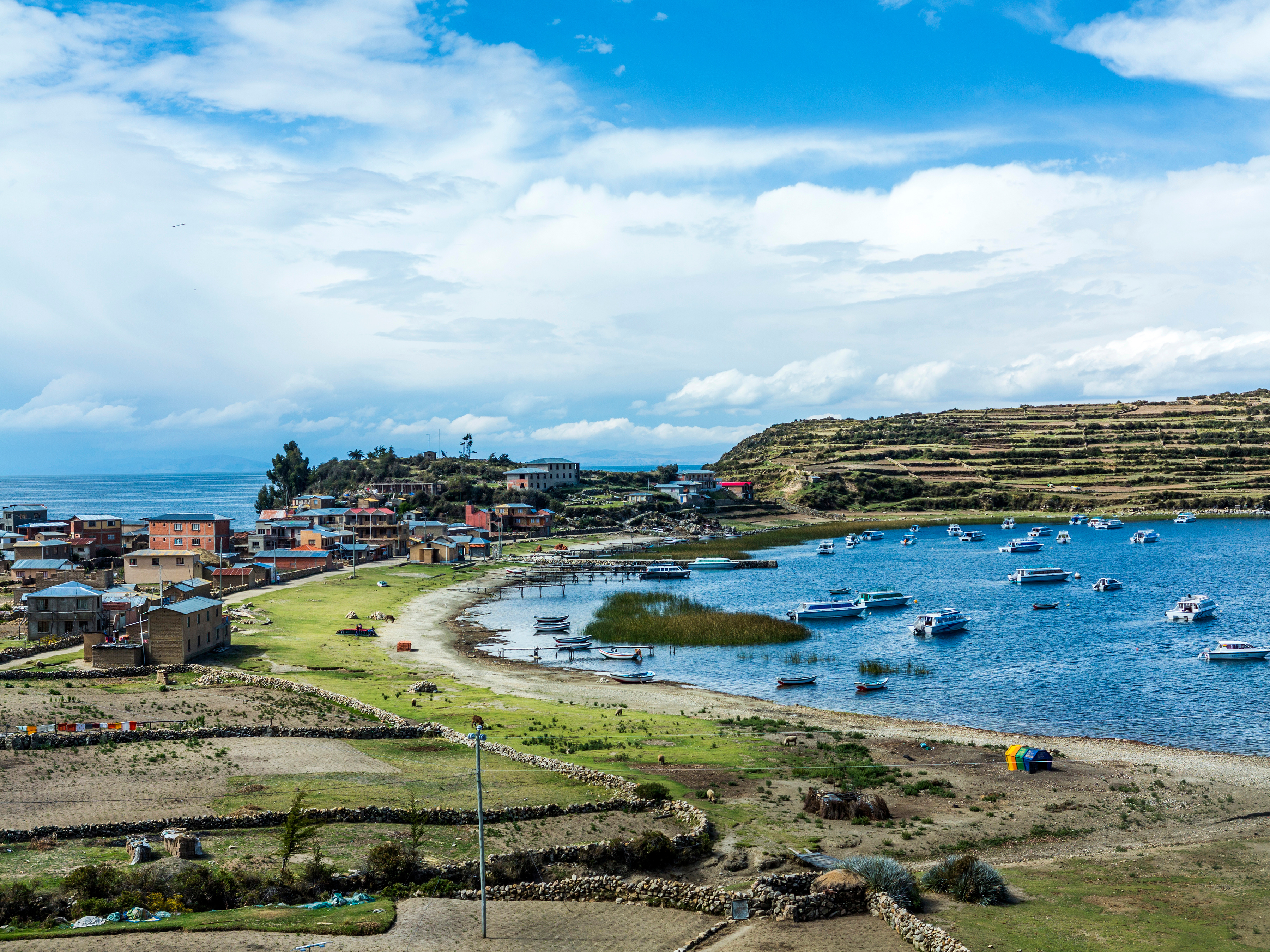
The main ports are at Pilko Kaina, the Escalera del Inca in Yumani and near the Templo del Inca and Chincana ruins at Cha’llapampa.There’s also a small port at Japapi on the southwest coast.
Things to Do on Sun Island
- Hike the Inca Trails: Explore ancient Inca pathways, including the famous Escalera del Inca (Inca Staircase) and trails paved in traditional Inca style, offering stunning views of Lake Titicaca.
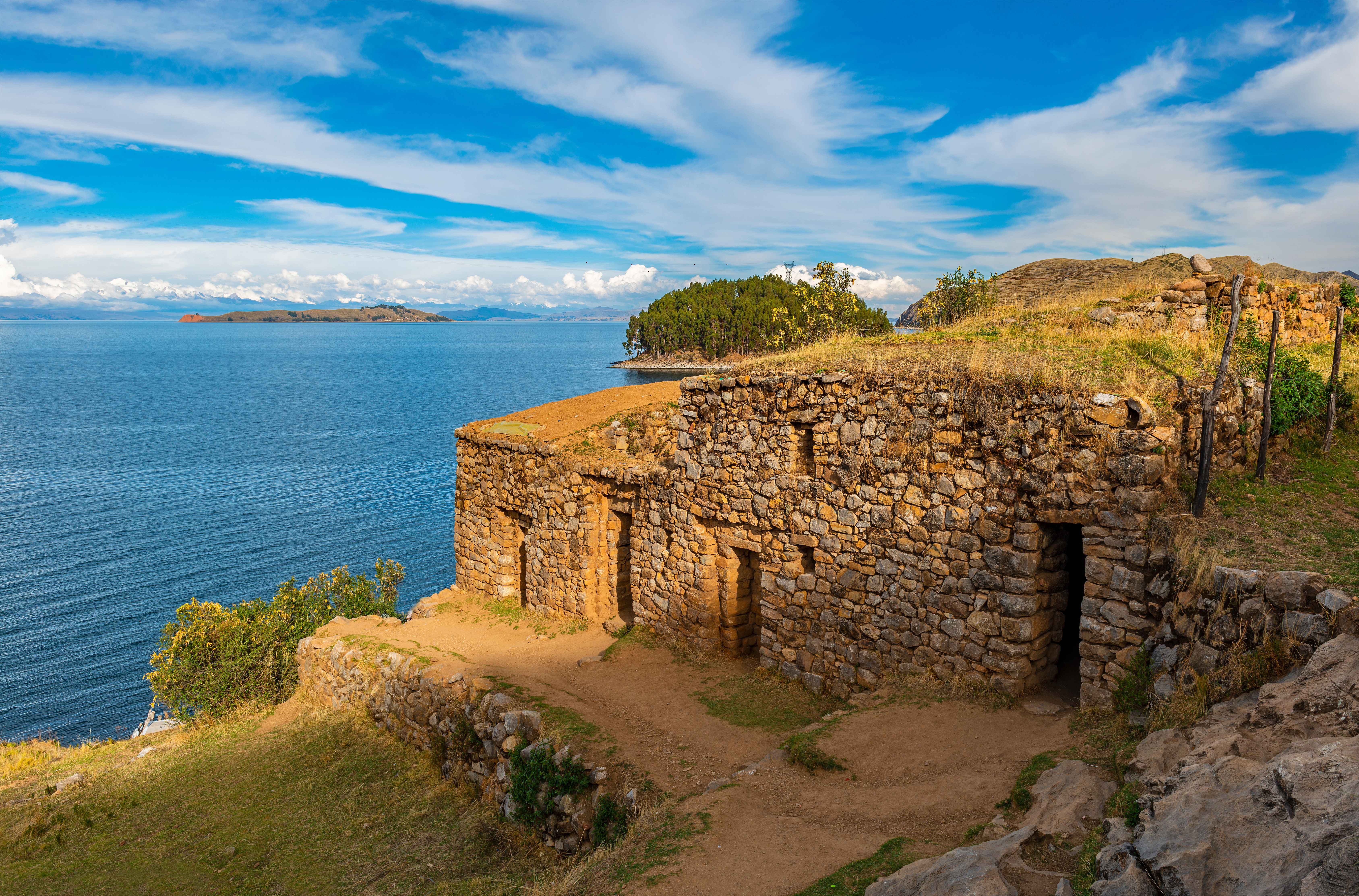
- Visit the Inca Ruins: Discover historical sites such as the Templo del Inca, Chincana ruins, and Pilko Kaina, which are rich in cultural and archaeological significance.
- Relax at Yumani: Spend time in Yumani, the island's largest settlement, where you can enjoy the peaceful atmosphere, visit the fountain of eternal youth, and explore the village's scenic surroundings.
- Boat Ride Around Lake Titicaca: Take a boat trip to appreciate the island from the water, offering beautiful views of the surrounding landscapes and nearby islands.
- Explore Cha’llapampa: Visit the northern part of the island, home to the Gold Museum and further Inca ruins, while enjoying the tranquil, rural setting.
- Discover Local Traditions: Interact with local communities, learn about their traditional farming practices, and explore the island’s cultural heritage.
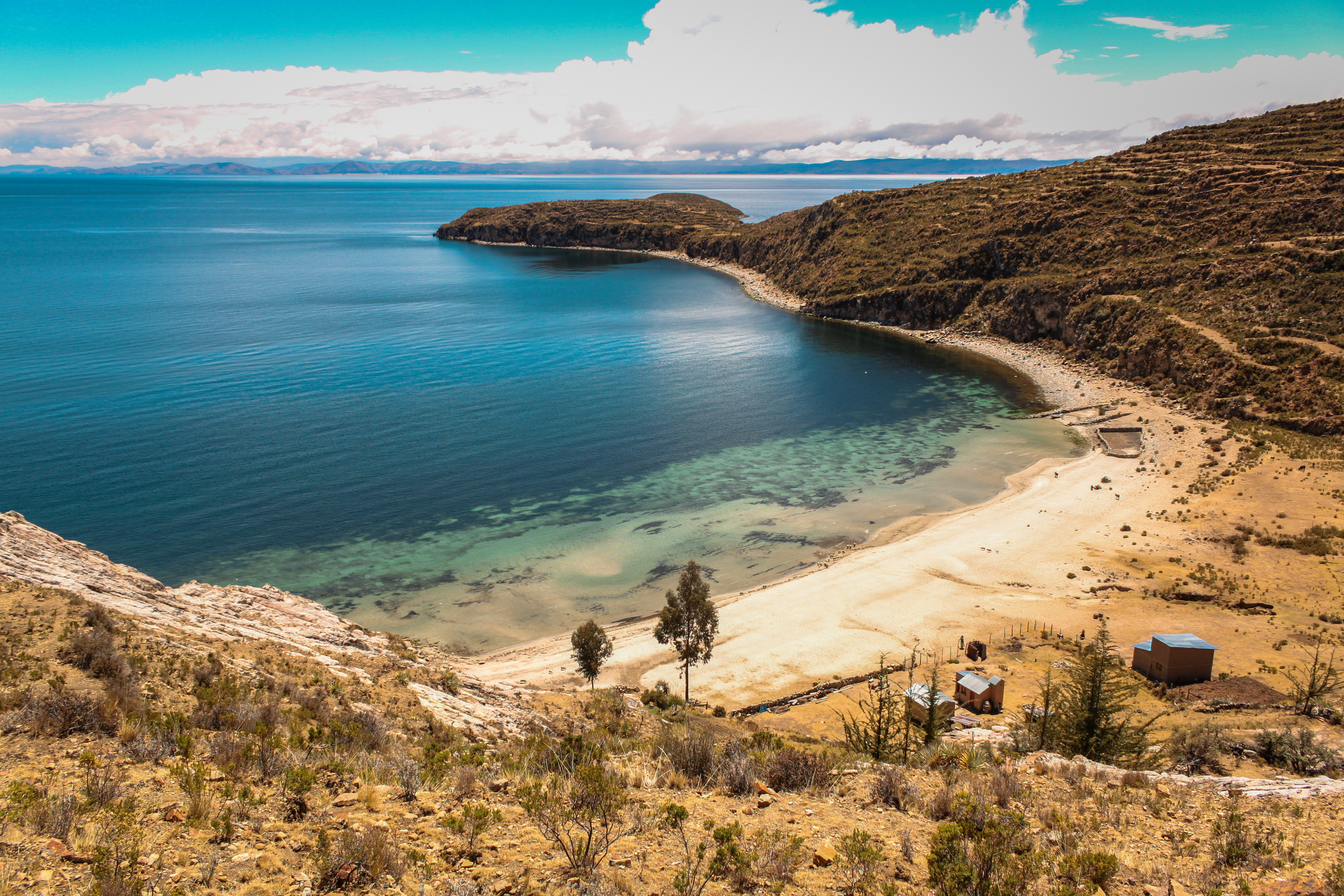
- Relax on Cha’lla Beach: Unwind at Cha’lla, a quieter, rural village on the island’s eastern coast, with a beautiful sandy beach perfect for relaxation.
- Enjoy the Scenic Views: Take in panoramic views of Lake Titicaca and the surrounding mountain ranges from various viewpoints on the island.
- Visit Copacabana: Explore this charming lakeside town, visit the Basilica of Our Lady of Copacabana, climb Cerro Calvario for stunning views, browse local markets, and enjoy fresh trout by the lake. Copacabana also serves as the gateway to Sun and Moon Islands, making it an essential stop on your journey.
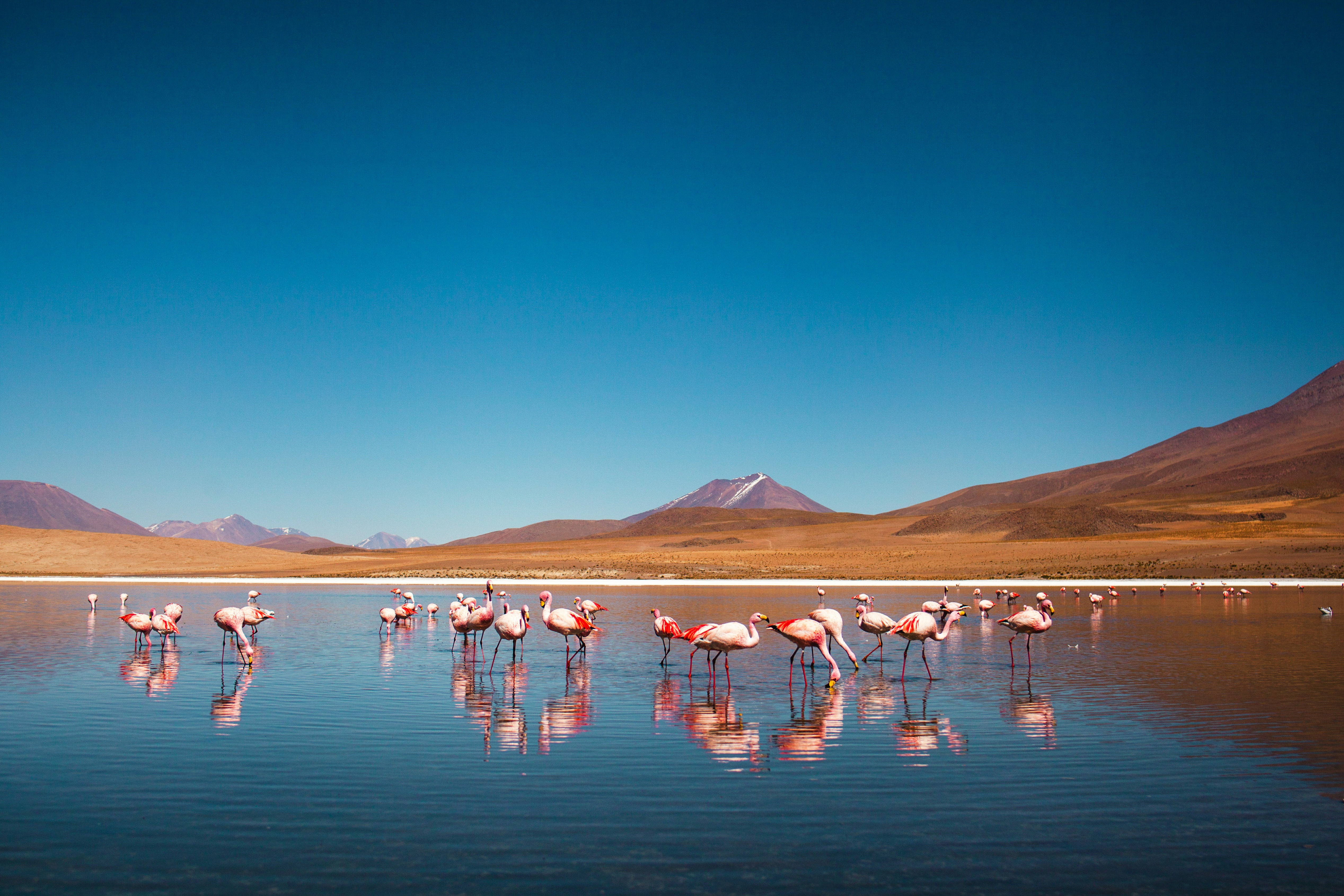
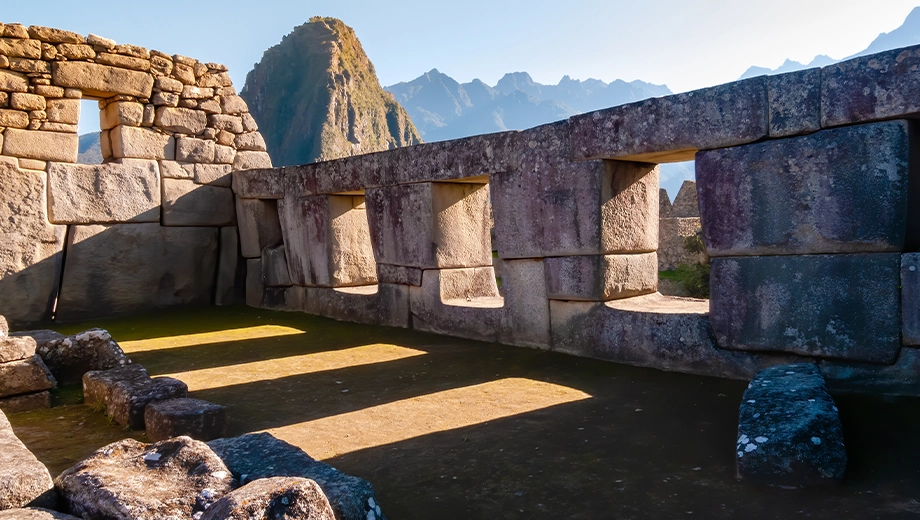
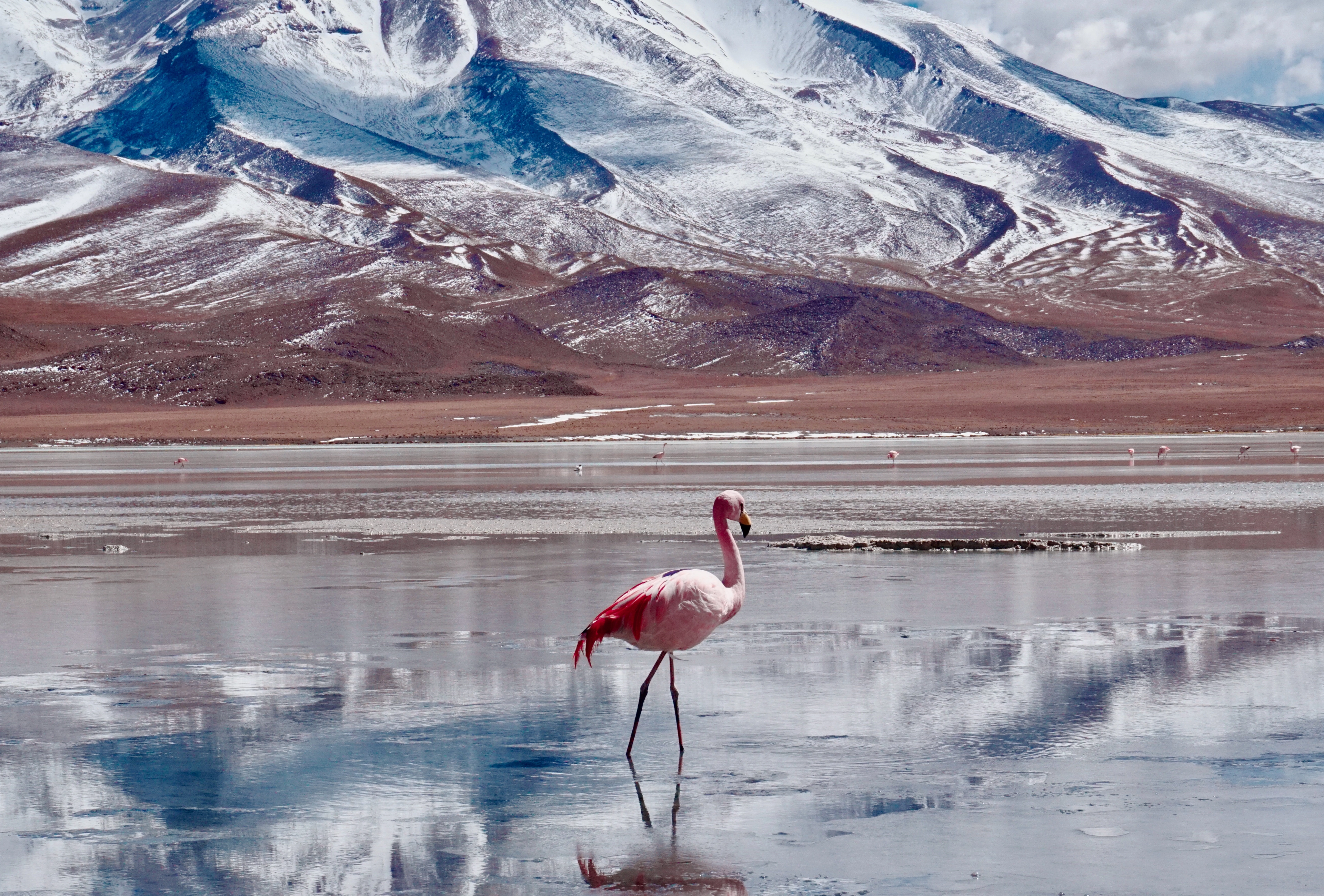
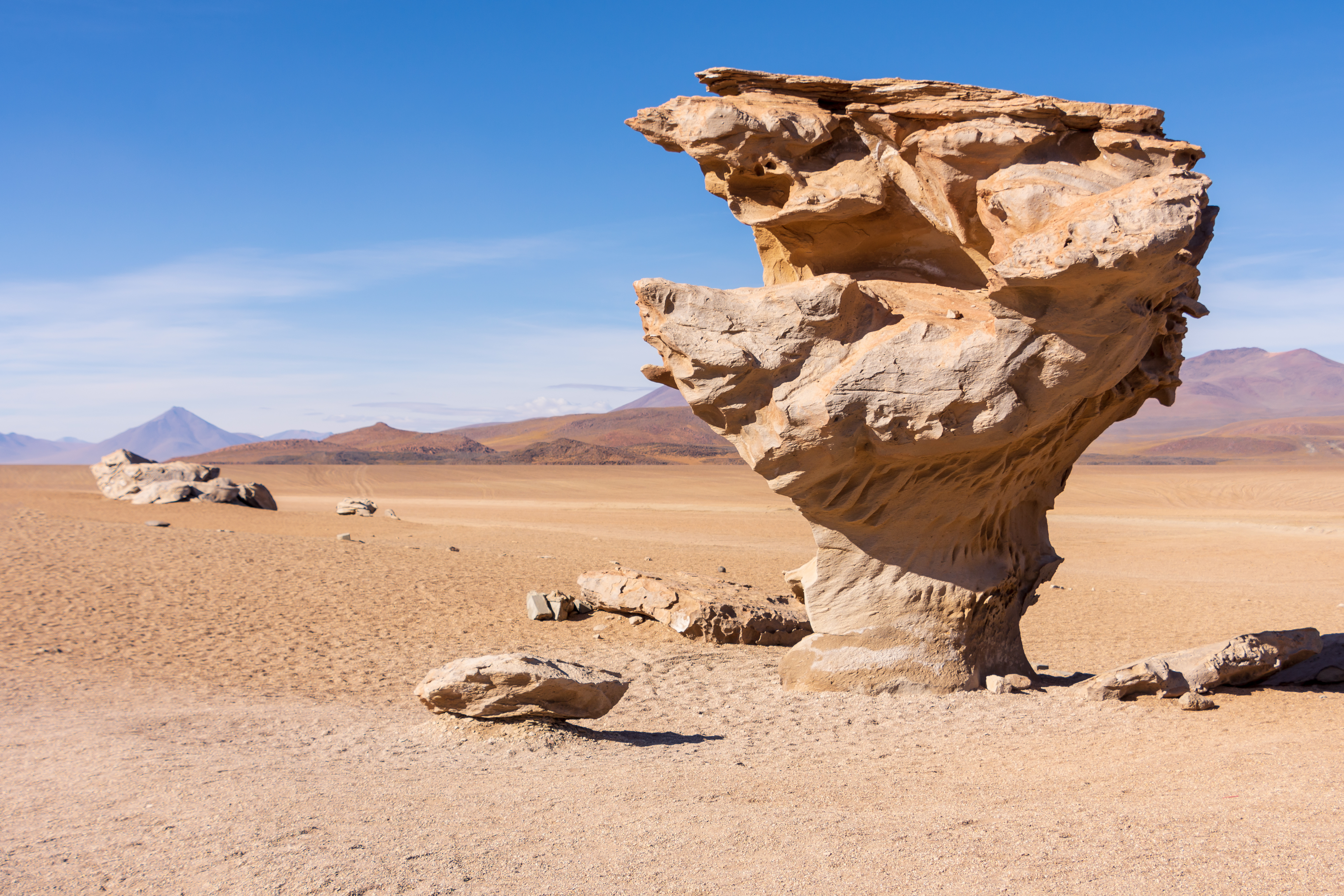
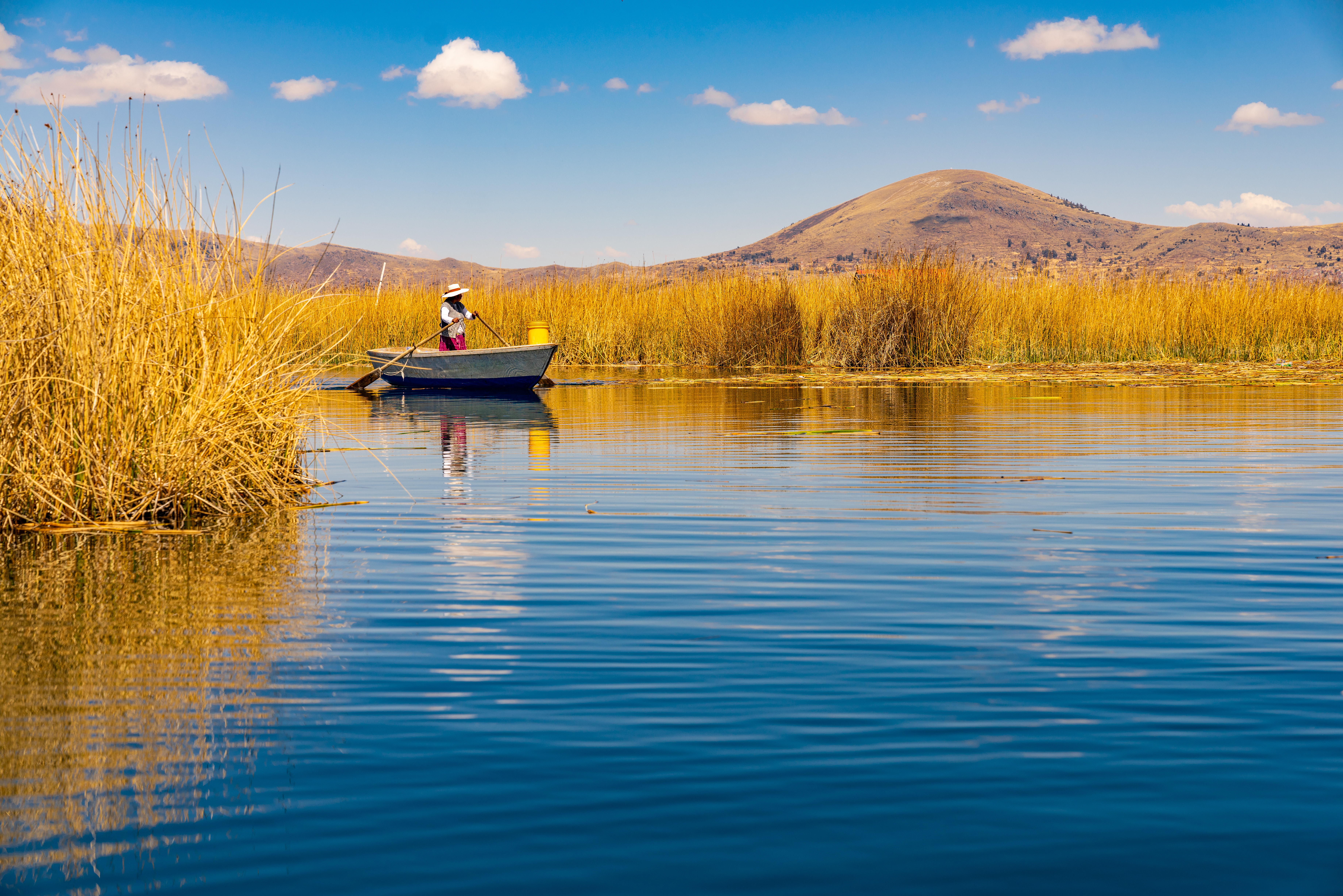
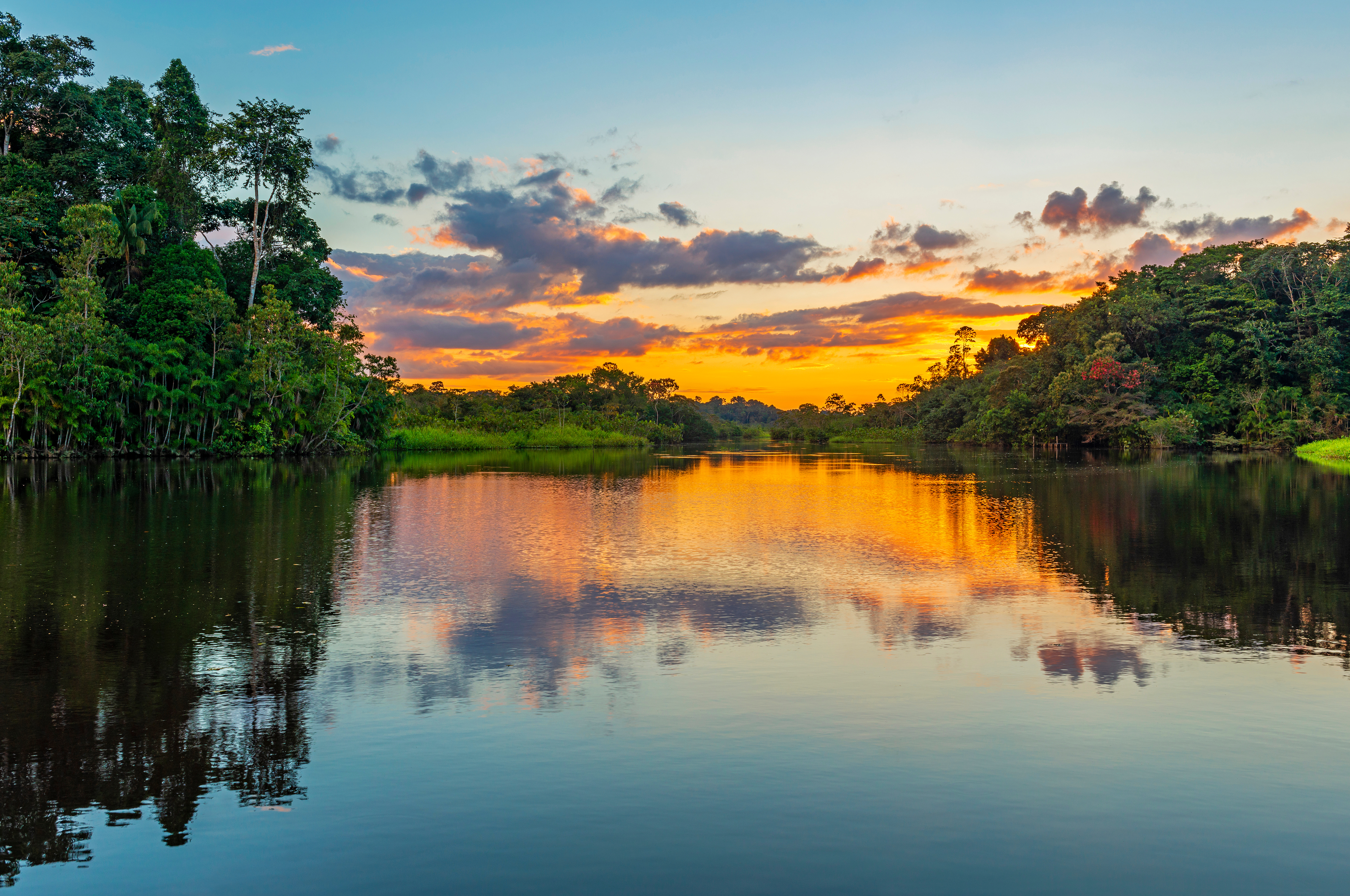
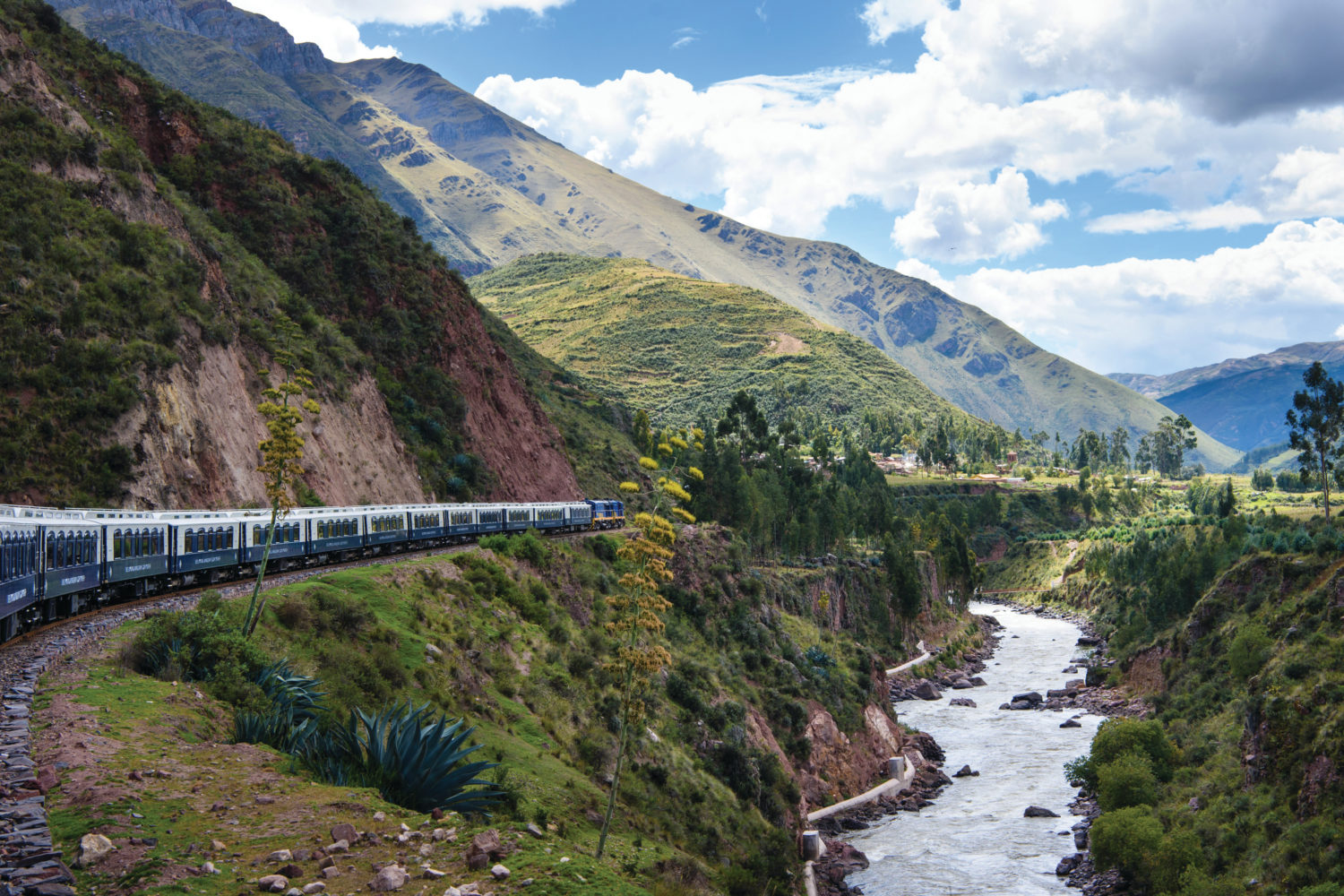
Lake Titicaca & Sun Island, Bolivia Highlights
Some of the sights and experiences in and around Lake Titicaca & Sun Island, Bolivia
Speak to a Travel Specialist today
Lake Titicaca & Sun Island Travel FAQs
Where is Lake Titicaca located?
Lake Titicaca sits high in the Andes on the border between Bolivia and Peru. It is the highest navigable lake in the world and one of the most culturally significant places in the region, surrounded by mountains, rural communities, and traditional Aymara and Quechua villages.
What is Sun Island known for?
Sun Island is considered the birthplace of the sun in Inca mythology and is one of the most important sacred sites in the Andes. The island is known for its ancient ruins, terraced hillsides, and footpaths that link small settlements, offering sweeping views across Lake Titicaca.
How do you get to Lake Titicaca and Sun Island?
Most travellers reach Lake Titicaca from La Paz, travelling to the lakeside town of Copacabana by road. From here, boat services connect to Sun Island, allowing visitors to explore the island on foot with guided or independent visits.
How long should I spend at Lake Titicaca and Sun Island?
One to two nights is usually enough to experience the lake, Copacabana, and Sun Island at a relaxed pace. Travellers with more time may choose to stay longer to enjoy lakeside walks, village life, and sunrise or sunset views over the water.
When is the best time to visit Lake Titicaca?
The best time to visit is during the dry season from May to October, when days are generally clear and rainfall is low. Temperatures remain cool throughout the year due to the high altitude, with cold evenings and early mornings.
What can I do on Sun Island?
Activities include walking ancient Inca trails, visiting archaeological remains, and enjoying panoramic views across the lake. The island has no vehicles, which creates a peaceful atmosphere and encourages slow exploration.
Is Lake Titicaca suitable for families?
Lake Titicaca can work well for families with older children who enjoy history, walking, and cultural experiences. Travel itineraries can be planned at a gentle pace to account for altitude and allow time to rest.
Can Lake Titicaca be combined with other destinations in Bolivia?
Yes. Lake Titicaca is commonly combined with La Paz and can also form part of a wider journey including Uyuni and the salt flats, or onward travel into Peru for those exploring both sides of the lake.