


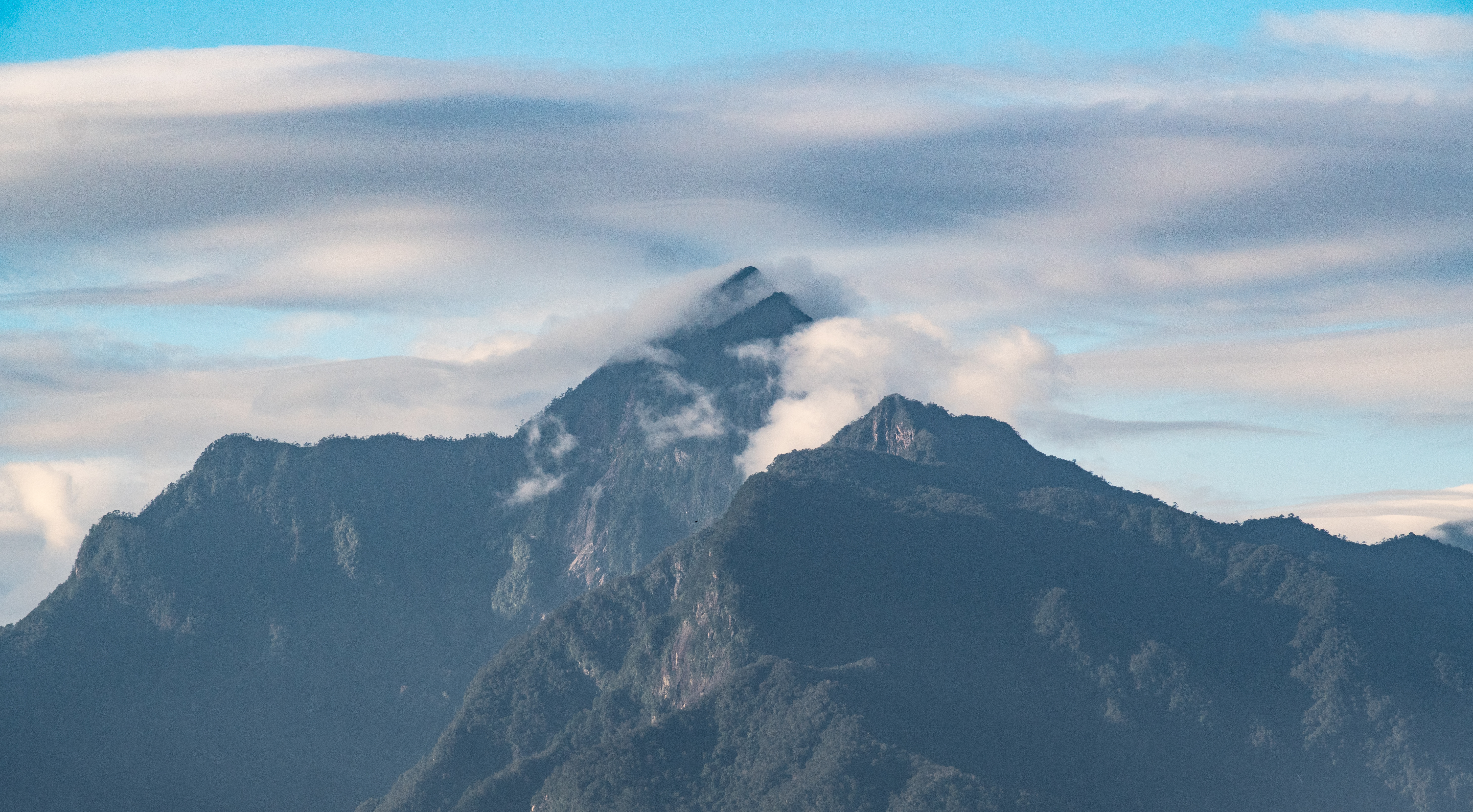
Discover Pico Bonito National Park: A haven for adventure and biodiversity
Pico Bonito National Park is Honduras’ largest and most biodiverse protected area, where adventure meets extraordinary natural beauty. Stretching from the Caribbean coast to the country’s highest peak, this vast expanse of rainforest and cloud forest is ideal for both wildlife lovers and thrill-seekers. With seven distinct ecosystems and hundreds of recorded bird species, it’s a paradise for birdwatching, jungle trekking and spotting elusive creatures like jaguars, tapirs and white-headed capuchins. The powerful Cangrejal River carves through the park’s eastern edge, offering thrilling white-water rafting, while hanging bridges and canopy zip lines provide memorable views from above. Whether you're hiking to waterfalls or embarking on a multi-day trek to the summit of Pico Bonito, the park provides endless opportunities to immerse in Honduran nature at its best.
Why Visit Pico Bonito National Park?
Pico Bonito offers a rare blend of raw wilderness and adrenaline-fueled adventure in one of Central America’s most spectacular landscapes. It’s the perfect destination for travellers seeking deep connection with nature, unforgettable wildlife encounters, and the kind of outdoor experiences that stay with you long after you’ve left the trail. Whether you're chasing birds or waterfalls, this is Honduras at its wildest and most wondrous.

Honduras

-6 hours

Lempira (HNL) = US Dollars accepted

A guided noctunral wildlife hike
When is the best time to visit Pico Bonito National Park?
The dry season, from February to June, is the most reliable time to visit Pico Bonito. Trails are more accessible, river conditions are ideal for rafting, and wildlife is easier to spot. Birdwatchers may also find October and November rewarding, as migratory species pass through the region. While the park remains lush year-round, the rainy season (July to September) can bring heavier downpours and limited trail access.
About Pico Bonito National Park and its surrounding areas
Pico Bonito National Park protects more than 1,000 square kilometres of wilderness in northern Honduras, just inland from the Caribbean coast near La Ceiba. Its dramatic terrain rises from tropical lowlands through dense rainforest to cool cloud forest, with the park’s highest peak dominating the skyline. This range of elevations supports remarkable biodiversity, making Pico Bonito one of the country’s most important natural areas.
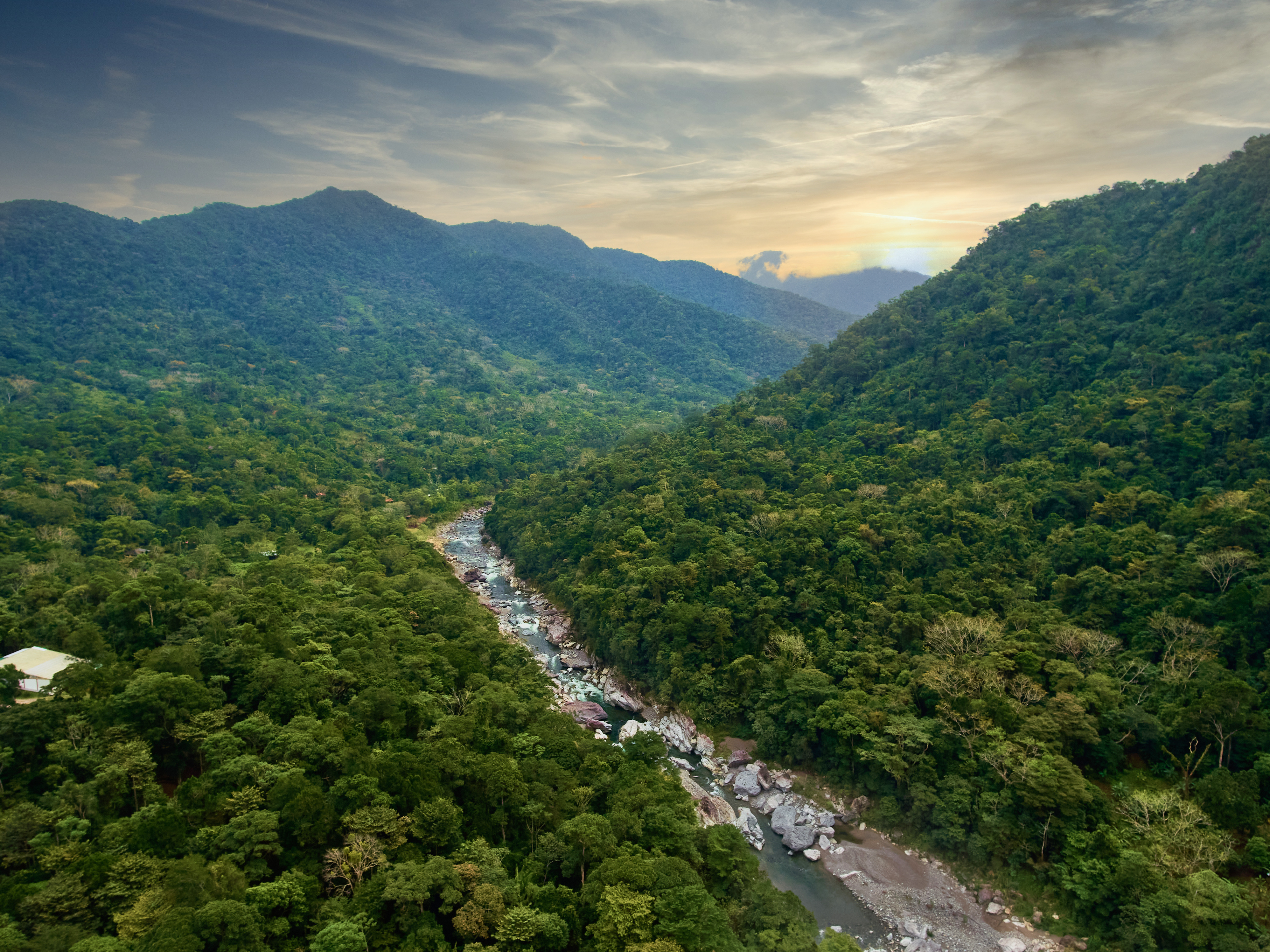
At the park’s edge, the Cangrejal River Valley acts as a gateway to adventure and exploration. Here, eco lodges sit alongside riverbanks and forested slopes, providing access to hiking trails, rafting routes, and guided nature experiences. The river itself is known for its clear waters and lively rapids, set against a backdrop of steep, jungle covered mountains.
Nearby, the Cuero y Salado Wildlife Refuge extends the region’s ecological richness. Its network of mangroves, lagoons, and estuaries provides habitat for manatees, crocodiles, and a wide variety of bird species. Together, Pico Bonito and its surrounding reserves offer a powerful introduction to Honduras’ wild landscapes, combining rainforest, river systems, and coastal ecosystems within a single region.
Things to do in and around Pico Bonito National Park
- Pico Bonito National Park: A vast protected area of rainforest and cloud forest stretching from the Caribbean coast to Honduras’ highest peaks. It’s a hotspot for biodiversity and adventure, with opportunities for hiking, rafting, birdwatching and wildlife encounters in one of Central America’s most pristine natural settings.
- Waterfall Hike: Explore jungle trails that lead to hidden waterfalls and natural pools. These hikes offer a refreshing way to experience the forest, with chances to spot tropical birds, butterflies and monkeys along the way.
- Canopy Zip-line Adventure: Soar through the treetops on a zip-line tour that offers sweeping views of the forest canopy and surrounding mountains. Several lodges near the Cangrejal River offer guided experiences suitable for all levels.
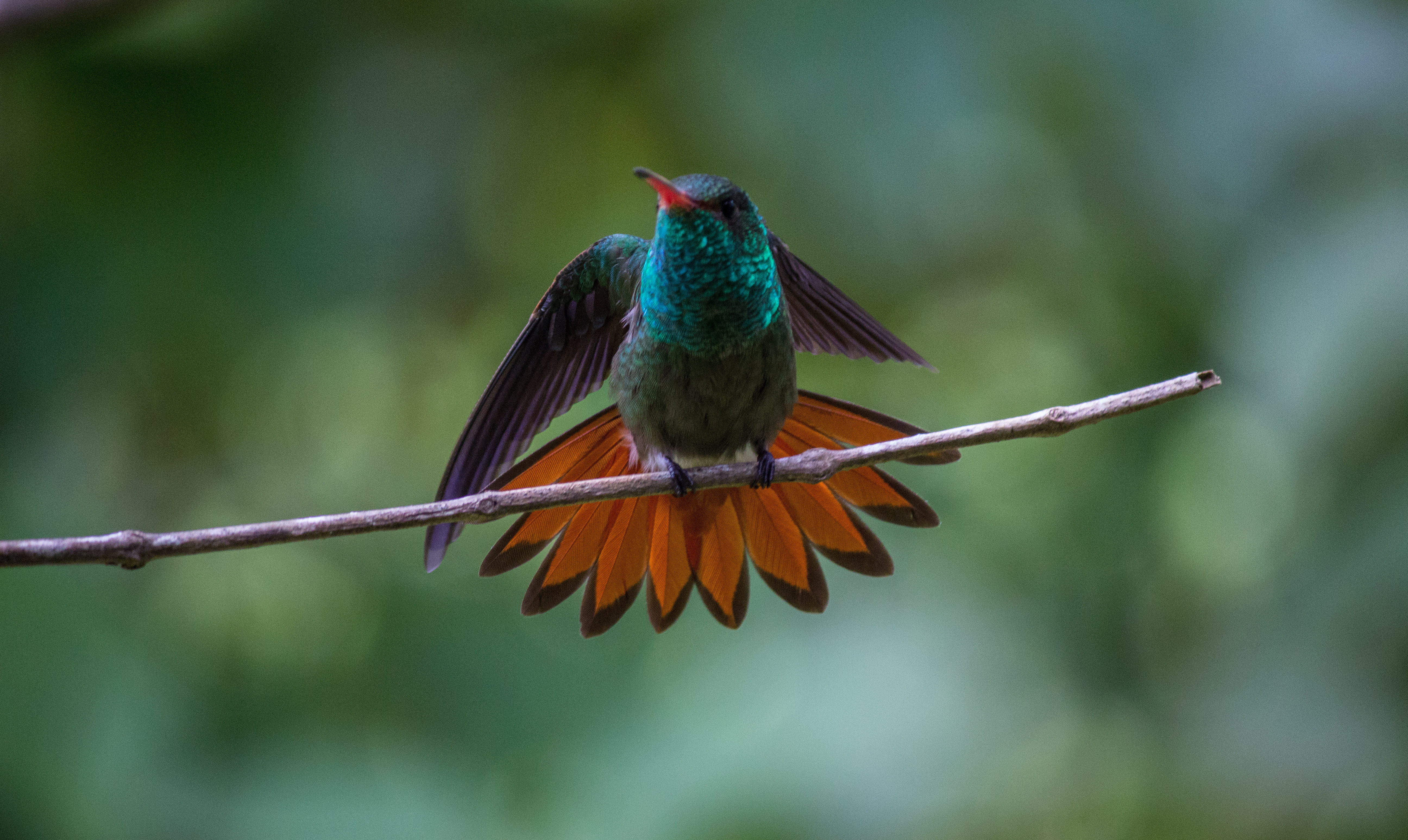
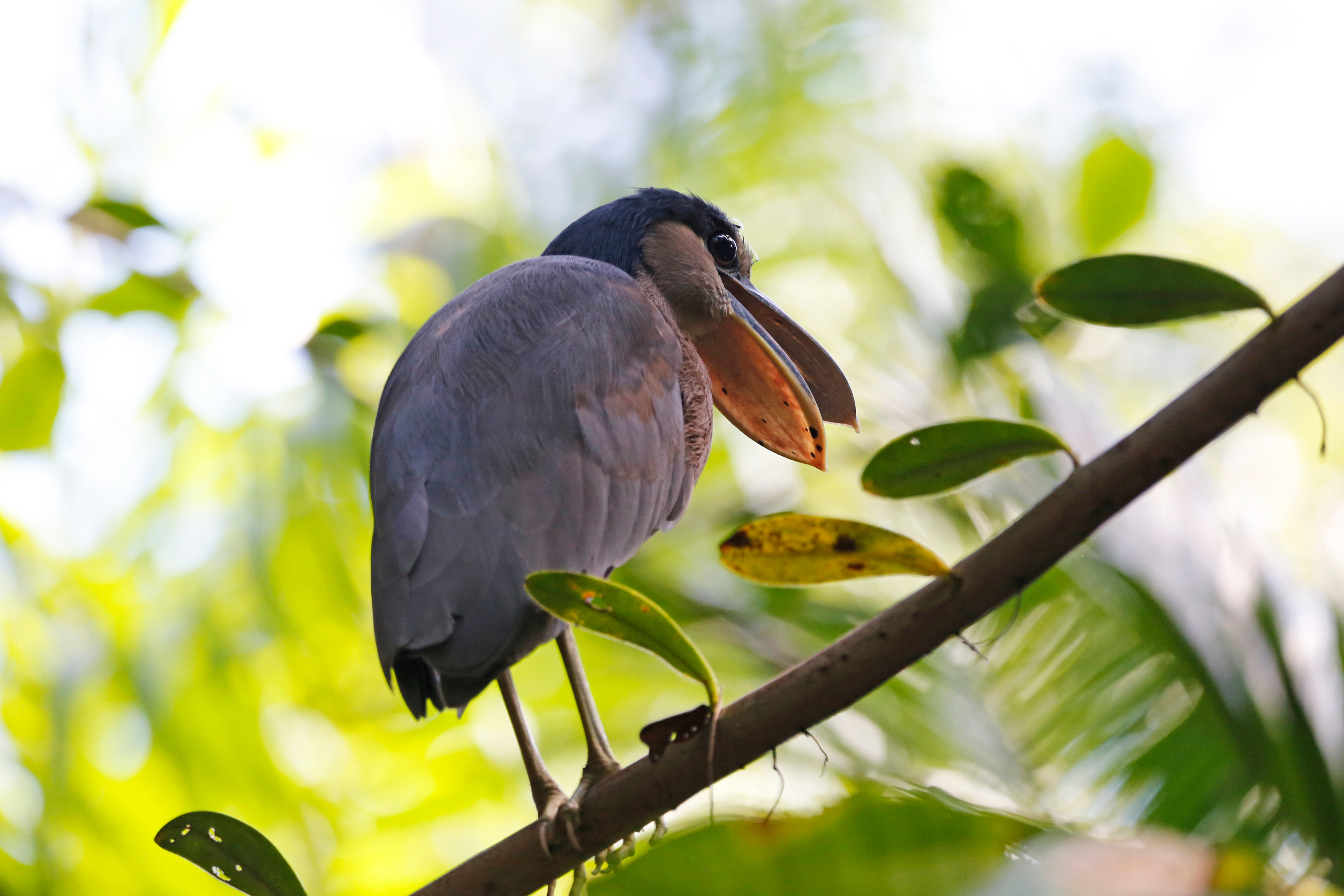
- Birdwatching: With over 400 recorded species, Pico Bonito is one of Central America’s top birding destinations. Highlights include toucans, motmots, trogons and the elusive Lovely Cotinga.
- Nocturnal Wildlife Hike: Join a guided night walk to discover the forest after dark. Spot frogs, snakes, owls and other nocturnal creatures while learning about the park’s unique ecosystems.
- Pico Bonito Trek: A challenging multi-day hike to the summit of the park’s namesake peak. The trail climbs through multiple ecosystems, offering dramatic views and a true wilderness experience.
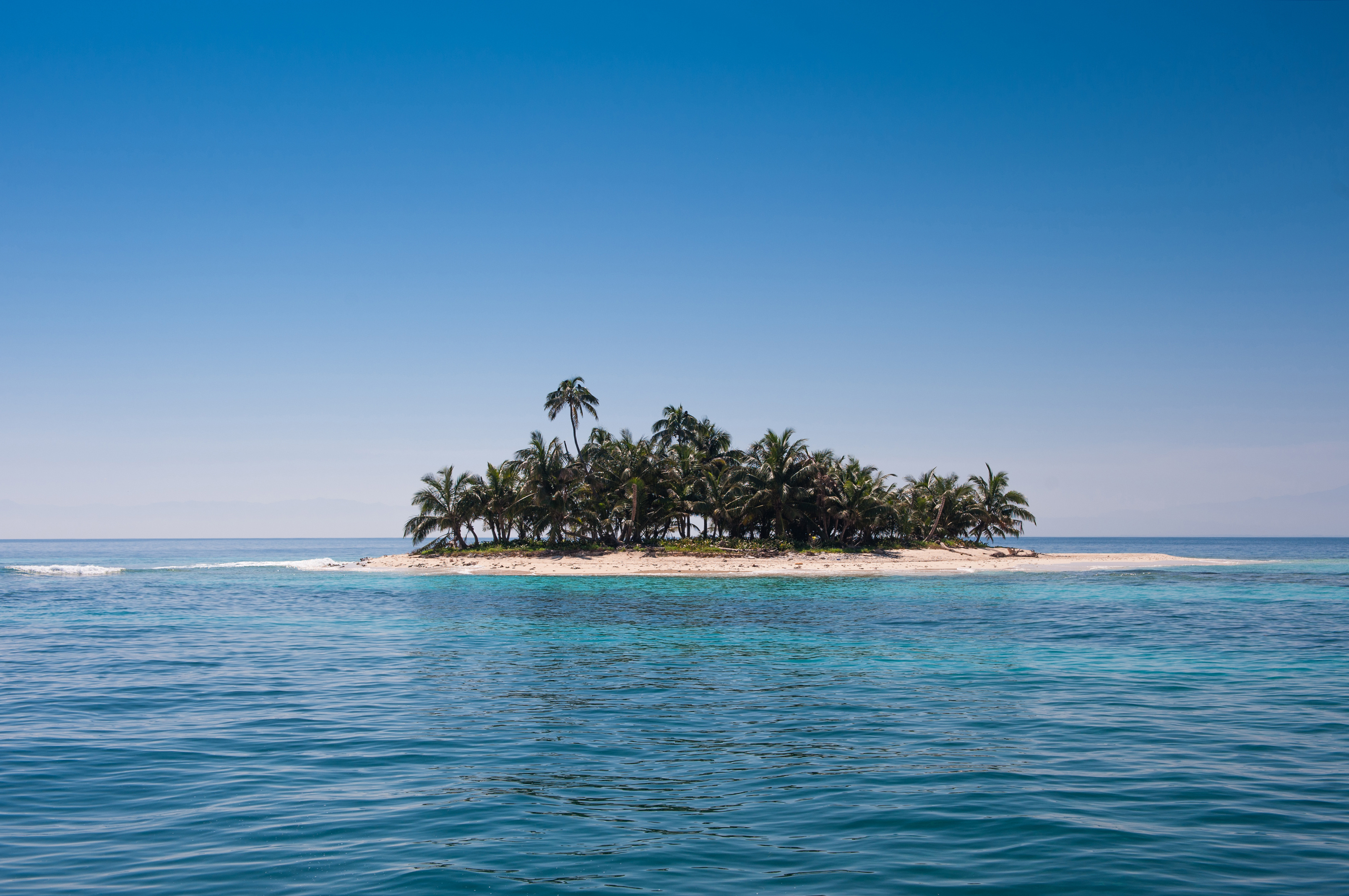
- Cayos Cochinos Island Tour: Take a day trip to this nearby marine reserve, known for its coral reefs, clear waters and Garífuna communities. It’s a great way to combine jungle adventure with Caribbean island culture.
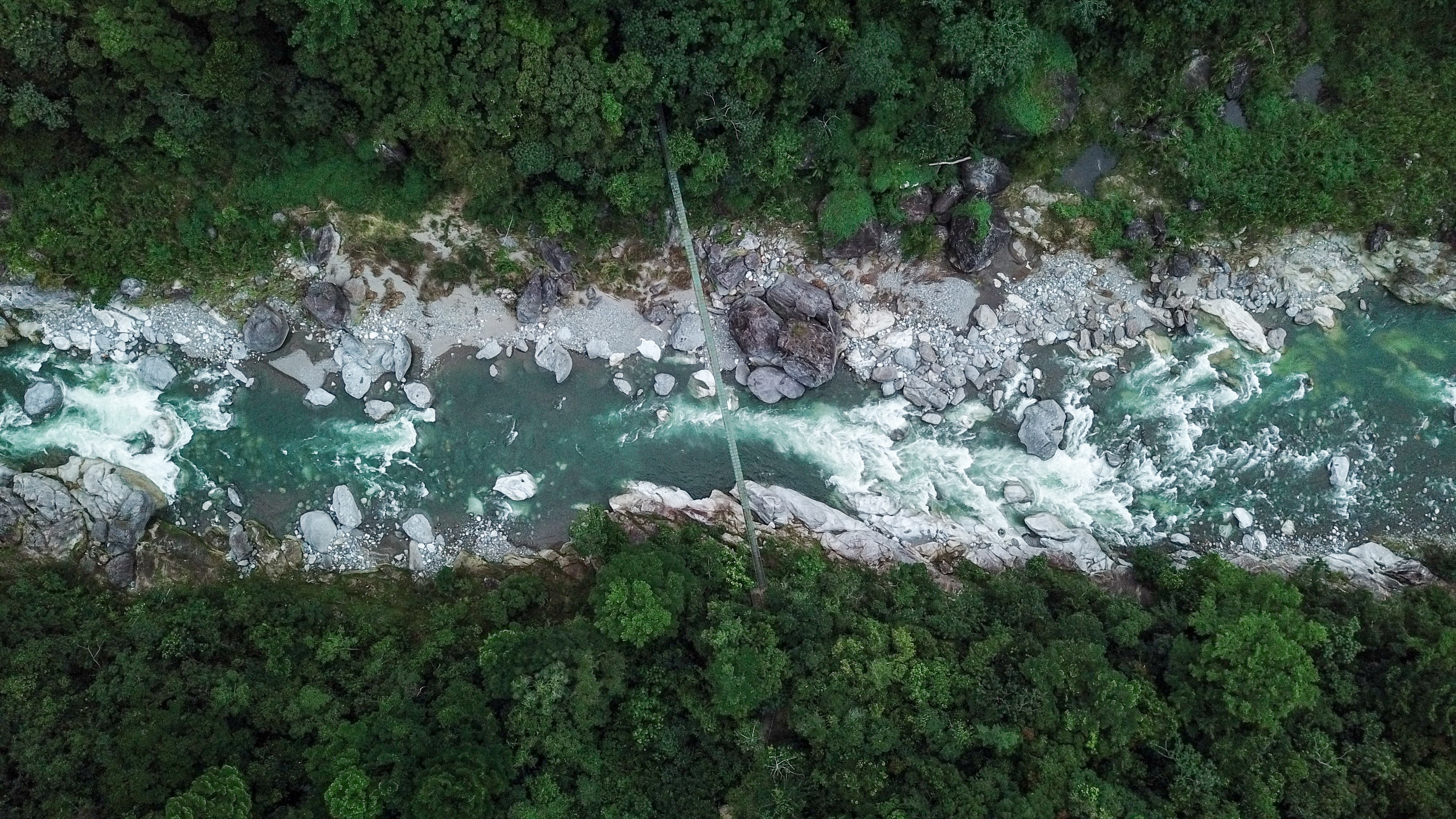
- River Rafting: The Cangrejal River offers some of the best white-water rafting in the region. Paddle through Class II to IV rapids surrounded by lush jungle and dramatic boulder-strewn landscapes.
- Guided Nature Tours: Local guides offer half-day and full-day tours focused on wildlife, plants and conservation. These walks are ideal for learning about the park’s biodiversity and spotting animals you might miss on your own.
Pico Bonito National Park Highlights
Some of the sights and experiences in and around Pico Bonito National Park, Honduras

Speak to a Travel Specialist today
Pico Bonito National Park Travel FAQs
How many days should I spend in Pico Bonito?
Two to three days is ideal for exploring Pico Bonito. This gives you time to hike jungle trails, visit waterfalls, go birdwatching and enjoy guided nature walks. If you’d like to combine your visit with nearby attractions like the Cangrejal River or Cayos Cochinos, consider extending your stay to four or five days for a more relaxed experience.
Do I need a guide to explore the park?
While some trails are self-guided, we recommend a local guide to enhance the experience, especially for birdwatching and wildlife spotting. Guides also provide insight into the park’s ecosystems and conservation efforts. Your travel specialist will arrange your guide in advance as part of your itinerary.
Is Pico Bonito safe for travellers?
Yes. The park and surrounding lodges are considered safe for visitors. Trails are well-maintained, and guided tours are available for added peace of mind. As always, standard travel precautions apply.
Can I go birdwatching in Pico Bonito?
Absolutely. With over 400 recorded species, the park is one of Central America’s top birding destinations. Highlights include toucans, motmots, trogons and the elusive lovely cotinga.
Are there places to stay near the park?
Yes. Several eco-lodges and jungle resorts are located near the park entrance, offering comfortable accommodation, guided tours and excellent access to trails and wildlife.
What currency is used in the area?
The Honduran lempira (HNL) is the official currency. US dollars are accepted at many lodges and tour operators, but it’s best to carry local currency for small purchases and tips.
Can I combine Pico Bonito with other destinations?
Yes. The park is often paired with trips to Roatán, Utila or Copán. Its location near La Ceiba makes it a convenient stop between coastal and inland adventures.
What should I pack?
Light hiking gear, sturdy shoes, insect repellent, binoculars, a rain jacket, and a reusable water bottle. If you’re birdwatching, bring a field guide or camera with a zoom lens.