
Inspiration
- What is a cenote?
- Why visit cenotes in Mexico?
- The best cenotes in Mexico
- Open, semi-open or cave cenotes?
- Where are the best cenotes in Mexico?
- A tip from the Latin Routes team:
- What should you take to a cenote?
- Can you dive in cenotes?
- How to include cenotes in your Mexico holiday
- Why visit cenotes with Latin Routes?
- FAQs
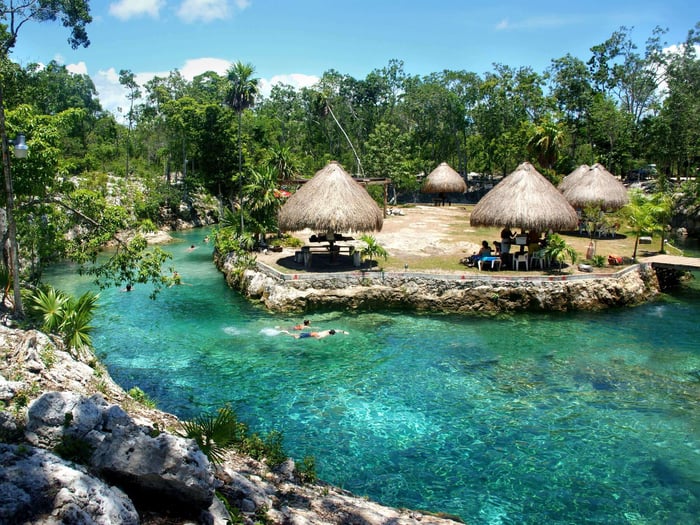
Cenotes in Mexico are among the most memorable natural experiences in the Yucatán Peninsula, offering the chance to swim, snorkel and explore in crystal-clear freshwater pools surrounded by jungle and limestone caves.
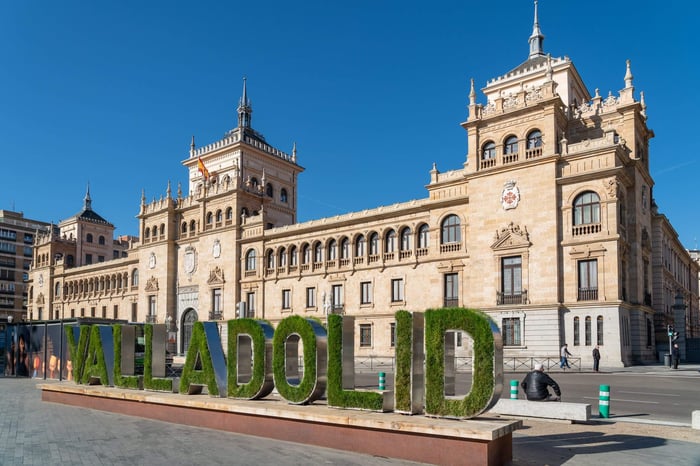
Formed over thousands of years as limestone bedrock collapsed, cenotes reveal hidden underground water systems that are unique to this part of Mexico. For the ancient Maya, they were sacred places believed to connect the human world with the underworld. Today, they are a highlight of many Mexico holidays, whether you are exploring the Maya cities of Chichén Itzá and Uxmal, spending time in Valladolid and Mérida or relaxing on the Caribbean coast.
This Mexico cenotes travel guide explains what cenotes are, where to find some of the best cenotes in Mexico and how to include them in a tailor-made Mexico holiday.
What is a cenote?
A cenote is a naturally formed freshwater pool created when limestone rock collapses, exposing groundwater beneath the surface.
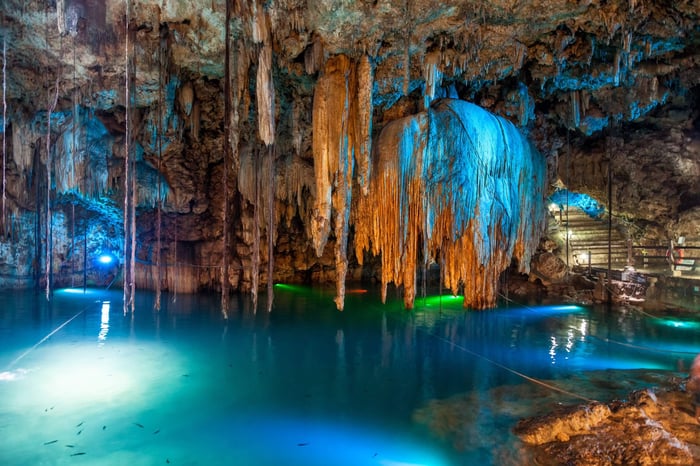
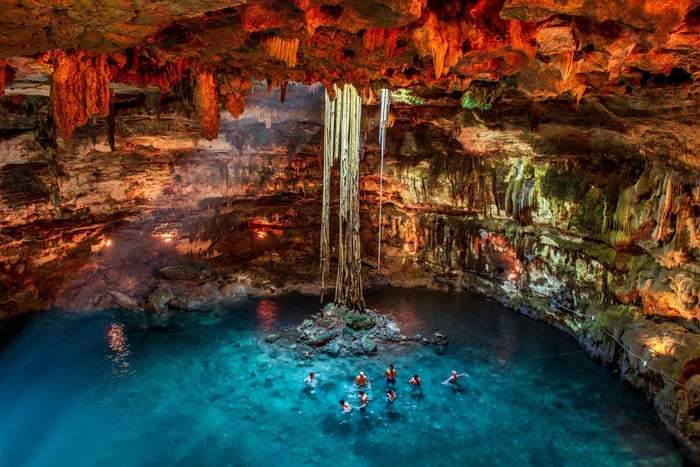
The Yucatán Peninsula contains thousands of cenotes, many connected by one of the world's largest underground river systems. Some remain completely enclosed within caves, while others are open to the sky or partially covered by dramatic rock formations and hanging vines.
Each one offers a different experience. Some are ideal for swimming, others for snorkelling amongst fish, while experienced divers can explore spectacular underwater cave systems.
For the Maya civilisation, cenotes were much more than water sources. Many were considered sacred places where ceremonies took place and offerings were made to the gods.
Why visit cenotes in Mexico?
Visiting cenotes gives you the chance to experience a side of Mexico beyond its beaches and archaeological sites.
Unlike the sea, the freshwater remains refreshingly cool throughout the year, making them particularly welcome after exploring Maya cities in the tropical heat.
Many visitors describe swimming in a cenote as one of the highlights of their Mexico holiday. Floating beneath towering limestone formations, watching shafts of sunlight filter through the trees and listening to birdsong creates an atmosphere unlike anywhere else.
The best cenotes in Mexico
Ik Kil Cenote
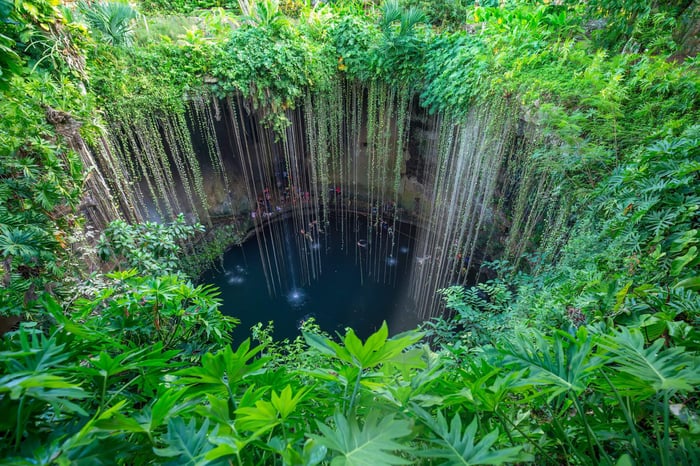
Perhaps Mexico's most famous cenote, Ik Kil sits just a few minutes from Chichén Itzá.
Deep circular walls draped with hanging vines create one of the country's most photographed natural settings. Wooden staircases descend to the water, where visitors can swim beneath waterfalls cascading from above.
Thanks to its proximity to Chichén Itzá, it can become busy during the middle of the day. Visiting early or later in the afternoon offers a more peaceful experience.
Cenote Suytun
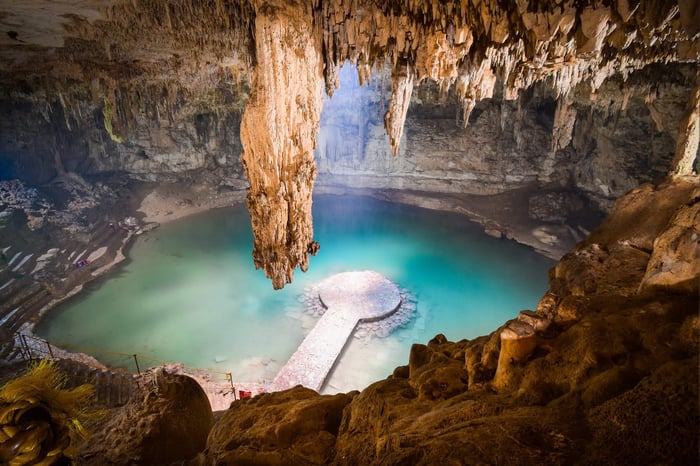
Known for its iconic circular stone platform stretching into the centre of the water, Suytun has become one of Mexico's most recognisable cenotes.
Sunlight streams through a small opening in the cave roof, creating spectacular photographic opportunities.
Located close to Valladolid, it's easy to include alongside visits to nearby Maya sites and colonial towns.
Cenote Oxman
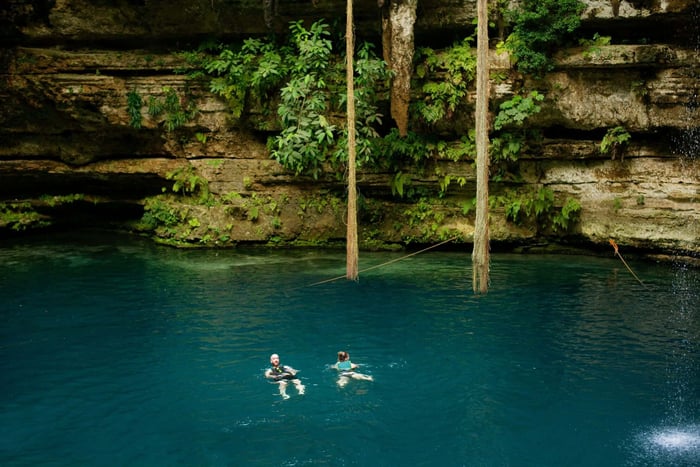
Situated just outside Valladolid, Oxman combines natural beauty with a relaxed atmosphere.
A long rope swing adds a little adventure, while vines hang from the cave ceiling into the deep blue water below.
It tends to be quieter than some of the region's better-known cenotes.
Cenote X'Canche
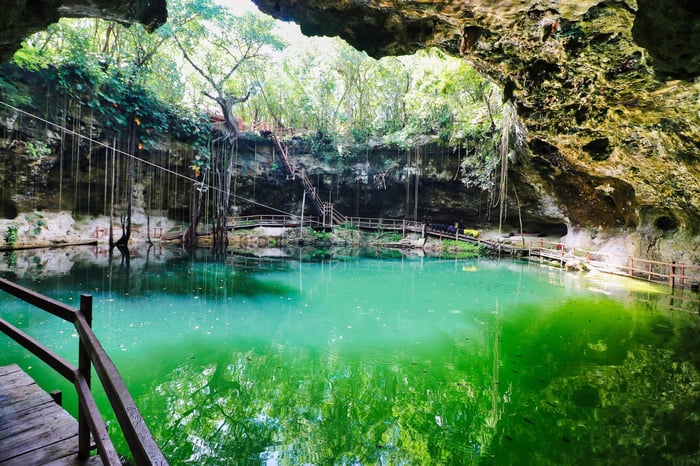
Located near the Maya city of Ek Balam, X'Canche offers a more adventurous setting.
Visitors can cycle or walk through the forest before arriving at the cenote, where swimming, ziplining and gentle exploration combine into an enjoyable day out.
Gran Cenote
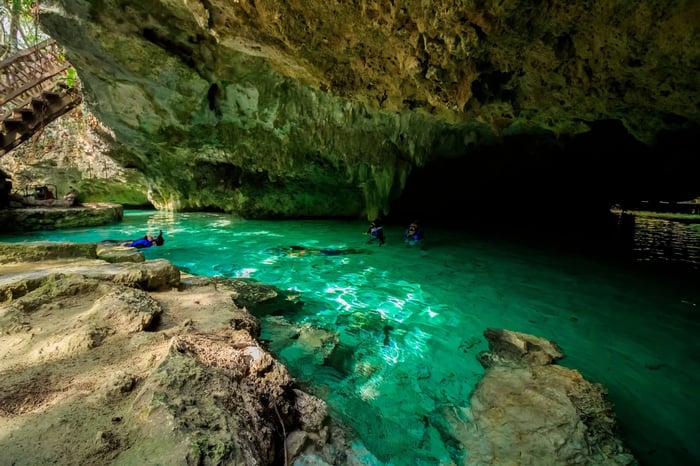
One of the Riviera Maya's best-known cenotes, Gran Cenote is particularly popular for snorkelling.
Crystal-clear water allows visitors to spot turtles and small freshwater fish amongst submerged limestone formations.
Its location near Tulum makes it an excellent addition to a Caribbean coast itinerary.
Open, semi-open or cave cenotes?
One of the reasons every cenote feels different is their varying formation.
Open cenotes
These resemble natural freshwater lakes surrounded by jungle and are perfect for relaxed swimming.
Semi-open cenotes
Partially enclosed by limestone walls, these combine natural sunlight with impressive cave formations.
Cave cenotes
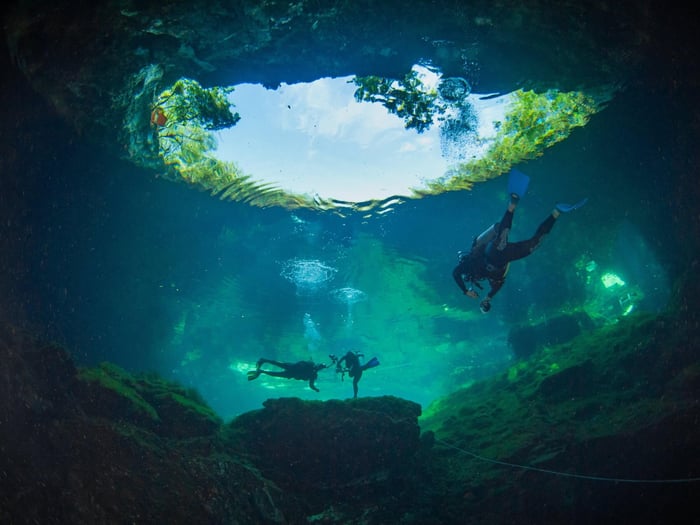
Entirely underground, cave cenotes provide an unforgettable atmosphere where sunlight filters through narrow openings, illuminating stalactites and crystal-clear pools.
Where are the best cenotes in Mexico?
Most cenotes are found across the Yucatán Peninsula, making them easy to include in many tailor-made Mexico holidays.
Popular areas include:
- Valladolid
- Mérida
- Chichén Itzá
- Ek Balam
- Tulum
- Riviera Maya
- Cuzamá
- Puerto Morelos
Whether you're self-driving around Yucatán or travelling with private transfers, your itinerary can easily include several different cenotes.
A tip from the Latin Routes team:
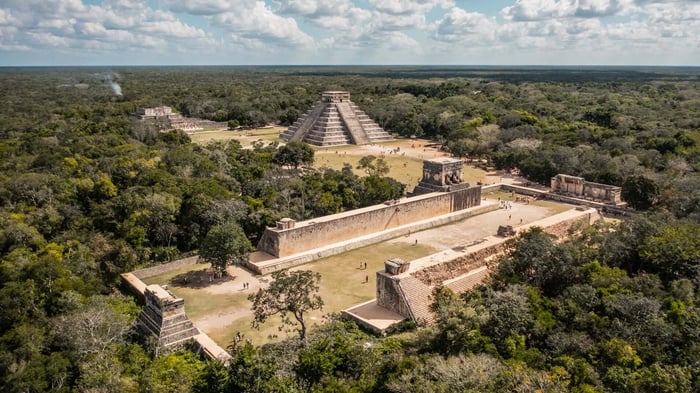
'Don't just visit the most famous cenotes. Some of our favourite experiences have been at smaller, quieter cenotes where you can spend time appreciating the surroundings. Combining a cenote with a visit to a nearby Maya city makes for a fantastic day.'What should you take to a cenote?
A little preparation helps protect these fragile natural environments.
We recommend bringing:
- Swimwear
- Towel
- Water shoes
- Reusable water bottle
- Dry bag for valuables
- Biodegradable sunscreen (only where permitted)
- Camera or waterproof phone case
Many cenotes ask visitors to shower before entering and prohibit conventional sunscreen to protect the delicate ecosystem.
Can you dive in cenotes?
Yes. Mexico is home to some of the world's most famous cave-diving sites.
Qualified divers can explore vast underground cave systems filled with crystal-clear water, dramatic rock formations and prehistoric geological features.
For non-divers, many cenotes also offer excellent snorkelling, providing an introduction to these remarkable underwater landscapes.
How to include cenotes in your Mexico holiday
One of the best things about visiting cenotes in Mexico is how naturally they fit into a wider itinerary.
Many of our clients combine them with:
- Chichén Itzá
- Uxmal
- Mérida
- Valladolid
- Ek Balam
- Campeche
- The Riviera Maya
- Holbox Island
Our Travel Specialists can recommend the best combination based on your interests, whether you're travelling as a couple, family or on a honeymoon.
Why visit cenotes with Latin Routes?
At Latin Routes, we create truly individual Mexico holidays designed around the experiences that matter most to you.
Whether you want to swim in hidden cenotes, discover remarkable Maya cities, explore colourful colonial towns or unwind beside the Caribbean Sea, our Travel Specialists will create an itinerary that balances iconic highlights with lesser-known experiences. Which of the Cenotes in Mexico will you be visiting?
Speak to one of our Travel Specialists and start planning your tailor-made Mexico holiday.
FAQs
What are cenotes in Mexico?
A cenote is a natural freshwater sinkhole formed when limestone bedrock collapses, exposing underground rivers and pools. Most cenotes are found on Mexico's Yucatán Peninsula and were considered sacred by the ancient Maya.
Where are the best cenotes in Mexico?
Some of the best cenotes in Mexico are located across the Yucatán Peninsula, particularly near Chichén Itzá, Valladolid, Mérida, Tulum, Ek Balam and the Riviera Maya. Popular cenotes include Ik Kil, Suytun, Oxman and Gran Cenote.
Can you swim in cenotes?
Yes. Many cenotes are open for swimming and are known for their exceptionally clear freshwater. Some also offer snorkelling, while others are suitable for certified cave diving.
Are cenotes suitable for families?
Yes. Many cenotes are suitable for families with children, particularly open and semi-open cenotes with shallow swimming areas and visitor facilities. Your Travel Specialist can recommend family-friendly options.
When is the best time to visit cenotes?
Cenotes can be visited throughout the year. Early morning is often the best time to enjoy quieter conditions and cooler temperatures, while arriving soon after opening also provides excellent light for photography.
Are cenotes included on Latin Routes holidays?
Many of our tailor-made Mexico holidays include opportunities to visit cenotes alongside destinations such as Chichén Itzá, Mérida, Valladolid and the Riviera Maya.
Are cenotes safe to visit?
Yes, cenotes are generally safe to visit when using established sites that provide safe access, facilities and guidance. Follow local instructions, use life jackets where recommended and take care on steps and slippery rocks.
Do you need to book cenotes in advance?
Most cenotes can be visited without advance booking, although some popular sites and guided tours may require reservations during peak travel periods.
What should I wear when visiting a cenote?
Swimwear, comfortable clothing and water shoes are recommended. Bring a towel, reusable water bottle and a waterproof bag for valuables. Many cenotes require visitors to shower before entering the water.
Can you wear sunscreen in cenotes?
Many cenotes ask visitors not to wear conventional sunscreen because it can damage the fragile freshwater ecosystem. If sunscreen is permitted, use a biodegradable reef-safe product and follow the site's guidelines.
What wildlife can you see in cenotes?
While swimming, you may see small freshwater fish and turtles in some cenotes. Surrounding forests are also home to colourful birds, butterflies and other native wildlife.
Can beginners snorkel or dive in cenotes?
Snorkelling is suitable for most visitors with basic swimming ability. Cave diving is only recommended for qualified divers with specialist training and equipment.
How many cenotes are there in Mexico?
There are thought to be more than 6,000 cenotes across the Yucatán Peninsula, although many remain unexplored or are located on private land.
Which Mexico holidays include cenotes?
Many tailor-made Mexico holidays include visits to cenotes alongside destinations such as Chichén Itzá, Uxmal, Valladolid, Mérida, Tulum and the Riviera Maya. They can easily be incorporated into self-drive or privately guided itineraries, ask your travel specialist if you want to visit a cenote on your Mexico holiday.
Why are cenotes important to the Maya?
The ancient Maya believed cenotes were sacred places that connected the physical world with the underworld. They served as important freshwater sources and were used for ceremonies and religious rituals.
Which is better: an open or cave cenote?
Both offer unique experiences. Open cenotes are ideal for relaxed swimming and families, while cave cenotes provide dramatic rock formations, filtered light and a more atmospheric experience. Many visitors enjoy experiencing both during their Mexico holiday.