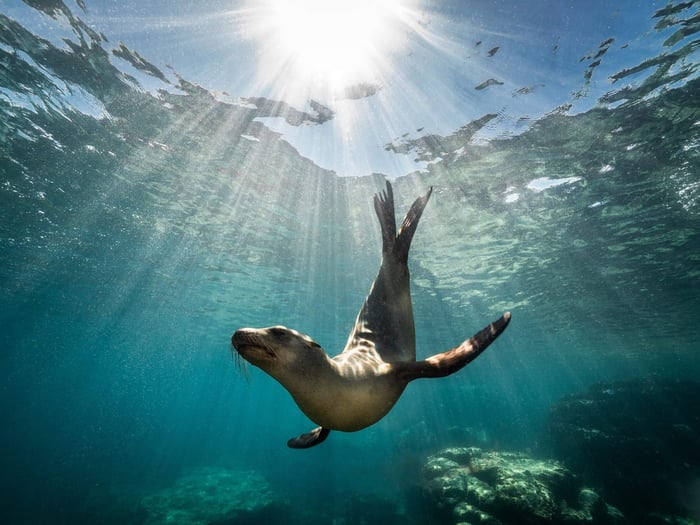

Where cactus-filled deserts meet wildlife-rich seas, Mexico’s Baja California peninsula offers one of Latin America’s most distinctive coastal experiences. This Baja California travel guide explores the region’s best places to visit, remarkable marine wildlife and unforgettable experiences, from watching grey whales in remote lagoons to sailing between islands in the Sea of Cortez.
Stretching south from the US border for more than 1,000 kilometres, Baja California feels very different from Mexico’s better-known beach destinations. Mountain ranges and desert plains descend towards sheltered bays, long beaches and rocky islands, while the surrounding waters attract whales, dolphins, sea lions, whale sharks and rays.
It is a region where you might watch humpback whales in the morning, kayak beside desert cliffs in the afternoon and finish the day beneath a clear, star-filled sky. With expedition cruises, comfortable coastal hotels and carefully planned overland routes, Baja California can be explored in many different ways. Let's dive into our Baja California travel guide.
Why Visit Baja California?
Baja California is ideal for travellers who want to discover a wilder and less familiar side of Mexico.
The peninsula is bordered by the Pacific Ocean to the west and the Sea of Cortez to the east. Together, these coastlines create a remarkable variety of habitats, including mangroves, reefs, islands, deep channels and protected lagoons.
Wildlife is one of the main reasons to visit. Grey whales migrate to the Pacific lagoons each winter, humpback whales gather around Los Cabos and blue whales may be seen in the deeper waters near Loreto. The Sea of Cortez is also home to dolphins, California sea lions, whale sharks, mobula rays, sea turtles and abundant birdlife.
There is plenty to experience beyond wildlife too. You can hike through desert landscapes, snorkel around remote islands, explore relaxed coastal towns and enjoy excellent seafood beside the water.
The region’s wide-open landscapes and relatively small communities also create a genuine sense of space. Rather than rushing between busy attractions, a Baja California holiday encourages you to slow down and appreciate the changing scenery. Keep reading our Baja California travel guide to find out more.
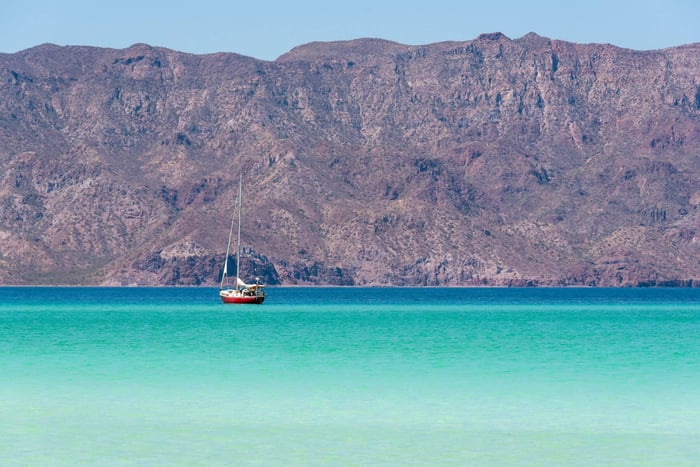
Where Is Baja California?
The Baja California peninsula lies in north-western Mexico and is divided into two states. So a good place start in our Baja California travel guide is looking at where it is in Mexico.
- Baja California covers the northern end of the peninsula, including Tijuana, Ensenada and the Valle de Guadalupe wine region.
- Baja California Sur covers the southern half, including La Paz, Loreto, Los Cabos, Todos Santos, Magdalena Bay and San Ignacio Lagoon.
Many of the destinations featured in this Baja California travel guide are in Baja California Sur, where the desert meets the wildlife-rich waters of the Pacific Ocean and Sea of Cortez.
The peninsula can be reached by flying into Los Cabos, La Paz or Loreto, usually with a connection. It can also be explored by car, private transfer or expedition cruise, depending on the locations you want to visit.
The Best Places to Visit in Baja California
Each part of Baja California offers something different, from lively coastal resorts and traditional towns to remote wildlife camps and largely uninhabited islands. Lets look deeper as we continue our Baja California travel guide.
Los Cabos
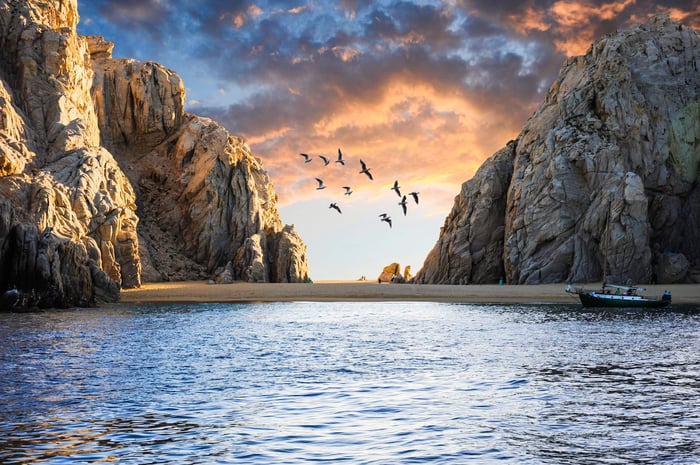
At the southern tip of the peninsula, Los Cabos includes Cabo San Lucas and San José del Cabo.
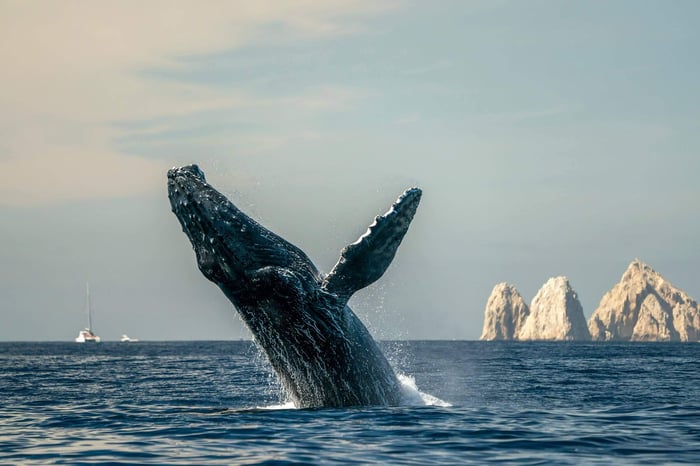
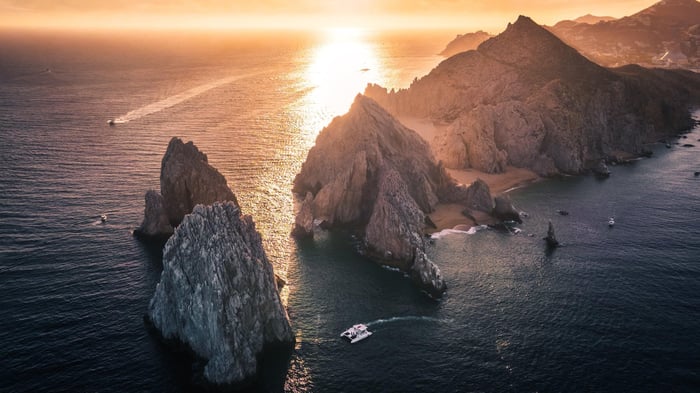
Cabo San Lucas is the livelier of the two, with a busy marina, restaurants and boat trips to the distinctive rock formations at Land’s End. The most recognisable is El Arco, a natural stone arch rising from the sea.
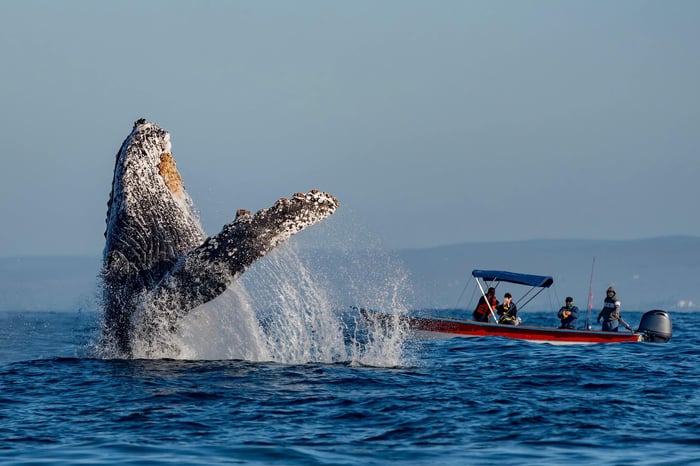
During the winter months, the waters around Cabo San Lucas are also visited by humpback whales. Boat trips offer opportunities to see them surfacing, breaching or travelling with their calves.
San José del Cabo has a quieter atmosphere, with galleries, independent shops, restaurants and a traditional central square. The wider Los Cabos region offers a strong selection of premium hotels, making it a comfortable place to begin or finish a Baja California holiday.
La Paz
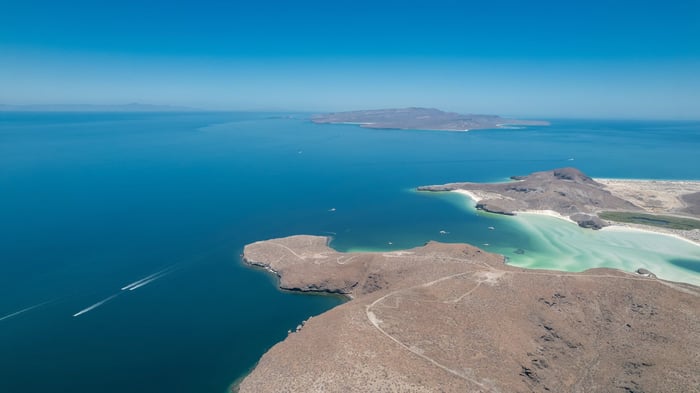
La Paz is the capital of Baja California Sur and one of the best bases for exploring the Sea of Cortez.
Its waterfront promenade, known as the Malecón, runs alongside the bay and is a popular place to walk in the early evening. The city also has a relaxed selection of restaurants serving fish tacos, ceviche and locally caught seafood.
From La Paz, you can travel by boat to Isla Espíritu Santo, where rust-coloured cliffs surround clear bays and white-sand beaches. Excursions may include kayaking, snorkelling, walking and wildlife watching.
One of the best-known experiences is snorkelling near a colony of California sea lions. These naturally curious animals may swim through the water alongside visitors, although all encounters should be carefully managed and remain entirely on the animals’ terms.
Seasonal whale shark experiences are also available near La Paz. These enormous filter-feeders visit the waters of the bay at certain times of year and can sometimes be observed on responsibly managed excursions.
Isla Espíritu Santo
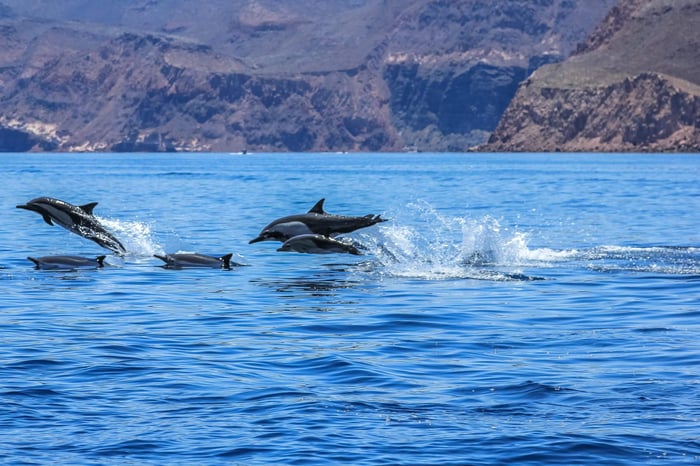
Isla Espíritu Santo lies within a protected archipelago in the Sea of Cortez. Its volcanic landscapes, secluded bays and rich marine habitats make it one of Baja California’s most rewarding natural areas.
The island is uninhabited, so most visits are made by boat from La Paz or as part of a longer expedition cruise.
Activities may include snorkelling with sea lions, kayaking beneath desert cliffs, hiking on remote beaches and looking for dolphins, rays and seabirds.
Our Whales & Wonders holiday includes time exploring the area aboard the Gallant Lady, an expedition yacht that travels through the islands and marine habitats of the Sea of Cortez. Clients spend three nights on board, with opportunities for snorkelling, kayaking, beach walks and daily wildlife watching.
Keep reading our Baja California travel guide for more places to visit on your holiday to Baja California.
Loreto
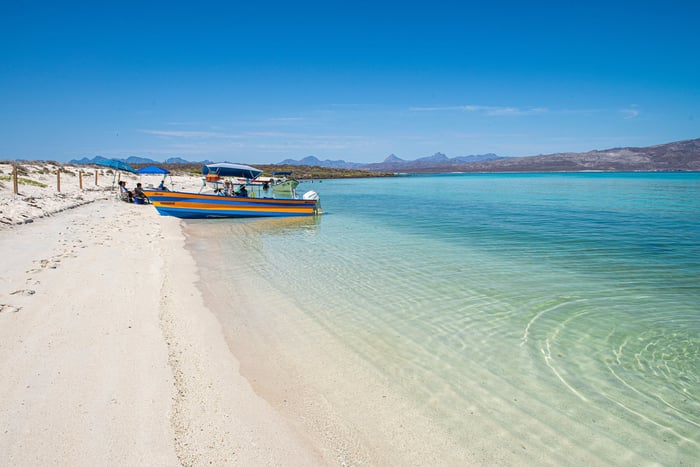
Loreto lies between the Sierra de la Giganta mountains and the Sea of Cortez. It combines a small historic centre with access to one of the peninsula’s most important marine environments.
The surrounding Loreto Bay National Park protects several islands and supports dolphins, sea lions, seabirds and numerous whale species.
Blue whales are among the region’s most celebrated seasonal visitors. As the largest animals on Earth, seeing one surface in the open water can be an extraordinary experience. Sightings can never be guaranteed, but the deeper waters around Loreto provide one of Mexico’s best opportunities to look for them.
Loreto is also an excellent base for kayaking, snorkelling and island exploration. Back on land, the compact town centre is easy to explore on foot, with a traditional mission, shaded square and local restaurants.
San Ignacio Lagoon
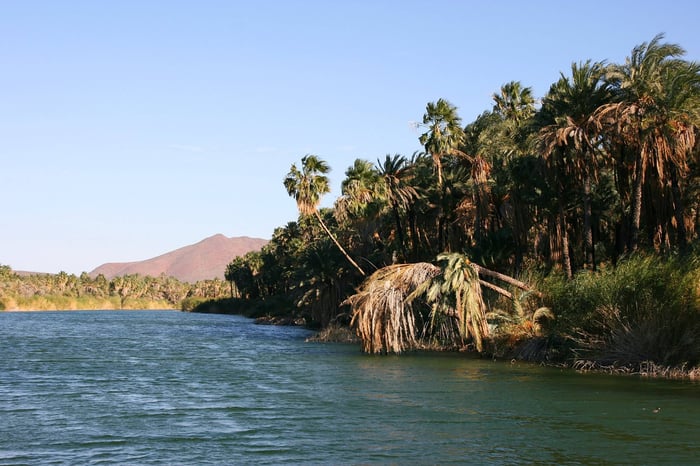
Remote San Ignacio Lagoon is one of the most important grey whale breeding areas on the Pacific coast of Baja California.
Every winter, grey whales complete a remarkable migration from their northern feeding grounds to the peninsula’s sheltered lagoons. Here, they mate, give birth and care for their young before beginning the long journey north again.
Whale-watching excursions take place in small pangas accompanied by experienced local guides. San Ignacio has become known for curious whales occasionally approaching boats, sometimes alongside their calves. These encounters are always led by the whales, with guides following local regulations to protect the animals.
The lagoon is one of the central highlights of our Whales & Wonders holiday. Clients stay for three nights in a comfortable safari-style camp with real beds, en-suite bathrooms, hot water and 24-hour power.
Multiple whale-watching excursions are included, alongside opportunities for kayaking, paddleboarding, birdwatching and learning about local turtle conservation. Evenings are spent around the fire pits, followed by dinner and presentations from the naturalist team.
Magdalena Bay
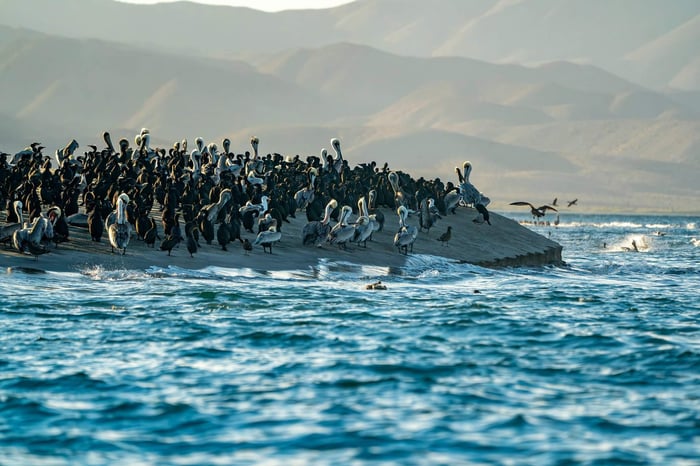
Magdalena Bay is another important winter habitat for grey whales.
Its sheltered waters, mangroves and sandy islands create a productive coastal ecosystem supporting whales, dolphins, sea turtles and large numbers of birds.
Small-boat excursions explore the bay in search of grey whales and their calves. Spending more than one day in the area can provide a greater understanding of the whales’ behaviour, although the nature of each encounter will always vary.
Magdalena Bay can be incorporated into a longer overland trip through Baja California Sur or visited as part of a wildlife-focused holiday.
Todos Santos
Todos Santos lies on the Pacific side of the peninsula, north of Los Cabos.
The town is known for its art galleries, independent shops, restaurants and restored historic buildings. It makes a relaxing stop between more active wildlife experiences, with time to explore at an unhurried pace.
The surrounding coast is popular with surfers, although strong currents mean not every beach is suitable for swimming. Visitors should always follow local advice and use designated swimming areas.
Bahía Concepción and Mulegé
Further north, Bahía Concepción is a broad bay scattered with small beaches and islands. Calm water and mountain scenery make it appealing for kayaking, swimming and relaxed coastal stays.
Nearby Mulegé is a palm-filled oasis town beside a river. The region is quieter and less developed than Los Cabos or La Paz, with small communities and simple coastal accommodation.
This section of Baja California particularly suits travellers who are comfortable covering longer distances and want to experience some of the peninsula’s quieter landscapes.
Whale Watching in Baja California
Whale watching is one of the defining experiences of any Baja California travel guide.
Different species visit different parts of the peninsula, making it possible to experience several types of whale encounter within one carefully timed holiday.
Grey Whales
Grey whales migrate to sheltered lagoons on Baja California’s Pacific coast each winter. San Ignacio Lagoon and Magdalena Bay are among the principal locations for observing mothers and calves.
The strongest season is generally between January and March, although exact timing varies each year.
Humpback Whales
Humpback whales are commonly seen around Los Cabos during the winter months.
They are known for energetic surface behaviour, including breaching and tail slapping, although every excursion is different. Boat trips generally operate from Cabo San Lucas and nearby coastal areas.
Blue Whales
The waters around Loreto offer the possibility of seeing blue whales, particularly during the winter and early spring.
Blue whales travel over vast distances, so sightings depend on changing food availability, water conditions and natural movement patterns.
Other Cetaceans
The waters surrounding Baja California may also reveal fin whales, Bryde’s whales, pilot whales, orcas and several species of dolphin.
Wildlife should never be approached as a checklist. Weather, sea conditions and animal behaviour all influence what happens on any given day. Spending several days in the region, particularly with experienced naturalists, creates more opportunities to observe and understand the marine environment.
Experience the Whale Migration on Whales & Wonders
Our 13-day Whales & Wonders holiday has been designed around Baja California’s annual winter whale migration.
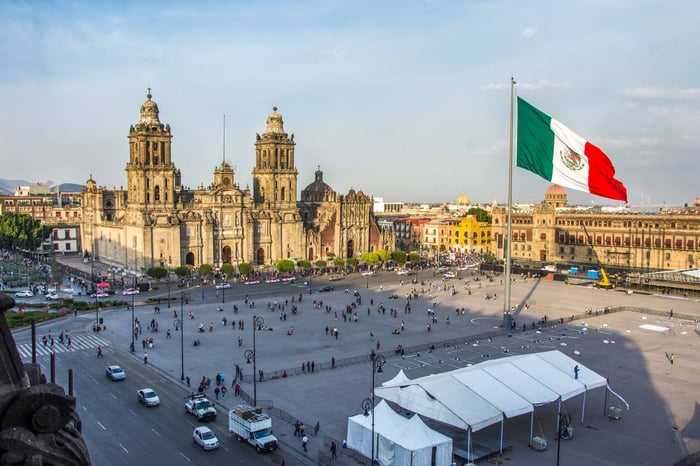
The holiday begins with four nights in Mexico City, where clients explore the capital’s historic centre, visit the pyramids of Teotihuacán and discover the colourful streets of Coyoacán and the artistic legacy of Frida Kahlo.
From Mexico City, the holiday continues to Baja California. Clients watch humpback whales off Cabo San Lucas before travelling to La Paz and boarding the Gallant Lady.
Three nights are spent aboard the expedition yacht, sailing through Isla Espíritu Santo and Loreto Bay National Park. Days may include snorkelling with sea lions, kayaking, beach walks and searches for whales, dolphins and marine birdlife.
The holiday then continues to San Ignacio Lagoon for three nights of comfortable glamping and multiple grey whale-watching excursions.
The holiday includes international flights, ten nights’ accommodation, domestic flights, transfers, selected meals and the excursions described in the itinerary. Prices currently start from £6,549 per person.
It provides a particularly rewarding way to combine the culture of Mexico City with some of the country’s finest marine wildlife encounters.
Keep reading our Baja California travel guide to explore more about this region.
Exploring the Sea of Cortez
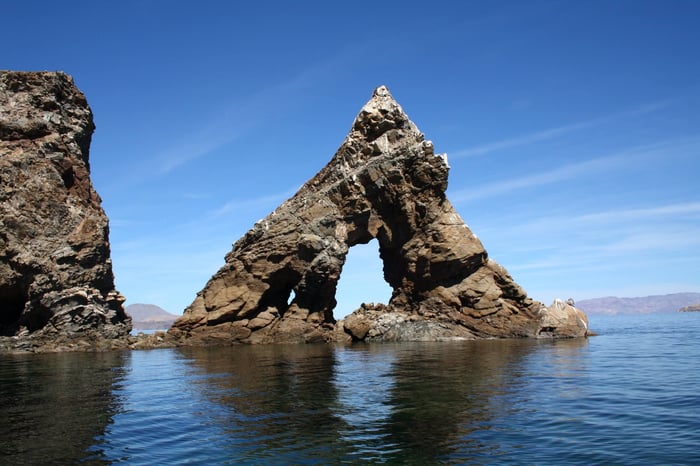
The Sea of Cortez separates the Baja California peninsula from mainland Mexico. Its deep channels, reefs, wetlands and islands support an exceptional variety of marine life.
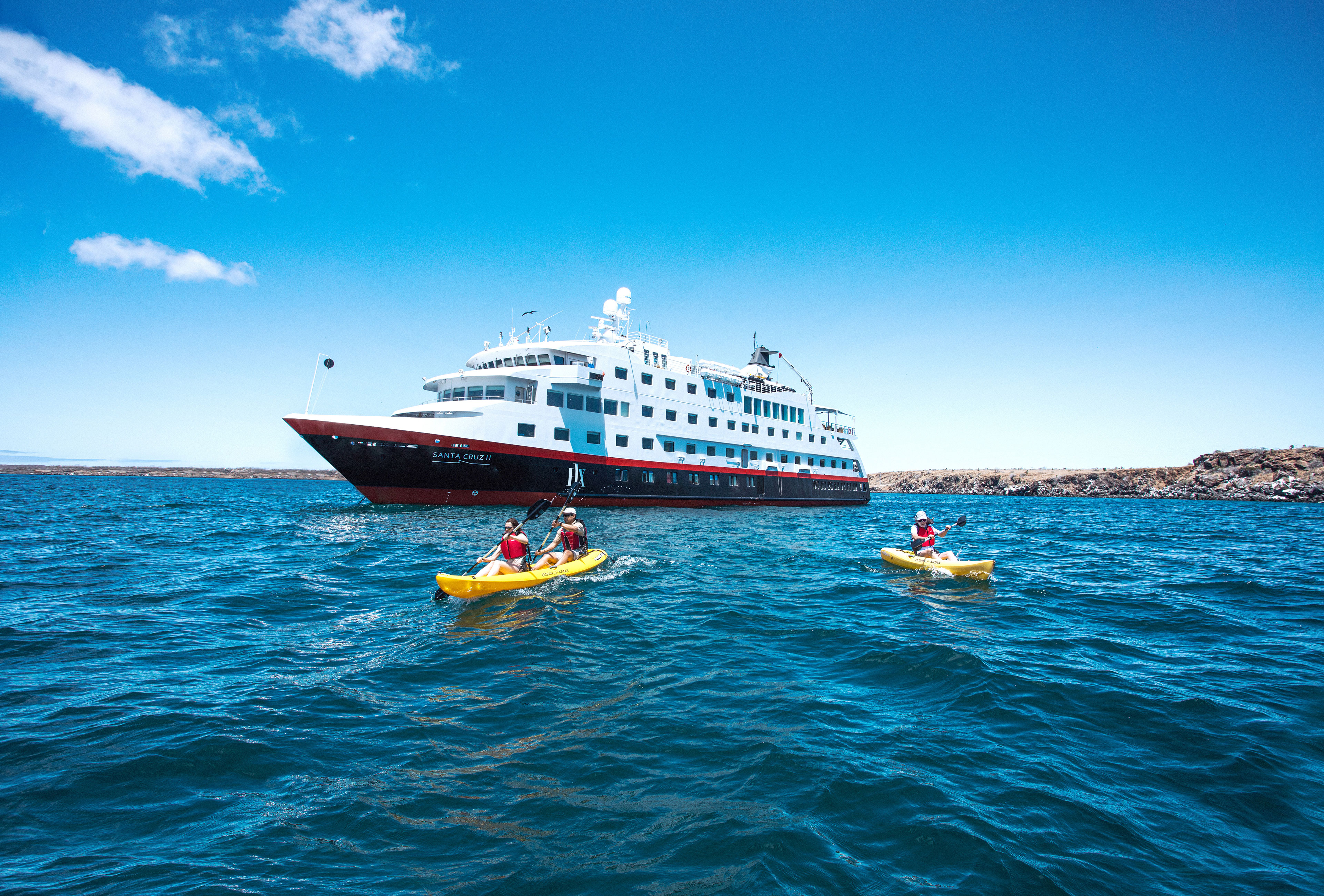
An expedition cruise is one of the most effective ways to explore the region. Smaller yachts and ships can travel between remote islands and bays that are difficult to access by road.
Days on board may include kayaking, snorkelling, paddleboarding, beach walks and wildlife-watching excursions. Routes can sometimes be adjusted according to sea conditions and recent wildlife activity, giving the naturalist team greater flexibility.
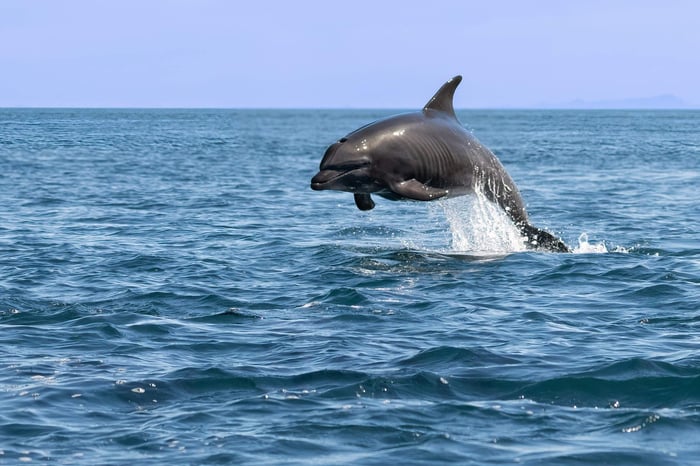
Depending on the season, you may see dolphins riding alongside the boat, California sea lions resting on rocky outcrops or mobula rays gathering in the water.
The contrast between intensely blue seas, rust-coloured cliffs and cactus-covered hills is one of the peninsula’s most memorable sights. Lets look at the wildlife next in our Baja California travel guide.
Wildlife to Look for in Baja California
Baja California’s desert, marine and wetland habitats support a wide variety of wildlife.
Depending on the season and route, you may encounter:
- Grey, humpback, blue and fin whales
- Whale sharks
- Bottlenose and common dolphins
- California sea lions
- Mobula and eagle rays
- Sea turtles
- Pelicans, frigatebirds, boobies and ospreys
- Desert reptiles and endemic plant species
Isla Espíritu Santo is particularly well known for sea lions and seabirds, while Cabo Pulmo attracts travellers interested in snorkelling and diving.
The Pacific lagoons are the main focus for grey whale encounters, while Loreto provides access to deeper areas of the Sea of Cortez.
Your Travel Specialist can recommend the most suitable locations and season based on the wildlife you are most interested in seeing.
There's more to discover, keep reading our Baja California travel guide.
Beaches in Baja California
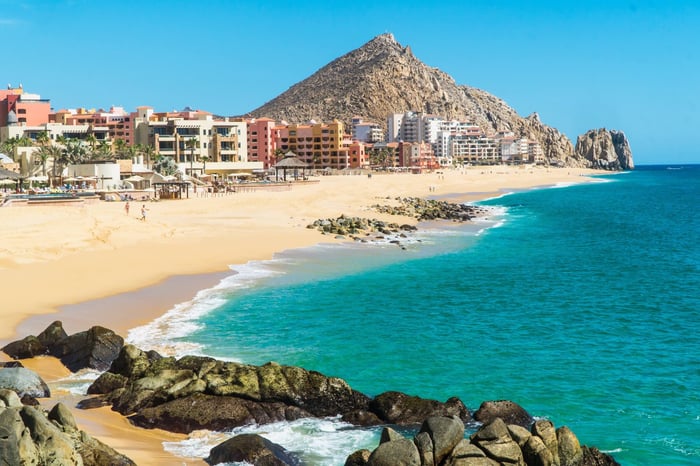
Baja California’s beaches range from premium resort settings to quiet coves backed by desert hills. No Baja California travel guide is complete without the beaches.
Balandra Beach, near La Paz, is known for its shallow turquoise water, white sand and distinctive rock formations. Visitor numbers may be limited to protect the environment, so access should be planned in advance.
Playa El Tecolote offers a longer sweep of sand with views towards Isla Espíritu Santo, while the beaches of Bahía Concepción feel much more remote.
Around Los Cabos, some stretches of coastline are exposed to strong waves and currents. These beaches may be better for walking, surfing or watching the sunset than swimming.
The most suitable beach stay will depend on how you want to travel. Some clients prefer a premium hotel with full facilities, while others choose smaller properties close to nature and outdoor experiences.

Food and Drink in Baja California
Baja California’s food is strongly influenced by the surrounding seas.
Fish tacos are a regional favourite, often served with cabbage, salsa, lime and a creamy dressing. Other local dishes include ceviche, grilled shellfish, chocolate clams and seafood tostadas.
Menus in smaller communities frequently reflect the day’s catch, while La Paz, Todos Santos and Los Cabos offer a wider choice of restaurants.
In the north of the peninsula, Valle de Guadalupe has become Mexico’s best-known wine region. Its vineyards, tasting rooms and restaurants can be included as part of a longer trip through northern Baja California.
Planning Your Baja California Holiday
This Baja California travel guide can help you decide where you want to go, but the best route will depend on the season, wildlife and pace of travel that suits you.
You might watch humpback whales off Cabo San Lucas, sail between the islands of the Sea of Cortez and spend several days observing grey whales in San Ignacio Lagoon. You could also add time in Mexico City, relax beside the coast or continue to another region of Mexico.
Our Whales & Wonders holiday provides one of the most complete ways to experience the peninsula, combining expert-led wildlife encounters, a small expedition yacht and a comfortable camp beside San Ignacio Lagoon.
Every Latin Routes holiday is created around you. We can arrange international flights, domestic travel, private transfers, hand-picked accommodation, wildlife excursions and cruises as part of one seamless trip
Has our Baja California travel guide inspired you to plan your holiday? Speak to one of our Travel Specialists to start planning your truly individual Baja California holiday.
Explore our Baja California Holidays
FAQs
When Is the Best Time to Visit Baja California?
The best time to follow this Baja California travel guide depends on the experiences you want to prioritise.
December to March
Winter is one of the most rewarding periods for a wildlife-focused holiday.
Grey whales gather in the Pacific lagoons, humpback whales can be seen around Los Cabos and the Sea of Cortez supports a wide range of marine encounters.
Daytime temperatures are generally comfortable, although early-morning boat trips can feel cool.
April and May
Spring can still provide excellent marine wildlife opportunities. Temperatures begin to rise, but conditions are often more comfortable than during the height of summer.
June to September
Summer temperatures can be very high, particularly inland.
This period may suit experienced divers or travellers interested in particular marine species, but the heat can limit land-based exploration.
Tropical storms and hurricanes can also affect Baja California Sur during the wider summer and autumn season.
October and November
Temperatures begin to ease and the region enters a transitional period before the main winter whale season.
These months may suit travellers interested in coastal activities and quieter destinations, although they are too early for many of the peninsula’s best-known whale encounters.
For a holiday focused on several whale species, January to March usually offers the strongest combination of opportunities.
How Long Should You Spend in Baja California?
A stay of around seven nights can focus on one or two locations, such as Los Cabos and La Paz.
With ten to fourteen days, you can explore a wider section of Baja California Sur and include several wildlife experiences without rushing between destinations.
Our 13-day Whales & Wonders holiday combines four nights in Mexico City with Los Cabos, a three-night Sea of Cortez expedition cruise and three nights at San Ignacio Lagoon. The route is designed to provide several contrasting experiences while reducing long overland drives through the peninsula.
A longer holiday could also combine Baja California with Copper Canyon, Oaxaca or another part of mainland Mexico.
Can You Combine Baja California with Mexico City?
Baja California and Mexico City make an excellent combination.
Beginning in the capital allows you to explore one of Latin America’s most exciting cities before continuing to the peninsula’s open deserts and marine landscapes.
Mexico City highlights may include the National Museum of Anthropology, the historic centre, Coyoacán, Xochimilco and the archaeological site of Teotihuacán.
This contrast between culture and wildlife is a key part of the Whales & Wonders holiday, which begins with four nights in Mexico City before flying to Baja California.
What should i pack for a Baja California holiday?
Pack lightweight clothing, comfortable walking shoes, sun protection and swimwear.
A warm layer and light waterproof jacket are useful for early-morning boat trips, when wind and sea temperatures can make conditions feel cooler.
Binoculars are valuable for wildlife watching, while a small waterproof bag can protect cameras and personal belongings during boat and kayaking excursions.
How can i be Responsible Wildlife Watching in Baja California?
Choose excursions that follow local regulations and allow wildlife to control every encounter.
Boats should maintain appropriate distances, avoid crowding animals and never interrupt feeding, resting or caring for young.
Never touch, chase or feed wildlife. Always follow the instructions of local guides and naturalists.
Where is the best whale watching in Baja California?
San Ignacio Lagoon and Magdalena Bay are two of the best places to see grey whales. Los Cabos is known for humpback whales, while Loreto offers the possibility of seeing blue whales.
What is the Whales & Wonders holiday?
Whales & Wonders is a 13-day Mexico holiday combining Mexico City with Baja California. It includes humpback whale watching near Cabo San Lucas, a three-night Sea of Cortez expedition cruise and multiple grey whale excursions in San Ignacio Lagoon.
What is included in the Whales & Wonders holiday from Latin Routes?
The holiday includes international flights, domestic flights, transfers, ten nights’ accommodation, selected meals and the excursions detailed in the itinerary. Accommodation includes hotels, three nights aboard the Gallant Lady and three nights of comfortable glamping.
What is the difference between Baja California and Baja California Sur?
Baja California is the northern state of the peninsula, while Baja California Sur covers the southern half. La Paz, Loreto, Los Cabos, Magdalena Bay and San Ignacio Lagoon are all in Baja California Sur.
How many days do you need in Baja California?
We recommend at least seven nights for a focused visit. Around ten to fourteen days provides more time to combine several coastal destinations and wildlife encounters without rushing.
Is Baja California suitable for families?
Baja California can be an excellent family destination, particularly for older children interested in wildlife and outdoor activities. Suitable experiences may include whale watching, kayaking, snorkelling and guided island excursions. Age restrictions can apply to certain activities.
Can you drive around Baja California?
Car hire is possible and can be a rewarding way to explore parts of the peninsula. However, distances are considerable and some areas are remote. A carefully planned route with pre-booked accommodation is recommended.
What wildlife can you see in Baja California?
Depending on the season, you may see grey, humpback and blue whales, whale sharks, dolphins, sea lions, mobula rays, sea turtles and numerous seabirds. Wildlife sightings can never be guaranteed.
Is the Sea of Cortez worth visiting?
Yes. The Sea of Cortez is one of Baja California’s greatest highlights, with remote islands, desert-backed bays and rich marine habitats. It can be explored on day trips or aboard a longer expedition cruise.