
Menu
Sign up to our newsletter
Costa_Rica_Sloth

Inspiration from Latin Routes

Read our travel guides and take a journey with Our Routes

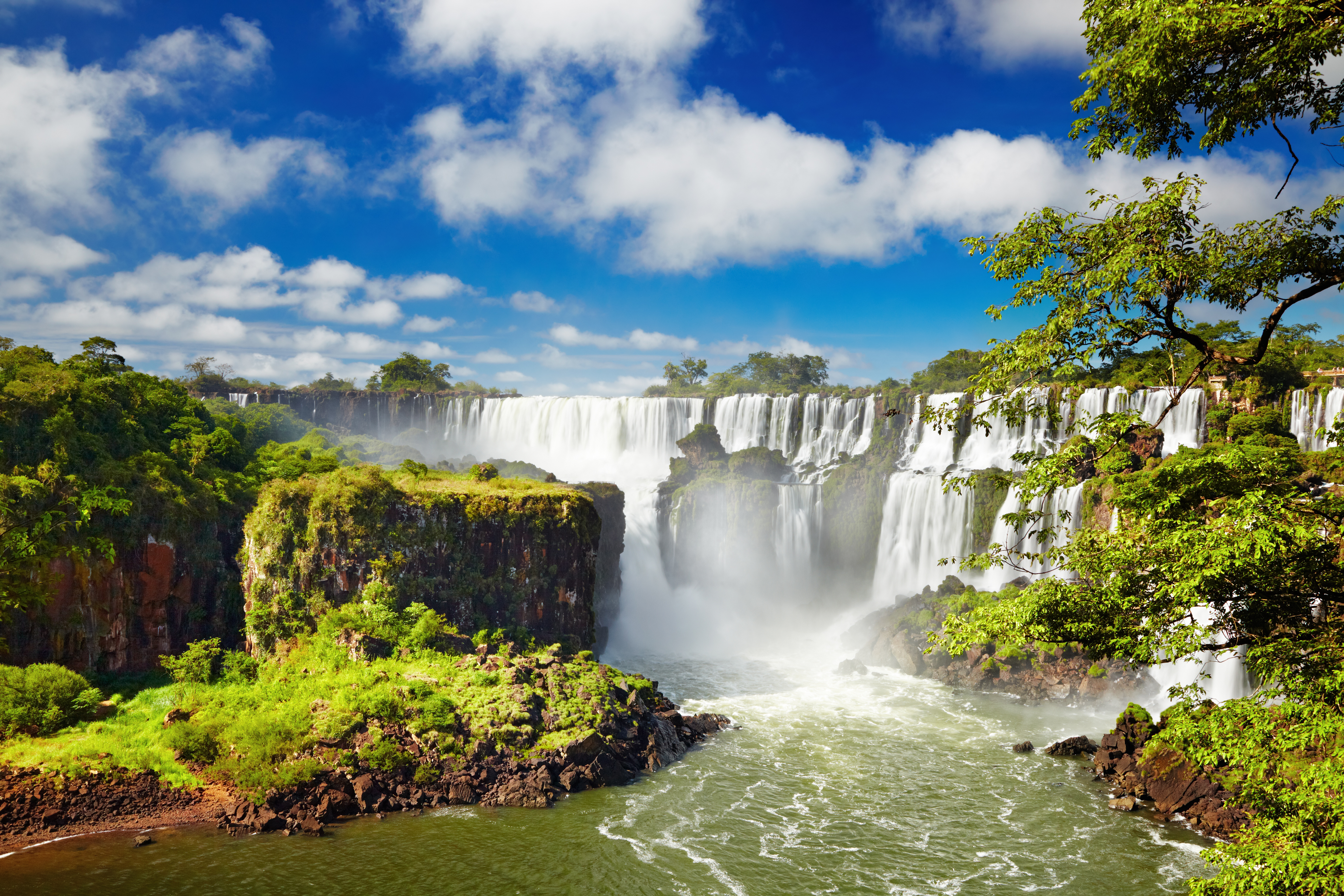
Iguazu Falls Argentina

Inspiration

Learn more about Latin America and it's history

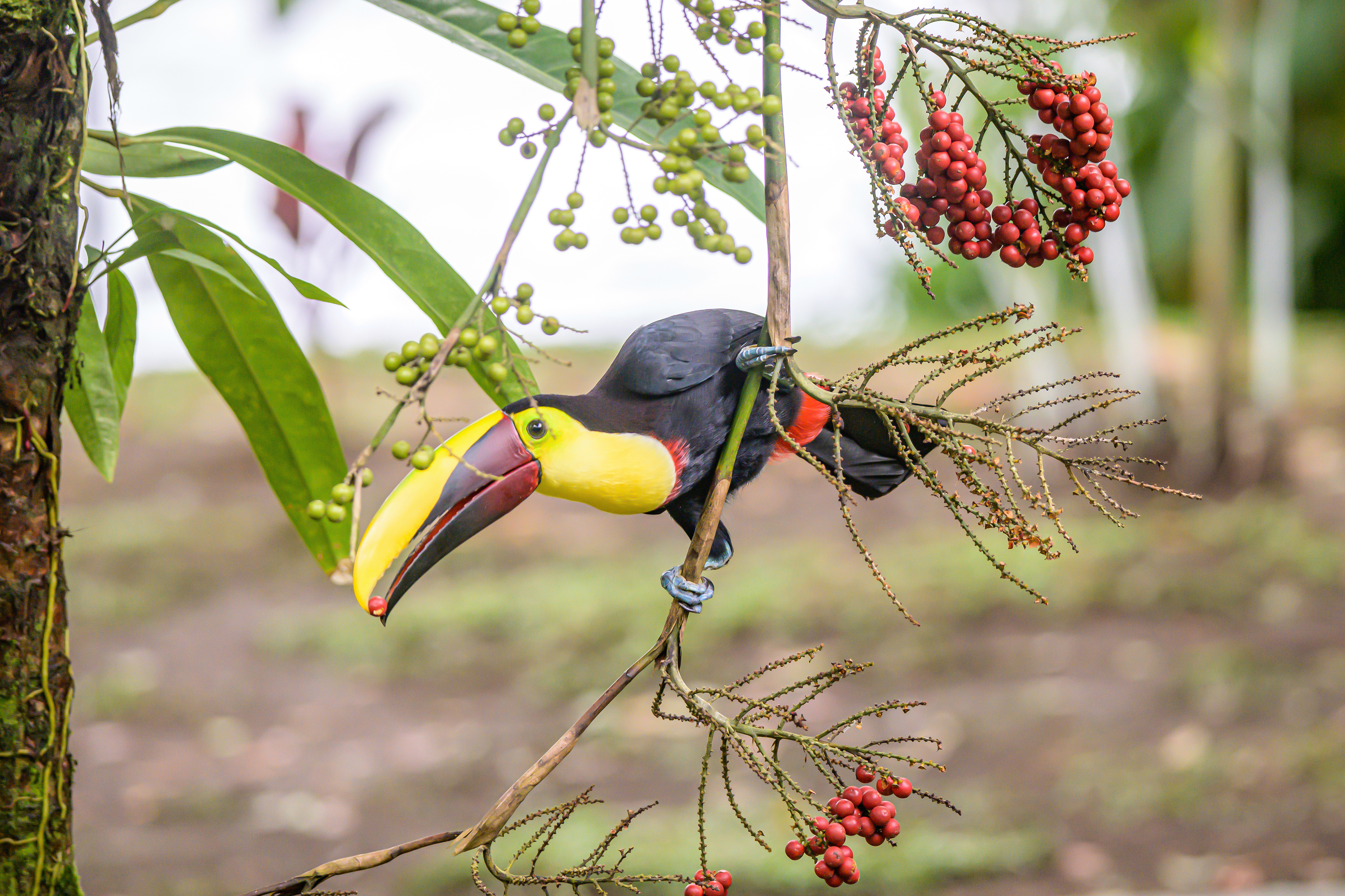
Costa Rica, Yellow Throated Toucan, Tortuguero

Inspiration

Read the latest news items from the Latin Routes team

Osa Peninsula Costa Rica travel guide: wildlife, rainforests and unforgettable adventures

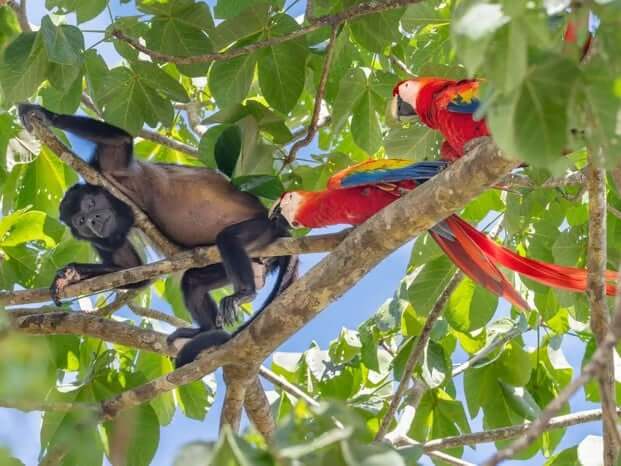
Couple of Scarlet Macaws (Ara macao) confronting Mantled Howler Monkey (Alouatta palliata) in almond tree canopy, Corcovado National Park, Osa Peninsula Costa Rica

Latin Routes Latin Routes
8 minute read

Listen to article
Audio generated by DropInBlog's Blog Voice AI™ may have slight pronunciation nuances. Learn more

Inspiration

When travellers picture Costa Rica, they often imagine dense rainforest, exotic wildlife and untouched natural beauty. Nowhere captures this image better than Osa Peninsula Costa Rica, one of the country's most remarkable regions. Located on the remote southern Pacific coast, the peninsula is home to ancient rainforest, pristine beaches, abundant wildlife and one of the most biodiverse ecosystems on Earth.

For nature lovers, photographers and adventure seekers, this is a destination that delivers unforgettable experiences at every turn. Whether you're exploring Corcovado National Park, searching for scarlet macaws in the rainforest canopy or cruising through the calm waters of Golfo Dulce, every day brings a new opportunity to connect with the natural world.

Unlike some of Costa Rica's more developed regions, the Osa Peninsula remains wonderfully wild. Its sense of remoteness, combined with extraordinary wildlife encounters and exceptional eco-lodges, makes it one of the country's most rewarding destinations.

Where is Osa Peninsula Costa Rica?

Situated in Costa Rica's south-west corner, the peninsula stretches between the Pacific Ocean and Golfo Dulce. Much of the region is protected, helping preserve habitats that support an incredible variety of wildlife and plant species.

The main access points are Puerto Jiménez and Drake Bay, both of which offer excellent gateways to the rainforest, coastline and national parks that define the region.

The journey itself often forms part of the adventure. Arriving by light aircraft provides spectacular views of rainforest-covered hills, winding rivers and dramatic coastline, offering an exciting introduction to this remote corner of Costa Rica.

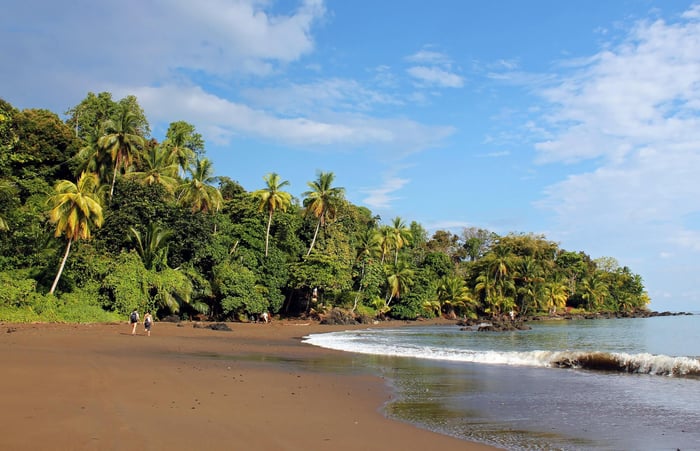
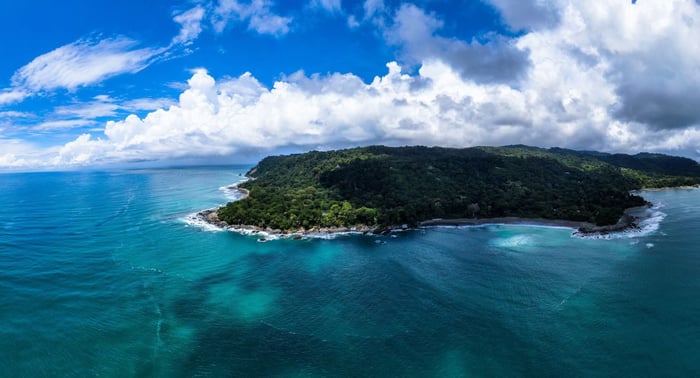
View of Drake Bay, Osa Peninsula, Costa Rica

Fast facts about the Osa Peninsula

The peninsula may feel remote, but it plays an important role in Costa Rica's conservation story.

Here are a few fascinating facts:

  • Corcovado National Park protects around 40,000 hectares of rainforest.
  • The region contains one of the highest concentrations of biodiversity on the planet.
  • All four monkey species found in Costa Rica can be spotted here.
  • The peninsula is home to scarlet macaws, tapirs, sloths, toucans and hundreds of bird species.
  • Golfo Dulce is one of the few tropical fjords in the world.
  • Large areas remain accessible only by boat or guided excursion.
  • Conservation and sustainable tourism are central to the region's future.
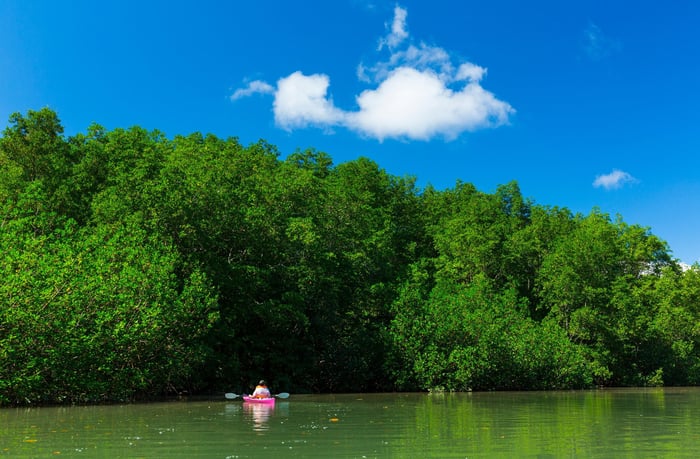
Mangrove, Puerto Jiménez, Golfo Dulce, Osa Peninsula, Costa Rica, Central America, America

Why visit Osa Peninsula Costa Rica?

There are many beautiful places in Costa Rica, but few offer such a complete immersion in nature.

Here, wildlife is not confined to national parks. It can be seen from lodge balconies, forest trails and even along quiet beaches. Days are spent exploring rainforest, discovering hidden waterfalls, spotting exotic birds and enjoying encounters with animals that thrive in this protected environment.

Visitors are often struck by how untouched the region feels. Rather than large resorts and busy tourist hubs, you'll find small eco-lodges, local communities and landscapes that remain largely unchanged.

For those looking to experience Costa Rica beyond the classic highlights, the peninsula offers a deeper connection with the country's natural heritage.

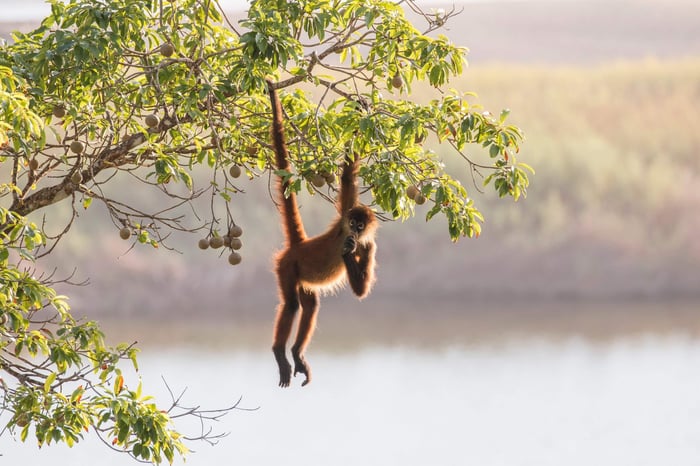
A spider monkey hangs from a tree over a lagoon

Explore Corcovado National Park

One of the biggest draws of Osa Peninsula Costa Rica is Corcovado National Park.

Often regarded as the crown jewel of Costa Rica's national park system, Corcovado protects some of the largest remaining tracts of lowland tropical rainforest in Central America. The park is home to an astonishing variety of wildlife, making every guided walk a unique experience.

Visitors may encounter:

  • Scarlet macaws
  • White-faced capuchin monkeys
  • Spider monkeys
  • Howler monkeys
  • Sloths
  • Coatis
  • Anteaters
  • Tapirs
  • Toucans
  • Colourful frogs and reptiles

The sheer abundance of wildlife is what makes Corcovado so special. Even experienced travellers frequently describe it as one of the finest wildlife destinations they have ever visited.

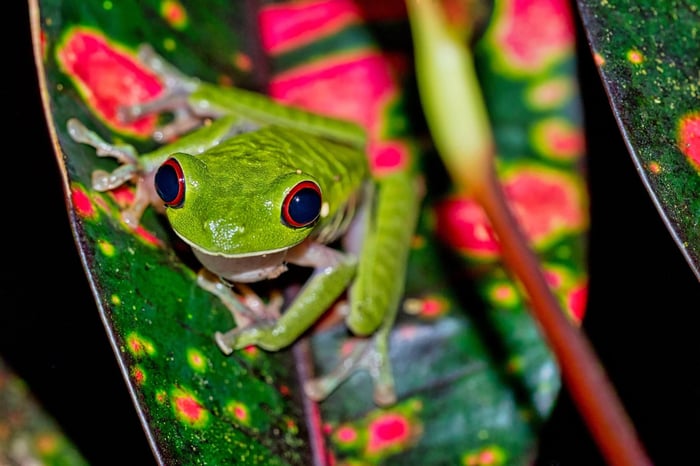
Red-eyed Tree Frog, Agalychnis callidryas, Tropical Rainforest, Corcovado National Park, Osa Conservation Area, Osa Peninsula, Costa Rica

Discover Drake Bay

Nestled along the northern coast of the peninsula, Drake Bay serves as a popular base for exploring the region.

Surrounded by rainforest and ocean, the area offers easy access to both Corcovado National Park and Caño Island Biological Reserve. Its relaxed atmosphere and spectacular natural surroundings make it a favourite among visitors seeking an authentic Costa Rican experience.

Popular activities include:

  • Guided rainforest walks
  • Wildlife excursions
  • Snorkelling trips
  • Whale watching
  • Birdwatching
  • Kayaking adventures

The combination of marine life and rainforest habitats means there is always something to discover.

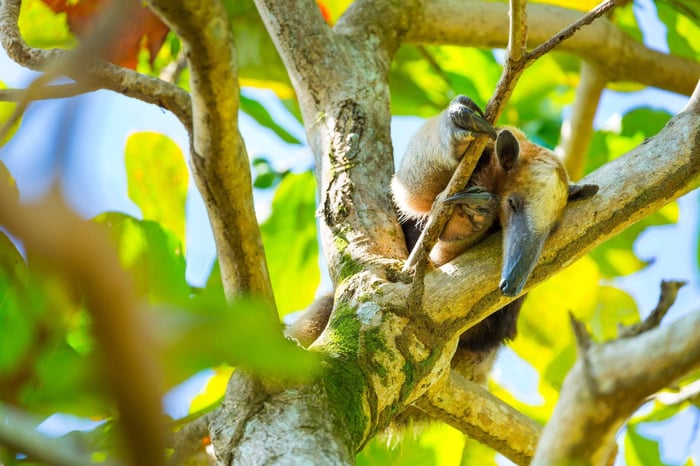
Northern tamandua (Tamandua mexicana), Corcovado National Park, Osa Peninsula, Puntarenas Province, Costa Rica, Central America, America

Experience Golfo Dulce

While Corcovado often receives most of the attention, Golfo Dulce is equally deserving of a place on your itinerary.

This beautiful body of water is surrounded by rainforest-covered hills and supports a diverse range of marine life. Dolphin sightings are common, while humpback whales can be seen during migration seasons.

Exploring by boat or kayak provides a peaceful way to experience the area's natural beauty. The calm waters and spectacular scenery create a completely different perspective on the region.

As evening approaches, the sunsets over Golfo Dulce provide some of the most memorable moments of any visit.
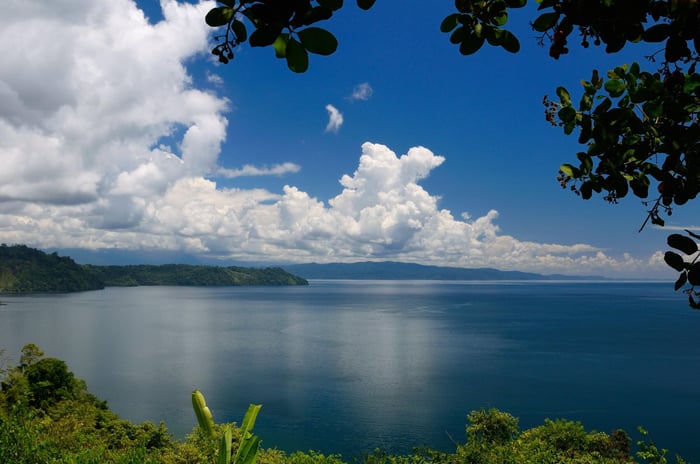
Blue calm water of Golfo Dulce at Osa Peninsula Costa Rica under Cashew tree

Wildlife encounters you'll never forget

Wildlife is undoubtedly one of the highlights of Osa Peninsula Costa Rica.

Unlike many destinations where sightings require patience and luck, animals are often encountered throughout the day. Many lodges are surrounded by rainforest, allowing guests to observe wildlife without even leaving the property.

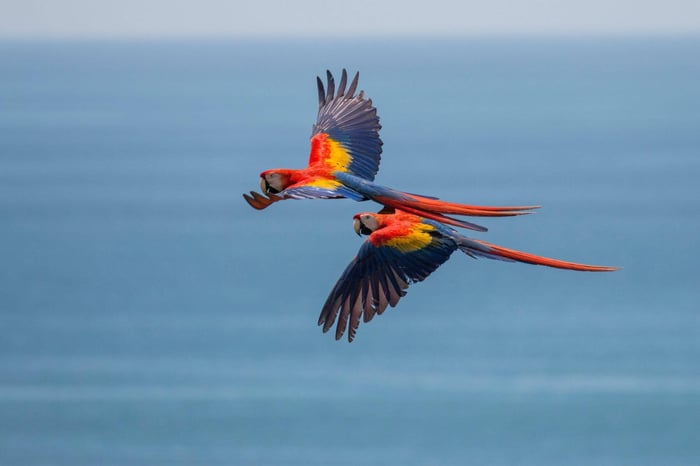
Scarlet macaws are among the most iconic residents, often seen flying overhead in pairs. Monkeys can frequently be spotted moving through the trees, while sloths quietly rest among the branches.

Birdwatchers are particularly well rewarded, with hundreds of species recorded throughout the region. Whether you're an experienced birder or simply enjoy nature, the opportunities are exceptional.

Relax on remote Pacific beaches

The coastline is another reason travellers are drawn to the peninsula.

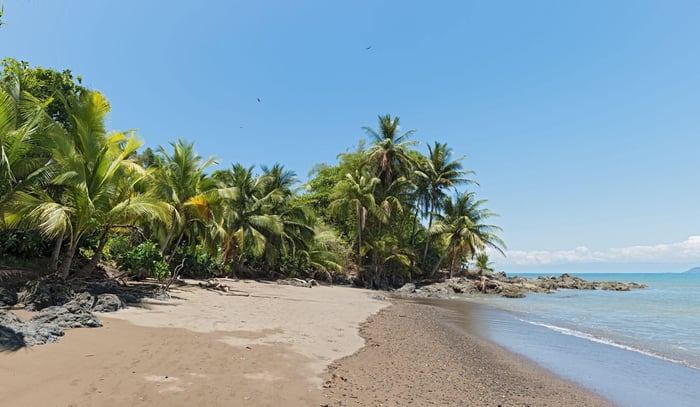
Here you'll find long stretches of sand framed by rainforest and backed by dramatic scenery. These beaches feel wonderfully untouched, offering a sense of tranquillity that is becoming increasingly rare.

While some visitors come primarily for wildlife, many leave equally impressed by the coastal landscapes. Walking along a deserted beach while listening to the sounds of the rainforest is a uniquely memorable experience.
Quiet sandy beach at Drake Bay, Osa Peninsula,Costa Rica

Stay in exceptional eco-lodges

One of the best ways to experience the region is by staying in an eco-lodge immersed in nature.

Accommodation ranges from comfortable rainforest retreats to luxury properties that blend seamlessly into their surroundings. Many lodges actively support conservation projects and local communities, helping protect the landscapes that make this area so special.

Guests often wake to the sounds of howler monkeys, watch hummingbirds from private terraces and enjoy wildlife sightings throughout their stay.

The focus on sustainability ensures visitors can experience the destination responsibly while contributing to its long-term preservation.


Our favourite highlights

Seeing scarlet macaws in flight

Watching these vibrant birds soar above the rainforest canopy is one of the defining experiences of a visit to the peninsula.

flying scarlet macaws

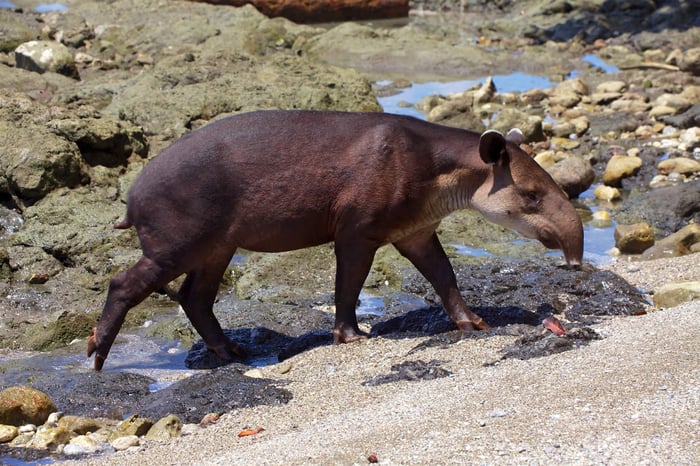
Spotting a tapir in the wild

Baird's tapirs are among the region's most sought-after wildlife sightings. Encountering one during a guided walk is a truly special moment.

Spotting a tapir in the wild

Watching the rainforest wake up

Early mornings bring a chorus of birdsong, monkey calls and rainforest activity that creates an unforgettable atmosphere.

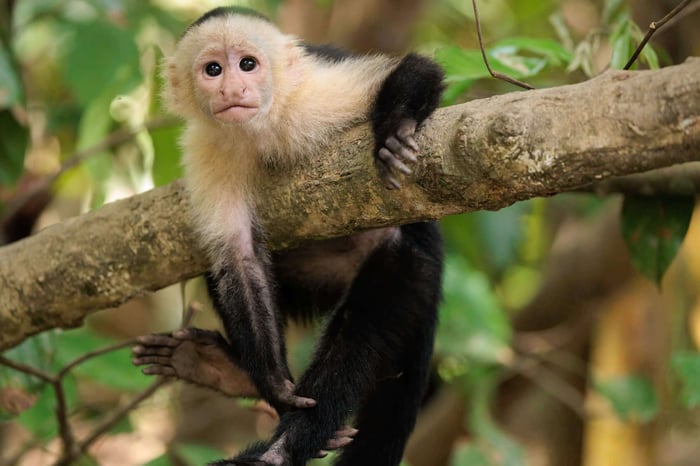
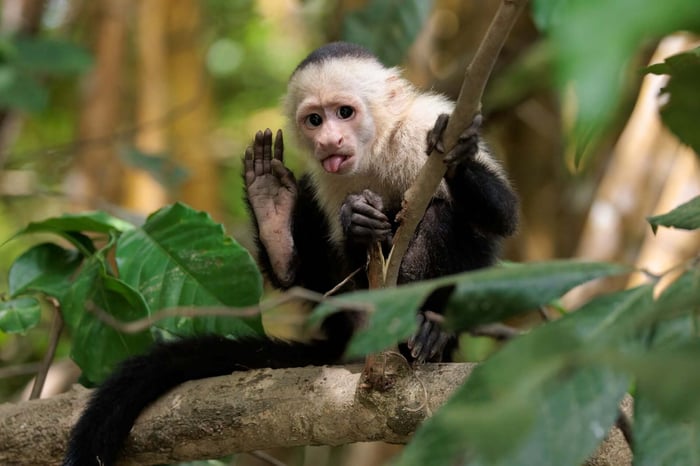
A cheeky capuchin monkey in Corcovado National Park

Exploring by boat

Whether navigating mangroves, searching for dolphins or enjoying views of the coastline, exploring the region from the water reveals a completely different side of this remarkable destination.

Panorama of Corcovado beach on the osa peninsula of Costa Rica

Travel tips for Osa Peninsula Costa Rica

Stay for at least four nights

A longer stay allows time to experience both rainforest and coastal activities while increasing your chances of memorable wildlife encounters.

Pack for tropical conditions

Lightweight clothing, waterproof layers, comfortable walking shoes and insect repellent are all recommended.

Choose guided excursions

Expert naturalist guides can dramatically enhance your experience by spotting wildlife and explaining the unique ecosystems found throughout the region.

Embrace the slower pace

Part of the appeal of the peninsula is its remoteness. Take time to slow down, disconnect and appreciate your surroundings.

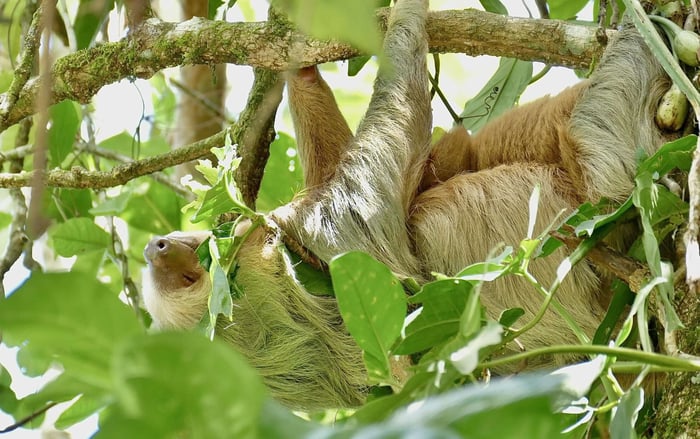
Mother and Baby Sloths Sleeping in the Rainforest Canopy of Costa Rica

When is the best time to visit?

Osa Peninsula Costa Rica can be enjoyed throughout the year.

The drier months, generally from December to April, often bring sunnier conditions and easier access to trails. The green season, from May to November, transforms the rainforest into a lush paradise with vibrant vegetation and flowing rivers.

Wildlife viewing remains excellent year-round, and many travellers appreciate the quieter atmosphere outside peak travel periods.

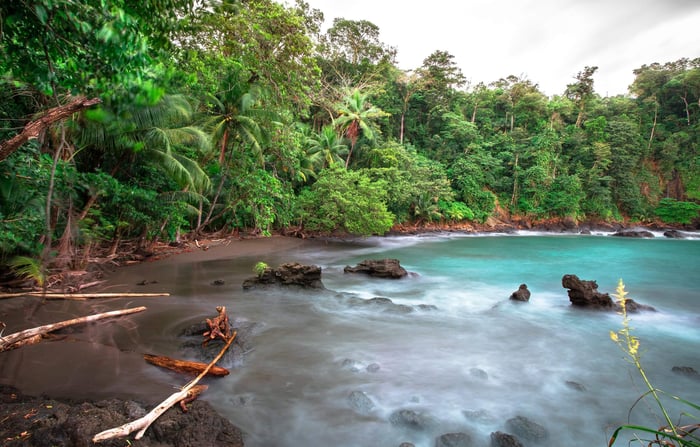
Sunset over a rocky beach in Costa Rica

Why Osa Peninsula Costa Rica should be on your travel wish list

For travellers seeking extraordinary wildlife, untouched landscapes and immersive nature experiences, Osa Peninsula Costa Rica stands apart as one of the country's most rewarding destinations.

From the wildlife-rich trails of Corcovado National Park to the calm waters of Golfo Dulce, every experience highlights the incredible biodiversity and natural beauty that make this region so special. Combined with exceptional eco-lodges, remote beaches and a strong commitment to conservation, it offers a side of Costa Rica that feels genuinely wild and authentic.

Ready to discover Osa Peninsula Costa Rica? Speak to our Travel Specialists about creating a tailor-made Costa Rica holiday and experience one of Latin America's most remarkable natural destinations for yourself.

Explore more about the Osa Peninsula


FAQs

Where is the Osa Peninsula in Costa Rica?

The Osa Peninsula is located on Costa Rica's southern Pacific coast, between the Pacific Ocean and Golfo Dulce. It is one of the country's most remote and biodiverse regions, known for its rainforest, wildlife and protected national parks.

What is the Osa Peninsula known for?

The Osa Peninsula is best known for its extraordinary biodiversity, Corcovado National Park and exceptional wildlife viewing opportunities. Visitors can spot scarlet macaws, monkeys, sloths, tapirs and hundreds of bird species while exploring one of the most biologically rich regions on Earth.

Is the Osa Peninsula worth visiting?

Yes, the Osa Peninsula is considered one of Costa Rica's most rewarding destinations for nature lovers. Its combination of pristine rainforest, remote beaches, wildlife encounters and eco-lodges makes it ideal for travellers seeking an authentic Costa Rican experience.

How do you get to the Osa Peninsula?

The easiest way to reach the Osa Peninsula is by domestic flight from San José to Puerto Jiménez or Drake Bay. Alternatively, visitors can travel by private transfer and boat. Many travellers choose to combine flights and transfers to maximise their time exploring the region.

What is the best time to visit the Osa Peninsula?

The Osa Peninsula can be visited year-round. The drier season, typically from December to April, often brings sunnier weather and easier hiking conditions. The green season, from May to November, offers lush landscapes, fewer visitors and excellent wildlife viewing opportunities.

How many days do you need in the Osa Peninsula?

We recommend spending at least four nights in the Osa Peninsula. This allows enough time to explore Corcovado National Park, enjoy wildlife excursions, discover Golfo Dulce and experience the region's unique rainforest lodges.

What wildlife can you see in the Osa Peninsula?

The Osa Peninsula is home to some of Costa Rica's most impressive wildlife. Common sightings include scarlet macaws, sloths, howler monkeys, spider monkeys, capuchin monkeys, toucans, coatis and tapirs. Dolphins, sea turtles and seasonal whales can also be seen in nearby waters.

Can you visit Corcovado National Park from the Osa Peninsula?

Yes, Corcovado National Park is one of the main attractions of the Osa Peninsula. Guided tours depart from both Drake Bay and Puerto Jiménez, providing access to some of the park's most wildlife-rich trails and ranger stations.

Is the Osa Peninsula good for families?

The Osa Peninsula can be an excellent destination for families who enjoy nature and wildlife. Many lodges offer family-friendly activities, guided walks and boat excursions, although some rainforest hikes may be more suitable for older children.

What are the best things to do in the Osa Peninsula?

Popular activities include exploring Corcovado National Park, wildlife watching, visiting Drake Bay, kayaking through mangroves, taking boat trips on Golfo Dulce, snorkelling at Caño Island and relaxing on remote Pacific beaches.

Are there beaches in the Osa Peninsula?

Yes, the Osa Peninsula is home to beautiful Pacific beaches surrounded by rainforest. Many remain largely undeveloped, offering a peaceful setting for walking, wildlife spotting and enjoying Costa Rica's natural beauty.

Is the Osa Peninsula suitable for luxury travel?

Yes, the region is home to several exceptional eco-lodges and luxury rainforest retreats. These properties combine comfort, sustainability and immersive nature experiences, making the Osa Peninsula an excellent choice for luxury Costa Rica holidays.

What is Golfo Dulce?

Golfo Dulce is a tropical gulf located alongside the Osa Peninsula. Known for its calm waters and rich marine life, it offers opportunities to spot dolphins, sea turtles and humpback whales while enjoying boat trips, kayaking and paddleboarding.

Why is the Osa Peninsula important for conservation?

The Osa Peninsula protects some of the last remaining lowland tropical rainforest in Central America. Its protected areas, including Corcovado National Park, play a vital role in conserving biodiversity and supporting sustainable tourism initiatives across Costa Rica.


What should I pack for the Osa Peninsula?

Pack lightweight clothing, waterproof layers, sturdy walking shoes, insect repellent, sunscreen, binoculars and a reusable water bottle. A camera is also highly recommended for capturing the region's incredible wildlife and landscapes.

Can you see scarlet macaws in the Osa Peninsula?

Yes, the Osa Peninsula is one of the best places in Costa Rica to see scarlet macaws. These colourful birds are frequently spotted flying above the rainforest canopy, particularly around Corcovado National Park and Drake Bay.

Is the Osa Peninsula good for birdwatching?

Absolutely. With hundreds of bird species recorded throughout the region, the Osa Peninsula is one of Costa Rica's premier birdwatching destinations. Highlights include scarlet macaws, toucans, trogons, hummingbirds and a variety of raptors.

What makes the Osa Peninsula different from other parts of Costa Rica?

Unlike some of Costa Rica's more developed tourist areas, the Osa Peninsula remains remote, wild and heavily protected. Its combination of untouched rainforest, extraordinary wildlife and low-impact tourism creates a more immersive nature experience than many other destinations in the country.
« Back to Inspiration Home

Find Your Route

Speak to a Travel Specialist today