
Photographer’s guide to Costa Rica: a taste of what you will capture
Costa Rica has a way of keeping your camera close. One day you are under a deep green canopy with birds flickering through the leaves, the next you are watching a volcano appear and disappear behind soft cloud. There is a constant sense of discovery here, and the photography rewards you for paying attention. This short introduction shares the spirit of the guide and the kind of moments it helps you capture, without giving away all the detail.
Why Costa Rica is such a rewarding place to photograph
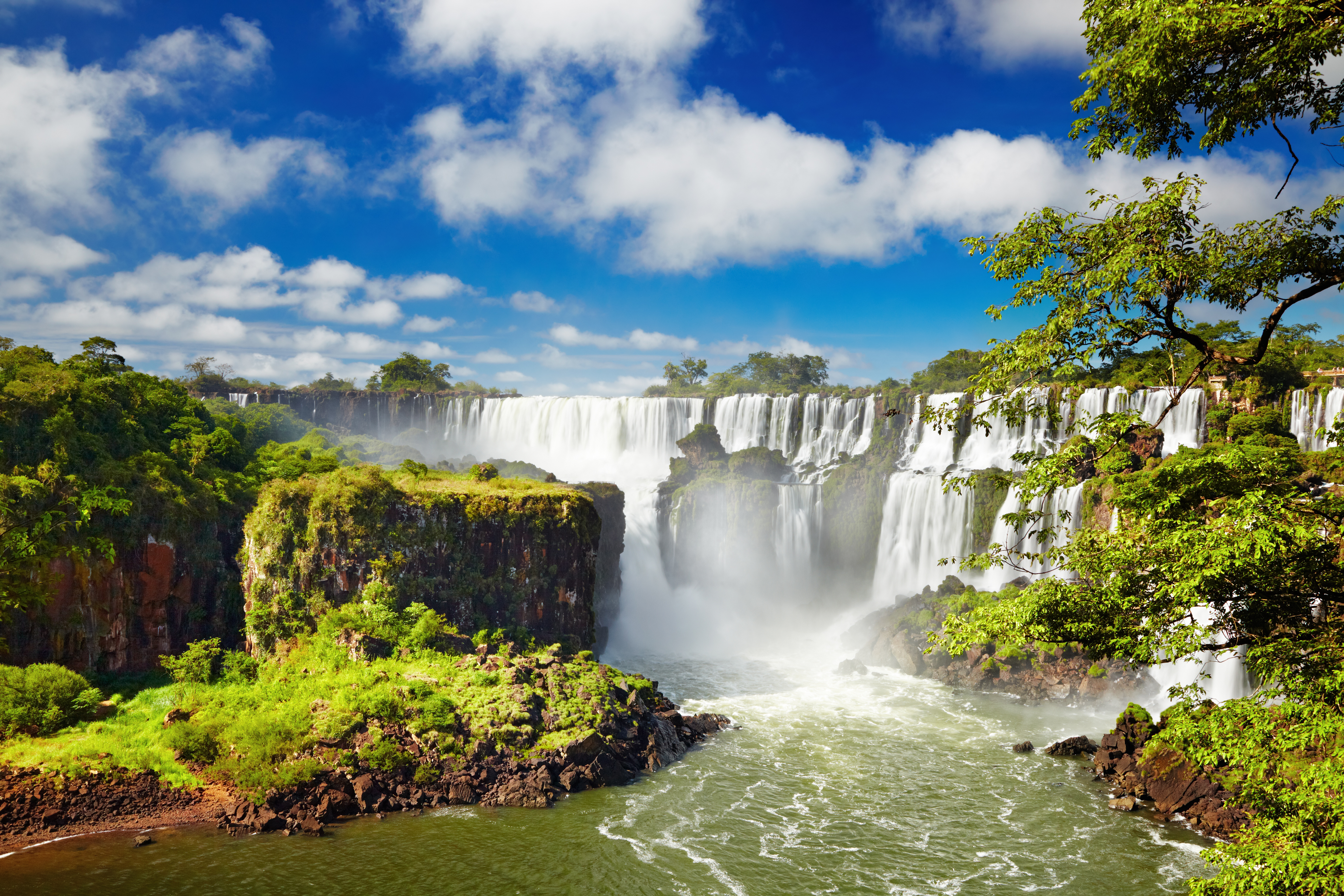
Costa Rica packs an astonishing range of environments into a relatively small area. You can move from rainforest to coastline, from highland cloud forest to slow, wildlife-rich waterways, often within the same week. That variety means your images can feel as layered as the journey itself. Wildlife encounters are frequent, landscapes shift quickly with the light, and even a quiet hotel garden can turn into a photo opportunity.
A simple, travel-ready way to shoot
The guide leans into practicality. Rather than weighing yourself down with too much kit, it encourages a lighter setup that still covers the essentials. A versatile zoom for wildlife, a wide option for landscapes, and your phone for those spontaneous, in-between scenes. In a warm, humid destination, comfort matters. The easier your kit is to carry, the more you will use it.
What the full guide explores
- Forest and canopy life
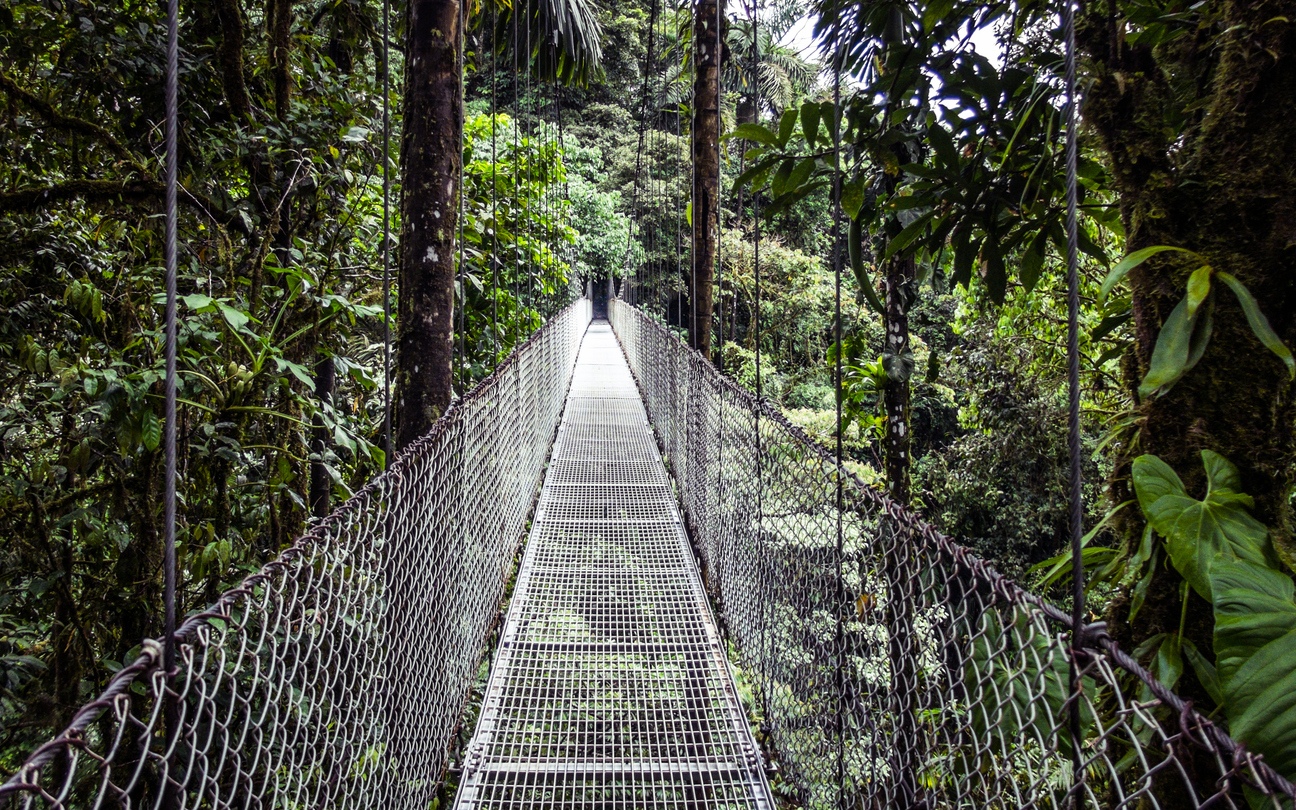
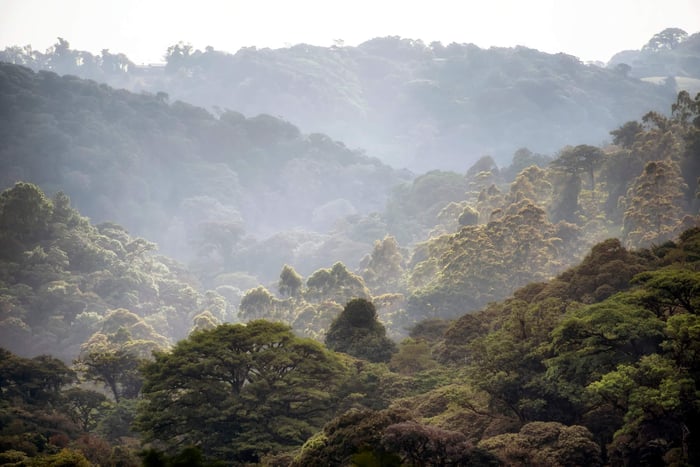
Much of Costa Rica’s magic happens above eye level. The guide shows how to tune into the canopy, spot movement early, and handle the soft, shaded light beneath the trees. It is about slowing down, looking up, and letting the forest reveal itself. - Wildlife close-ups with impact
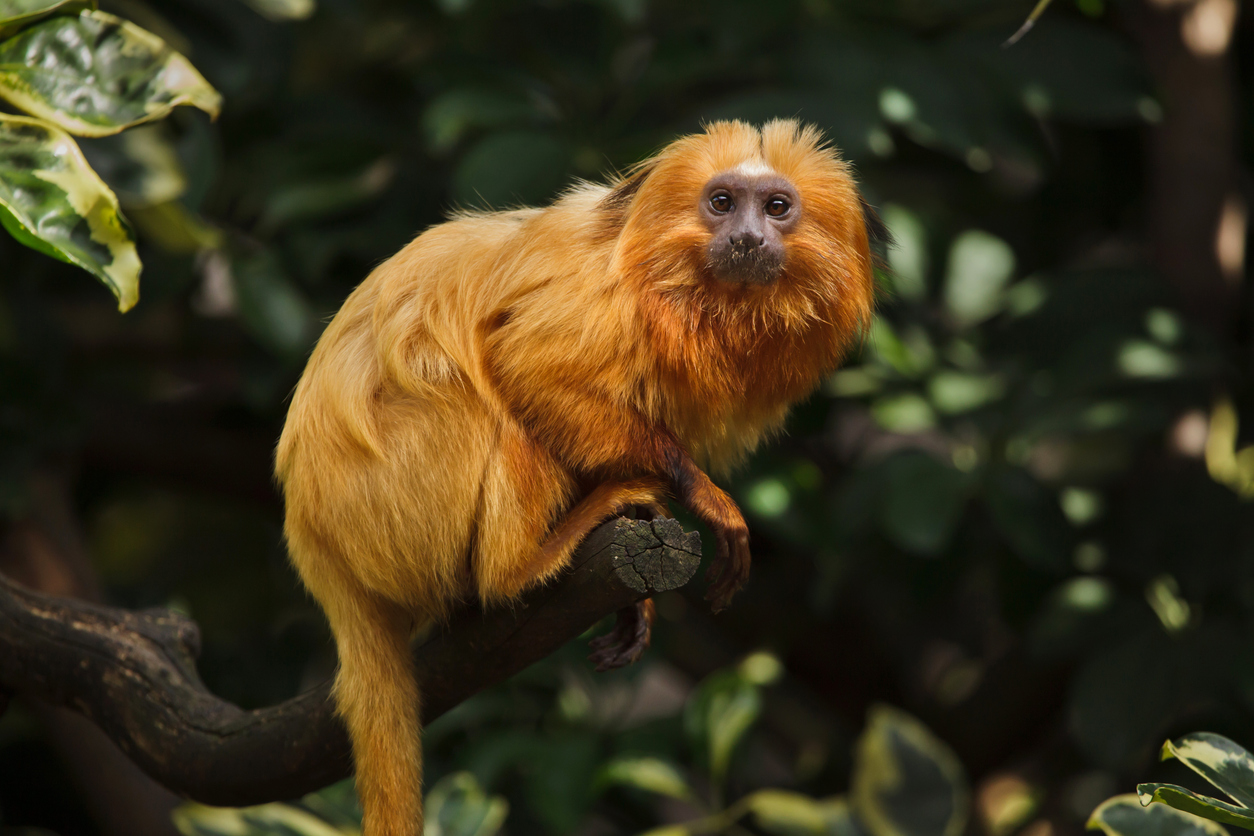
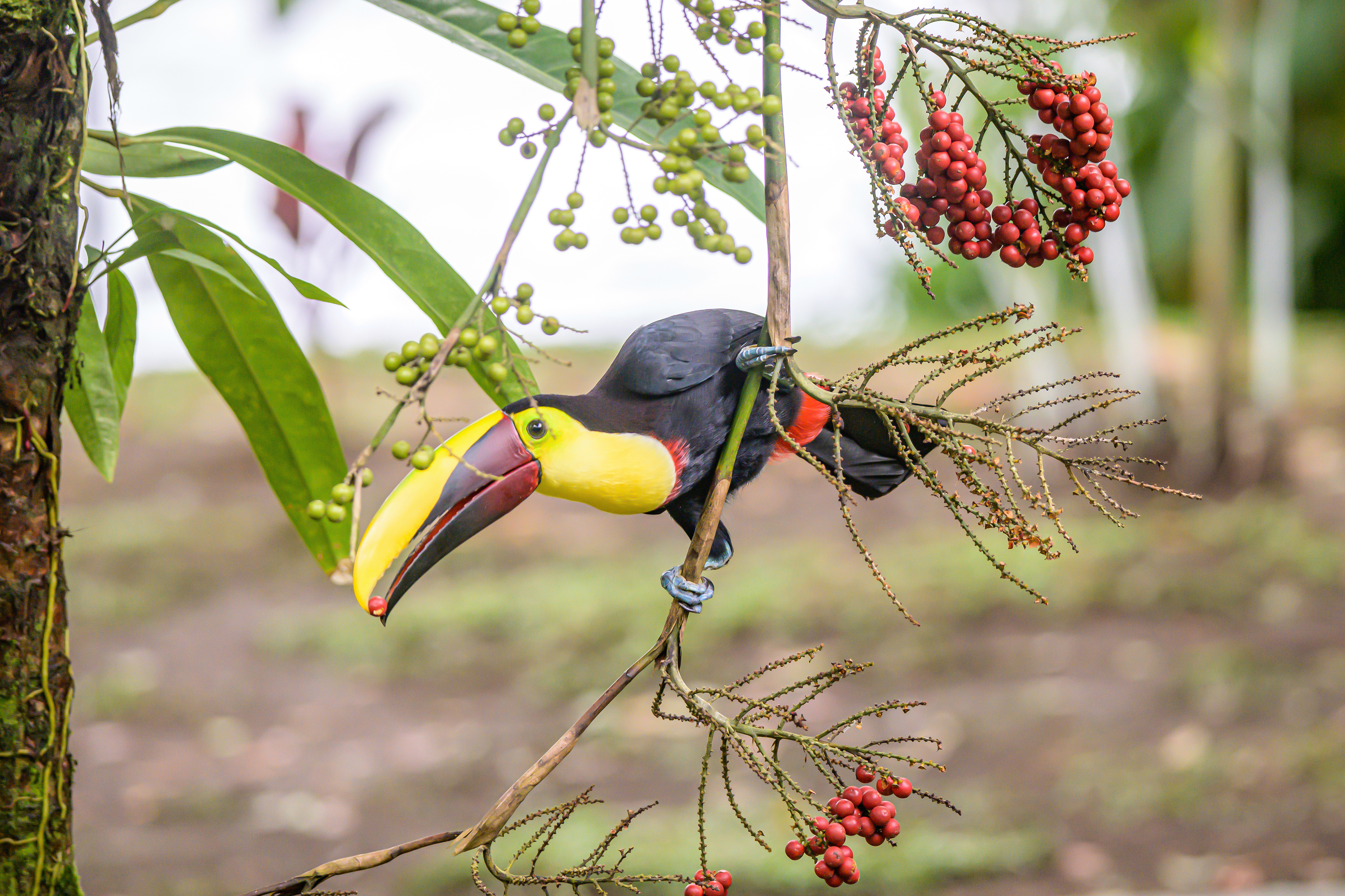
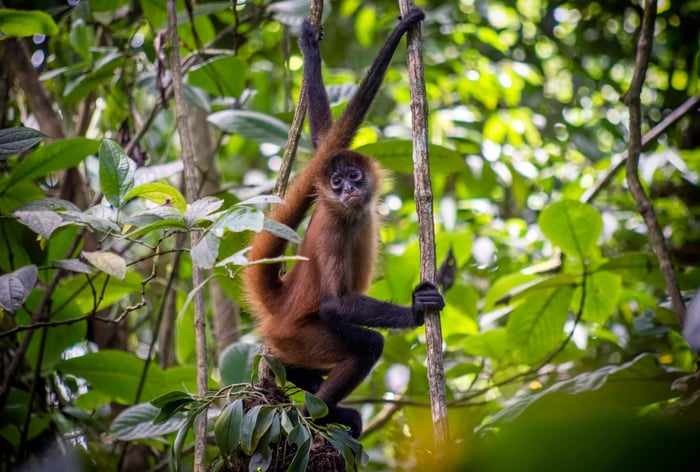
From monkeys and sloths to reptiles and lesser-known mammals, Costa Rica offers remarkable subjects. The guide focuses on getting closer through careful framing and zoom technique, so your shots feel intimate without ever disturbing the animal. - Bird photography made approachable
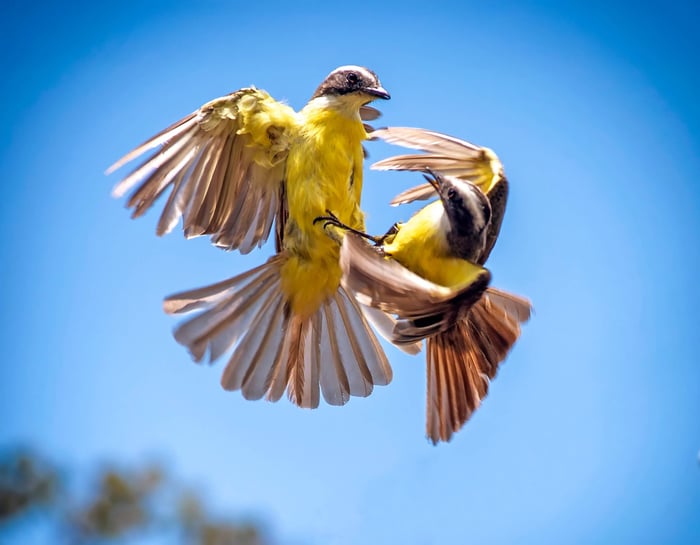
This is a birding paradise, whether you arrive as a specialist or a curious beginner. The guide shares straightforward ways to work with fast, unpredictable subjects, and how to keep your images crisp even when the action is quick. - Landscapes that change by the hour
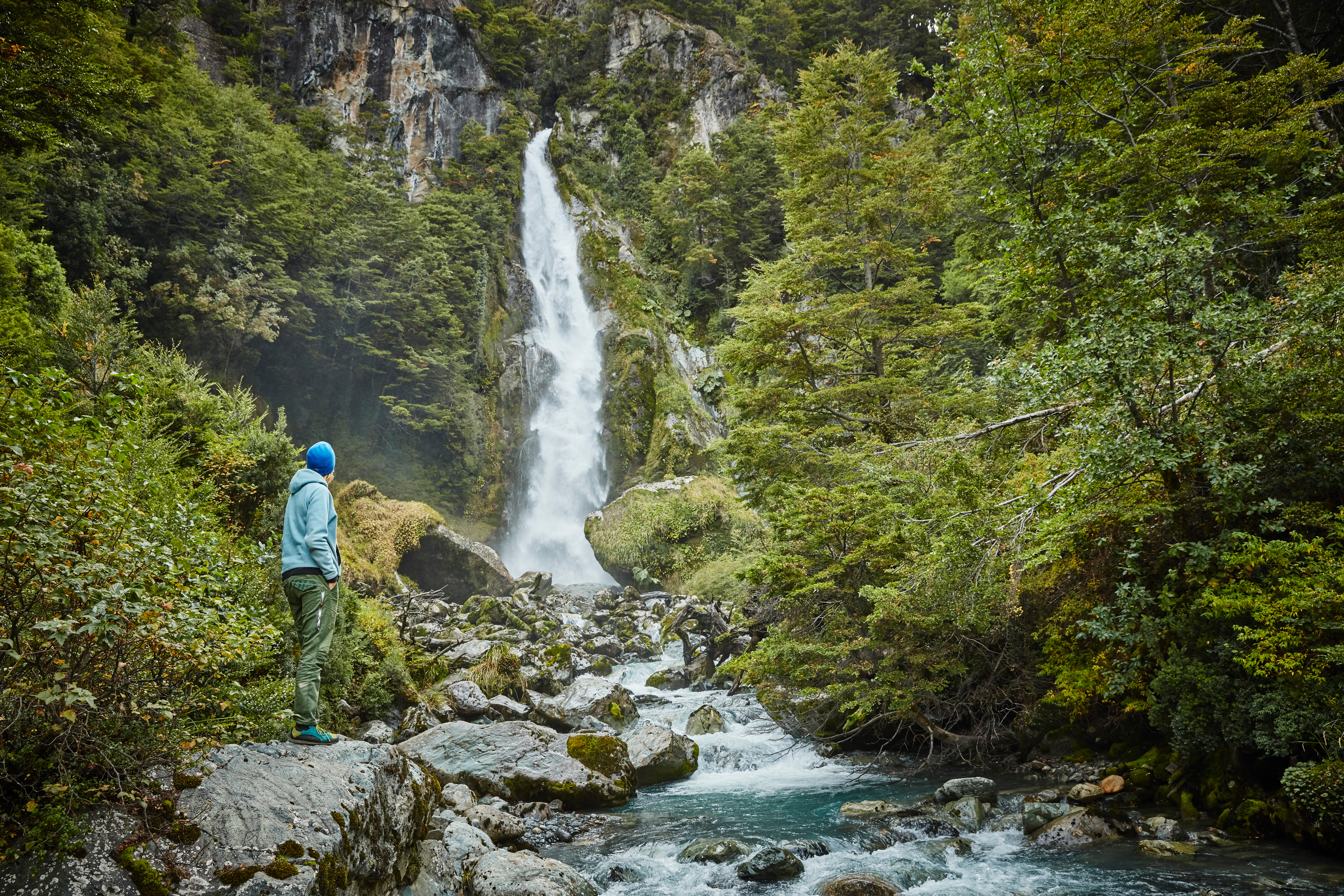
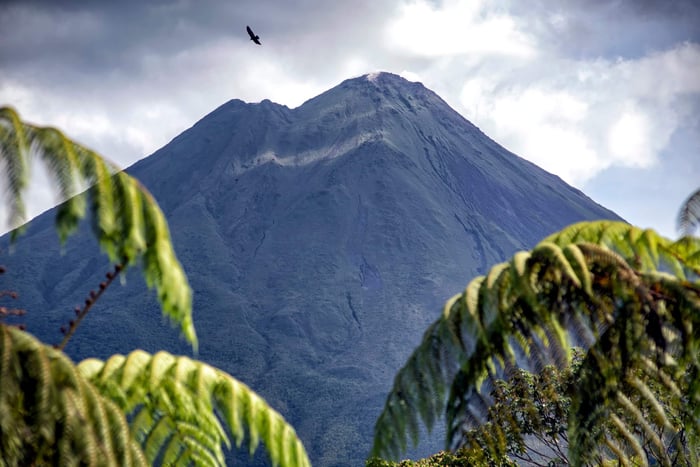
Volcanoes, lakes, valleys and jungle viewpoints rarely look the same twice. The guide encourages returning to iconic scenes at different times, experimenting with angles, and using foreground details to add depth and scale. - Coastlines and slower storytelling
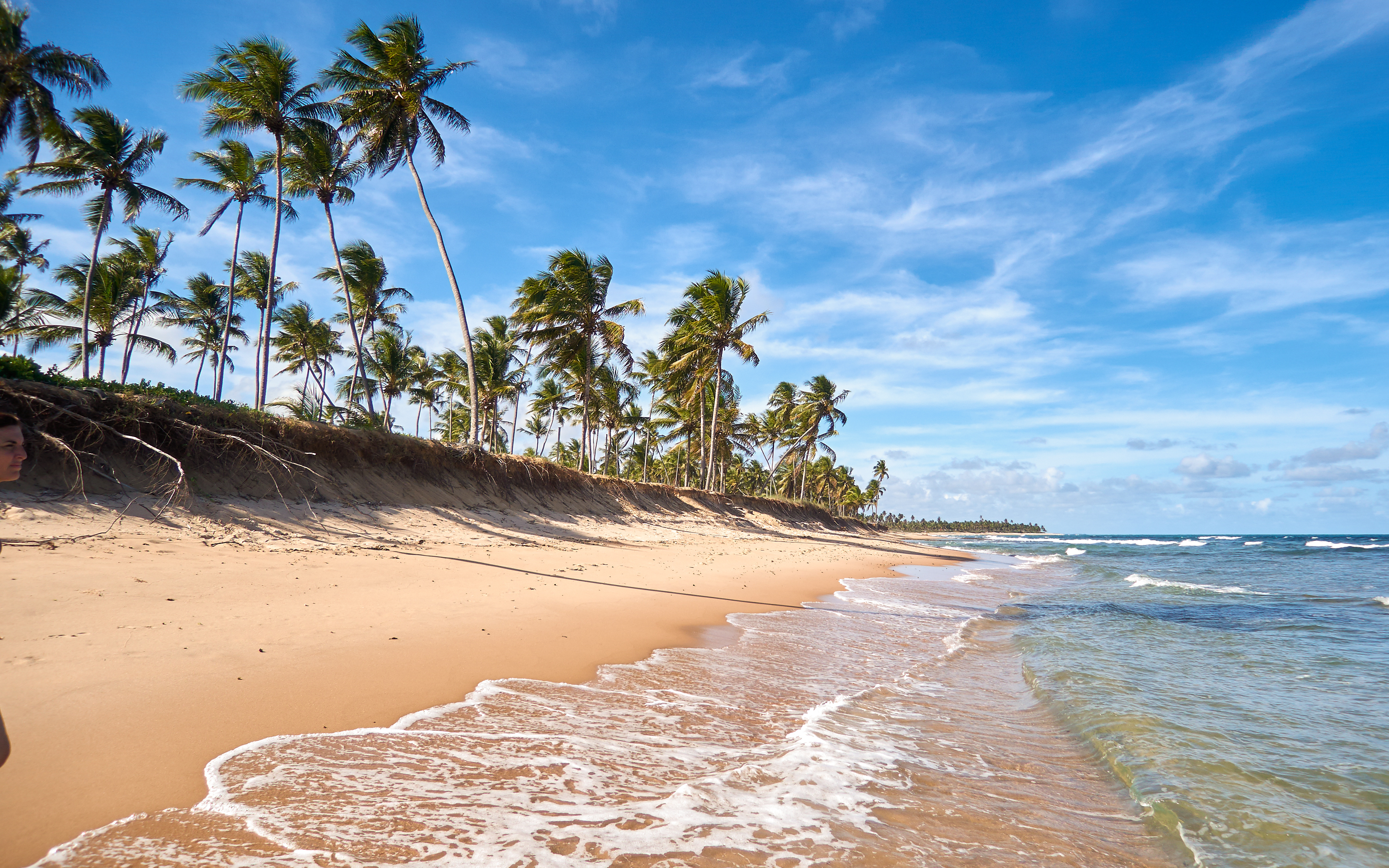
On the beach, the pace shifts. The guide offers ideas for capturing the atmosphere of Costa Rica’s shores, from wide seascapes to small textures and candid moments that bring a trip album to life. - Waterways and boat-based photography
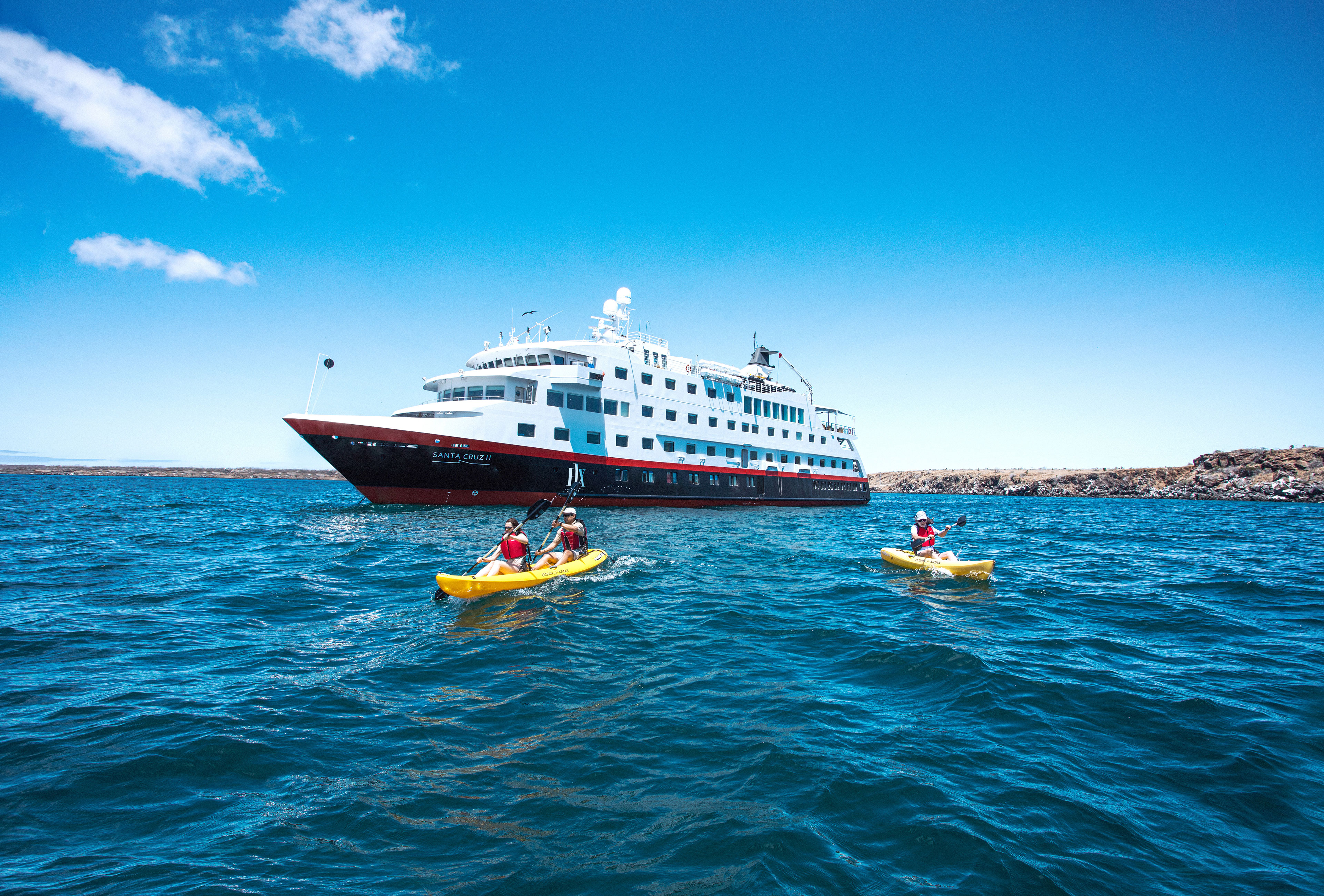
River journeys give you a fresh perspective, with reflections, ripples and wildlife right at the water’s edge. The guide explains how to compose from a moving boat and make the water part of the story. - Light, weather and mood
Rain and mist are part of Costa Rica’s character. The guide explores how to use changing weather to your advantage, creating images with richer colour, softer light, and a sense of depth you only get in the tropics. - Respectful photography, always
Wildlife is the headline act here, and the guide keeps ethics front and centre. It covers responsible approaches for everyday encounters, and the extra care needed for sensitive experiences such as turtle nesting.
Quick reminders to carry with you
- Pack for freedom of movement, not for every possible scenario.
- Keep your attention on the canopy as much as the trail.
- Use quick settings or burst shooting for birds and action.
- Revisit big scenes as the light shifts.
- Let rain, cloud and mist add atmosphere.
- Put wildlife wellbeing first, every time.
View the Photographers Guide to Costa Rica
This introduction is only a starting point. The Photographer’s guide to Costa Rica goes deeper into locations, techniques, and real-world shooting advice that helps you come home with images that feel true to the journey. Keep it close as you travel and let Costa Rica do the rest.
To get a full screen option of the guide click the 3 dots icon below, and select full screen mode.
Ready to start planning your trip to Costa Rica? Check out our Wildlife in Costa Rica holiday for more travel inspiration or get in touch with one of our travel specialists today.Plan Your Trip
FAQs
1. When is the best time to visit Costa Rica for photography?
Costa Rica is rewarding year round, but your experience changes with the seasons. The dry season tends to bring clearer skies and easier travel between regions, while the green season delivers richer colour, misty forest scenes, and more dramatic waterfalls. The guide explains what each season looks like in key photography areas, so you can match timing to the style of shots you want.
2. Do I need a professional camera to get great photos in Costa Rica?
Not at all. A DSLR or mirrorless setup helps for wildlife, but you can capture superb images with a smartphone too, especially for landscapes, beach scenes, and everyday moments around your lodge. The guide shares a simple approach to kit, helping you decide what is worth carrying and when your phone is the smartest tool.
3. What wildlife can I realistically expect to photograph?
Costa Rica is one of those places where wildlife feels close. Depending on where you go, you might photograph monkeys, sloths, colourful frogs, iguanas, and an incredible spread of birdlife. The guide breaks down the best regions for different species and offers practical tips for spotting and photographing animals without disturbing them.
4. How do I protect my camera gear in humid or rainy conditions?
Humidity and sudden showers are part of the Costa Rica experience, particularly in rainforest regions. A little preparation goes a long way. The guide covers straightforward ways to protect your kit on walks and transfers, plus what to do at the end of the day to keep everything in good shape.