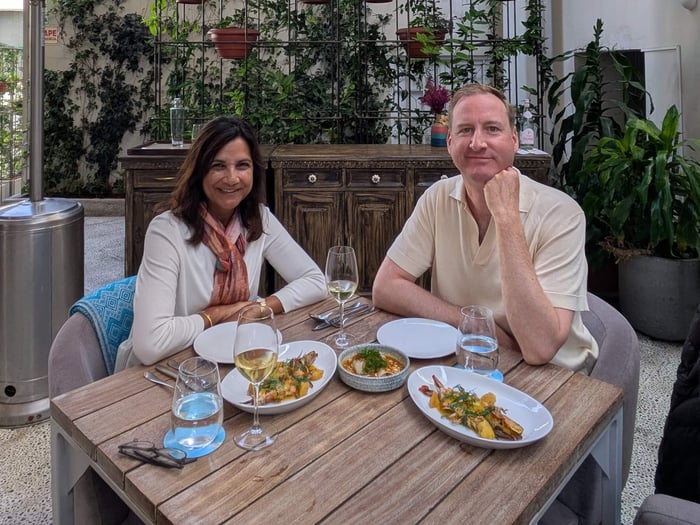

.... With Marketing Manager Susan Borm.
When I travel, it’s never just about the sights, it’s about the flavours. As Marketing Manager at Latin Routes and a lifelong foodie, I’ve always believed that the best way to understand a place is through its cuisine. So, when my husband and I set off to explore Peru, we knew we were in for more than just breathtaking landscapes and ancient ruins. We were about to taste our way through one of the most exciting culinary destinations in the world. Lets take a foodie’s journey through Peru...
Lima: A Taste of Peru’s Culinary Soul
Step into the heart of Lima and discover Astrid y Gastón, one of Peru’s most celebrated restaurants. Set within the elegant Casa Hacienda Moreyra, a beautifully restored mansion in the residential district of San Isidro, Miraflores this award-winning dining experience blends heritage, innovation and artistry. Founded by renowned chefs Gastón Acurio and Astrid Gutsche, the restaurant has played a pivotal role in redefining Peruvian cuisine on the global stage.
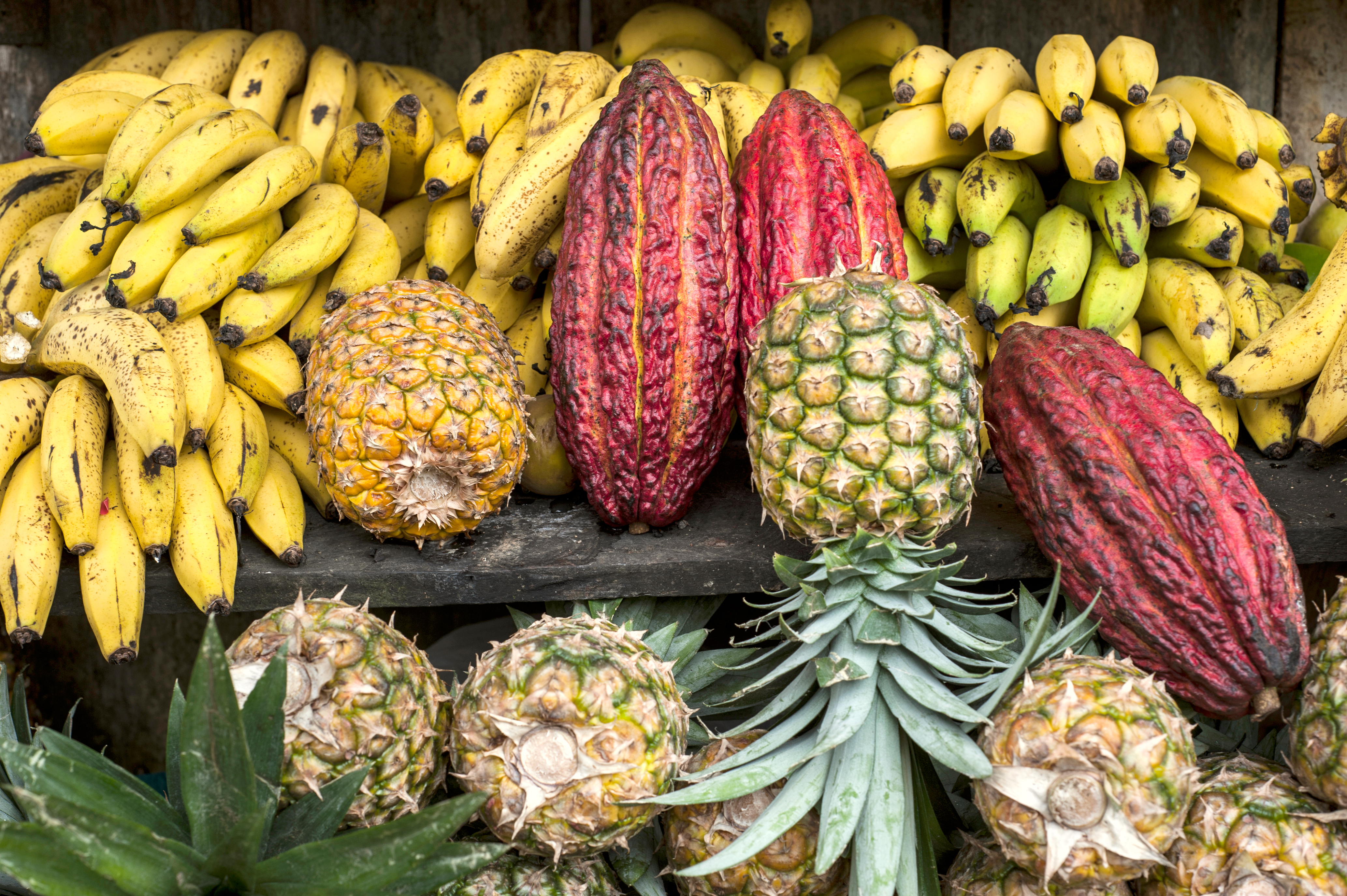
The concept is bold yet deeply rooted in tradition. Each dish tells a story, from Amazonian fruits to Andean grains, crafted with precision and passion. The tasting menu is a journey through Peru’s diverse landscapes, flavours and cultures, with seasonal ingredients sourced from across the country.
Outside, the courtyard offers a tranquil escape. Guests dine beneath the shade of a centuries-old tree, surrounded by lush gardens and colonial stonework. It’s a space that invites you to slow down, savour and connect with the spirit of Peru.
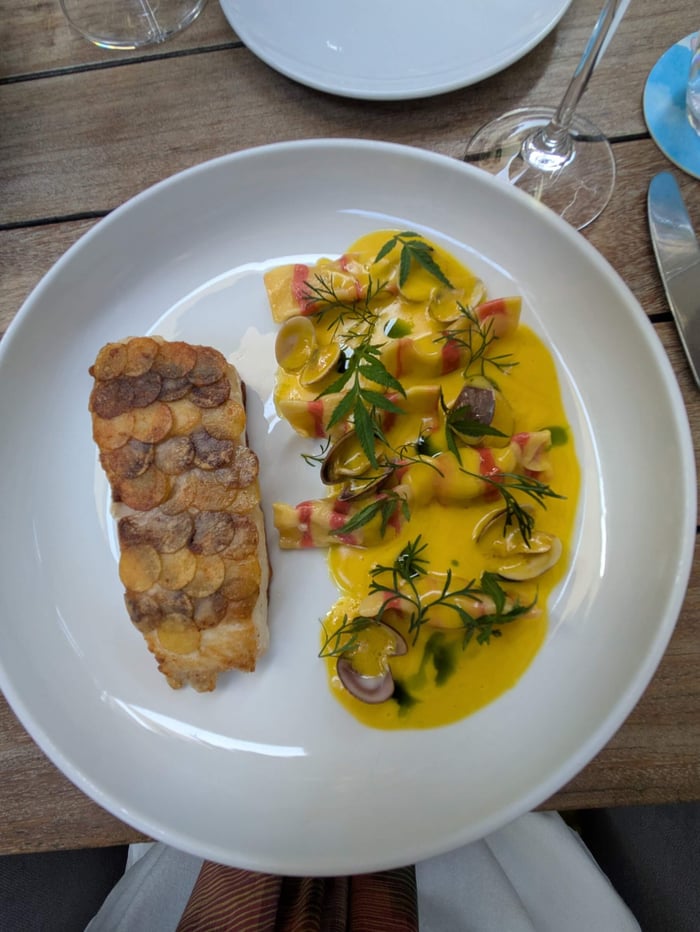 | 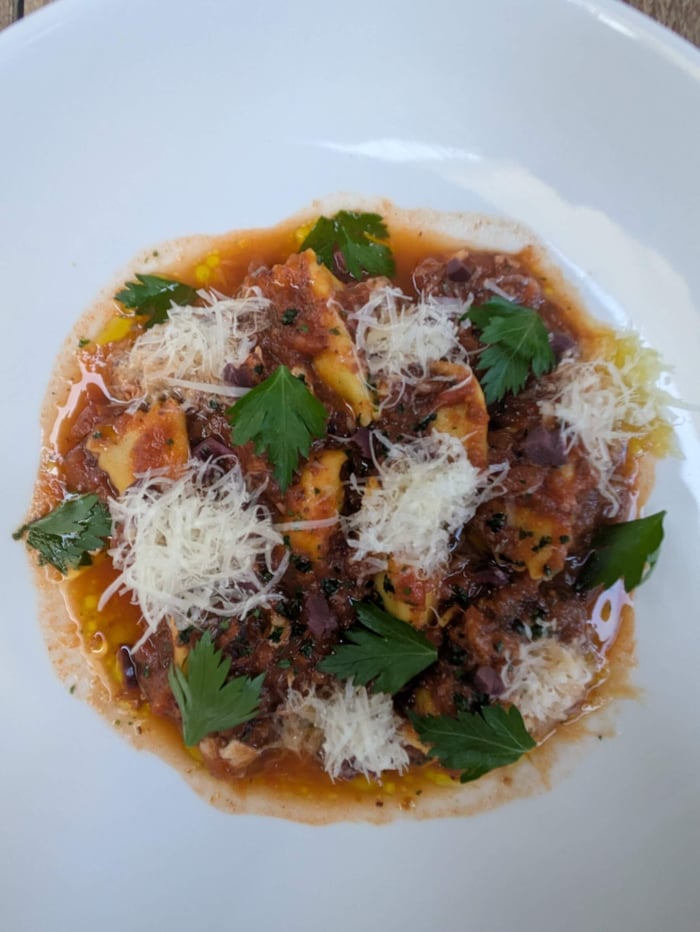 |
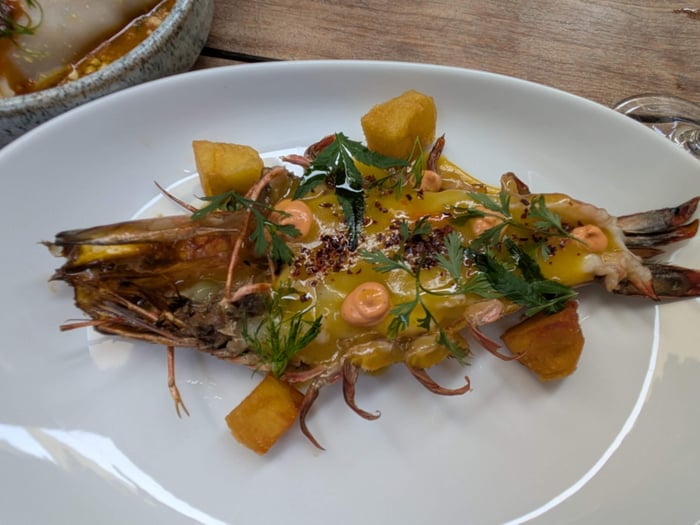
And the food? Simply unforgettable.We started with grilled jumbo shrimp, glazed in a bold Lima-style chilli sauce that balanced heat with citrus and depth. Then came the sea bass, wrapped in native potato scales and served with yellow chilli beurre blanc, vongoles (clams), and rainbow pasta filled with olluco, a native Andean tuber. It was a colourful tribute to Peru’s biodiversity and a masterclass in culinary storytelling.
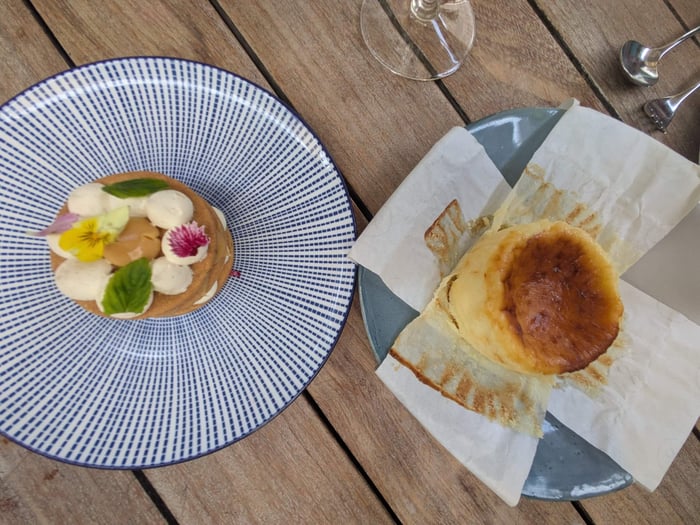
To finish, we indulged in a twist on tradition: an old-fashioned cheesecake made with creamy Andean cheese. Earthy, delicate, and beautifully balanced, it was the kind of dessert that lingers in memory long after the last bite.
 |  |
Cusco: Street Food and Surprises
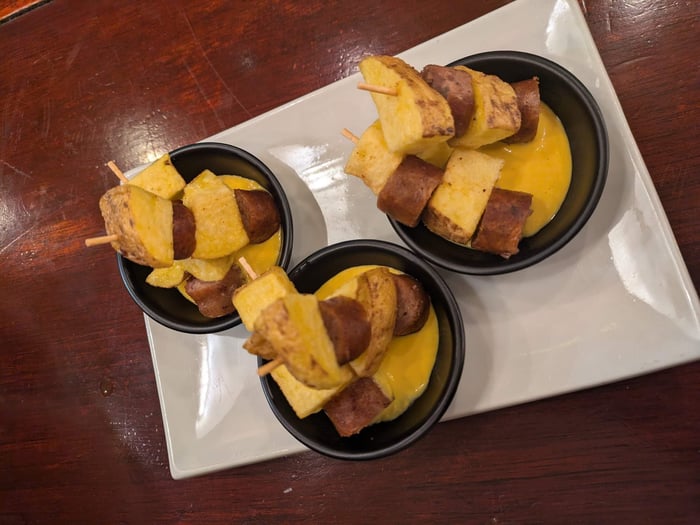
In Cusco, we swapped white tablecloths for street stalls and hidden gems. Our first taste of local street food came in the form of anticuchos, grilled meat skewers served from a stall so local it’s not even on Google. Smoky, spicy, and served with a smile, it was the kind of food that stays with you.
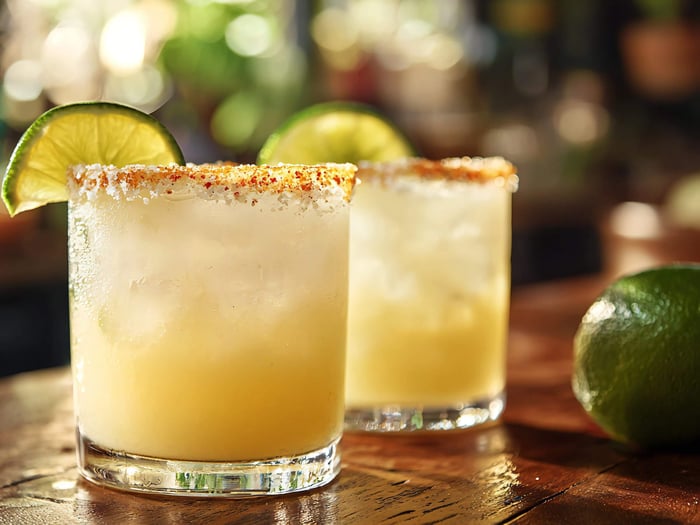
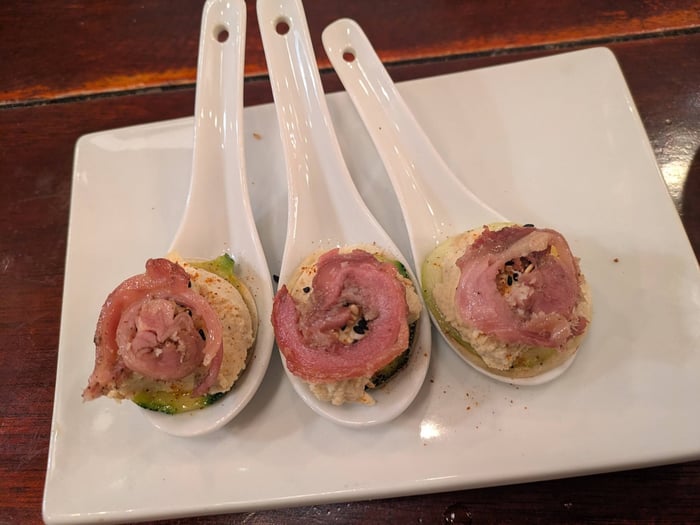
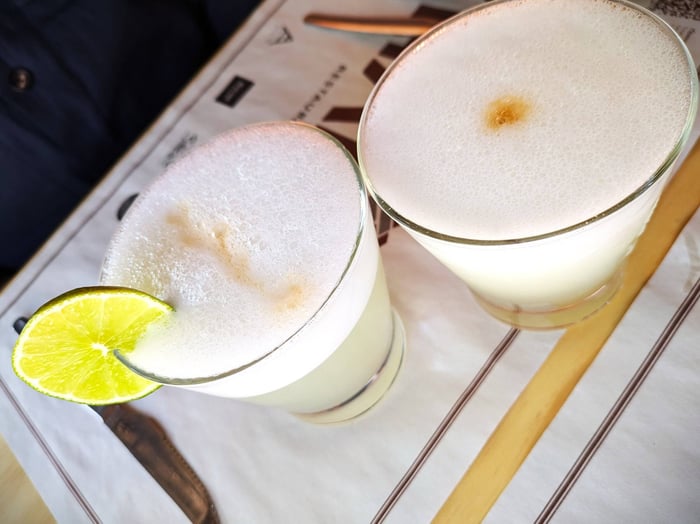
We also explored the fusion side of Peruvian cuisine at Miwa 美和, where sushi met native ingredients in a way that felt both familiar and fresh. From Cicciolina’s vibrant plates to the unexpected delights at Echo Peruvian Steakhouse (yes, there were dumplings and Pisco Sours involved), Cusco proved that great food doesn’t always come with a Michelin star.
 |  |
Sacred Valley & Aguas Calientes: Rustic Roots and Pizza Nights
In the Sacred Valley, we stayed at Sonesta Hotel Posadas del Inca Yucay, where we enjoyed a mix of traditional Peruvian dishes and surprisingly good pizza. One evening, we visited the Yucay Museo de Cultura Viva, where food and culture intertwined in a hands-on experience that brought the region’s heritage to life.
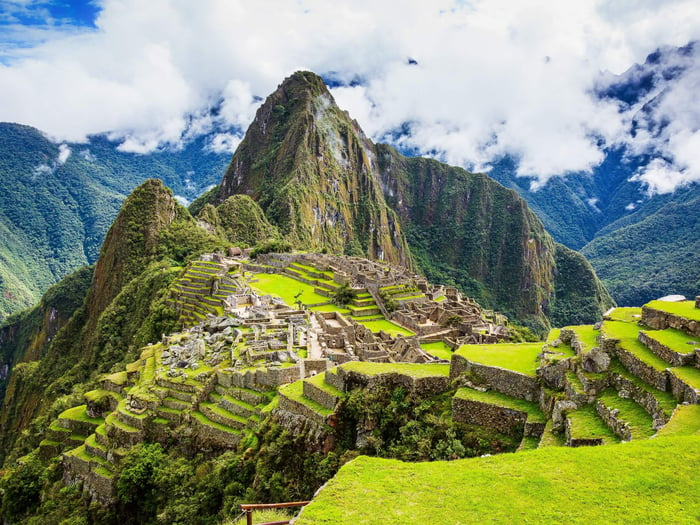
Up in Aguas Calientes, the gateway to Machu Picchu, we dined at Café Inkaterra and Qunuq, discovering how even remote towns can deliver refined, locally inspired cuisine. It was here that we realised just how deeply food is woven into the fabric of Peruvian life, even in the shadow of ancient wonders.
A Culinary Love Letter to Peru
Our journey through Peru wasn’t just a holiday, it was a deep dive into a country where food is a form of storytelling. From street stalls to rooftop bars, from Amazonian fruits to Andean grains, every dish was a discovery.
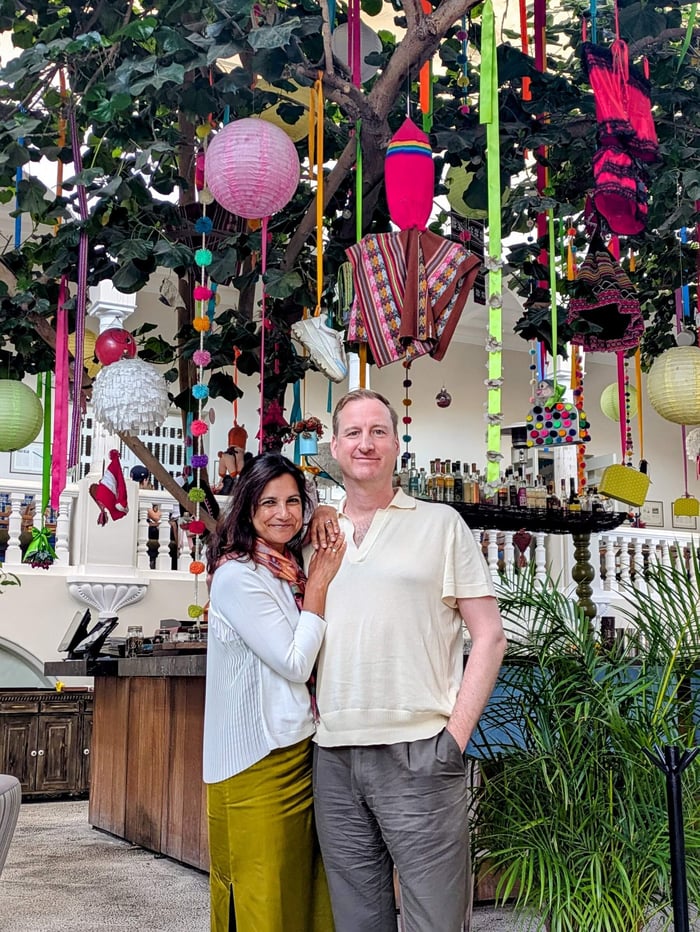
What stood out the most during your culinary tour of Peru?
“The way Peru celebrates its ingredients, it’s not just about flavour, it’s about identity.”
If Susan’s journey has whetted your appetite for Peru, the Peru Gastronomy Tour by Latin Routes is the perfect way to follow in her footsteps. This curated itinerary is designed for food lovers who want to dive deep into Peru’s culinary heritage, from market tours and cooking classes to fine dining experiences in Lima, Cusco and the Sacred Valley. You’ll meet local chefs, taste regional specialities, and discover how Peru’s diverse landscapes shape its flavours. Whether you're sipping Pisco in a colonial courtyard or sampling street food in the Andes, this tour is a delicious way to explore the soul of Peru.
Are you ready to try some Peruvian cuisine for yourself? Start planning your trip to Peru with one of our travel specialists today.Browse our Food & Wine Holidays
FAQs
What is traditional Peruvian food like?
Peruvian cuisine is incredibly diverse, reflecting the country’s rich geography and cultural heritage. Traditional dishes often feature ingredients like potatoes, maize, chillies, quinoa, and fresh seafood. Staples include ceviche (raw fish cured in citrus), lomo saltado (stir-fried beef), and aji de gallina (creamy chicken stew). Each region, from the coast to the Andes to the Amazon, offers its own unique flavours and techniques.
Is Peruvian street food safe to eat?
Yes, in most cases! Street food is a big part of the Peruvian culinary experience, especially in cities like Cusco and Lima. Look for stalls that are busy with locals, as high turnover usually means fresher food. Popular street eats include anticuchos (grilled meat skewers), picarones (sweet potato doughnuts), and tamales. Just be sure to carry bottled water and hand sanitiser, and avoid anything that looks like it’s been sitting out too long.
What are some must-try dishes in Peru?
Some iconic dishes you shouldn’t miss include:
- Ceviche – Peru’s national dish, made with fresh fish, lime juice, red onion, and chilli.
- Lomo Saltado – A Chinese-Peruvian stir-fry of beef, onions, tomatoes, and chips.
- Causa Limeña – A layered potato dish often filled with tuna, chicken or avocado.
- Rocoto Relleno – Spicy stuffed peppers, popular in Arequipa.
- Chicha Morada – A sweet, spiced drink made from purple corn.
Is Peruvian food spicy?
Peruvian food is flavourful rather than fiery. While chillies like ají amarillo and rocoto are used widely, they’re often balanced with citrus, herbs, or creamy sauces. If you’re sensitive to spice, just ask for “sin picante” (without spice) and most places will happily accommodate.
Are there vegetarian or vegan options in Peru?
Yes, and they’re becoming more common, especially in tourist-friendly areas like Lima, Cusco, and the Sacred Valley. Many traditional dishes are naturally vegetarian, such as papa a la huancaína (potatoes in a spicy cheese sauce) or solterito (a fresh bean and cheese salad). Vegan travellers will find options too, particularly in fusion restaurants and health-conscious cafés.
What are the top Foodie Destinations in Peru?
1. Lima – The Gastronomic Capital
Lima is Peru’s culinary epicentre, home to several of the World’s 50 Best Restaurants, including:
- Central – Celebrated for its altitude-based tasting menu using indigenous ingredients.
- Maido – A standout for Nikkei cuisine, blending Japanese techniques with Peruvian flavours.
- Astrid y Gastón – A pioneer in modern Peruvian gastronomy, offering a tasting journey through Peru’s diverse regions.
- La Mar – A top spot for ceviche and seafood lovers.
- Mercado de Surquillo – A vibrant market where you can sample exotic fruits like lucuma and camu camu, and fresh seafood.
2. Cusco – Andean Flavours & Street Food
Cusco offers a rich taste of highland cuisine:
- San Pedro Market – A treasure trove of Andean ingredients, including native potatoes and quinoa.
- Local (San Blas) – A cosy spot for modern Andean dishes.
- Florencia y Fortunata – Known for its creative takes on traditional recipes.
- Street food stalls – Try anticuchos (beef heart skewers) and chicha morada (purple corn drink).
3. Sacred Valley – Farm-to-Table Traditions
This region is ideal for immersive food experiences:
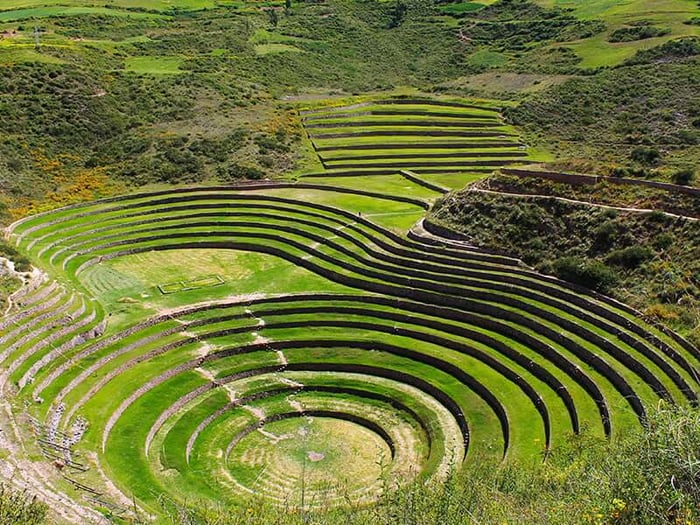
- Mil – A restaurant by Virgilio Martínez, located near Moray ruins, focusing on high-altitude ingredients.
- Tierra (Urubamba) – A rustic yet refined spot with locally sourced produce.
- Pachamanca experiences – Traditional earth oven cooking using hot stones to prepare meats and vegetables.
- Cooking classes – Learn to make empanadas, tamales, and stews with local families.
4. Arequipa – Spicy Southern Specialties
Known for bold flavours and regional dishes:
- La Nueva Palomino – Famous for rocoto relleno and adobo.
- Salamanto & Clandestino – High-end restaurants offering modern takes on Arequipa’s classics.
- Mercado San Camilo – A bustling market with local snacks and fresh produce
5. Ica & The Coast – Wine, Pisco & Seafood
- Tacama Winery – One of South America’s oldest vineyards, offering wine and pisco tastings.
- La Picante & La Olla de Juanita – Local favourites for coastal dishes like arroz con pato and ceviche.
- Coastal stops en route to Cusco offer fresh seafood and regional snacks