
Brazil is a country that expresses itself through flavour. From lively city restaurants to relaxed coastal kitchens, food and drink play a central role in everyday life, shaped by regional traditions, fresh ingredients, and a strong sense of sharing. Exploring Brazil through its cuisine offers an immersive way to connect with the culture beyond the landscapes. Lets look more about Food and drink in Brazil: a flavour-led journey.
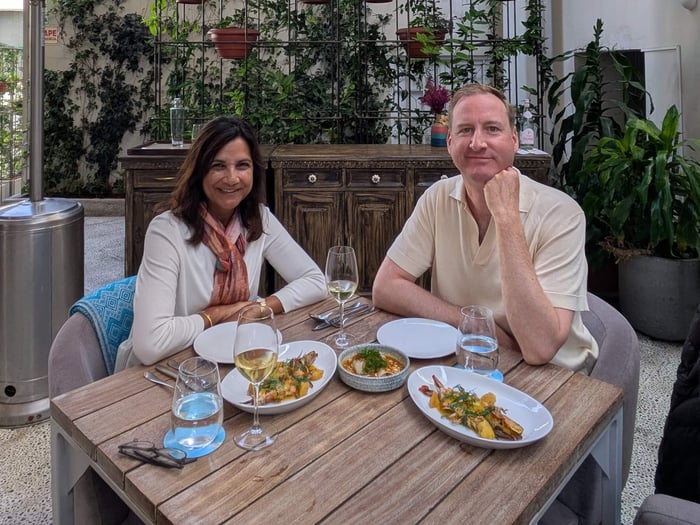
On a recent research trip, Hannah Finch, Senior Product Executive at Latin Routes, travelled through Rio de Janeiro, Paraty, Ilha Grande, and Búzios, discovering how Brazil’s diverse food scene changes from city to coast. From traditional comfort dishes to seafood enjoyed beside the sea, her journey was led as much by what was on the plate as by the places themselves.
Rio de Janeiro: classic dishes and social dining
Rio de Janeiro was where Brazilian food truly came into focus. One dish Hannah was particularly keen to revisit was feijoada, a traditional black bean and pork stew that is deeply rooted in Brazilian food culture.
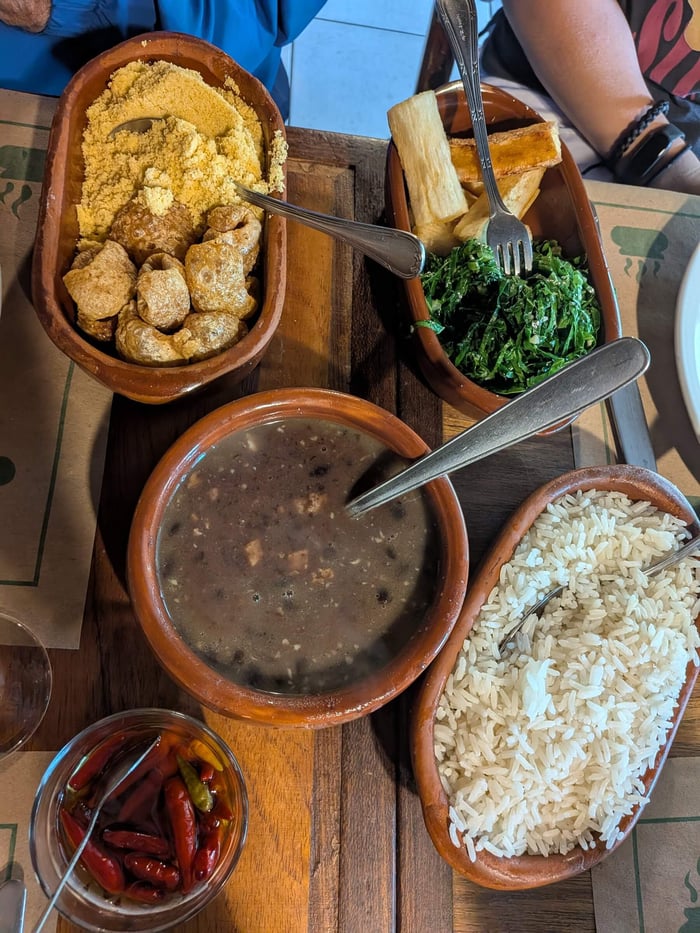
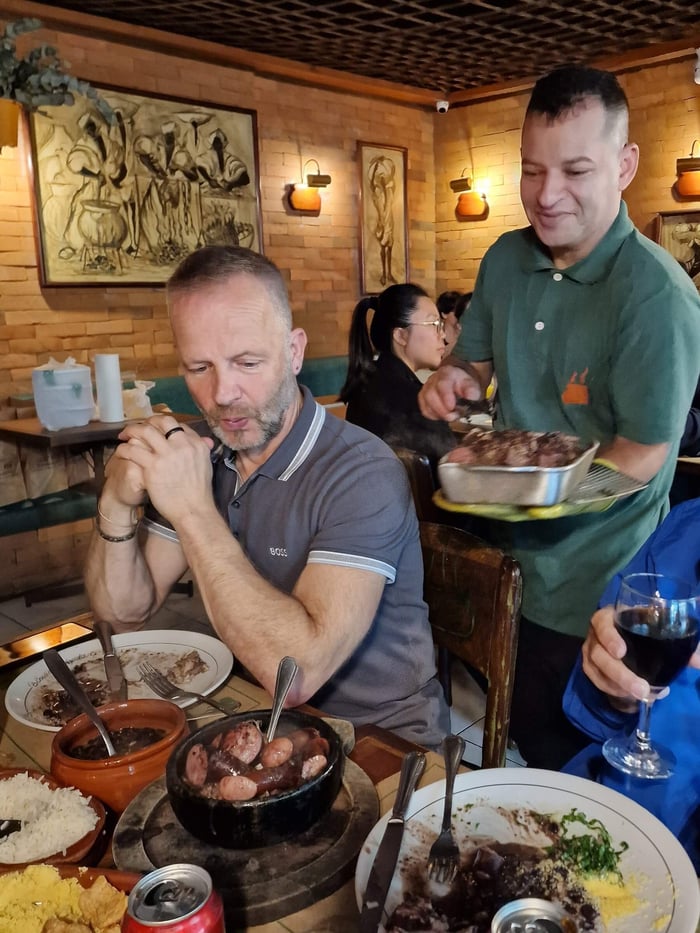
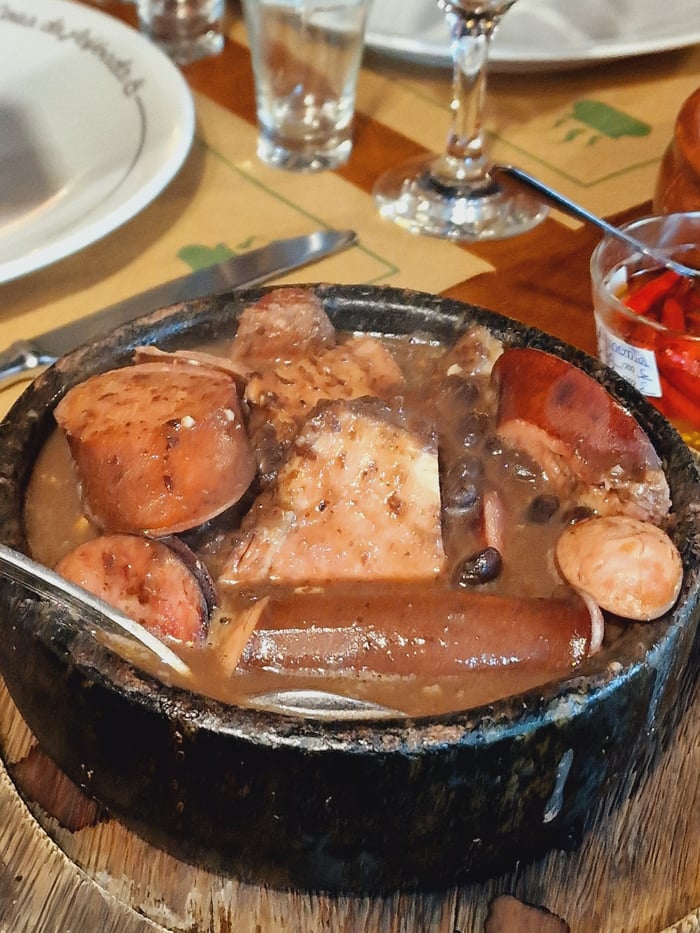
“Feijoada is a heavy stew of beans and various cuts of pork, served with rice,” Hannah explains. “It’s typically a dish only served on Saturdays, but we booked into Casa da Feijoada, a small, locally run restaurant just around the corner from the Hippie Market in Ipanema.”Served alongside farofa, a toasted cassava flour accompaniment found across Brazil, feijoada is filling, comforting, and best enjoyed as a long, social meal. Hannah also noted how accommodating Brazilian dining can be, with many restaurants offering vegetarian alternatives alongside classic recipes.
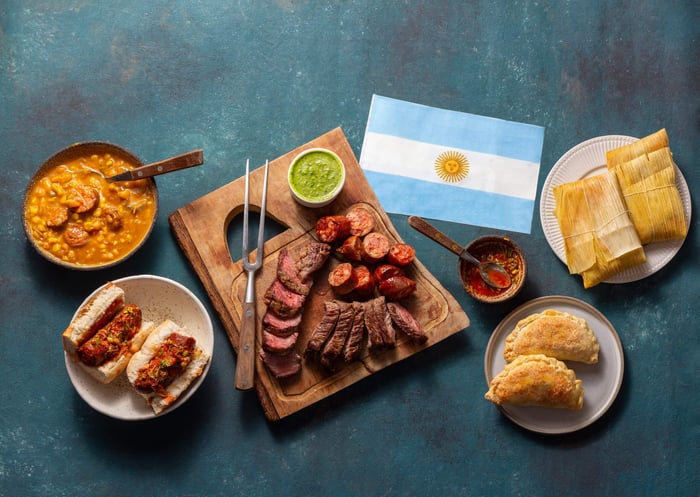
Churrasco was another highlight in Rio, experienced in both refined and traditional settings.
“In Rio we had two Brazilian barbecue experiences,” she says. “One at an upmarket restaurant overlooking the coast, and one at a more traditional offering that was very popular with locals. Both were great.”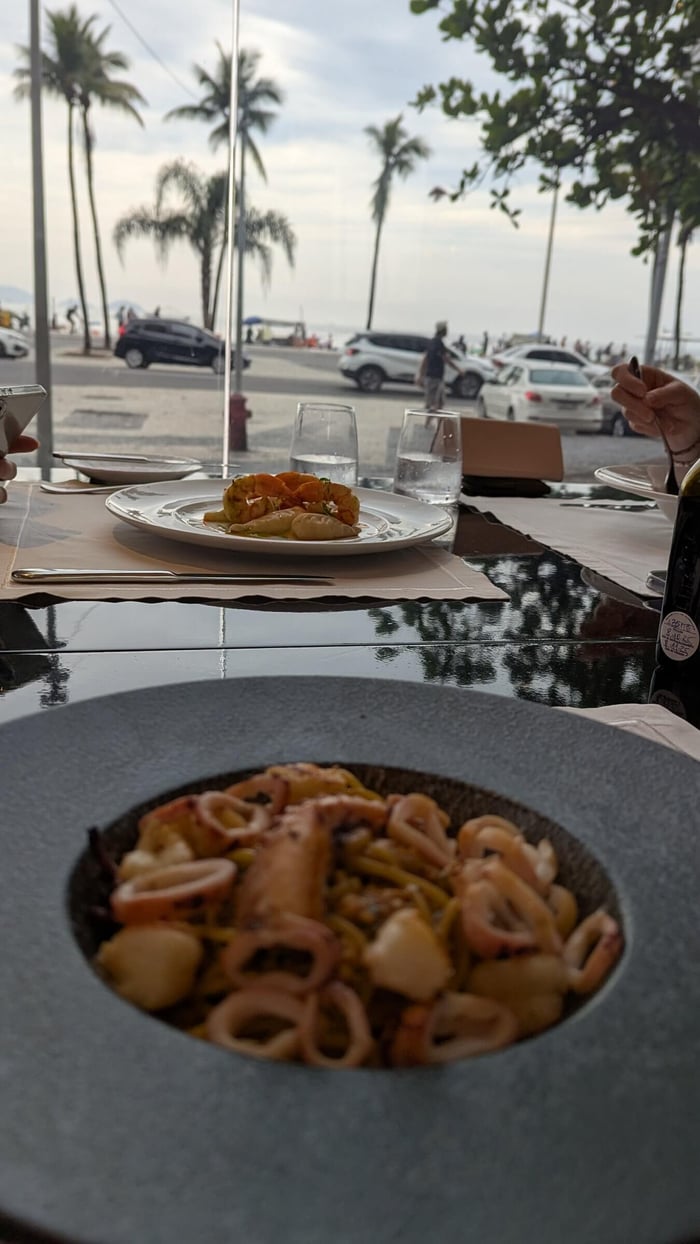
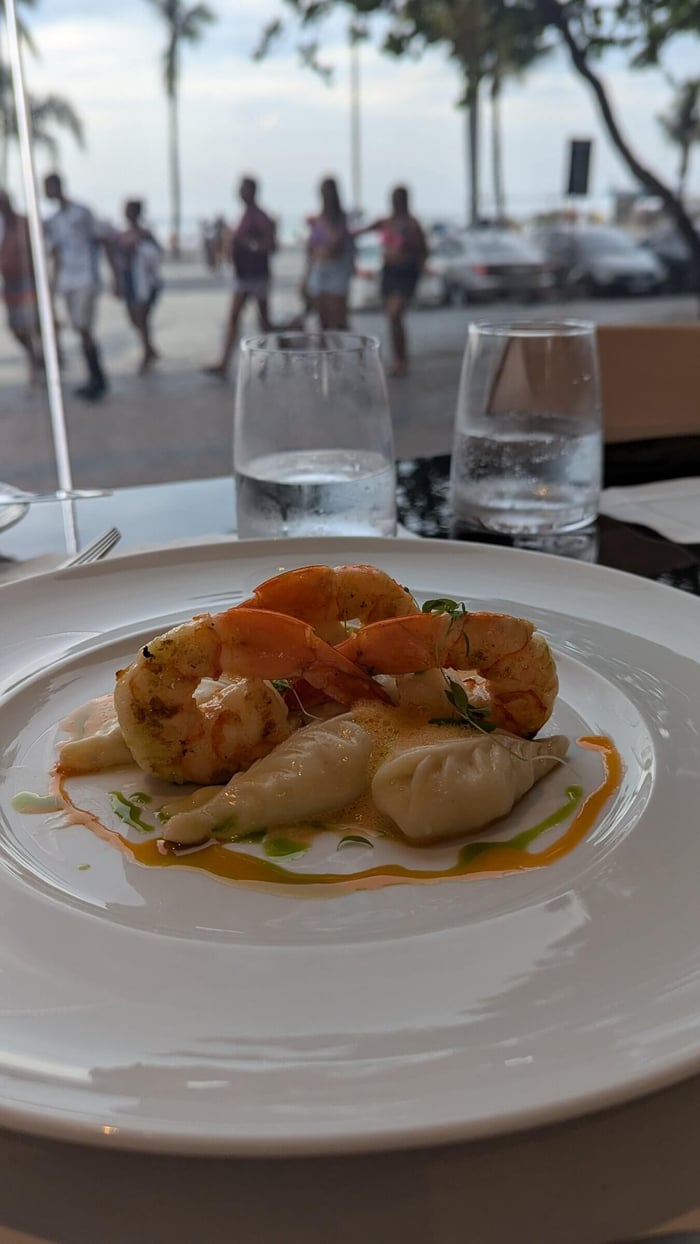

The experience goes beyond the meat itself, with extensive salad selections and a relaxed, convivial atmosphere that encourages guests to linger.
The Costa Verde: seafood and regional flavours
Travelling along the Costa Verde revealed a different side of Brazilian cuisine, shaped by the ocean and tropical surroundings. Fresh seafood became the focus, enjoyed in a variety of memorable settings.
“Travelling along the coast allowed us to try some superb fish dishes,” Hannah recalls. “On a schooner boat trip in Paraty we had an excellent seafood platter consisting of squid, octopus, huge prawns and a local white fish.”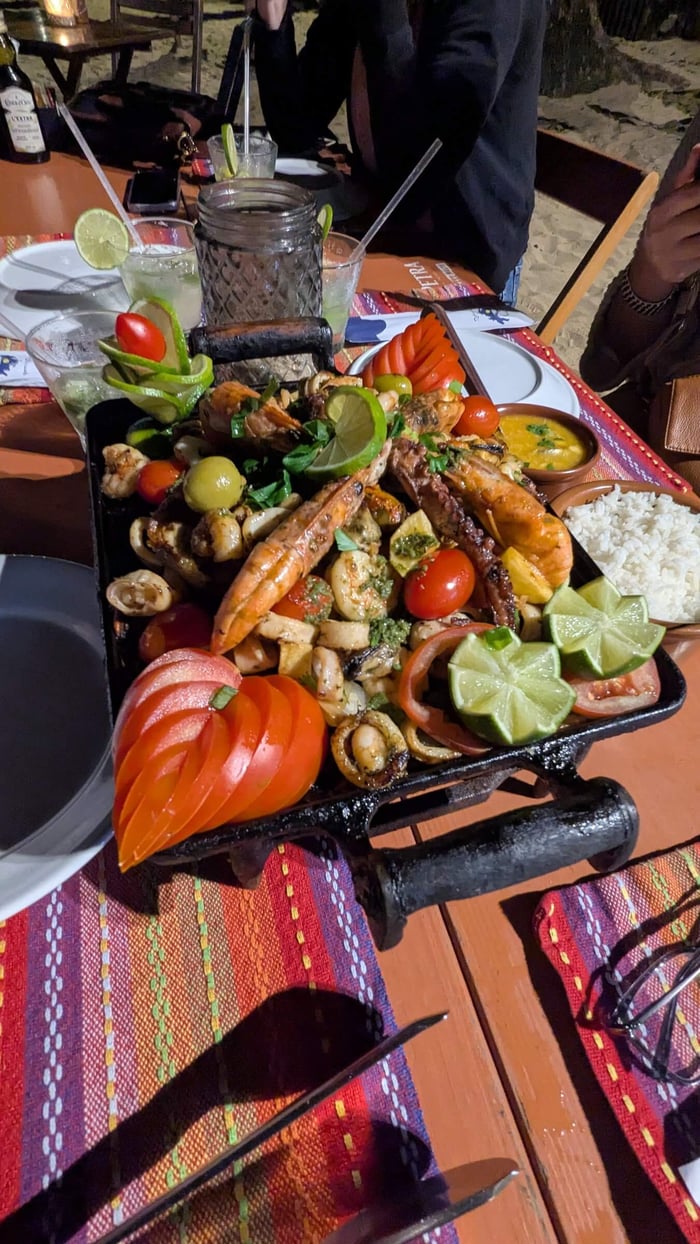

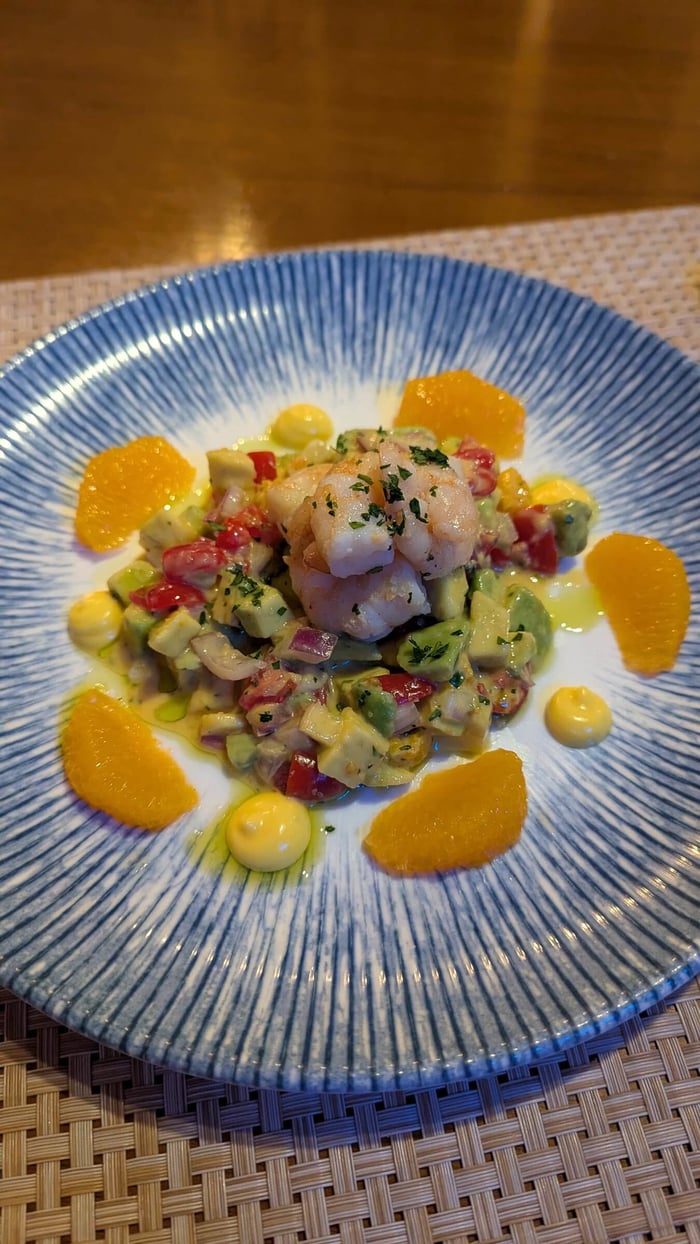
From refined hotel restaurants to relaxed beachfront dining in Ilha Grande, seafood was consistently fresh and generously served. Hannah also noted how coastal flavours often include tropical ingredients.
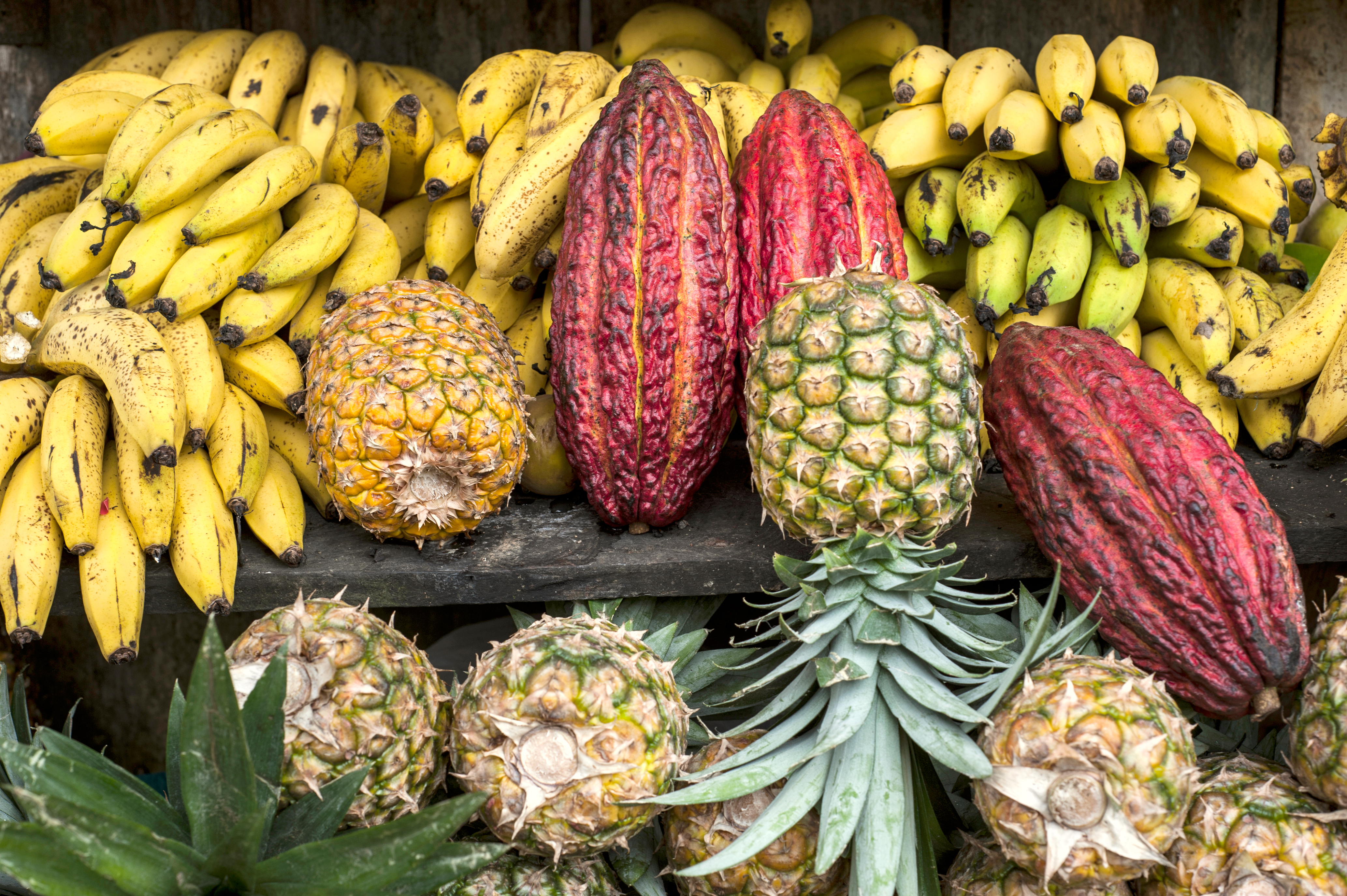
“The quantity and quality everywhere was incredible, and combined with fruity flavours like mango and coconut, added a unique twist specific to the coastal regions.”In Búzios, seafood continued to shine, reinforcing how closely Brazil’s coastal cuisine is tied to its environment.
Drinks, desserts, and everyday favourites
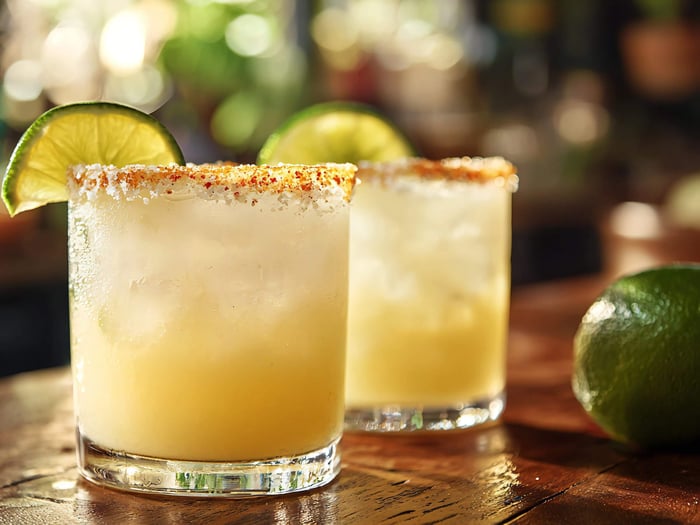
Brazil’s drinks culture is as distinctive as its food. Caipirinhas featured regularly throughout the trip and quickly became a favourite.
“No trip to Brazil would be complete without having a caipirinha or two,” Hannah says. “The national drink is made with a strong sugar cane spirit, cachaça, muddled with lime juice and sugar.”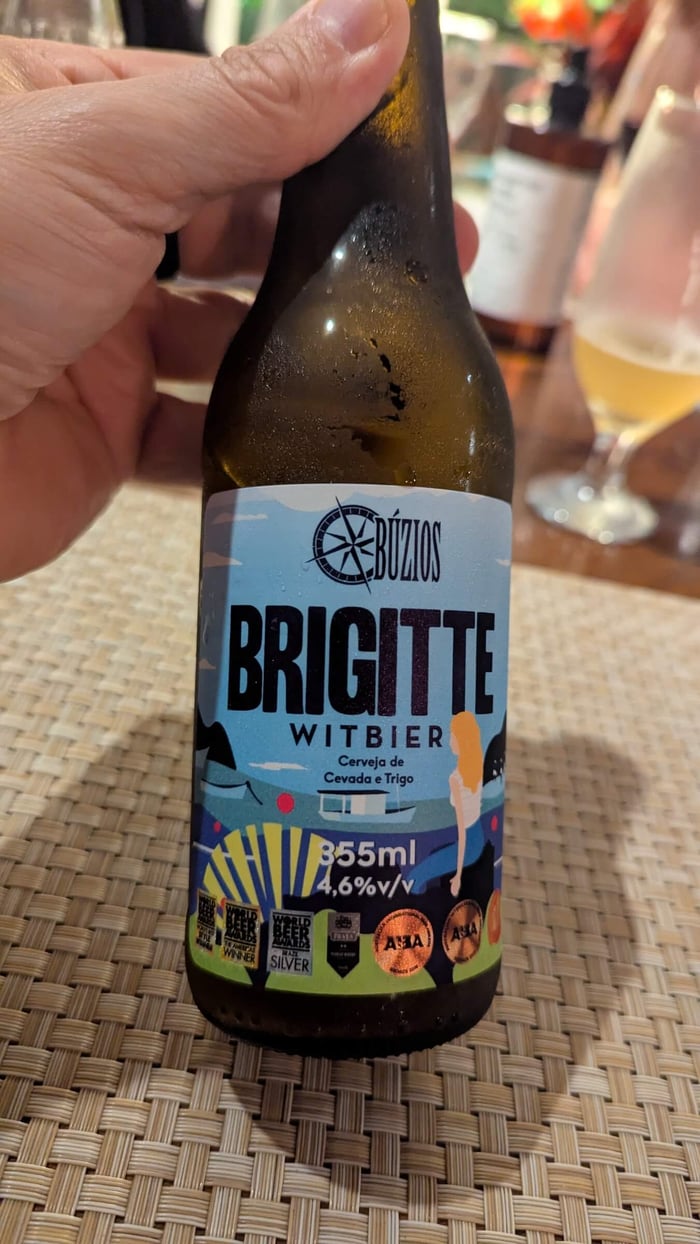
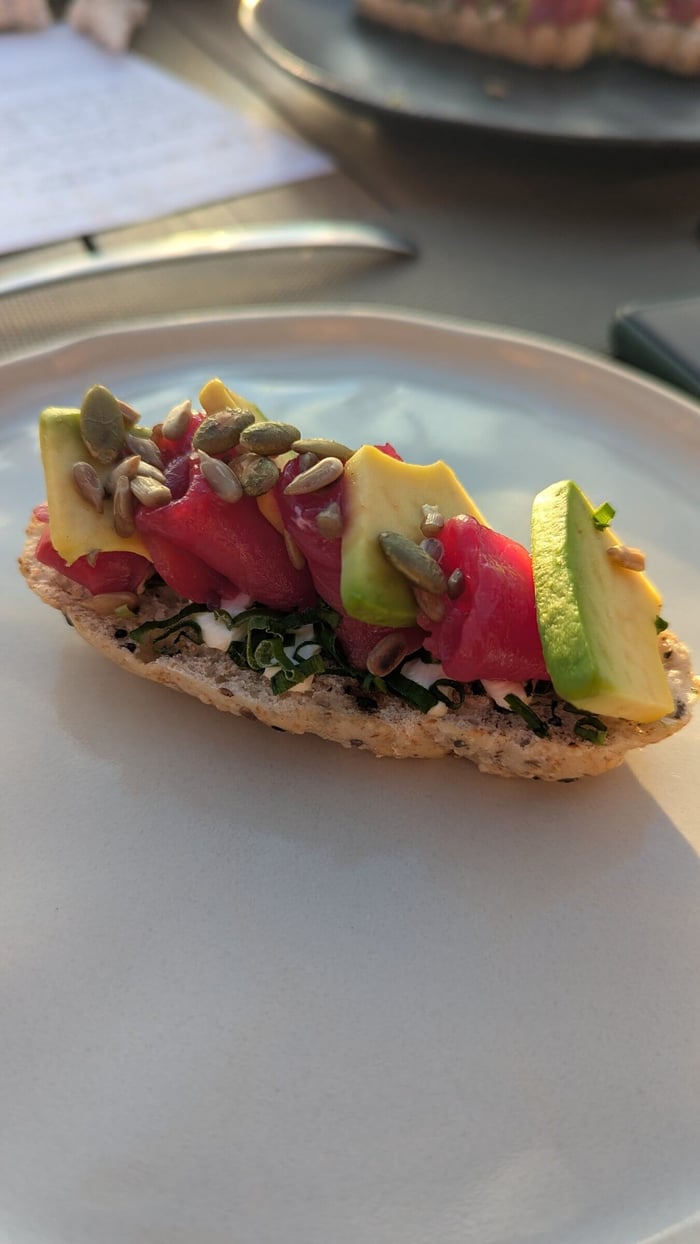

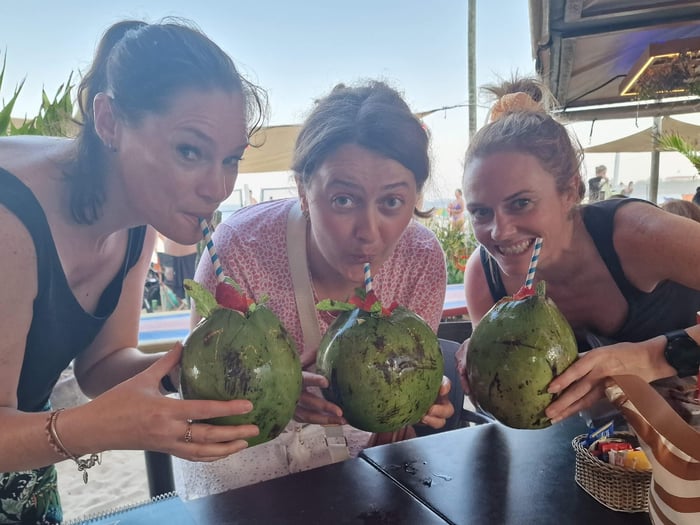
She also enjoyed experimenting with regional cocktails, including a coco-loco enjoyed at sunset overlooking Copacabana Beach, served fresh in a coconut for a relaxed, tropical feel.
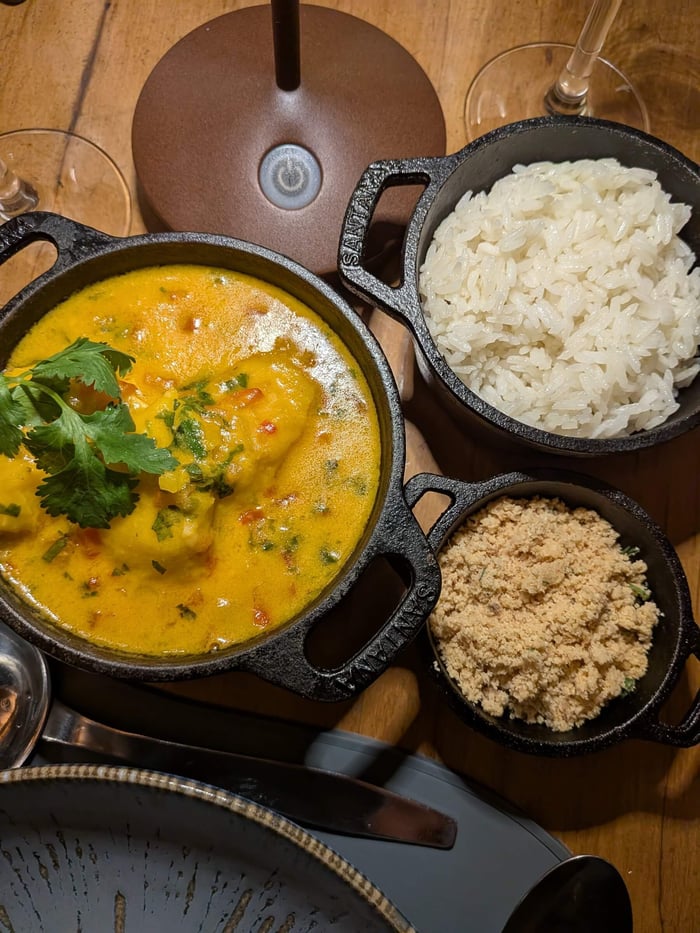 Vegetarian Moqueca
Sweet treats, like chocolate brigadeiros, were simple but memorable. Meanwhile, pão de queijo became a daily staple.
“Small dough balls with cheese inside, served at breakfast, and they are delicious,” Hannah adds.Traditional dishes with a modern twist
One dish that stood out for Hannah was moqueca, a slow-cooked stew traditionally associated with Bahia. “Moqueca is a seafood stew made with tomatoes, onion, garlic, coriander and coconut milk,” she explains.
What surprised her most was the quality of vegetarian versions found along the coast. “Vegetarian moqueca is delicious. With chunky tomatoes, plantain and a rich coconut sauce, it is a hearty dish,” she says, highlighting how Brazilian cuisine continues to evolve while staying rooted in tradition.
Hannah’s expert food tip
When asked what every traveller should try at least once, Hannah’s answer was clear. “Feijoada and pão de queijo,” she says. Together, they offer a true taste of Brazil, from slow-cooked comfort food to everyday snacks enjoyed by locals.
Why Brazil is ideal for food-focused travel
Brazil offers variety without feeling overwhelming. Ingredients are fresh, flavours are generous, and meals are designed to be shared. From city barbecues to coastal seafood, food becomes a natural way to understand the country’s rhythm and regional identity.
For travellers who love discovering a destination through its cuisine, Brazil delivers a rich and rewarding experience.
If you would like to explore food and drink in Brazil, our specialists can help create a journey that balances iconic experiences with regional flavours. Get in touch with Latin Routes to start planning your trip.
Explore our Food & Drink Holidays
FAQs
What food is Brazil best known for?
Brazil is best known for dishes such as feijoada, a slow-cooked black bean and pork stew, churrasco barbecued meats, pão de queijo cheese breads, and seafood stews like moqueca. Each region has its own specialities influenced by local ingredients and traditions.
What should you eat in Brazil for the first time?
First-time visitors to Brazil should try feijoada, pão de queijo, and fresh seafood dishes along the coast. Sampling a traditional Brazilian barbecue and tasting local street snacks also offer a great introduction to the country’s food culture.
What is the national drink of Brazil?
The national drink of Brazil is the caipirinha, made with cachaça, lime, and sugar. Fresh tropical juices are also popular across the country, alongside regional cocktails that reflect Brazil’s coastal and tropical setting.
Is Brazil good for food lovers?
Brazil is an excellent destination for food lovers thanks to its diverse regional cuisine, fresh ingredients, and strong dining culture. From city restaurants to coastal kitchens, food plays a central role in daily life and social experiences.
Are there vegetarian food options in Brazil?
Vegetarian food options are widely available in Brazil, particularly in larger cities and tourist regions. Many traditional dishes have vegetarian versions, including vegetable-based moqueca, and restaurants often offer varied salad selections and meat-free alternatives.