
When Darwin Discovered The End Of The World
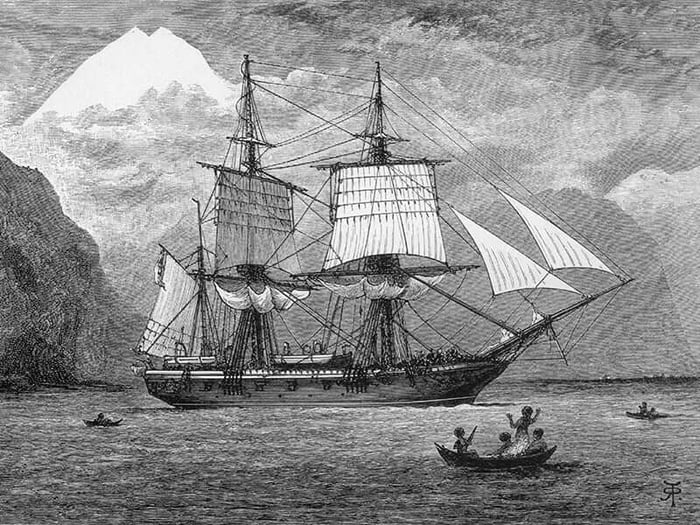
Lets take a trip back in time and discover Darwin's Patagonia. In 1831, Charles Darwin, then a young naturalist, embarked on a five-year journey aboard the H.M.S. Beagle, a British naval vessel, as part of a global survey expedition. The primary purpose of the expedition was to conduct hydrographic surveys of the coast of South America, but it also involved various scientific investigations.
The Beagle’s voyage and Darwin’s experiences during that journey remain one of the most significant events in the history of science, fundamentally altering our understanding of life on Earth and sparking a revolution in biological thought.
We explored just how much Darwin’s legacy has imprinted on this fascinating part of the continent.
The Beagle Has Landed
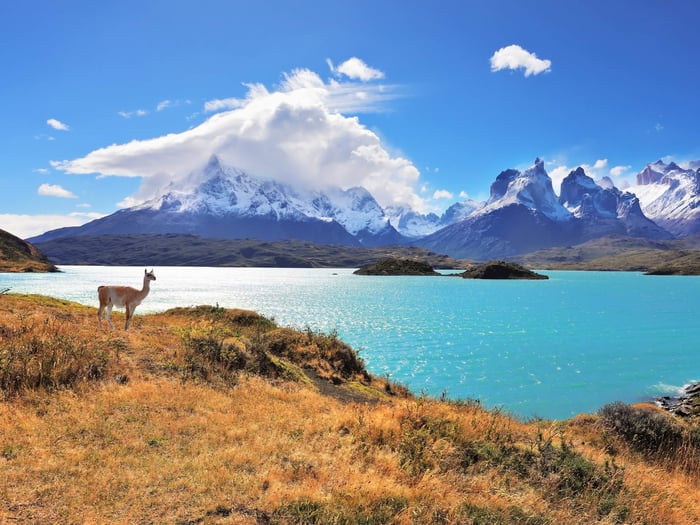
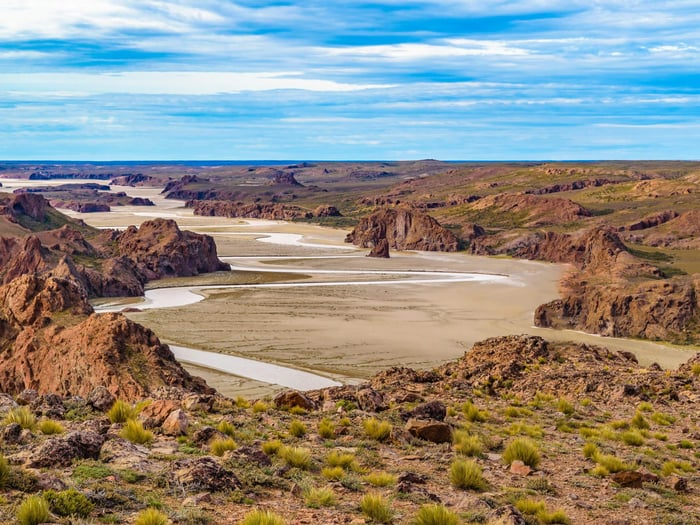
Although this passage through the Galápagos Islands would eventually become world-renowned, one-half of their total exploration is less celebrated: that of Chilean and Argentine Patagonia, where the Beagle’s crew spent nearly three years documenting places such as Bahia Blanca, Punta Alta, and Ushuaia in Argentina, as well as Punta Arenas in Chile.
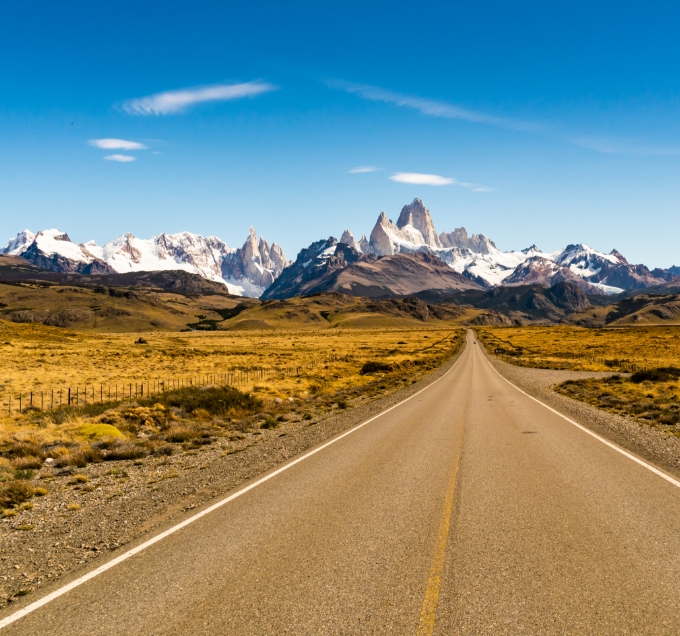
Commanded by Captain Robert FitzRoy, the man whose name now adorns El Chaltén’s legendry FitzRoy Mountain, this daring escapade around the southernmost point of South America was described by Darwin as “by far the most important event in my life and has determined my whole career.”
Fossil Thrills
In Patagonia, Darwin found both living things to marvel over as well as staggering remnants of the ancient past.
He studied all aspects of natural history on the long voyage, but by far the largest portion of his time was devoted to observing and recording rocks and fossils. Darwin collected many large mammal fossils in the region, several of them recorded for the first time, such as the giant three-metre-tall sloth named Mylodon darwinii found in a cave in southern Chile, now known as Mylodon Cave (a specimen skull of which is housed in London’s Natural History Museum).
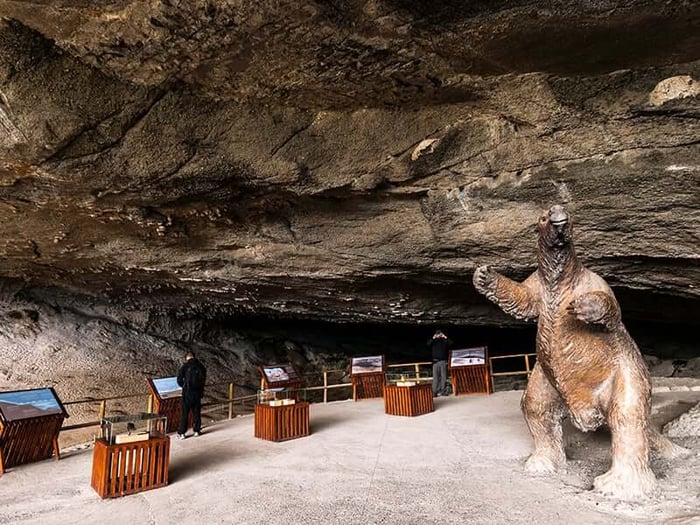
Darwin declared that the fossil finds played a key role in triggering his early thinking about evolution, later writing in the famous opening line of On the Origin of Species: “When on board H.M.S. Beagle as a naturalist, I was much struck with certain facts in the distribution of the organic beings inhabiting South America, and in the geological relations of the present to the past inhabitants of that continent.”
Darwin’s groundbreaking work laid the foundation for analysing what was soon to be unearthed from the ground itself—the bones of great reptiles unknown to science, which his Victorian peer Richard Owen conjured a new term for: dinosaurs.
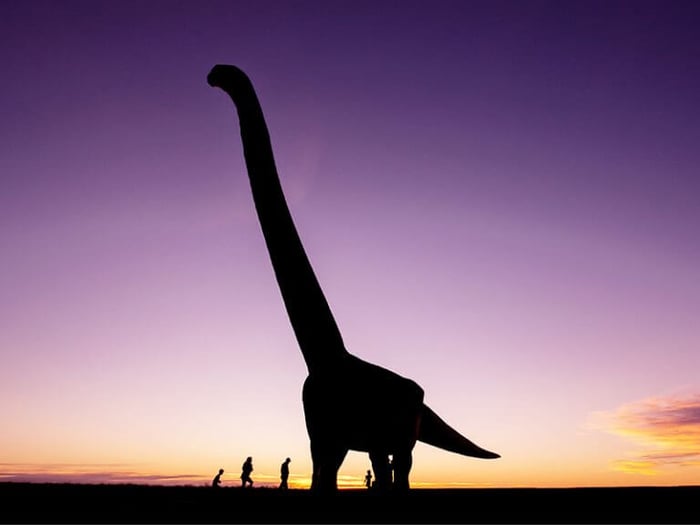
The Patagotitan Mayorum is one such beast, standing as one of the largest dinosaurs ever discovered. It’s fitting that a life-size replica of such an incredible creature is now housed at the Egidio Feruglio Museum in Trelew, Welsh Patagonia. The museum is known for its extensive collection of fossils from Patagonia, including many dinosaurs that once roamed the region millions of years ago.
The Darwin Dynasty
There are numerous permanent homages to Darwin found across the world, and Patagonia is certainly no exception. We delved into the impact of his legacy on everything from the names of colourful insects to the mapping of indomitable mountain ranges.
Darwin Sound
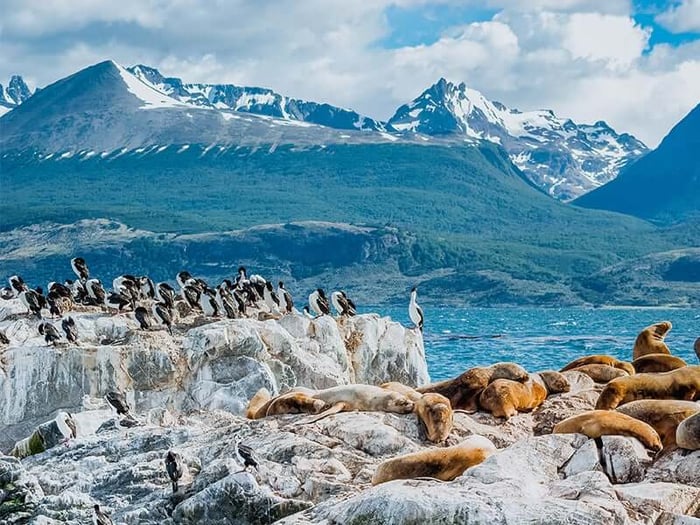
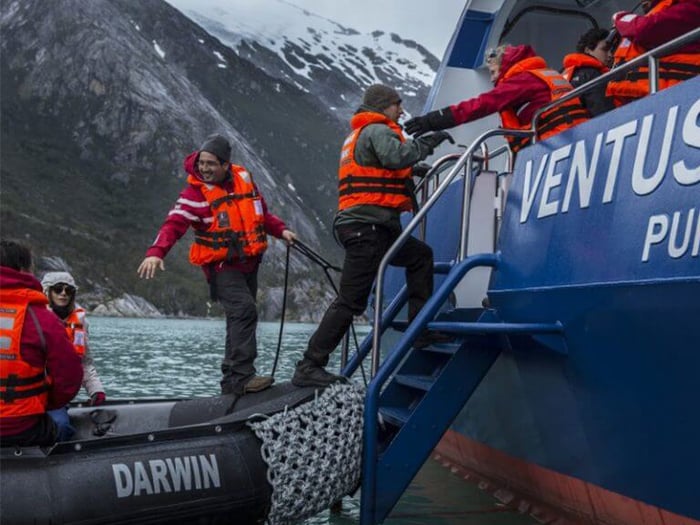
The Darwin Sound is an expanse of seawater that forms a westward continuation of the Beagle Channel, Tierra del Fuego, Chile. It was given the name during the voyage of the Beagle by Capt. FitzRoy after Darwin’s prompt action with others, saving them from being marooned.
Cordillera Darwin
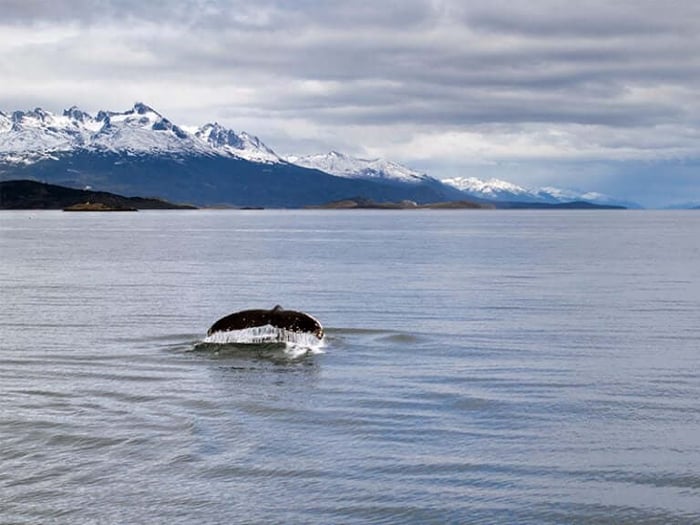
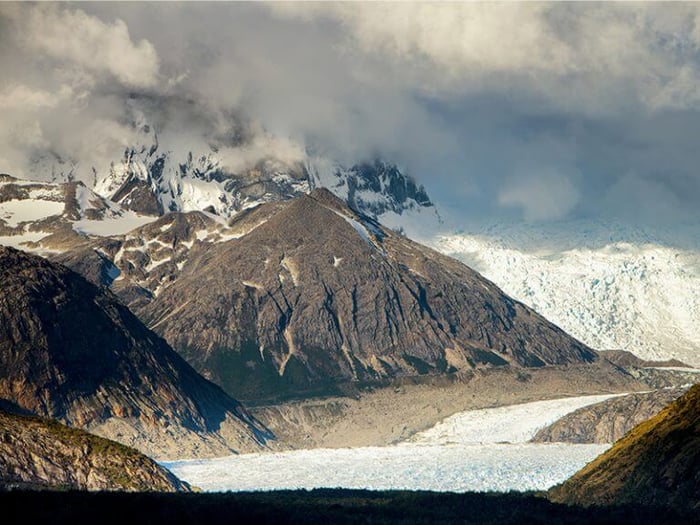
The Cordillera Darwin is an Andean mountain range that includes Mount Darwin, named after the naturalist as a gift for his 25th birthday by FitzRoy, located in the Chilean part of Tierra del Fuego. ‘Monte Darwin’ is famous for being the highest peak in the region, towering in this wild and vast land at 8,163 ft.
Big Beetles Fan
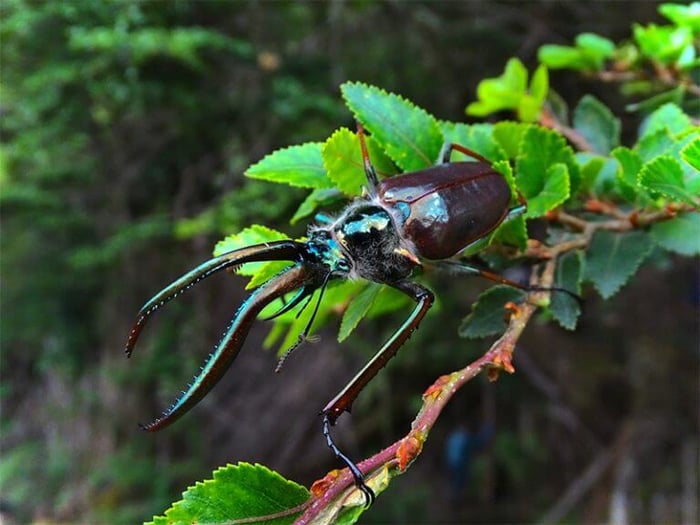
Darwin’s beetles are found primarily in the temperate forests of southern Chile and parts of Argentina. They are known for their striking appearance, with males typically larger and having more exaggerated mandibles in order to fight rivals and win over females. Darwin was such a fan of these little critters that an entire sub-chapter is dedicated to beetles in Darwin’s legendary publication, “The Descent of Man”.
Darwin’s Frog
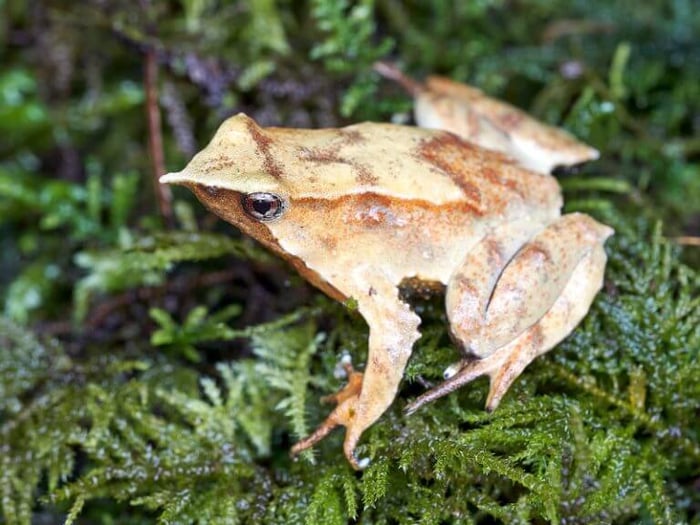
Darwin’s frog, also known as Rhinoderma darwinii, is a fascinating and unique amphibian species native to the temperate forests of Chile and Argentina. One of the most distinctive features of Darwin’s frog is its remarkable reproductive behaviour. The male frog guards the eggs laid by the female, which are typically attached to the underside of leaves near water. Once the eggs hatch, the male swallows the tadpoles, which develop inside a special pouch in its vocal sac. After about six weeks, the fully developed froglets emerge from the male’s mouth!
Darwin’s Rhea
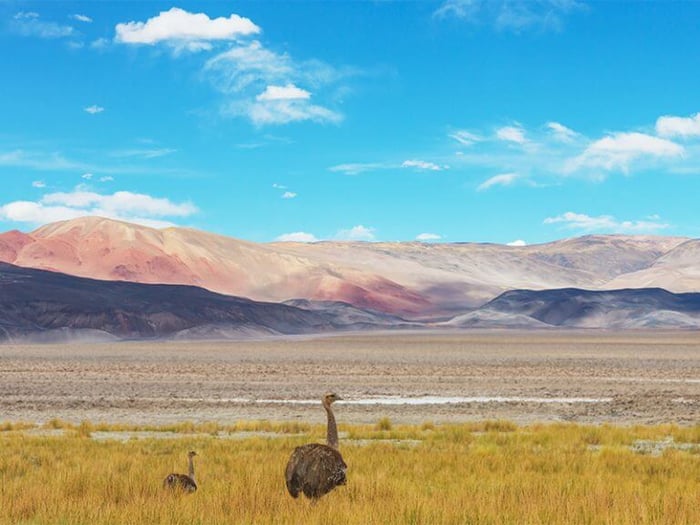
Darwin’s rhea is a flightless bird similar to an ostrich, found primarily in Argentina and Chile. At Bahía Blanca, Argentina, Darwin rode inland into Patagonia with gauchos and watched them use bolas to bring down these great birds.
The Beagle’s Bitter End
In 1845, the Beagle was stripped of its masts and moored in the Essex marshes for use by the Coast Guard Service as a watch station against smugglers. It was renamed Watch Vessel 7 in 1863 and sold for scrap in 1870. Amazingly, some of its timbers may still lie in the Thames estuary today.
Ready to book your trip to discover Darwin's Patagonia for yourself? Get in touch with one of our travel specialists today.