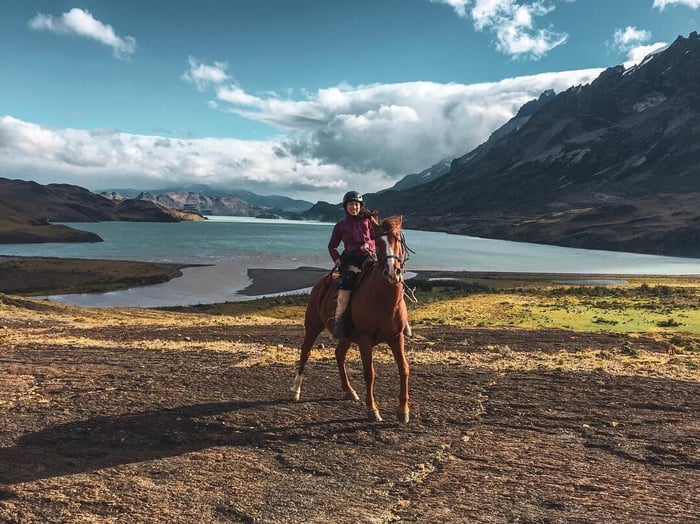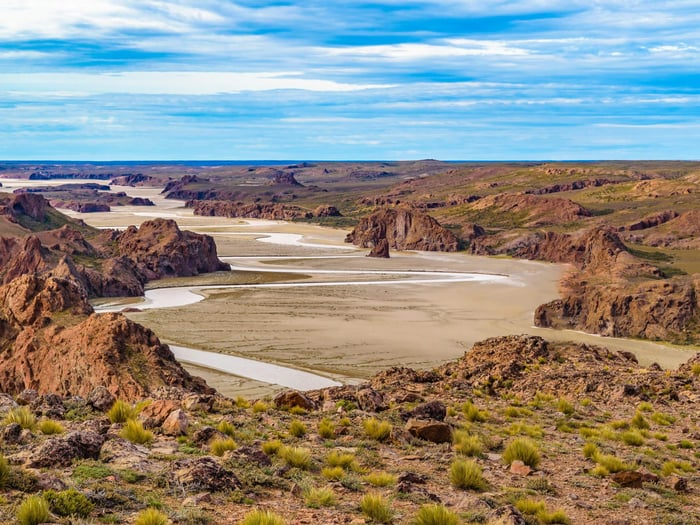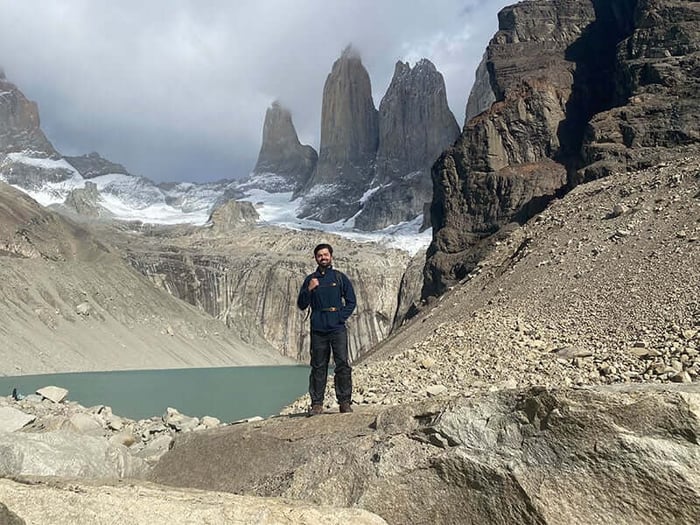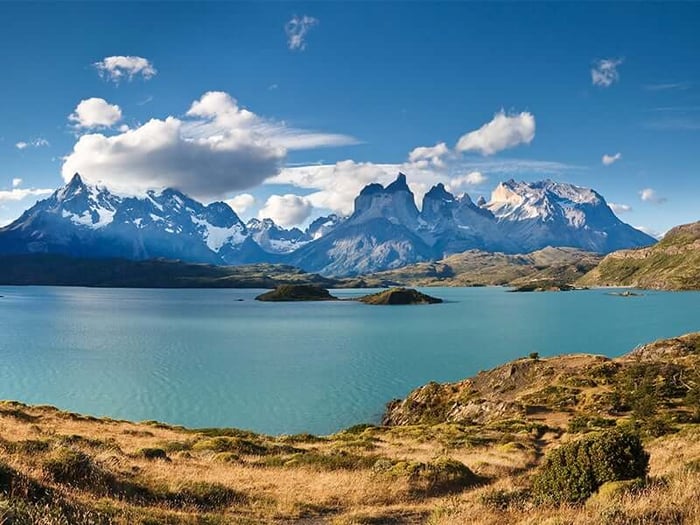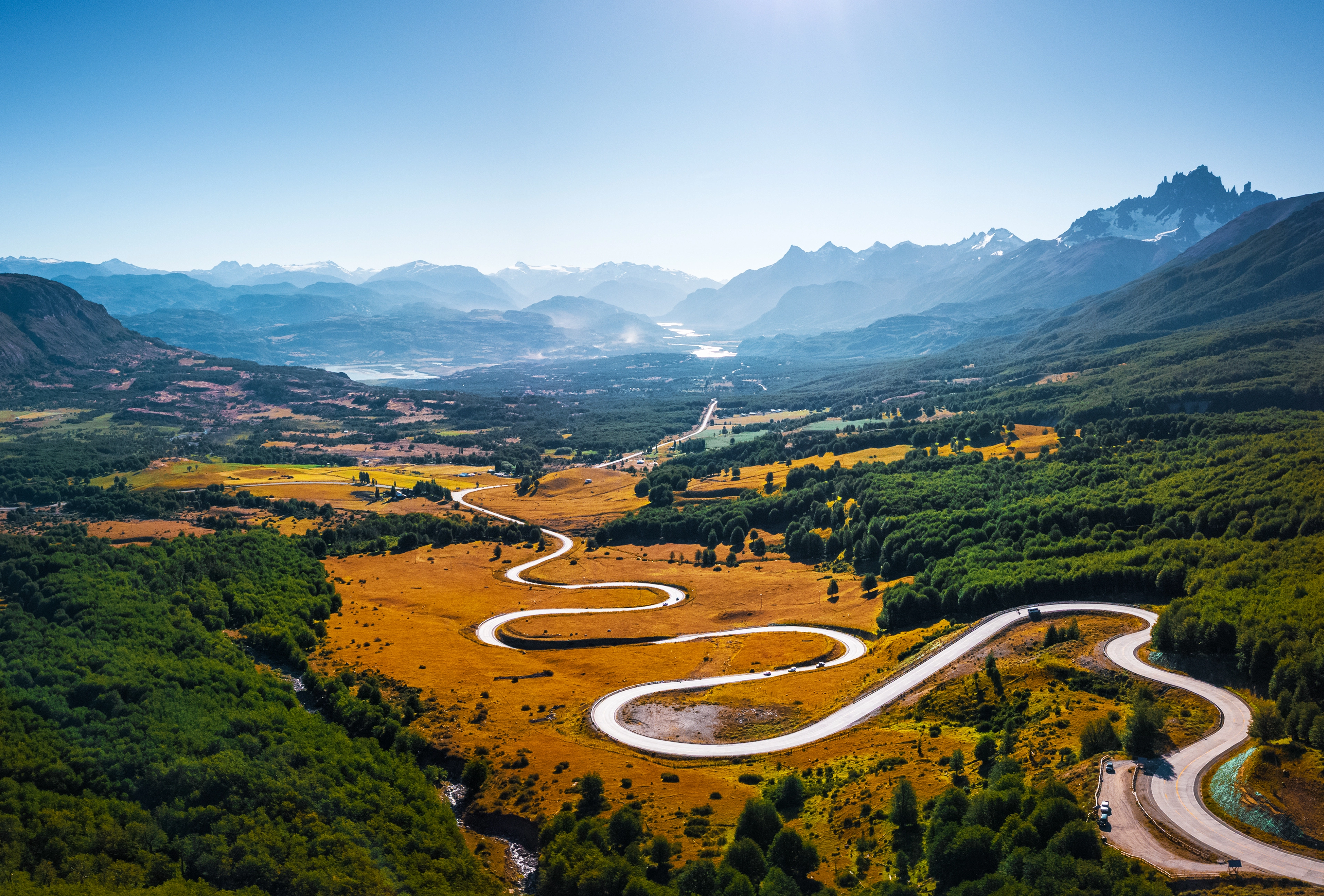
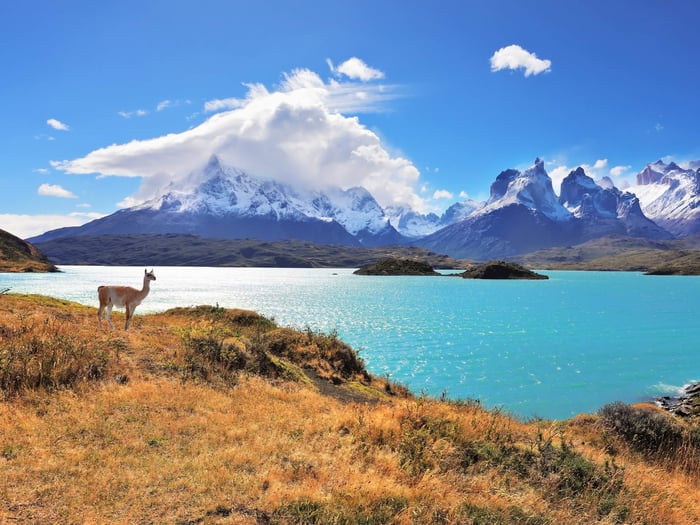

Argentina Patagonia is a land of immense scale and quiet drama. Vast steppe meets jagged peaks, turquoise lakes sit beneath snow-capped summits, and ancient glaciers carve their way through the southern Andes. For travellers seeking raw landscapes, refined lodges and meaningful adventure, Patagonia delivers a journey unlike anywhere else in Latin America.
This Argentina Patagonia travel guide covers when to visit, what to see and how to plan a seamless itinerary.
Where is Argentina Patagonia?
Patagonia stretches across the southern tip of Argentina and Chile, but Argentina Patagonia occupies the eastern side of the Andes, extending from the Lake District in the north down to Tierra del Fuego in the far south.
The region is vast. Distances are significant, scenery shifts dramatically and careful planning is essential. Most Argentina Patagonia holidays focus on a combination of El Calafate, El Chaltén, Ushuaia and the Lake District around Bariloche.
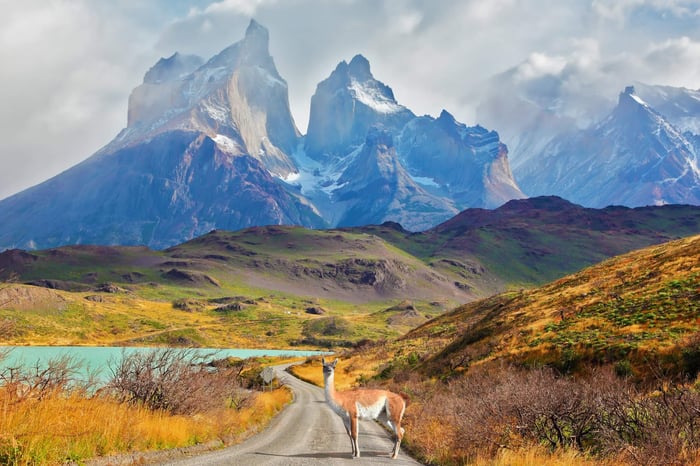
El Calafate And The Perito Moreno Glacier
El Calafate is the gateway to Los Glaciares National Park and the extraordinary Perito Moreno Glacier. Unlike many glaciers worldwide, Perito Moreno is still advancing, and its towering ice wall regularly calves into Lake Argentino with a thunderous crack.
Walkways provide panoramic views across the glacier’s face, while boat trips bring you closer to the ice. For a more immersive experience, guided glacier trekking allows you to walk across the surface itself, exploring crevasses and brilliant blue ice formations.
El Calafate is often the starting point for Patagonia itineraries and pairs easily with El Chaltén.
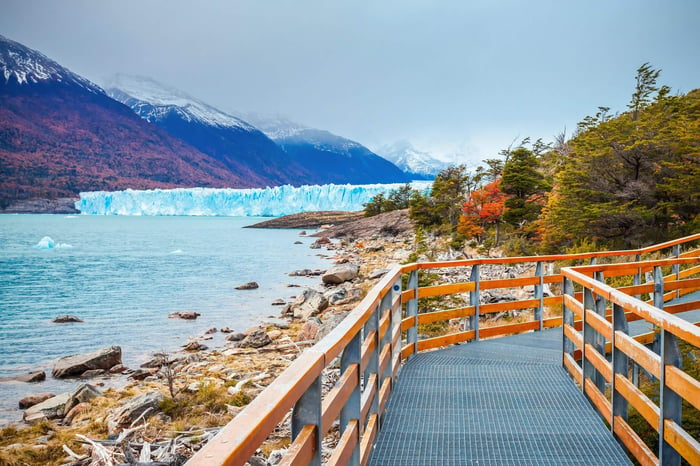
El Chaltén And Mount Fitz Roy
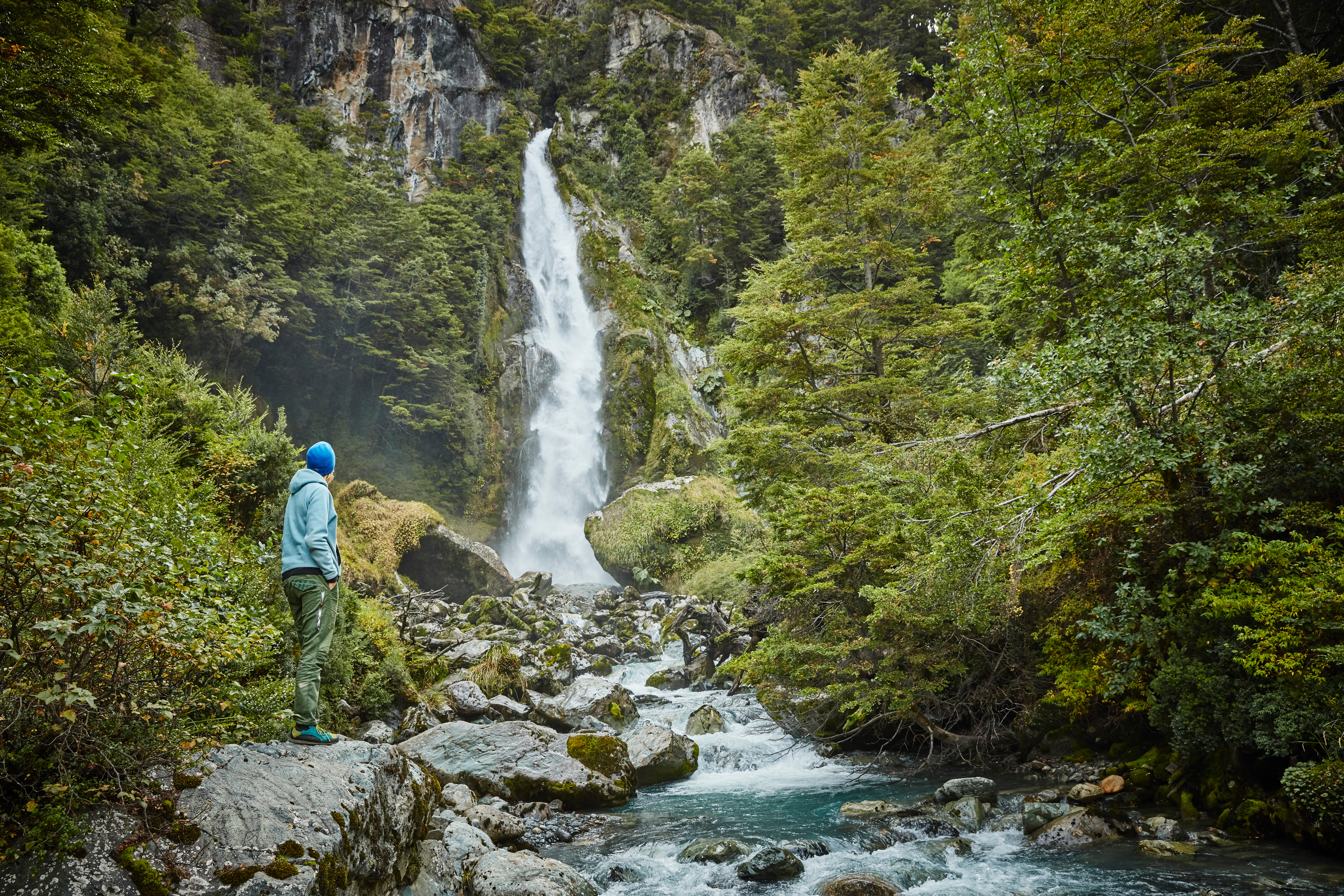
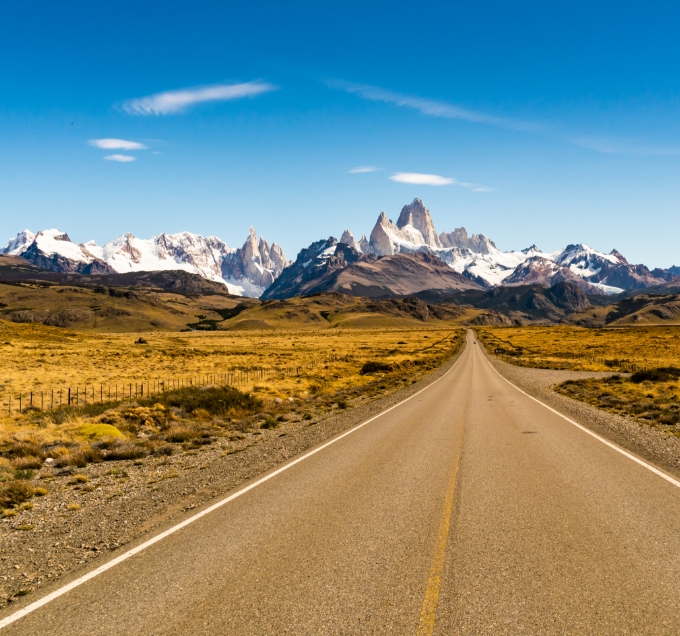
Three hours north of El Calafate lies El Chaltén, Argentina’s trekking capital. Here, Mount Fitz Roy rises sharply above glacial lakes and windswept valleys.
Walking trails range from gentle scenic routes to full day hikes. Laguna de los Tres is the most famous, offering close views of Fitz Roy’s granite spires reflected in turquoise water.
Even if you are not an experienced hiker, shorter walks still provide exceptional scenery. Private guides can tailor routes to suit your pace and interests.
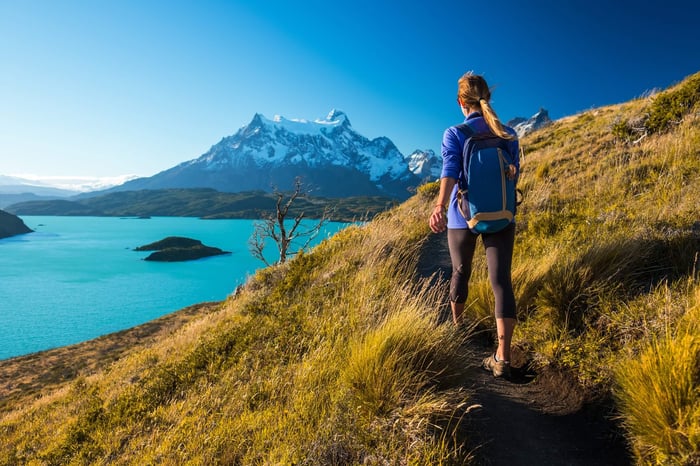
Ushuaia And Tierra Del Fuego
Often described as the southernmost city in the world, Ushuaia sits between snow dusted peaks and the Beagle Channel. This is Argentina Patagonia at its wildest.
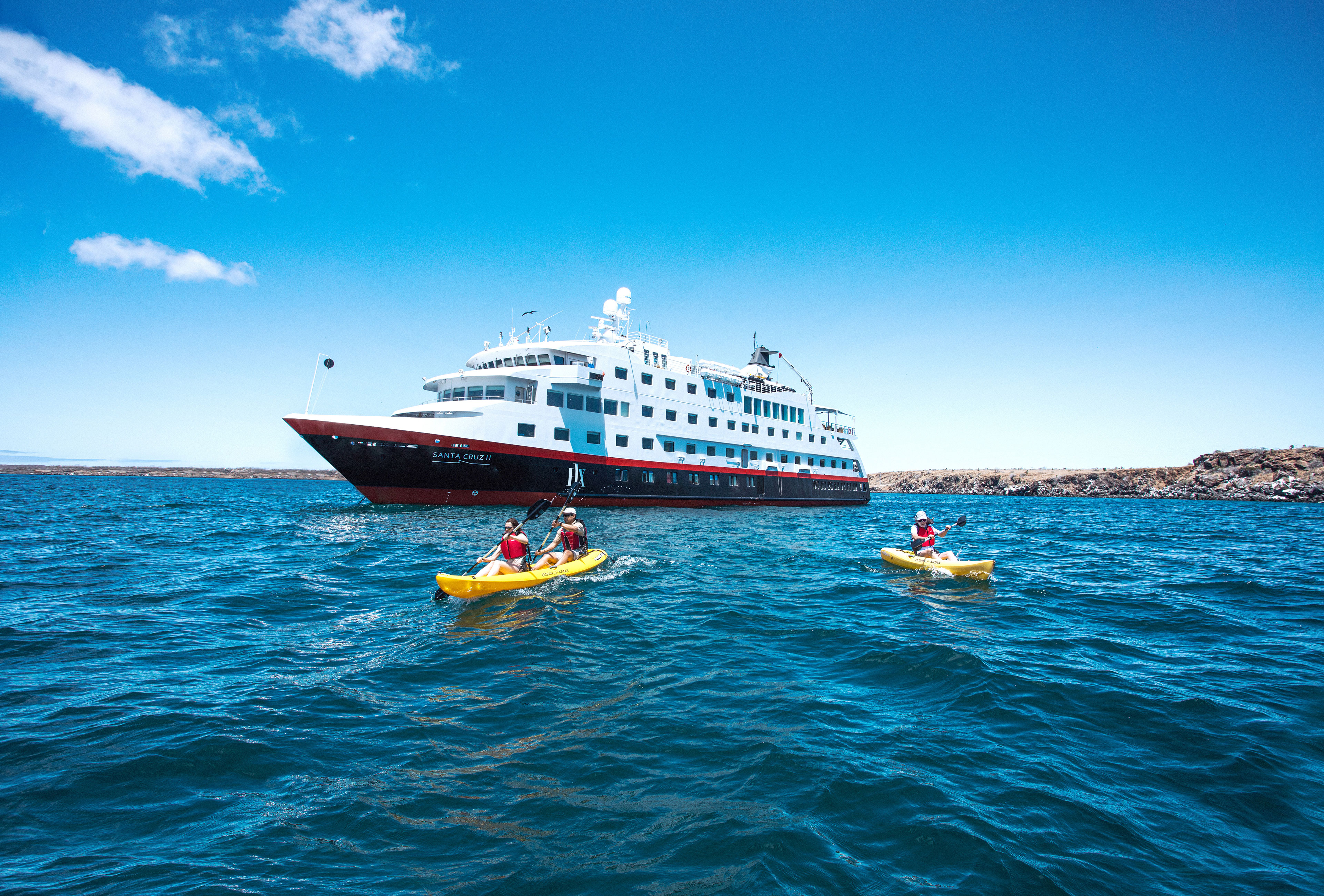
Boat excursions along the Beagle Channel reveal sea lions, cormorants and dramatic coastal scenery. Tierra del Fuego National Park offers forest trails and sweeping coastal views. Ushuaia is also the departure point for Antarctic cruises, making it an intriguing addition for those considering further exploration.
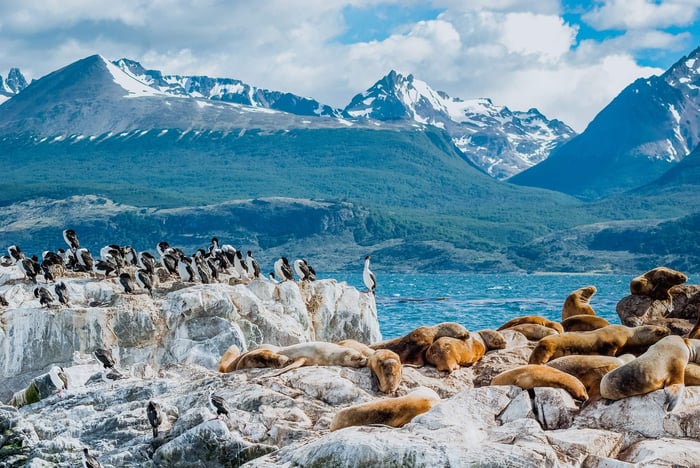
The Lake District And Bariloche
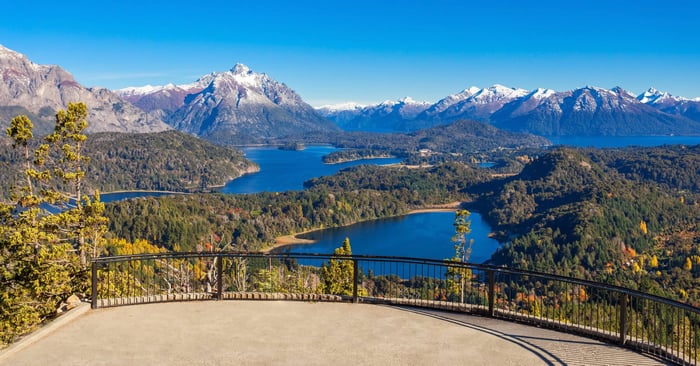
Northern Patagonia feels different again. Around Bariloche, alpine style villages overlook clear lakes framed by forest and mountains.
This is a region ideal for relaxed exploration. Scenic drives, kayaking, hiking and lake crossings offer variety without the more rugged terrain found further south. It is also an excellent area for families or travellers seeking softer adventure.
When Is The Best Time To Visit Argentina Patagonia?
The main travel season runs from October to April, when conditions are milder and access to trails and excursions is at its best.
November to March brings longer daylight hours and relatively stable weather.
December to February is peak season with warmer temperatures.
October and April offer fewer visitors and excellent photography light.
Patagonia weather can be unpredictable at any time of year. Strong winds are common, and conditions can shift quickly, so flexible planning is key.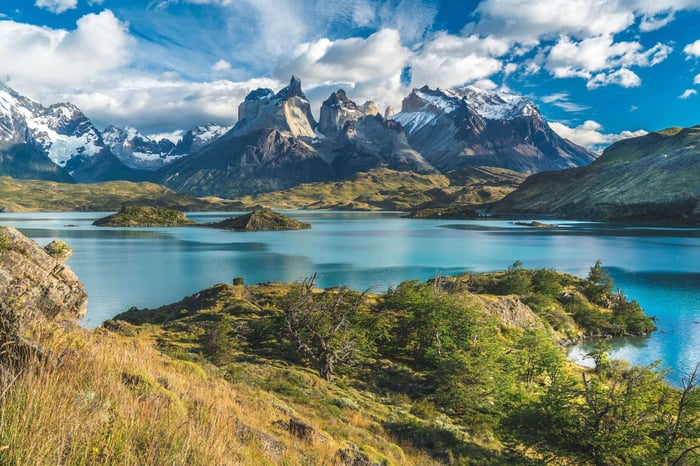
Wildlife In Patagonia
While Patagonia is best known for landscapes, wildlife is also a highlight. Along the coast, you may encounter penguins, sea lions and southern right whales, depending on the season. Inland, guanacos roam the steppe and Andean condors circle overhead.
Specialist wildlife extensions can be added for those interested in marine life or birdwatching.
How To Plan An Argentina Patagonia Holiday
Given the region’s scale, internal flights are often required to maximise time. Private transfers ensure smooth connections between airports, hotels and excursion points.
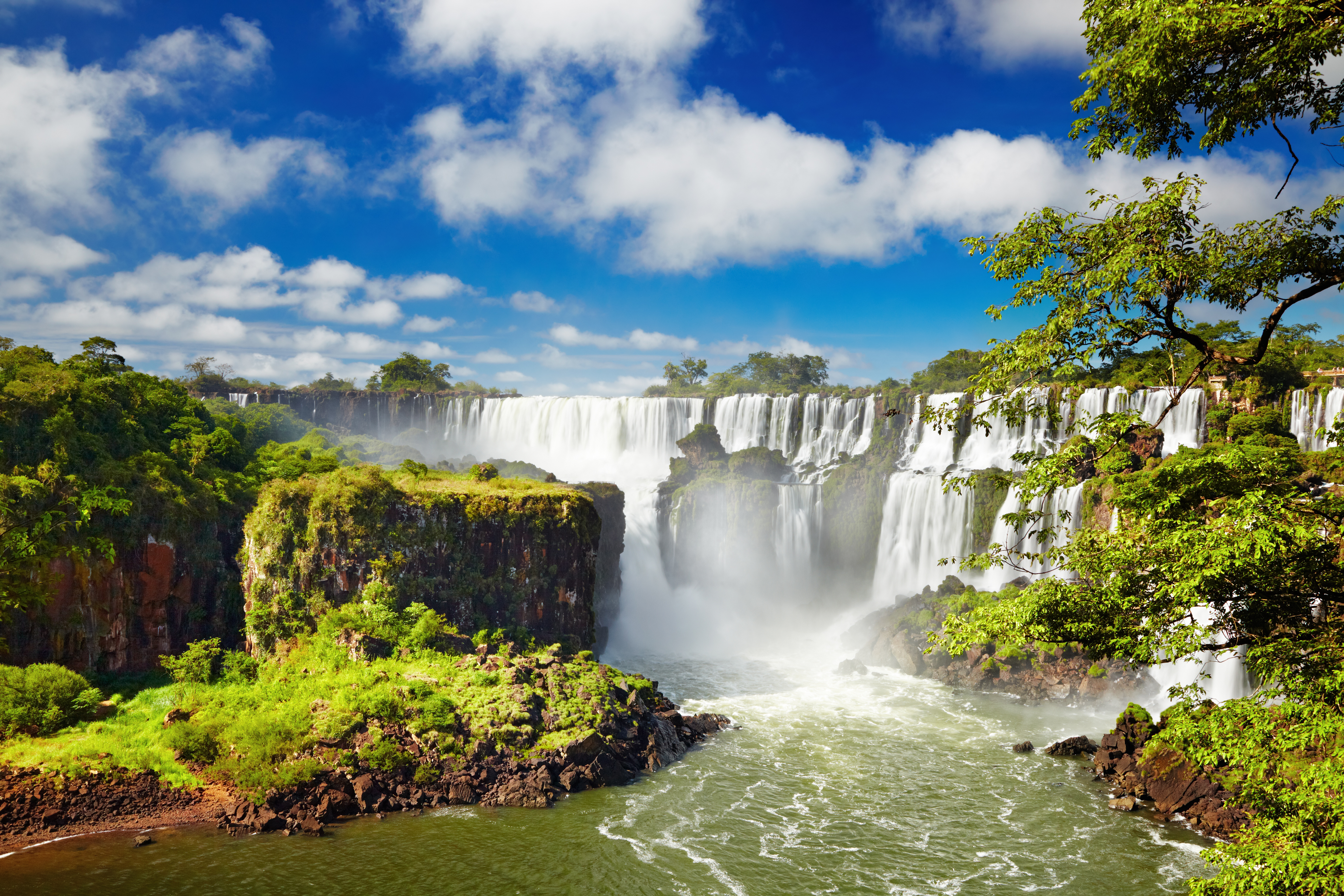
Most travellers combine Patagonia with Buenos Aires for cultural contrast, and some add Iguazu Falls or an estancia stay on the Pampas to create a well rounded Argentina holiday.
Luxury lodges in Patagonia are often set in remote locations, offering panoramic views, fine dining and guided excursions included in your stay. Choosing the right base is central to shaping your experience.
Is Argentina Patagonia Right For You?
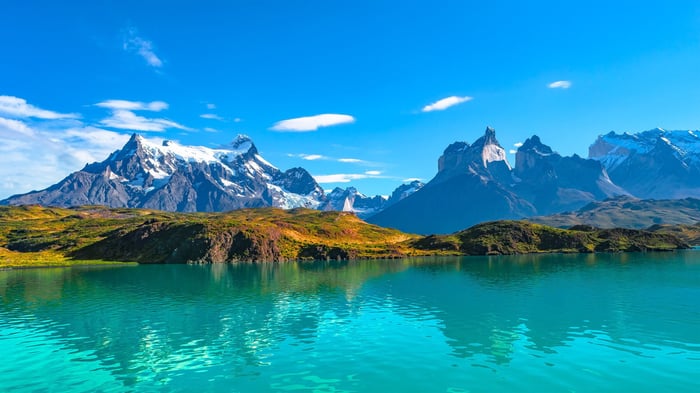
Argentina Patagonia suits travellers who appreciate open space, natural beauty and active exploration. It can be tailored for keen walkers, photographers, wildlife enthusiasts or those simply wishing to absorb the scenery from a beautifully positioned lodge.
The key is thoughtful pacing. Distances are long and landscapes deserve time.
At Latin Routes, we design tailor made holidays to Argentina Patagonia that balance adventure with comfort, ensuring every transfer, lodge and guided experience works seamlessly together.
If Patagonia is calling, speak to our specialists and let us craft a journey that captures the true spirit of southern Argentina.
FAQs
When is the best time to visit Argentine Patagonia?
The best time to visit Argentine Patagonia is between October and April, when conditions are milder and walking trails are fully accessible. December to February offers longer daylight hours and warmer temperatures, while October and April are excellent shoulder months with fewer visitors and softer light for photography.
How many days do you need in Argentins Patagonia?
We recommend at least 5 to 7 days to explore Argentine Patagonia at a comfortable pace. This allows time for El Calafate and the Perito Moreno Glacier, plus El Chaltén or Ushuaia. Many travellers combine Patagonia with Buenos Aires and Iguazu Falls for a well-balanced Argentina holiday.
Is Argentine Patagonia suitable for non-hikers?
Yes. While Patagonia is known for trekking, you do not need to be an experienced hiker to enjoy it. There are scenic viewpoints, gentle walking trails and boat excursions that offer exceptional landscapes without strenuous activity. Luxury lodges also provide guided excursions tailored to your pace.
What should I pack for Patagonia?
Weather in Patagonia can change quickly, so layered clothing is essential. A waterproof jacket, warm fleece, comfortable walking shoes and sun protection are all recommended. Even in summer, evenings can be cool, particularly in southern Patagonia.
Can Patagonia be combined with other parts of Argentina?
Absolutely. Patagonia pairs beautifully with Buenos Aires for culture, an estancia stay on the Pampas for gaucho heritage, or Iguazu Falls for dramatic natural contrast. We design tailor made Argentina holidays that connect these regions seamlessly with private transfers and carefully planned internal flights.