
Lets explore the longest mountain range on earth
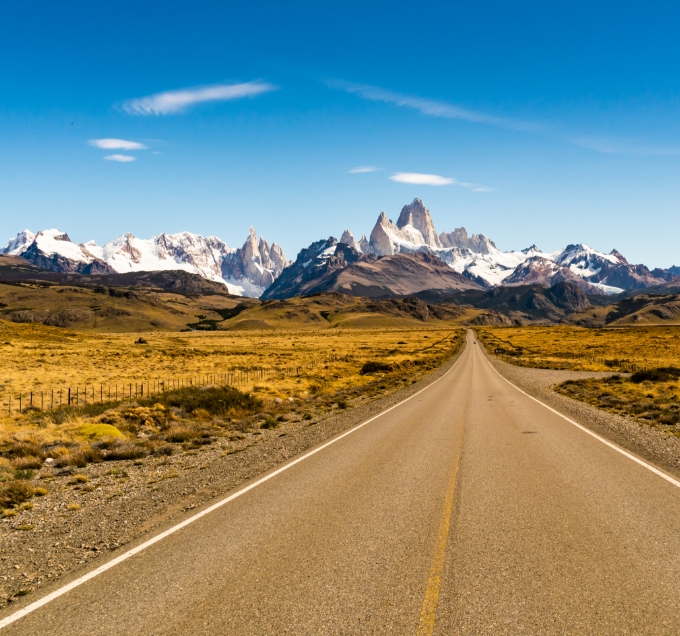
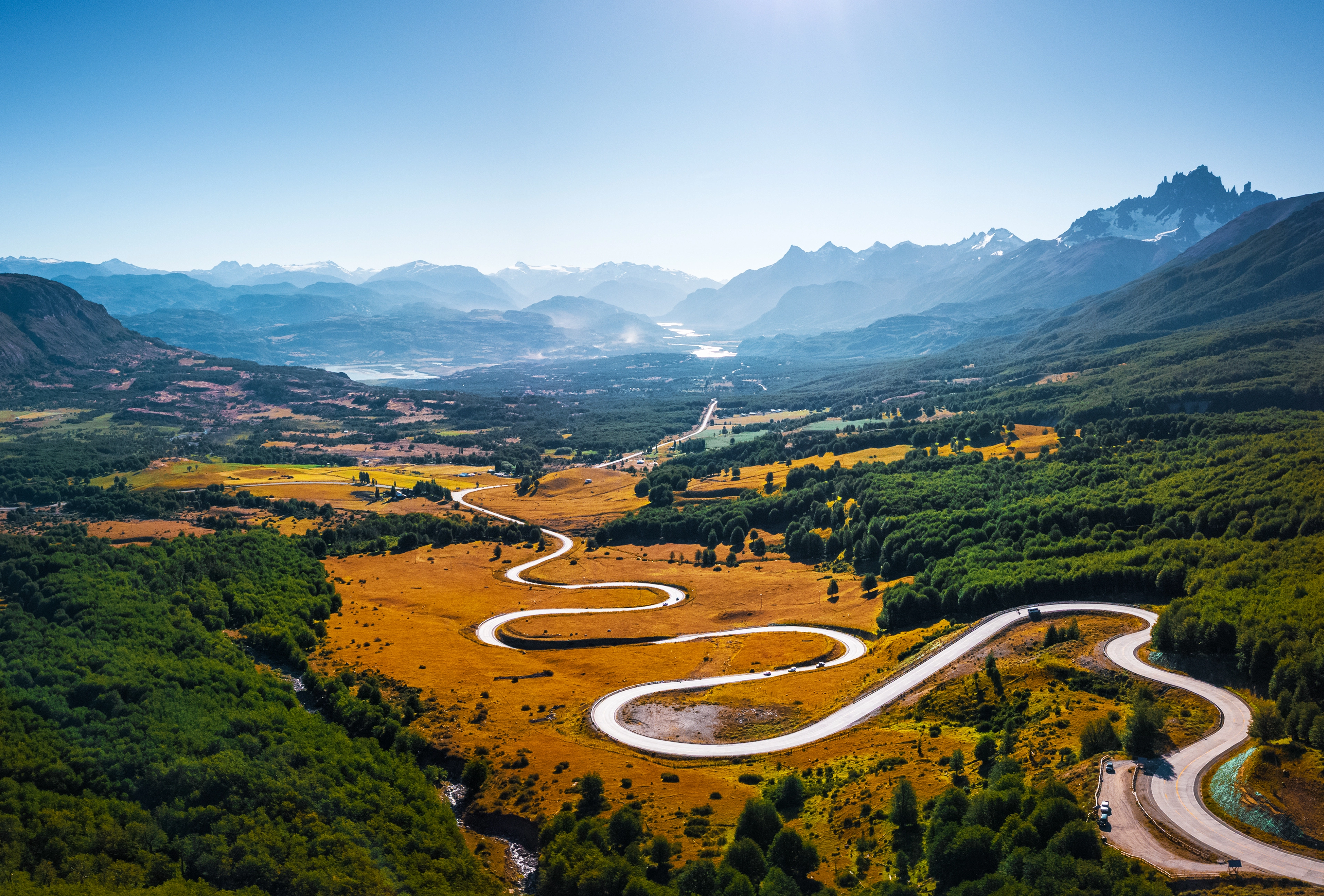
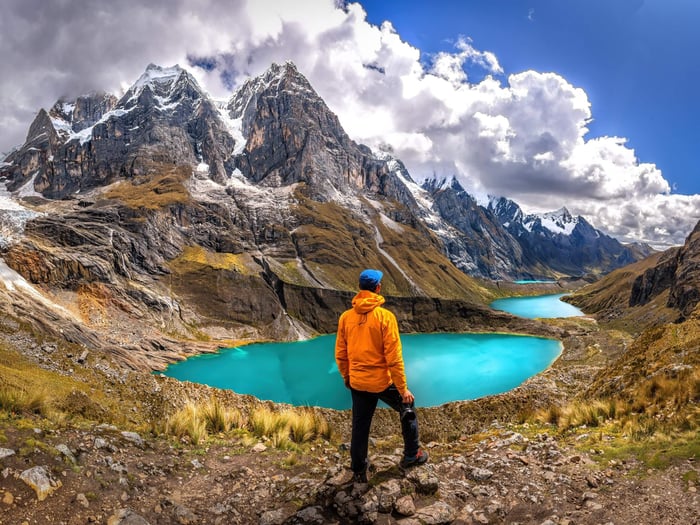
At 4,500 miles long spanning the west coast of South America and bisecting seven countries – Venezuela, Columbia, Ecuador, Peru, Bolivia, Chile, and Argentina – the Andes is the longest chain of mountains in the world, The Andes Mountain Range, and includes many of the highest peaks in the Western and Southern Hemispheres.
Formations
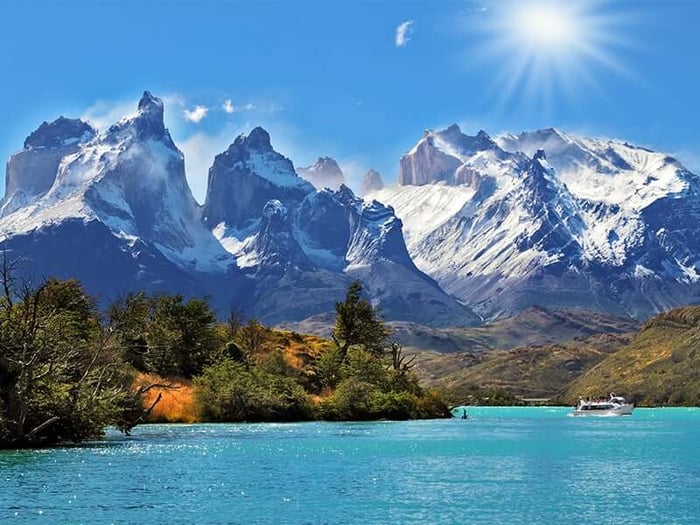
Formed around 45-50 million years ago, the process that created them had already begun 140 million years ago when the largest dinosaurs that ever lived were roaming these lands. This process has continued to this date and causes earthquakes and volcanic activity in the region, and as a result of the subduction of the Nazca and Antarctic Plates beneath the South America Plate, many active volcanoes are located in the Andes Mountain Range.
The highest volcano in the world, the Ojos del Salado, is located in the Andes on the Chile-Argentina border. Mount Aconcagua in Argentina is the highest peak at 22,481ft, with more than fifty peaks in the Andes coming at over 20,000ft.
Climate
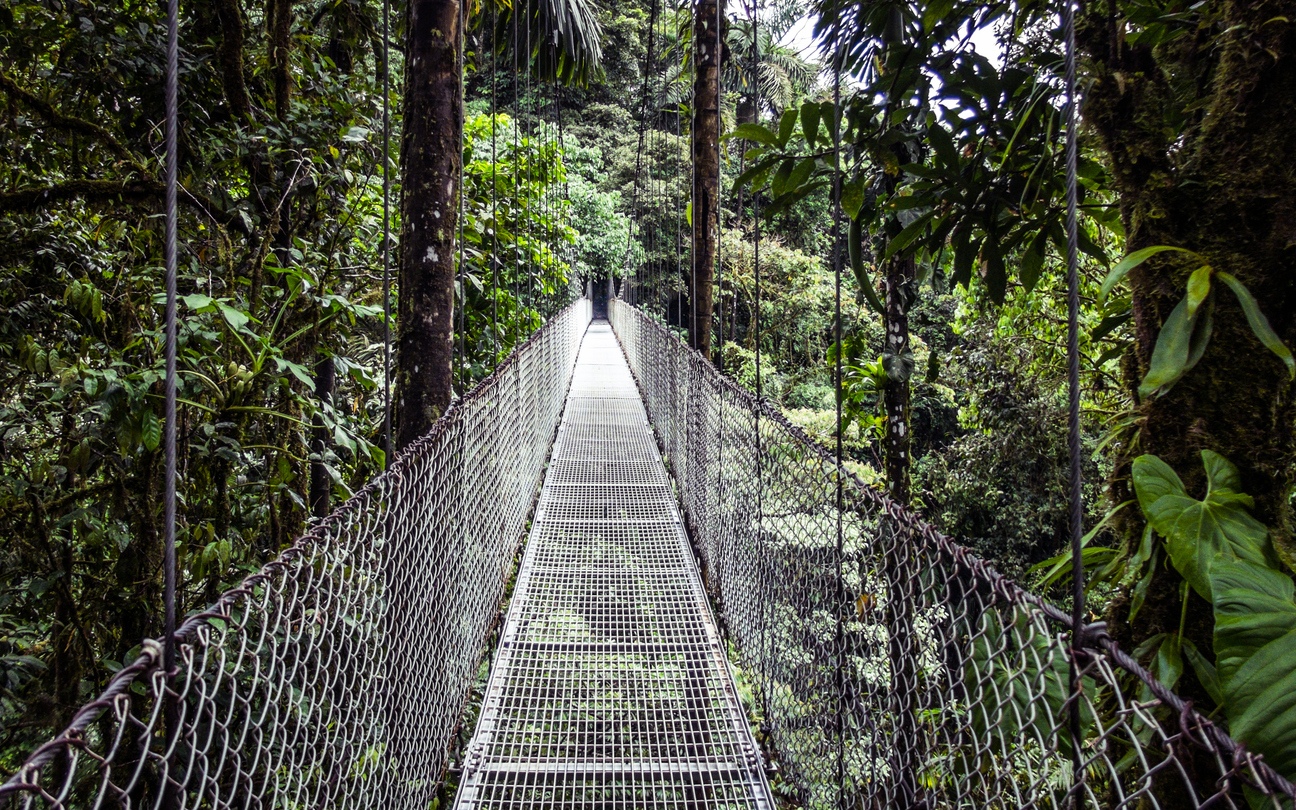
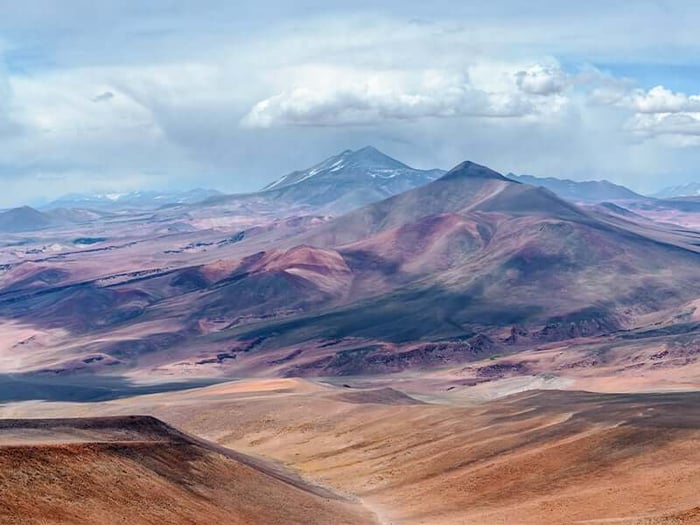
The Andes are divided into three regions: north, central, and south. Each region offers many variations in climate and habitat: the northern Andes of Venezuela and Colombia contains tropical and cloud forests. The central Andes of Ecuador, Peru, and Bolivia experience more seasonal variation than the northern Andes, and habitats in this region fluctuate between a dry season and a wet season. The southern Andes of Chile and Argentina is divided into two distinct zones – the Dry Andes and the Wet Andes.
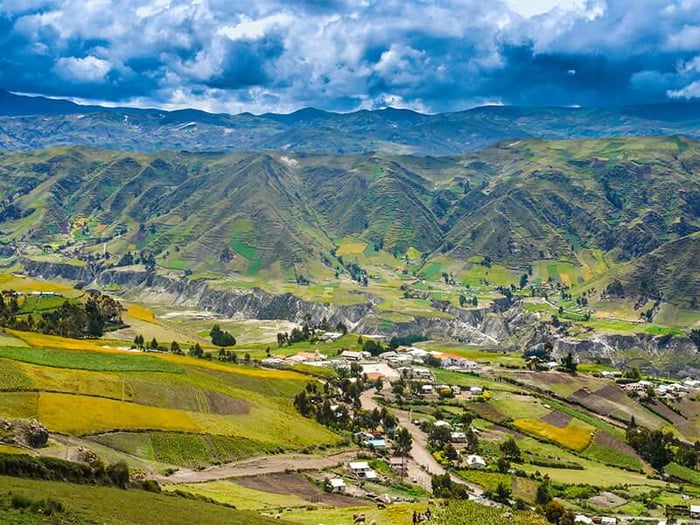
Inhabitants
The population in the Andes is estimated at 84,500,000 with Bogota, Quito, La Paz and Cuzco some of the most famous cities based in the mountainous region itself.
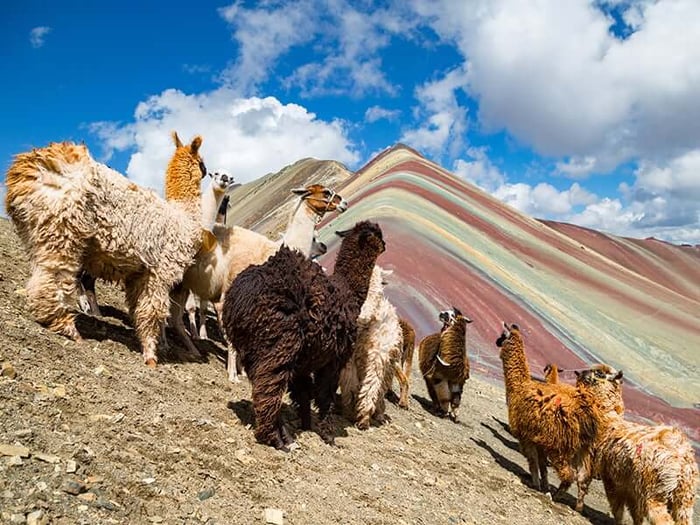
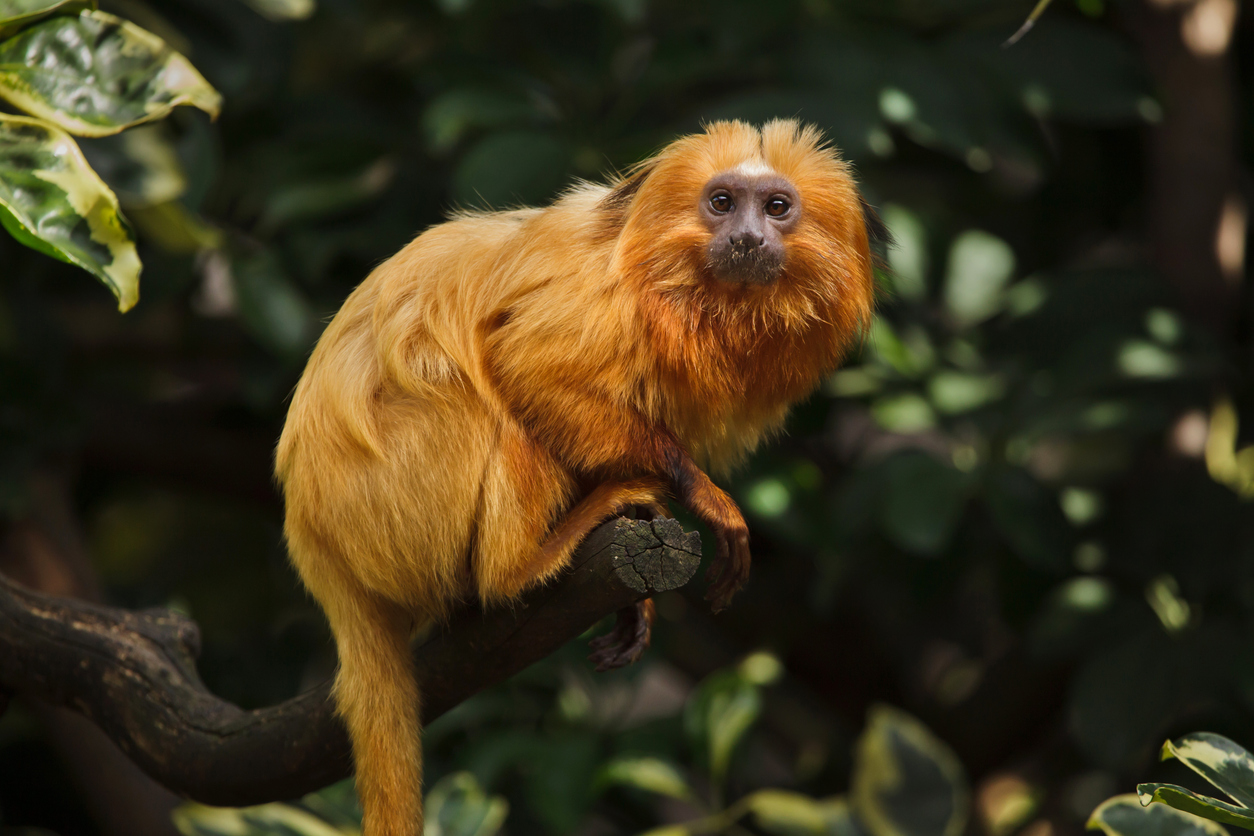
Vicunas, Guanacos, Llamas, Alpacas, and Andean condors roam the valleys and skies of this territory, and many more besides. There are about 3,700 species of animals that live here, including 600 species of mammals, 1,700 species of birds, 600 species of reptiles, and 400 species of fishes, and more than 200 species of amphibians – the Andes is considered to be the most important region in the world for them.