
Inspiration
Tortuguero Costa Rica travel guide: discover winding jungle waterways, extraordinary wildlife and one of the world's most important sea turtle nesting destinations on Costa Rica's remote Caribbean coast.
Accessible only by boat or small aircraft, Tortuguero feels a world away from the country's bustling towns and popular beach resorts. This protected wilderness of canals, lagoons and rainforest offers a rare opportunity to experience Costa Rica at its wildest. Whether you're gliding through mirror-like waterways at sunrise, spotting monkeys in the treetops or witnessing a sea turtle nesting under the stars, Tortuguero delivers unforgettable wildlife encounters at every turn.
Where is Tortuguero?
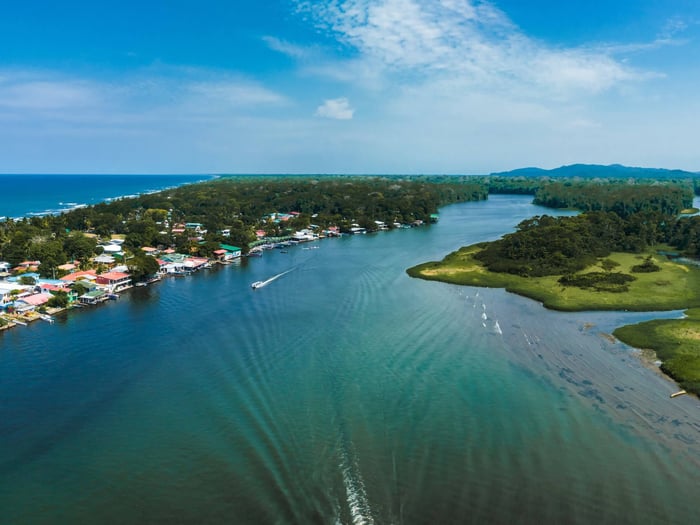
Located on Costa Rica's northern Caribbean coast, Tortuguero sits within a vast protected area of rainforest, wetlands and waterways. There are no roads leading directly into the village, helping preserve the region's untouched feel and rich biodiversity.
Most visitors travel from San José by road before boarding a boat for the final leg of the journey. Arriving by water is all part of the experience, offering your first glimpse of the rainforest scenery that defines this remarkable corner of Costa Rica.
Why visit Tortuguero?
Tortuguero Costa Rica offers a completely different experience to many other destinations in the country. Instead of beaches and volcanoes, visitors discover a world of winding waterways, dense rainforest and thriving wildlife.
The region is particularly famous for:
- Sea turtle nesting
- Wildlife viewing
- Jungle canal safaris
- Birdwatching
- Rainforest exploration
- Conservation projects
- Eco-lodges surrounded by nature
Its remote setting and protected ecosystems create an atmosphere that feels truly immersive, making it an ideal destination for nature lovers.
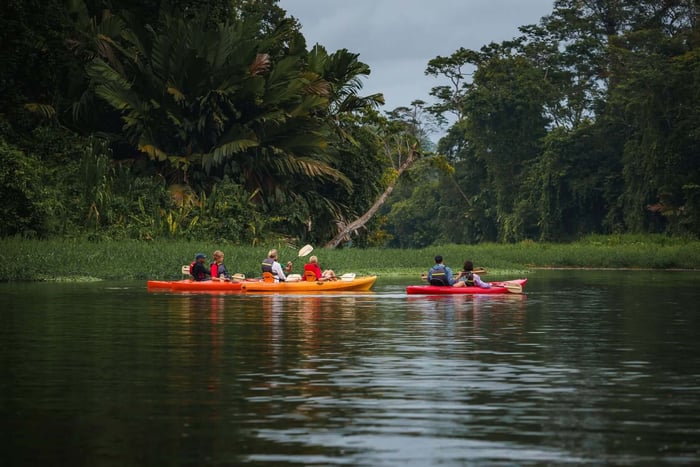
Discover Tortuguero National Park
Established in 1975, Tortuguero National Park protects more than 77,000 acres of rainforest, wetlands, rivers, lagoons and Caribbean coastline. The park forms part of one of the most biologically diverse regions in Costa Rica.
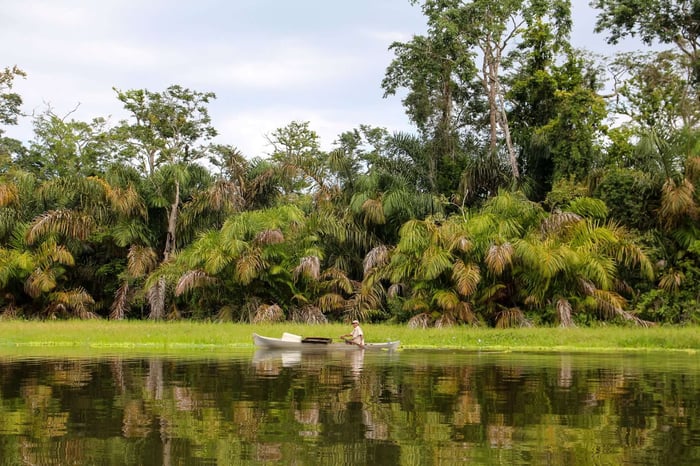
Unlike many national parks, the waterways are the main routes through the landscape. Boats navigate an intricate network of canals, allowing visitors to access remote areas while minimising environmental impact.
The combination of freshwater and coastal habitats supports an astonishing variety of wildlife, making every excursion an opportunity for new discoveries.
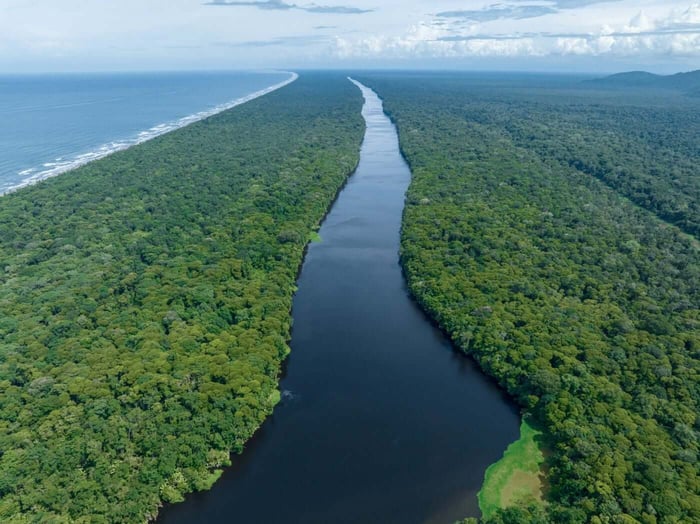
Wildlife in Tortuguero
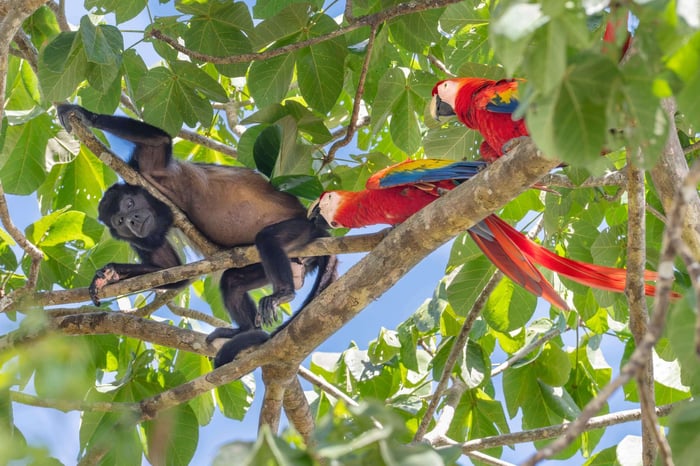
Wildlife is undoubtedly the star attraction of Tortuguero Costa Rica. The area's rich ecosystems provide habitats for countless species, many of which can be seen during guided excursions.
Keep an eye out for:
- Green sea turtles
- Leatherback turtles
- Hawksbill turtles
- West Indian manatees
- White-faced capuchin monkeys
- Howler monkeys
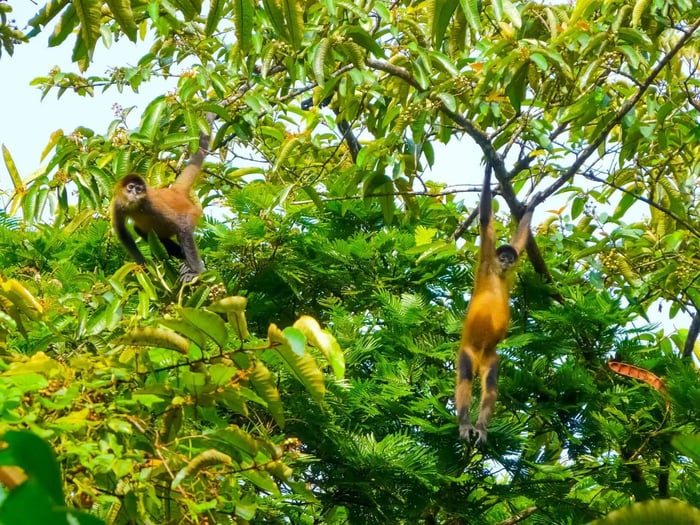
- Spider monkeys
- Sloths
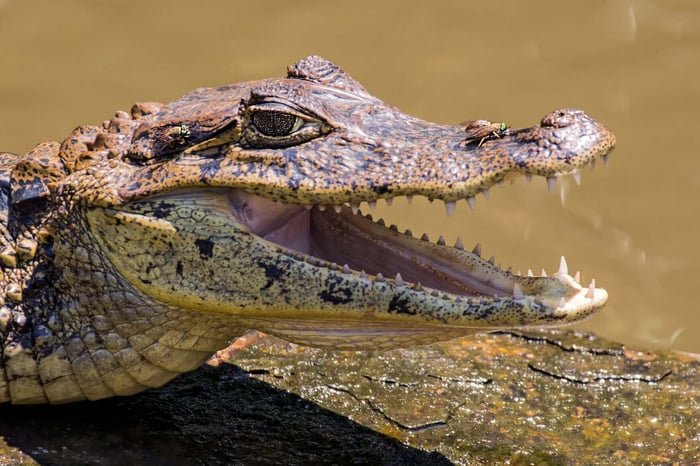
- Caiman
- Crocodiles
- River turtles
- Poison dart frogs
- Basilisk lizards
- Iguanas
- Otters
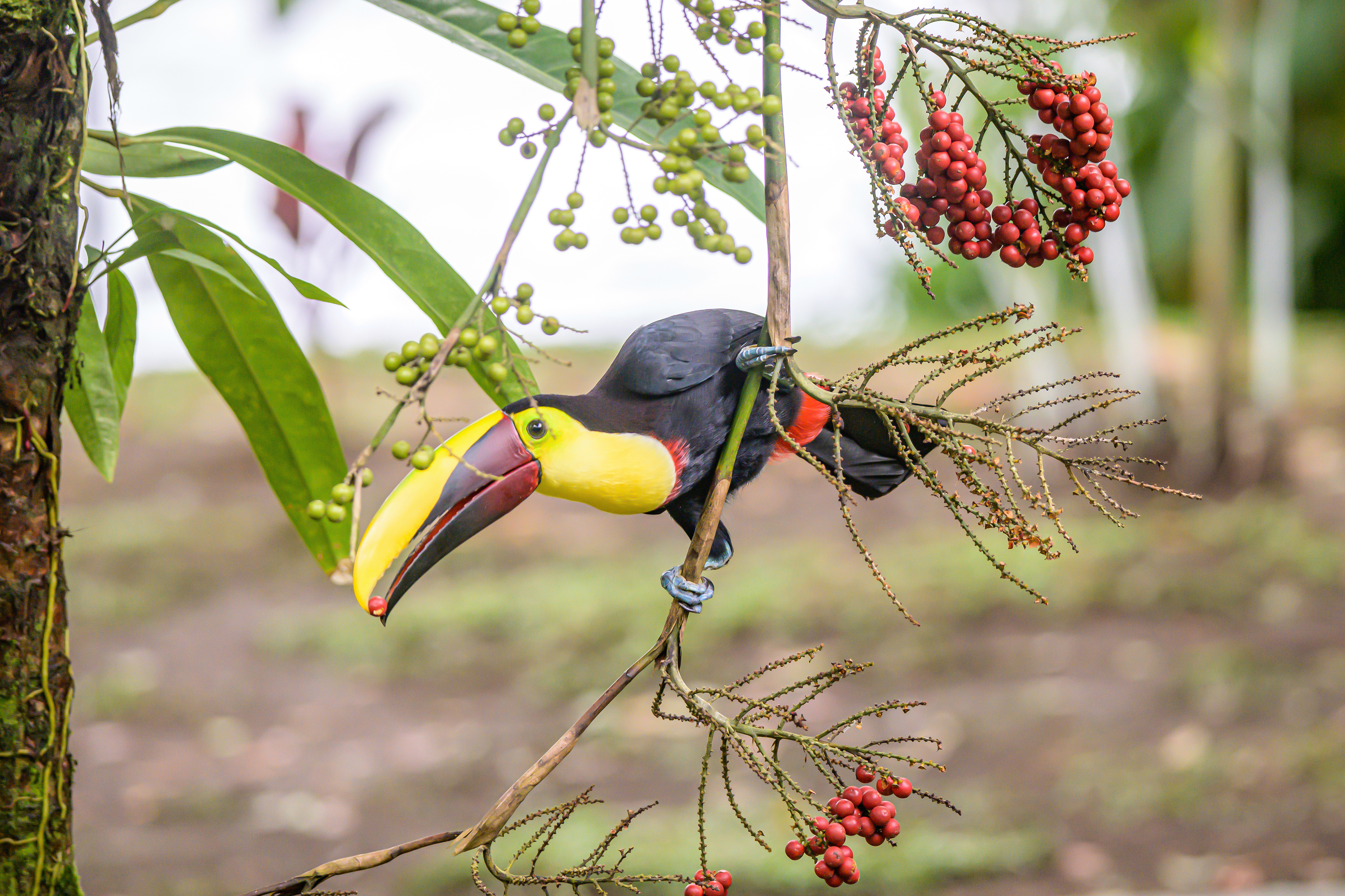
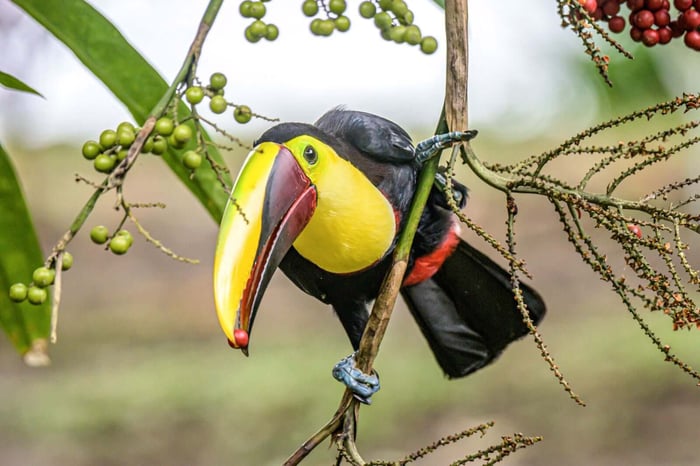
Birdwatchers will be particularly impressed by the diversity of species found here. Colourful toucans, kingfishers, herons, parrots and jacanas are all regularly spotted throughout the park.
Early morning boat trips are often the most rewarding, as wildlife tends to be more active before the heat of the day.
- Toucans
- Parrots
- Macaws
- Herons
- Kingfishers
- Anhingas
- Jacanas
- Tiger herons
Experience sea turtle nesting
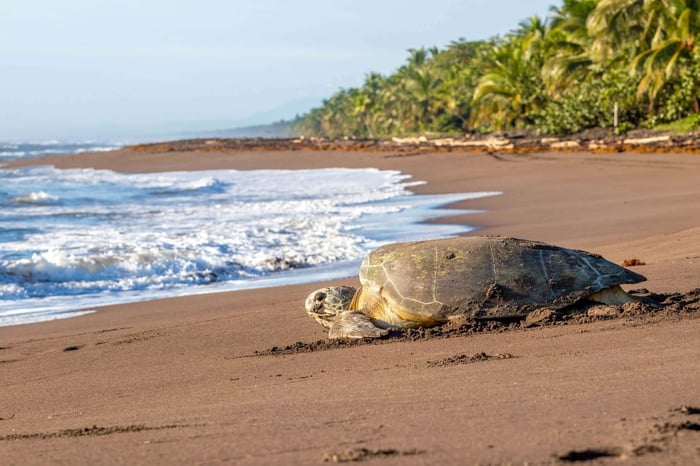
The name Tortuguero translates as "land of turtles", reflecting the area's global importance for sea turtle conservation.
Every year, thousands of sea turtles come ashore along the protected beaches to lay their eggs. Guided night walks provide a chance to witness this extraordinary natural event while supporting important conservation efforts.
Green sea turtles
Tortuguero is best known for its population of green sea turtles, which arrive in large numbers between July and October. Peak nesting activity usually occurs during August and September.
Leatherback turtles
The world's largest sea turtle species can be seen nesting between March and July.
Hawksbill turtles
These critically endangered turtles also visit the region, typically between April and October.
Watching a turtle emerge from the sea and carefully prepare a nest is a truly memorable wildlife experience and one of the most sought-after encounters in Costa Rica.
Best things to do
Explore the canals by boat
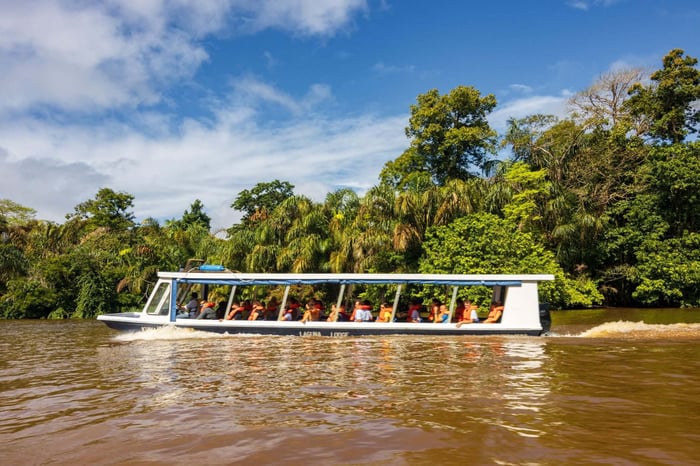
The canal network is the lifeblood of the region. Guided boat safaris offer exceptional opportunities to observe wildlife while drifting through rainforest scenery.
Experienced naturalist guides help spot animals that might otherwise remain hidden amongst the dense vegetation.
Take a rainforest walk
Exploring on foot provides a different perspective. Guided walks reveal fascinating details about the rainforest ecosystem, from medicinal plants and towering trees to colourful insects and amphibians.
Visit Tortuguero village
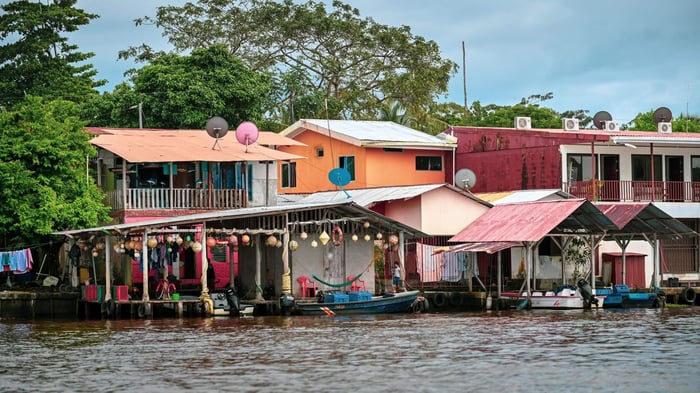
The small village offers a glimpse into local life on Costa Rica's Caribbean coast. Stroll along the waterfront, browse local shops and enjoy fresh Caribbean-inspired cuisine.
Visit the Sea Turtle Conservancy
The Sea Turtle Conservancy has played a vital role in protecting turtle populations for decades. Its visitor centre offers valuable insights into conservation projects and ongoing research.
Enjoy birdwatching
With hundreds of recorded bird species, the area is one of Costa Rica's premier birdwatching destinations. Bring your binoculars and keep watch for toucans, parrots and kingfishers.
Discover the rainforest after dark
Night walks reveal an entirely different world. Frogs, insects, reptiles and nocturnal mammals emerge after sunset, creating a fascinating wildlife experience.
Where to stay
Accommodation in Tortuguero Costa Rica largely consists of eco-lodges situated along the canals and surrounded by rainforest. Many properties offer all-inclusive stays with meals, transfers and guided excursions included.
Staying within the natural surroundings allows guests to fully embrace the experience, often with wildlife visible directly from lodge gardens and walkways.
Best time to visit
The region can be visited throughout the year, although weather patterns differ from other parts of Costa Rica.
February to April
Generally one of the driest periods, ideal for wildlife viewing and canal excursions.
July to October
The best time for green sea turtle nesting, attracting wildlife enthusiasts from around the world.
November to January
Lush rainforest landscapes and excellent opportunities for wildlife encounters, although rainfall is typically more frequent.
Rain is possible at any time of year, but it plays an important role in maintaining the vibrant ecosystems that make the region so special.
How long should you stay?
Most visitors spend two or three nights here. This provides enough time to enjoy several guided excursions, explore the waterways and experience the area's unique wildlife.
Those with a particular interest in photography or wildlife may wish to stay longer to maximise their chances of seeing different species.
Getting to Tortuguero
Most visitors travel from San José via a shared or private transfer to the dock at La Pavona or Caño Blanco, followed by a scenic boat journey through the canals.
The boat transfer is an experience in itself, offering a first glimpse of the lush landscapes and wildlife that make Tortuguero Costa Rica so special.
Combining Tortuguero with other destinations
This wildlife-rich region is often combined with other highlights of Costa Rica. Popular combinations include:
- Arenal Volcano National Park
- Monteverde Cloud Forest
- Puerto Viejo and the Caribbean coast
- Manuel Antonio National Park
- The Osa Peninsula
Together, these destinations showcase the incredible diversity that makes Costa Rica such a rewarding holiday destination.
Why include Tortuguero in your Costa Rica holiday?
Few places offer such an immersive wildlife experience. Surrounded by rainforest and waterways, this remote corner of Costa Rica provides the opportunity to slow down, reconnect with nature and witness some of the country's most remarkable ecosystems.
From spotting sloths along jungle canals to watching sea turtles nest on protected beaches, every day brings new discoveries in Tortuguero Costa Rica. For travellers seeking authentic wildlife encounters and unforgettable natural experiences, Tortuguero is one of Costa Rica's true highlights.
Explore more about Tortuguero Costa Rica
FAQs
Where is Tortuguero in Costa Rica?
Tortuguero is located on Costa Rica's northern Caribbean coast. Surrounded by rainforest, rivers and canals, it is one of the country's most remote and wildlife-rich destinations.
Why is Tortuguero famous?
Tortuguero is best known for its incredible wildlife and as one of the world's most important sea turtle nesting sites. The area is also famous for its network of jungle canals, often explored by boat in search of monkeys, sloths, birds and other wildlife.
Is Tortuguero worth visiting?
Absolutely. Tortuguero offers one of the most rewarding wildlife experiences in Costa Rica. Its remote location, pristine rainforest and abundance of animals make it a highlight for nature lovers and photographers.
How do you get to Tortuguero?
Tortuguero is only accessible by boat or small aircraft. Most visitors travel by private transfer from San José before taking a scenic boat journey through the canals to their lodge.
How many days should I spend in Tortuguero?
Most travellers stay for two or three nights. This allows enough time to enjoy guided boat safaris, rainforest walks and wildlife spotting while experiencing the area's peaceful atmosphere.
What wildlife can you see in Tortuguero?
Tortuguero is home to an impressive variety of wildlife, including sloths, howler monkeys, spider monkeys, white-faced capuchin monkeys, caiman, river turtles, iguanas, poison dart frogs and hundreds of bird species.
When is the best time to visit Tortuguero?
Tortuguero can be visited year-round. February to April is often one of the drier periods, while July to October is the best time to witness green sea turtle nesting. Wildlife viewing is excellent throughout the year.
Can you see sea turtles in Tortuguero?
Yes. Tortuguero is one of the best places in Costa Rica to see nesting sea turtles. Green sea turtles typically nest between July and October, while leatherback turtles arrive between March and July.
What are the best things to do in Tortuguero?
Popular activities include exploring the canals by boat, taking guided rainforest walks, visiting the Sea Turtle Conservancy, birdwatching, wildlife photography and learning about local conservation projects.
Is Tortuguero National Park suitable for families?
Yes. Families can enjoy wildlife boat tours, nature walks and educational experiences focused on conservation. Children often love spotting monkeys, sloths and colourful tropical birds in the wild.
Do I need a guide in Tortuguero National Park?
While it is possible to explore some areas independently, guided excursions are highly recommended. Experienced naturalist guides can spot wildlife that would otherwise be easy to miss and provide fascinating insights into the rainforest ecosystem.
What should I pack for Tortuguero?
Lightweight clothing, comfortable walking shoes, insect repellent, binoculars, a waterproof jacket and a camera are all recommended. A dry bag can also be useful for boat excursions.
Can I swim in Tortuguero?
Swimming is generally not recommended on Tortuguero's beaches due to strong currents and rough sea conditions. Most visitors focus on wildlife viewing and exploring the canals rather than beach activities.
What is the weather like in Tortuguero?
Tortuguero has a tropical rainforest climate, meaning rainfall is possible throughout the year. The lush vegetation and rich wildlife are a direct result of this consistently warm and humid environment.
Can Tortuguero be combined with other Costa Rica destinations?
Yes. Tortuguero is often combined with Arenal, Monteverde, Manuel Antonio, the Osa Peninsula or Costa Rica's Caribbean coast as part of a wider Costa Rica holiday.