
Inspiration
- Where is Costa Rica’s Caribbean coast?
- Why visit the Caribbean coast?
- Highlights of Costa Rica’s Caribbean coast
- Best beaches on the Caribbean coast
- Wildlife on the Caribbean coast
- Discover Afro-Caribbean culture
- Adventure activities
- When is the best time to visit?
- How many days do you need?
- Why include the Caribbean coast in your Costa Rica holiday?
- FAQs
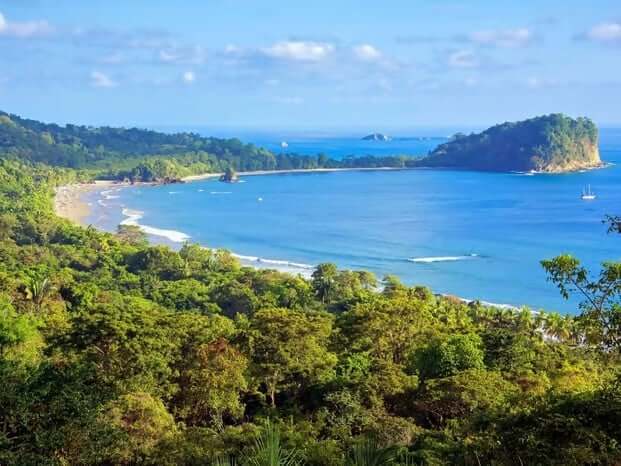
The Costa Rica Caribbean coast offers a completely different side to the country. While the Pacific is known for its dramatic sunsets and surf towns, the Caribbean coast has its own unique rhythm. Here, rainforest-covered mountains tumble towards palm-fringed beaches, reggae music drifts through colourful coastal villages, and wildlife thrives in some of the country's most biodiverse habitats.
Rich in Afro-Caribbean heritage, Indigenous traditions and natural beauty, this region rewards travellers who are looking to slow down and experience a more laid-back side of Costa Rica. Whether you are gliding through the jungle waterways of Tortuguero, snorkelling coral reefs in Cahuita National Park or relaxing on the golden sands of Puerto Viejo, the Caribbean coast offers a fascinating blend of culture, wildlife and adventure.
Where is Costa Rica’s Caribbean coast?
The Costa Rica Caribbean coast stretches along the country's eastern shoreline, bordering the Caribbean Sea. The region extends from Tortuguero in the north to the Panama border in the south, encompassing tropical rainforests, protected wildlife reserves, vibrant beach towns and some of the country's most important conservation areas.
The southern Caribbean coast is particularly popular with visitors thanks to its beautiful beaches and distinctive cultural identity, while the northern section is best known for Tortuguero National Park and its extraordinary wildlife.
Why visit the Caribbean coast?
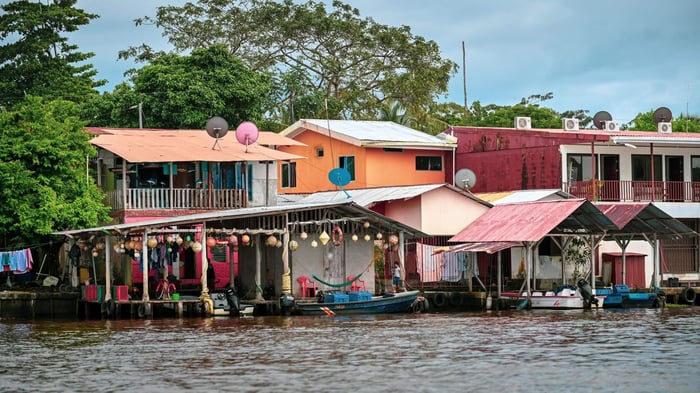
The Caribbean coast feels distinctly different from the rest of Costa Rica. Influenced by Afro-Caribbean communities whose ancestors arrived from Jamaica in the late 19th century, the region has developed its own cuisine, music, traditions and way of life.
Life moves at a gentler pace here. Colourful wooden buildings line the streets, local restaurants serve Caribbean-inspired dishes rich in coconut and spices, and beachside bars provide the soundtrack to long afternoons by the sea.
Alongside its cultural appeal, the region is also one of Costa Rica's finest wildlife destinations. Protected rainforests, mangrove ecosystems, coral reefs and wetlands provide habitats for an astonishing variety of species, making it a paradise for nature lovers.
Highlights of Costa Rica’s Caribbean coast
Tortuguero National Park
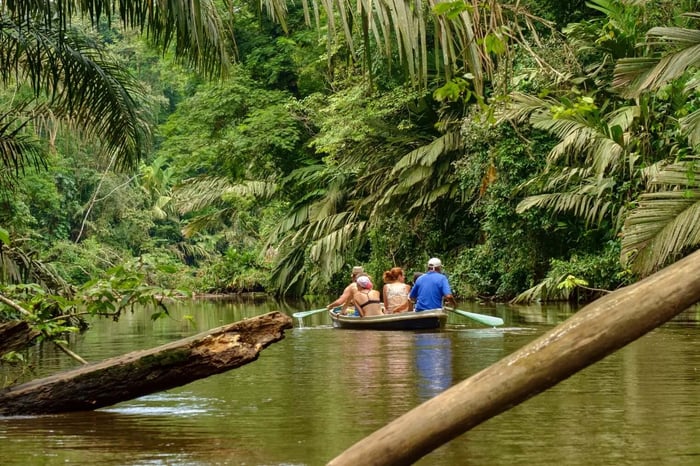
Often referred to as Costa Rica’s version of the Amazon, Tortuguero National Park is one of the country's most remarkable natural areas. Accessible primarily by boat, this remote wilderness is made up of an intricate network of canals, lagoons and rainforest.
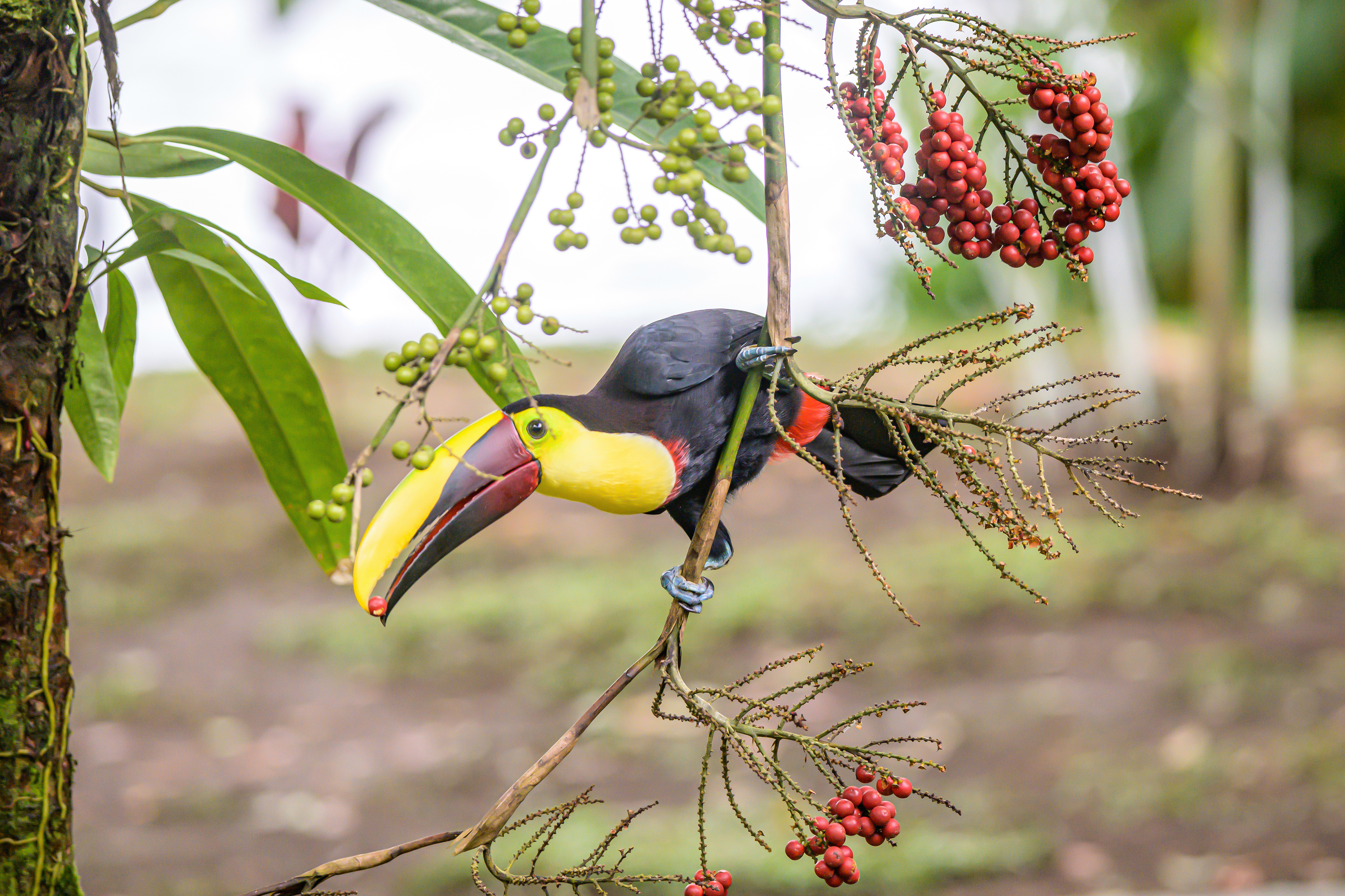
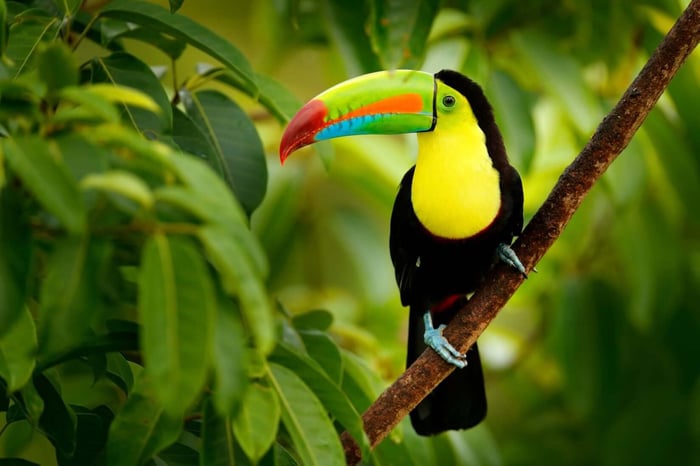
Exploring by boat allows you to venture deep into the jungle in search of wildlife. Sloths lounge in the treetops, monkeys swing through the canopy, colourful toucans perch overhead and caiman glide silently through the waterways.
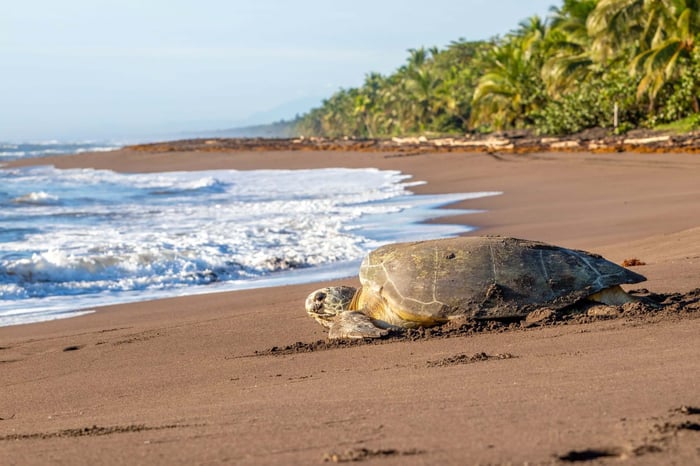
Tortuguero is perhaps best known for its sea turtle conservation efforts. Every year, thousands of green sea turtles come ashore to nest on the park’s beaches, creating one of the most impressive wildlife spectacles in Latin America.
Puerto Viejo de Talamanca
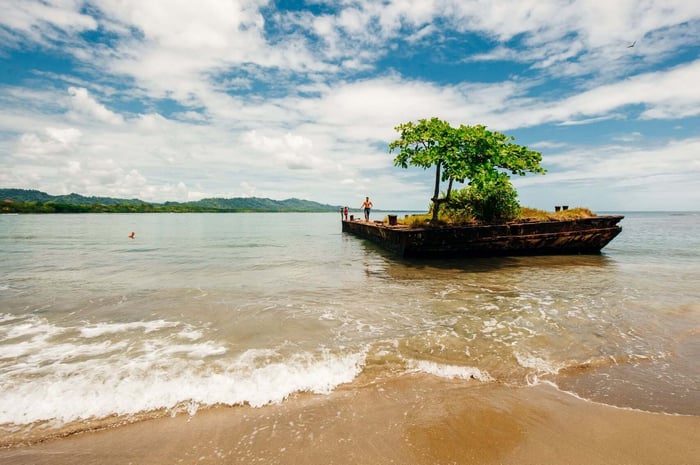
Puerto Viejo is the beating heart of Costa Rica’s southern Caribbean coast. This vibrant seaside town combines beautiful beaches with a lively atmosphere shaped by Afro-Caribbean culture.
Visitors are drawn to its relaxed vibe, excellent restaurants, surf breaks and welcoming local community. Days can be spent cycling between beaches, enjoying fresh seafood, browsing artisan shops or simply soaking up the laid-back atmosphere that makes Puerto Viejo so appealing.
The town also serves as an excellent base for exploring nearby national parks, wildlife refuges and Indigenous communities.
Cahuita National Park
Cahuita National Park is one of the Caribbean coast’s greatest treasures. Combining rainforest trails, white-sand beaches and coral reefs, it offers a wonderful mix of relaxation and wildlife encounters.
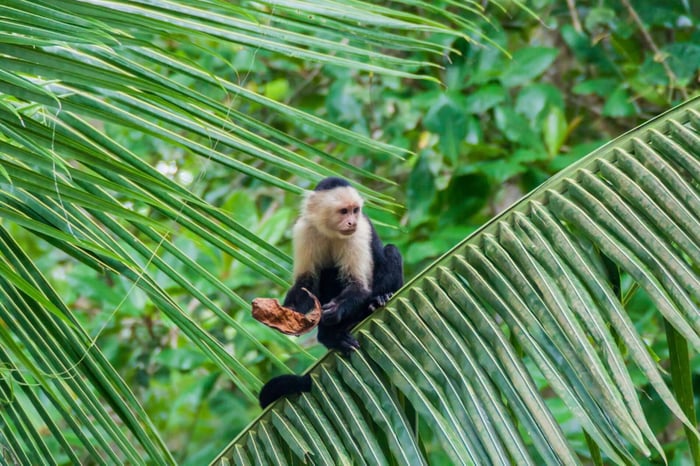
The coastal walking trail is particularly rewarding. As you stroll beneath the shade of towering trees, you may encounter sloths, white-faced capuchin monkeys, howler monkeys, racoons, iguanas and a variety of tropical birds.
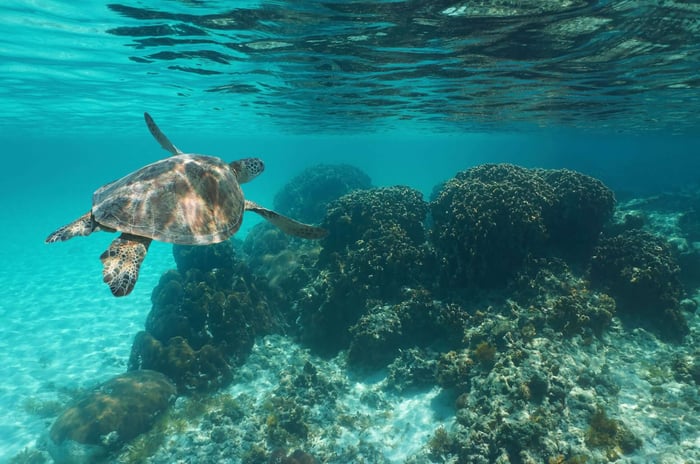
Offshore, one of Costa Rica’s largest coral reef systems provides excellent snorkelling opportunities, with colourful fish, sea turtles and other marine life inhabiting the clear Caribbean waters.
Gandoca-Manzanillo Wildlife Refuge
At the southern tip of The Costa Rica Caribbean coast lies Gandoca-Manzanillo Wildlife Refuge, a protected area of exceptional biodiversity. Here, pristine beaches meet dense rainforest and mangrove ecosystems, creating habitats for a remarkable range of wildlife.
The refuge is an excellent destination for hiking, birdwatching and wildlife spotting, while the surrounding coastline offers some of the region’s most scenic and less-visited beaches.
Best beaches on the Caribbean coast
Playa Cocles
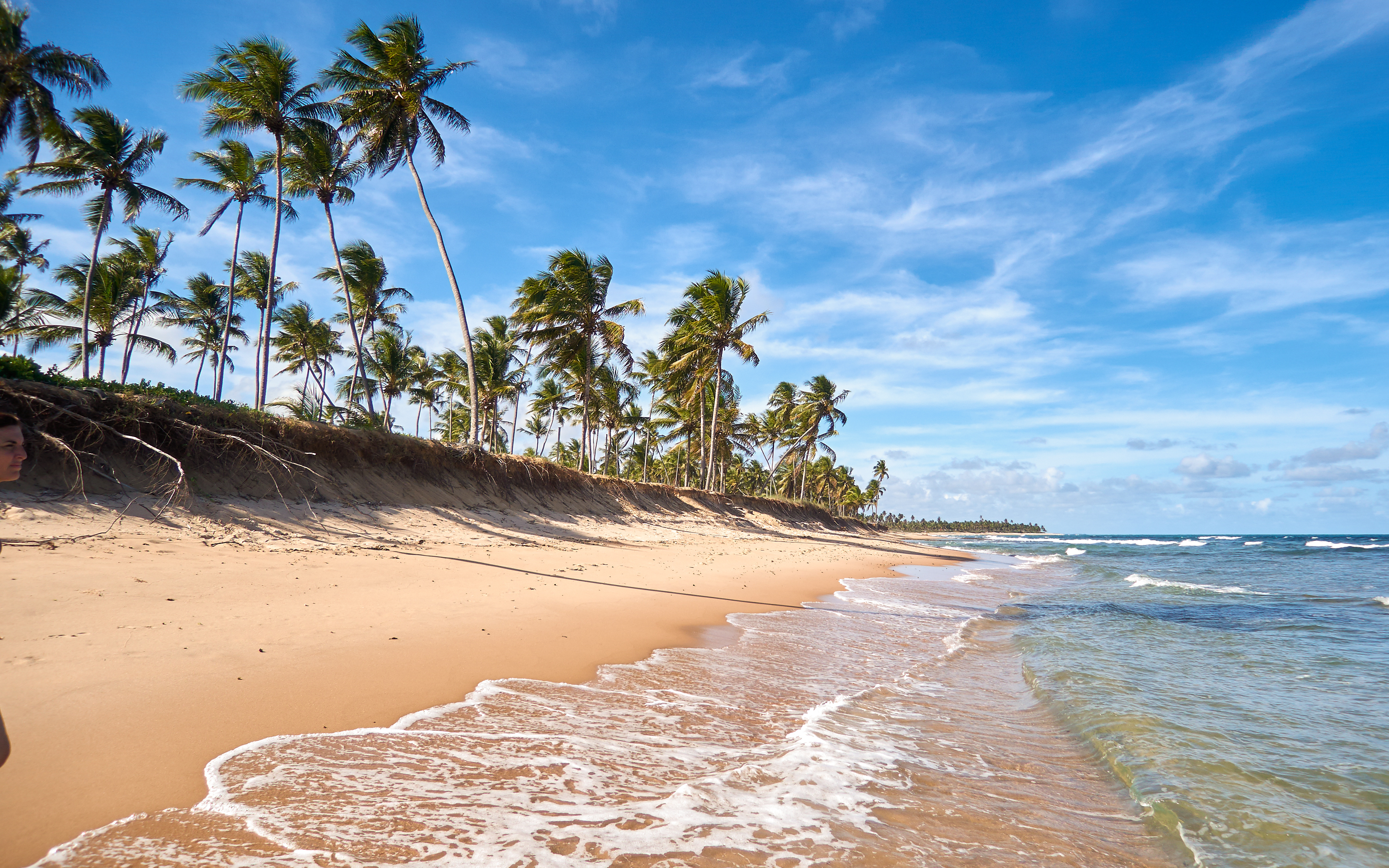
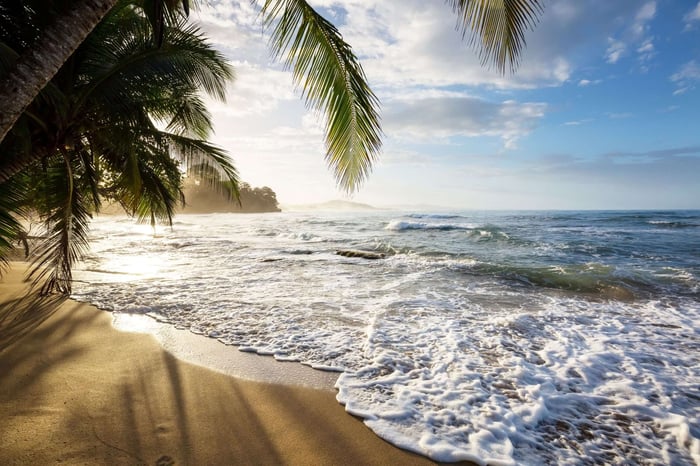
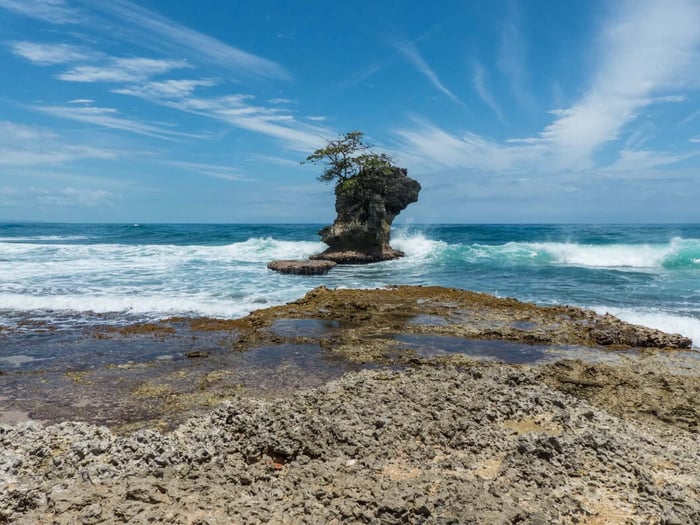
Located just south of Puerto Viejo, Playa Cocles is one of the area’s most popular beaches. Its golden sands, swaying palms and reliable surf make it a favourite among both locals and visitors.
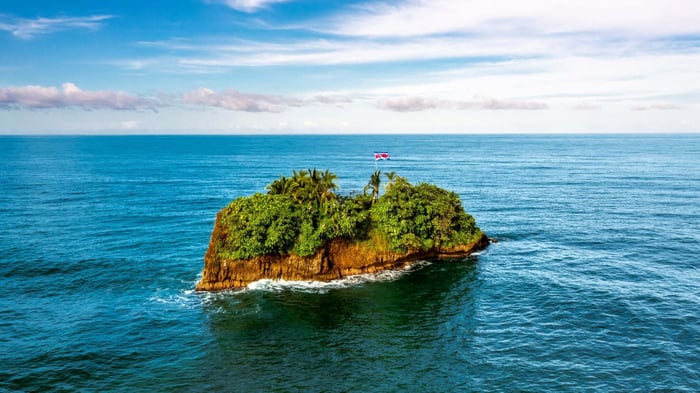
Playa Chiquita
A quieter alternative to the busier beaches nearby, Playa Chiquita offers a more peaceful setting, ideal for swimming, relaxing and enjoying the tropical surroundings.
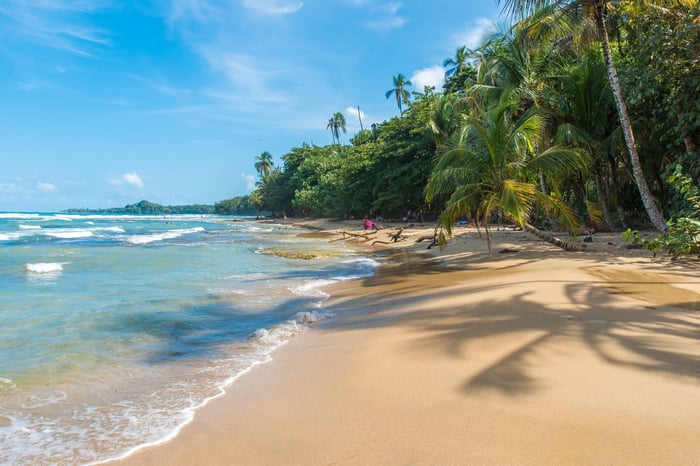
Punta Uva
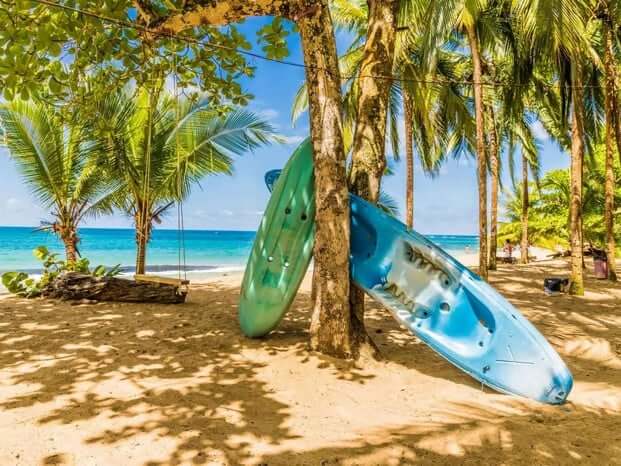
Frequently regarded as one of Costa Rica’s most beautiful beaches, Punta Uva combines calm turquoise waters with lush rainforest scenery. It is an excellent spot for swimming, kayaking and snorkelling.
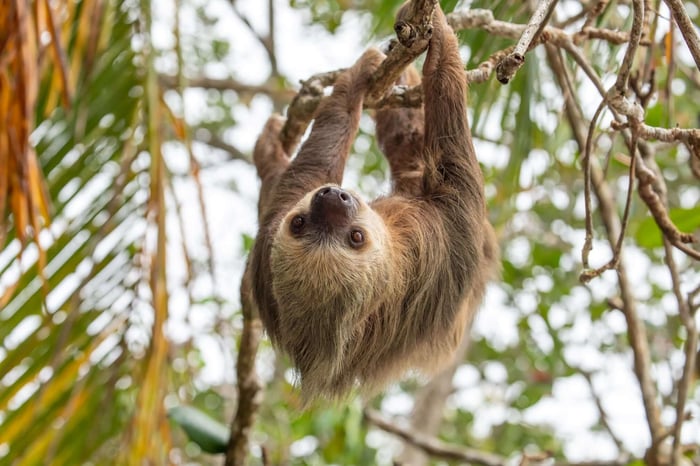
Manzanillo Beach
Situated near the wildlife refuge, Manzanillo offers a tranquil atmosphere and a more remote feel. The surrounding jungle adds to the sense of seclusion and natural beauty.
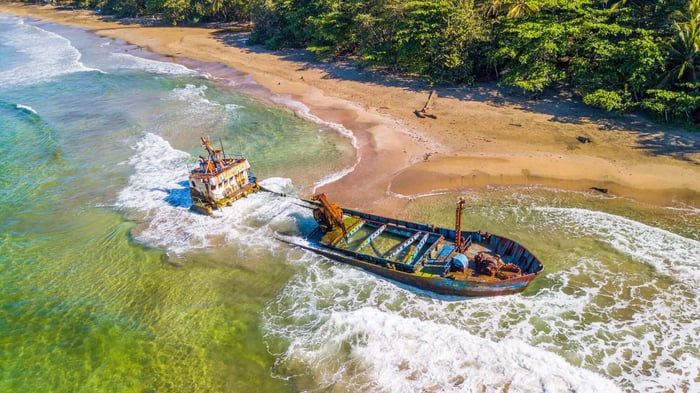
Wildlife on the Caribbean coast
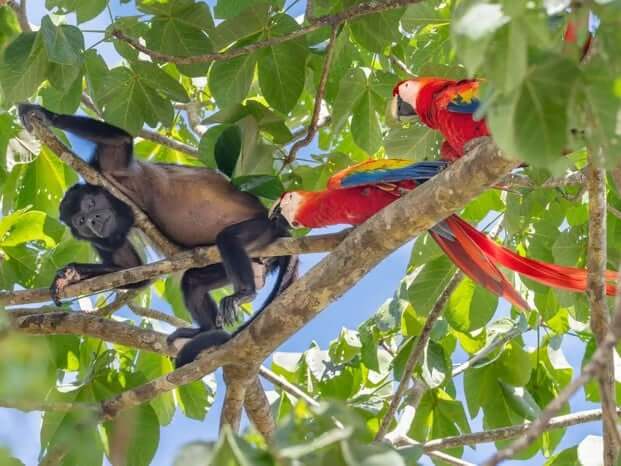
The Costa Rica Caribbean coast is one of the best places in the country for wildlife watching. The combination of rainforest, wetlands, mangroves and marine ecosystems supports an extraordinary variety of species.
Keep an eye out for:
- Two-toed and three-toed sloths
- White-faced capuchin monkeys
- Howler monkeys
- Spider monkeys
- Toucans
- Scarlet macaws
- Green iguanas
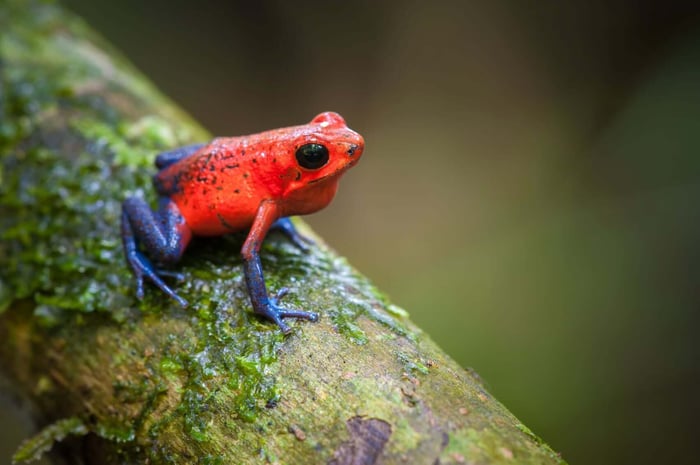
- Poison dart frogs
- Basilisk lizards
- Caiman
- Sea turtles
- Dolphins
- Humpback whales during migration seasons
The diversity of habitats means that wildlife encounters are possible throughout the year, whether exploring by boat, walking rainforest trails or simply relaxing near the beach.
Discover Afro-Caribbean culture
One of the most rewarding aspects of visiting Costa Rica’s Caribbean coast is experiencing its unique cultural heritage.
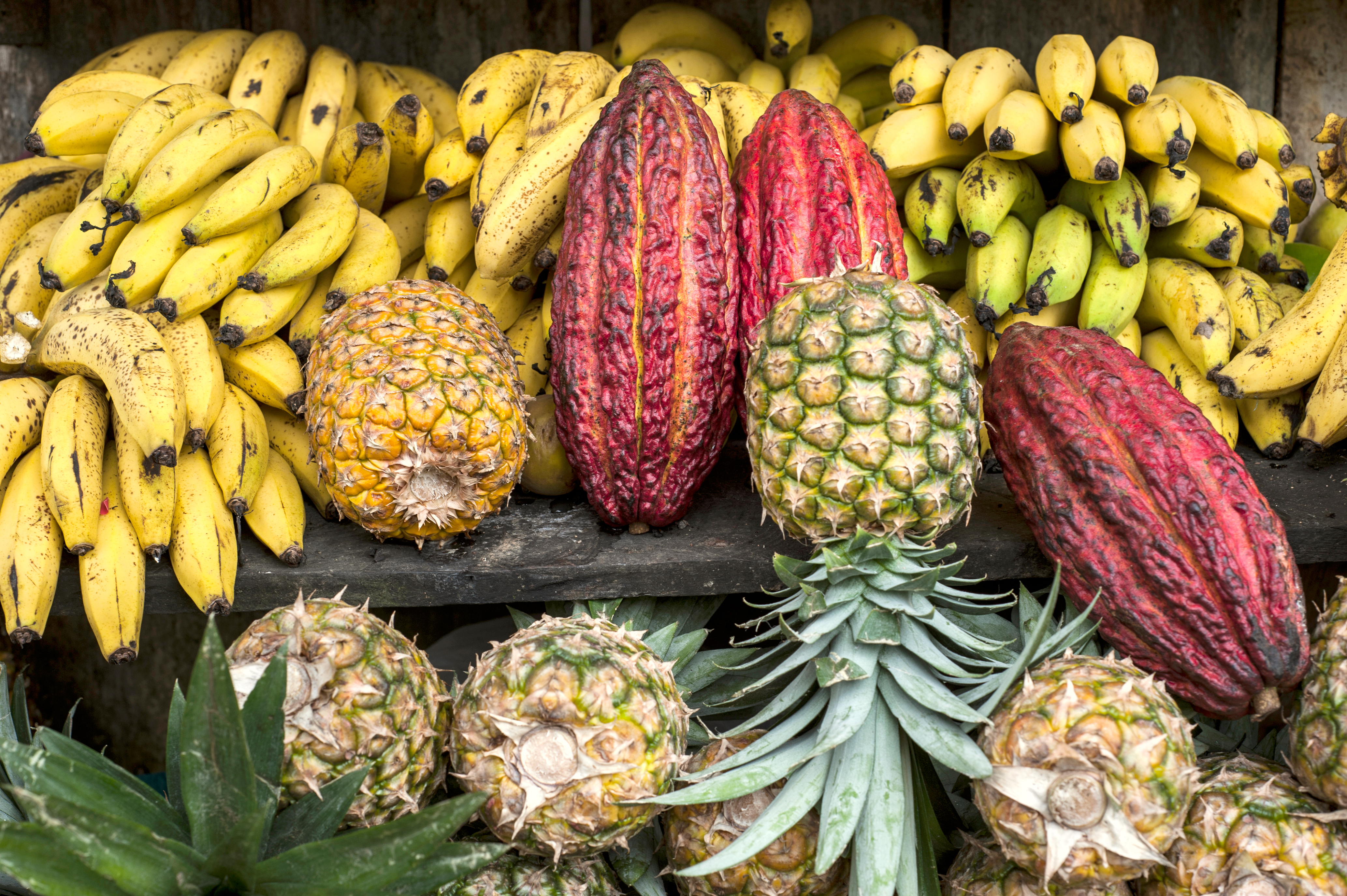
Afro-Caribbean traditions are woven into everyday life, from the region’s music and language to its cuisine and festivals. Visitors can sample dishes such as rice and beans cooked with coconut milk, fresh seafood, jerk-inspired flavours and locally produced cacao.
The influence of the Bribri Indigenous people also remains strong throughout the region. Guided visits to local communities offer valuable insights into traditional ways of life, medicinal plants, cacao cultivation and sustainable living practices that have been passed down through generations.
Adventure activities
The Costa Rica Caribbean coast offers plenty of opportunities for active travellers.
Popular activities include:
- Wildlife boat safaris in Tortuguero
- Guided rainforest walks
- Surfing in Puerto Viejo
- Snorkelling in Cahuita National Park
- Kayaking along rivers and mangroves
- Birdwatching excursions
- Sea turtle watching experiences
- Cacao farm visits
- Cycling between coastal villages
- Whale and dolphin watching trips
Whether you are seeking adventure or relaxation, there is no shortage of ways to immerse yourself in the region’s natural beauty.

When is the best time to visit?
The Costa Rica Caribbean coast experiences a different weather pattern from Costa Rica’s Pacific regions.
While rainfall is possible throughout the year, September and October are often among the sunniest months, making them particularly popular for beach holidays. February through April also tend to offer favourable conditions.
Wildlife enthusiasts may wish to time their visit around turtle nesting seasons:
- Green sea turtles: July to October
- Leatherback turtles: March to July
Even during wetter periods, rain showers are often followed by sunshine, and the rainforest landscapes are at their most vibrant.
How many days do you need?
We recommend spending at least three to five nights on the Caribbean coast to fully appreciate everything the region has to offer.
This allows time to explore Tortuguero National Park, discover the beaches around Puerto Viejo, visit Cahuita National Park and enjoy some downtime along the coast.
Many visitors combine the Caribbean coast with Arenal, Monteverde, the Osa Peninsula or Manuel Antonio as part of a wider Costa Rica holiday.
Why include the Caribbean coast in your Costa Rica holiday?
The Costa Rica Caribbean coast offers a captivating combination of culture, wildlife and natural beauty. It is a region where rainforest adventures meet laid-back beach life, where colourful traditions enrich every experience, and where some of the country’s most memorable wildlife encounters await.
For travellers looking to experience a different side of Costa Rica, the Caribbean coast provides the perfect balance of relaxation, exploration and authentic local character. Whether watching sea turtles emerge from the ocean under the cover of darkness, paddling through jungle waterways or enjoying fresh Caribbean flavours by the sea, this remarkable region leaves a lasting impression long after your holiday comes to an end.
Explore more about The Costa Rica Caribbean coast
FAQs
Where is Costa Rica's Caribbean coast?
Costa Rica's Caribbean coast stretches along the country's eastern shoreline, from Tortuguero in the north to the Panama border in the south. The region is known for its tropical beaches, wildlife-rich rainforests and vibrant Afro-Caribbean culture.
What is the Caribbean coast of Costa Rica known for?
The Caribbean coast is famous for its laid-back atmosphere, beautiful beaches, incredible wildlife and rich cultural heritage. Highlights include Tortuguero National Park, Cahuita National Park, Puerto Viejo and some of the country's most important sea turtle nesting sites.
Is Costa Rica's Caribbean coast worth visiting?
Absolutely. The Caribbean coast offers a completely different experience to the Pacific side of Costa Rica. Visitors can enjoy rainforest adventures, wildlife encounters, Afro-Caribbean cuisine, pristine beaches and a slower pace of life, making it a fantastic addition to any Costa Rica holiday.
How many days should I spend on Costa Rica's Caribbean coast?
We recommend spending three to five nights on the Caribbean coast. This gives you enough time to explore Tortuguero National Park, relax around Puerto Viejo, visit Cahuita National Park and enjoy the region's beaches and wildlife.
What is the best time to visit Costa Rica's Caribbean coast?
The Caribbean coast has a different climate to the rest of Costa Rica. September and October are often among the driest and sunniest months, while February to April can also offer pleasant conditions. Wildlife experiences, including sea turtle nesting, vary throughout the year.
What wildlife can I see on Costa Rica's Caribbean coast?
The region is home to an incredible variety of wildlife, including sloths, monkeys, toucans, caiman, iguanas, poison dart frogs and sea turtles. Dolphins and humpback whales can also be spotted offshore during migration seasons.
Can you see sea turtles on Costa Rica's Caribbean coast?
Yes. The Caribbean coast is one of the best places in Latin America to see nesting sea turtles. Tortuguero National Park is particularly famous for green sea turtle nesting between July and October, while leatherback turtles can often be seen between March and July.
What are the best beaches on Costa Rica's Caribbean coast?
Some of the most popular beaches include Playa Cocles, Punta Uva, Playa Chiquita and Manzanillo. Each offers a different experience, from surfing and snorkelling to peaceful stretches of sand surrounded by rainforest.
Is Puerto Viejo worth visiting?
Puerto Viejo is one of the highlights of Costa Rica's Caribbean coast. Known for its colourful atmosphere, excellent restaurants, beautiful beaches and Afro-Caribbean culture, it is an ideal base for exploring the surrounding area.
What is there to do on Costa Rica's Caribbean coast?
Popular activities include wildlife cruises in Tortuguero National Park, snorkelling in Cahuita National Park, surfing, kayaking, birdwatching, rainforest walks, sea turtle watching and visiting Indigenous Bribri communities.
Can I combine the Caribbean coast with other areas of Costa Rica?
Yes. Many travellers combine the Caribbean coast with destinations such as Arenal, Monteverde, Tortuguero and Manuel Antonio. The region works particularly well as part of a wider Costa Rica holiday.
How do I get to Costa Rica's Caribbean coast?
Most visitors travel from San José by private transfer or car. Puerto Viejo and Cahuita are approximately four to five hours away by road, while Tortuguero is typically reached via a combination of road and boat transfers.
Is the Caribbean coast suitable for families?
Yes. Families can enjoy wildlife spotting, boat excursions, beach time and gentle rainforest walks. The combination of nature, adventure and relaxed coastal towns makes the region a great choice for travellers of all ages.
What makes Costa Rica's Caribbean coast different from the Pacific coast?
The Caribbean coast has a unique cultural identity shaped by Afro-Caribbean and Indigenous influences. It offers a more relaxed atmosphere, distinct cuisine, lush rainforest landscapes and a different weather pattern from Costa Rica's Pacific regions.
Can I visit Tortuguero National Park from the Caribbean coast?
Yes. Tortuguero forms part of Costa Rica's Caribbean region and is often included alongside stays in Puerto Viejo and Cahuita. It is one of the country's most rewarding wildlife destinations and can be explored through guided boat excursions and nature walks.