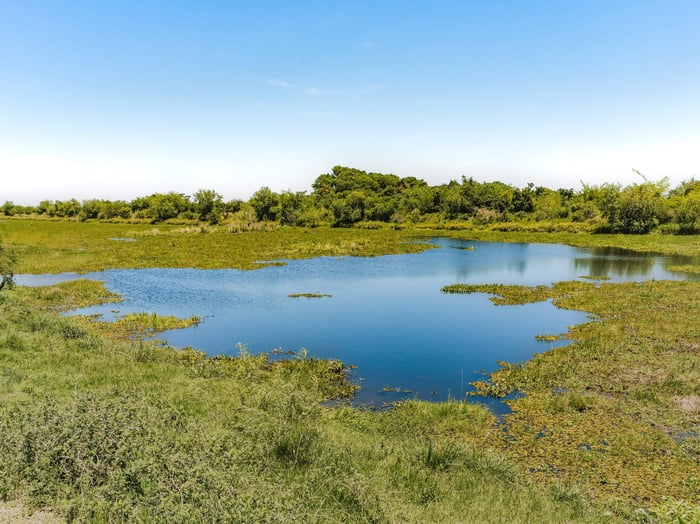

Tucked away in north-east Argentina, the Iberá Wetlands are one of Latin America’s most rewarding destinations for wildlife encounters. This vast expanse of lagoons, marshes and grasslands is home to an extraordinary variety of species, many of which have been carefully reintroduced through pioneering conservation projects. Exploring the wildlife of the Iberá Wetlands offers a deeper insight into wildlife in Argentina, from capybaras and caiman to colourful birdlife and giant anteaters, creating one of the country’s most memorable nature experiences.
Unlike more crowded wildlife destinations, Iberá offers a quieter, more personal experience. Sightings feel natural and unhurried, whether you are drifting through waterways by boat or exploring on foot with expert guides.
Here are ten of the most remarkable species to look out for during your visit.
Top 10 wildlife of the Iberá Wetlands to spot on your Argentina holidays.
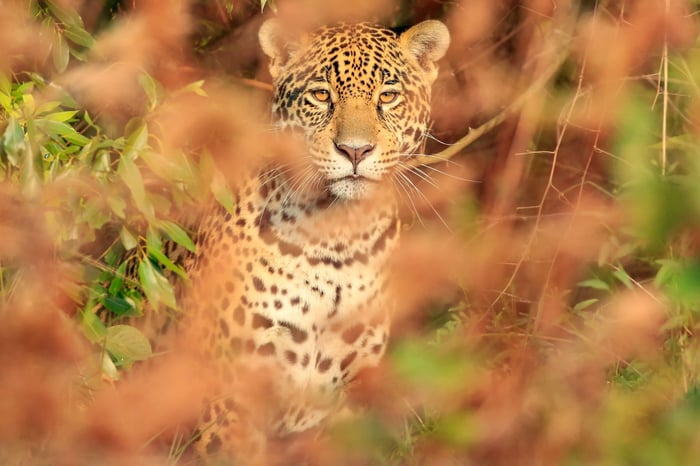
1. Jaguar
Once extinct in the region, jaguars have been successfully reintroduced through pioneering conservation efforts. Spotting one is a rare and special experience, often during guided tracking excursions.
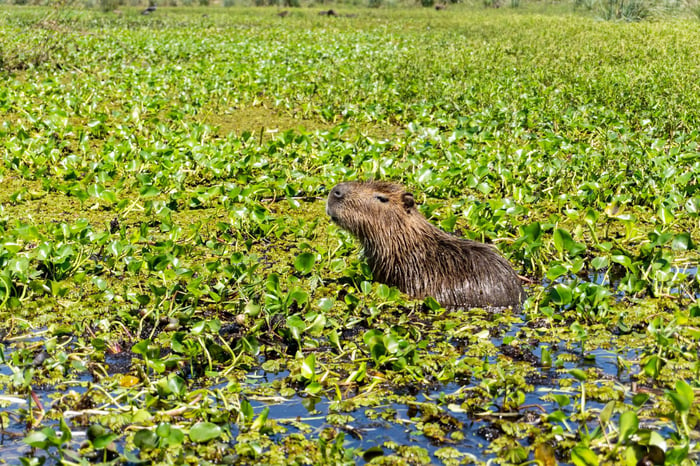
2. Capybara
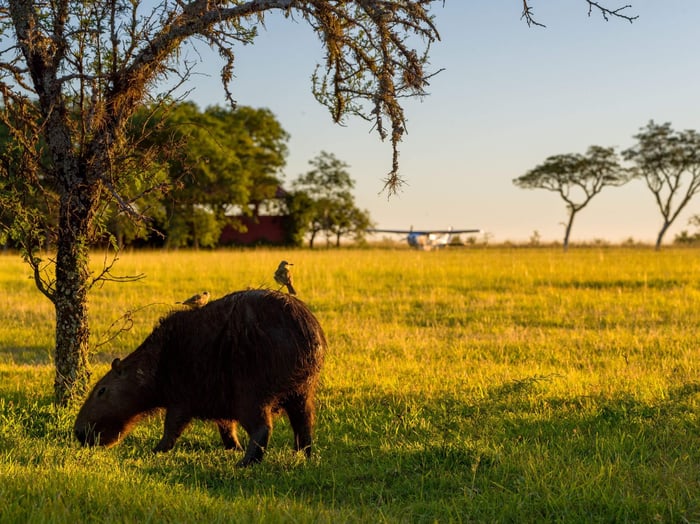
The world’s largest rodent is everywhere in Iberá. You will see them lounging by the water’s edge, often in groups, completely at ease as boats pass by.
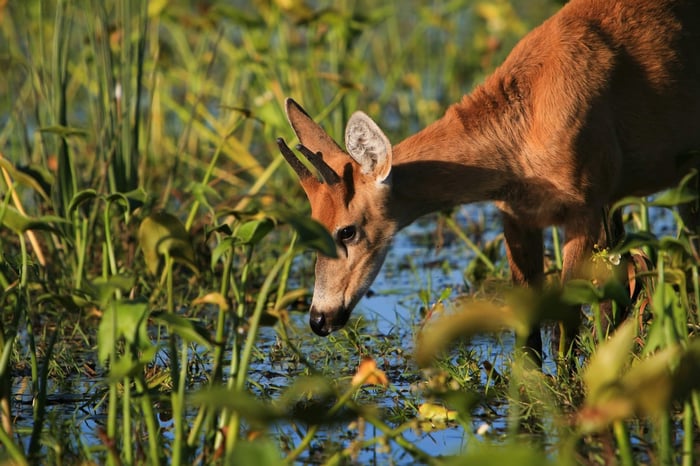
3. Marsh deer
Elegant and elusive, marsh deer are the largest native deer species in Latin America. Look for them grazing in open wetlands at dawn or dusk.
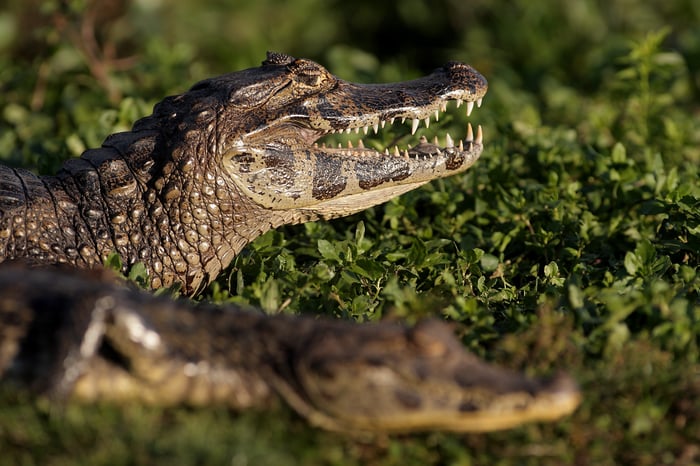
4. Black caiman
These impressive reptiles are commonly seen along the lagoons. Often still and watchful, they play a vital role in maintaining the balance of the ecosystem.
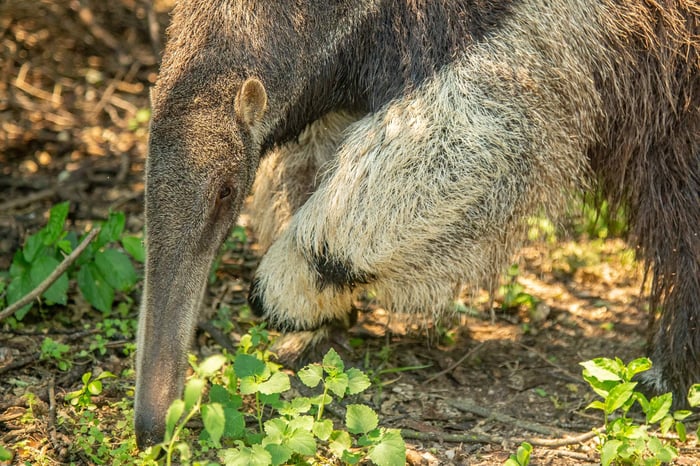
5. Giant anteater
With its distinctive long snout and slow, deliberate movements, the giant anteater is one of Iberá’s most fascinating residents.
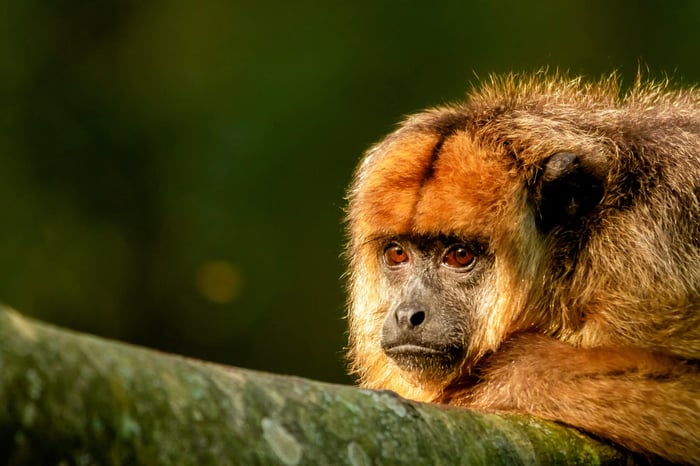
6. Howler monkey
Their deep, resonant calls echo across the wetlands at sunrise. While often heard before seen, they can sometimes be spotted in forested areas.
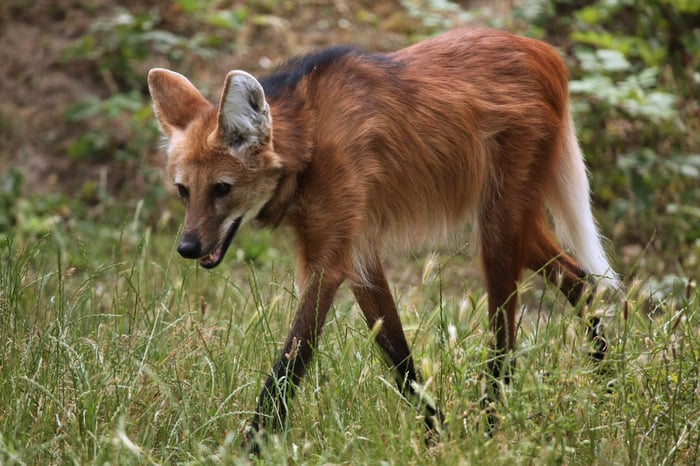
7. Maned wolf
Tall, slender and fox-like in appearance, the maned wolf is a rare sight. If you are lucky, you may glimpse one moving quietly across open grasslands.
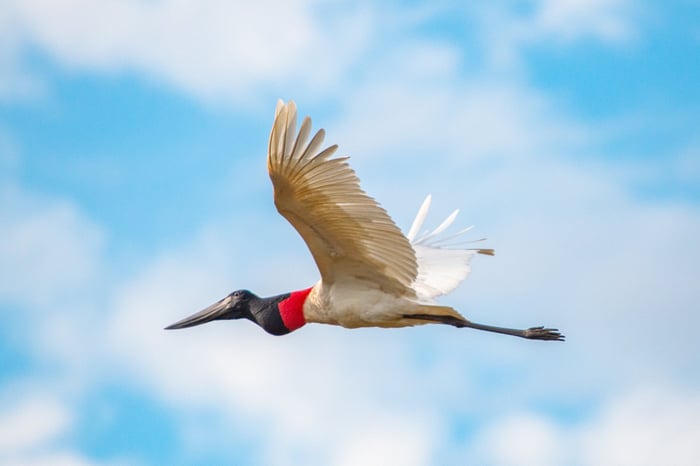
8. Jabiru stork
One of the tallest flying birds in Latin America, the jabiru stork is unmistakable with its black neck and red collar.
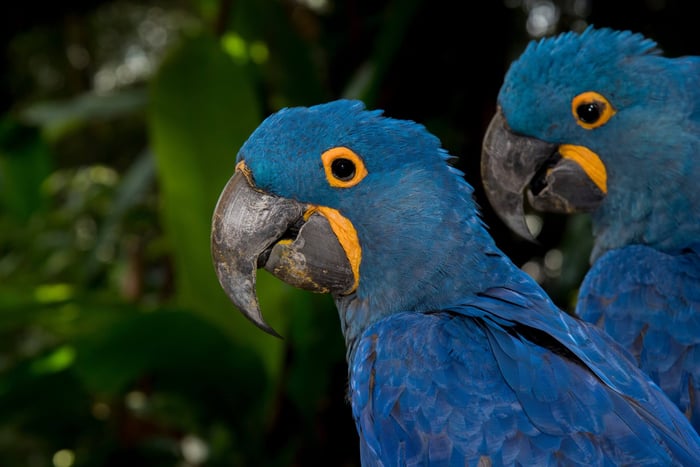
9. Hyacinth macaw
Bright blue and striking, this large parrot has made a comeback in Iberá thanks to reintroduction programmes.
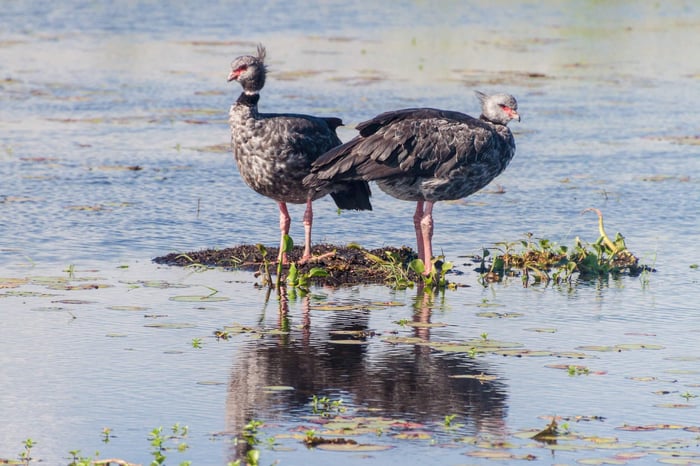
10. Southern screamer
This unusual bird, known for its distinctive call, is often seen near water and adds to the rich soundscape of the wetlands.
Why visit the Iberá Wetlands
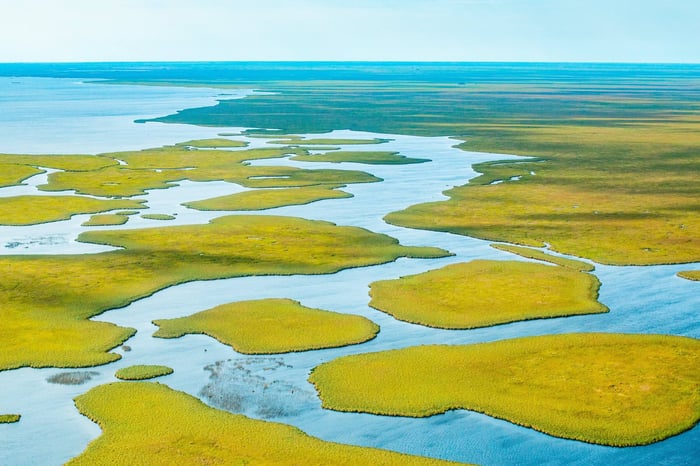
The Iberá Wetlands are one of the largest protected areas in Argentina, covering over 1.3 million hectares. The ecosystem supports an impressive diversity of wildlife, from semi-aquatic mammals to rare bird species.
What makes Iberá particularly special is its focus on conservation-led tourism. Carefully managed lodges, expert local guides and rewilding initiatives all contribute to protecting this unique environment while creating a deeply rewarding travel experience.
Expect early morning boat safaris across still lagoons, guided walks through grasslands, and evenings where the sounds of nature take centre stage.
Best ways to explore the wetlands
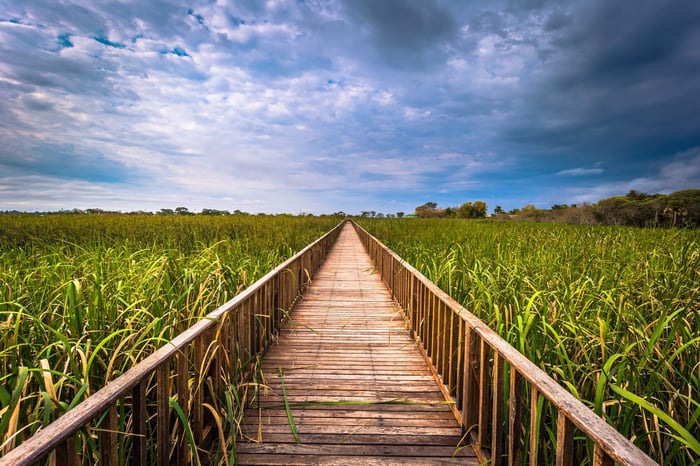
Exploring Iberá is all about slow, immersive travel. Guided boat safaris are a highlight, offering close-up encounters with capybaras, caiman and birdlife as you glide through the waterways.
Walking trails and 4x4 excursions reveal different habitats, while horseback riding provides a unique way to experience the open landscapes.
Staying within the reserve allows for early starts and late afternoon excursions, when wildlife activity is at its highest.
When to visit the Iberá Wetlands
The Iberá Wetlands can be visited year-round. The dry season from May to October is often considered best for wildlife viewing, as lower water levels make animals easier to spot.
The greener months from November to April bring lush scenery and excellent birdwatching, although temperatures and humidity are higher.
How to get to the Iberá Wetlands and where to combine
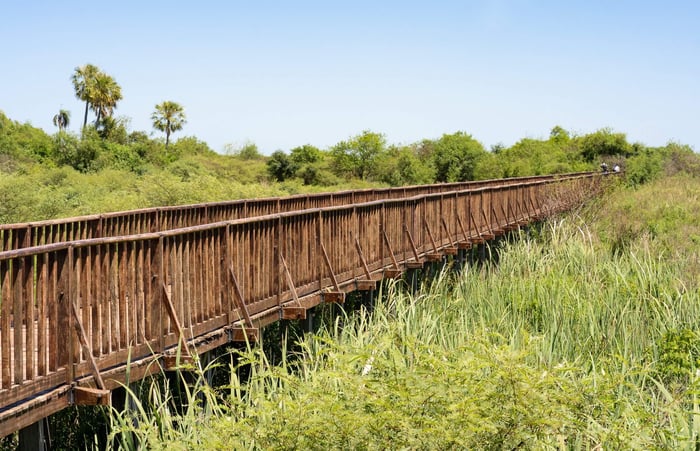
Reaching the Iberá Wetlands adds to the sense of discovery. The most common access points are via Posadas or Corrientes, both served by domestic flights from Buenos Aires.
From there, private transfers take you into the wetlands, typically between two and four hours depending on your lodge. The journey itself offers a gradual transition from city to wild landscapes.
Iberá works beautifully as part of a wider Argentina holiday. Begin in Buenos Aires for culture, food and atmosphere, then head north to immerse yourself in nature.
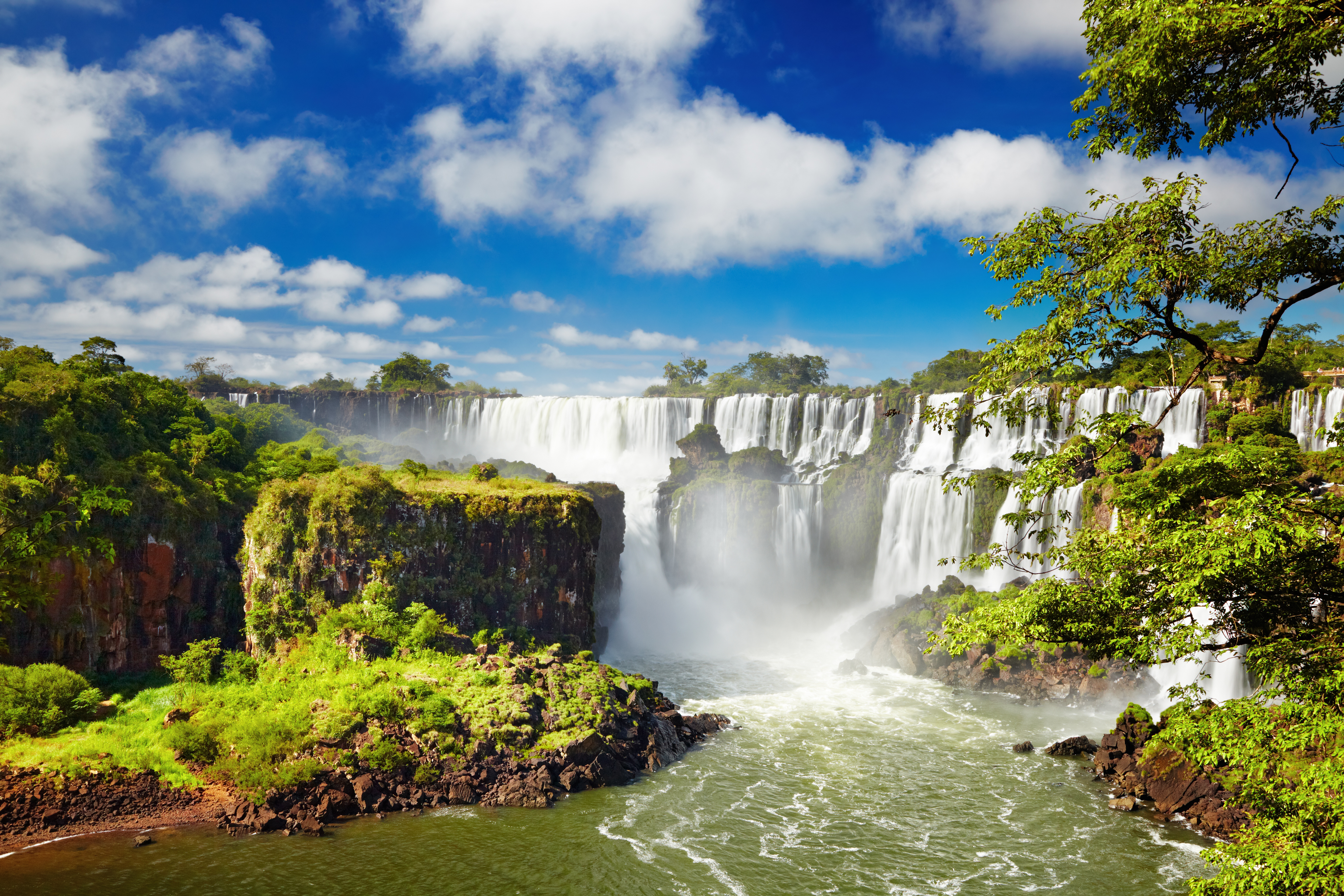
For a natural pairing, Iguazú Falls is within easy reach and provides a striking contrast with its rainforest setting and powerful cascades.
Alternatively, combine Iberá with Salta and Jujuy in the northwest for dramatic scenery and cultural depth, or continue south to Patagonia for glaciers and vast open spaces.
Where to stay
Accommodation in Iberá ranges from characterful eco-lodges to more refined estancia-style properties. Many include guided excursions, meals and transfers, creating a seamless experience from arrival to departure.
Rincón del Socorro and the Iberá rewilding project
One of the most inspiring places to stay in Iberá is Rincón del Socorro a former cattle ranch that now sits at the heart of one of Argentina’s most ambitious conservation projects.
In 2001, conservationist Douglas Tompkins acquired the land with a clear vision: to restore the natural ecosystem, reintroduce species that had disappeared, and help create what is now Iberá National Park.
The estancia became part of a wider rewilding effort led by The Conservation Land Trust, transforming former farmland into a thriving nature reserve.
Today, Rincón del Socorro offers more than just a place to stay. It provides a direct connection to this restoration story. Guests can explore landscapes where fences have been removed, habitats regenerated, and species such as giant anteaters and deer have returned.
The lodge itself blends heritage and simplicity, creating a relaxed base for wildlife experiences while supporting a model of tourism that protects the environment and benefits local communities.
Staying here adds depth to any Iberá visit, offering not just sightings, but a genuine understanding of how conservation is shaping the future of the region.
 Where wildlife feels truly wild
There is something quietly powerful about Iberá. It is not only the wildlife, but the sense of being somewhere that is being carefully restored and protected.
Days unfold at a slower pace, shaped by nature and guided by expert insight. Each outing brings a new perspective, whether it is a close wildlife encounter or a moment of stillness on the water.
For those seeking meaningful wildlife experiences with a strong conservation story, the Iberá Wetlands offer something truly special.
Plan your Iberá adventure with Latin Routes
Our specialists can help you build a tailored Argentina itinerary that includes the Iberá Wetlands, with carefully selected lodges and seamless travel throughout. What wildlife of the iberá wetlands are you most excited to see? Get in touch to start planning your journey or explore our Argentina holidays for further inspiration.