
Remote, mysterious and deeply evocative, Easter Island sits adrift in the Pacific Ocean, over 2,000 miles from mainland Chile. Known locally as Rapa Nui, this extraordinary destination captures the imagination with its iconic stone statues and rich Polynesian heritage. For travellers seeking something truly different within Latin America, Easter Island holidays offer a journey into one of the world’s most fascinating cultural landscapes.
But how did it become known as Easter Island? And what makes it such a compelling place to visit today?
Why is it called Easter Island?
Easter Island owes its English name to a moment of European discovery. Dutch explorer Jacob Roggeveen arrived on the island on Easter Sunday in 1722, giving rise to the name that is still widely used today.
Despite this, the island’s true identity lies in its Polynesian roots. The name Rapa Nui reflects both the people and their language, and visiting today offers a chance to experience a culture that has endured centuries of isolation.
This connection to Easter adds an extra layer of intrigue, particularly for those travelling during the spring season, when thoughts turn to renewal, discovery and reflection. It is a fitting parallel for an island that continues to reveal new stories with every visit.
The mystery of the moai
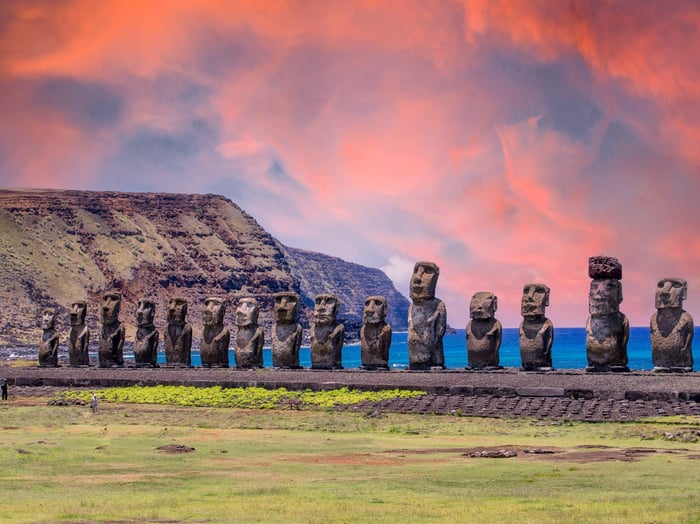
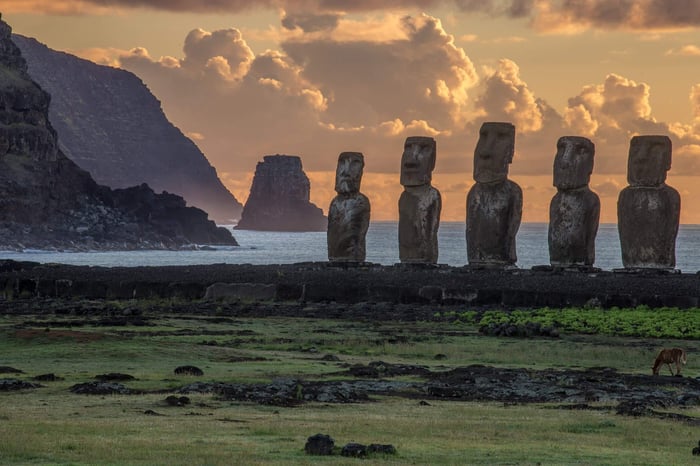
No visit to Easter Island is complete without encountering the moai. These monumental stone figures, carved between the 13th and 16th centuries, stand as powerful symbols of ancestral honour and spiritual belief.
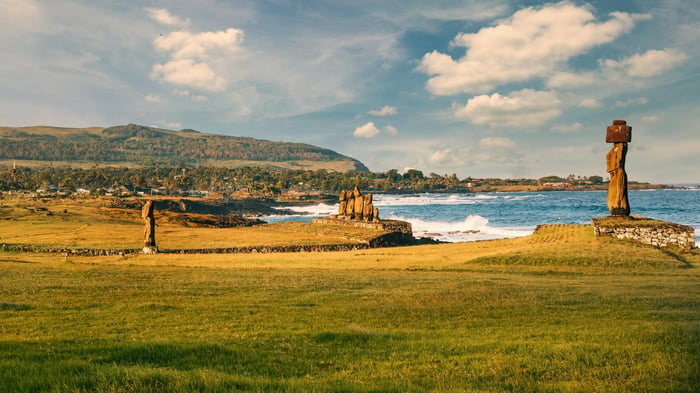
Scattered across the island, often overlooking the sea or inland villages, each moai is unique. Some stand proudly restored on ceremonial platforms known as ahu, while others remain partially buried, offering a glimpse into the island’s archaeological past.
Key sites to explore include:
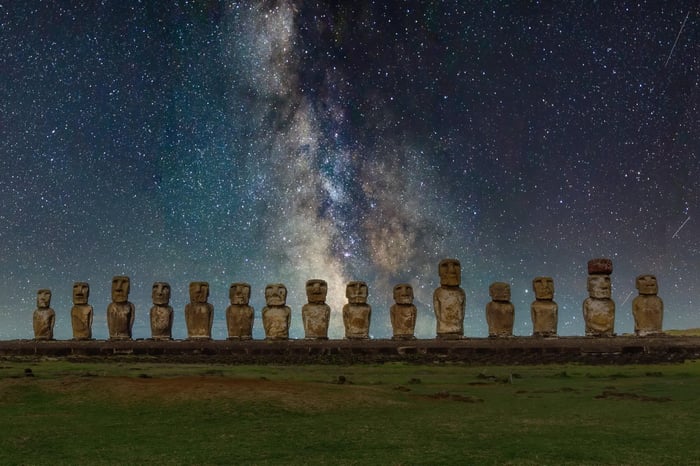
- Ahu Tongariki – The island’s most iconic setting, with 15 restored moai aligned against the horizon
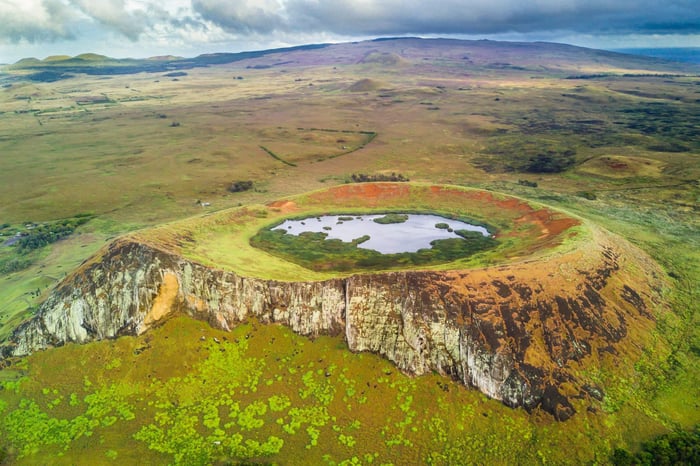
- Rano Raraku – The quarry where many moai were carved, with statues in various stages of completion
- Ahu Akivi – A rare inland site where the moai face the ocean, believed to represent early explorers
Exploring these sites with a knowledgeable guide brings deeper understanding of the island’s spiritual traditions and the remarkable achievements of its early inhabitants.
Experiencing Rapa Nui culture
Beyond the moai, Easter Island offers a rich cultural experience shaped by Polynesian heritage. Traditional dance, music and storytelling remain an important part of life, and visitors are warmly welcomed into this living culture.
The annual Tapati Festival, typically held in February, is a vibrant celebration of Rapa Nui identity. It features traditional competitions, body painting, music and dance, offering an immersive cultural experience.
Even outside festival season, you can explore:
- Local markets showcasing crafts and artwork
- Traditional cuisine influenced by Polynesian and Chilean flavours
- Community-led experiences that share the island’s history and traditions
Landscapes shaped by nature
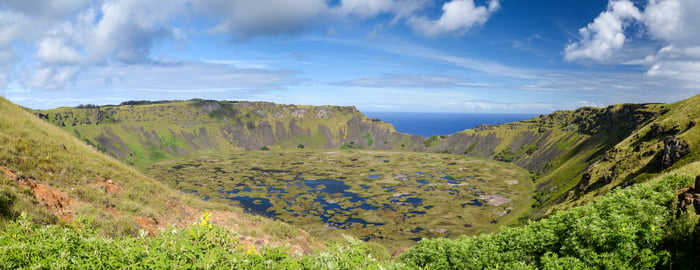
Easter Island’s scenery is as compelling as its history. Volcanic in origin, the island is defined by rolling hills, dramatic coastlines and striking crater landscapes.
Highlights include:
- Rano Kau crater – A vast volcanic crater with a serene freshwater lagoon
- Orongo village – A ceremonial site perched above the ocean, linked to the Birdman cult
- Anakena beach – A rare white sand beach, lined with palm trees and overlooked by moai
These landscapes invite exploration at a relaxed pace, whether on guided excursions or private tours.
When to visit Easter Island
Easter Island is a year-round destination, with a subtropical climate that remains pleasant throughout the year.
- December to March offers warmer temperatures and a lively atmosphere
- April to June and September to November provide quieter conditions and excellent sightseeing
- July and August are cooler but still rewarding for cultural exploration
Travelling around Easter itself can be particularly meaningful, aligning with the island’s historic naming and offering a reflective, seasonal perspective.
Planning your Easter Island holiday with Latin Routes
Reaching Easter Island requires careful planning, but the journey is part of the experience. Typically accessed via Santiago in Chile, it pairs beautifully with wider Chile holidays or broader Latin America journeys.
At Latin Routes, we design Easter Island holidays that balance cultural discovery with comfort and seamless travel. From expert-led excursions to carefully selected accommodation, every detail is tailored to help you connect with this remarkable destination.
A place of wonder and reflection
Easter Island is more than a destination. It is a place that invites curiosity, reflection and a deeper appreciation of human history.
Its connection to Easter is more than a name. It symbolises discovery and renewal, themes that resonate strongly when standing among the moai, gazing out across the Pacific.
If you are looking to experience something truly distinctive within Latin America, Easter Island offers a journey unlike any other.
Start planning your Easter Island holiday
Ready to experience one of Latin America’s most intriguing destinations? Whether you are adding it to a wider Chile journey or making it the highlight of your trip, Easter Island offers a truly distinctive travel experience.
Explore how you can include this remarkable destination in your journey with our or speak to our Travel Specialists to start shaping your tailor-made Easter Island holiday.
FAQs
Where is Easter Island?
Easter Island, or Rapa Nui, is located in the Pacific Ocean and forms part of Chile. It sits over 2,000 miles west of the mainland, making it one of the most remote inhabited islands in the world.
How do you get to Easter Island?
Most journeys begin with a flight to Santiago, followed by a direct flight to Easter Island. We recommend seamless connections and private transfers to ensure a smooth journey.
What is Easter Island famous for?
The island is best known for its moai statues, Moai stone figures carved by the Rapa Nui people, as well as its unique Polynesian culture and dramatic volcanic landscapes.
When is the best time to visit Easter Island?
Easter Island is a year-round destination. December to March offers warmer weather, while April, May, September and October provide quieter conditions for exploring.
How long should I spend on Easter Island?
A stay of 3 to 4 nights allows you to explore the main archaeological sites, enjoy cultural experiences and take in the island’s landscapes at a relaxed pace.
Can Easter Island be combined with other destinations?
Yes, Easter Island is most commonly experienced as part of a wider Chile holiday or a broader Latin America journey, creating a well-balanced and enriching itinerary.