
Inspiration
- What makes Patagonia so special?
- Is Torres del Paine worth visiting?
- What wildlife can you see in Patagonia?
- When is the best time to visit Patagonia?
- What is the weather really like in Patagonia?
- Do you need to hike in Patagonia?
- Where should you stay in Patagonia?
- What surprised the team most about Patagonia?
- Can you combine Patagonia with other parts of Chile?
- Patagonia quick picks from our team
- Plan your Patagonia trip with Latin Routes
- FAQs
Looking for inspiration? Explore our Patagonia holidays to discover the region’s spectacular glaciers, iconic mountain scenery, wildlife and unforgettable landscapes across Chile and Argentina.
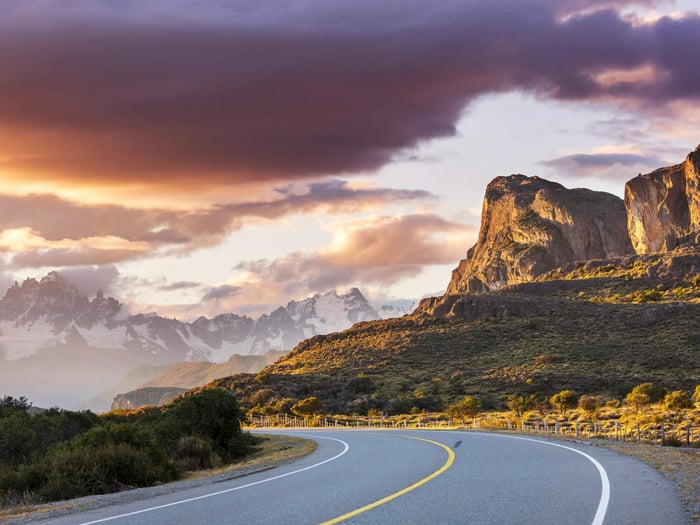
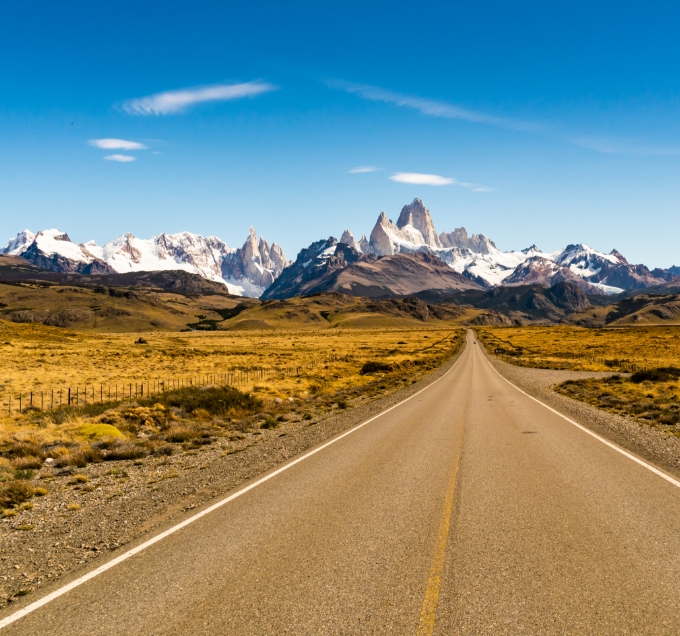
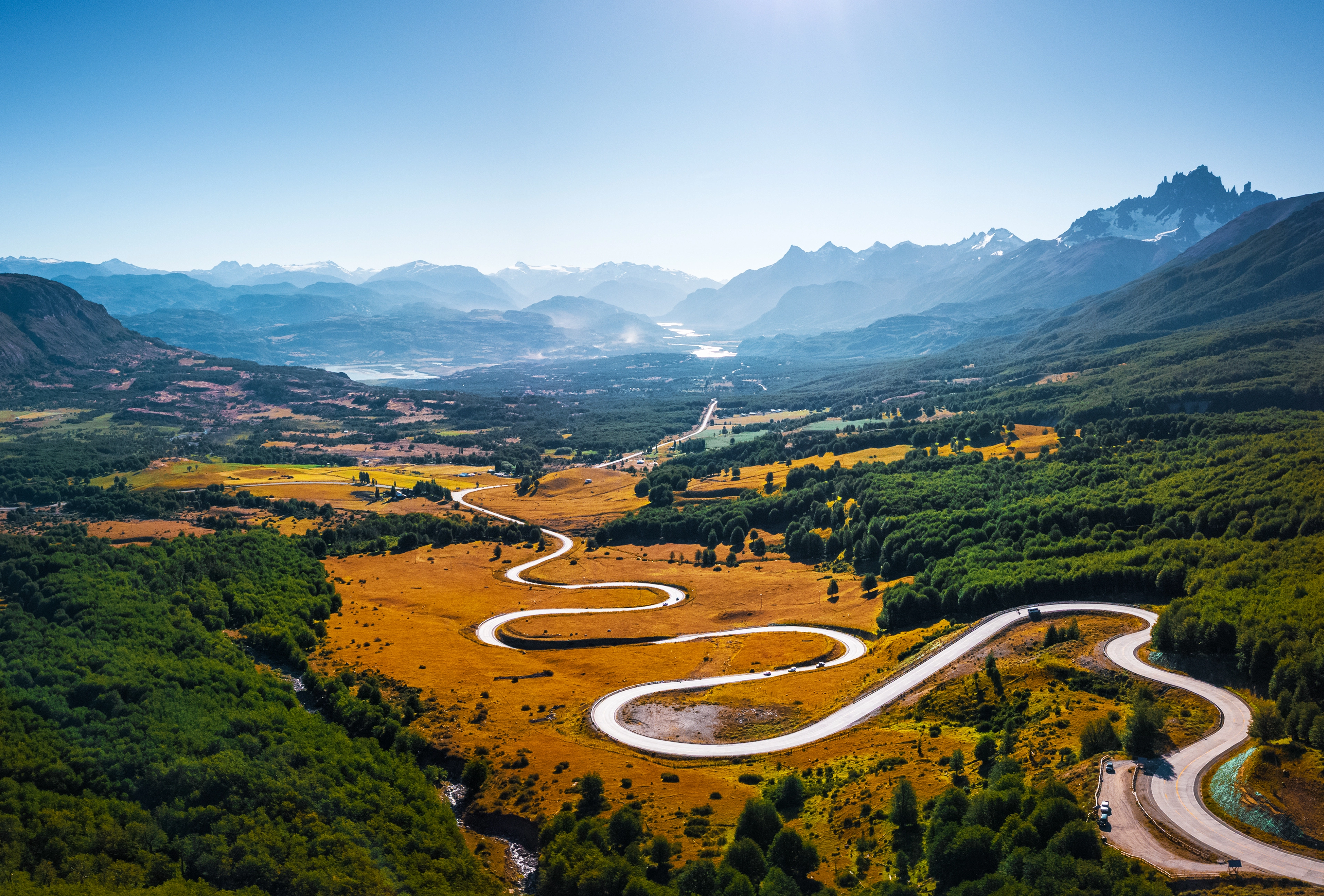
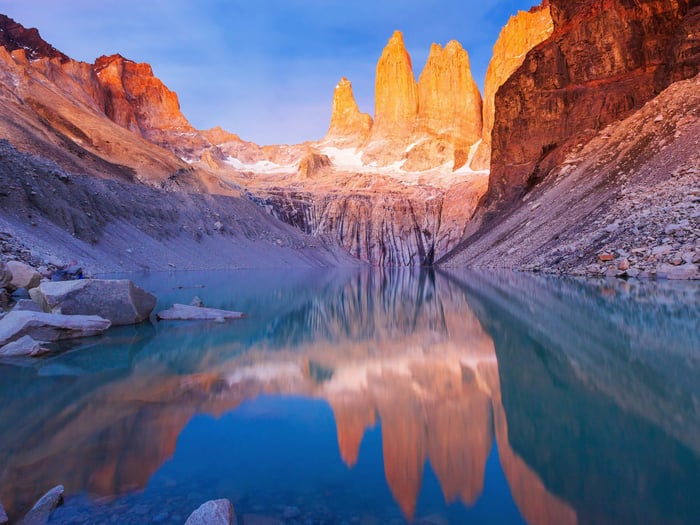
Patagonia holidays are some of the most rewarding travel experiences in Latin America. From the dramatic granite peaks of Torres del Paine to glacier lakes, wildlife and remote landscapes, Chilean Patagonia feels vast, wild and wonderfully untouched.
To help inspire your trip, we asked the Latin Routes team the questions travellers ask most about visiting Patagonia, including the best time to go, what wildlife you can see and which experiences are truly worth including.
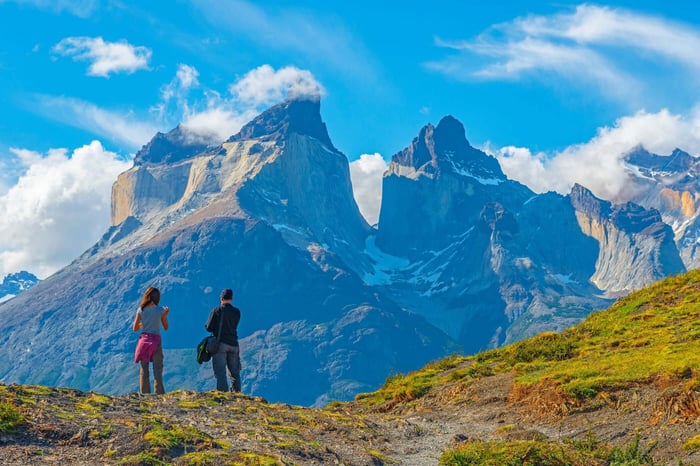
What makes Patagonia so special?
For many travellers, the scenery is what first draws them to Patagonia, but our team agreed it is the feeling of space and remoteness that stays with you long after returning home.
Giuliano described Patagonia holidays simply as: “A wild place.”
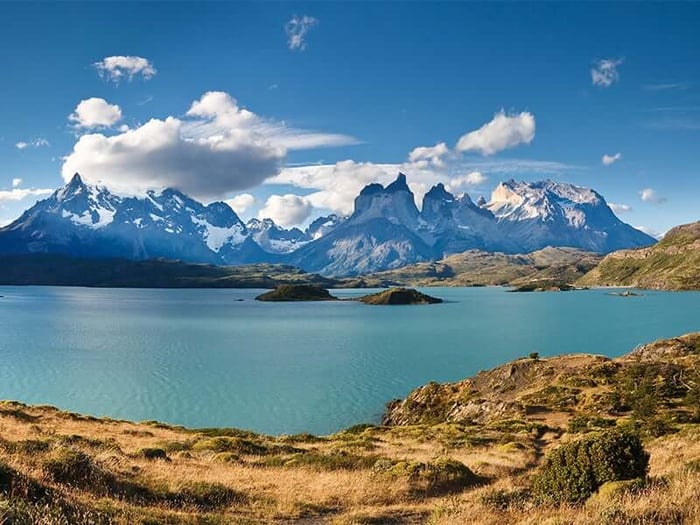
Gaynor reflected on her first impressions of Torres del Paine: “Every day I spent in Torres del Paine took my breath away.”
Alex added: “The landscapes and scenery leave you gasping.”
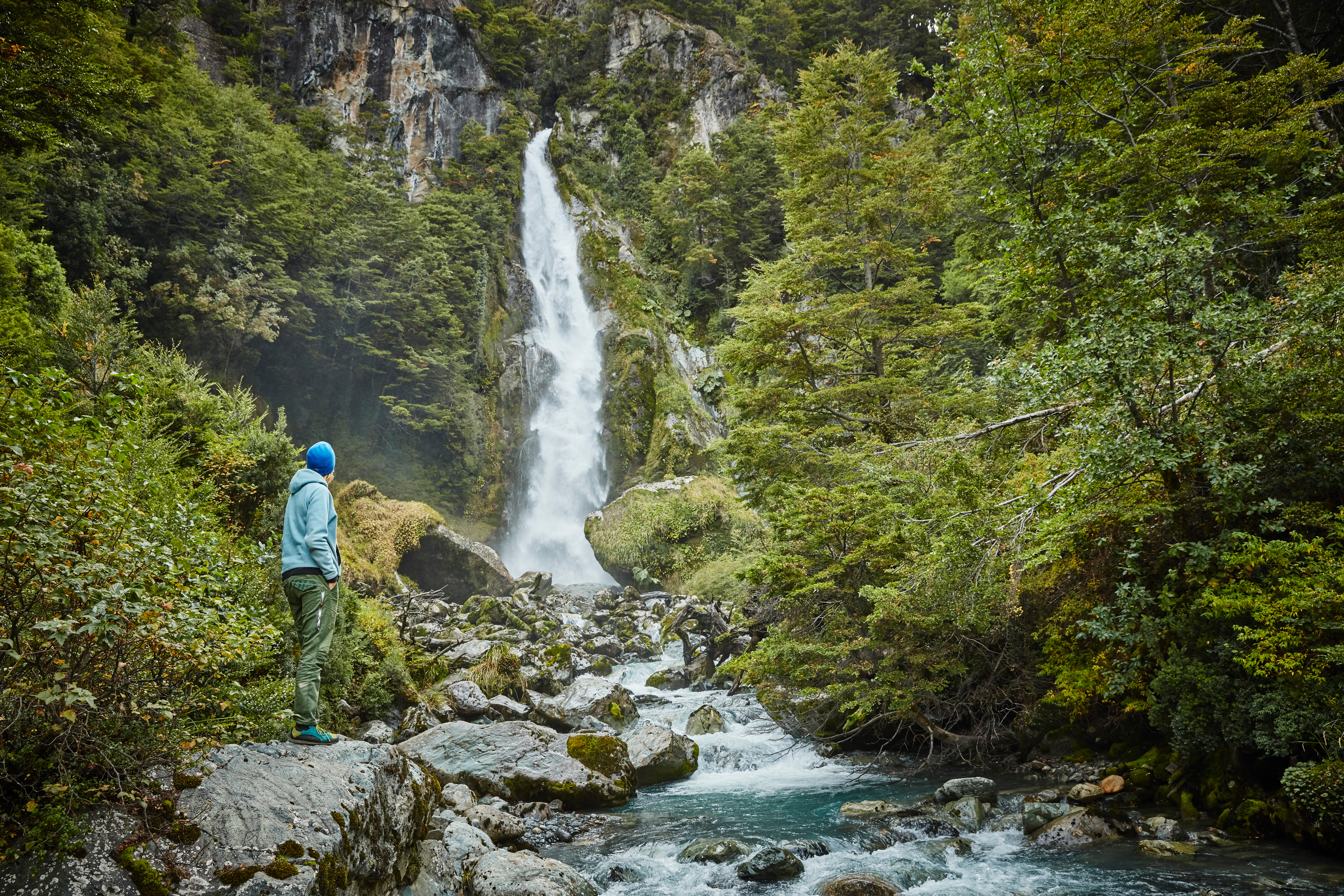
Patagonia holidays combine mountain scenery, glaciers, lakes, wildlife and adventure in a way few destinations can match.
Oliver explained: “Patagonia has that rare combination of dramatic scenery and genuine remoteness. It feels like a true escape into nature.”
Is Torres del Paine worth visiting?
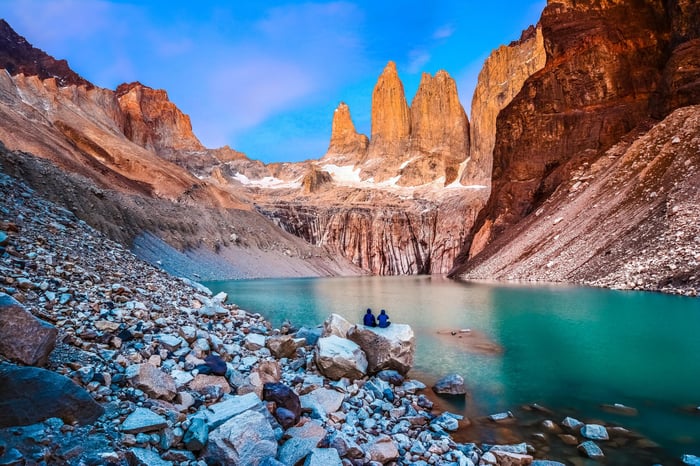
Absolutely. Torres del Paine National Park is often the highlight of any Patagonia holidays.
Giuliano remembered:
“Seeing the Paine Massif for the first time is unforgettable. Listening to the avalanches from afar is amazing.”
Alex completed the famous Base of the Towers hike and recalled:
“The view at the top was stunning even though the wind literally blew my glasses off my face and into the lagoon at the top never to be seen again! Worth it!”
Torres del Paine offers far more than hiking. Visitors can enjoy:
- Scenic drives
- Wildlife excursions
- Glacier cruises
- Photography experiences
- Horse riding
- Luxury lodges with panoramic views
Oliver recommends spending several nights within the national park itself:
“Staying inside Torres del Paine allows you to properly experience the landscapes rather than rushing through on day trips.”
What wildlife can you see in Patagonia?
Wildlife is one of the biggest surprises when visiting Patagonia.
Travellers regularly spot:
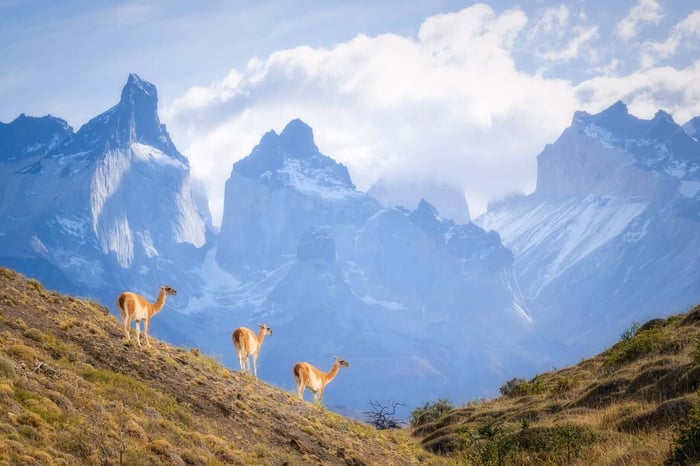
- Guanacos
- Condors
- Foxes
- Flamingos
- Rheas
- Penguins
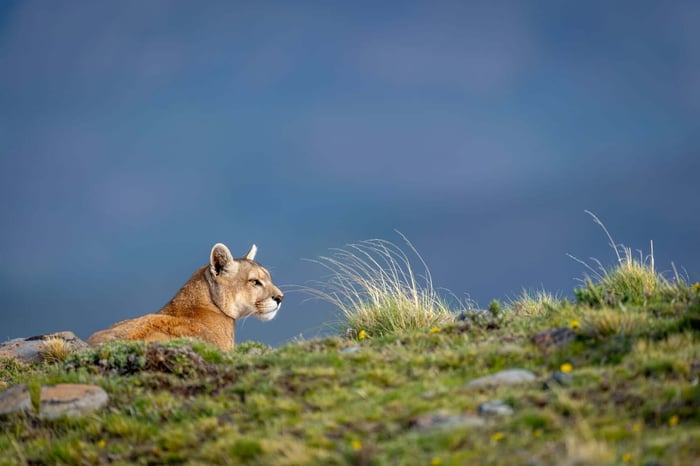
- Pumas in some areas
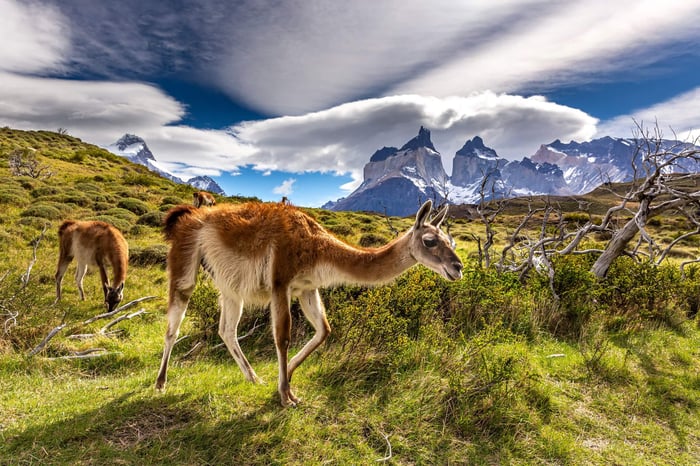
The team all agreed the guanacos quickly become one of the symbols of Patagonia.
Gaynor recalled watching condors soaring above the mountains during one excursion, while Alex loved how close the wildlife often appeared against the dramatic scenery.
The landscapes make every wildlife encounter feel even more special.
When is the best time to visit Patagonia?
The main season for visiting Patagonia runs from October to April.
Summer months such as December and January bring longer daylight hours and warmer temperatures, while March and April are popular for autumn colours and fewer visitors.
Alex particularly loved Patagonia in autumn:
“The colours in Patagonia and the Lake District were incredible.”
Oliver also recommends travelling slightly outside peak season where possible:
“Travelling outside the busiest months often gives you a quieter and more immersive experience.”
Weather in Patagonia can change quickly at any time of year, which is all part of the adventure.
What is the weather really like in Patagonia?
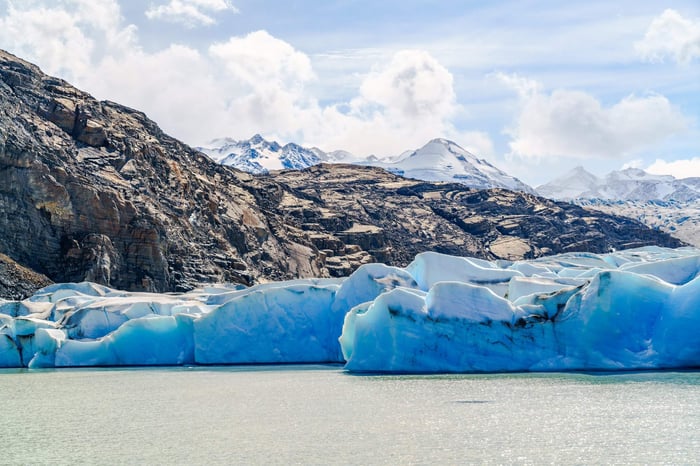
The weather is famously unpredictable for a Patagonia holidays.
Alex explained:
“You can experience sunshine, rain and huge winds all within a few hours.”
Strong winds are common, especially in Torres del Paine, but the constantly changing conditions are part of what makes Patagonia feel so dramatic.
Layered clothing is essential, even during the warmer months.
Do you need to hike in Patagonia?
Not at all.
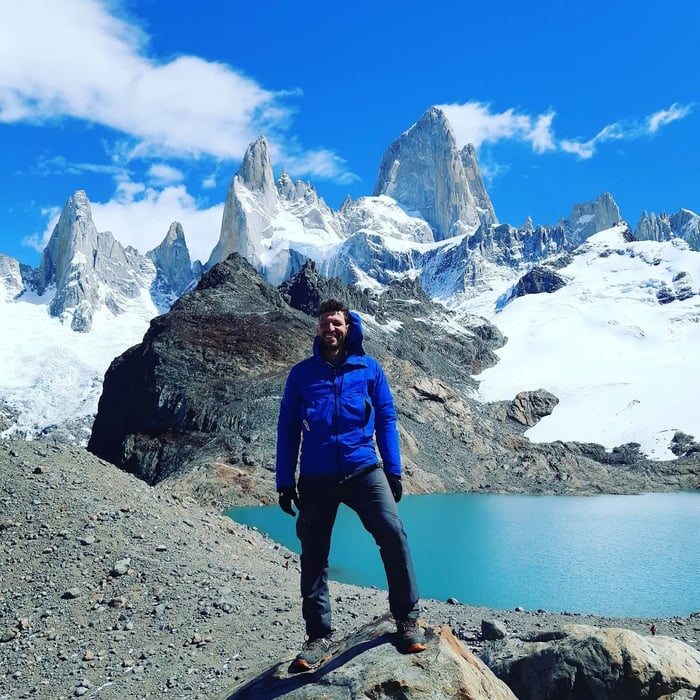
While Patagonia is famous for trekking routes and hiking trails, there are plenty of ways to experience the region without long walks.
Many travellers enjoy:
- Scenic viewpoints
- Boat excursions
- Wildlife safaris
- Spa and lodge experiences
- Photography tours
- Gentle nature walks
Patagonia can be as adventurous or as relaxed as you want it to be.
Where should you stay in Patagonia?
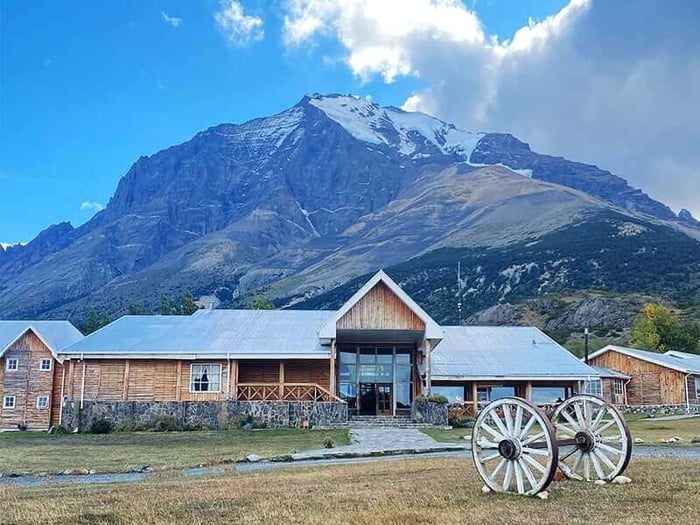
Accommodation is a huge part of the experience in Chilean Patagonia.
Many of the team’s favourite moments came from simply sitting in a lodge surrounded by mountain views and watching the weather change across the landscape.
Oliver recommends staying inside Torres del Paine if possible to maximise time within the park.
Options range from:
- Luxury all-inclusive lodges
- Boutique eco properties
- Stylish hotels in Puerto Natales
- Expedition-style accommodation
- Remote estancia stays
What surprised the team most about Patagonia?
The scale of Patagonia was something everyone mentioned.
Gaynor explained:
“That first entry into Torres del Paine and seeing the mountains in the distance. They are much bigger than you expect.”
The sense of silence and remoteness also surprised many of the team.
Giuliano reflected on how untouched the landscapes still feel, while Alex was amazed by how quickly the scenery changes throughout the day.
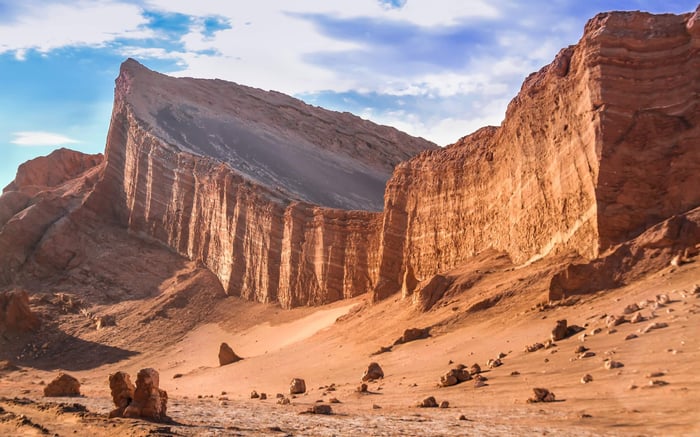
Can you combine Patagonia with other parts of Chile?
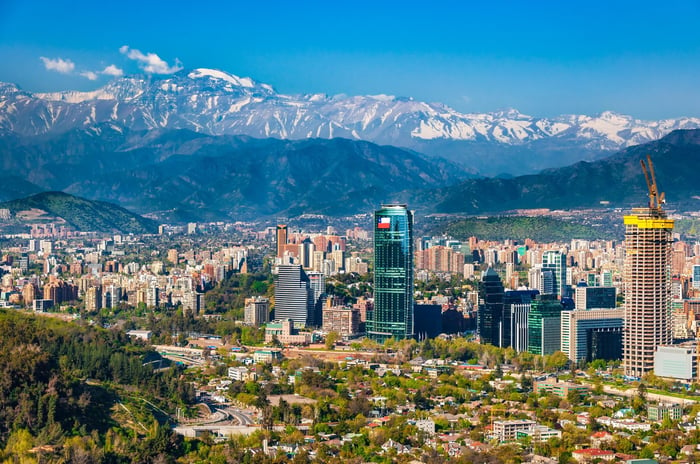
Yes, many travellers combine Patagonia with other regions of Chile to create a more varied itinerary.
Popular combinations include:
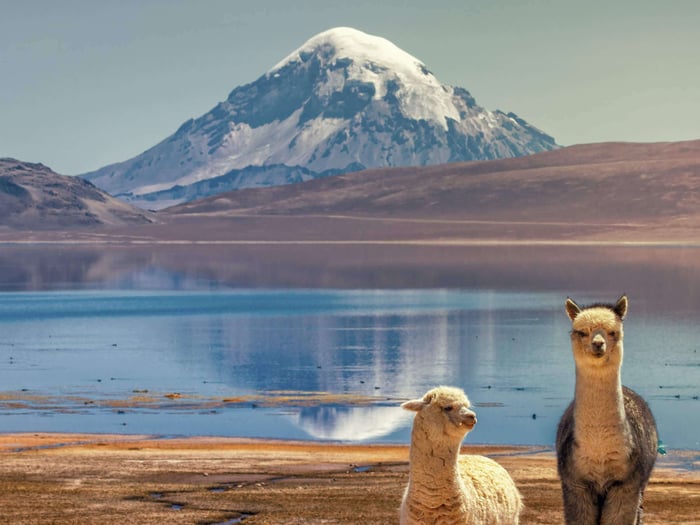
- Patagonia and the Atacama Desert
- Patagonia and Chile’s wine regions
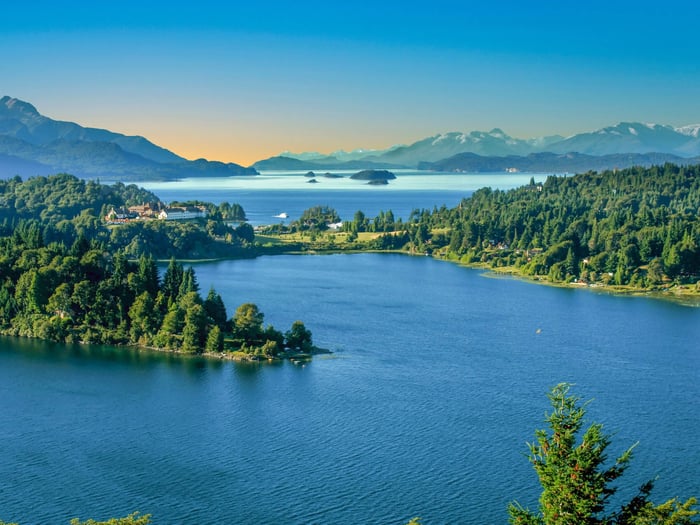
- Patagonia and the Chilean Lake District
- Patagonia and Easter Island
- Chilean and Argentine Patagonia
Oliver explained:
“Combining Patagonia with the Atacama Desert gives travellers two completely different sides of Chile in one holiday.”
Patagonia quick picks from our team
- Best wildlife sighting: Guanacos in Torres del Paine
- Best view: The Paine Massif at sunrise
- Best hike: Base of the Towers trail
- Best hotel experience: Luxury lodges inside Torres del Paine National Park
- Best time to visit: March and April for autumn colours and quieter trails
- Most unexpected moment: Patagonia’s constantly changing weather
Plan your Patagonia trip with Latin Routes
Whether you want to hike in Torres del Paine, stay in luxury Patagonia lodges, cruise past glaciers or combine Patagonia with other regions of Chile, our specialists can create a tailor-made itinerary designed around your interests.
Having travelled extensively throughout Chilean Patagonia ourselves, we can help you experience the region at the right pace while making the most of every destination.
Contact our Travel Specialists to start planning your Patagonia adventure with Latin Routes.
Read more about Torres del Paine here
FAQs
How many days do you need in Patagonia?
Most travellers spend between four and seven nights in Patagonia depending on how much hiking and sightseeing they want to include.
Is Patagonia suitable for non-hikers?
Yes. Many visitors experience Patagonia through scenic excursions, wildlife experiences and luxury lodge stays rather than trekking.
What is the best month to visit Patagonia?
March and April are excellent months thanks to autumn colours, fewer crowds and good conditions.
Is Torres del Paine worth visiting?
Torres del Paine is considered one of the highlights of Chilean Patagonia thanks to its scenery, wildlife and hiking opportunities.
Can you combine Patagonia and Atacama in one trip?
Yes, this is one of the most popular Chile itineraries because of the dramatic contrast between the two regions.