
Discover the 'Big 15' Galápagos Wildlife Icons: Nature's Marvels in Ecuador's Enchanted Islands
The Galápagos Islands, located in the Pacific Ocean off the coast of Ecuador, are one of the world’s most iconic wildlife destinations. These remote volcanic islands are a living laboratory of evolution and biodiversity, famously inspiring Charles Darwin’s theory of natural selection. In this blog we meet the Big 15 of the Galápagos Islands.
To showcase the incredible wildlife that calls this archipelago home, conservation experts and local guides created the concept of the ‘Big 15’ Galápagos animals. While not an exhaustive list, the Big 15 includes some of the most recognisable and unique species found across the islands. Spotting these creatures on a Galápagos wildlife safari is a bucket-list dream for many nature lovers.
So, which animals make the cut? Let’s dive into the remarkable wild residents of the Galápagos Islands and start crafting your own wildlife wish list - let's meet the Big 15 of the Galápagos Islands!
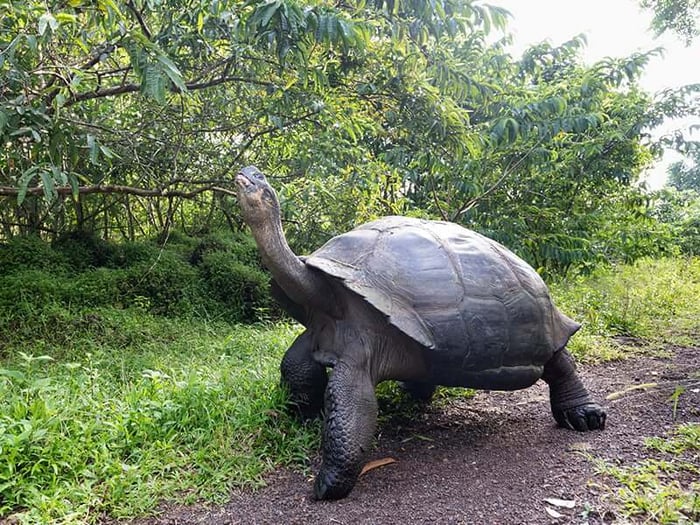
1. Giant Tortoise – The Island's Most Famous Icon
Arguably the most famous animal in the Galápagos, the giant tortoise is an ancient species and a symbol of the islands themselves. These gentle giants can live well over 100 years and reach weights of up to 400kg (around 64 stone). They are slow-moving but fascinating to observe as they graze peacefully in the highlands of Santa Cruz, Isabela, and San Cristóbal Islands.
Top Tip: Visit the Charles Darwin Research Station to learn about tortoise conservation and spot them in semi-wild environments.
2. Blue-footed Booby – Nature’s Courtship Dancer
Known for their striking turquoise feet, the blue-footed booby is a comical and endearing seabird. Their elaborate mating dances, which include foot-lifting and sky-pointing, are a favourite among wildlife watchers. They are excellent divers, plunging into the ocean to catch fish with pinpoint precision.
Best Islands to Spot Them: North Seymour, Española, and Floreana.
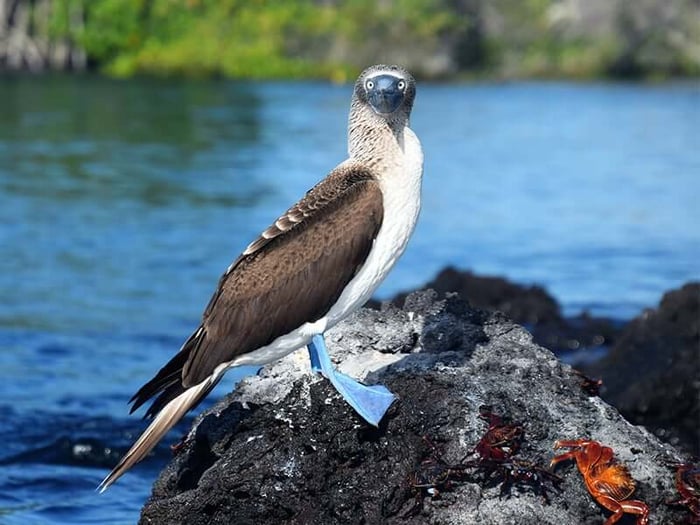 Blue-footed Booby Bird
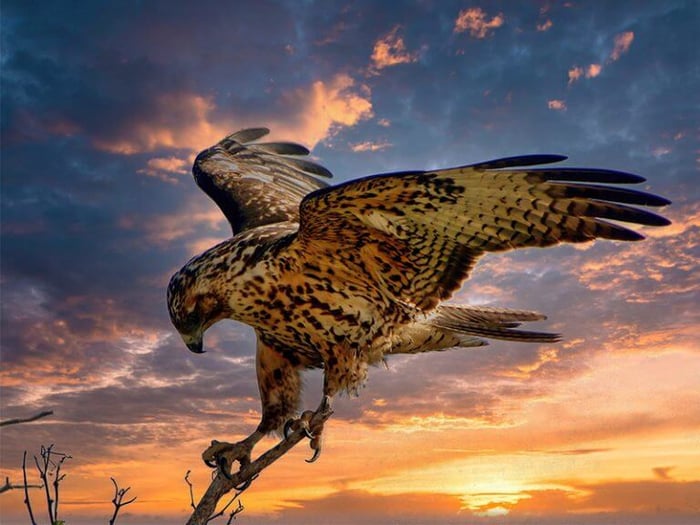
3. Galápagos Hawk – The Archipelago's Apex Predator
The Galápagos hawk is the top predator in this ecosystem. These raptors are relatively tame and often perch close to visitors. They primarily feed on small reptiles like marine iguanas, but are also known to scavenge or prey on bird hatchlings. They are critically important for maintaining the ecological balance on the islands.
4. Marine Iguana – The World’s Only Ocean-Swimming Lizard
Found nowhere else on Earth, the marine iguana is a true evolutionary marvel. These black-scaled reptiles are the only lizards that forage at sea, diving to feed on marine algae. They often huddle together on lava rocks to soak up the sun after a chilly underwater excursion.
Top Viewing Tip: Visit Fernandina or Española Island to witness large colonies basking and spitting excess salt from their nostrils.
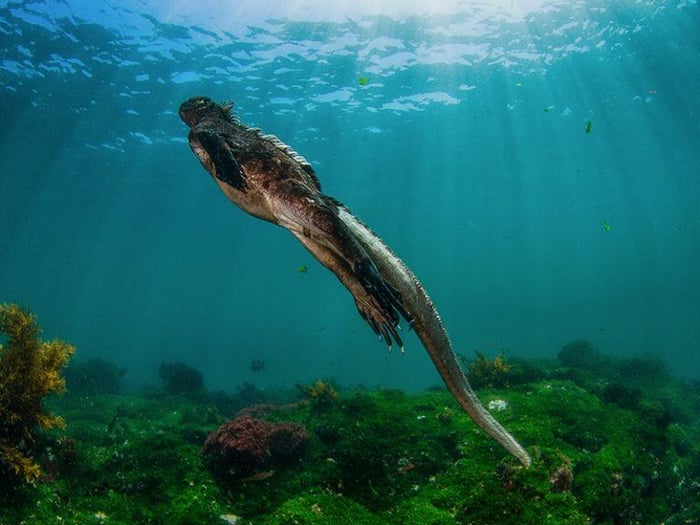 Marine Iguana of the Galapagos Islands
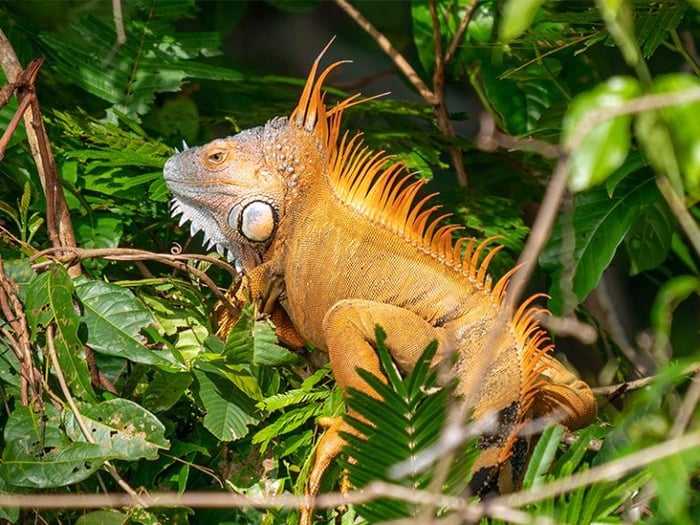
5. Land Iguana – A Terrestrial Cousin with Bold Colours
Unlike their marine relatives, land iguanas are bright yellow and orange in colour and live entirely on land. These impressive reptiles are herbivores, often seen eating prickly pear cactus. Their prehistoric appearance and slow movements make them a popular subject for photography.
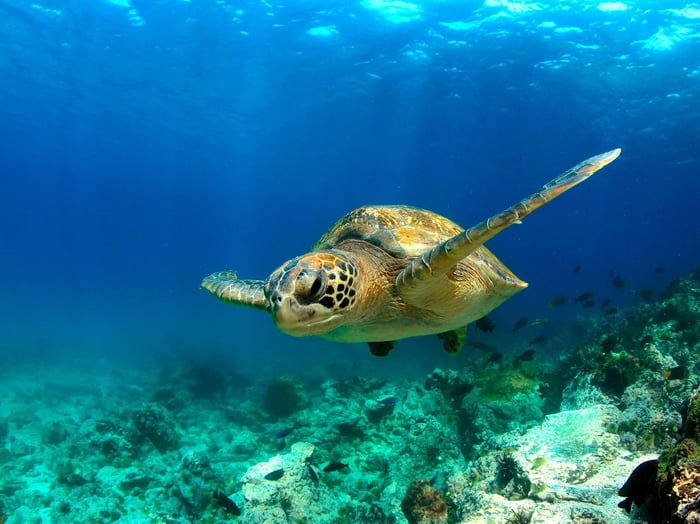
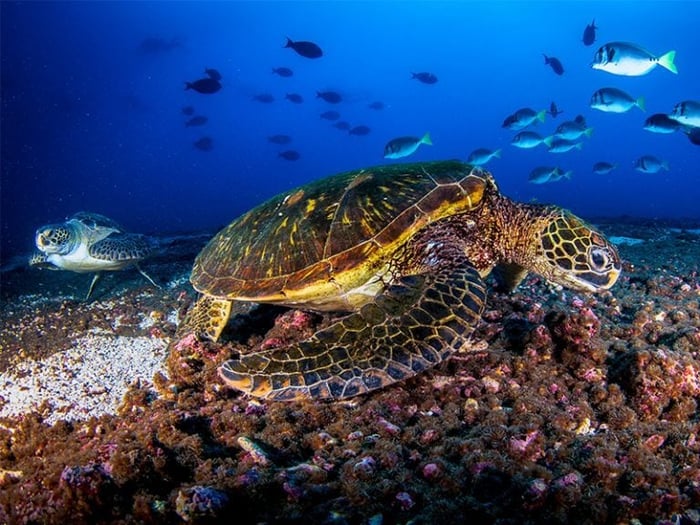
6. Galápagos Green Turtle – Graceful Swimmers of the Reef
The green sea turtle is the most common turtle species in the Galápagos. Graceful and curious, they can be seen gliding through coral reefs or surfacing for air. Female turtles return to specific beaches to lay their eggs, often under the cover of night.
Best Snorkelling Sites: Turtle sightings are common near Bartolomé, Punta Vicente Roca, and Gardner Bay.
7. Galápagos Fur Seal – Smaller, Shyer, and Nocturnal
Often mistaken for their louder cousins, the Galápagos sea lions, the fur seals are smaller, with thicker coats and larger eyes suited for night hunting. They're more elusive but equally captivating, especially when viewed resting in shaded rocky crevices.
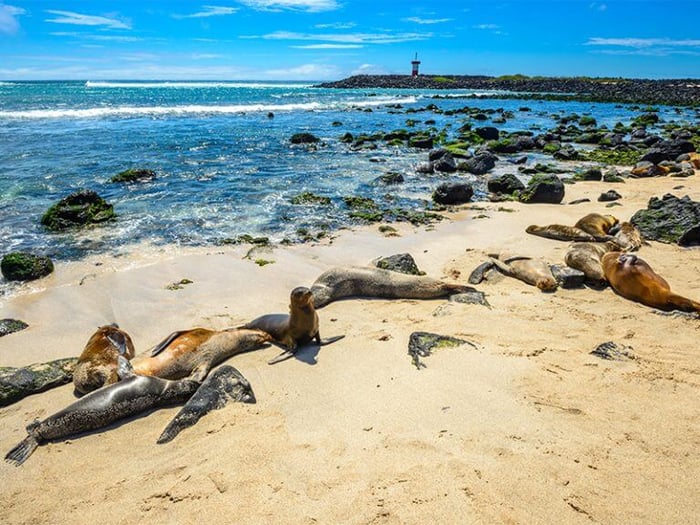 Galapagos Fur Seal
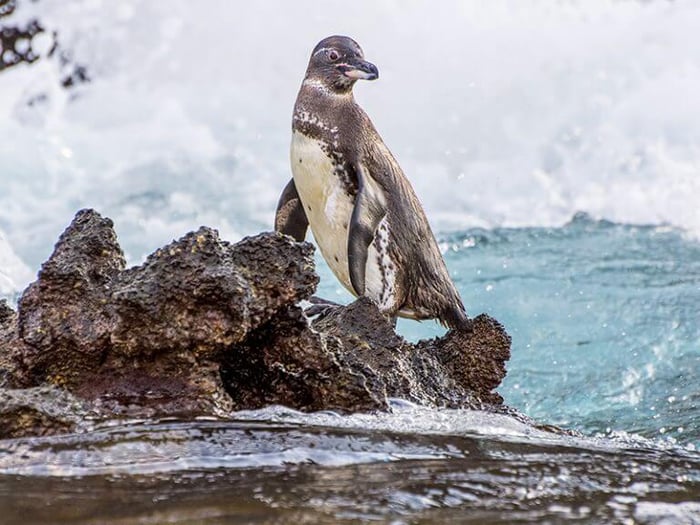
8. Galápagos Penguin – The Equator's Flightless Flier
The Galápagos penguin is the only penguin species found north of the equator. These small, agile swimmers have adapted to the archipelago's warm climate thanks to the cold Humboldt and Cromwell currents. Watch them darting underwater or sunning themselves on lava rocks.
Top Spot: Isabela and Fernandina Islands.
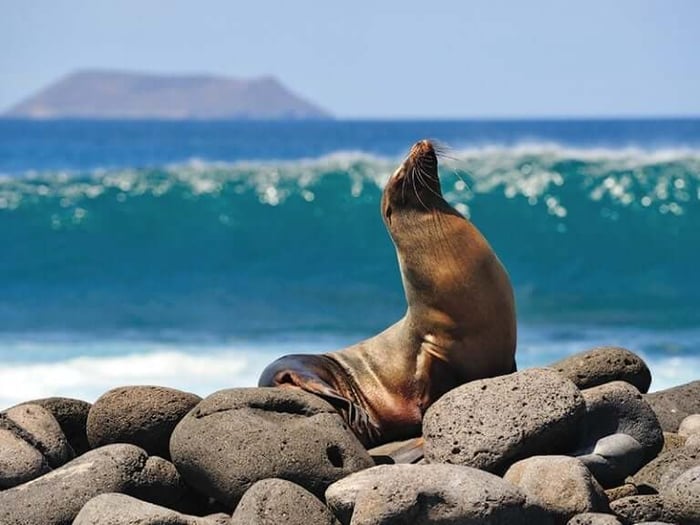
9. Galápagos Sea Lion – Playful and Photogenic
These social marine mammals are among the most visible and vocal animals in the Galápagos. You’ll find sea lions sprawled across beaches, benches, and even docks! Their playful behaviour in the water makes them a favourite companion for snorkellers and divers.
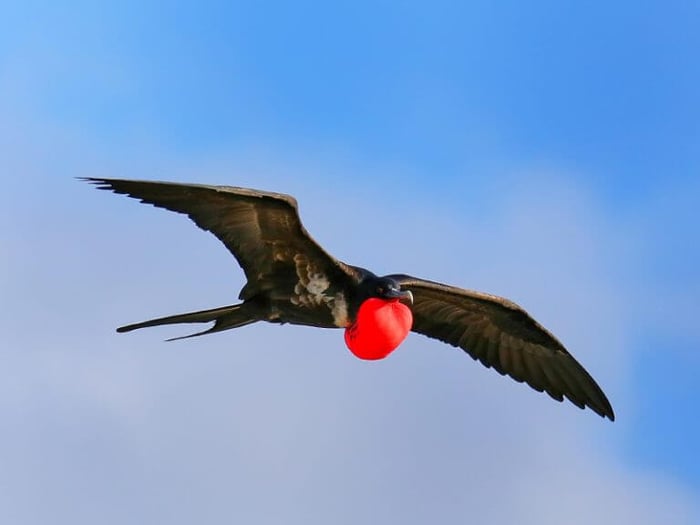
10. Frigatebirds – High-Flying Showmen of the Skies
Both Great and Magnificent frigatebirds soar gracefully above the islands. The males of these species are known for their enormous red throat pouch, or gular sac, which they inflate like a balloon to attract females during courtship. They often snatch fish mid-air or even steal from other birds in flight.
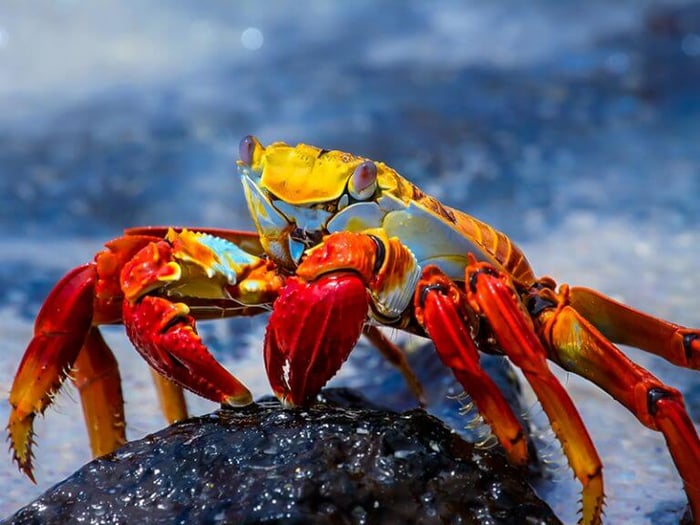
11. Sally Lightfoot Crab – A Splash of Colour on the Rocks
These agile and colourful crustaceans are a familiar sight along the rocky shores. The Sally Lightfoot crab is known for its vivid red and orange colouring, quick movements, and role in cleaning beaches by feeding on dead plant and animal matter.
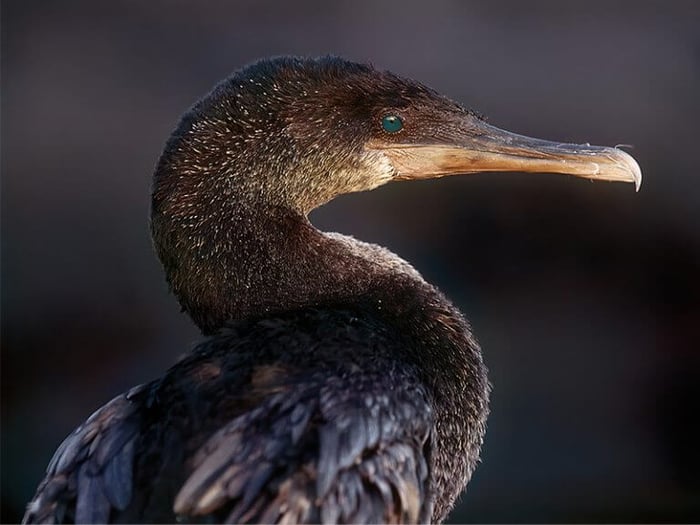
12. Flightless Cormorant – Nature’s Unique Diver
This fascinating bird is one of the world’s rarest. The flightless cormorant has stubby wings and a powerful, streamlined body built for swimming. It dives deep to catch fish and octopus, evolving in isolation on just a few Galápagos islands.
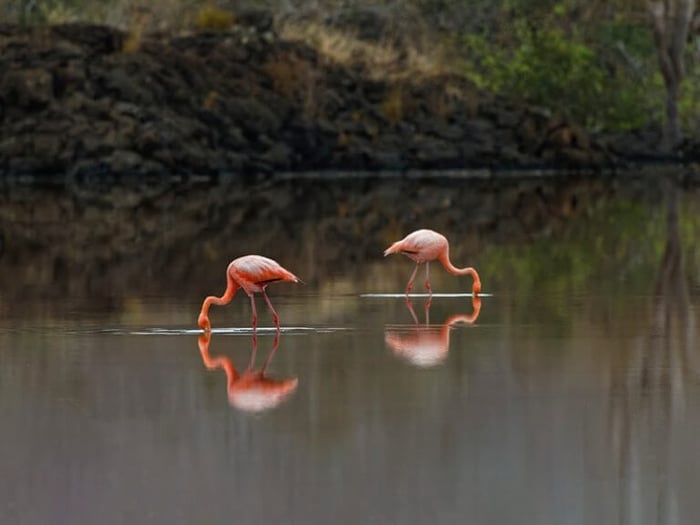
13. Galápagos Flamingo – Pink Perfection in Shallow Lagoons
The American flamingo, or Galápagos flamingo, is one of the most vibrant animals in the islands. Their brilliant pink plumage, shaped by their algae-based diet, stands out against the serene salt flats and lagoons of Floreana and Isabela.
14. Galápagos Mockingbird – The Vocal Imitator
Endemic to the Galápagos, these mockingbirds are known for their curiosity, intelligence, and complex vocalisations. Different islands host distinct species, each with slightly unique behaviours and calls – one of the many evolutionary puzzles that caught Darwin’s attention.
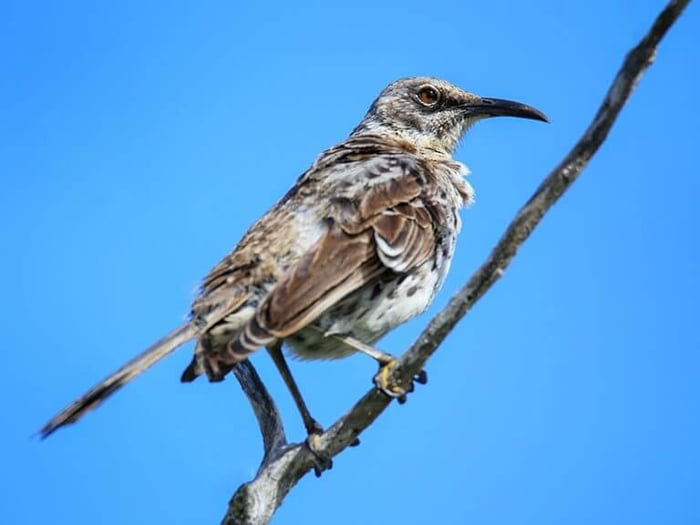 Galápagos Mockingbird
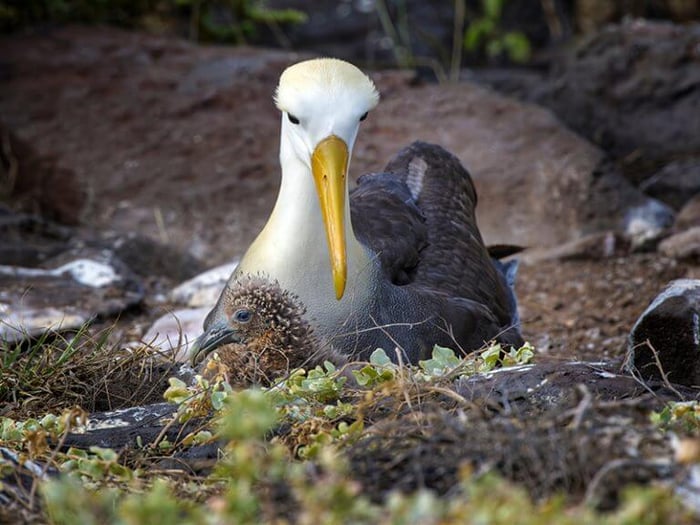
15. Waved Albatross – The Graceful Glider of Española
The waved albatross is the largest bird in the Galápagos and breeds almost exclusively on Española Island. Their name comes from the wavy pattern on their wings. During mating season, you can witness their elaborate courtship dance, involving bill-fencing and head bobbing – truly a spectacle of nature.
Plan Your Galápagos Wildlife Adventure
From ancient tortoises to vibrant flamingos, the Galápagos ‘Big 15’ offer a truly unforgettable wildlife experience. Whether you’re cruising the archipelago, snorkelling among turtles, or hiking with iguanas, the Galápagos Islands provide one of the world’s greatest natural safaris.
Ready to explore the Galápagos? Contact Latin Routes for expertly designed, tailor-made holidays to Ecuador and the Galápagos Islands. Let us help you create a once-in-a-lifetime journey packed with wildlife encounters and natural wonders.