
Inspiration
- What makes the Galápagos Islands unique
- A landscape shaped by volcanoes
- Beaches shaped by nature
- Beyond wildlife watching: things to do in the Galápagos
- The history of the Galápagos Islands
- Why choose the Galápagos over other wildlife destinations
- Why include the Galápagos in Latin America holidays
- Plan your Galápagos holidays
- FAQs
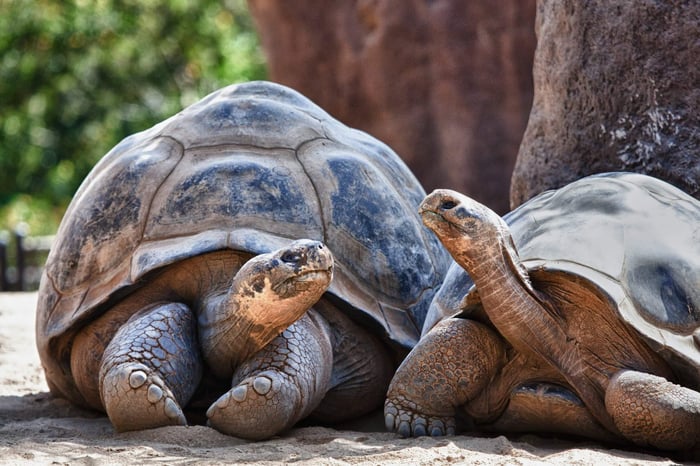
When planning Galápagos holidays, it is often the extraordinary wildlife that captures attention. Giant tortoises, marine iguanas, and blue-footed boobies have made the Galápagos Islands one of the most renowned wildlife destinations in the world. Let's explore beyond the wildlife with our Galápagos islands travel guide.
Yet the appeal of the Galápagos extends far beyond wildlife watching. This remote archipelago offers dramatic volcanic landscapes, diverse beaches, and a compelling human history that together create a far richer travel experience.
For those looking to explore more deeply, the Galápagos rewards curiosity, offering a destination shaped by nature, time, and careful conservation. Read on for our Galápagos islands travel guide.
What makes the Galápagos Islands unique
The Galápagos Islands stand apart from other destinations in Latin America due to their rare combination of isolation, biodiversity, and geology.
- Located around 1,000 kilometres off the coast of Ecuador in the Pacific Ocean
- Formed by a volcanic hotspot, with some of the youngest islands on earth
- Home to species found nowhere else, with high levels of endemism
- A UNESCO World Heritage Site since 1978
- Protected as a national park, with strict conservation regulations
What makes the Galápagos truly distinctive is the balance between wildlife and landscape. Animals have evolved with little natural fear of humans, allowing for close but carefully managed encounters, while the scenery remains raw, elemental, and constantly evolving. Keep reading for more from our Galápagos islands travel guide.
A landscape shaped by volcanoes
The geological story of the Galápagos is central to understanding the islands. Formed by volcanic activity deep beneath the ocean floor, the archipelago continues to evolve today.
Active volcanoes
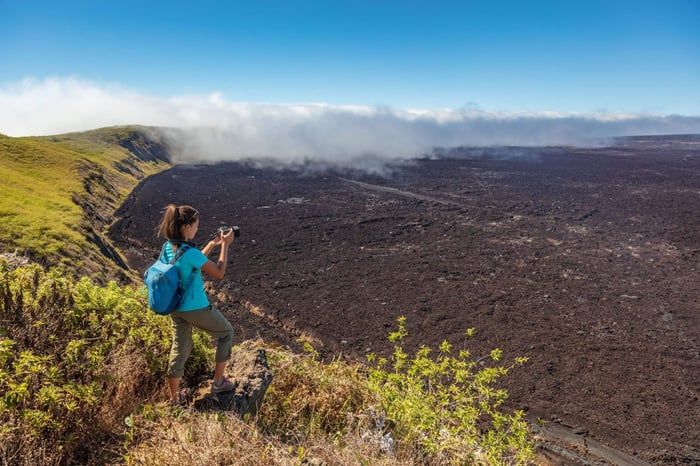
Several volcanoes remain active, shaping the islands over time. Fernandina Island is one of the most active volcanic islands in the world, while Isabela Island is home to Sierra Negra, one of the largest volcanic calderas, measuring around 10 kilometres across.
Hiking here offers a powerful sense of scale, with views across expansive lava fields and the surrounding coastline.
Lava flows and formations
Across the islands, lava fields stretch across the landscape, creating striking contrasts in texture and colour.
- Smooth, rope-like pahoehoe lava
- Jagged aa lava formations
- Wide lava plains formed by historic eruptions
These landscapes feel remote and largely unchanged, offering a glimpse into the natural forces that continue to shape the Galápagos.
Lava tunnels
Lava tunnels on Santa Cruz and Isabela provide one of the most immersive ways to explore the islands’ geological origins. Formed as lava cooled on the surface while continuing to flow beneath, these tunnels now create accessible underground passages.
Walking through them offers a deeper connection to the volcanic processes that formed the archipelago.
Beaches shaped by nature
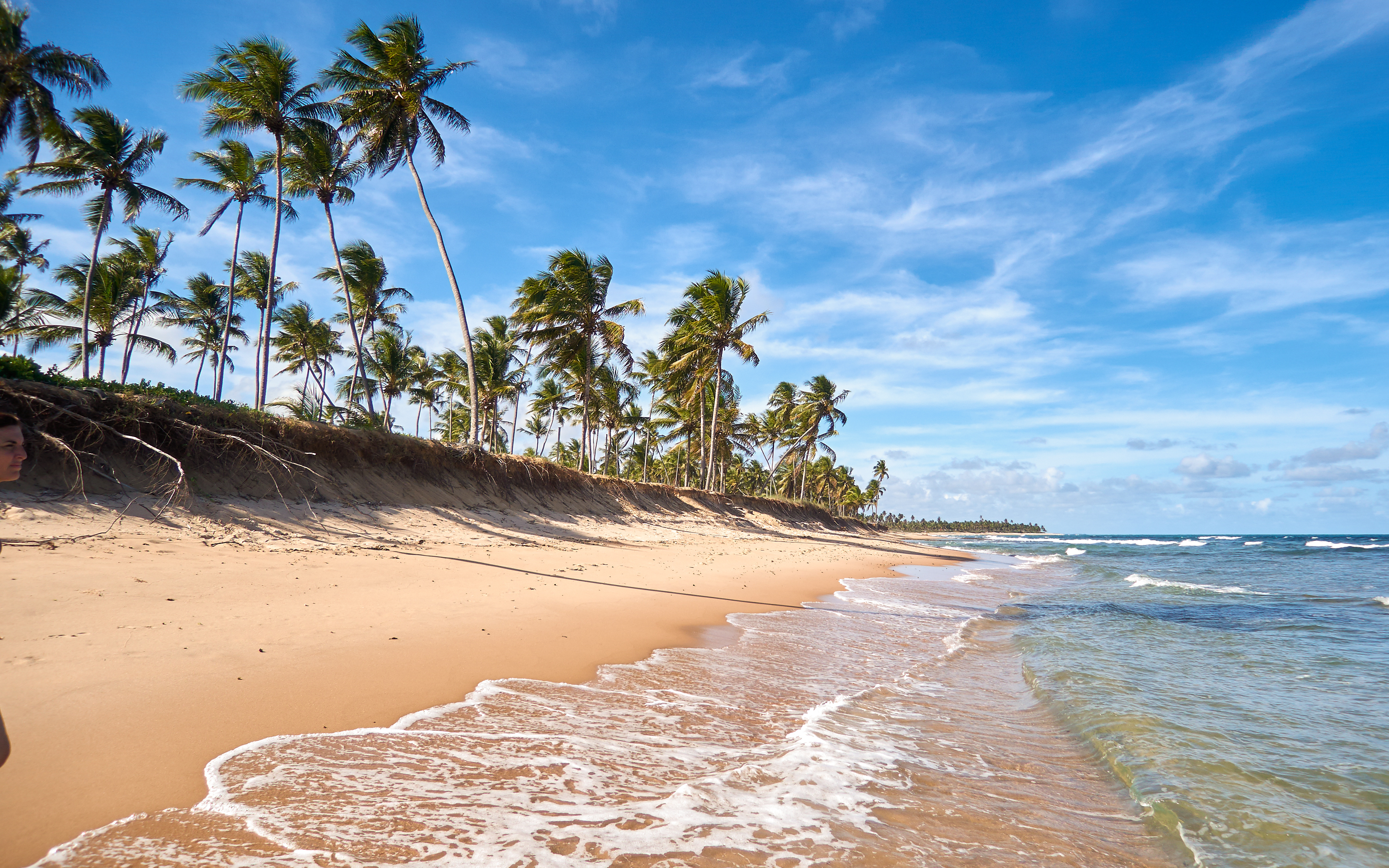
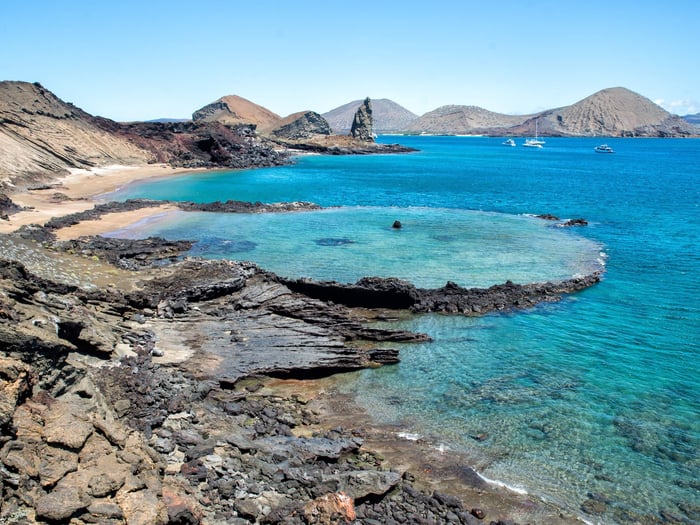
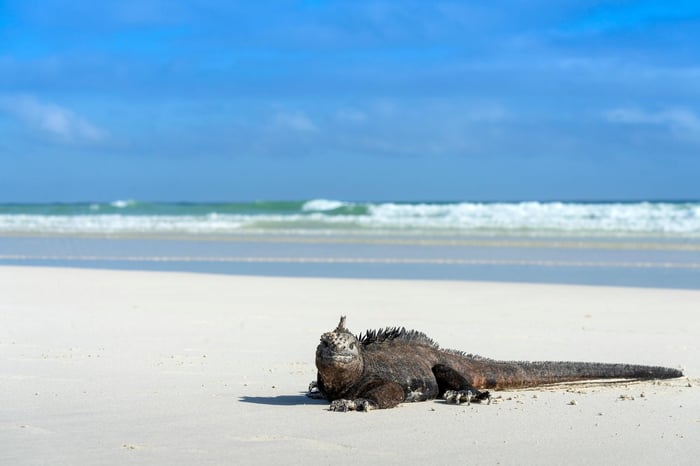
The beaches of the Galápagos are as varied as the islands themselves, each reflecting the minerals and materials from which they were formed.
- White sand beaches such as Tortuga Bay, created from finely ground coral
- Black sand beaches formed from volcanic rock, particularly on Isabela Island
- Red sand beaches on Rabida Island, coloured by iron-rich deposits
- Green sand beaches where olivine crystals give a subtle green tone
These distinctive shorelines are not only visually striking but also ideal for snorkelling, kayaking, and coastal exploration, all key experiences on Galápagos holidays.
 Beyond wildlife watching: things to do in the Galápagos
While wildlife encounters remain central, the Galápagos offers a wide range of activities that allow you to engage more actively with the environment.
Hiking and volcano exploration
Hiking is one of the most rewarding ways to experience the islands’ diversity.
- Sierra Negra and Volcan Chico on Isabela Island
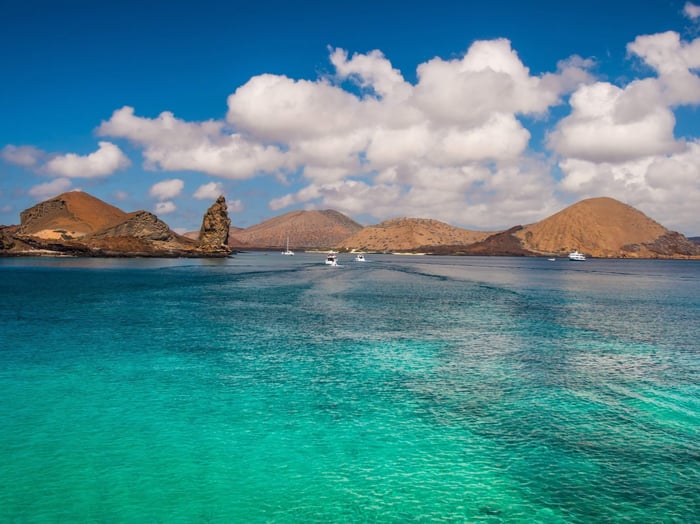
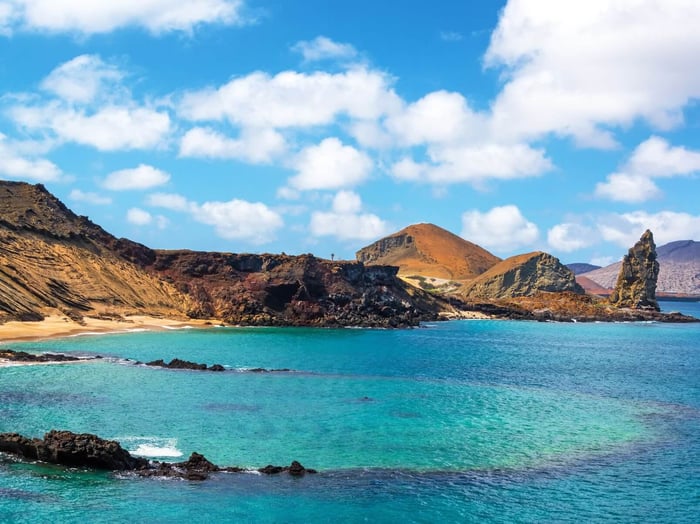
- Bartolome Island for panoramic coastal views
- Highland trails on Santa Cruz
Each route reveals a different side of the Galápagos, from volcanic terrain to lush inland landscapes.
Snorkelling and coastal exploration
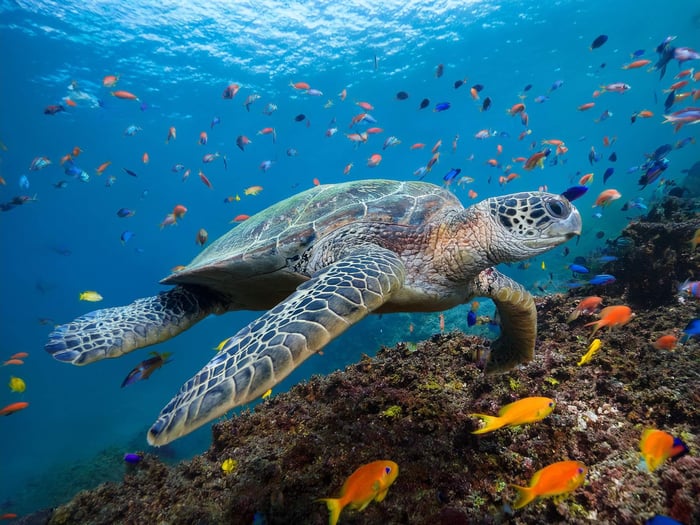
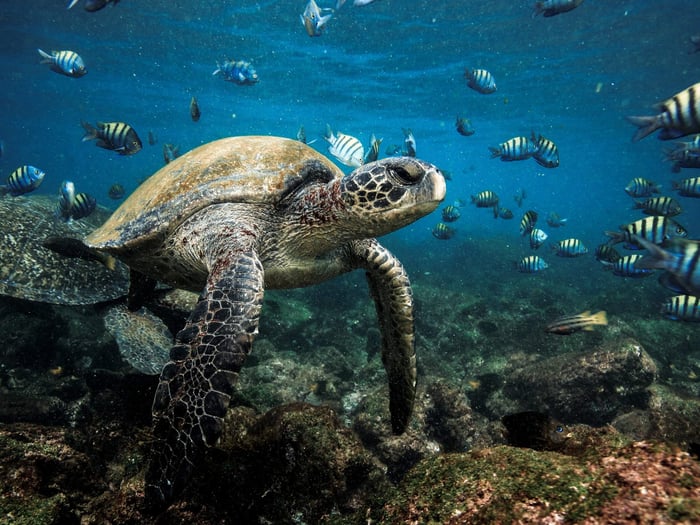
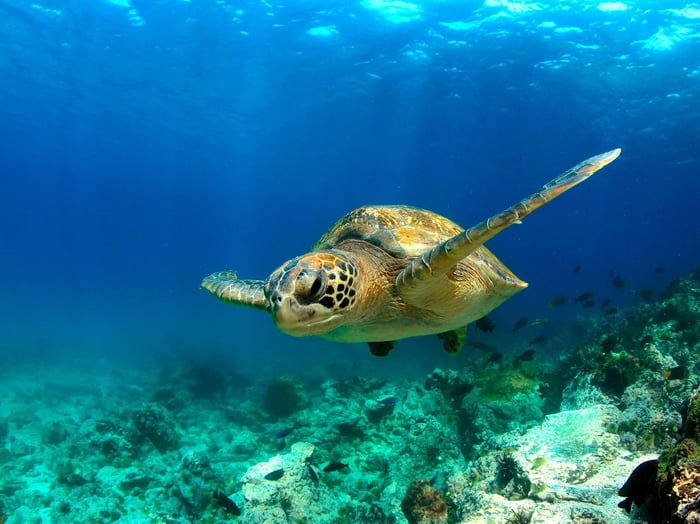
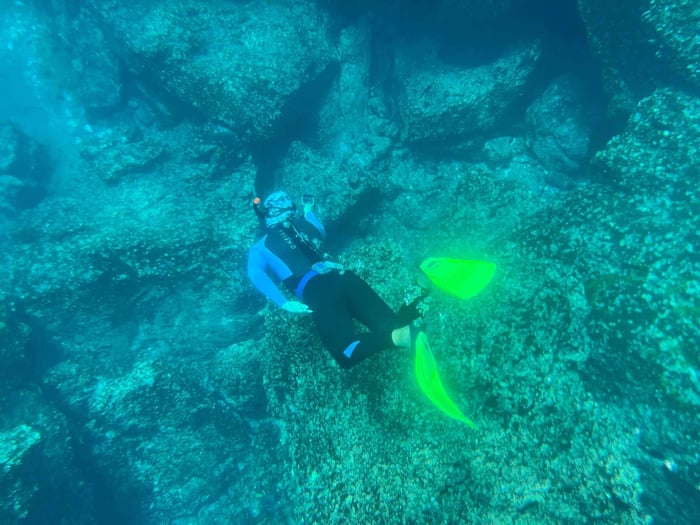
The Galápagos is one of the world’s leading destinations for snorkelling. Clear waters and protected bays allow for close observation of marine life in a natural setting.
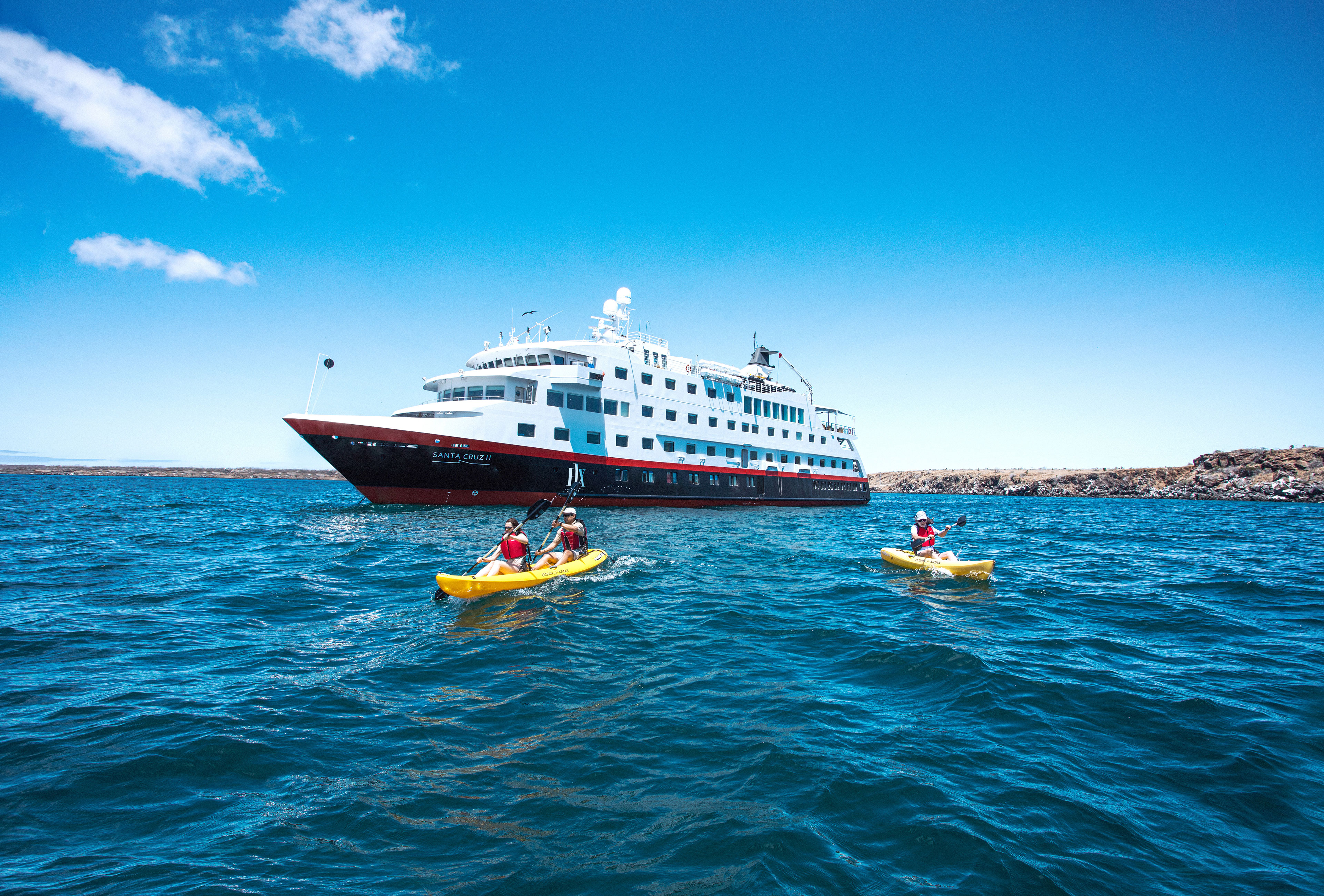
Kayaking along the coastline offers a quieter perspective, with opportunities to explore coves and cliffs at your own pace.
Highlands and inland experiences
The highlands provide a cooler, greener contrast to the coast. Here, you will find giant tortoise reserves, agricultural areas, and small communities that offer insight into local life on the islands.
The history of the Galápagos Islands
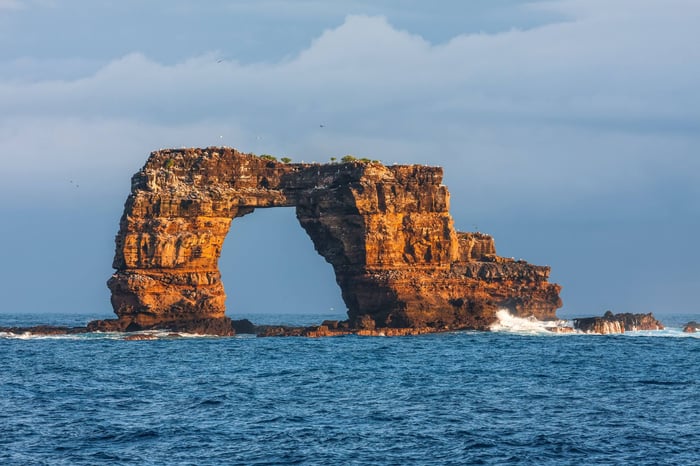
The history of the Galápagos Islands adds depth to the visitor experience, revealing stories of exploration, survival, and scientific discovery.
Early visitors and pirates
The islands were first recorded in 1535 and later became a refuge for pirates and whalers during the 17th and 18th centuries. Their remote location made them ideal for rest and resupply.
Post Office Bay on Floreana Island remains a lasting symbol of this era. The traditional barrel system, still in use today, allows visitors to leave and collect mail, continuing a practice that dates back more than two centuries.
Settlement and early communities
Permanent settlement began in the 19th century. Early settlers faced isolation and challenging conditions, yet small communities gradually developed on islands such as Santa Cruz and San Cristobal.
Penal colonies and the Wall of Tears
Isabela Island was once home to a penal colony established in the 20th century. Prisoners were made to build structures from volcanic rock under harsh conditions.
The Wall of Tears stands as a powerful reminder of this period and offers insight into a lesser-known chapter of the islands’ history.
Darwin and scientific importance
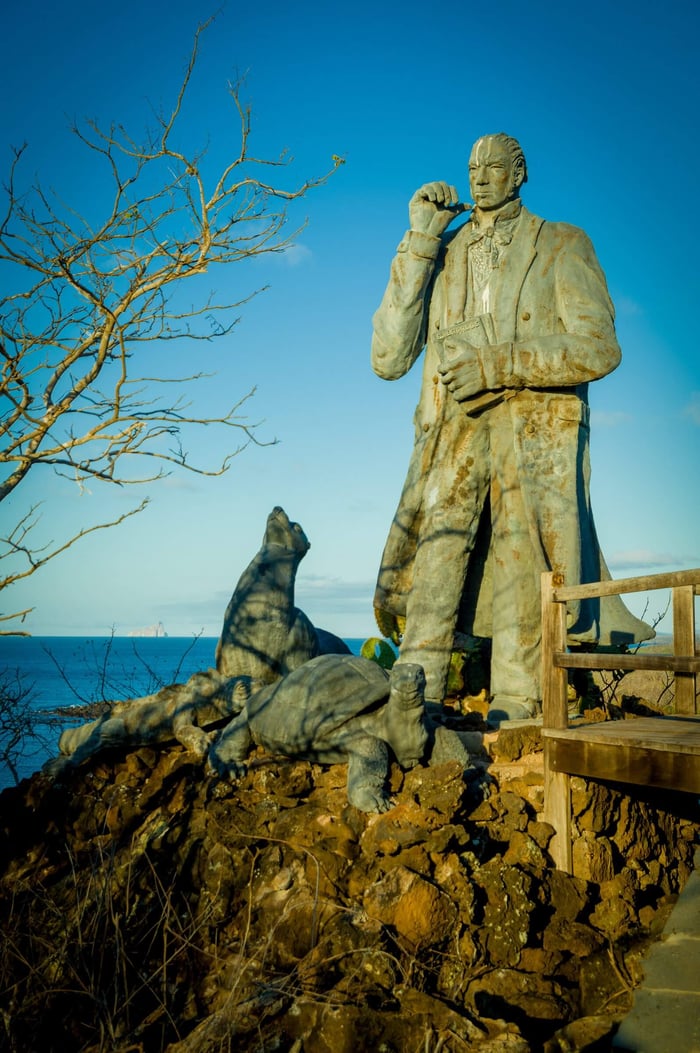
Charles Darwin’s visit in 1835 placed the Galápagos at the centre of scientific understanding. His observations contributed to the theory of evolution, giving the islands global significance that continues today.
Why choose the Galápagos over other wildlife destinations
Travellers comparing the Galápagos with other nature-focused destinations will find that it offers a rare combination of features.
Close, carefully managed wildlife encounters
The unique behaviour of wildlife allows for remarkable proximity, while strict guidelines ensure protection of the ecosystems.
A blend of landscapes and experiences
Few destinations combine active volcanoes, varied beaches, marine environments, and highland ecosystems in one place.
Conservation-led tourism
The islands are carefully managed, with regulated visitor numbers and guided excursions designed to protect the natural environment.
Cultural and scientific significance
The Galápagos offers not only natural beauty but also a deeper understanding of evolution, conservation, and human history.
Why include the Galápagos in Latin America holidays
For those planning Latin America holidays, the Galápagos provides a unique contrast to mainland destinations.
It offers:
- A sense of remoteness and exclusivity
- A balance of relaxation and active exploration
- A strong focus on conservation and sustainability
- A destination that is both educational and inspiring
This makes it an exceptional addition to journeys through Ecuador, Peru, or beyond.
Plan your Galápagos holidays
The Galápagos Islands are best explored through a carefully planned itinerary that balances wildlife, landscapes, and history. Whether combining a land-based stay with an expedition cruise or focusing on one style of travel, a tailored approach ensures you experience the full diversity of the islands.
Our specialists design Galápagos holidays that go beyond the expected, helping you discover what makes this destination truly unique. If you've found our Galápagos islands travel guide useful, check out our other guides such as the first timers guide to the Galápagos islands or our Island by Island guide.
Speak to our team to start planning your Galápagos journey.
Browse Galapagos Islands holidays
FAQs
What is the best time to visit the Galápagos Islands?
The Galápagos Islands can be visited year-round. December to May brings warmer weather and calmer seas, ideal for snorkelling, while June to November offers cooler conditions and excellent wildlife activity.
How do you get to the Galápagos Islands?
Most travellers fly from mainland Ecuador, typically from Quito or Guayaquil, to Baltra or San Cristobal. Flights take around two to three hours.
Do you need a guide in the Galápagos Islands?
Yes, many areas of the Galápagos National Park require a certified naturalist guide. Guided excursions help protect the environment while offering deeper insight into the islands. Your travel specialist will make the arrangements for a guide for you.
What makes the Galápagos Islands unique compared to other destinations?
The Galápagos Islands are unique for their endemic wildlife, volcanic landscapes, and role in shaping the theory of evolution. Their isolation has created ecosystems found nowhere else in the world.
How many days do you need in the Galápagos Islands?
A stay of five to seven days is ideal to explore multiple islands and experiences. Longer stays or expedition cruises allow for a more in-depth exploration.
What can you do in the Galápagos Islands besides wildlife watching?
Beyond wildlife, visitors can hike volcanic landscapes, explore lava tunnels, relax on distinctive beaches, snorkel in clear waters, and discover the islands’ human history.
Can you snorkel or do watersports in the Galápagos Islands?
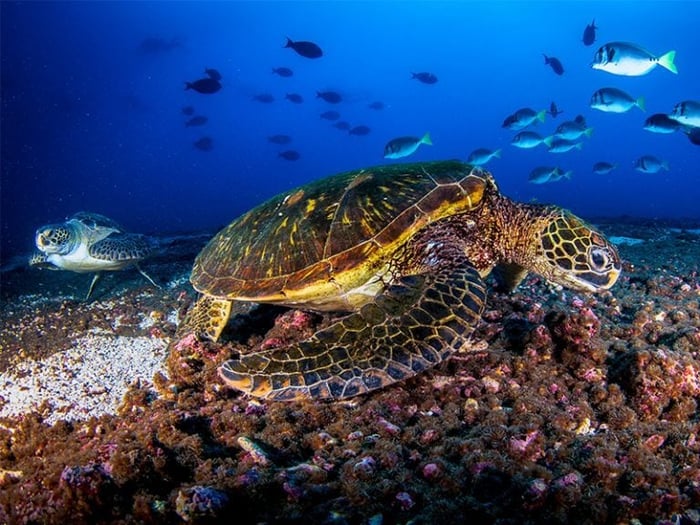
Yes, snorkelling is one of the highlights of Galápagos holidays. The islands offer clear waters and protected bays where you can swim alongside sea lions, turtles, rays, and a wide variety of fish. Kayaking and paddleboarding are also available in certain areas, offering a quieter way to explore the coastline. Activities are carefully managed to protect the marine environment.
What is the difference between the Galápagos Islands and the Amazon or Pantanal for wildlife?
The Galápagos Islands offer close, easily accessible wildlife encounters, particularly with marine species and animals that show little fear of humans. In contrast, the Amazon focuses on dense rainforest ecosystems where wildlife can be more elusive, with sightings often requiring patience and guided exploration. The Pantanal, in Brazil, is known for its open wetlands, making it one of the best places in Latin America to spot larger land animals such as jaguars. Each destination offers a distinct wildlife experience, from coastal and marine environments in the Galápagos to jungle and wetland habitats on the mainland.