
The Galápagos Islands feel unlike anywhere else on earth. Life here moves at the pace of the tides, shaped by volcanic landscapes, curious wildlife and a deep sense of preservation. It is a destination that rewards those who arrive informed, allowing you to fully appreciate each moment, from your first wildlife encounter to your final sunset at sea. To help you prepare, we asked our Product Manager, Hannah Finch, to share her first timer tips for a Galápagos Islands holiday . Drawing on her first-hand experience, she shares what to expect, how to plan your days and the small details that can make a big difference once you arrive.
First timers guide to the Galápagos Islands with Product Manager Hannah Finch
What can I expect on a day in the Galápagos?
What to expect on your Galápagos Islands holiday depends on whether you are land-based or on a cruise. As Hannah explains, both offer very different but equally rewarding ways to experience the islands.
If you are land-based, it is worth including a mix of full or half day tours to nearby islands to experience different landscapes and wildlife, alongside time to relax around your hotel and enjoy daily life in the town.
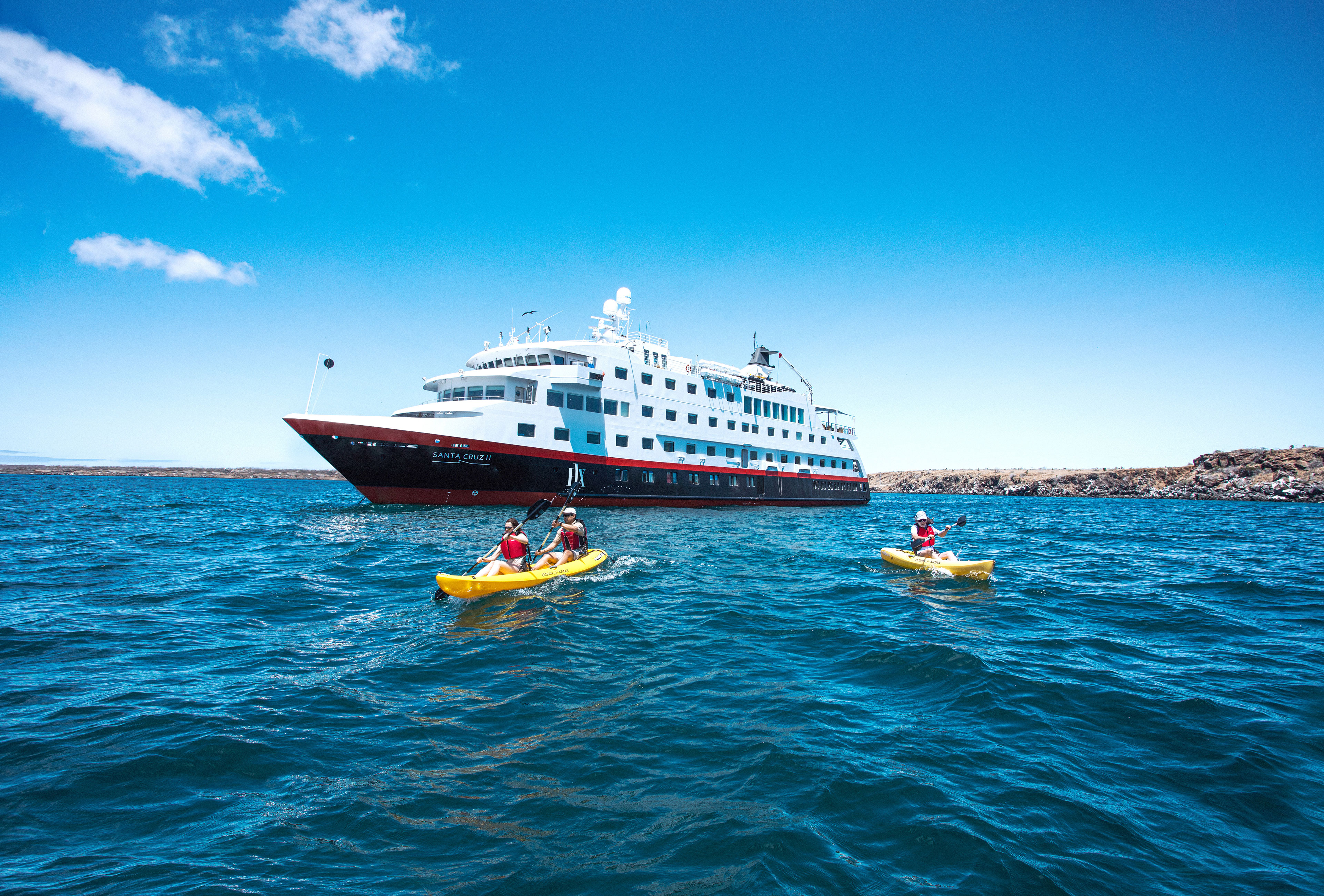
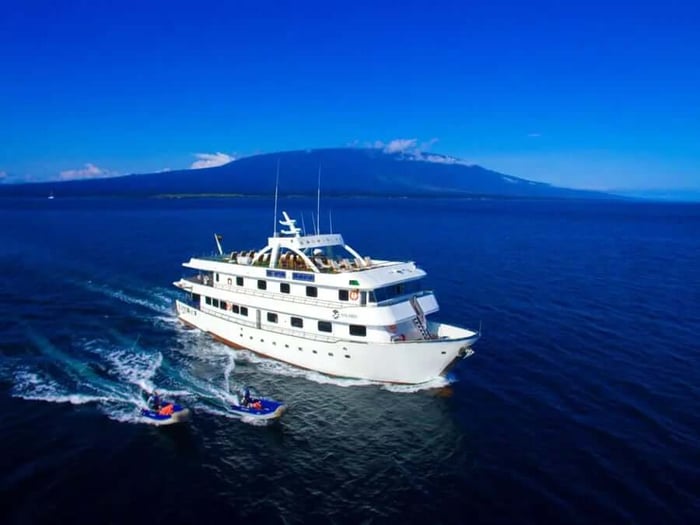
On a cruise, days are structured around exploration. Expect morning and afternoon excursions, usually one wet excursion such as swimming, snorkelling or kayaking, and one dry excursion with guided walks or hikes.
What do I do between excursions on a cruise?
Excursions tend to take place in the morning and afternoon, depending on the itinerary. Hannah notes that the time in between is part of the experience, allowing you to reset and take in your surroundings.
After wet excursions, you will likely be welcomed back with warm snacks and hot drinks, while dry excursions are often followed by something cool and refreshing.
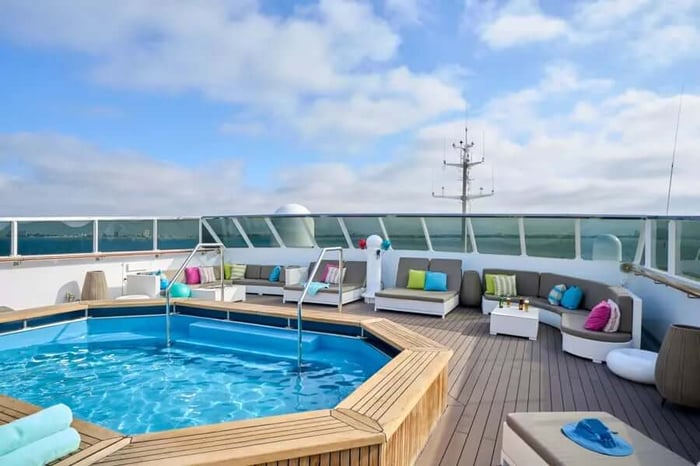
Lunch is typically served between landings, followed by time to relax and take in the views. Larger vessels may offer additional facilities such as a hot tub, gym or library.
In the evening, guides usually host a talk reflecting on the day’s experiences, followed by a briefing on what to expect the next day.
What do I need to pack?
Packing for your Galápagos Islands holiday is all about practicality. As Hannah highlights, being prepared for both wet and dry landings will make your days more comfortable.
Water shoes are particularly useful for wet landings, where you may need to wade through shallow water. They are not essential, as you can go barefoot and put your shoes on once ashore. For dry landings, sturdy trainers or walking sandals are ideal.
Pack swimwear and comfortable daytime clothing such as shorts and t-shirts. On higher-end vessels, you may wish to bring a smart shirt or top for the evening, though formal wear is not required.
On a cruise, snorkelling equipment is usually available to borrow, including fins and wetsuits, although some operators may charge a small fee for wetsuit hire. Binoculars are not typically provided and are not essential, but you may wish to bring your own. Walking poles are not widely available, so if you need one, it is best to pack it.

How can I travel responsibly in the Galápagos Islands?
Travelling responsibly is essential in the Galápagos, and Hannah emphasises that even small choices can have a meaningful impact.
Consider what you are bringing with you. Single-use plastics should be avoided where possible. Fresh fruit, nuts and seeds are not permitted, as luggage is checked at the mainland airport to prevent the introduction of non-native species. Equally, nothing should be removed from the islands, including shells, rocks or bones.
Shoes are cleaned between landings to prevent cross-contamination between islands. Visitors must keep a respectful distance of at least 2 metres from wildlife and remain on designated trails.
Use reef-safe, biodegradable sunscreen and mosquito repellent to protect the fragile ecosystem.
If staying on the mainland, you may wish to support conservation efforts through volunteering or tree planting, or by contributing to organisations such as the Galápagos Conservation Trust. Citizen science projects such as Shark Count or Iguanas From Above also offer meaningful ways to get involved.
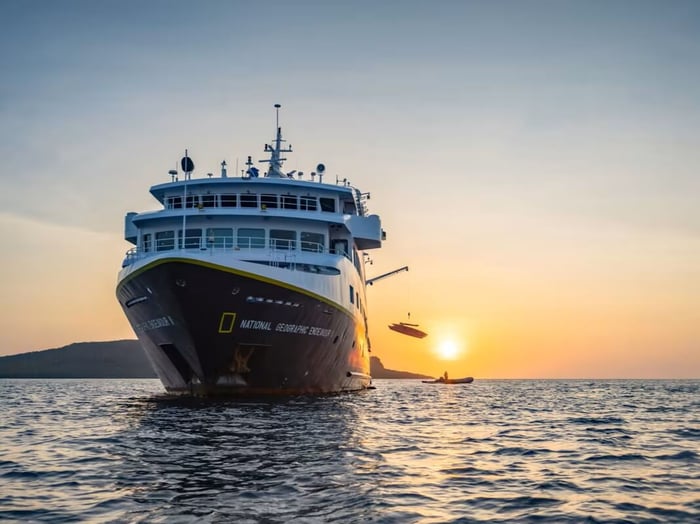
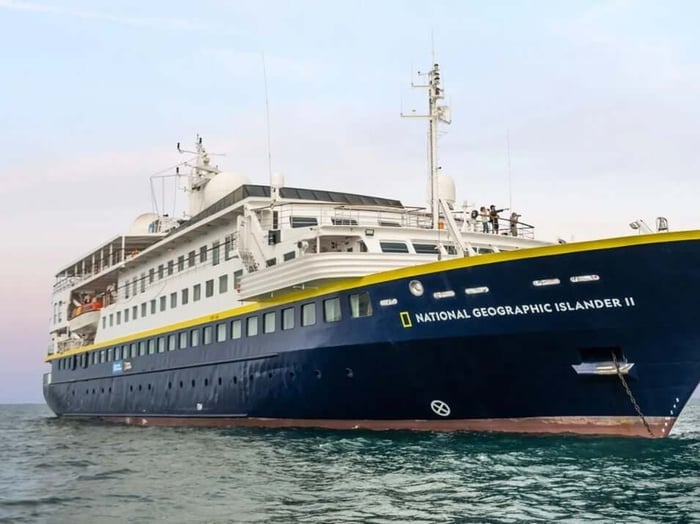
Consider picking a cruise with a citizen science project onboard, such as the National Geographic Islander II so you can actively contribute to research studies on your Galápagos Islands holiday.
What will I see?
What you encounter will depend on the islands you visit and the time of year. As Hannah notes, wildlife is never guaranteed, but the variety and frequency of sightings is what makes the Galápagos so special.
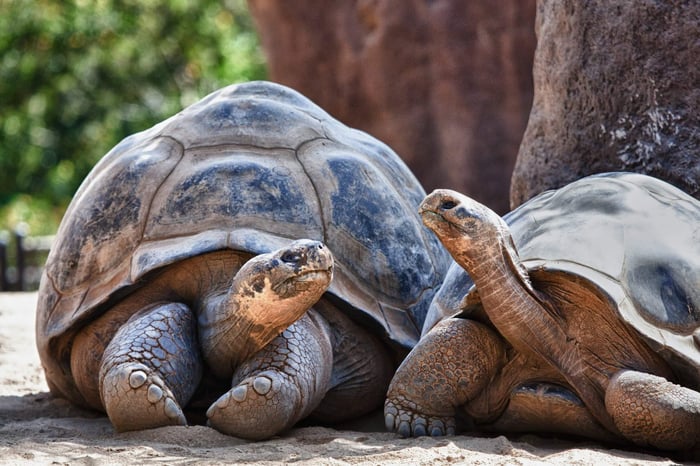
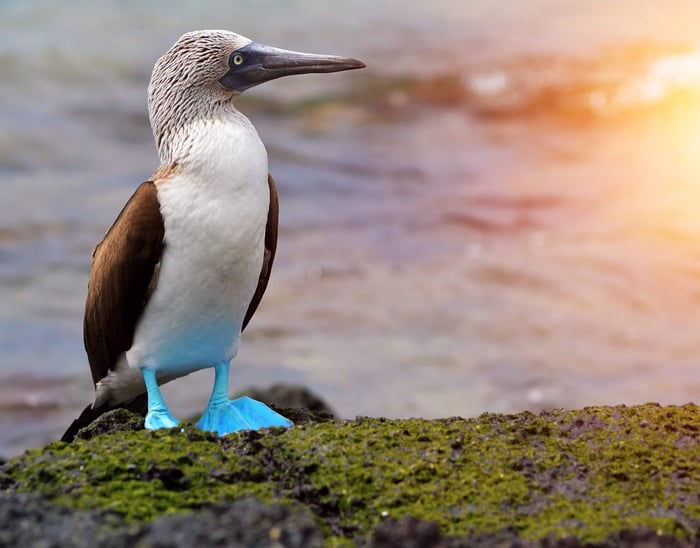
You are highly likely to see blue-footed boobies, giant tortoises, sharks, sea lions and iguanas.
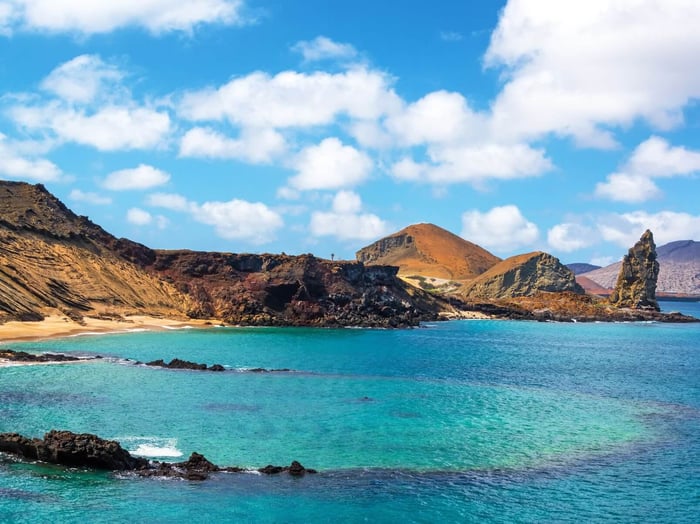
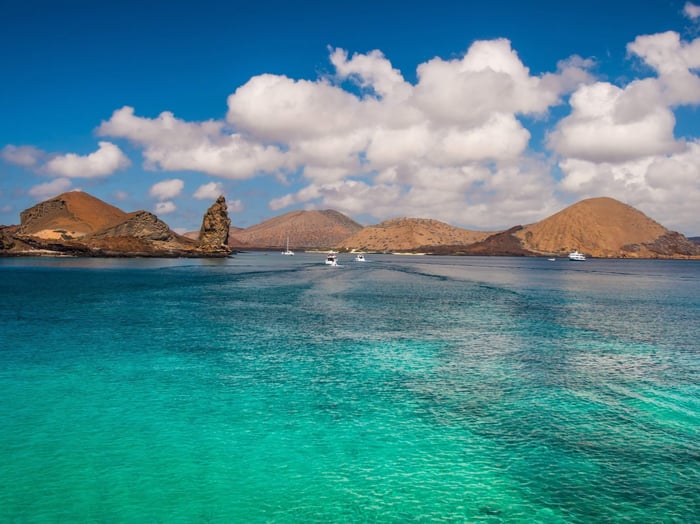
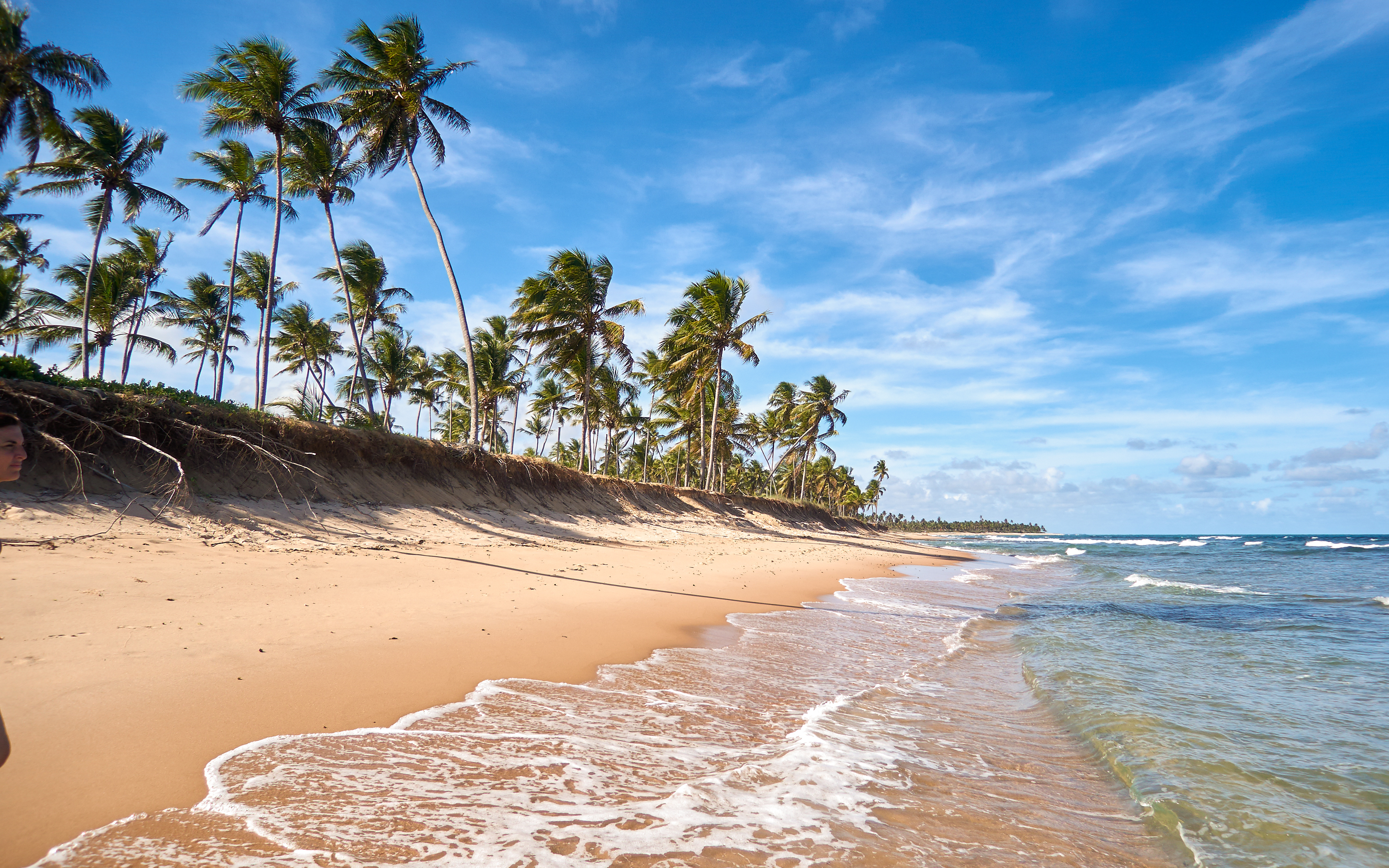
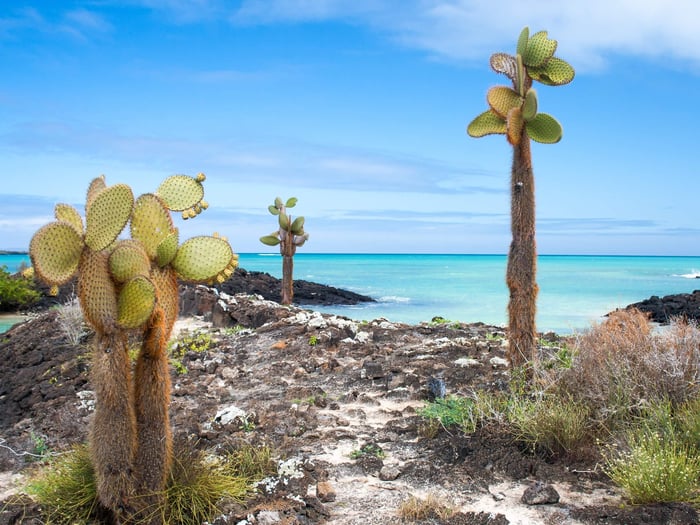
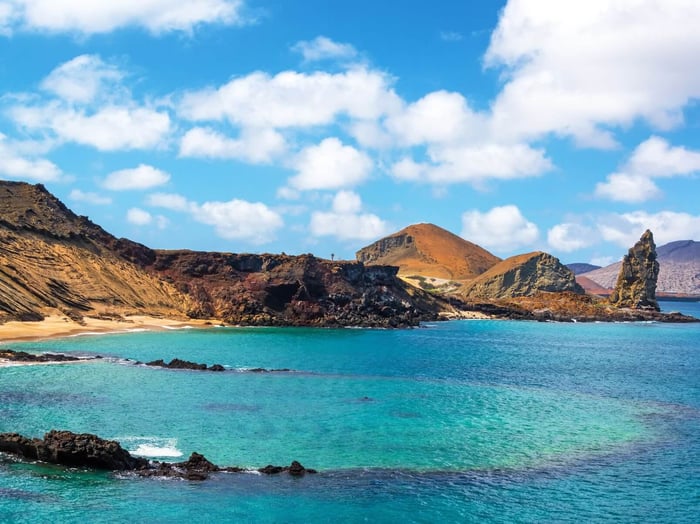
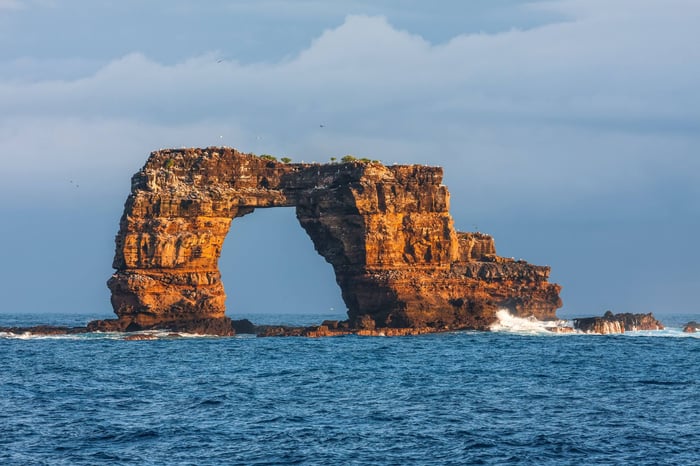
The landscapes are equally varied. Expect white sand beaches, misty highlands and dramatic geological formations including ancient lava flows, caves, tunnels and volcanoes. Iconic landmarks such as Pinnacle Rock and Kicker Rock are often highlights.
The flora is just as fascinating, from giant opuntia cactus to the vibrant sesuvium, which turns red during the dry season. Scalesia forests provide habitat for rare species including Darwin’s flycatcher and giant tortoises.
What type of accommodation is available in the Galápagos?
Accommodation in the Galápagos Islands is generally simple, clean and comfortable. As Hannah points out, the focus here is on location and experience rather than luxury in the traditional sense.
Overall, standards are typically lower than those found on the mainland, although there are some excellent options.
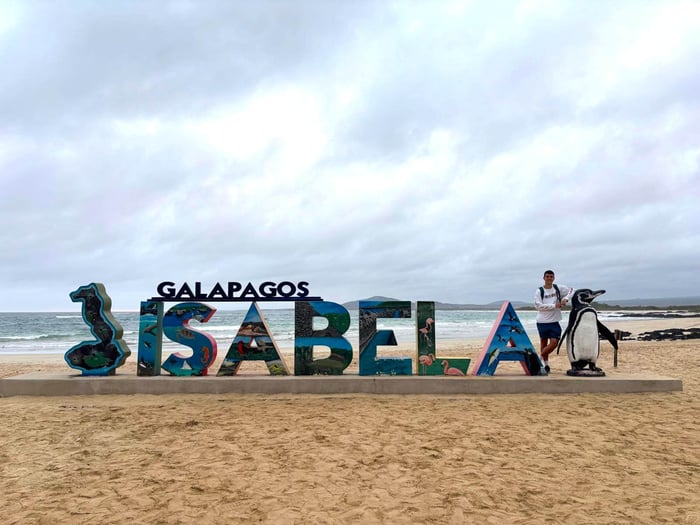
Recommended properties include Finch Bay on Santa Cruz Island and Iguana Crossing on Isabela Island.
What is the best time to travel?
There is no bad time to visit the Galápagos Islands, and Hannah advises choosing your travel dates based on what matters most to you.
From December to May, the wet season brings short showers, warmer sea temperatures and calmer seas with excellent visibility. From June to November, the dry season offers cooler water temperatures and clear skies.
Wildlife viewing varies depending on breeding cycles and migration patterns. If you have a particular species in mind, it is worth speaking to a Travel Specialist for tailored advice.
How choppy is the sea?
Galápagos Sea conditions vary throughout the year. Hannah notes that this is often a key consideration for first time visitors.
The wet season, from December to May, generally has calmer waters, making it ideal for those concerned about seasickness.
Between July and September, waters can be choppier. However, this is also one of the best times for snorkelling and diving, as cooler, nutrient-rich waters attract an abundance of marine life.
I am travelling solo, can I still go?
Absolutely. Hannah recommends a small ship cruise for solo travellers, as it offers a sociable and welcoming environment.
Dining is often communal, creating a relaxed setting to connect with others throughout your journey. Options such as the Solaris offer single cabins with no additional supplement, making it a particularly appealing choice for solo travel.
Can my dietary requirements be catered for?
Yes, most cruise operators can cater for standard dietary requirements. As Hannah advises, it is important to notify your Travel Specialist in advance so arrangements can be made ahead of your trip for your Galápagos Islands holiday..
Ready to plan your Galápagos Islands holiday?
With the right preparation, a visit to the Galápagos Islands becomes more than just a trip. It is an experience shaped by nature, guided exploration and a deeper understanding of this protected environment.
If you are ready to start planning your Galápagos Islands holiday, our Travel Specialists can help you find the right balance between cruise and land-based travel, tailored to your interests. Get in touch to begin your journey or explore our Galápagos collection for inspiration.
Our most popular Galapagos Island Holiday itineraries
- Galápagos cruise discovery Holiday - from £5649pp
- Galápagos Land Adventure Holiday - from £5499pp
- Ecuadorian Amazon & Galápagos 12-day Holiday - from £6649pp
- Galápagos island cruises
FAQs
What can I expect on a day in the Galápagos Islands?
This depends on whether you are land-based or on a cruise. If you are land-based, it is recommended to take full or half day tours to nearby islands to experience different landscapes and wildlife, alongside time to relax around your hotel and enjoy daily life in the town.
On a cruise, expect morning and afternoon excursions, usually one wet excursion such as swimming, snorkelling or kayaking, and one dry excursion with guided walks or hikes.
What do I do between excursions on a Galápagos cruise?
Excursions usually take place in the morning and afternoon. After wet excursions, you will often be served warm snacks and hot drinks, while dry excursions are typically followed by cool, refreshing drinks.
Lunch is served between landings, followed by time to relax and enjoy the views. Larger vessels may offer facilities such as a hot tub, gym or library. In the evening, guides provide a recap of the day and a briefing for the next.
What do I need to pack for the Galápagos Islands?
Water shoes are useful for wet landings, although not essential. For dry landings, sturdy trainers or walking sandals are suitable.
Pack swimwear and casual daytime clothing such as shorts and t-shirts. On higher-end vessels, a smart shirt or top may be useful for the evening, though formal wear is not required.
Snorkelling equipment is usually available to borrow on cruises, including fins and wetsuits, although wetsuit hire may incur a small fee. Binoculars and walking poles are generally not provided, so bring your own if needed.
How can I travel responsibly in the Galápagos Islands?
Avoid bringing single-use plastics where possible. Fresh fruit, nuts and seeds are not permitted, as luggage is checked before departure from the mainland.
Do not remove anything from the islands, including shells or rocks. Maintain a distance of at least 2 metres from wildlife and stay on designated trails.
Use reef-safe, biodegradable sunscreen and insect repellent. You can also support conservation efforts through charities or citizen science projects.
What wildlife will I see in the Galápagos Islands?
Wildlife sightings depend on the islands visited and the time of year, and cannot be guaranteed. However, you are highly likely to see blue-footed boobies, giant tortoises, sharks, sea lions and iguanas.
You will also encounter a variety of landscapes, including white sand beaches, volcanic formations, lava tunnels and highland areas, along with unique plant life such as opuntia cactus and scalesia forests.
What type of accommodation is available in the Galápagos Islands?
Accommodation is generally simple, clean and comfortable, with standards typically lower than on the mainland.
Recommended options include Finch Bay on Santa Cruz Island and Iguana Crossing on Isabela Island.
What is the best time to travel to the Galápagos Islands?
There is no bad time to visit the Galápagos Islands.
December to May offers warmer temperatures, calmer seas and short showers. June to November brings cooler temperatures and clearer skies. Wildlife varies throughout the year depending on breeding and migration patterns.
How choppy is the sea in the Galápagos Islands?
The calmest seas are usually between December and May.
Between July and September, waters can be choppier, although this is an excellent time for snorkelling and diving due to increased marine activity.
Can I travel solo to the Galápagos Islands?
Yes, travelling solo is a great option, particularly on a small ship cruise.
Dining is often communal, making it easy to meet other travellers. Some vessels, such as Solaris, offer single cabins with no additional supplement.
Can dietary requirements be catered for on a Galápagos cruise?
Yes, most cruise operators can cater for standard dietary requirements. It is important to inform your Travel Specialist in advance so arrangements can be made.