

Few crops are as closely tied to Latin America as coffee. Travellers drawn to Colombia, Nicaragua and Costa Rica will find that beyond the sweeping valleys and volcanic slopes lies a culture shaped by centuries of coffee growing. From colourful towns to working plantations, Latin Routes travellers can discover the people, places and stories behind one of the world’s most loved drinks. This week we take a look at exploring the coffee regions of Latin America.
Coffee has long been more than a drink in this part of the world. It is a daily ritual, a way of welcoming visitors, and a lifeline for many farming families. The plantations that stretch across volcanic slopes and mountain valleys are not only productive but also scenic, making them ideal for travellers who want to combine cultural encounters with breathtaking landscapes. Visiting a coffee region means understanding the care that goes into every cup, and meeting the people who have kept these traditions alive for generations.
Colombia’s coffee region
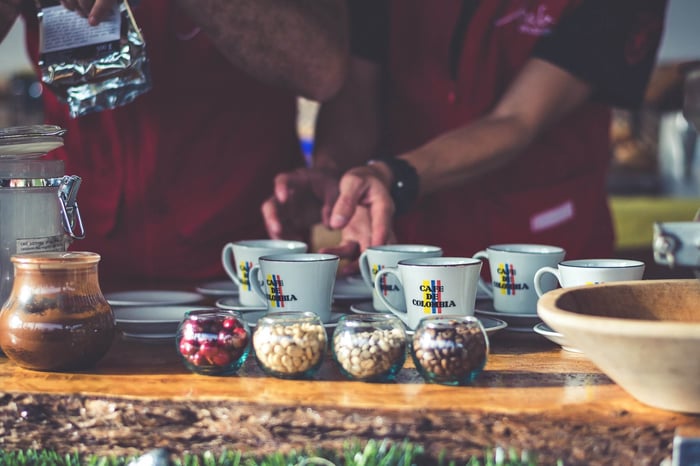
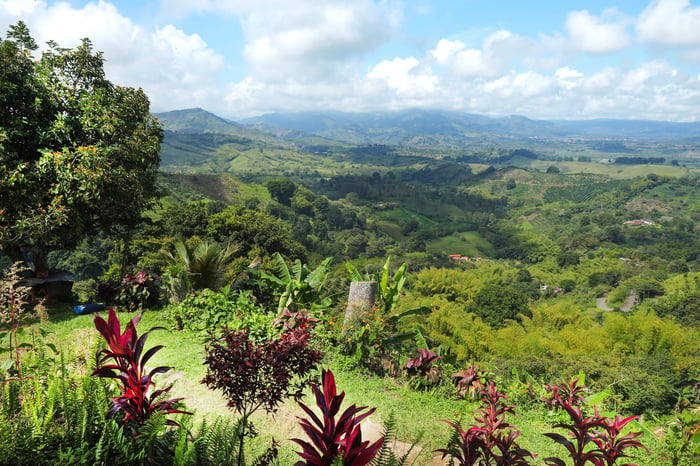
The heart of Colombia’s Eje Cafetero offers more than just spectacular scenery. It is a place where small towns and vast plantations come together to create a landscape defined by coffee. Travellers arriving here are immediately struck by the rolling green hills, dotted with colourful houses and family-run fincas, where life moves to the rhythm of the harvest.
Mihaela, from our marketing team, remembers it vividly:
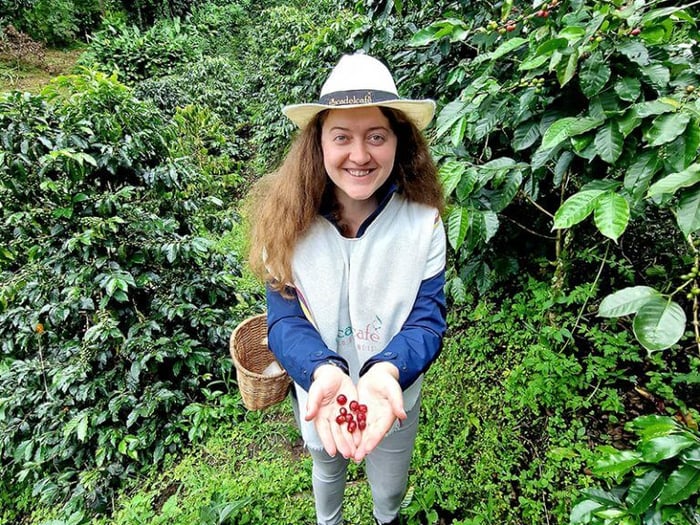
“Salento is gorgeous, with its colourful buildings and coffee plantations situated in the Andes mountains.”Walking through Salento’s streets, travellers see balconies decorated with flowers, cafés serving rich brews, and shops selling locally grown beans that capture the essence of the region.
Oliver highlights another gem:
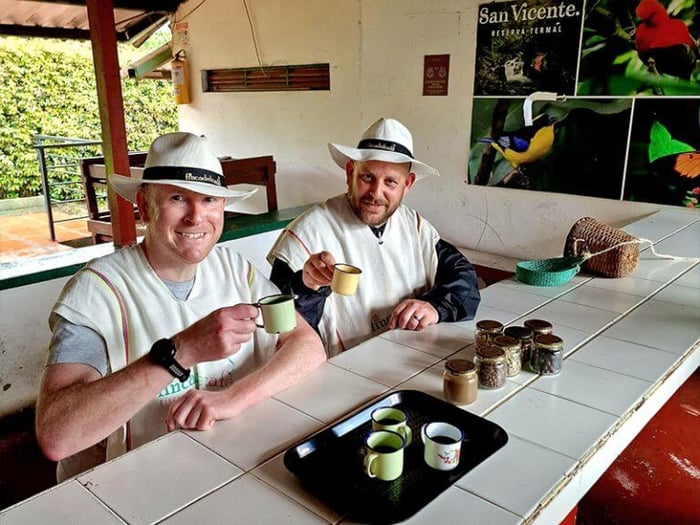
“Wandering around the beautifully colourful town of Filandia, soaking up the stunning views and friendly atmosphere was wonderful!” Filandia is smaller and less visited than Salento, yet offers equally charming streets and a chance to meet locals in cafés and craft markets. For many, it feels like stepping into a painting, surrounded by lush countryside.
For Felipe, head of marketing, coffee itself is the highlight:
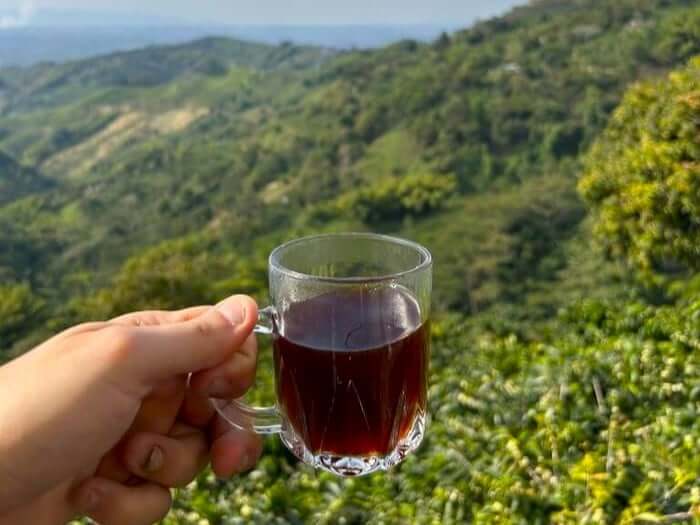
“Highlights include all the incredible coffee you can have in Colombia but especially the ones from the coffee region, an absolute must for the caffeine addicts out there!” He also encourages travellers to slow down: “Allow yourself some contemplation moments: stop for a coffee or a drink and acknowledge the privilege it is to be where you are, experiencing these incredible places!”His words capture what makes this region special: the chance to pause, breathe, and fully experience life in Colombia’s countryside.
A day in the life of a chapolera
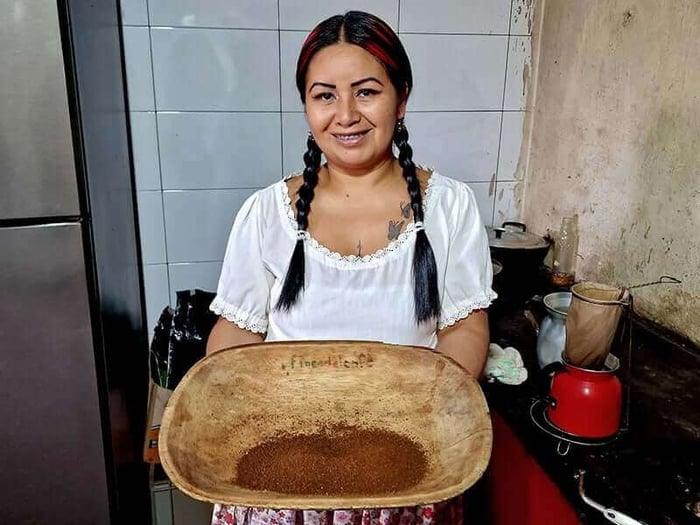
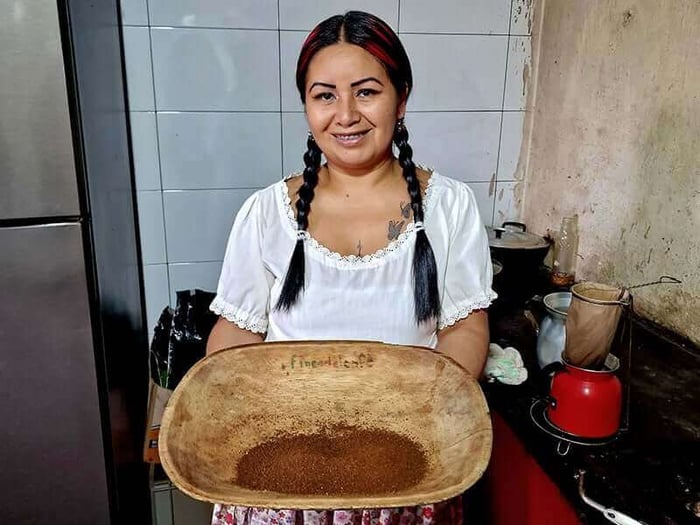
Beyond the towns, the plantations reveal the human stories that sustain the region. At Finca del Café, a chapolera described her work with pride: “I pick coffee cherries in the plantation … I welcome tourists with a great cup of coffee!”
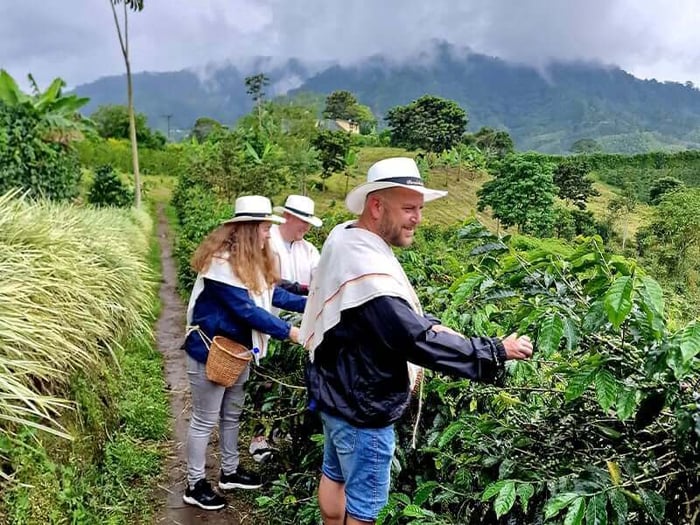
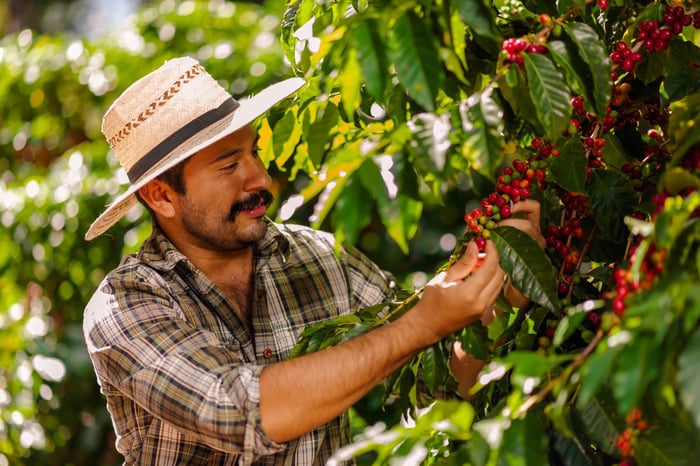
Her role is central to the harvest. Coffee cherries are picked entirely by hand, a painstaking process that ensures only the ripest fruits are chosen.
She explained: “We harvest by hand to ensure that only the red cherries are picked. This is how we maintain the good quality of the bean.” Each basket can take hours to fill, as she moves carefully through the rows of trees selecting only the ripe cherries.Her day is not only about farming but also about welcoming visitors. “I guide people through the finca so they can see how we live and work. Sharing a cup of coffee with them at the end is my favourite part.” Guests often remark on her warmth, and how much more meaningful the experience feels when shared by someone whose family history is tied to coffee.
She also reflected on the conditions that make this region so special:
“The volcanic soils, the altitude, the climate, everything here is perfect for coffee. That is why we are so proud of what we produce.” Her pride is clear in every word, and it resonates with travellers who realise that their morning coffee comes from a culture of dedication and respect for the land.
For travellers, walking with her in the fields offers an eye-opening perspective. Each step reveals the skill, patience and dedication behind every cup. As she puts it:
“Coffee is not just our work, it is our tradition. It is how we support our families and how we share our culture with the world.”Spending a day in her company is not just an excursion but an intimate look at Colombian life. The smell of roasting beans, the sound of baskets being filled, and the cool mountain air combine to create an experience that lingers long after travellers return home.
Read moreBeyond Colombia
While Colombia is the best known, Nicaragua’s Matagalpa highlands and Costa Rica’s Tarrazú region also offer rich experiences for coffee lovers. Plantations in these areas open their gates to visitors, inviting them to taste freshly brewed cups and learn directly from farming communities whose lives are bound to the bean.
Nicaragua’s Matagalpa is set among rolling hills, with farms often run by families who have cultivated coffee for generations. Travellers here can hike between plantations, meet growers, and see how sustainability is being built into farming practices.
Costa Rica’s Tarrazú region is equally distinctive. Known for its high altitude and volcanic soils, it produces beans with bright, clean flavours. A visit here is as much about scenery as coffee: mist-covered mountains, lush valleys, and a community that has placed quality and sustainability at the heart of its production.
Across the continent, Brazil, Guatemala, Honduras, Peru, Mexico and El Salvador each have their own proud coffee traditions, producing beans with distinctive flavours shaped by altitude, soil and heritage. Brazil’s Minas Gerais offers chocolatey, nutty beans, while Guatemala’s Antigua is renowned for its volcanic character. Honduras is gaining recognition for complex speciality coffees, and Peru’s Andean regions provide floral, fruity beans often grown organically. Each country adds to the tapestry of Latin America’s coffee culture, ensuring travellers can explore a wide variety of flavours and landscapes.
Travel itinerary inspiration
Latin Routes offers carefully designed holidays that include time in coffee regions, giving travellers the chance to combine scenic landscapes with cultural discovery.
Panama and Colombia 17-day holiday
The Panama and Colombia holiday is a 17-day journey that combines two countries known for their rich culture and natural beauty. The adventure begins in Panama City with a full-day tour of the Panama Canal and Casco Viejo, before travelling to the highland town of Boquete where you can visit a coffee plantation and learn how Panama’s fertile volcanic soils produce some of the world’s most sought-after beans. From there, the itinerary continues into Colombia, with time in Bogotá, the coffee region, and Cartagena. It is a perfect choice for those who want to explore diverse landscapes while experiencing the heart of Latin America’s coffee culture.
View Holiday Classic Colombia 13-day holiday
The Classic Colombia holiday is a 13-day itinerary designed to showcase the country’s highlights. Starting in Bogotá, the journey continues to Villa de Leyva, before heading into the coffee region where travellers spend time in Salento, Filandia, Cocora Valley and Santa Rosa. Here you can wander colourful streets, stay in traditional haciendas and tour coffee plantations. The trip then concludes in Cartagena, combining the country’s capital, coffee landscapes and the Caribbean coast.
View Holiday Flavour of Colombia 14-day holiday
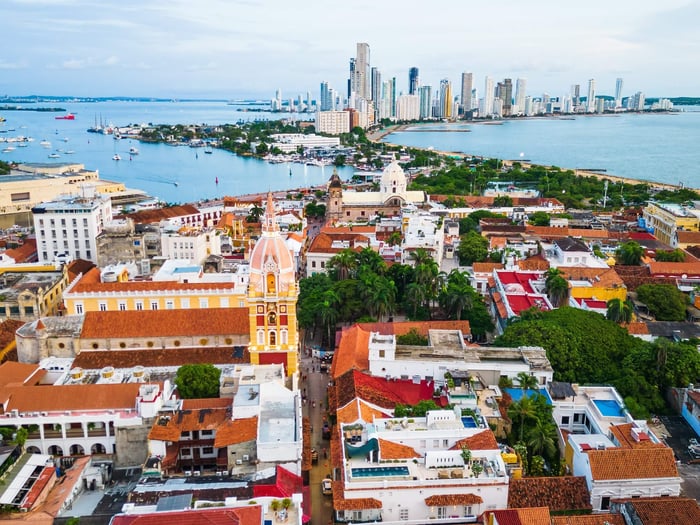
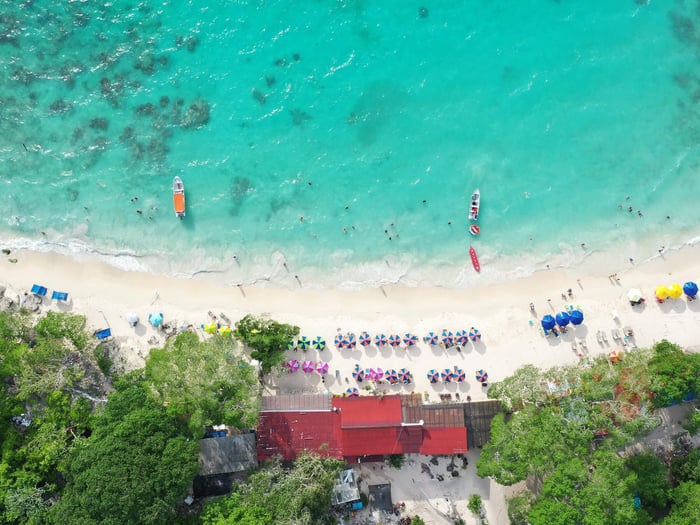
The Flavour of Colombia holiday is a 14-day itinerary that blends gastronomy with cultural discovery. It begins in Bogotá with a food-focused walking tour through Chapinero Alto, followed by three nights in the coffee region. Staying on a finca, you will see the coffee process from picking to roasting and enjoy tastings at source. From there the itinerary continues to Medellín for a city tour and a community cooking class, before ending in Cartagena with a Gabriel García Márquez Literary Menu Tour and free time to explore the Caribbean coast.
These itineraries allow travellers to experience coffee regions in different ways. Some focus on scenic highlights, others on food and culture, but all provide opportunities to meet local people and see how coffee is intertwined with daily life.
View Holiday Travelling through coffee culture
Exploring the coffee regions of Latin America is more than sampling excellent brews. It is a journey through landscapes shaped by coffee, through cultures that have carried it into their daily rituals, and through the stories of people proud to share their craft.
For travellers, it is also a reminder of the importance of slowing down. As Felipe suggests, taking a quiet moment with a coffee allows you to truly absorb the privilege of travelling in these remarkable places.
If you are inspired to experience the flavours, landscapes and traditions of Latin America’s coffee regions for yourself, our travel specialists are here to help. Whether you would like to spend a few days on a working finca in Colombia, follow one of our carefully designed itineraries, or combine coffee country with other highlights of Latin America, we will tailor the journey to suit your style of travel. Speak to our team today and start planning your coffee-inspired adventure.
Plan Your Trip
FAQs
What is the Colombia coffee region?
The Colombia coffee region, also called the Coffee Triangle, is an area in the central Andes where much of the country’s coffee is grown. It includes the departments of Caldas, Quindío, and Risaralda, with cities such as Manizales, Pereira, and Armenia serving as main gateways. The landscape is characterised by lush green valleys, cloud forests, and hillsides lined with coffee plantations.
When is the best time to visit?
The region has a mild climate year-round, with average temperatures between 18°C and 24°C. It is possible to visit at any time, but January to March and July to September tend to be drier and are ideal for outdoor activities. Coffee harvests typically take place between September and December, making this an especially interesting period to visit plantations.
How do you get there?
The main entry points are the airports of Pereira, Armenia, and Manizales, all of which have connections to Bogotá and Medellín. Buses also link the region with Colombia’s major cities, though travel by road can take longer due to mountainous terrain.
What activities can travellers enjoy?
Coffee farm tours, where you can learn about cultivation, processing, and tasting.
Exploring traditional towns such as Salento and Filandia, known for colourful architecture and relaxed charm.
Hiking in Cocora Valley, home to the world’s tallest wax palms.
Visiting thermal springs near Santa Rosa de Cabal.
Adventure sports including rafting, paragliding, and mountain biking.
How long should you stay?
A minimum of three nights allows time to visit a coffee farm, explore Salento, and hike in Cocora Valley. With a week, you can combine more villages, natural hot springs, and multiple coffee experiences.
Is it safe to visit?
The coffee region is one of Colombia’s safest areas for travellers. Tourist routes are well established, and towns such as Salento are very accustomed to international visitors. As with any destination, normal precautions such as avoiding isolated areas at night are recommended.
What should you pack?
Comfortable walking shoes, a light jacket for cooler evenings, and rain protection are advisable due to occasional showers. Sun protection, insect repellent, and layered clothing will also make your visit more comfortable.
Can you visit with children?
Yes. Many coffee farms offer family-friendly tours, and towns are easy to navigate on foot. Outdoor activities such as short hikes and horseback riding are suitable for older children.