
Planning your Argentina holidays from the UK is as exciting as it is rewarding. This is a country of striking contrasts, where vibrant cities, vast natural landscapes and deeply rooted culture come together to create an unforgettable journey. From the glaciers of Patagonia to the colourful valleys of the northwest and the power of Iguazú Falls, knowing how to plan your route is key to getting the most from your trip.
Our team has travelled extensively across Argentina, experiencing its regions first hand and designing tailored holidays for our clients. Here, they share their expert tips, favourite places and practical advice to help you plan your perfect Argentina holiday.
Planning your Argentina holiday from the UK
Travelling to Argentina from the UK is more straightforward than many expect, especially with the right planning.
Flights typically depart from London Heathrow, with convenient connections via major European hubs such as Madrid, Paris or Amsterdam into Buenos Aires. For those travelling from across the UK, regional departures can be easily arranged, connecting seamlessly onto long haul routes.
“Once you’re in Argentina, everything becomes much easier to navigate,” says Sarah. “Internal flights and well-planned connections make it simple to combine different regions.” Buenos Aires is the main international gateway and a natural starting point for most Argentina holidays. From here, domestic flights and private transfers allow you to travel efficiently between destinations such as Iguazú Falls, Patagonia and Salta.
Working with a specialist ensures your journey flows smoothly from the moment you leave the UK, with every detail carefully considered.
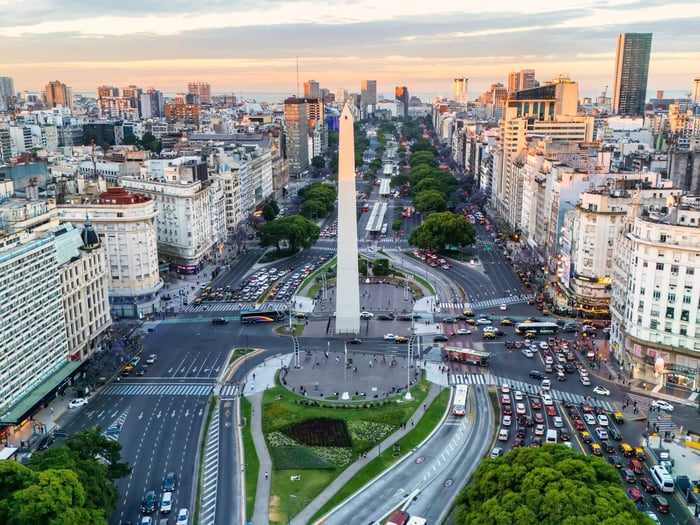
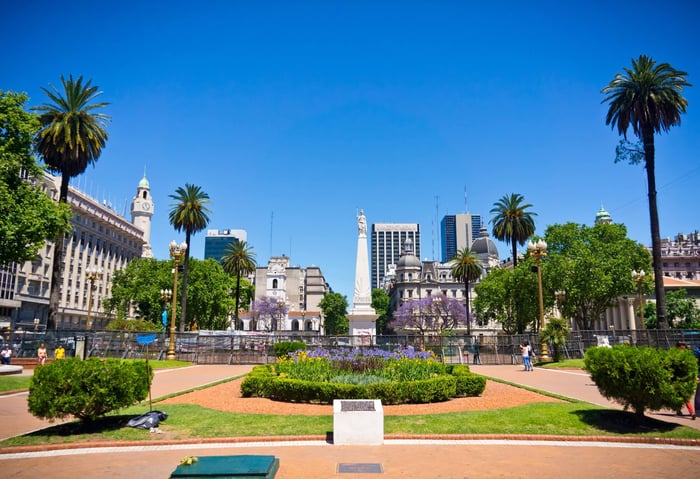 Buenos Aires - view of the square and monument
Start by choosing the right regions
Argentina is a vast country, and one of the most important parts of planning is deciding where to go.
“It’s a huge country, so trying to see everything in one trip can be overwhelming,” says Sarah. “It’s much better to focus on a few regions and really enjoy them.” Rather than trying to cover too much, we recommend selecting two or three key regions that complement each other. This creates a balanced itinerary that combines different landscapes, experiences and pace.
For many, that might include Buenos Aires, Iguazú Falls and Patagonia. For others, it could be a more in-depth journey through the northwest or the wine regions.
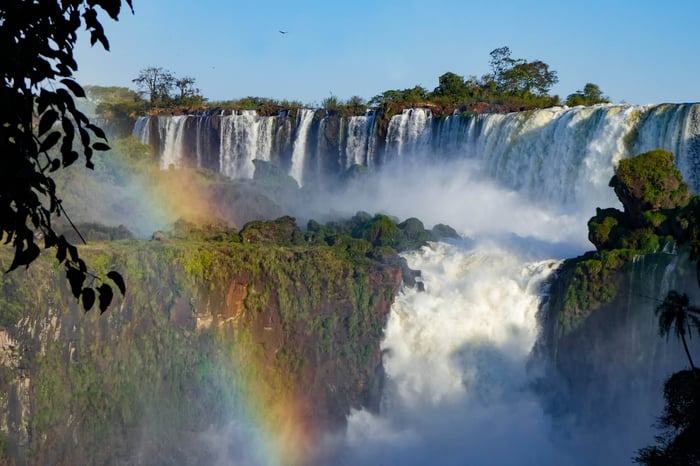 Iguazú National Park in Argentina
Include the highlights, but go beyond them
Argentina’s iconic sights are essential for a reason.
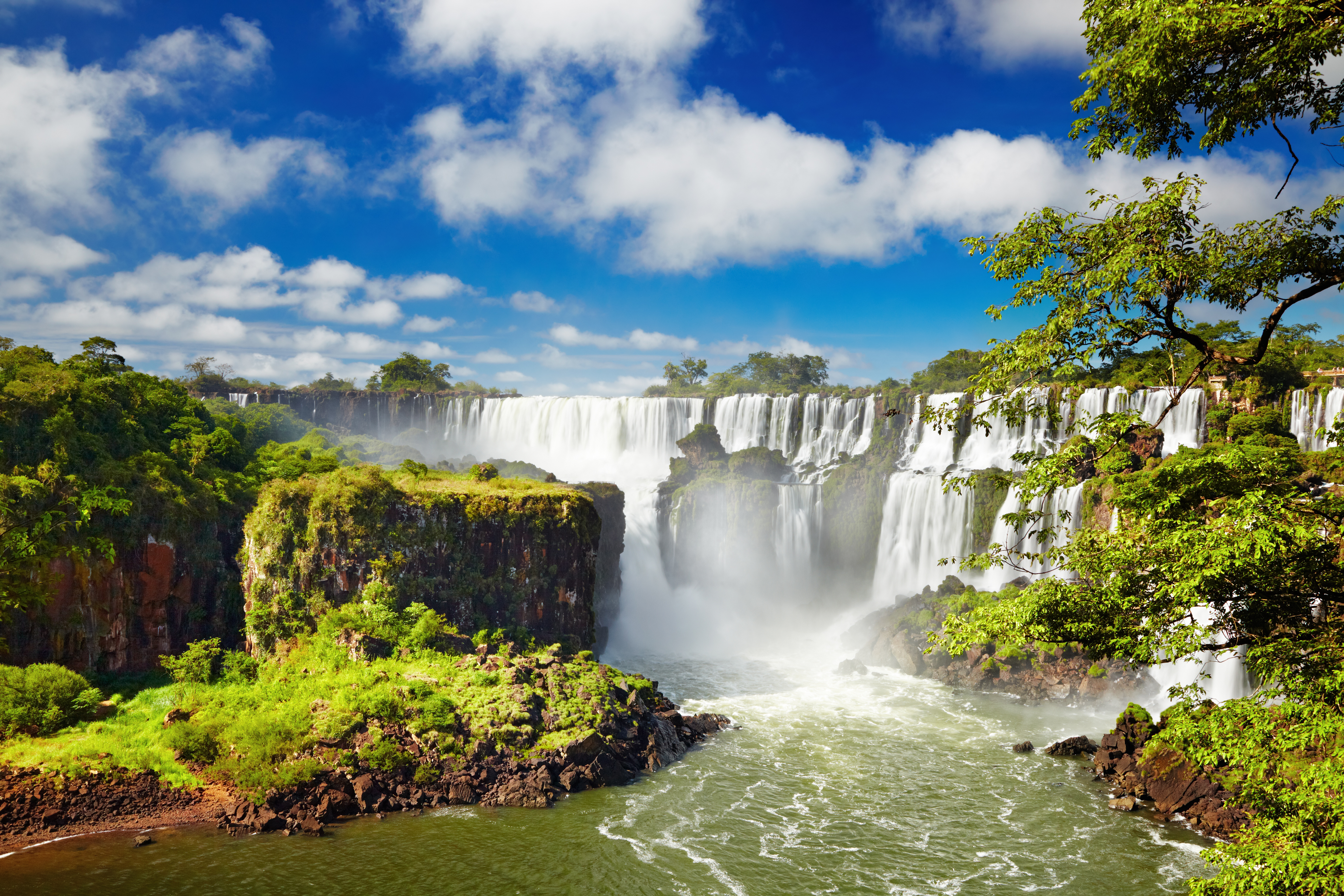
“Iguazú Falls. It’s one of the most powerful natural sights I’ve ever experienced, and you feel it before you even see it,” says Chelsea. Experiencing both the Argentinian and Brazilian sides offers a complete perspective, from immersive jungle walkways to wide panoramic views.
In the south, Patagonia delivers a completely different experience.
“It’s the sense of space,” says Gaynor. “You feel completely immersed in nature.” The Perito Moreno Glacier is a highlight, where shifting ice creates a constantly changing landscape.
But while these well-known destinations are unforgettable, it is often the less explored regions that add depth to a journey.
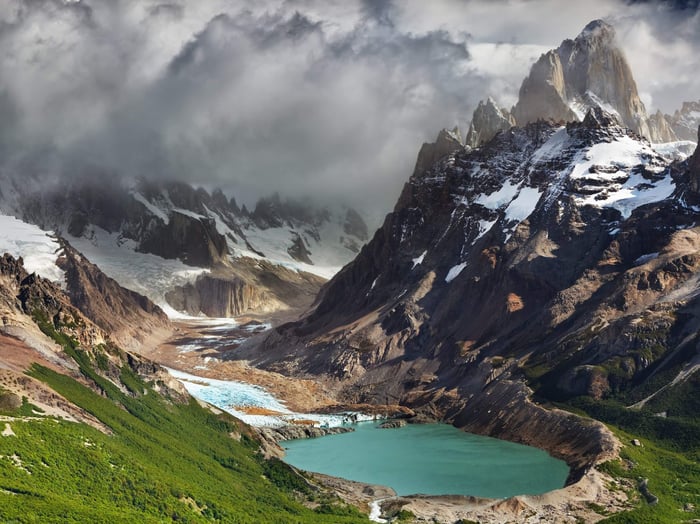
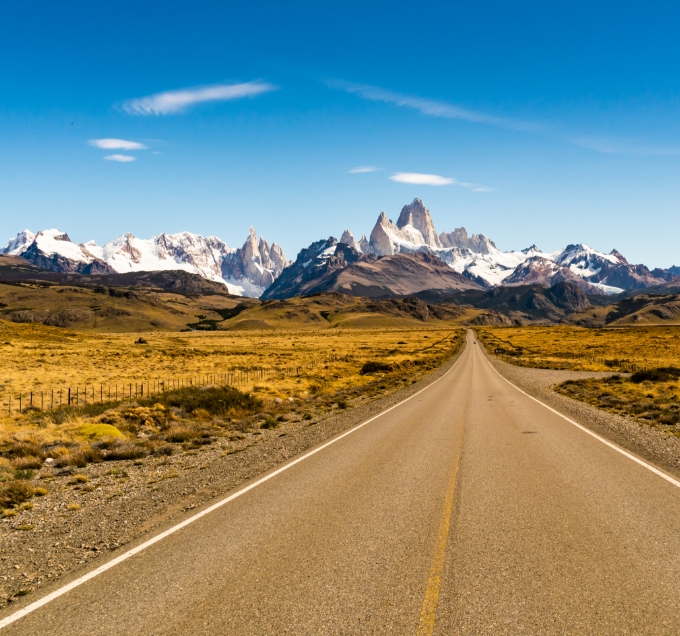
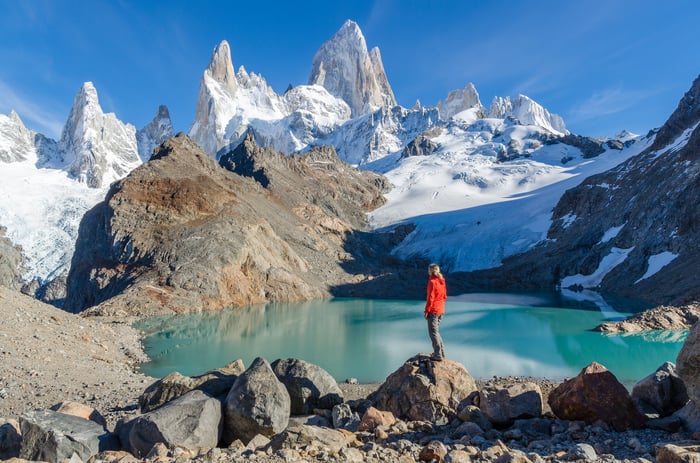 Glaciers at Mount Fitz Roy in Patagonia
Discover northwest Argentina
For a different side of Argentina, the northwest offers something truly distinctive.
Senior Product Executive Sarah and our co-founder and director Martin Johnson explored this region on a self-drive journey, travelling through Salta, Purmamarca, Salinas Grandes, Tilcara, Cachi and Cafayate.
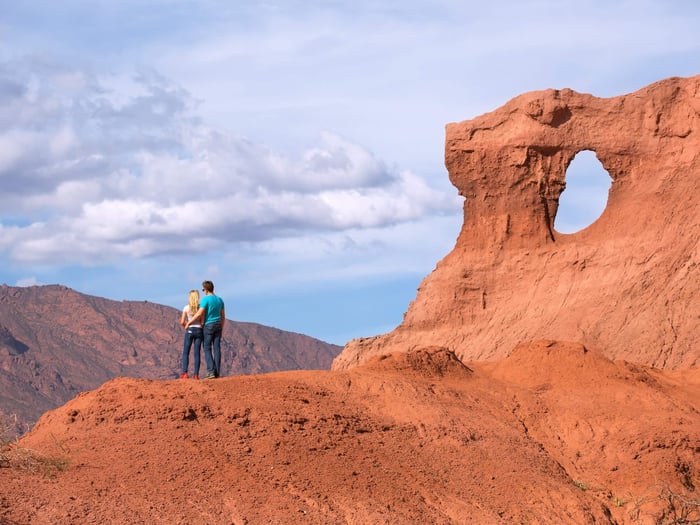
“Travelling by car meant we could stop whenever we wanted and really take in the landscapes,” says Sarah. This flexibility allows you to experience the journey itself, from dramatic red rock valleys to high altitude salt flats and colourful mountains.
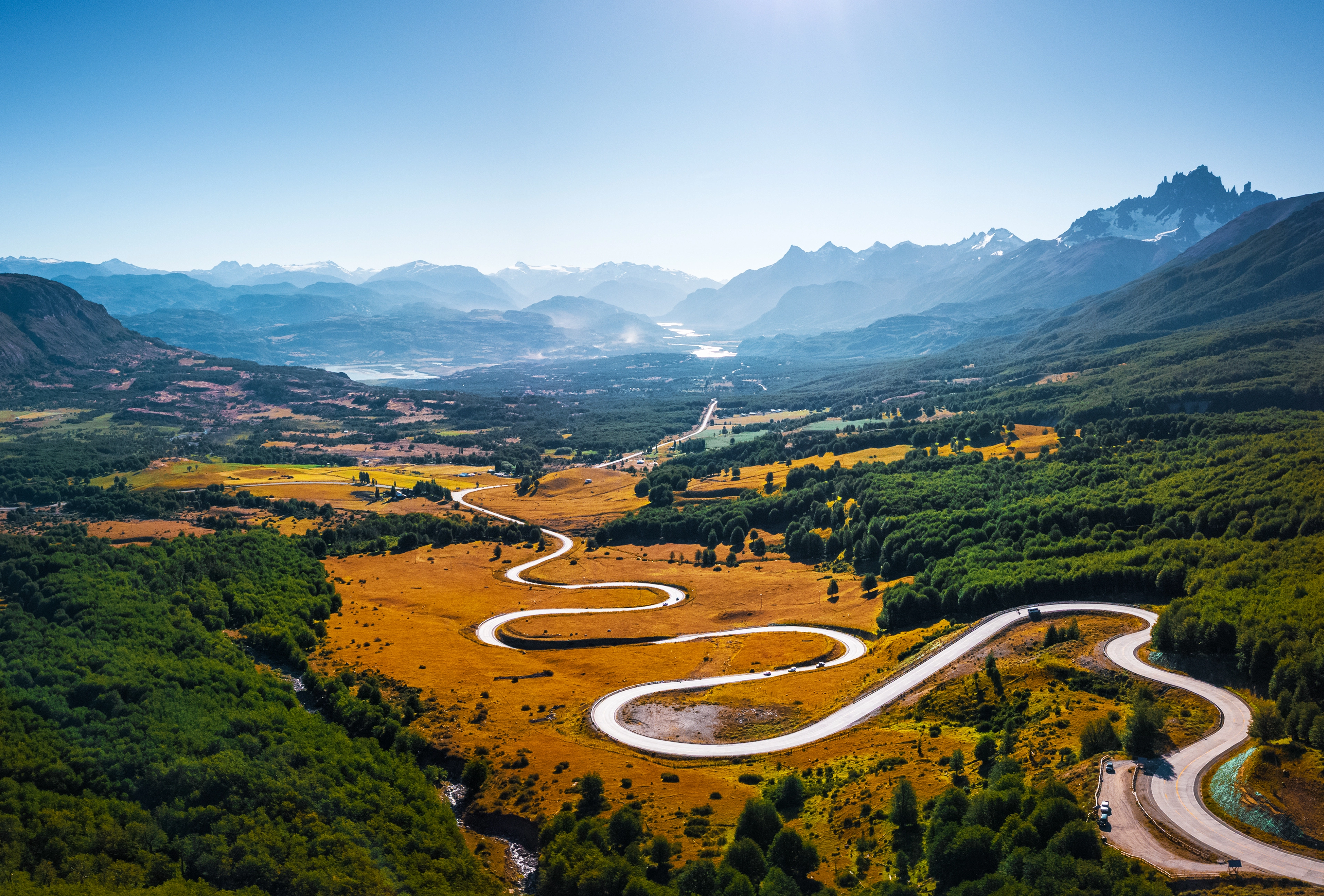
“Hornocal Mountain near Humahuaca. The colours and scale of it feel almost unreal,” says Tom. The route from Salta to Cafayate is one of the most scenic drives in Argentina, passing through striking rock formations and traditional towns.
“Arriving at Cafayate felt really special,” Sarah explains. “It’s peaceful, scenic and completely different to anywhere else in the country.” For those looking to go beyond the expected, this region offers a deeper connection to Argentina’s landscapes and culture.
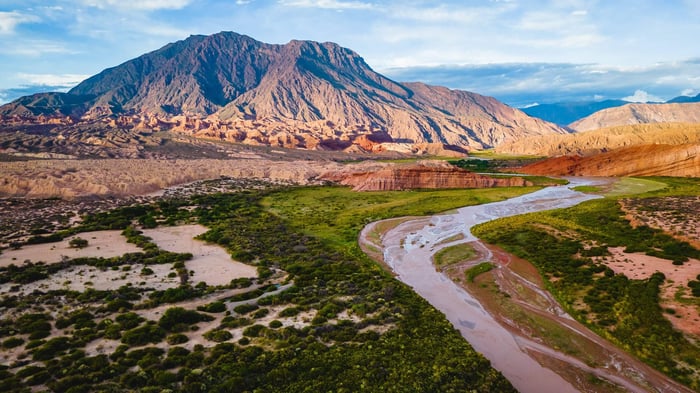 Calchaqui Valleys and Quebrada de los Rios Cafayate, Salta, Argentina
Think about pace, not just places
How you structure your itinerary is just as important as where you go.
“Take your time,” says Sarah. “It’s much more rewarding to slow down and experience each place properly.” Distances in Argentina are significant, and moving too quickly can take away from the overall experience.
“Plan your journey carefully,” adds Giuliano. “Flights and private transfers make everything much smoother.” Allowing time to explore, relax and enjoy each destination creates a more balanced and enjoyable holiday.
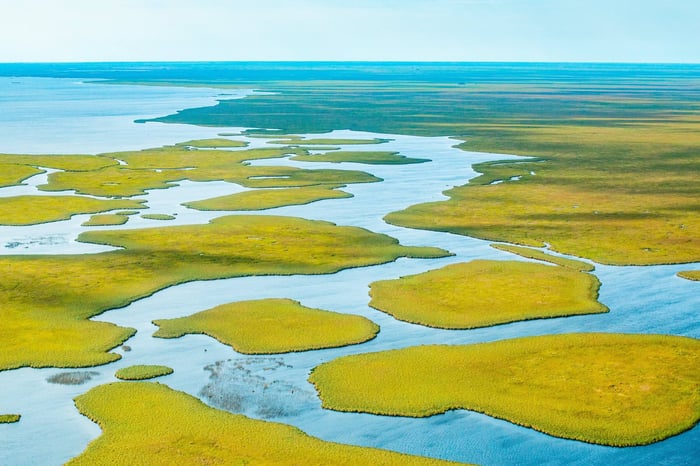 Ibera Wetlands
Mix landscapes for the full experience
Argentina is defined by its diversity, and combining different regions is key to experiencing it fully.
“Mix different landscapes,” says Tom. “That contrast is what makes Argentina so special.” You might begin in Buenos Aires, continue to Iguazú Falls, then travel south to Patagonia. Alternatively, you could pair the capital with the northwest, where desert landscapes and colourful mountains offer something entirely different.
This contrast keeps each stage of the journey feeling fresh and memorable.
Build in meaningful experiences
While the major highlights are important, it is often the smaller moments that stay with you.
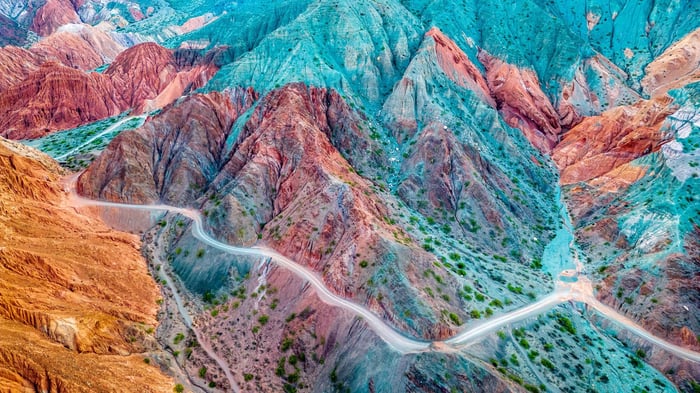 The Hill of Seven Colours, Purmamarca Jujuy Argentina
“Spending a day on a ranch near El Calafate was really special,” says Giuliano. “It gives you a completely different perspective.” Experiences such as staying on an estancia, exploring with local guides or visiting vineyards add depth and authenticity to your trip.
“It’s about the atmosphere as much as the food,” Giuliano adds. “You take your time, enjoy the wine, and really settle into the moment.”
These experiences help create a stronger connection to the destination.
View our Argentina's Heartlands Holiday
Don’t overlook food and wine
Argentina’s food and wine are an essential part of the journey, and often become some of the most memorable moments of a trip.
“Malbec in Mendoza is a must,” says Tom. “But it’s not just the wine, it’s the setting.”
Mendoza is Argentina’s most well known wine region, set against the dramatic backdrop of the Andes. Here, days are spent moving between vineyards, enjoying tastings, long lunches and mountain views, all at a relaxed pace that encourages you to slow down and take it all in. It is a place where food and wine are elevated by their surroundings.
In contrast,
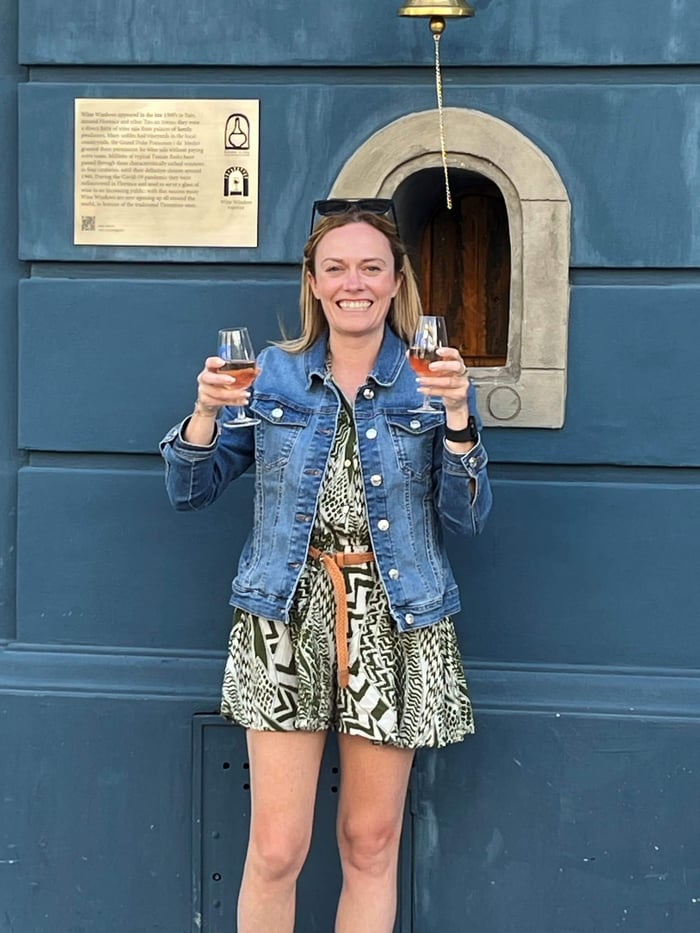 Jenna at the wine house window
Cafayate in the northwest offers something quieter and more unexpected. Its high altitude vineyards produce distinctive wines, shaped by the region’s unique climate and landscape.
For something more immersive, experiences such as The Wine House add a memorable local touch. One of the highlights is the small window where you can simply walk up and order a glass of wine, enjoying it right there among the vineyards. It’s informal, authentic and a lovely way to connect with the region.
Dining across Argentina is an experience in itself, with long meals, local flavours and a sense of occasion..
View our Highlights of Argentina Holiday
Look beyond the classic routes
While destinations such as Patagonia, Iguazú and the northwest often shape an Argentina holiday, there are other regions that offer something equally special, particularly for those looking to explore further.
The Iberá Wetlands are one of Argentina’s most rewarding wildlife destinations. Often compared to the Pantanal in Brazil, this remote region is home to capybara, caiman, marsh deer and a rich variety of birdlife. It offers a quieter, more immersive safari style experience, where guided excursions by boat or on foot bring you close to nature.
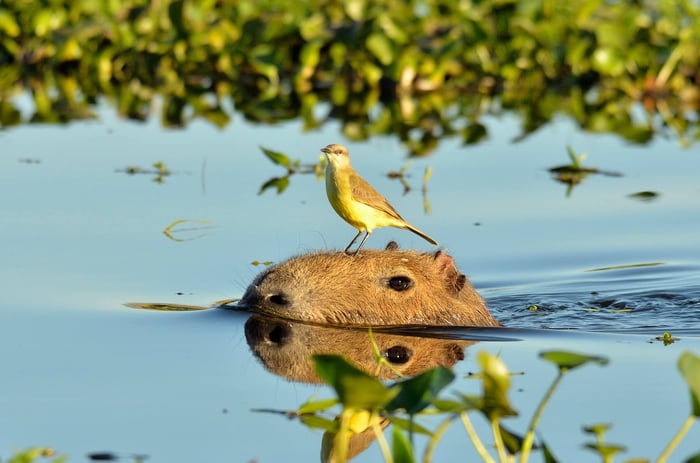 A Capybara in the Ibera Wetlands
Further south along the Atlantic coast, Peninsula Valdés is known for its incredible marine wildlife. Depending on the time of year, you may see southern right whales, orcas, sea lions and penguins. It is a region that feels wild and untouched, offering a completely different perspective on Argentina’s landscapes.
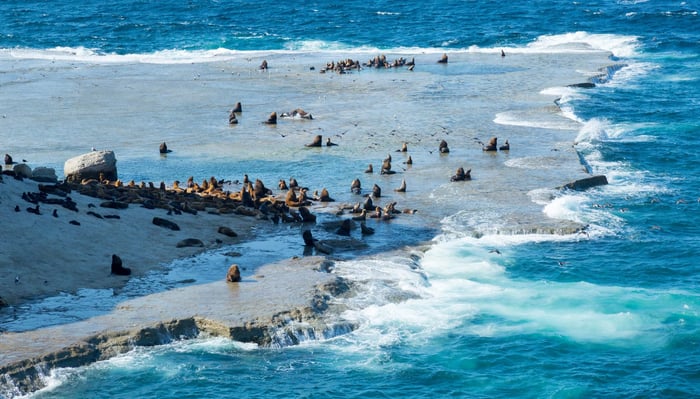
Peninsula Valdés
At the southernmost tip of the country, Ushuaia provides another contrast again. Often referred to as the gateway to Antarctica, it sits between mountains and sea, with a sense of remoteness that is hard to match. From here, you can explore Tierra del Fuego National Park, cruise along the Beagle Channel or simply take in the scenery at the edge of the world.
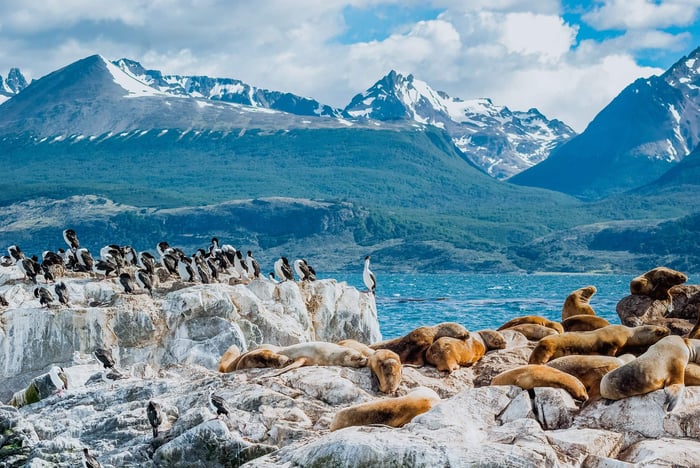 Sea lions and Penguin's at the Beagle Channel, Ushuaia
Closer to Buenos Aires, the Pampas offer a completely different experience rooted in Argentina’s rural traditions. Staying on an estancia gives you the chance to experience life as a gaucho, with horse riding, traditional asados and wide open landscapes that feel timeless. It is a relaxed and authentic way to connect with Argentina’s culture.
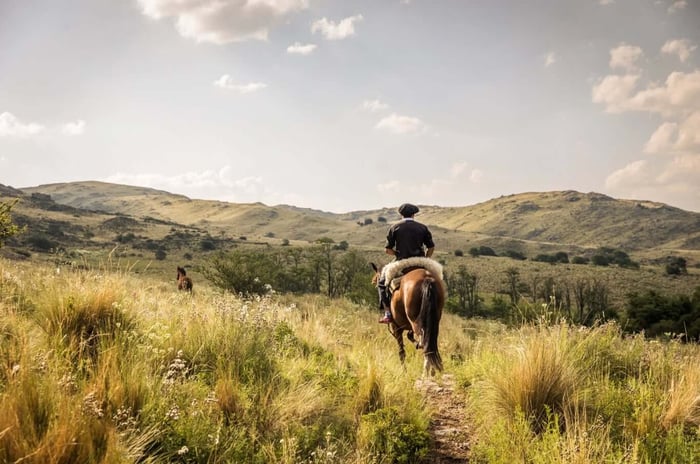 The Pampas
For something equally scenic but less visited, Córdoba and its surrounding sierras provide a softer, more tranquil side of Argentina. Rolling hills, colonial towns and a slower pace make it ideal for those looking to unwind or explore on foot, with a strong sense of local character throughout the region.
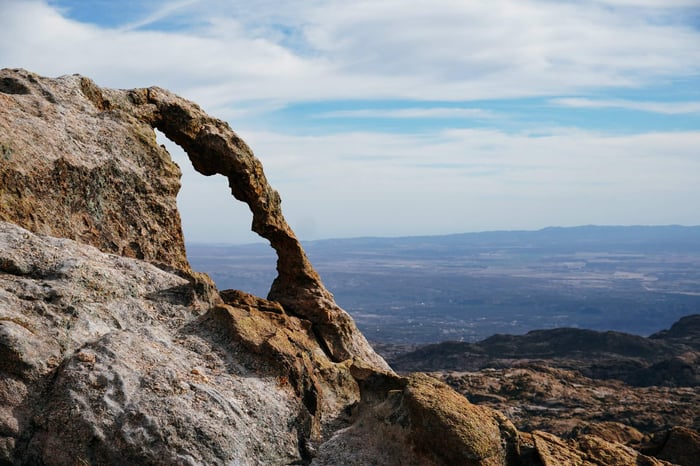
Arco de Piedra, Córdoba, Argentina
These regions can be seamlessly incorporated into a wider Argentina itinerary, or explored as part of a more focused journey, adding depth and a sense of discovery to your trip.
Plan the right time to travel
Argentina’s size means that seasons vary by region, so timing plays an important role in shaping your itinerary.
Patagonia is best explored in the southern summer, while the northwest offers excellent travel conditions for much of the year. Iguazú Falls can be visited year-round, each season bringing a slightly different experience.
This is where expert advice becomes invaluable, helping you choose the right regions at the right time to create your tailor-made Argentina holidays from the UK.
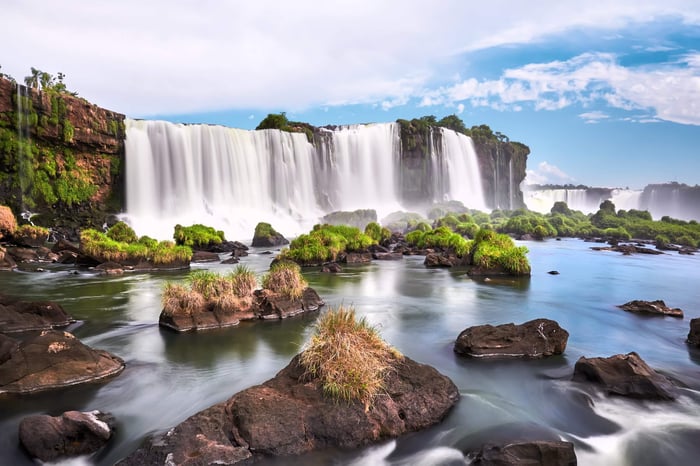 Iguazú Falls
Plan with confidence
Argentina can feel complex to organise, but with the right guidance it becomes a seamless and deeply rewarding journey.
“It’s incredibly varied but always full of energy,” says Sarah. Our team’s first-hand experience across Argentina allows us to design holidays that balance regions, pace and experiences, ensuring your trip flows effortlessly from start to finish.
Start planning your Argentina holidays from the UK
Our specialists have travelled extensively across Argentina, including journeys through Salta and Cafayate, Patagonia and Iguazú. We use that first hand experience to design holidays that are personal, well-paced and tailored to you.
If you are looking for inspiration, you can explore some of our most popular Argentina holidays, from classic journeys combining Buenos Aires, Iguazú Falls and Patagonia, to more in-depth routes through the northwest and wine regions.
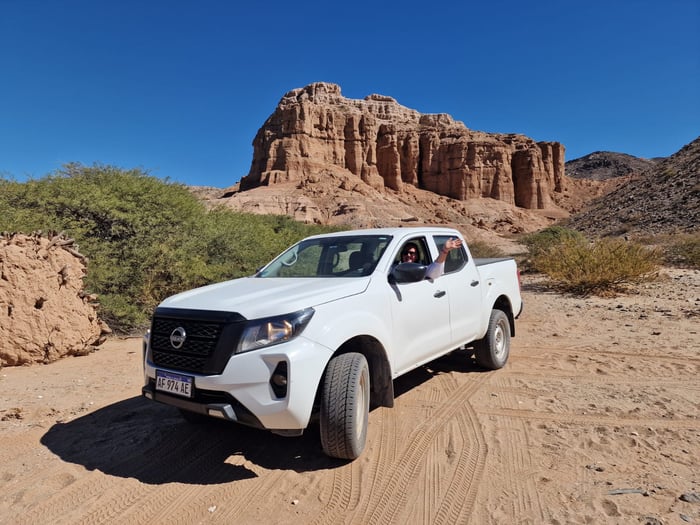 Sarah explores Salta on the open road
You might consider:
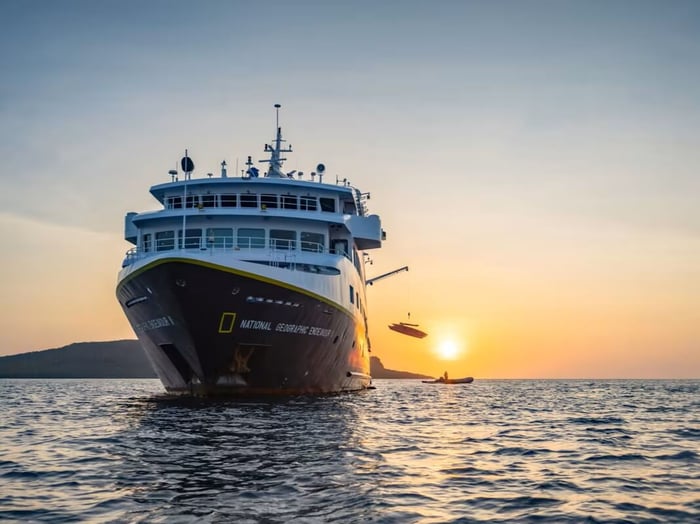
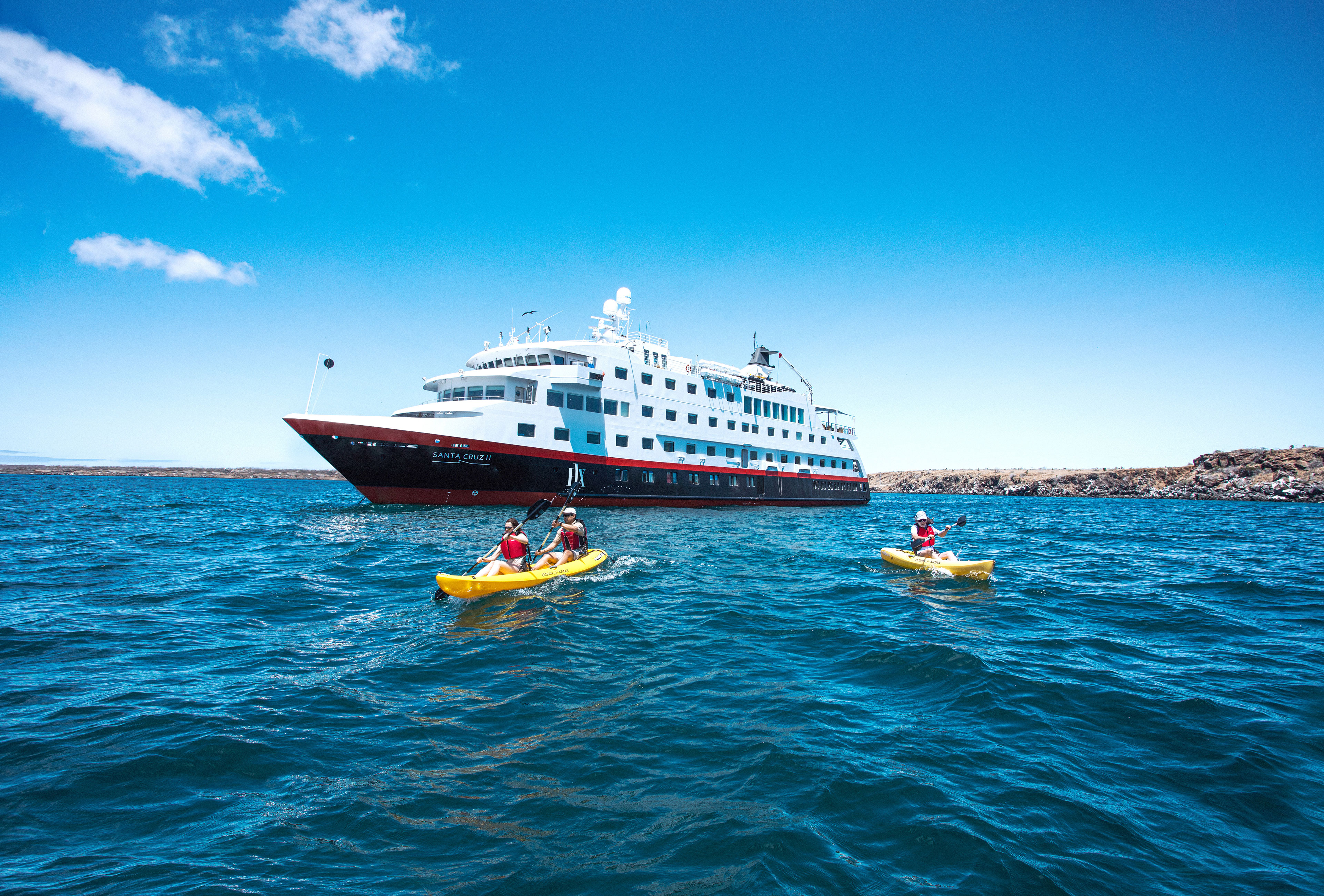
- A Patagonia cruise focused on glaciers, mountains and remote landscapes
- A journey including Iguazú Falls and Buenos Aires for a shorter but high impact trip
- Or a more immersive route through Salta and Cafayate, following one of Argentina’s most scenic drives
Each itinerary can be tailored to suit your pace, interests and travel style, with carefully planned flights, private transfers and handpicked experiences throughout.
Get in touch to start planning your Argentina holidays from the UK or explore our full collection of Argentina holidays online.
FAQs
Do UK passport holders need a visa for Argentina?
UK passport holders do not need a tourist visa to visit Argentina for stays of up to 90 days. Your passport should be valid for at least six months on arrival, and you may be asked to show proof of onward travel and accommodation.
How long is the flight from the UK to Argentina?
There are no direct flights from the UK to Argentina, but most journeys take around 13 to 16 hours including a connection, usually via Madrid, Paris or Amsterdam. Flights typically arrive into Buenos Aires, the main international gateway.
What is the best time to visit Argentina?
Argentina can be visited year round, but the best time depends on the regions you plan to include. Patagonia is best between November and March, while the northwest and Buenos Aires are enjoyable throughout much of the year. Iguazú Falls is a year round destination.
How long should you spend in Argentina?
Most Argentina holidays are between 10 and 14 days, allowing time to explore two or three regions at a comfortable pace. Due to the country’s size, it is better to focus on a few areas rather than trying to see everything in one trip.
How do you travel around Argentina?
Domestic flights are the most efficient way to travel between regions such as Buenos Aires, Iguazú, Patagonia and Salta. Private transfers are typically used for shorter distances, while self drive works particularly well in areas such as northwest Argentina.
Is Argentina suitable for a tailor made holiday?
Yes, Argentina is ideal for tailor made travel. The country’s size and diversity mean itineraries can be carefully designed around your interests, whether that includes wildlife, food and wine, landscapes or cultural experiences.
What currency is used in Argentina?
The local currency is the Argentine peso. Credit cards are widely accepted in cities and tourist areas, although it is useful to carry some cash for smaller purchases or more remote locations.
Do I need travel insurance for Argentina?
Travel insurance is essential when visiting Argentina and should cover your full itinerary, including any planned activities. It is important to ensure your policy provides adequate medical coverage.
What should I pack for an Argentina holiday?
Packing depends on the regions you visit. Argentina’s climate varies significantly, so it is best to pack layers. Comfortable walking shoes, sun protection and a light waterproof jacket are recommended for most itineraries.
Is Argentina a good destination for first time travel to Latin America?
Argentina is an excellent choice for a first visit to Latin America. It offers a strong mix of culture, landscapes and infrastructure, making it easy to explore while still feeling adventurous and varied.