


You're booked to go to Nicaragua: Here's some useful information before you go!
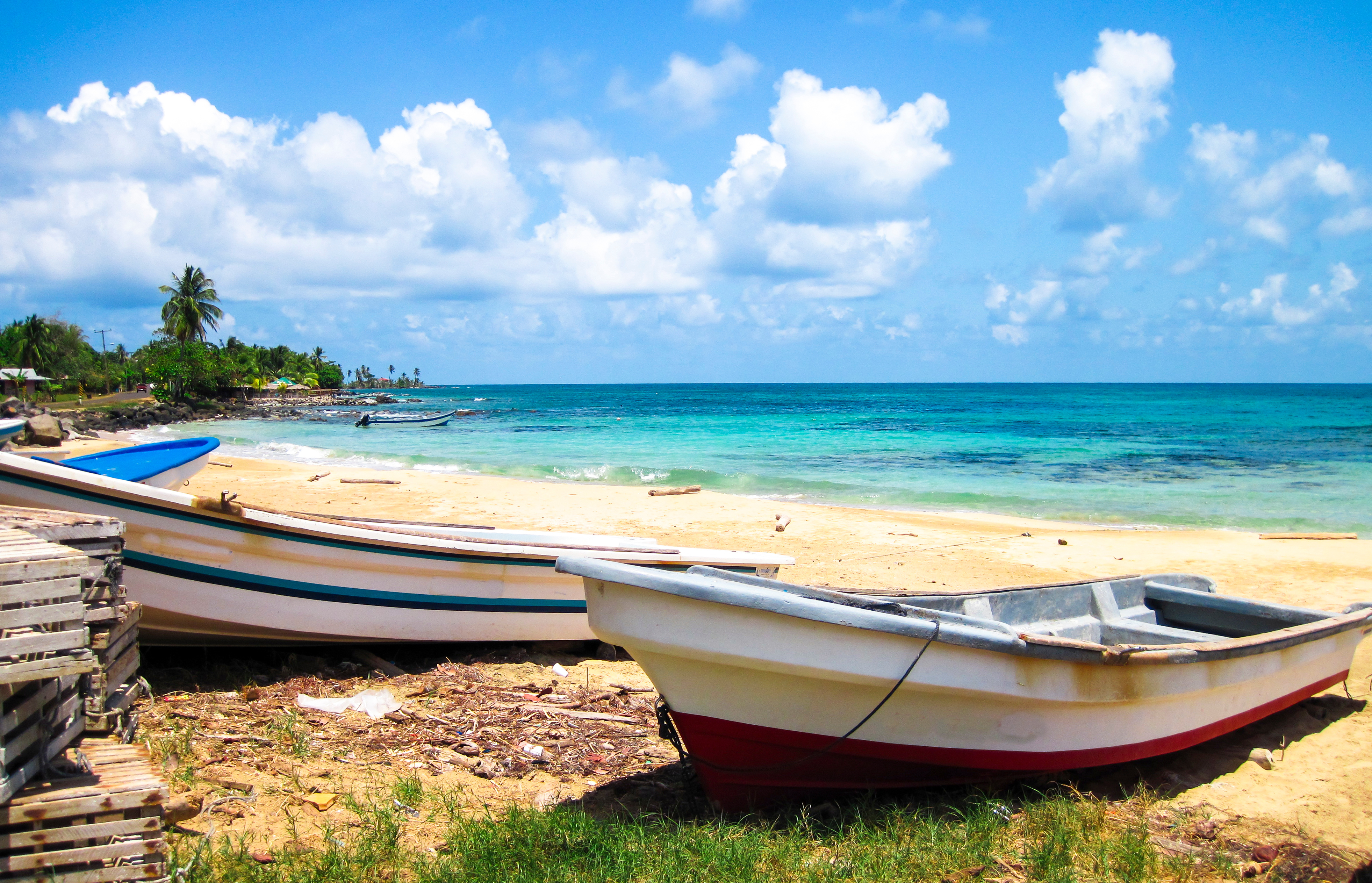
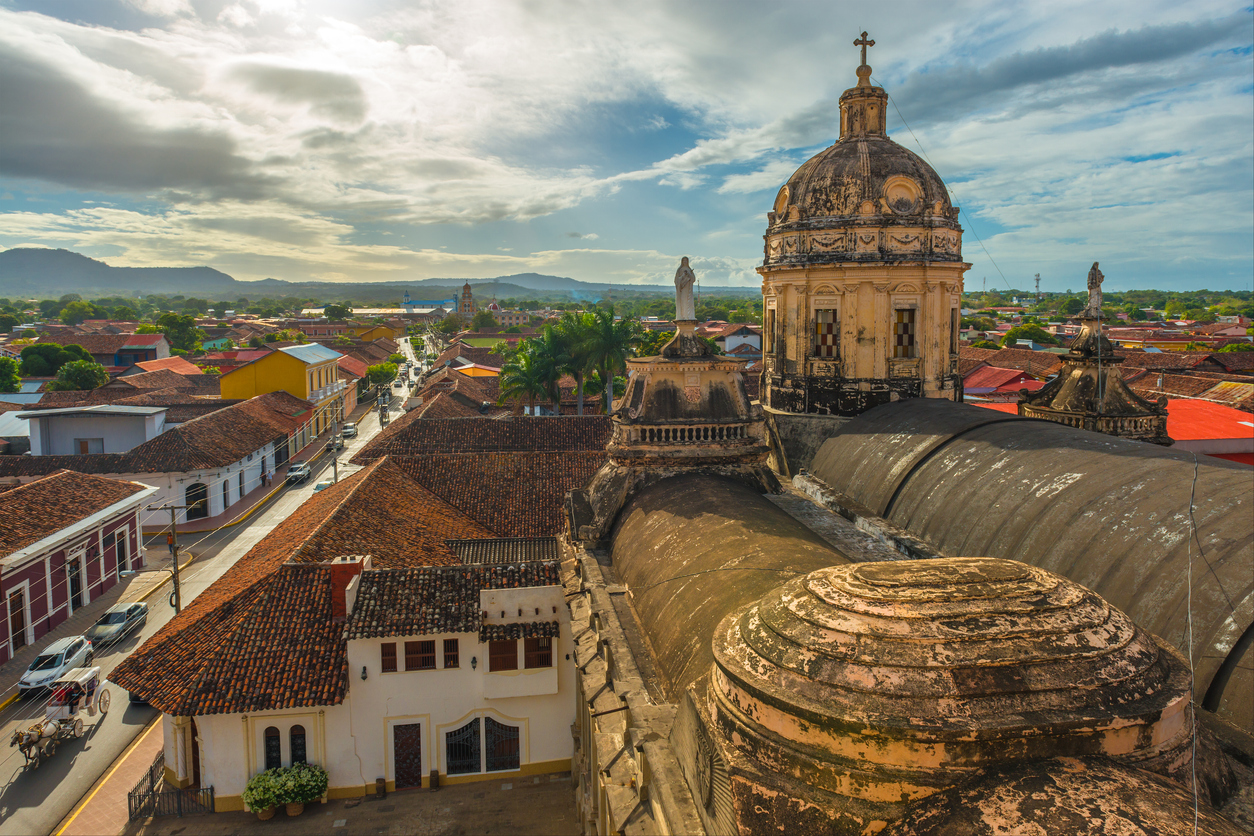
You are heading to Nicaragua, a country where every region feels like its own adventure. One moment you are wandering the colourful colonial cities of Granada and León, the next you are sailing across Lake Nicaragua, exploring volcanic landscapes, or spotting wildlife in quiet nature reserves. It is a place shaped by rich history, creative spirit and a strong connection to the land, and you will find people proud to share their culture, food and warm, welcoming hospitality.
Before you set off, here is some friendly guidance from our team to help you feel prepared and inspired for the journey ahead.
Our frequently asked questions for holidays to Nicaragua
When will I receive my final travel information?
4 weeks before departure, you will receive an email to notify you that your pre-departure letter has been uploaded which will include important information such as emergency contact information. At this point you will also be able to see your airline reference which will be added to your itinerary.
You will receive all your pick-up times for tours and transfers locally when you arrive in-country, ensuring you have the most accurate and up-to-date information
Do we receive flight tickets before travel?
No, we do not provide paper tickets. The only thing you need to check-in and fly is the airline reference which is on your itinerary (look for reference made up of 6 letters and numbers). This reference can be used to check in online or at the airport along with your passport. You may have multiple airline references if you have several flights.
Do I require any vouchers for tours or hotels?
No, you do not need any vouchers for tours or hotels. Just give your names and passports on check-in and to the guides.
What can I use the My Routes App for?
The My Routes App stores your itinerary, travel documents, flight updates, recommendations, and local weather. Once downloaded, most features work offline. You can also message your Travel Specialist directly through the app.
Who do I contact while I am away if I need help?
If you are in Nicaragua and need assistance, please contact our local office in Nicaragua on +505 2270 1936 during office hours 8am-5pm local time.
In an emergency outside of these hours you can call +505 7872 0076
Do I need a visa for Nicaragua?
No. UK passport holders do not usually need a visa for tourist visits, but you must pay an arrival tax of US$10 (cash) on entry.
Do I need to check in for my flights?
For your international flight we advise you to check-in online. Airlines open check-in between 24-48 hours before departure. For domestic flights, you can also check-in online or at the airport. To check-in to any flight, you need the airline reference which is added to your itinerary 4 weeks before departure.
Can I pre-book my seats?
Seat selection policies vary depending on the airline and fare type. In most cases, you can pre-book your seats for a fee via the airline’s website once you have made the booking. Please contact your Travel Specialist for your airline reference if you wish to do this more than 4 weeks prior to departure. You can normally select seats for free at the point of check-in, usually 24-48 hours before departure.
What is my luggage allowance?
For international flights, clients travelling in Economy are allowed 1 checked bag up to 23kgs which is included in the cost of your holiday, unless otherwise stated. For Premium and Business class clients, 2 pieces of checked luggage up to 32kgs are included unless otherwise stated.
For domestic flights, 1 checked bag up to 23kgs is included.
Are there any health considerations before I travel?
Be up to date with routine UK vaccinations. If you are travelling beyond the main towns, mosquito bite prevention is important, and it’s worth checking travel health guidance for your exact route and activities.
What is the local currency and how should I pay for things?
The local currency is the Nicaraguan córdoba (NIO). Cash is useful day to day, especially for smaller purchases and outside key tourist hubs, while cards are more likely to work in larger hotels and established restaurants.
How much should I tip?
- Restaurants: A 10% tip is a good guideline for good service, and some restaurants add a service charge, so it’s worth checking the bill before leaving extra.
- Cafés and bars: Round up or leave small change.
- Taxis: Tipping isn’t usually expected, but rounding up is fine.
- Hotels: Small tips for porters and housekeeping are appreciated.
- Guides and drivers: A tip at the end is welcomed, particularly for private services and multi day trips.
What is the time difference between the UK and Nicaragua?
Nicaragua is on UTC -6 and does not use daylight saving time. It is 6 hours behind the UK on GMT and 7 hours behind during British Summer Time.
What should I pack for Nicaragua?
Lightweight, breathable clothing, plus a light waterproof for tropical showers. Add sun protection, strong insect repellent, swimwear, and comfortable shoes for walks. If you’re visiting the highlands, pack a light layer for cooler evenings.
What adaptor do I need for Nicaragua?
You will need a UK (type G) to type A/B travel adaptor. Electricity is typically 120V, 60Hz, so check your devices are compatible (many chargers are dual voltage).
How reliable is mobile and WIFI coverage?
Most hotels, cafés and restaurants offer good WIFI. Coverage can be limited in remote areas. Check roaming costs with your mobile provider before travel.
Are there any local customs I should be aware of?
- Greetings matter: A friendly “buenos días” or “buenas tardes” when entering shops and restaurants is appreciated.
- Dress: Beachwear is best kept to the beach or poolside. In towns and villages, neat, relaxed clothing is the norm.
- Photos: Always ask before photographing people, especially in markets and rural communities.
- Market etiquette: Bargaining can be part of the experience in markets, but keep it polite and good humoured.
Will I need to pay any local taxes?
Most taxes are built into prices, including IVA (VAT), which is 15%. You must also pay an arrival tax of US$10, and there is a departure tax of US$35 that is normally included in your airline ticket.
How do I get around during my holiday?
All transfers listed on your itinerary are included in the cost of the holiday. If you wish to take a taxi, we recommend taking official taxis booked by your hotel.
Can I make changes to my booking?
Changes may be possible, but fees or fare differences could apply. Contact your travel specialist as soon as possible to discuss your options.
Where will my representative meet me on arrival?
If you are arriving at the airport, please proceed to the arrivals hall where your driver will be waiting with a Latin Routes sign displaying your name. If you cannot locate your driver, remain in the arrivals hall and call the emergency contact number provided in your final travel itinerary.
Is the tap water safe to drink?
Drink only bottled or purified water. A reusable bottle is useful for refill stations available in many hotels and restaurants. Be cautious with uncooked foods in more rural areas.
Will I encounter high altitude during my trip?
Not usually. Nicaragua has volcanic landscapes and some cooler highland areas, but altitude related effects are uncommon for most itineraries.
How safe is it to travel around Nicaragua?
Most travellers have a smooth trip on well planned routes, particularly when using reputable guides and pre arranged transfers. It’s still sensible to follow local advice and be mindful in busier urban areas, as noted in official travel guidance.
Our top tip for holidays to Nicaragua
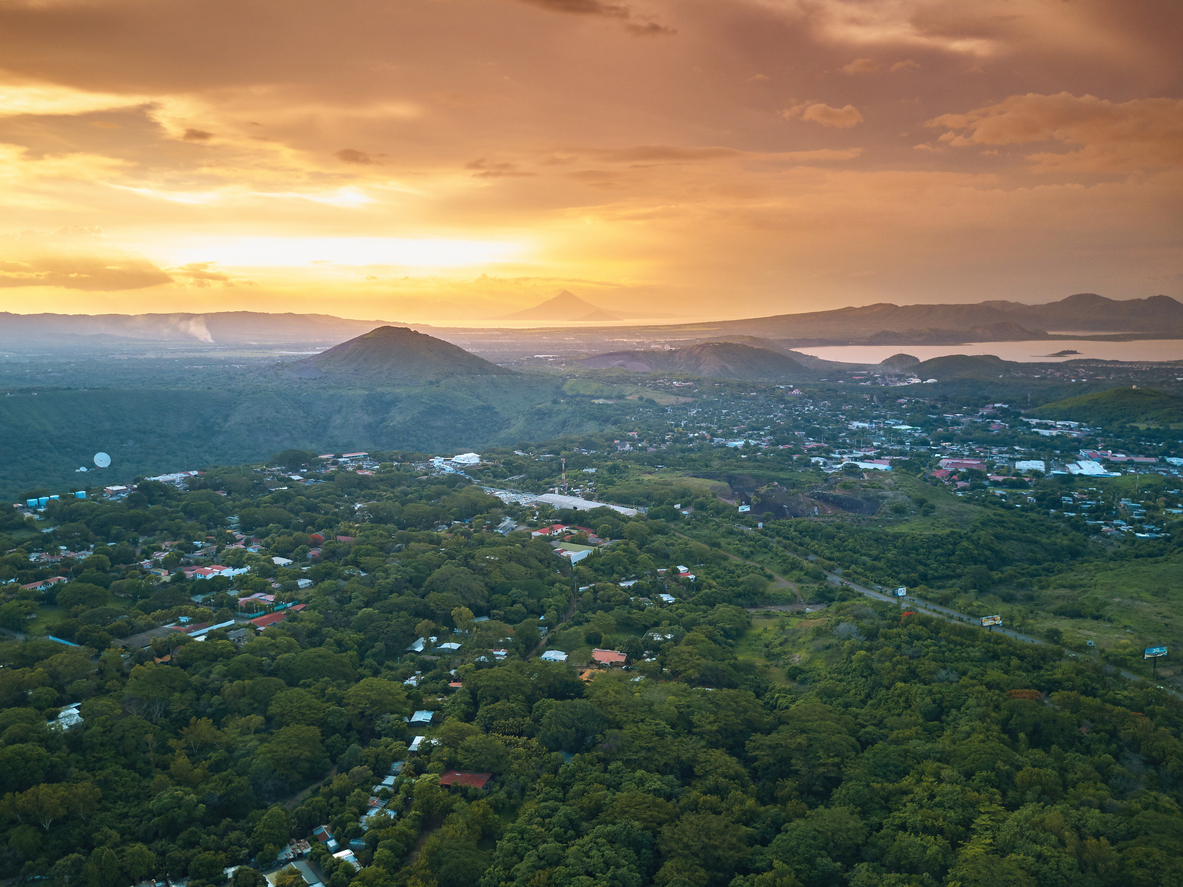
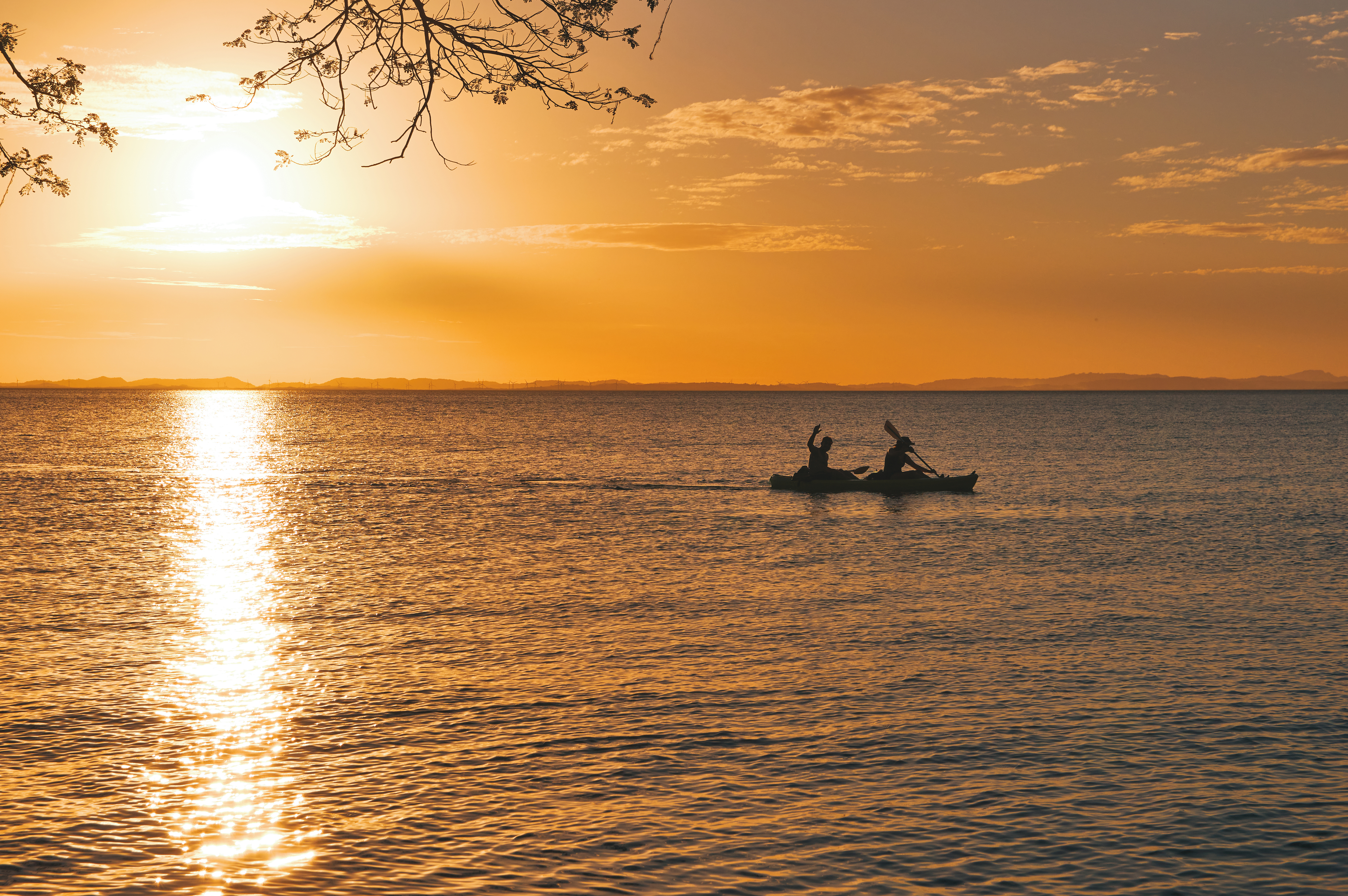
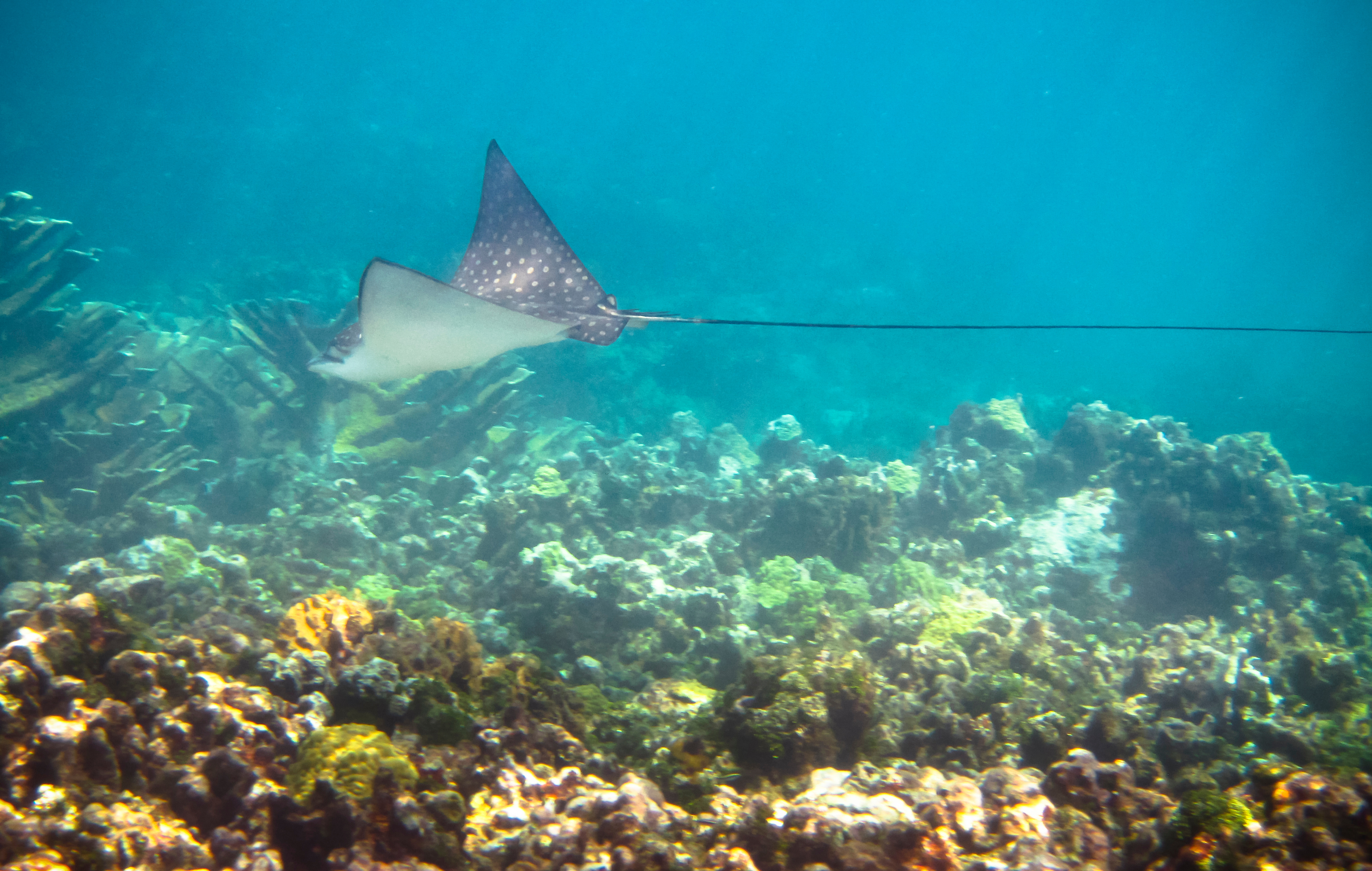
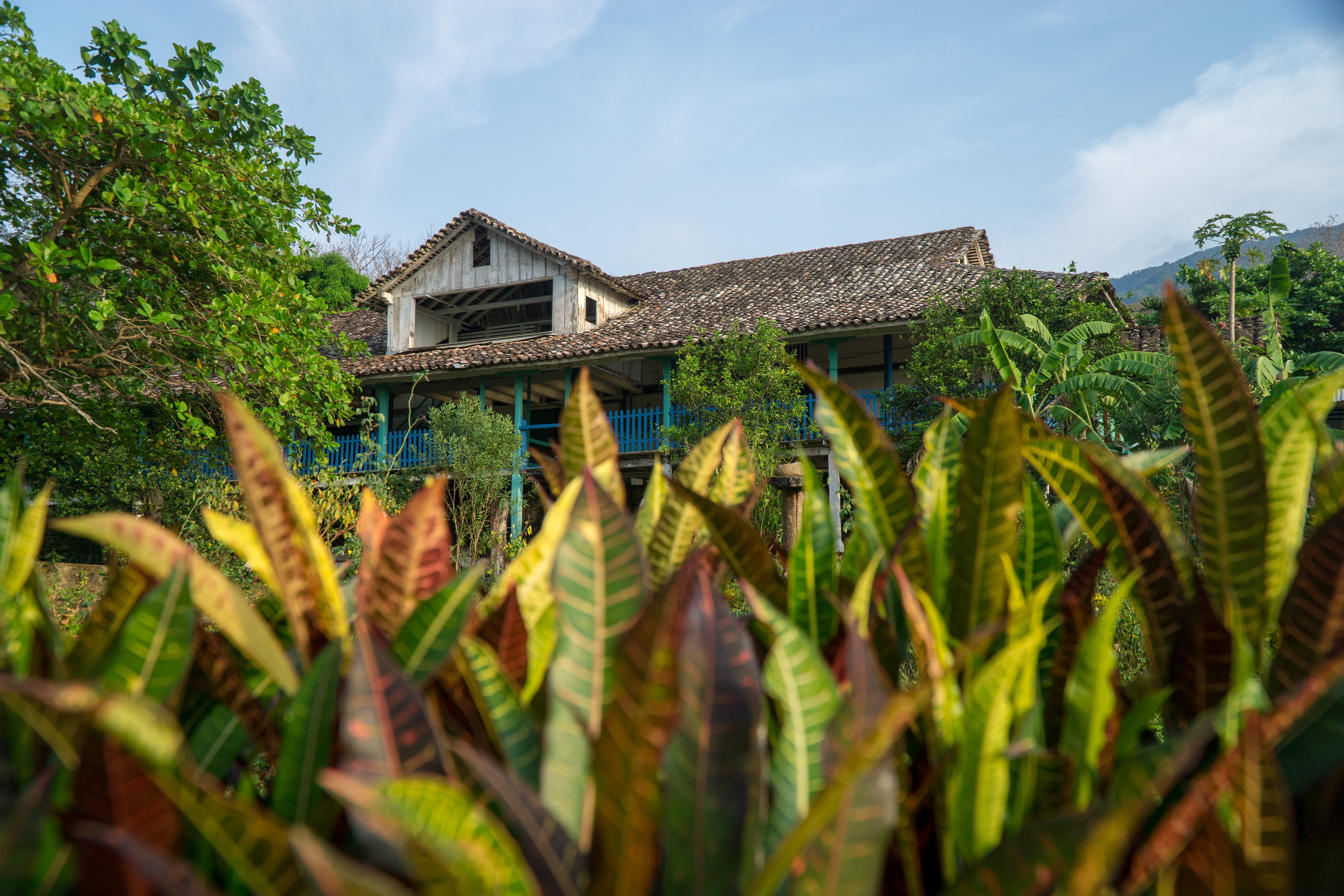
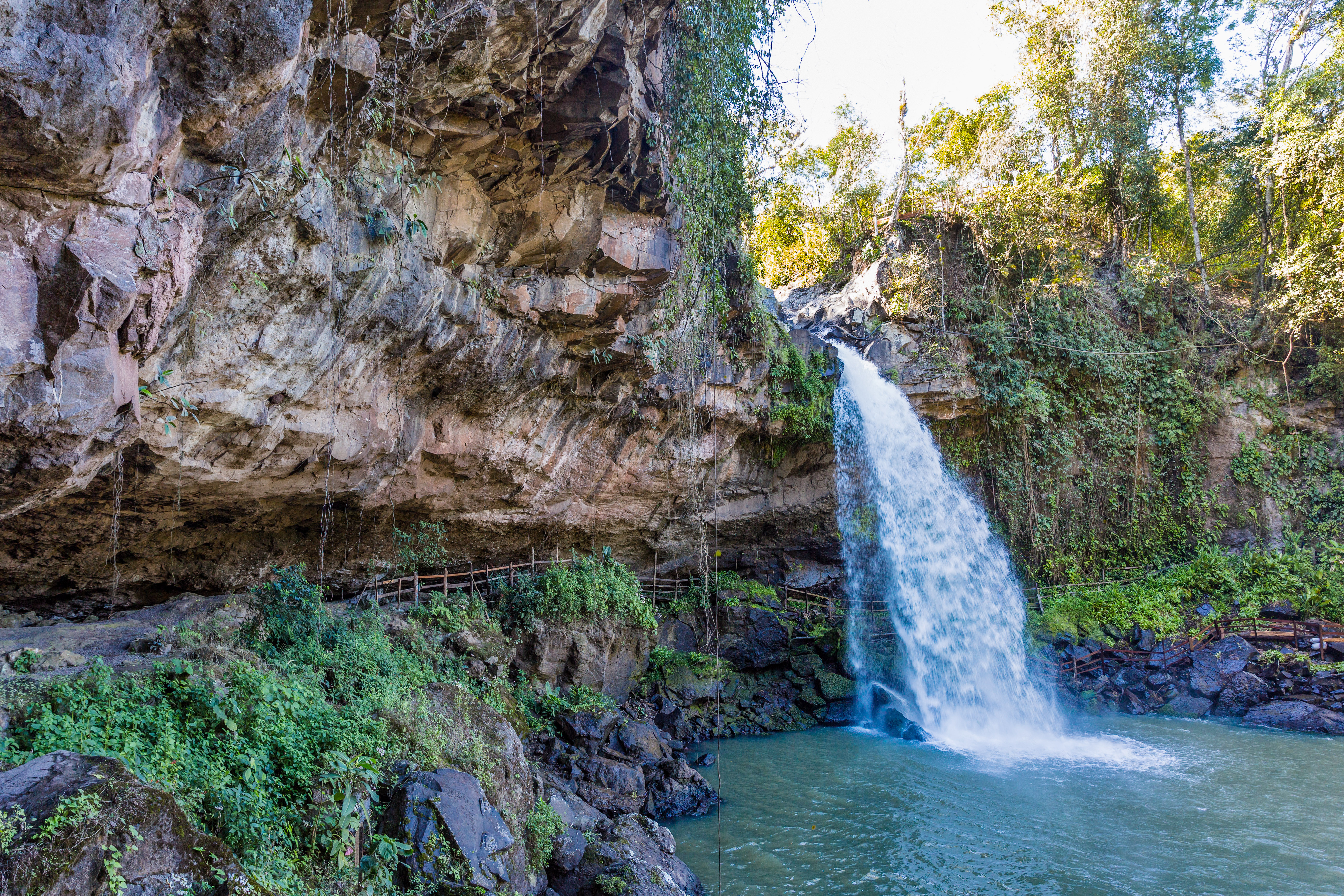
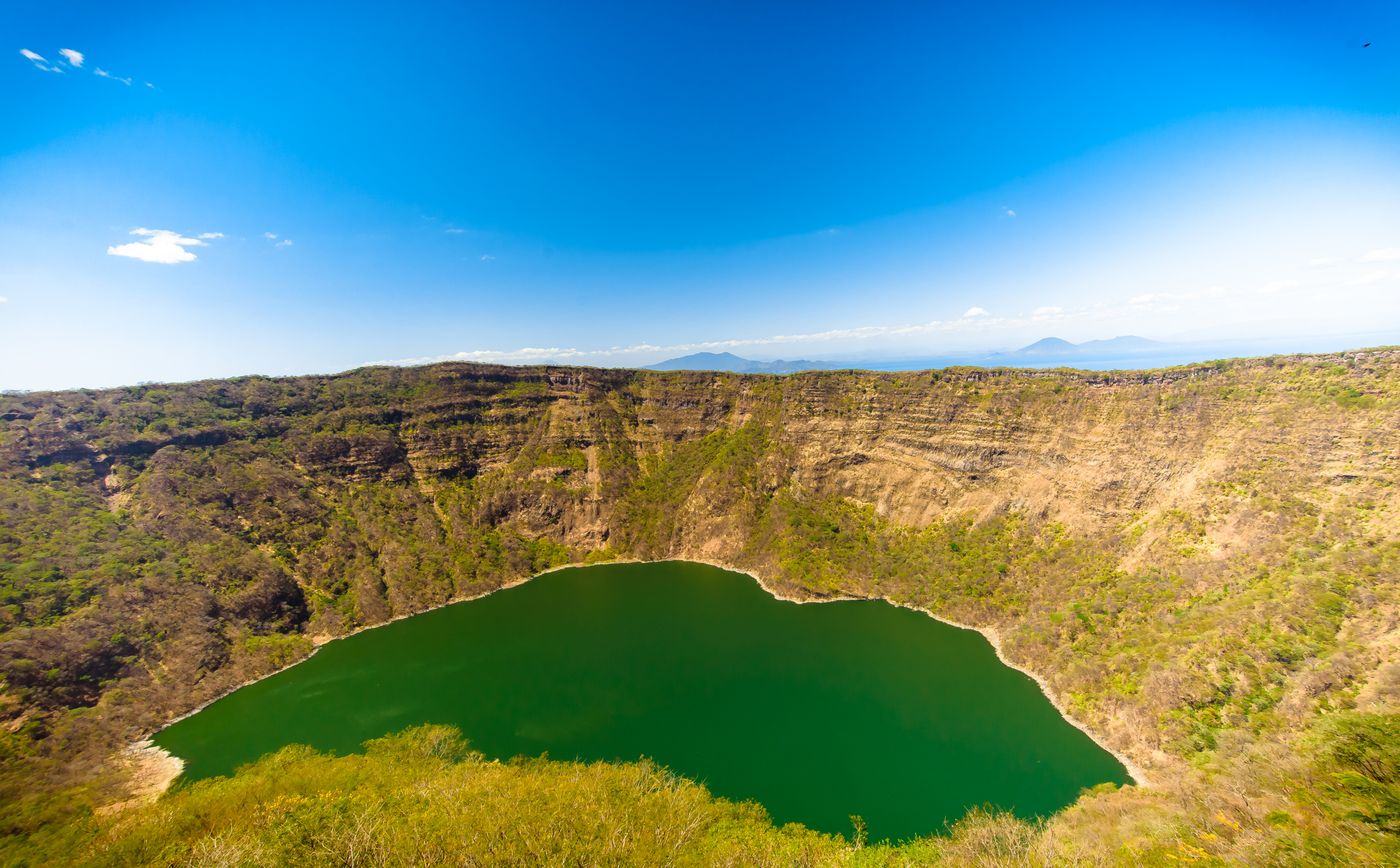
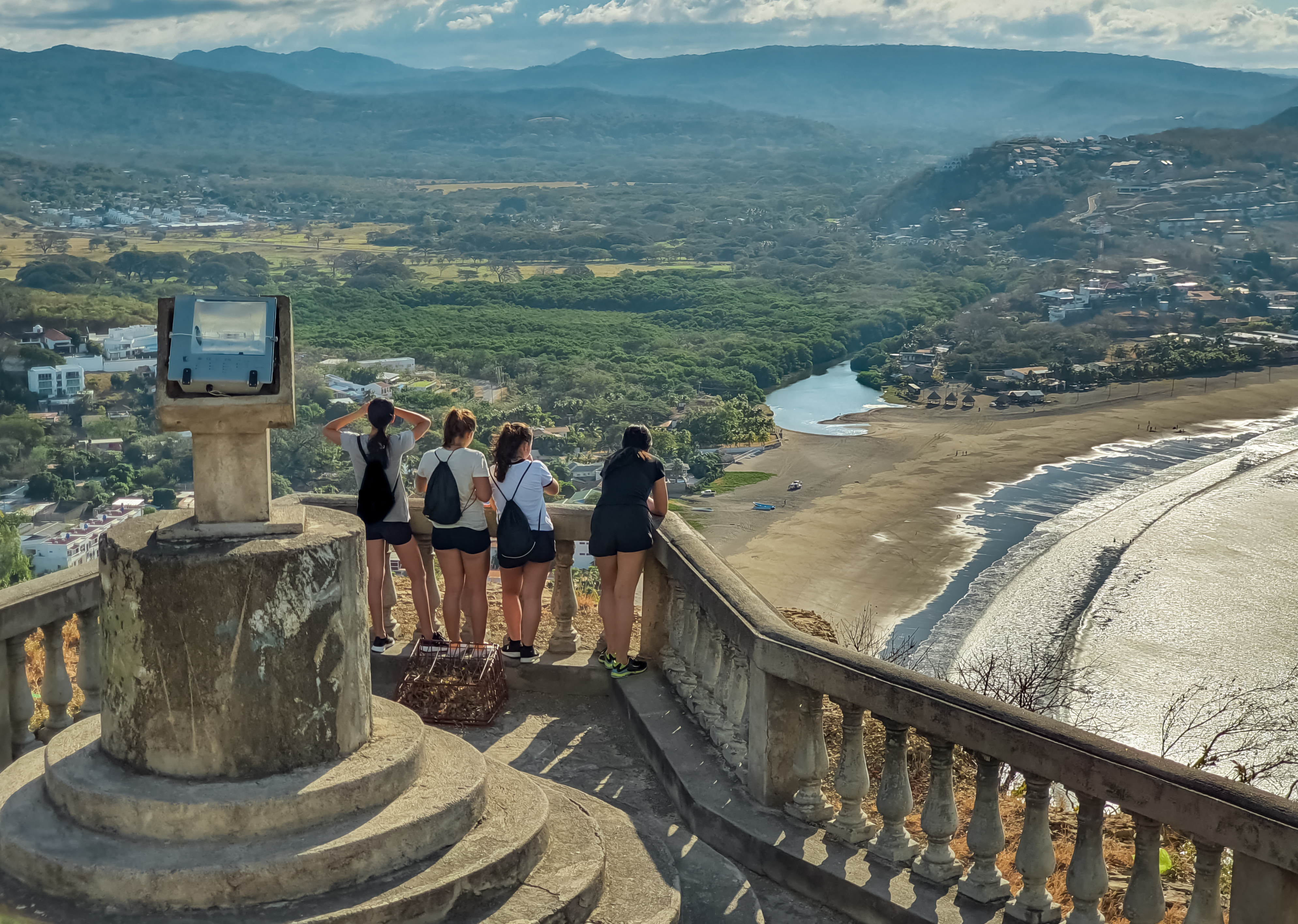
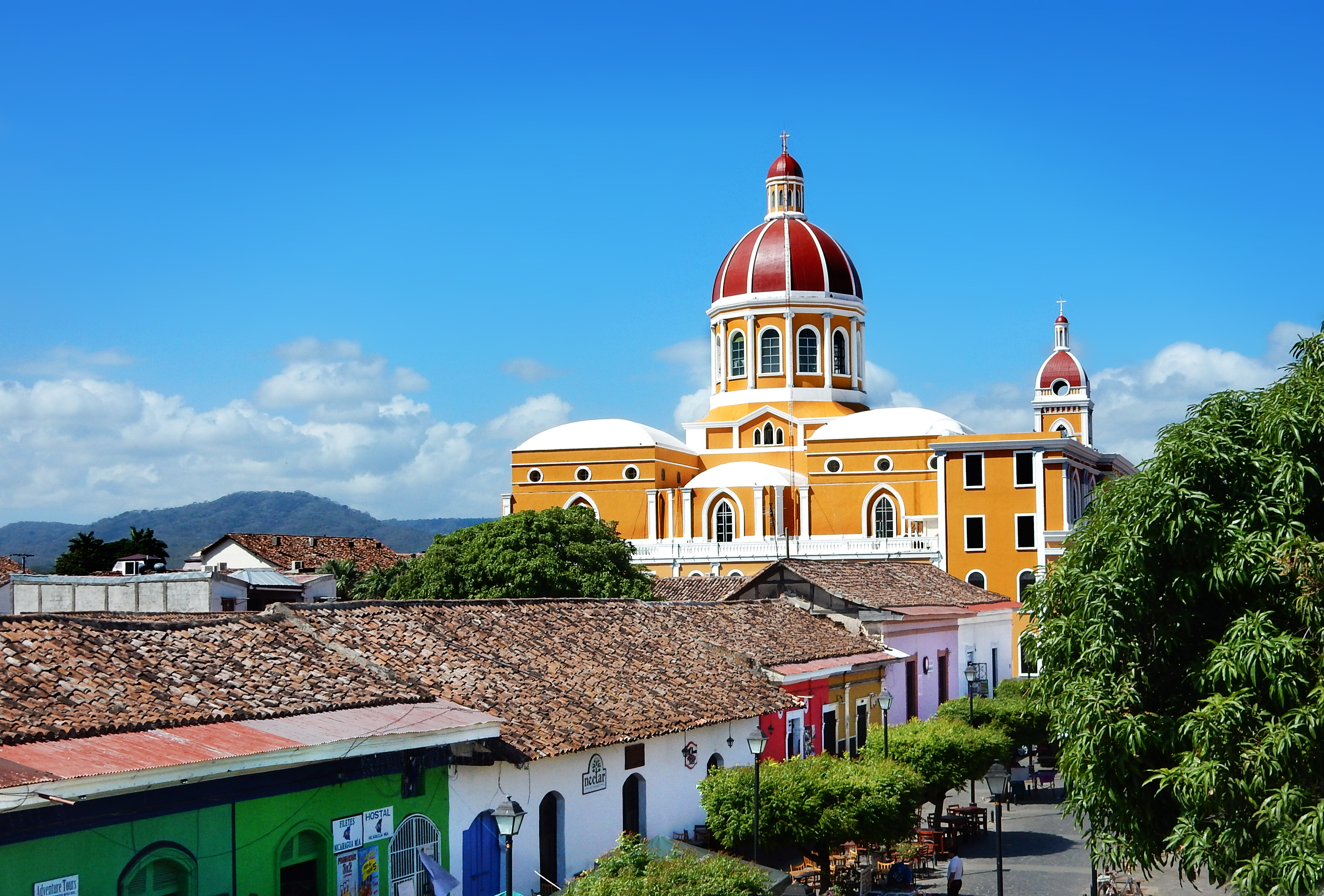
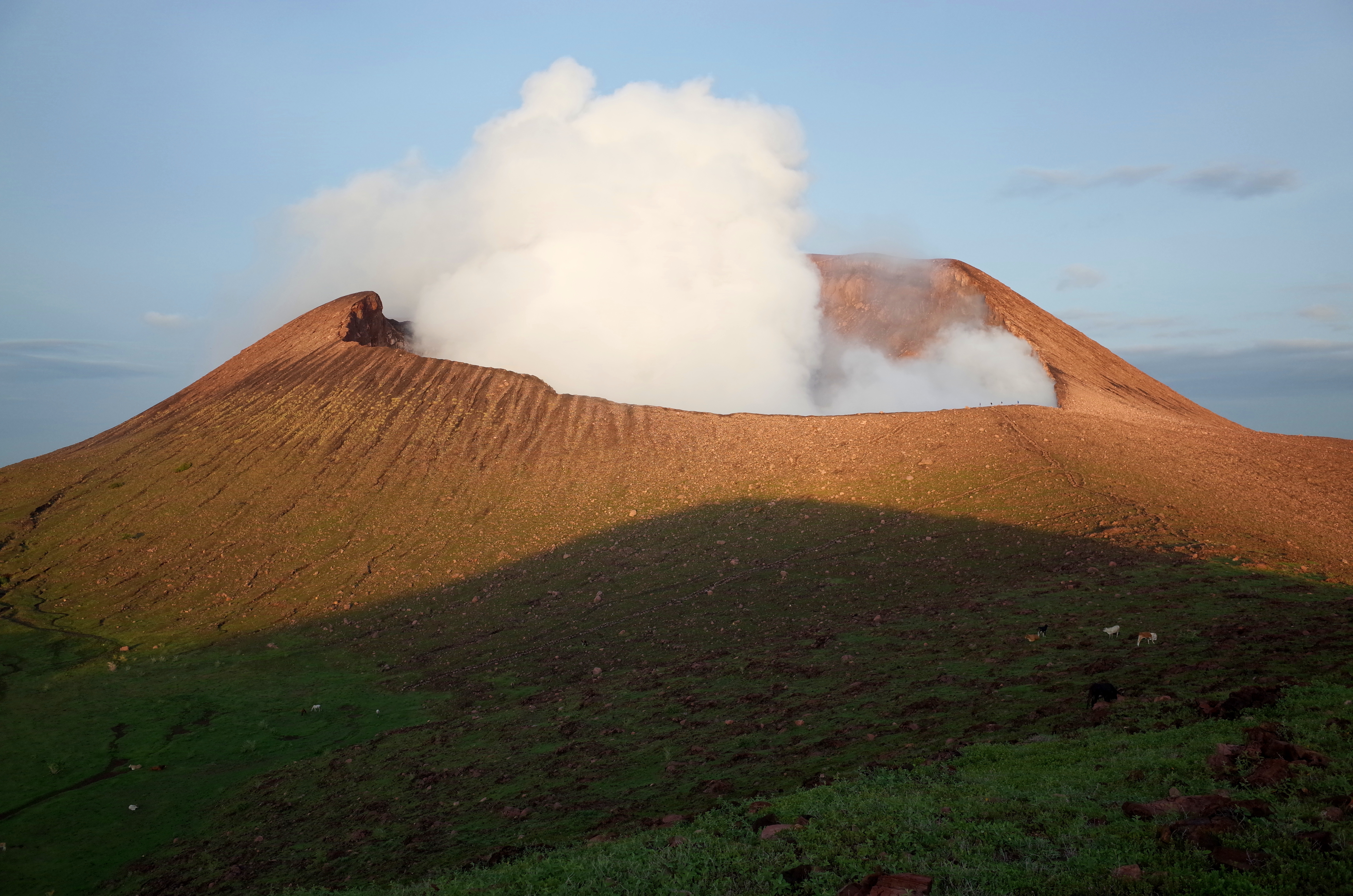
Nicaragua is wonderfully varied, and it’s common to experience hot, humid coastal weather, fresh breezes around the great lakes, and cooler evenings in the highlands, all in one trip. You might be exploring colonial streets in Granada under bright sunshine, hiking on volcanic slopes where the air feels cooler, and later unwinding on the Pacific coast where afternoons are warm and salty. The best way to stay comfortable (and make the most of every stop) is to pack lightweight, breathable clothing, a light waterproof for sudden showers, and something warmer for evenings, especially inland or if you’re travelling during the greener months.