
There is quite simply nowhere else on the planet like the archipelagos that make up the unique Galápagos Islands. This one-of-a-kind wildlife haven attracts animal and nature lovers from all over the world due to its diverse habitats, rare species, marine wonderland. This rich biodiversity is perhaps most famous for the crucial role it played in inspiring Darwin when developing his theory of evolution. Imagine casting your eyes over the sparkling sea waters where you can encounter a kaleidoscope of colourful fish or gazing upwards to witness mockingbirds swooping low, chittering away. In this guide, we unveil why the Galápagos Islands are the perfect destination for a wildlife lover’s holiday.
Galápagos wildlife guide & why the islands are so remarkable
No other destination comes close to the unique wildlife and experiences the Galápagos Islands can offer. Just off the coast of Ecuador, these remote islands are overflowing with incredible marine life and animals that don’t shy away from humans – you’ll feel like you’re truly in a nature documentary. Here’s what makes the Galápagos Islands so special:
Extraordinary wildlife you won’t find anywhere else
There are an incredible number of native animal species that are unique just to the Galápagos Islands. This is the only place you can see the Galápagos giant tortoise (as well as their nesting grounds!), an iconic symbol of the islands they are named after. As you explore the crystal-clear waters, you may be surprised to find marine iguanas – the world’s only lizards that swim and feed in the ocean. Flightless cormorants scatter the lava shorelines. These birds are the only cormorants that have lost the ability to fly, yet they thrive on these remote islands. Galápagos penguins, Darwin’s finches, blue-footed boobies; it’s amazing that these exceptionally diverse animals can be found nowhere else.
There’s another world beneath the waves
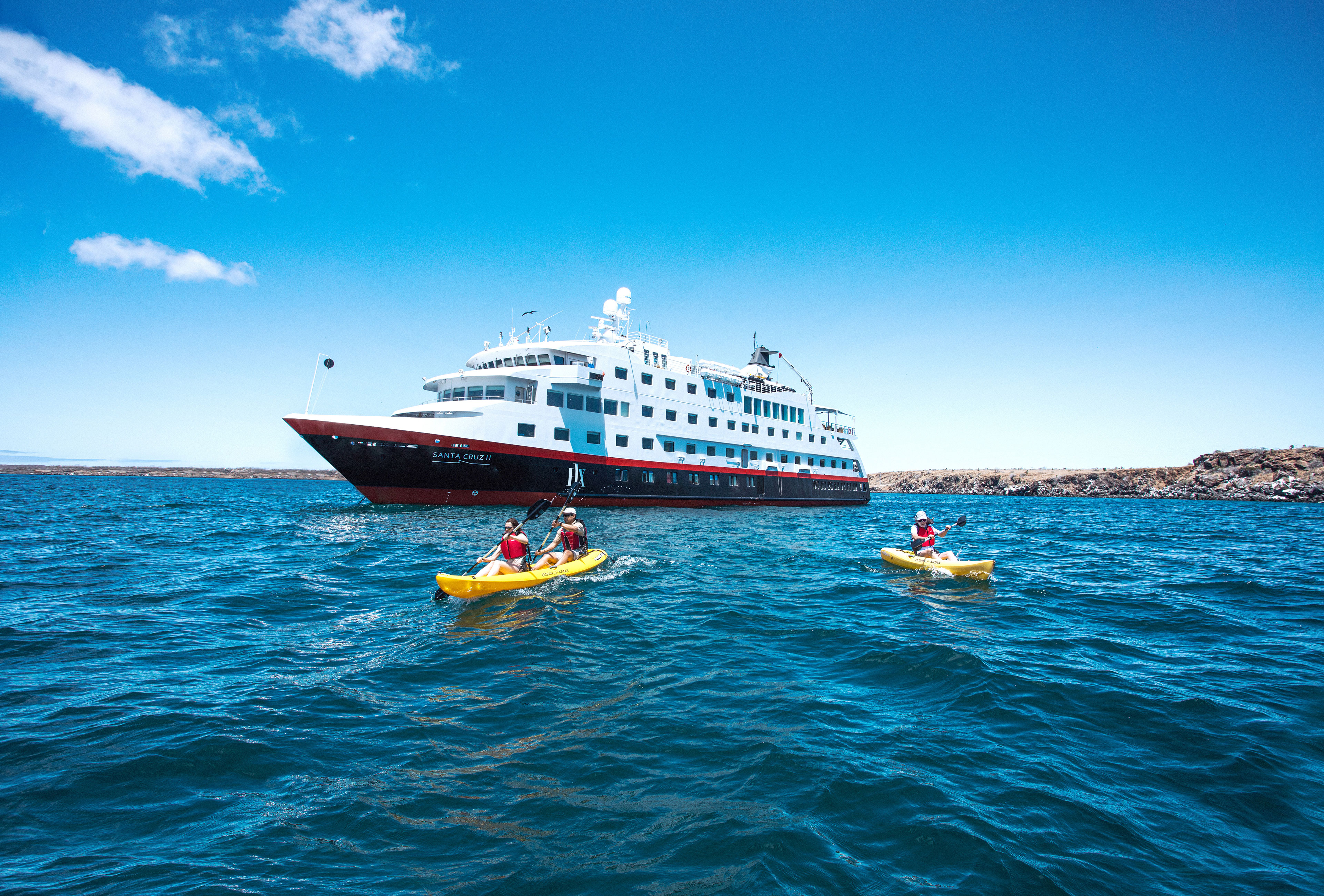
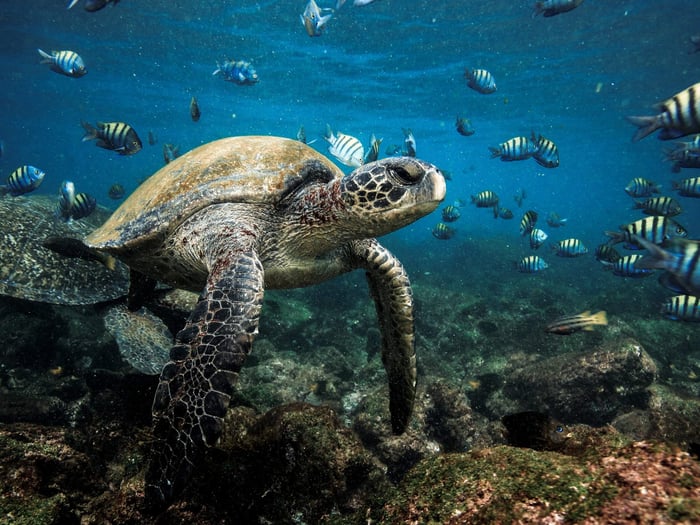
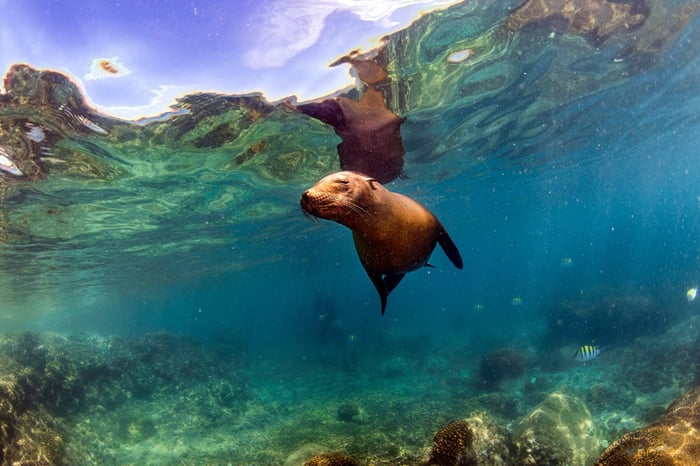
If you’d like to be transported into an underwater paradise, you can enjoy an exciting snorkelling adventure, exhilarating diving trip or a simple, relaxed swim off the peaceful beach. Imagine taking a refreshing dip in the ocean and coming within arm’s reach of manta rays or the striking parrotfish. Picture yourself sipping a cocktail upon a cruise ship and spying playful sea lions or whitetip reef sharks in the waves below. It’s not only the marine creatures that make the depths of the Galápagos come alive, there are also splatters of coral in all colours, sweeping underwater cliffs and the sheltered web of mangrove tree roots in the shallows.
Visit the contrastingly diverse habitats and landscapes
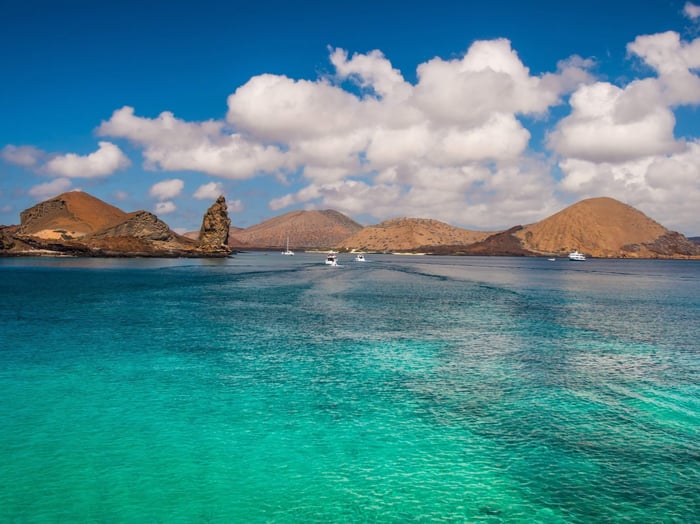
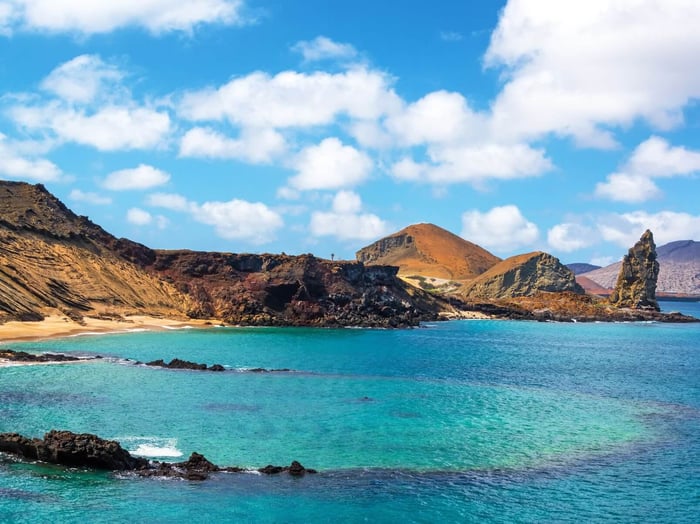
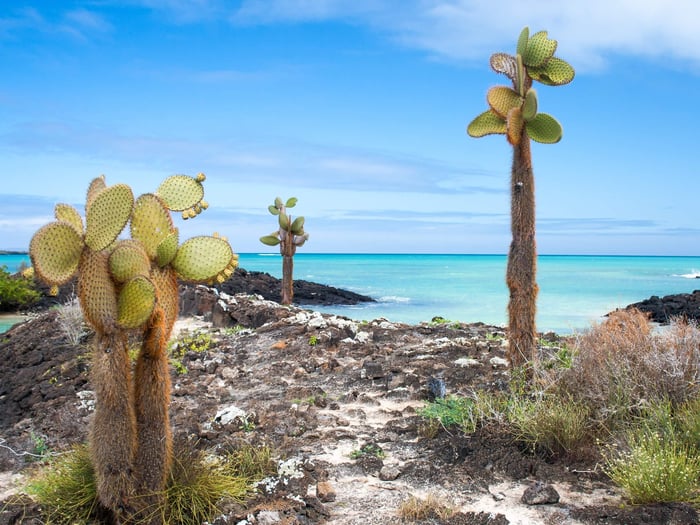
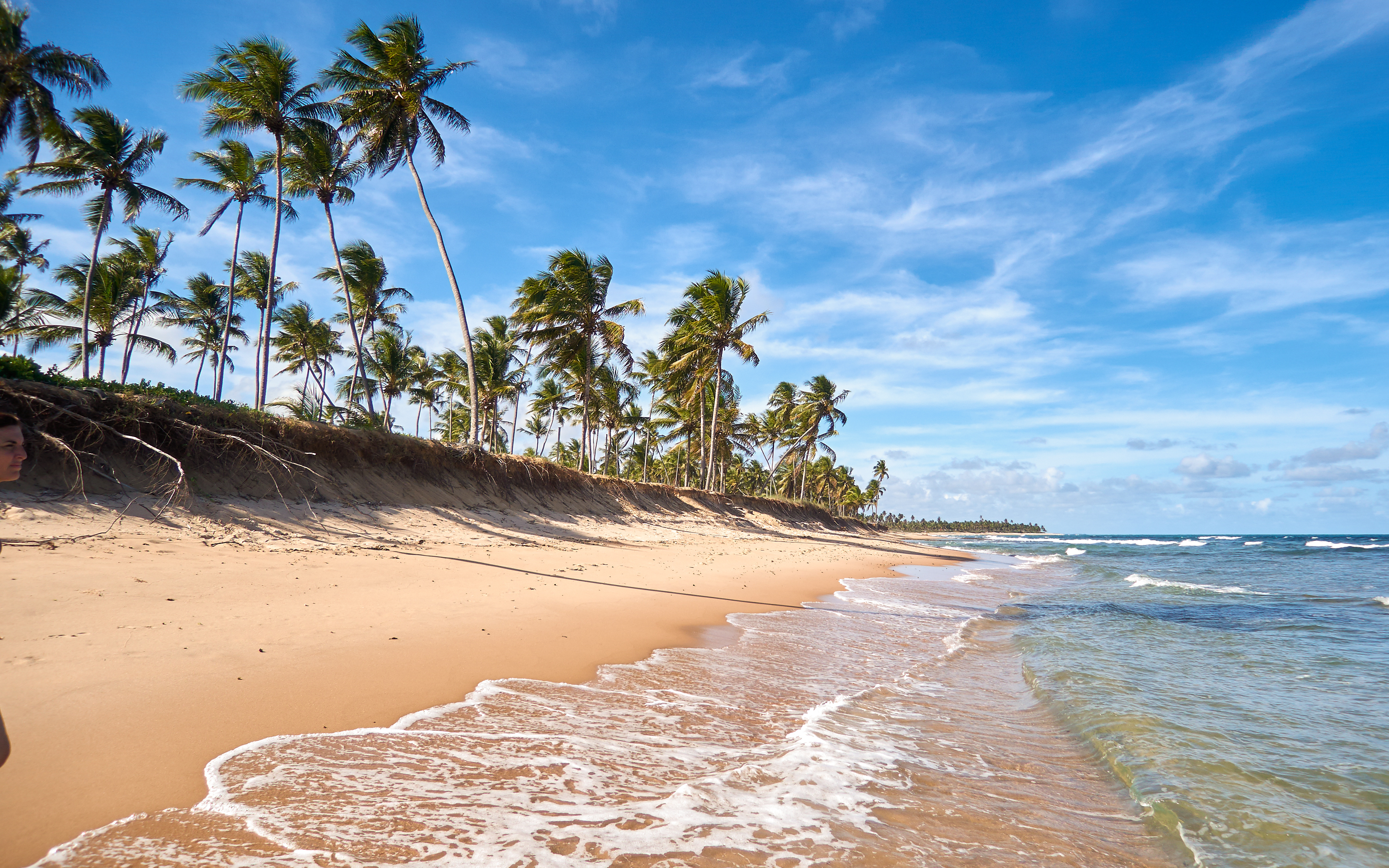
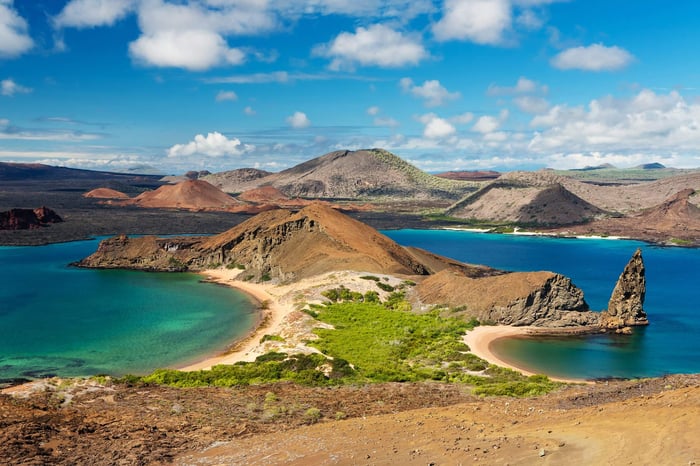
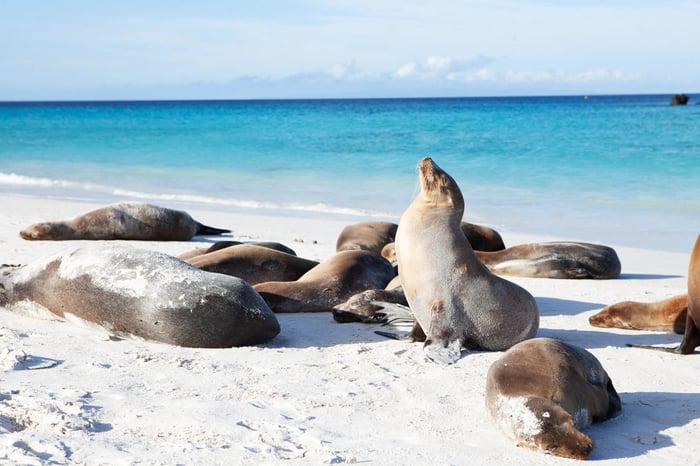
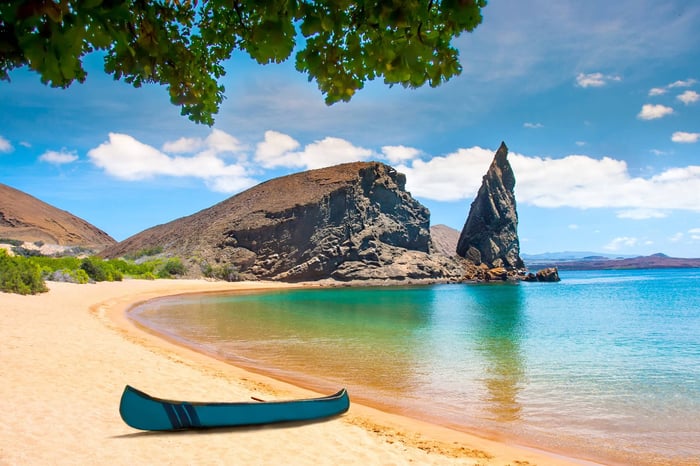
One of the reasons the Galápagos Islands play host to so many unique flora and fauna species is because of the incredibly diverse habitats spanning the archipelago. Not only do the stunning landscapes make for sensational photo opportunities, but wildlife enthusiasts will also be elated to explore what the different environments have to offer. Sticking to the volcanic lava fields, a barren yet fascinating expanse of broken crusts and twisted shapes, you can find lava lizards that blend into the rock or Galápagos hawks, hunting in the skies above. The white sand beaches offer sleepy sea lions, scuttling crabs and magnificent frigatebirds while the protective mangrove trees hide juvenile sharks or young sea turtles using the roots for refuge.
Outstanding conservation and responsible travel efforts
To help protect the diverse wildlife who make the islands their home, visitors must follow strict rules, such as not touching or feeding the animals, leaving rocks, shells and plants in their natural environment and staying on marked walking trails. Following these rules ensure the wildlife we love so much is able to flourish and remain thriving on the islands for many years to come. When visiting the Galápagos Islands (where 97% of its landmass is a national park), protected areas can only be entered with a certified naturalist guide, who will also be a knowledgeable expert to point out hidden animals or offer interesting facts along the tour.
Best locations to visit for wildlife in the Galápagos Islands
San Cristobal Island
This is the first place Charles Darwin visited on his expedition to the islands.
- Junco Lagoon - A freshwater lake in an extinct volcano crater where you can spot frigatebirds, pintail ducks and Chatham mockingbirds.
- Galápaguera – A giant tortoise breeding centre where you can see them in a semi-natural habitat. This conservation site helps recover the tortoise population by breeding them, then releasing them into the wild.
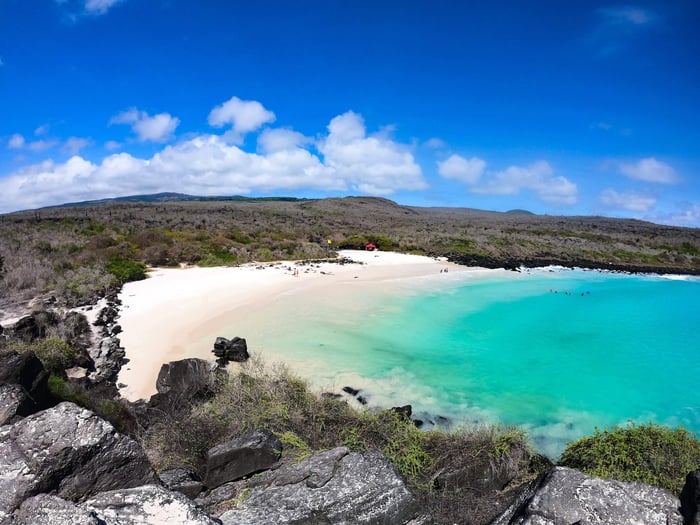
- Puerto Chino Beach – An idyllic beach and the perfect destination to view sea lions basking on the rocks, blue-footed boobies perched nearby and stingrays gliding in the ocean.
- Kicker Rock – Named aptly for its shoe-like appearance, Kicker Rock is a hot spot for snorkelling alongside sea turtles, marine iguanas and even hammerhead sharks.
Santa Cruz Island
The most populous and second largest island in the Galápagos.
- Charles Darwin Research Station – The largest and oldest science and conservation organisation in the Galápagos, this research station is a brilliant place for learning more about the conservation efforts on the island as well as viewing breeding programs, preserved specimens and informational exhibits.
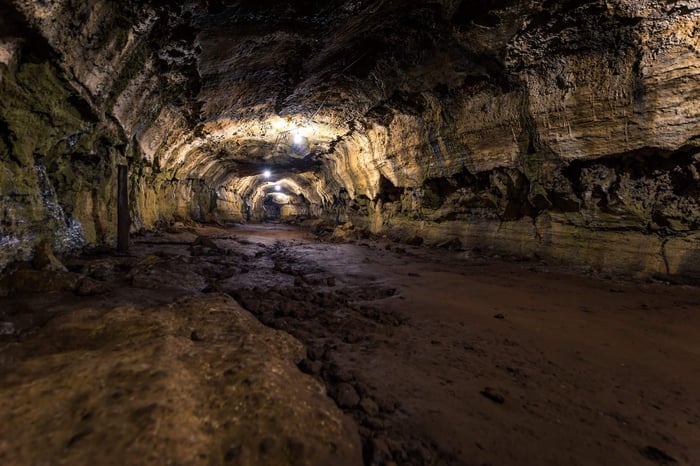
- Lava Tunnels – There are several lava tunnels which you can visit by tour. While the tunnels aren’t home to any large animals, you may be interested in cave insects and crustaceans as well as hardy plant species like lichen and moss that can be found there.
North Seymour Island
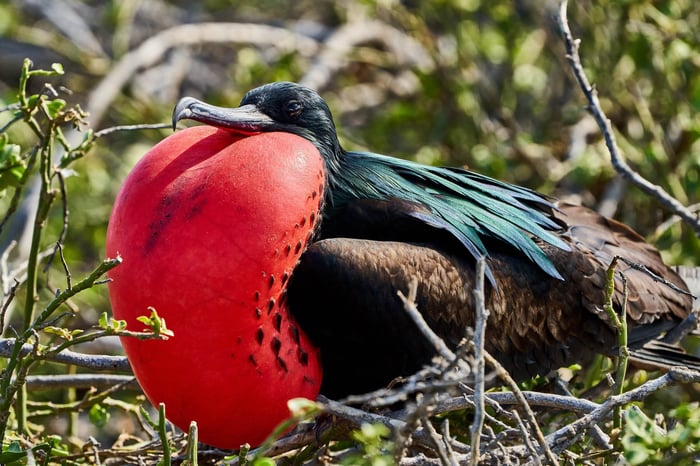
This relatively flat, uninhabited island is located at the centre of the archipelago and is home to a large colony of frigatebirds.
- Bachas Beach – This beach is an important nesting site for green turtles with a lagoon where migratory birds and flamingos come to feed.
Plan your dream Galápagos wildlife adventure with us today
The Galápagos Islands are a dream destination for wildlife enthusiasts everywhere! No matter the time of year, you’ll be able to witness the beautiful diversity of animal and plant life the archipelago has to offer. If you’re wanting to see the turtles nesting, flightless cormorants courting or humpback whales near the shore, take a look at our Galápagos Guide to discover the perfect time of year to visit. Explore our amazing selection of Galápagos Island holidays and don’t hesitate to contact our Travel Specialists today to get started.