
Few destinations in Latin America offer the same sense of discovery as Nicaragua. Still wonderfully authentic and full of character, it is a country where history and adventure meet across landscapes of lakes, volcanoes, rainforest and sea. You can wander through the pastel streets of Granada, hike through cloud forests in Matagalpa, and end your journey snorkelling in turquoise Caribbean waters, all within one itinerary. Let's explore the top things to see and do in our Nicaragua travel guide.
Nicaragua Travel Guide
Granada – colour, culture and lakeside calm
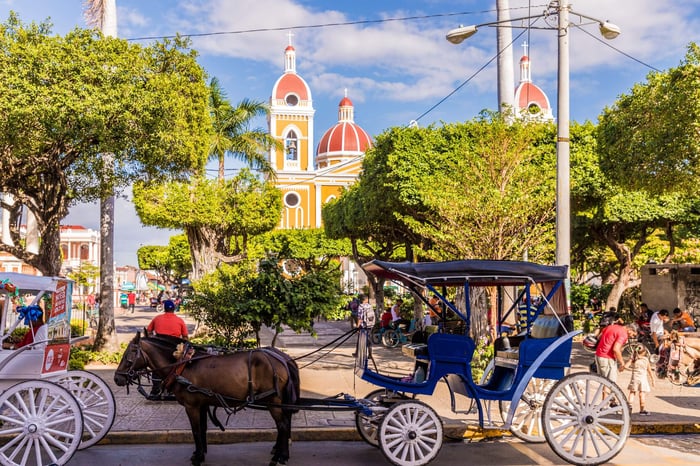
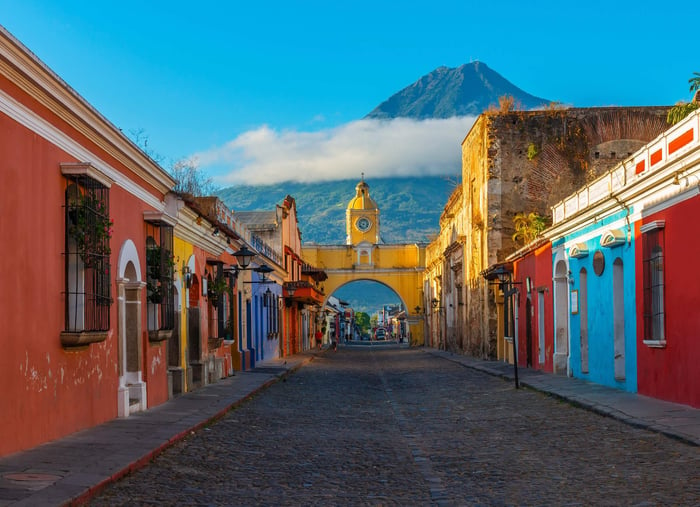
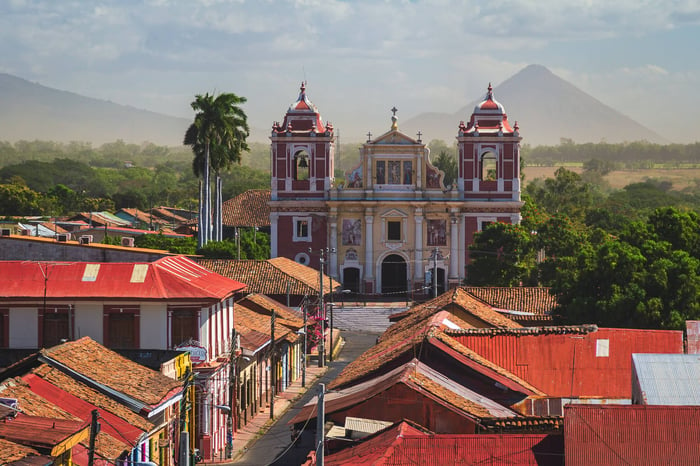
Few cities in Central America are as captivating as Granada. Founded in 1524, this lakeside treasure feels like it has been lifted straight from a painter’s palette, with its mustard-yellow cathedral, terracotta rooftops and cobbled lanes lined with bougainvillaea.
Spend your mornings exploring the Central Plaza, browsing local markets and admiring the colonial architecture that tells stories of Nicaragua’s Spanish past. In the afternoon, take a boat trip around the Isletas de Granada, a chain of small volcanic islands scattered across Lake Nicaragua, home to herons, cormorants and friendly island communities.
Adventurous travellers can climb or drive up Mombacho Volcano to wander its cloud forest trails, where orchids cling to the trees and mist curls through the canopy. On the way back, stop at Catarina Viewpoint for sweeping views across Apoyo Lagoon.
Top tip: Visit Mombacho Volcano in the morning when the clouds have not yet rolled in. The light is perfect for photography, and the walking trails are peaceful at that time of day.
León – art, history and fiery adventure
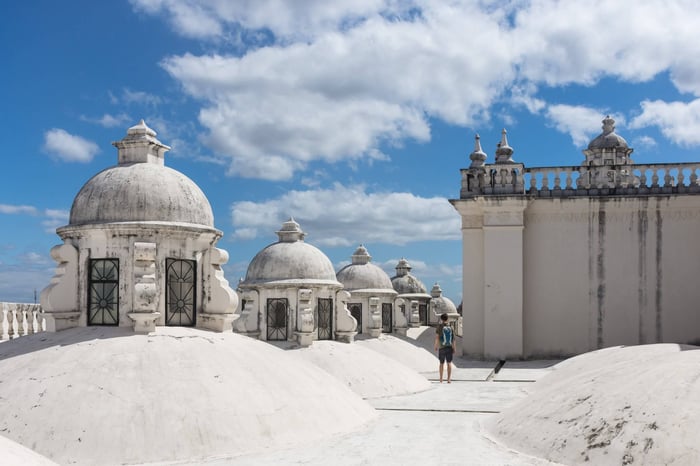
Where Granada exudes elegance, León is full of energy. This lively university city is the cultural heart of Nicaragua, home to revolutionary murals, contemporary art galleries and a skyline of historic churches.
Start your visit at the magnificent León Cathedral, a UNESCO World Heritage Site with panoramic rooftop views stretching to the volcanic chain beyond. Wander through the city’s streets to discover colourful murals, visit the Ortíz Gurdián Foundation Art Gallery, and enjoy a long lunch in a shady courtyard with a glass of cold local Toña beer.
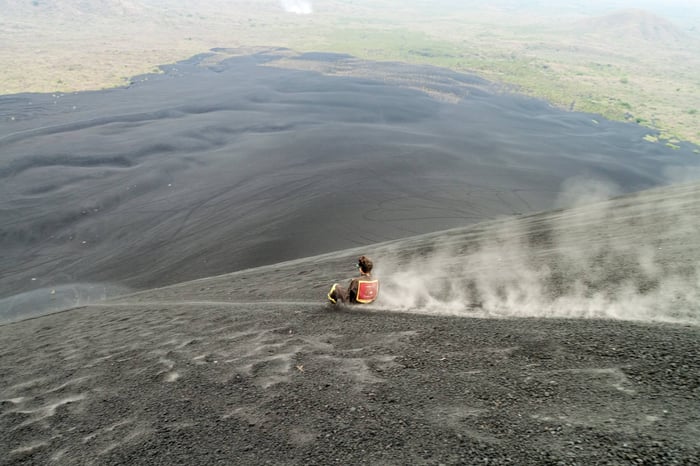
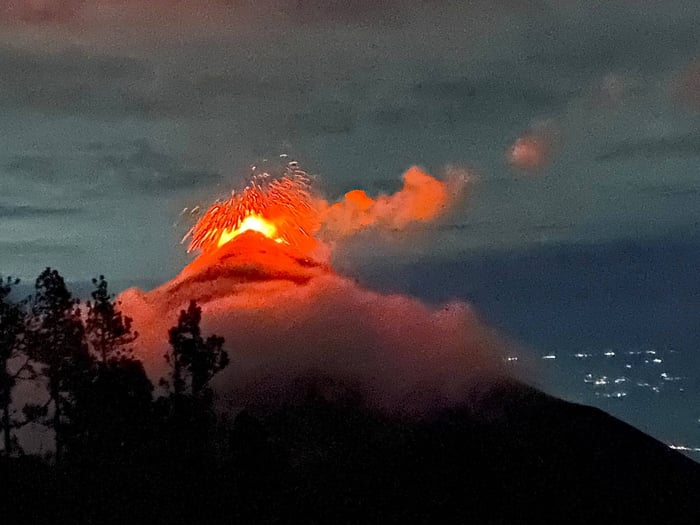
Beyond the city lies one of Nicaragua’s most thrilling adventures: sand-boarding on Cerro Negro Volcano. Hike up the jet-black slopes of this active volcano before racing back down on a board, a unique experience that captures the country’s spirit of adventure.
Top tip: Go with a local guide who provides safety gear and transport from León. After your volcano adventure, relax in the nearby village of Las Peñitas, where the Pacific surf rolls onto quiet golden sands.
Matagalpa and the northern highlands – coffee, cloud forest and calm
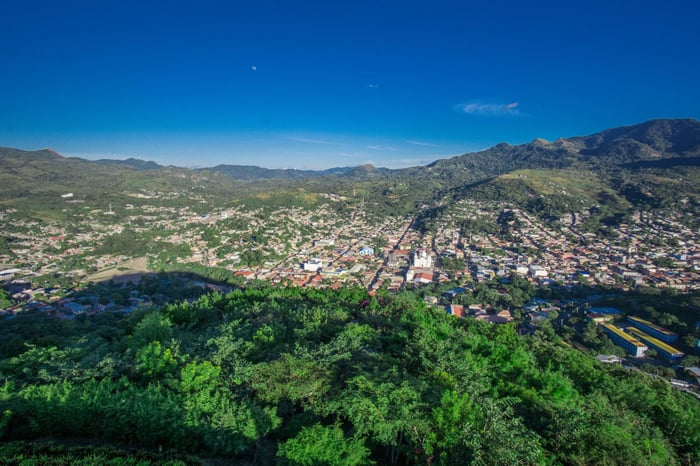
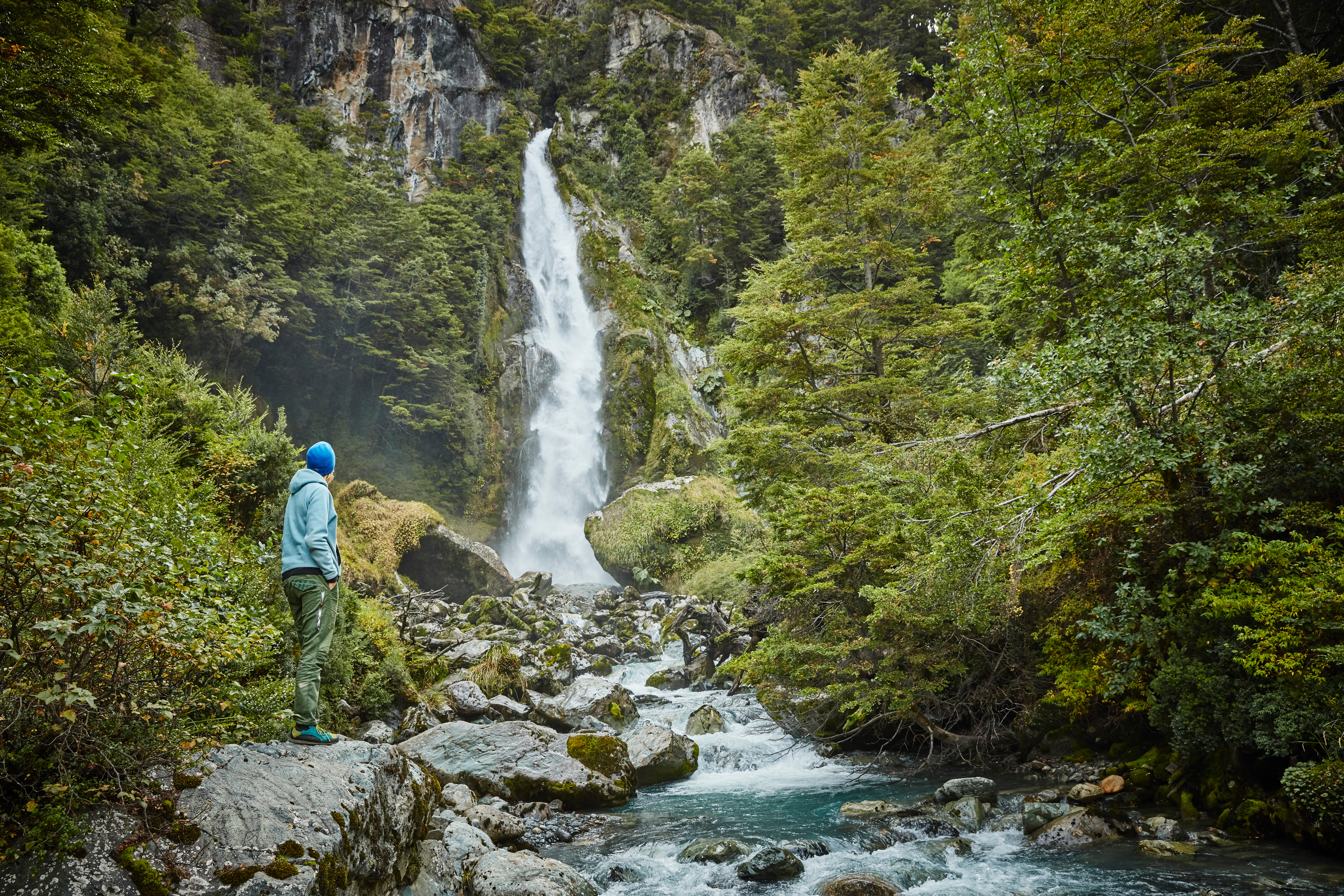
If you are looking for cooler temperatures and mountain scenery, head north to Matagalpa and Jinotega. These highland towns are the heart of Nicaragua’s coffee region, surrounded by rolling hills, misty forests and fertile valleys alive with birdsong.
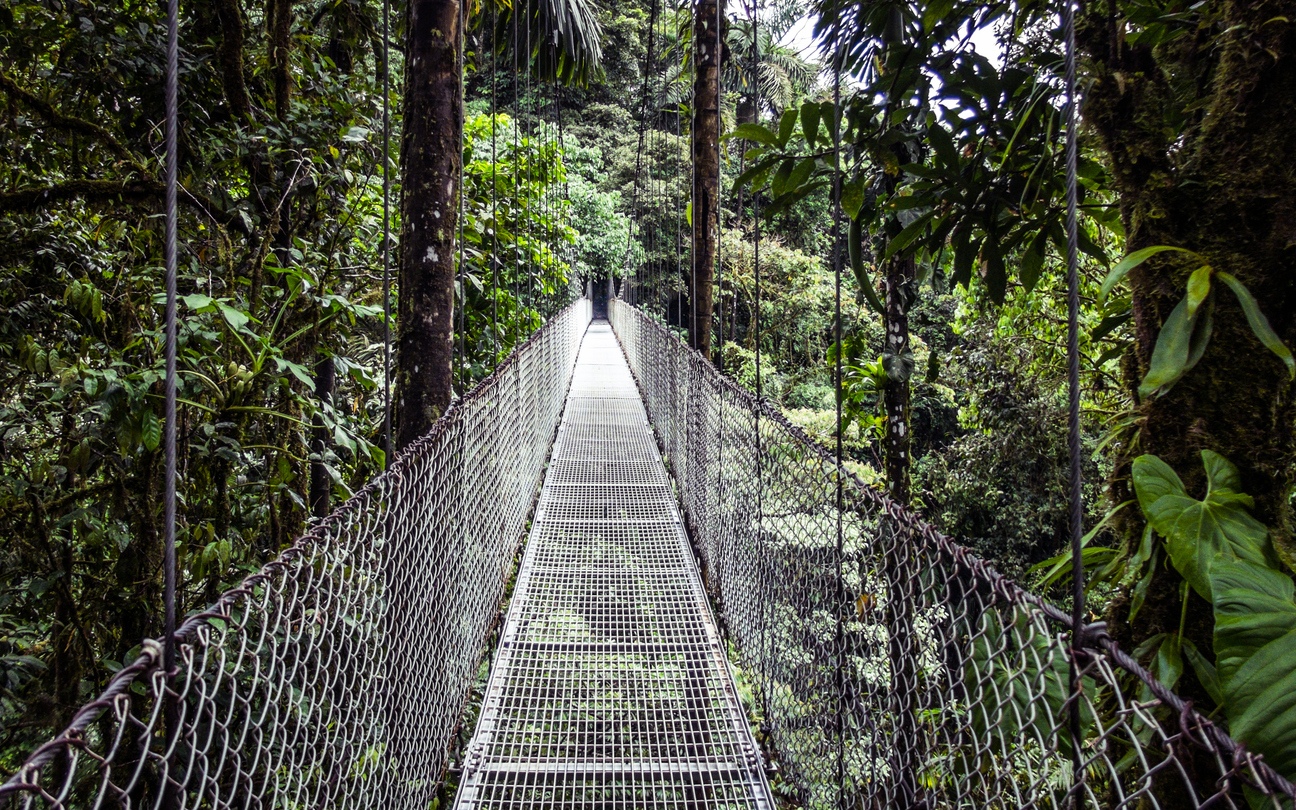
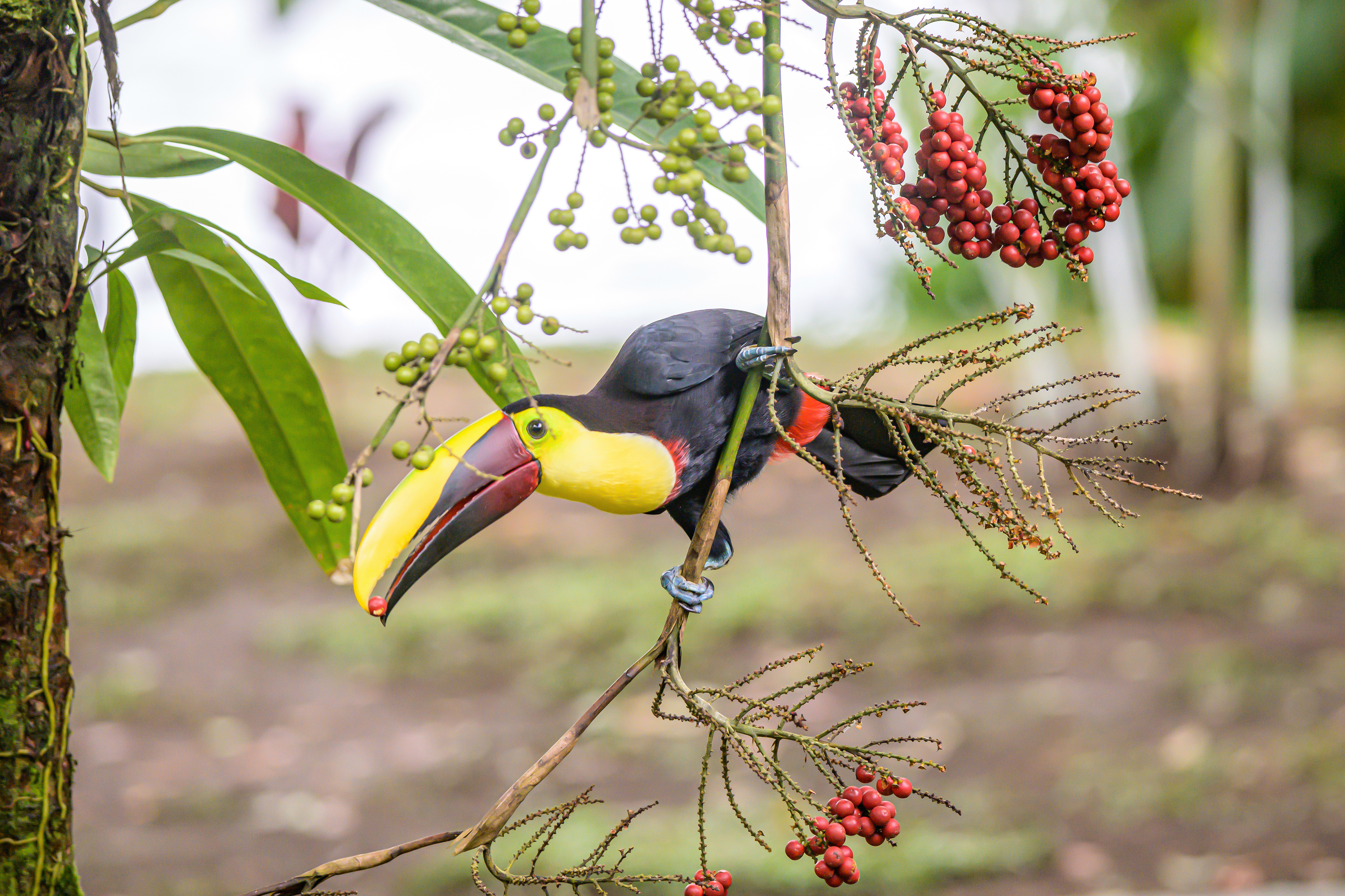
Stay in an eco-lodge or working plantation to experience life on a coffee estate. Guided tours take you through every step of the process, from bean to cup, often ending with tastings of Nicaragua’s finest blends. Walking trails weave through Selva Negra Reserve, a protected pocket of cloud forest where quetzals, toucans and howler monkeys can all be seen.
Evenings here are quiet and peaceful, filled with the scent of pine and the sound of crickets in the cool mountain air. It is an ideal retreat after the bustle of the cities.
Top tip: Visit between November and February during the coffee harvest season. You will see the cherries being picked, roasted and brewed, and can even join workers for a hands-on experience.
Ometepe Island – volcanoes, rivers and ancient secrets
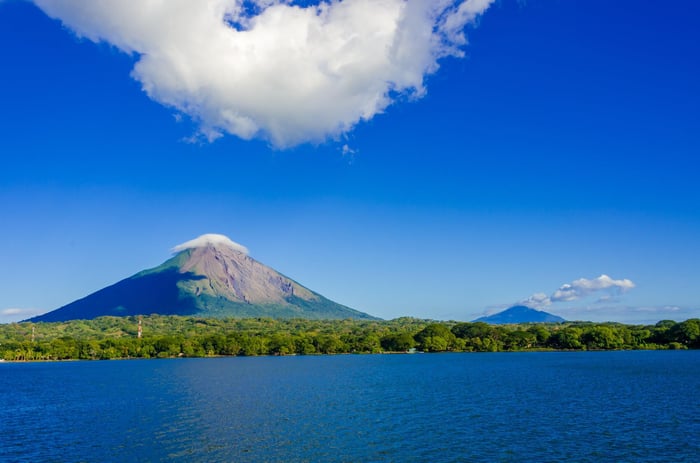
Emerging from the blue expanse of Lake Nicaragua, Ometepe Island feels like a world apart. Shaped by two volcanoes, Concepción and Maderas, it is a landscape of black-sand beaches, rainforest, rivers and rural tranquillity.
For the adventurous, hiking up Concepción Volcano offers a rewarding challenge and sweeping views from the summit. Those seeking a gentler pace can explore Charco Verde Nature Reserve, paddle along the Istian River in search of monkeys and herons, or discover pre-Columbian petroglyphs carved into ancient stones.
Evenings on Ometepe are peaceful, with glowing sunsets, the sound of cicadas and the silhouettes of volcanoes mirrored in the lake. Accommodation ranges from rustic eco-lodges to boutique stays with open terraces and lake views.
Top tip: There are few cash machines on the island, so withdraw what you need before taking the ferry from San Jorge. Booking transfers in advance is also recommended, as taxis can be limited in rural areas.
San Juan del Sur – golden beaches and relaxed coastal living
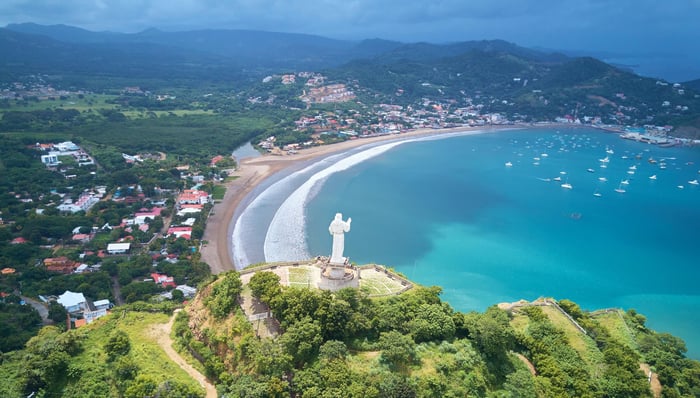
The Pacific coast town of San Juan del Sur offers a blend of comfort and laid-back charm. Once a sleepy fishing village, it is now Nicaragua’s most popular seaside retreat, framed by green hills and crescent-shaped bays.
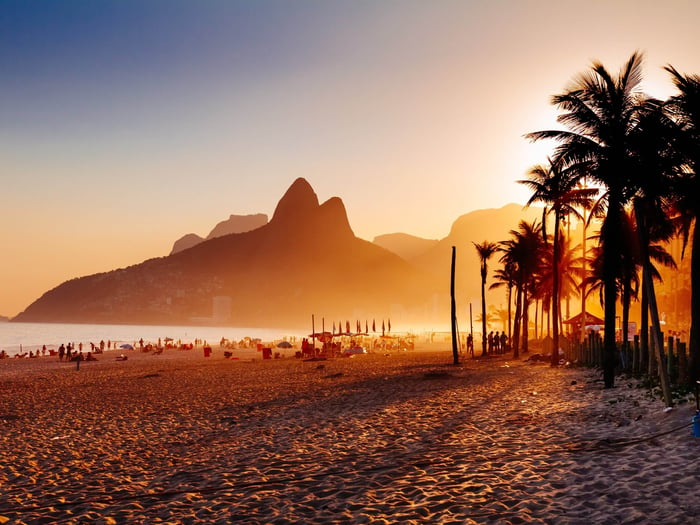
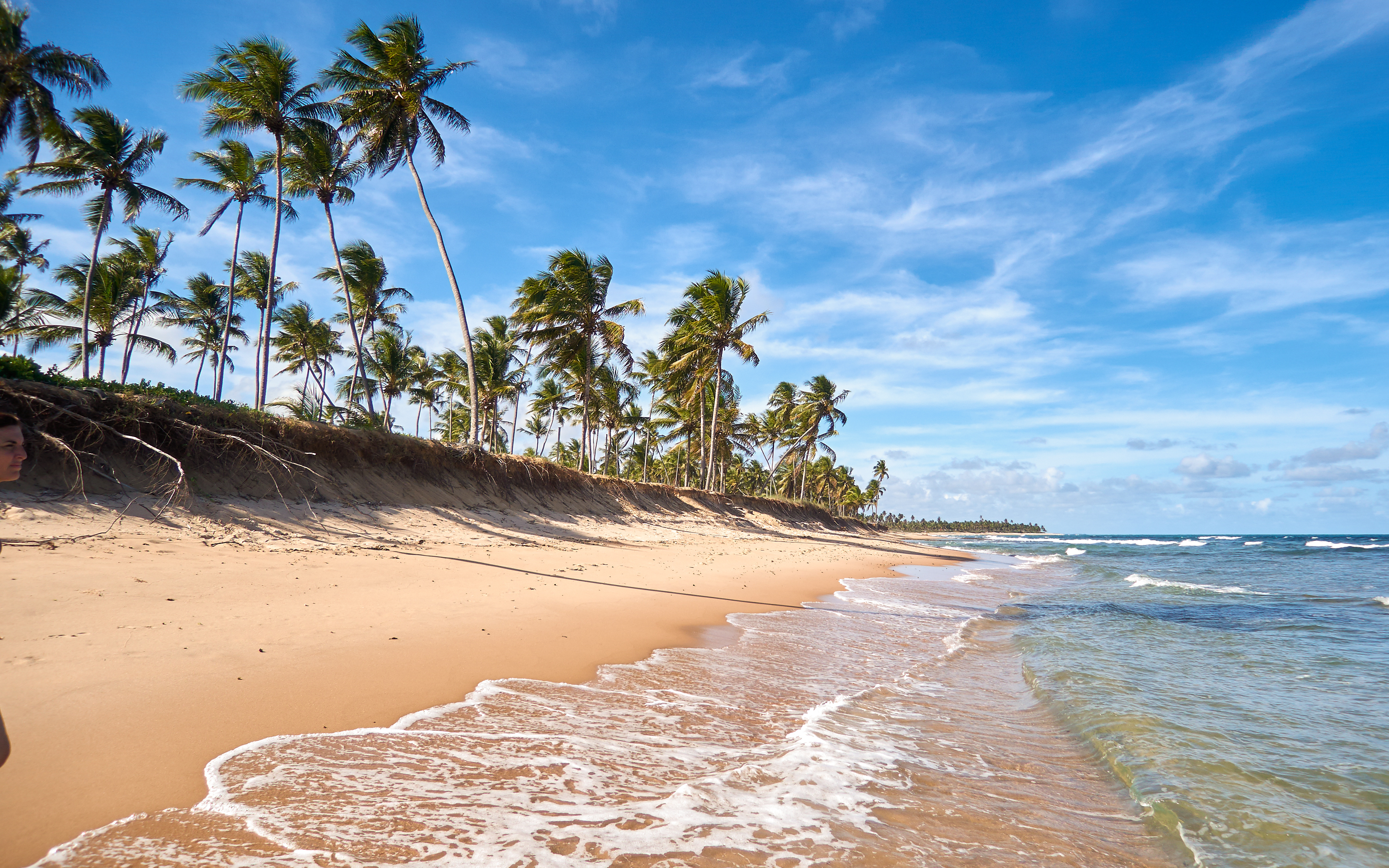
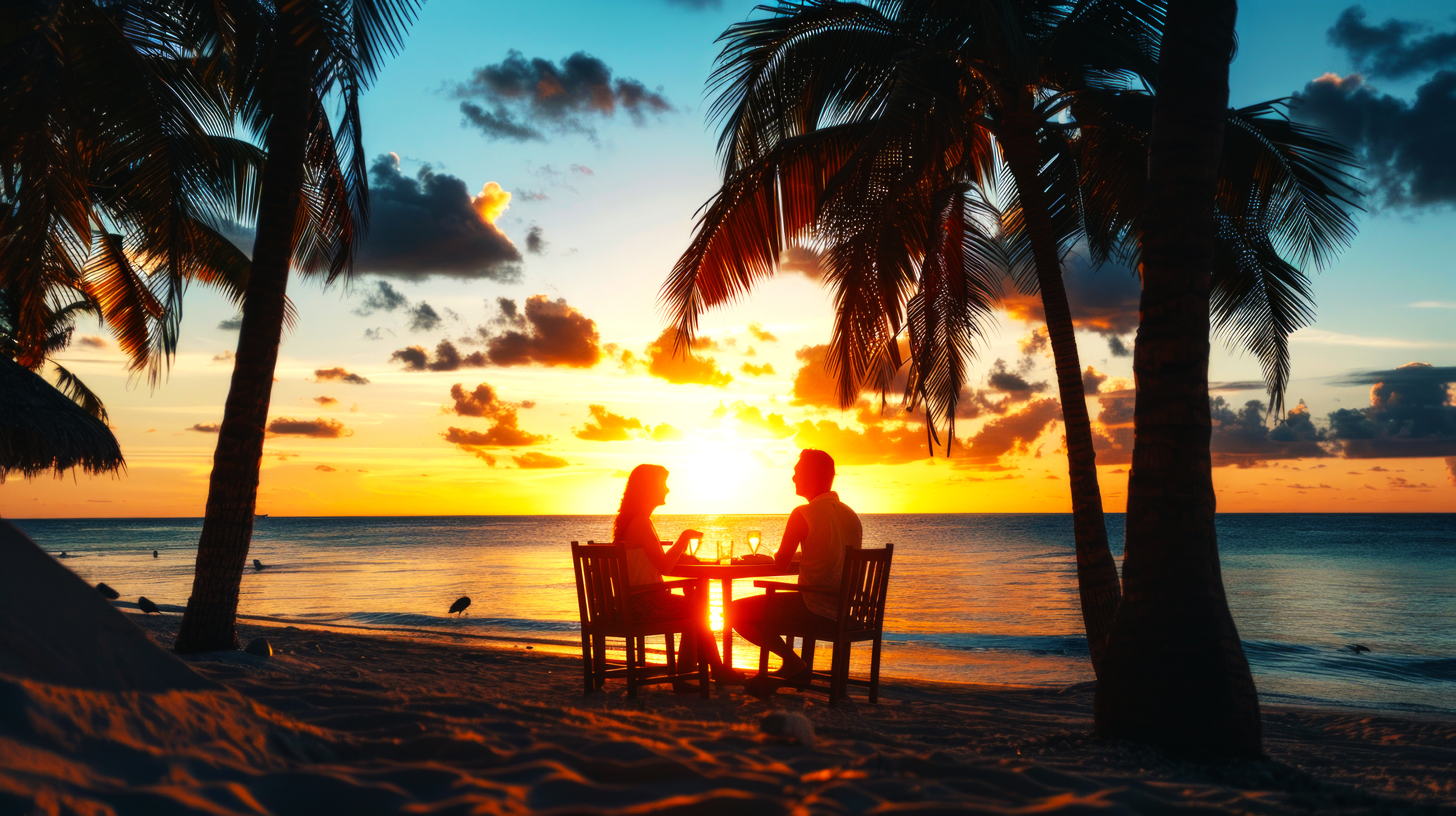
Spend your mornings swimming or surfing at Playa Maderas or Playa Hermosa, both easy to reach by private transfer or car hire. After a day in the sun, return to town for grilled seafood, fresh ceviche and a cold drink overlooking the water as the sky turns pink and gold.
The surrounding coastline is dotted with smaller beaches and eco-retreats, perfect for travellers seeking peace and privacy. Inland, you can visit turtle nesting sites, ride horses along the sand or join a yoga class overlooking the ocean.
Top tip: Climb to the Christ of the Mercy statue above town for a panoramic sunset view. The light over the bay is spectacular and well worth the short hike.
The Corn Islands – turquoise seas and island serenity
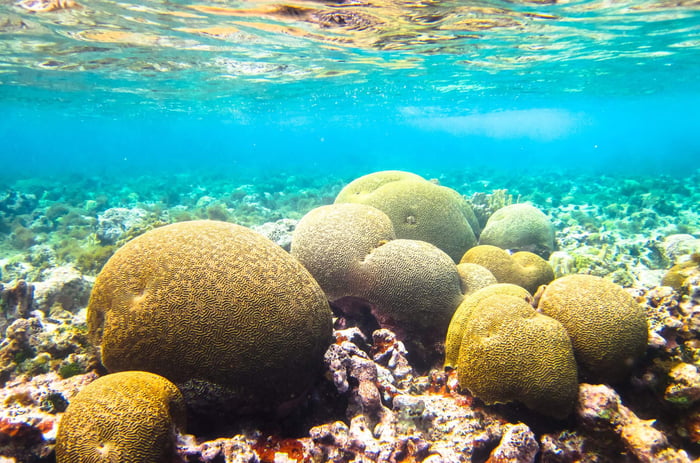
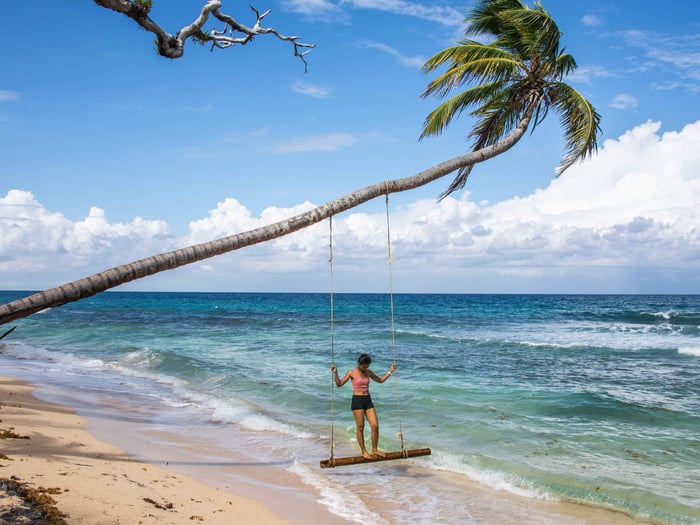
Off the country’s Caribbean coast, the Corn Islands, Big Corn and Little Corn, are two tiny tropical escapes surrounded by clear turquoise water and white-sand beaches. Life here moves slowly, with days spent snorkelling, swimming and relaxing beneath swaying palms.
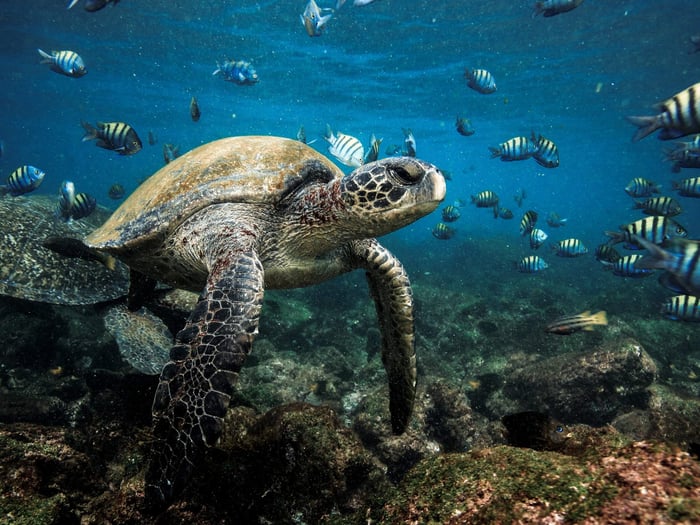
Big Corn Island has a few small resorts and dive centres, while Little Corn Island is car-free and wonderfully peaceful, with sandy paths, wooden bungalows and the occasional reggae bar. The reefs surrounding the islands are rich with tropical fish, rays and sea turtles, and diving conditions are excellent year-round.
This side of Nicaragua has a distinct Afro-Caribbean influence, with Creole English spoken alongside Spanish. Enjoy fresh lobster, coconut bread and rum cocktails as you watch the sun sink into the sea, the perfect finale to any Nicaraguan adventure.
Top tip: Stay at least three nights on Little Corn Island to truly relax and adjust to island time. Pack light, as access is by small boat from Big Corn and luggage space is limited.
Tips for planning your holiday to Nicaragua:
• Best time to visit: December to May brings dry, sunny weather and green landscapes after the rains.
• Getting around: Private transfers and car hire are the most comfortable ways to explore. Roads between major destinations are improving, though rural areas can still be rugged.
• Responsible travel: Choose eco-friendly lodges, refill your bottles and support locally owned businesses to help preserve Nicaragua’s pristine environments.
• Currency: The Nicaraguan Córdoba is the official currency, though US dollars are widely accepted.
A country of contrasts
From the pastel façades of Granada to the surf beaches of San Juan del Sur, the misty mountains of Matagalpa to the calm, turquoise waters of the Corn Islands, Nicaragua rewards every traveller with a sense of discovery.
It is a country that still feels untouched, where authenticity shines through in every smile, every meal and every moment shared with the people who call it home. Whether you come for adventure, culture or simply to unwind, Nicaragua’s beauty and warmth will stay with you long after you return.
Ready to plan your holiday to Nicaragua?
Speak with one of our Latin America specialists today to create your own tailor-made Nicaragua holiday. From handpicked boutique stays to authentic local experiences, we will design a journey that captures the very best of this remarkable country.
If you enjoyed our Nicaragua Travel Guide, browse more guides here.
FAQs
When is the best time to visit Nicaragua?
The best time to visit Nicaragua is during the dry season from December to May, when days are sunny, rainfall is minimal, and conditions are perfect for exploring. This is the ideal period for city sightseeing, volcano hiking and beach relaxation. The rainy season (June to November) brings lush landscapes and fewer visitors, particularly rewarding for photographers and nature enthusiasts.
How long should I spend in Nicaragua?
A trip of 10 to 14 days allows time to explore Nicaragua’s highlights at a relaxed pace. With this amount of time, you can combine Granada and León with the coffee highlands, Ometepe Island, and the Pacific coast. If you wish to include the Corn Islands in the Caribbean, allow at least three extra nights for travel and island time.
Do I need a visa to visit Nicaragua?
British citizens do not require a visa for visits of up to 90 days. You will need a passport valid for at least six months beyond your travel dates, and you may be asked to show proof of onward travel. On arrival, there is a small entry fee (usually payable in US dollars).
What currency is used in Nicaragua?
The local currency is the Nicaraguan Córdoba (C$), though US dollars are widely accepted in most tourist areas, hotels and restaurants. It is a good idea to carry small denominations in cash for local markets, taxis and smaller shops. ATMs are available in cities such as Granada, León and Managua, but can be limited in rural areas and on islands such as Ometepe or Little Corn.
What language is spoken?
Spanish is the official language, and English is spoken in some tourist areas and along the Caribbean coast. Learning a few words of Spanish, such as gracias and por favor, is always appreciated and enhances your travel experience.
How do I travel around Nicaragua?
The most comfortable and reliable way to explore Nicaragua is by private transfer or car hire. Roads between major destinations such as Granada, León and San Juan del Sur are in good condition, though some rural routes may be unpaved. Domestic flights are available between Managua and the Corn Islands, with short boat transfers linking Big Corn and Little Corn.
What should I pack for Nicaragua?
Lightweight clothing, comfortable walking shoes and breathable fabrics are essential for warm weather. Include a light rain jacket if travelling during the wet season, and a jumper or fleece for the cooler highlands. Bring insect repellent, reef-safe sun cream, and a reusable water bottle for eco-friendly travel.
What local dishes should I try?
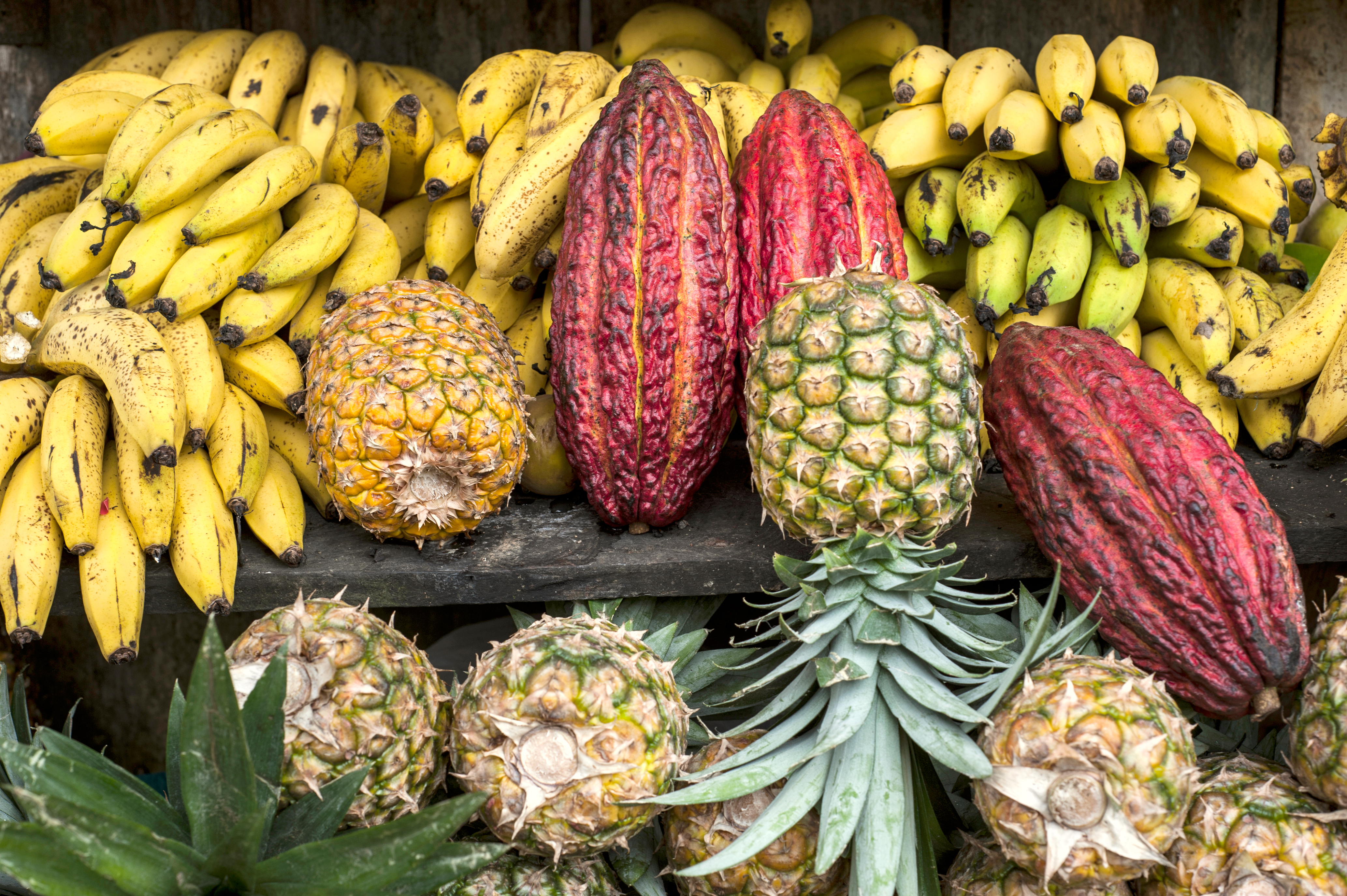
Nicaraguan cuisine is hearty, fresh and flavourful. Try gallo pinto, a traditional mix of rice and beans served at almost every meal, as well as quesillo (soft cheese in a tortilla with cream), vigorón (yuca with pork crackling and cabbage salad), and fresh ceviche along the coast. For drinks, sample local Flor de Caña rum or freshly brewed highland coffee.