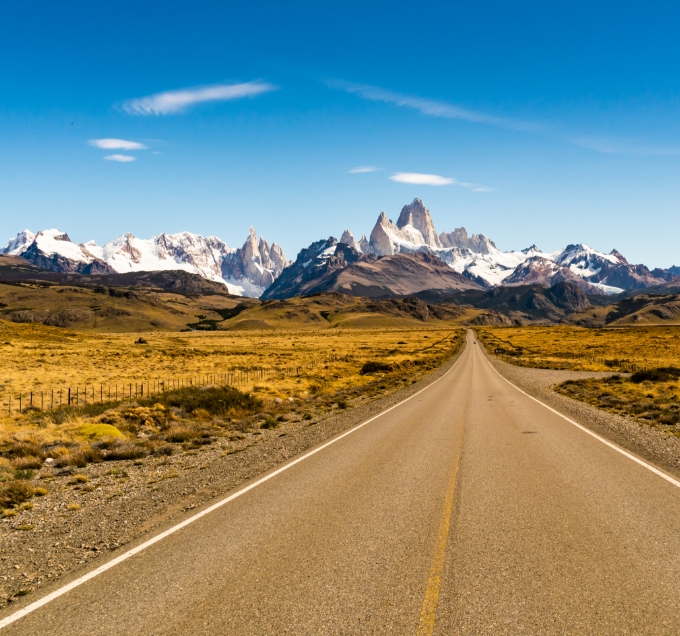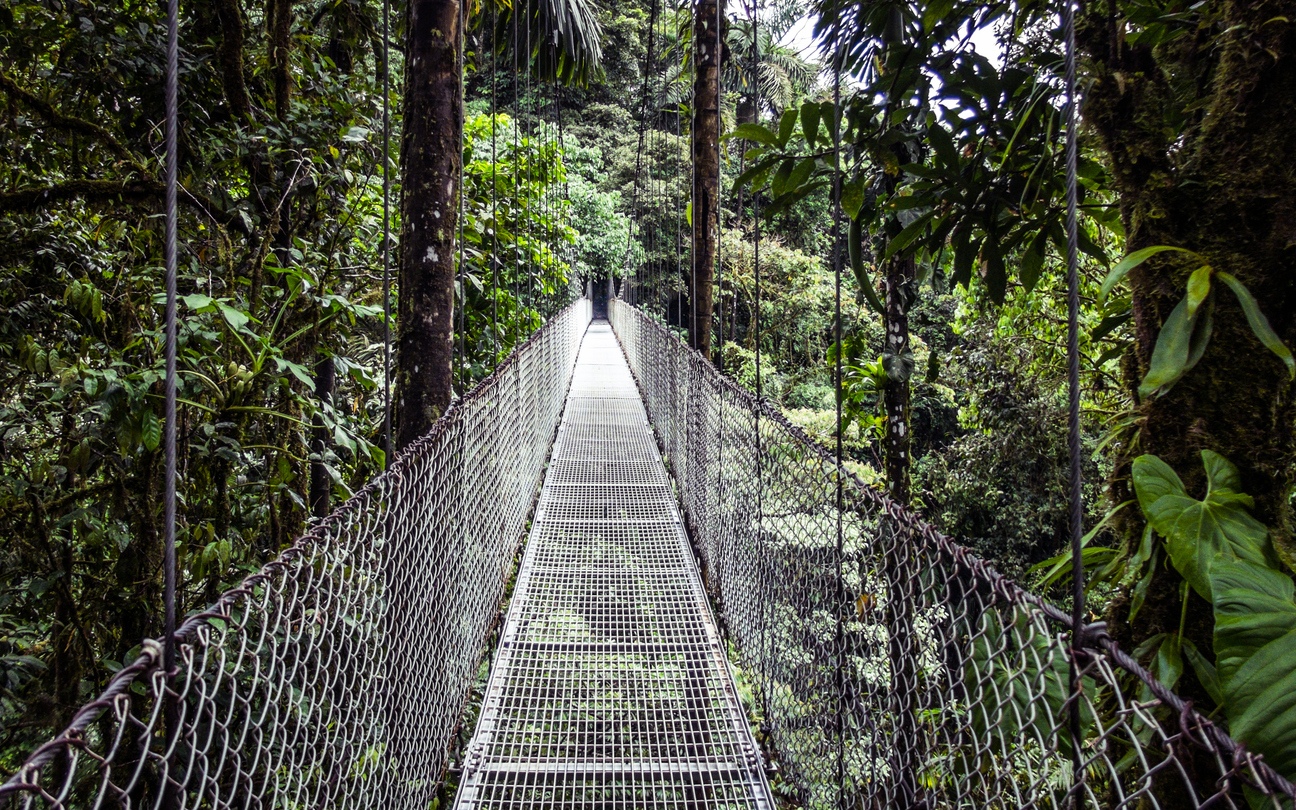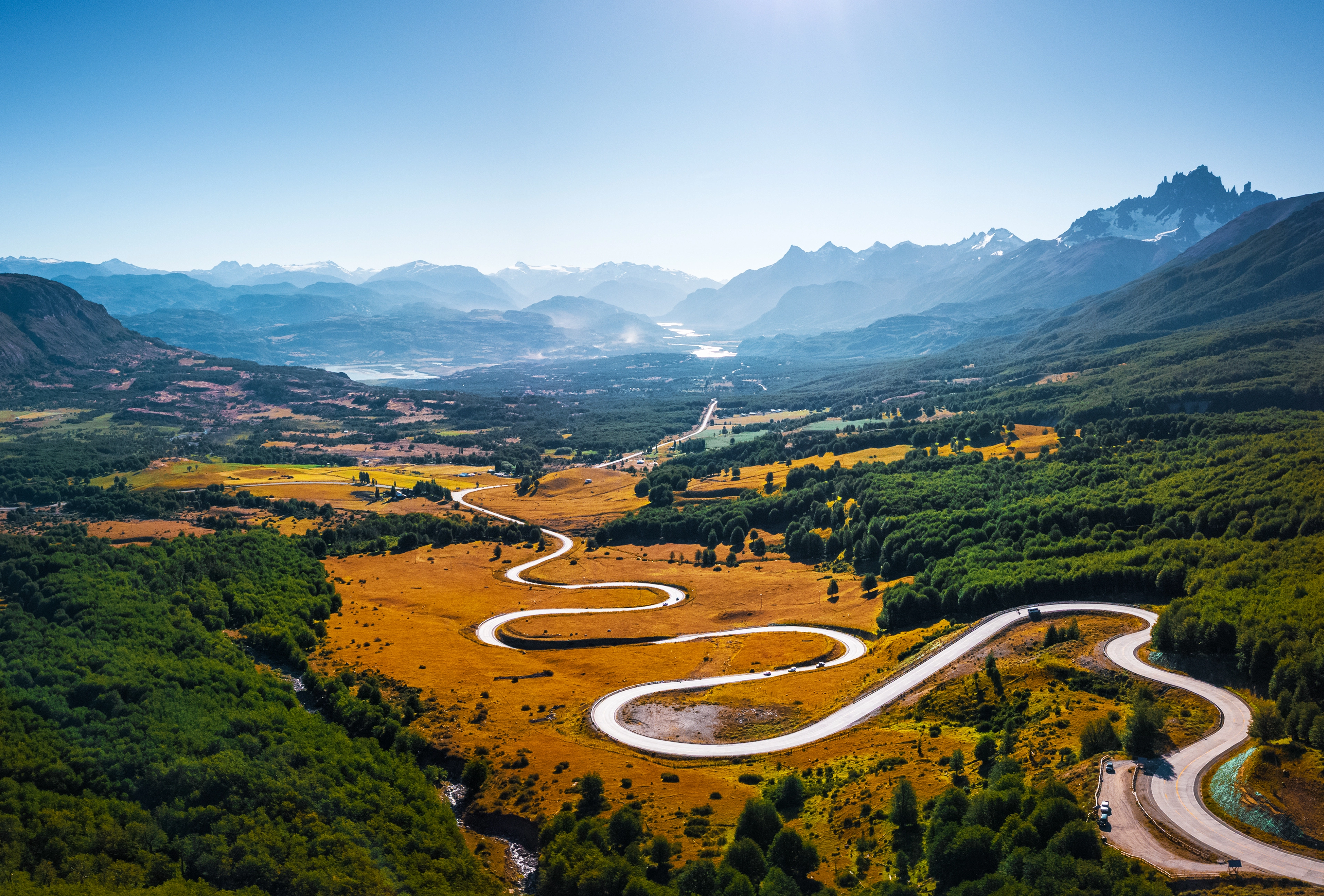

As one of the world’s ten largest countries, Argentina is a land of spectacular contrasts. From tropical rainforests and thundering waterfalls to glaciers, desert valleys and vast salt plains, its landscapes are as diverse as they are dramatic. The cities may pulse with energy and culture, but it is beyond the urban rhythm that many of the most unforgettable natural wonders in Argentina are found, revealing a country where nature captivates at every turn. Below, we explore some of Argentina’s most remarkable landscapes, each offering an unforgettable glimpse into its wild and beautiful character.
Our Favourite Natural Wonders of Argentina
Iguazu Falls
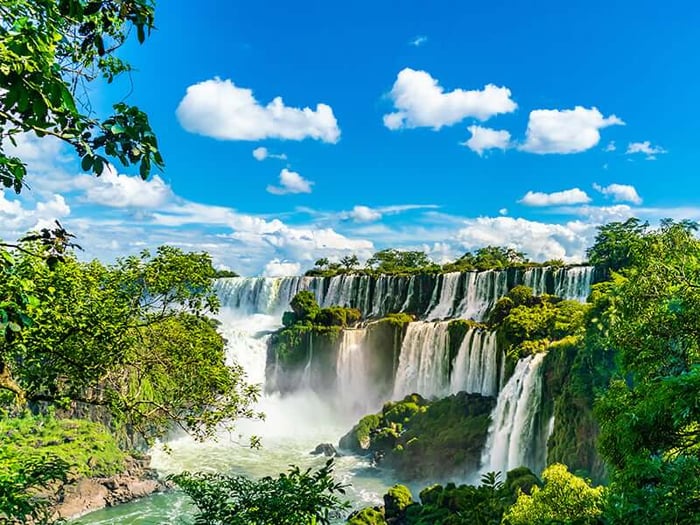
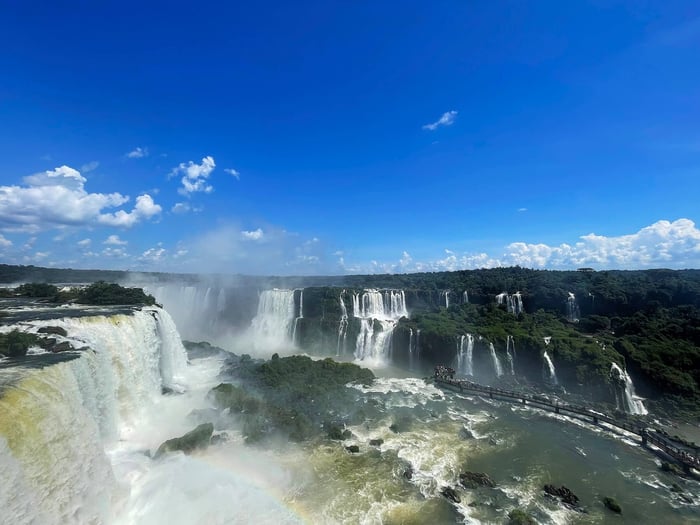
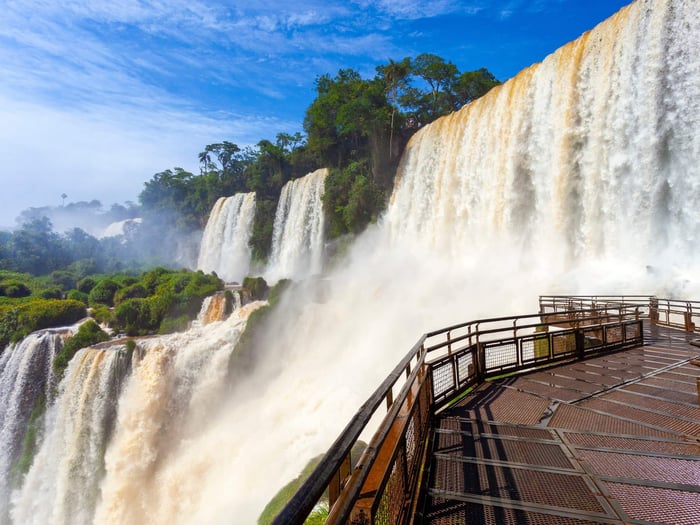
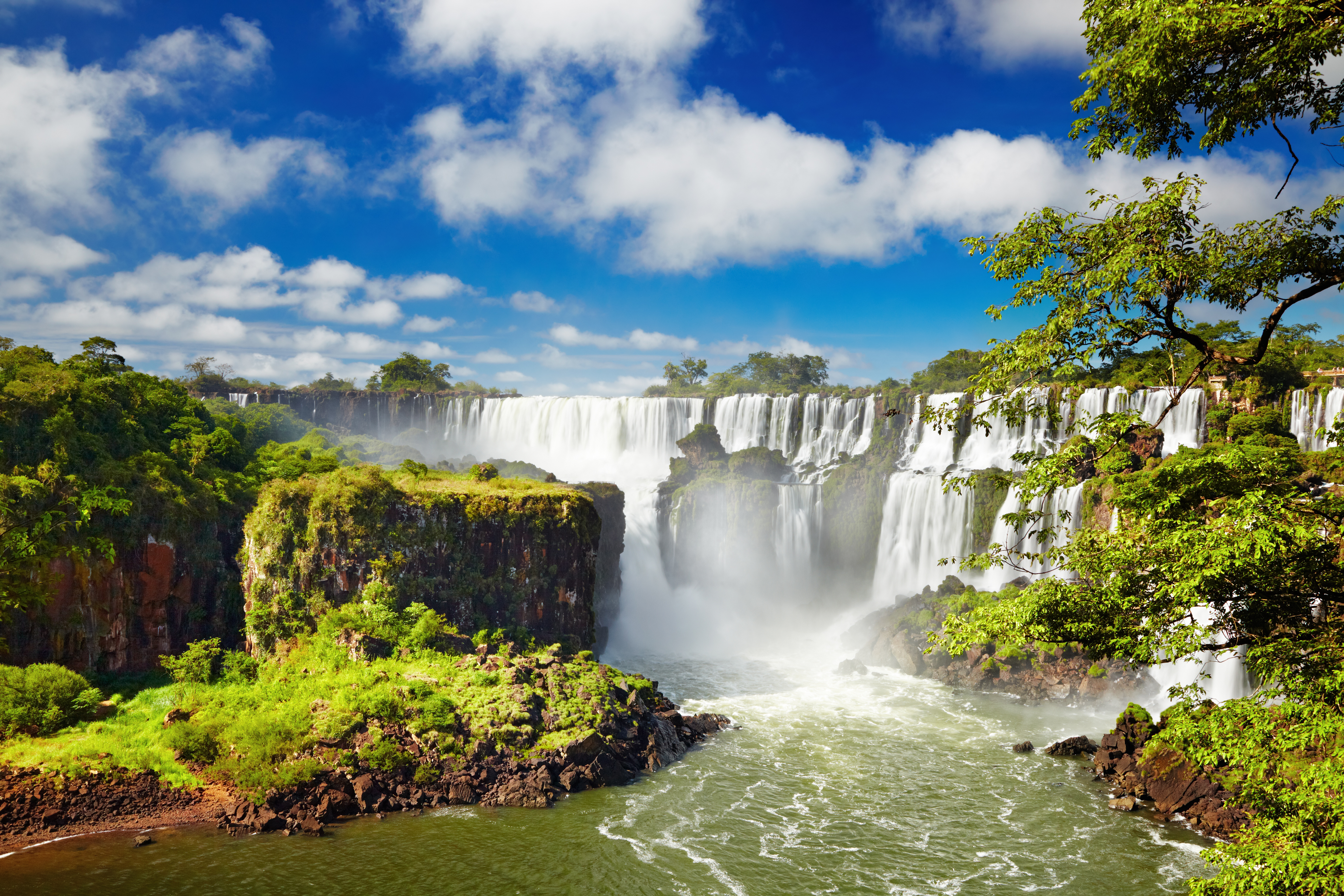
Straddling the border between Argentina and Brazil, Iguazu Falls is one of the planet’s most breathtaking natural spectacles. More than 250 individual cascades tumble through dense jungle, creating a symphony of sound, spray, and movement within the Iguazú National Park. The sheer power of the falls is mesmerising, their mist rising like smoke through the subtropical canopy.
The Argentine side allows visitors to get remarkably close to the action. Elevated walkways weave through the forest to several panoramic viewpoints, including the dramatic Garganta del Diablo - the Devil’s Throat - where torrents of water plunge into a thunderous abyss. For many travellers, this is the ultimate highlight of an Argentina holiday and one of Latin America’s must-see wonders.
Perito Moreno Glacier
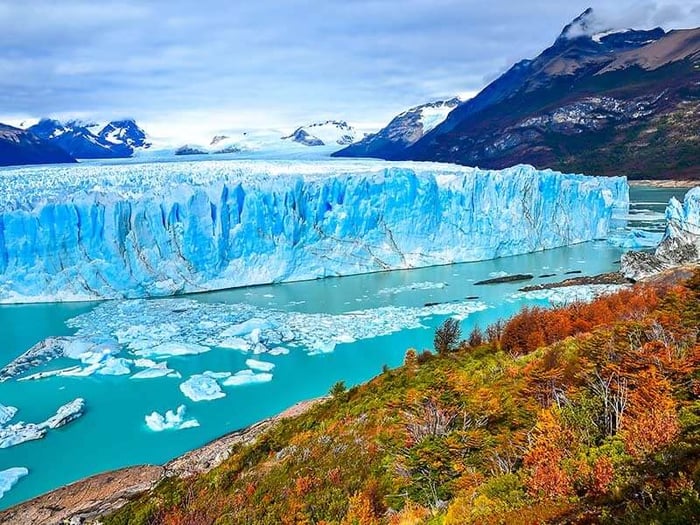
In the southern wilderness of Patagonia, the magnificent Perito Moreno Glacier is a humbling reminder of nature’s power and beauty. Located in Los Glaciares National Park, this immense river of ice stretches nearly 30 kilometres across and continues to advance, making it one of the few glaciers in the world still growing.
Visitors can admire its striking blue face from walkways and viewing platforms, or venture out by boat for an up-close perspective. Every so often, a deep crack echoes across the valley as a colossal shard of ice detaches and crashes into the turquoise waters of Lago Argentino below. Witnessing this raw, natural drama is one of the defining experiences of Patagonia travel.
Learn more about Perito Moreno Glacier
Quebrada de Humahuaca
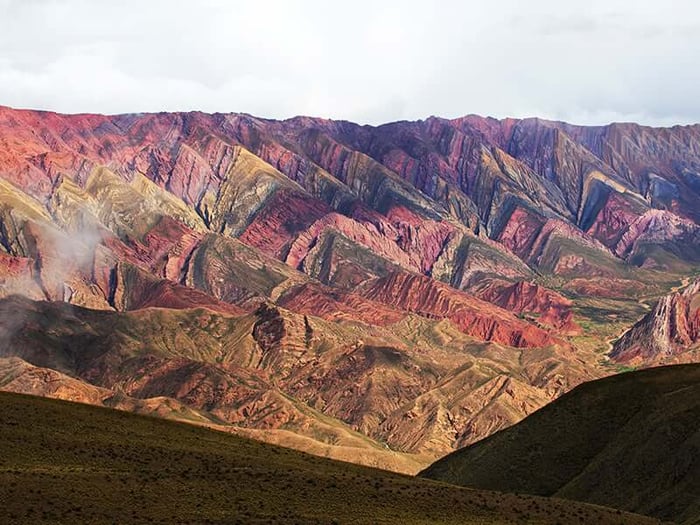
In Argentina’s far north-west, the Quebrada de Humahuaca unfurls like a natural rainbow, its mountains striped with mineral-rich bands of red, pink, yellow, and green. Carved over millions of years by the Río Grande, this narrow valley has long been a vital route through the Andes and is now recognised as a UNESCO World Heritage Site.
The region is alive with tradition, where centuries-old villages like Purmamarca and Tilcara preserve their indigenous culture through music, markets, and festivals. The striking Hill of Seven Colours is a highlight, glowing brilliantly at sunrise and sunset. Walking trails through the gorge reveal some of Argentina’s most surreal and photogenic scenery.
Explore Holidays to this region
Bariloche and the lakes
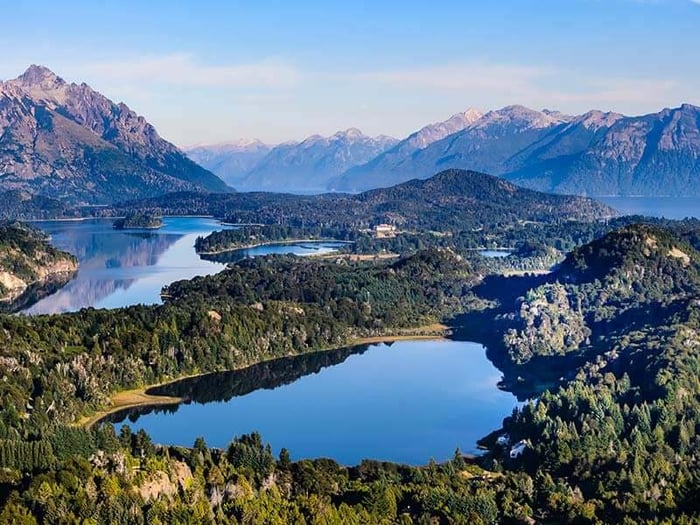
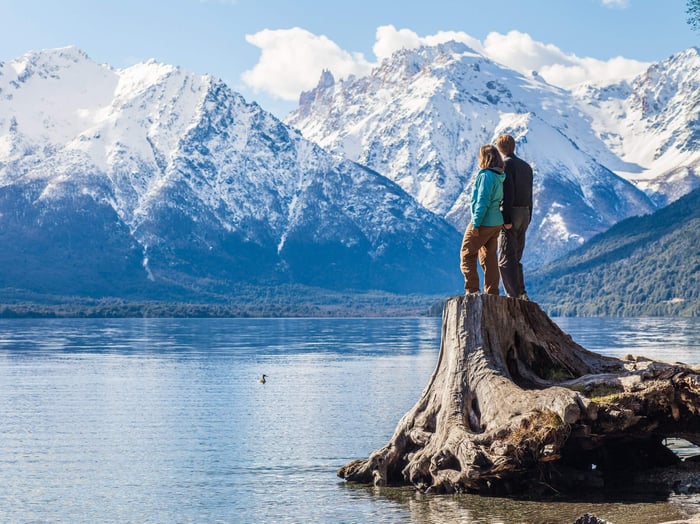
Nestled in the Argentine Lake District, Bariloche sits among snow-capped peaks, deep blue lakes, and evergreen forests - a landscape that feels both alpine and distinctly Patagonian. The region forms part of Nahuel Huapi National Park, where nature takes centre stage in every season.
Visitors can explore the glacial lakes by kayak or boat, hike through the forests, or unwind in the nearby natural hot springs. Scenic drives along the Circuito Chico reveal panoramic views of the Andes and the shimmering expanse of Lago Nahuel Huapi. Despite its popularity, Bariloche remains a place of pristine beauty, where adventure and tranquillity perfectly combine.
Salinas Grandes, salt flats
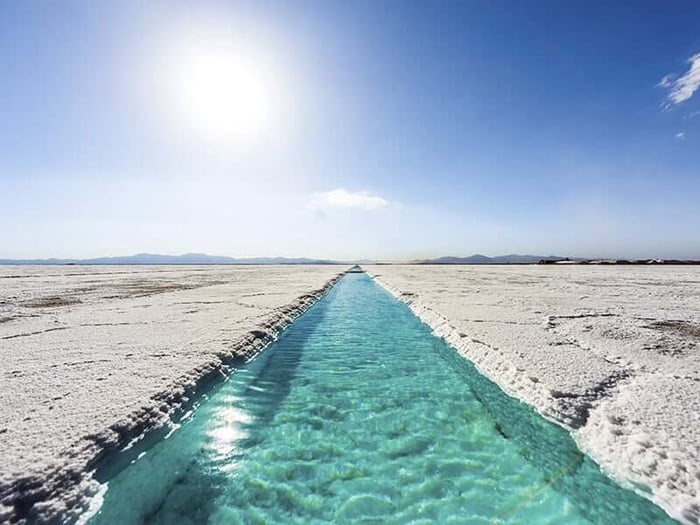
High in the Andean plateau of north-west Argentina lies the Salinas Grandes, the country’s largest salt flats. Stretching for more than 200 square kilometres, the glistening white surface creates a mesmerising contrast with the deep blue sky. When recent rain leaves a thin layer of water on the flats, the landscape transforms into a vast natural mirror that seems to blend earth and sky.
For the most magical experience, visit an hour before sunset. As the sun dips behind the mountains, the salt flats come alive in shades of pink, gold, and violet - a photographer’s dream and one of Argentina’s most ethereal sights. The area combines easily with the Quebrada de Humahuaca, offering a perfect pairing of geological wonder and cultural discovery.
Argentina’s natural beauty is astonishing in its variety and scale. From the roar of Iguazu Falls to the stillness of the Salinas Grandes, the country’s landscapes invite exploration, reflection, and adventure. Every journey through Argentina reveals another masterpiece of nature - a reminder of just how extraordinary this country truly is. Which of Argentina’s Best Natural Wonders will you visit?
FAQs
What are the most famous natural wonders in Argentina?
Argentina is home to some of the world’s most remarkable landscapes, including Iguazu Falls, Perito Moreno Glacier, the Quebrada de Humahuaca, Bariloche and the Lake District, and the Salinas Grandes salt flats. Each showcases a different side of the country’s incredible geography and natural diversity.
When is the best time to visit Argentina’s natural attractions?
The best time to visit depends on the region. Patagonia is ideal from October to April, when conditions are mild and accessible. Iguazu Falls can be visited year-round, though December to March offers the most powerful water flow. Northern regions such as Salta and Jujuy are best between April and November for dry, clear days.
Can you visit Iguazu Falls from both Argentina and Brazil?
Yes. The Iguazu Falls straddle the border between Argentina and Brazil, and both sides offer unique experiences. The Argentine side allows you to get up close via walkways and trails, while the Brazilian side offers sweeping panoramic views. Many travellers visit both for the full perspective.
Why is the Perito Moreno Glacier so special?
Unlike most glaciers worldwide, the Perito Moreno Glacier in Patagonia is still advancing rather than retreating. It moves constantly, creating dramatic ice calving events where huge chunks break off into Lago Argentino. This natural movement makes it one of the few glaciers where visitors can regularly witness live geological change.
Are Argentina’s natural sites easy to combine in one trip?
Yes. Many Argentina holidays are designed to connect these incredible regions. Flights link Buenos Aires with Patagonia, Iguazu, and the north-west, making it possible to combine waterfalls, glaciers, and desert landscapes in a single itinerary. Private transfers and guided tours make travel between regions seamless and comfortable.