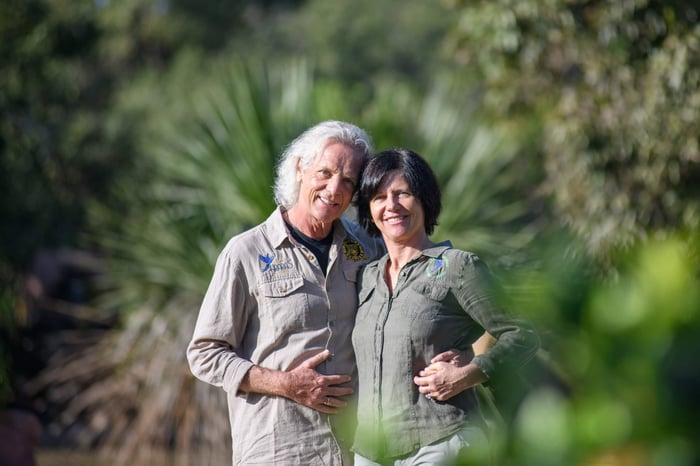

In Brazil’s vast Pantanal wetlands, life follows the rhythm of nature. Seasons flood and retreat, wildlife moves freely, and every decision made by those who live here carries weight far beyond the lodge gates. For Akhila Thuronyi, owner of a Pantanal Lodge, sustainability is not a concept – it is a lifelong commitment.
A Day in the Life of a Pantanal Lodge Owner: Sustainability at the Heart of Brazil’s Wild Wetlands
Akhila co-manages the lodge alongside Andre Thuronyi, who has been involved with the property since its recovery and expansion in 1994. Together, they have shaped Araras Pantanal Eco Lodge into a leading example of responsible tourism in one of the world’s most important wetland ecosystems.
“Sustainability is our life mission,” Akhila explains. “To conserve the Pantanal and develop responsible tourism in the area.”Set on a working cattle farm, the lodge offers travellers a rare opportunity to experience the Pantanal in a way that actively supports wildlife conservation, environmental protection and local communities.
Living and Working in the Pantanal
A typical day for Akhila begins with nature firmly in charge. Wildlife sightings are not confined to excursions; they happen all around the lodge itself. For her, this is the clearest sign that the lodge’s approach is working.
“The best proof,” Akhila says, “is that every year there is more wildlife roaming in our close surroundings.”Responsible tourism here means ensuring that visitors enhance, rather than threaten, the ecosystem. Under Akhila’s leadership, the lodge manages a 3,000-hectare Private Natural Reserve, where low-impact ecotourism is carefully designed to protect fragile habitats.
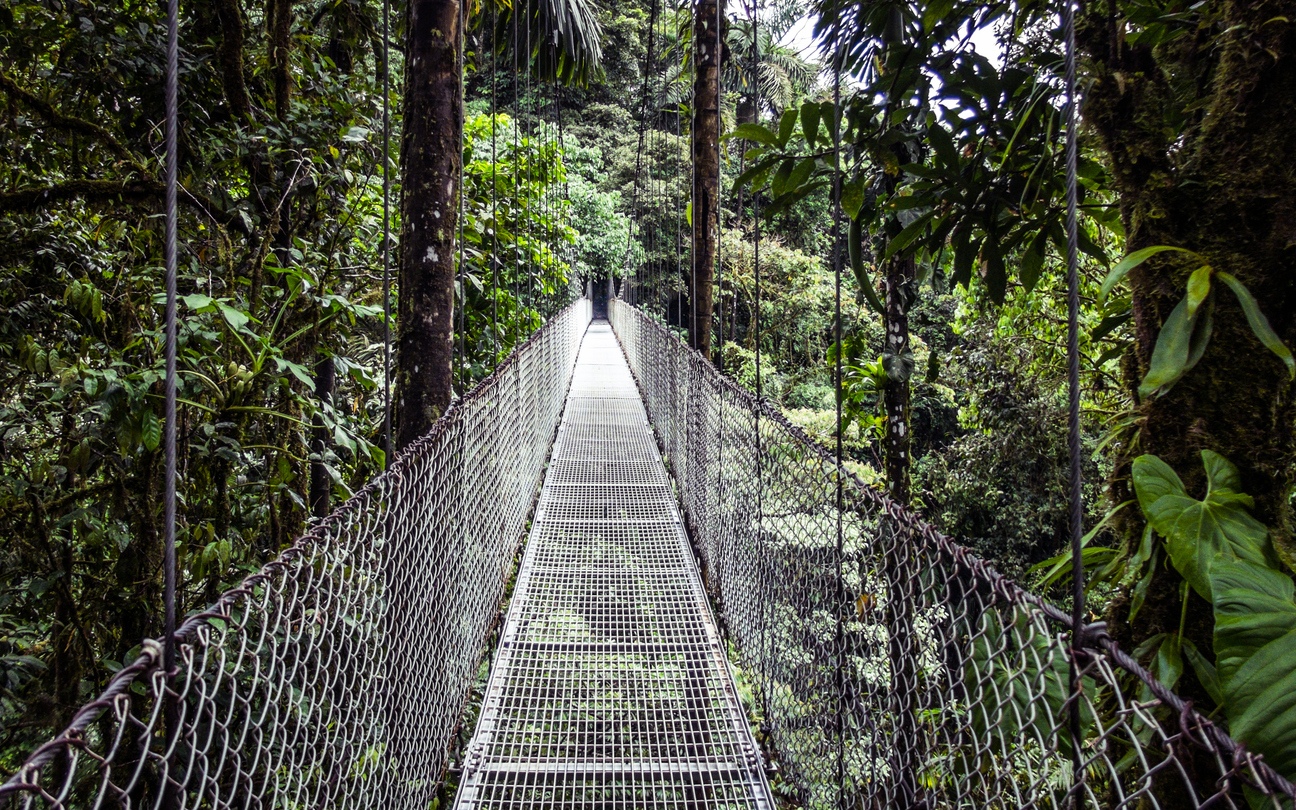
Small group sizes, a maximum of eight guests per guide, elevated walkways to prevent erosion, and strict wildlife observation guidelines all help minimise disturbance while allowing meaningful encounters.
Sustainability in Action: Educating to Conserve
The lodge’s guiding philosophy is clear: educate to conserve. Sustainability is embedded into every aspect of operations, from architecture to guest behaviour.
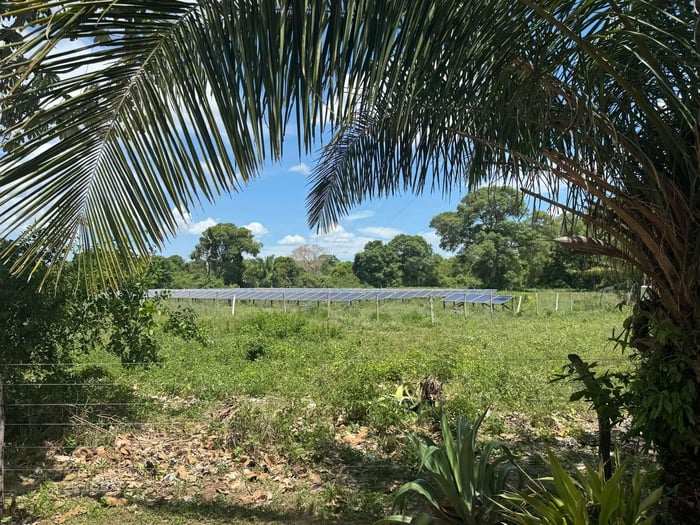
Araras Pantanal Eco Lodge is entirely self-sufficient in electricity and water heating through solar energy and operates its own drinking water and wastewater treatment plants. Waste is carefully managed, disposable plastics are reduced, and biodegradable cleaning products are used throughout the property.
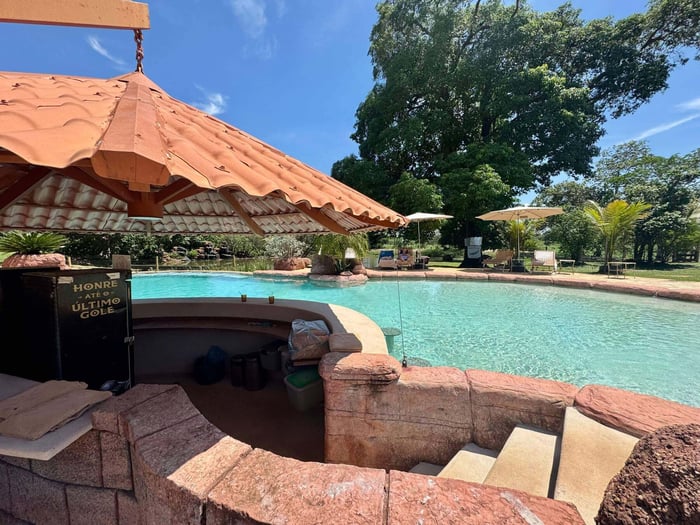
The swimming pool, a guest favourite after a day in the wetlands, is treated using ozone and ultraviolet filtration rather than harsh chemicals.
These practices resonate strongly with travellers. As a result of sustainable initiatives applied across the entire operation, the lodge recorded a 25% increase in international guests in 2025.
Protecting Wildlife in One of the World’s Richest Ecosystems
Wildlife conservation is central to daily life for Akhila and her team. One of the lodge’s most significant achievements is its hyacinth macaw preservation project, running continuously since 2000.
“Until now,” Akhila notes, “the number of individuals in our area has increased significantly.”
Over more than 30 years of operation, Araras Pantanal Eco Lodge has also inspired other landowners to embrace conservation-led tourism. “Our work has served as a major inspiration for other Pantanal landowners to embark in lodging,” Akhila explains, “increasing wildlife-aware land ownership across the region.”
Additional initiatives include responsible jaguar observation practices, Pantanal horse breeding programmes, and beekeeping projects developed with local producers, which also contribute to fire prevention.
Responsible Wildlife Encounters and Guest Safety
Seeing wildlife close to their Pantanal lodge is one of the Pantanal’s great privileges, but it requires careful management. All activities follow ABETA’s ‘Aventura Segura’ safety protocols and are led by certified naturalist guides trained in first aid.
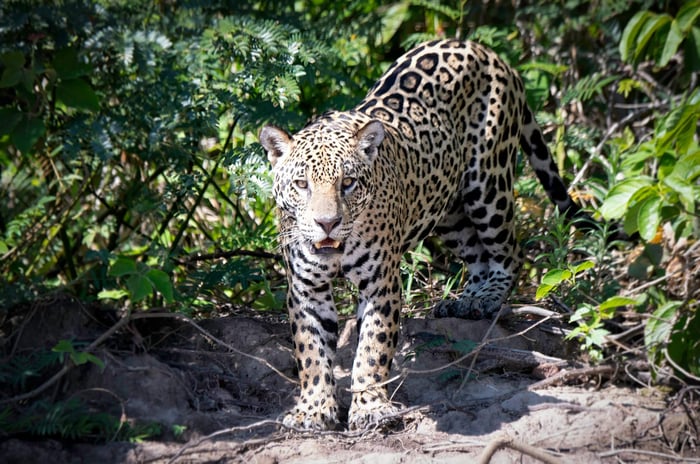
With jaguar sightings increasing near the property, this Pantanal Lodge has become the first fenced lodge in the Pantanal. This pioneering step allows guests to enjoy the lodge surroundings safely, day and night, while maintaining respectful boundaries for wildlife.
Farm-to-Table Dining and Slow Food Traditions
Food plays a central role in the guest experience and reflects the lodge’s wider sustainability ethos. The kitchen follows a slow food, farm-to-table approach, using ingredients produced on the farm or sourced from nearby rural communities.
“The concept is to use ingredients produced either on the farm or in the closest rural community,” Akhila explains.This approach reduces the lodge’s environmental footprint while supporting local livelihoods and preserving regional culinary traditions.
Supporting Local Communities
Social sustainability is a pillar of Akhila’s vision for the lodge. Around 95% of the workforce comes from the local municipality of Poconé, with continuous investment in training and professional development.
In addition, 85% of supplies are sourced from small local producers, strengthening the regional economy. The lodge also maintains the Eco Bosque socio-environmental project, preserving 6,000 m² of native Cerrado vegetation while generating income for five local families.
Cultural traditions are celebrated through experiences such as moda de viola music and traditional lassoing demonstrations, helping guests connect with the Pantanal's heritage as well as its wildlife.
Preparing for Climate Change and Wildfires
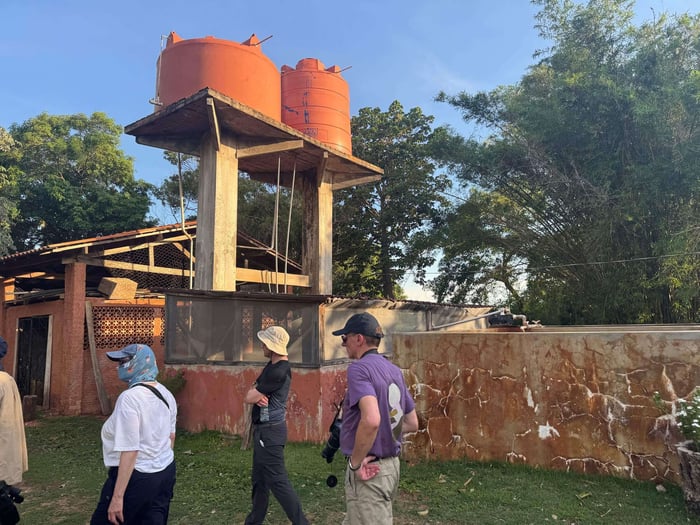
Climate change and wildfires are increasingly shaping how Akhila plans for the future of their thriving Pantanal lodge. The property is designed with fire safety in mind and has its own trained fire brigade, fully equipped to respond in the event of wildfires.
These measures protect guests, staff and the surrounding ecosystem during more unpredictable seasons.
Redefining Luxury Through Responsible Travel
For travellers new to sustainable tourism, Akhila believes comfort and responsibility can sit comfortably side by side.
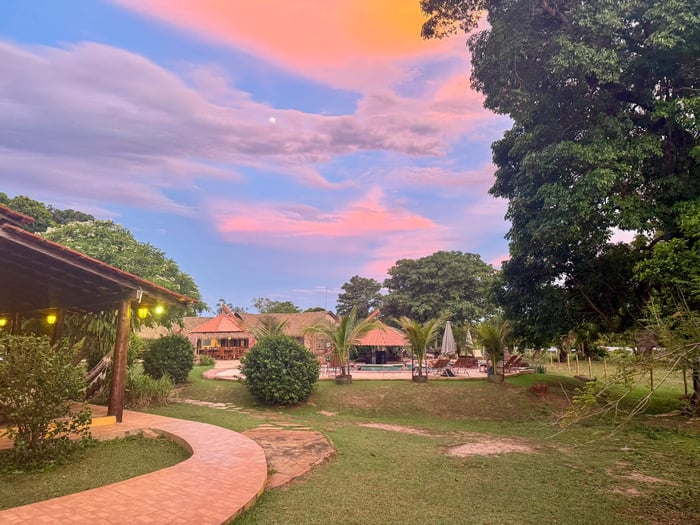
“Our lodge is charming, rustic and comfortable,” she says, pointing to farm-to-table gastronomy, a strong wine list, a carefully treated swimming pool, sunset sundowners and thoughtful details that enhance the guest experience.
Success is measured not only through guest satisfaction, but through loyalty. “Every year we receive an increased number of returning guests,” Akhila explains, “and others recommended by previous guests, motivated by our sustainable practices.”
A Vision for the Future of the Pantanal
Looking ahead, Akhila’s ambitions extend far beyond her own Pantanal lodge. “We hope that the Pantanal, with increasing worldwide interest, becomes a world model of a sustainable destination,” she says.
The message she hopes guests take home is simple but powerful: “That we can all make a difference in nature conservation, and that it is the responsibility of all of us to take care of the planet.”Explore our Ultimate Brazil Holiday
FAQs
When is the best time to visit the Pantanal?
The Pantanal is a year-round destination, but the dry season from May to October is generally considered the best time for wildlife viewing. As water levels recede, animals gather around rivers and lagoons, making sightings more frequent. The green season from November to April brings dramatic landscapes, lush vegetation and excellent birdlife, with fewer visitors.
What wildlife can you expect to see in the Pantanal?
The Pantanal is one of the world’s richest wildlife regions. Visitors can expect to see jaguars, giant otters, capybaras, caimans, tapirs and hundreds of bird species, including hyacinth macaws. Wildlife viewing is often exceptional, with animals regularly spotted close to lodges as well as during guided excursions.
How do you get to the Pantanal?
Most travellers reach the Pantanal via Cuiabá, with onward travel arranged by private transfer or light aircraft, depending on lodge location and season. Travel logistics are carefully planned to suit water levels and road conditions, ensuring a smooth and comfortable journey into this remote region.
What is accommodation like in the Pantanal?
Accommodation in the Pantanal ranges from simple fazendas to high-quality eco lodges. At leading Pantanal lodges, guests can expect comfortable rooms, excellent guiding, farm-to-table dining and strong sustainability credentials, with experiences designed to immerse travellers in nature without compromising comfort.
What should you pack for a Pantanal trip?
Lightweight, neutral-coloured clothing is ideal, along with long sleeves and trousers for sun and insect protection. A wide-brimmed hat, binoculars, sunscreen and comfortable walking shoes are essential. Most lodges provide detailed packing advice ahead of arrival, tailored to the season and planned activities.