


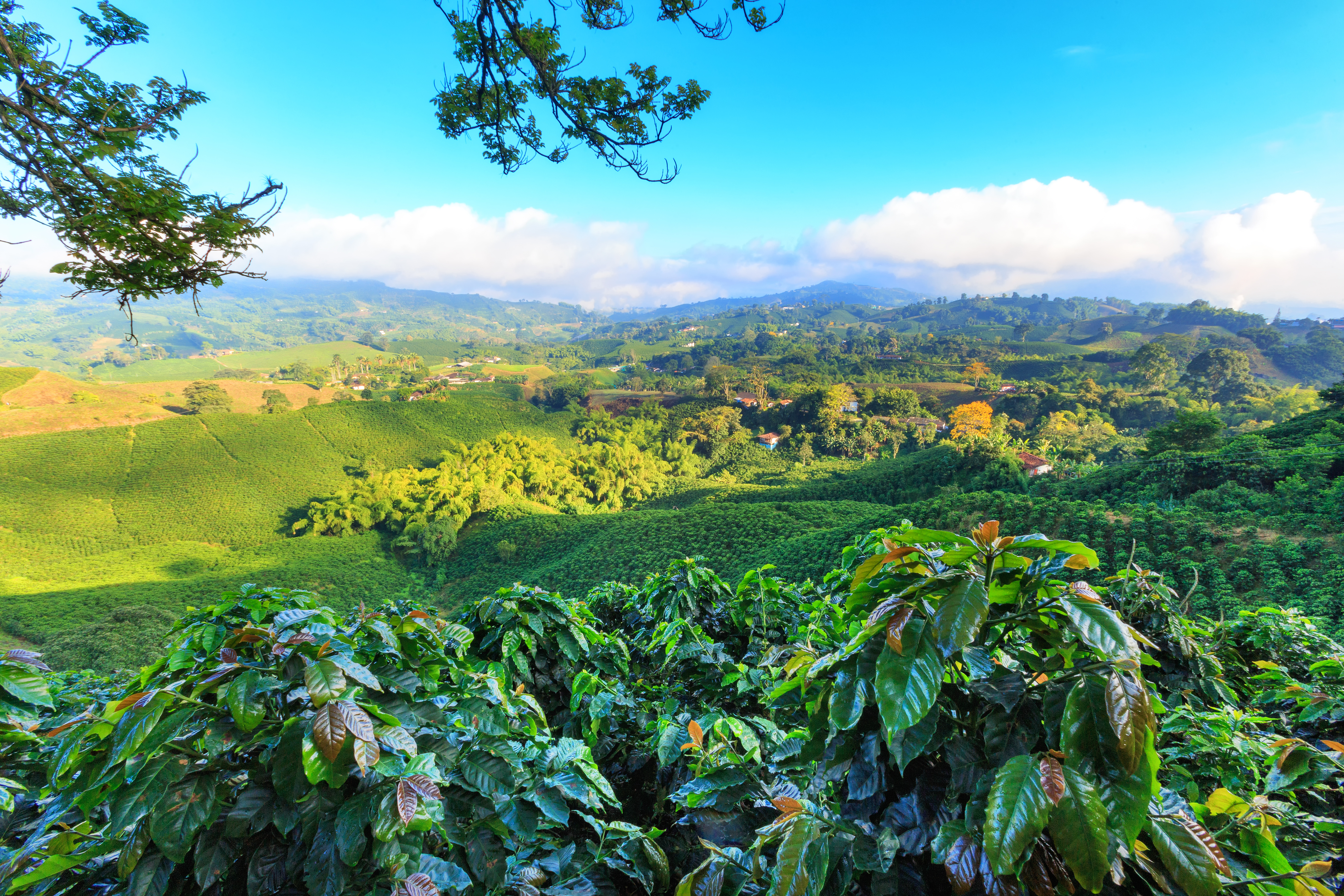
Discover Colombia’s Coffee Triangle: Pereira, Manizales, and Armenia
Colombia’s coffee triangle is one of the country’s most rewarding regions, where emerald hills, working coffee estates and characterful towns come together in a landscape shaped by generations of coffee growers. The region forms part of Colombia’s Coffee Cultural Landscape, which was inscribed by UNESCO in 2011, and it remains one of the best places to experience the country’s coffee heritage at first hand.
Across the rolling countryside, traditional fincas and haciendas sit among plantations, offering a peaceful and atmospheric base for exploring. In and around Pereira, Armenia and Salento, days unfold at an unhurried pace, with sweeping views, fresh mountain air and a strong sense of place that makes the region feel both restorative and deeply authentic.
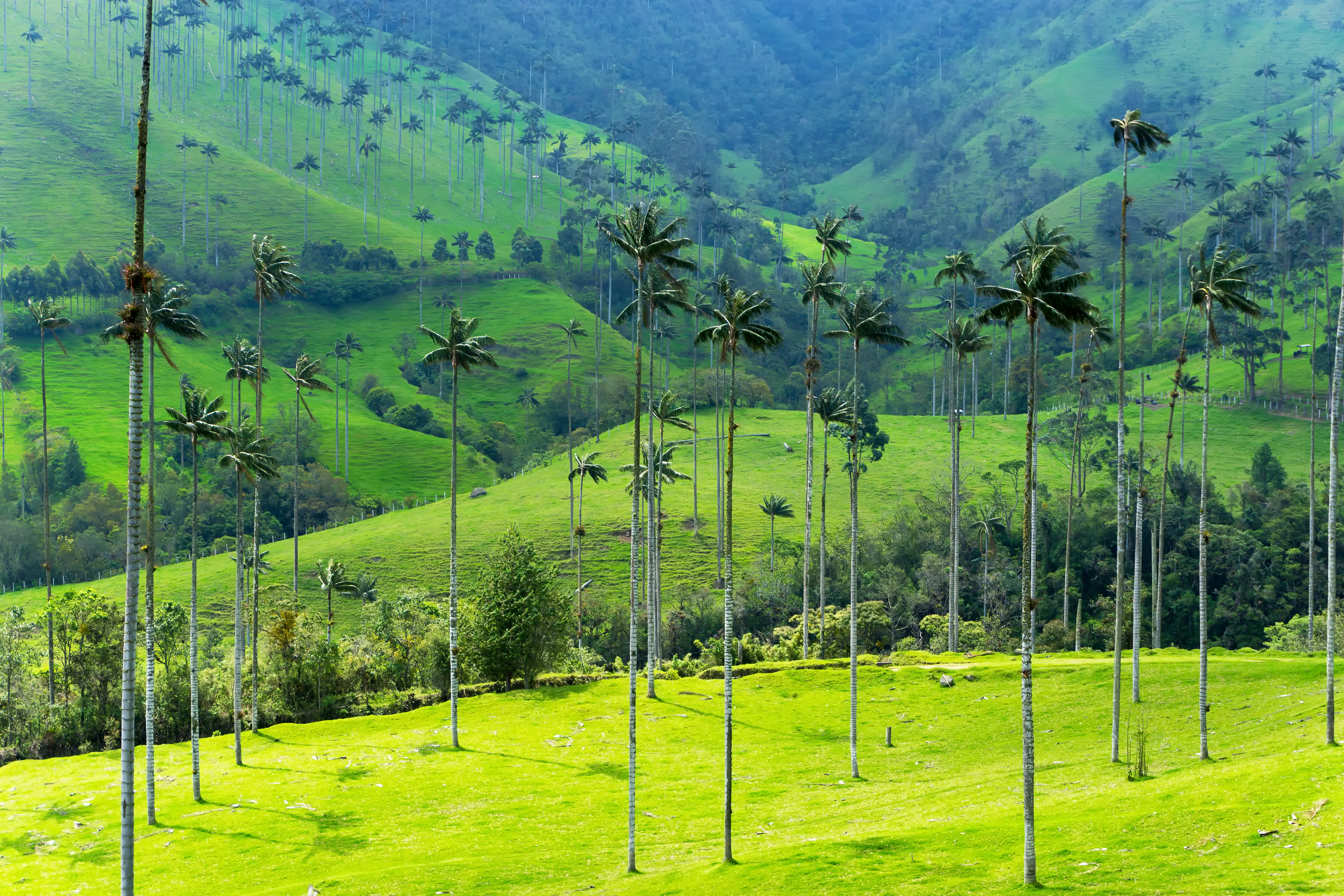
This is also a region of remarkable natural beauty. The Valle de Cocora is known for its soaring wax palms, Colombia’s national tree, which rise dramatically above misty green slopes and pastureland. It is one of the coffee region’s most iconic landscapes, with opportunities for scenic walks, hiking and horseback riding surrounded by cloud forest scenery.
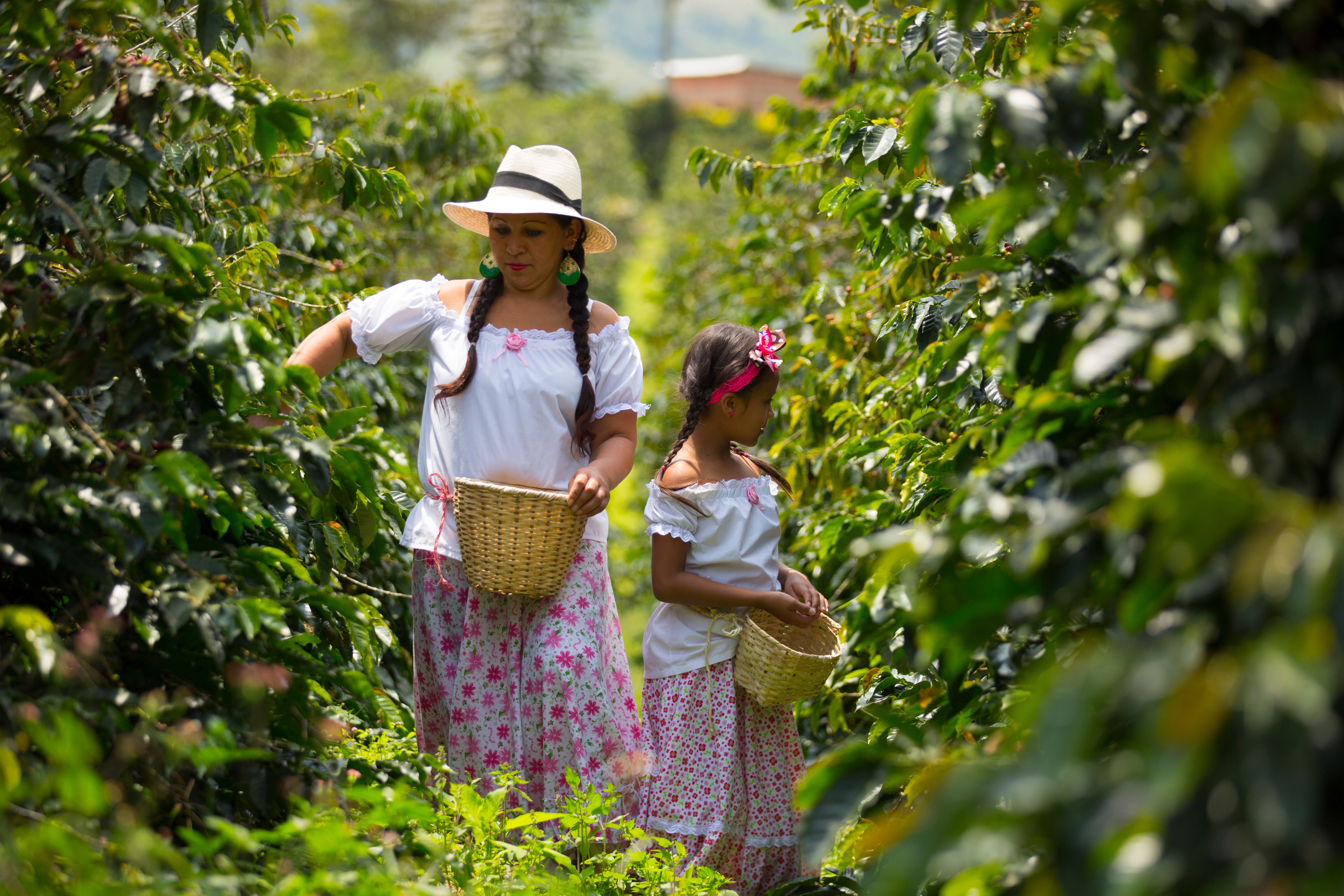
For coffee lovers, the coffee triangle offers far more than a good cup of coffee. Visiting a working plantation gives you a deeper understanding of the journey from bean to cup, from cultivation and harvesting to roasting and tasting. These experiences bring the region’s culture to life and offer a meaningful connection to one of Colombia’s most important traditions. UNESCO notes that the area’s identity is closely tied to small-scale coffee farming and a way of life passed down through generations
Why Visit Colombia’s Coffee Triangle?
Colombia’s coffee triangle combines beautiful scenery, rich culture and immersive experiences in one of the country’s most distinctive regions. You can stay on elegant rural estates, explore coffee farms, walk beneath the world-famous wax palms of the Valle de Cocora and enjoy the atmosphere of the region’s welcoming towns, all while discovering the traditions behind Colombia’s celebrated coffee culture. With its UNESCO-recognised cultural landscape and easy balance of nature, heritage and comfort, this is a destination that feels both enriching and memorable.

Colombia

-5 hours

Colombian Peso (US Dollars accepted)

Coffee plantations
When is the best time to visit The Coffee Region of Colombia
The Zona Cafetera enjoys a cooler climate compared to Colombia’s coastal regions, making it a comfortable destination to visit year-round. Thanks to its elevation and temperate weather, temperatures typically range between 18-24°C (64-75°F), offering pleasant conditions for exploring the region’s lush landscapes, coffee plantations, and charming towns.
While there’s no bad time to visit, the dry seasons - from December to March and July to September - are particularly ideal for outdoor activities such as hiking in the Valle de Cocora, exploring coffee farms, or strolling through vibrant towns like Salento and Filandia.
The rainy seasons (April to June and October to November) still offer plenty to enjoy, with the added benefit of fewer tourists and the landscape at its most vibrant and green. Showers are often short and refreshing, making it possible to continue exploring between bursts of rain.
For coffee lovers, visiting during the harvest seasons - typically April to May and October to November -provides an opportunity to witness coffee-picking firsthand and gain deeper insights into the production process.
No matter when you visit, the Coffee Region’s welcoming culture, stunning scenery, and rich coffee heritage make it a fantastic year-round destination.
About The Coffee Region and its surrounding areas
Nestled in the lush foothills of the Andes, the Coffee Triangle of Colombia is where rolling green hills meet cloud-kissed mountains. This celebrated region spans the departments of Caldas, Risaralda and Quindío, with the lively cities of Manizales, Pereira and Armenia at its heart. It’s here that Colombia’s most prized Arabica beans are cultivated, their reputation built on rich flavours and exceptional quality.
Travelling through the Coffee Triangle is to step into a landscape shaped as much by tradition as by nature. Neatly planted rows of coffee stretch across steep slopes, punctuated by tall wax palms, Colombia’s national tree. Visitors can explore family-run fincas (coffee farms), learn the art of roasting, and savour freshly brewed cups in colourful towns where balconies overflow with flowers.
Beyond the plantations, the region offers a vibrant cultural rhythm. Manizales hums with student energy and striking viewpoints, Pereira is known for its dynamic food scene, while Armenia has a laid-back charm that makes it perfect for exploring at a slower pace. Together, they anchor a region recognised by UNESCO as the “Coffee Cultural Landscape of Colombia”, a living heritage that celebrates both people and place.
Top Things to Do in Colombia’s Coffee Region
- Visit Salento: A charming, colourful town near Armenia, known for its vibrant streets, welcoming atmosphere, and proximity to the mountains. It's often considered the prettiest town in the region.
- Explore the Cocora Valley: Home to Colombia’s iconic wax palms, the world’s tallest palm trees, which tower dramatically into the mist – a must-see natural wonder.
- Tour a Coffee Plantation: Learn about the coffee-making process from bean to brew while sampling some of the finest Colombian coffee.
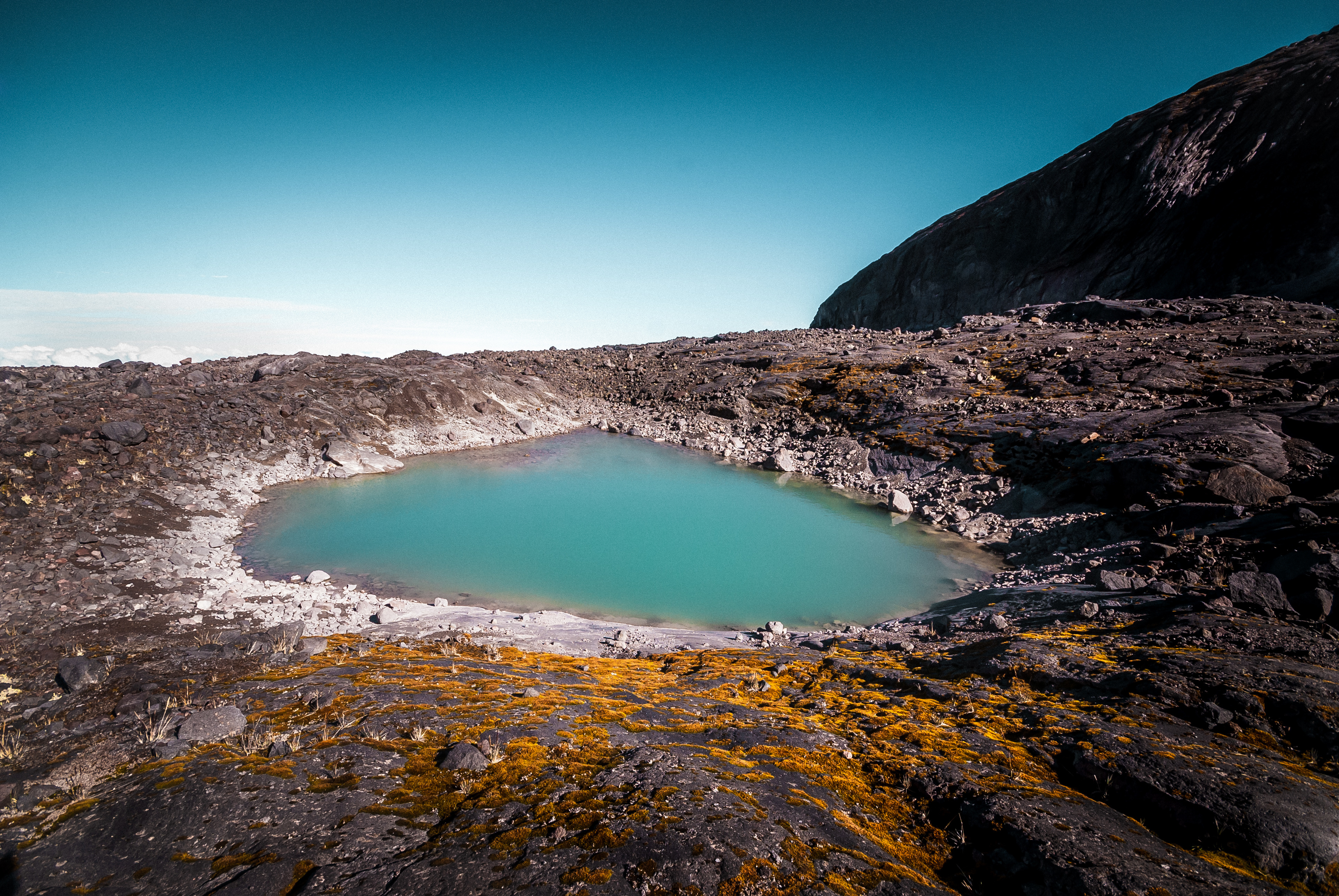
- Hike in Los Nevados National Natural Park: Experience breathtaking mountain scenery, snow-capped peaks, and diverse wildlife.
- Stroll Through Filandia: A picturesque town with beautifully preserved colonial architecture and excellent viewpoints.
- Relax in the Thermal Springs of Santa Rosa de Cabal: Enjoy natural hot springs set against lush green landscapes.
- Discover Manizales: A lively university town offering cultural attractions, botanical gardens, and cable car rides with stunning views.
- Experience Pereira’s Vibrant Dining Scene: Sample traditional Colombian dishes and international cuisine in this bustling city.
- Visit Quimbaya Museum: Located in Armenia, this museum showcases fascinating pre-Columbian artefacts and indigenous culture.
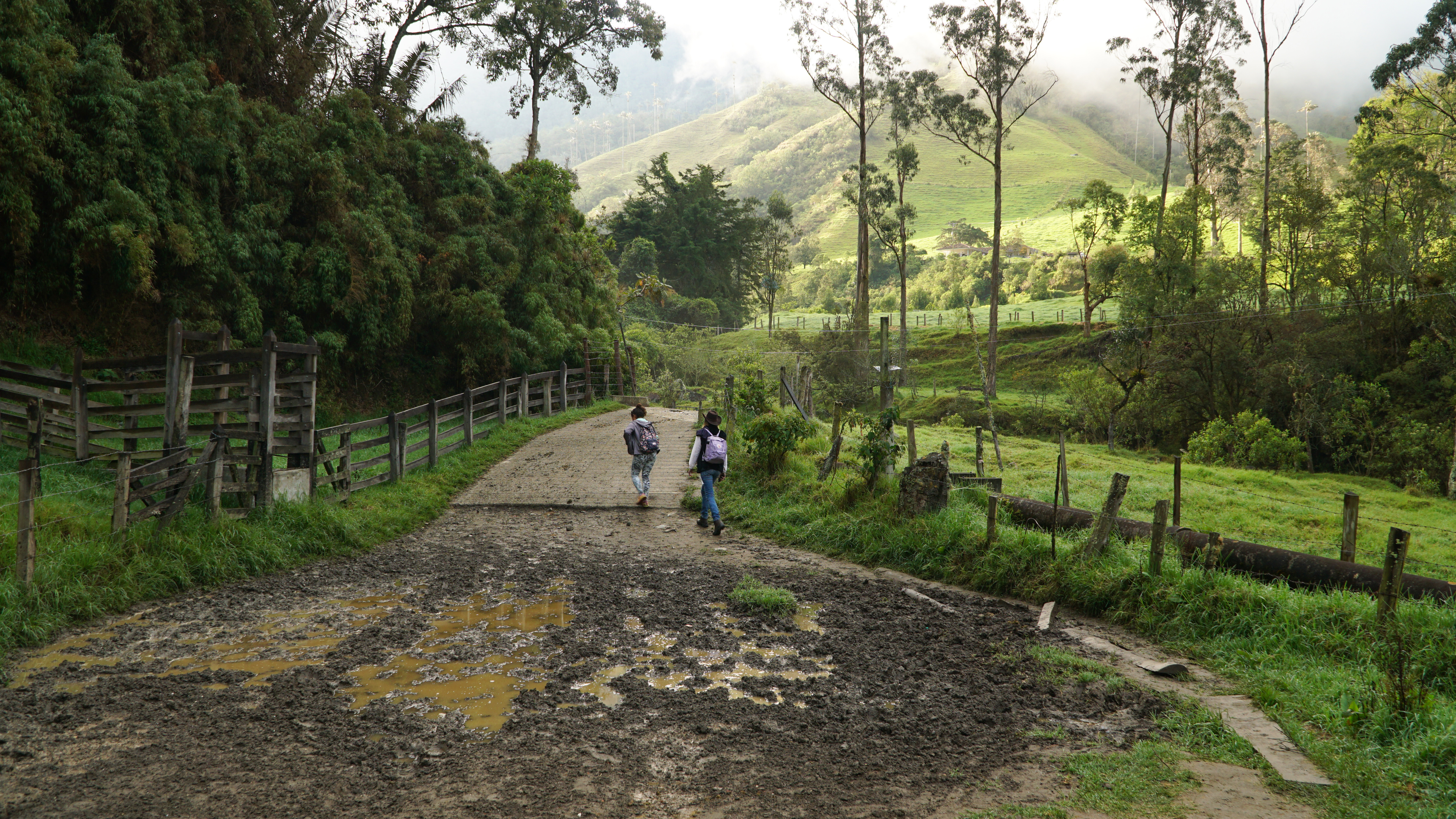
- Go Horseback Riding: Explore the rolling hills and scenic trails that wind through coffee plantations and rural landscapes.
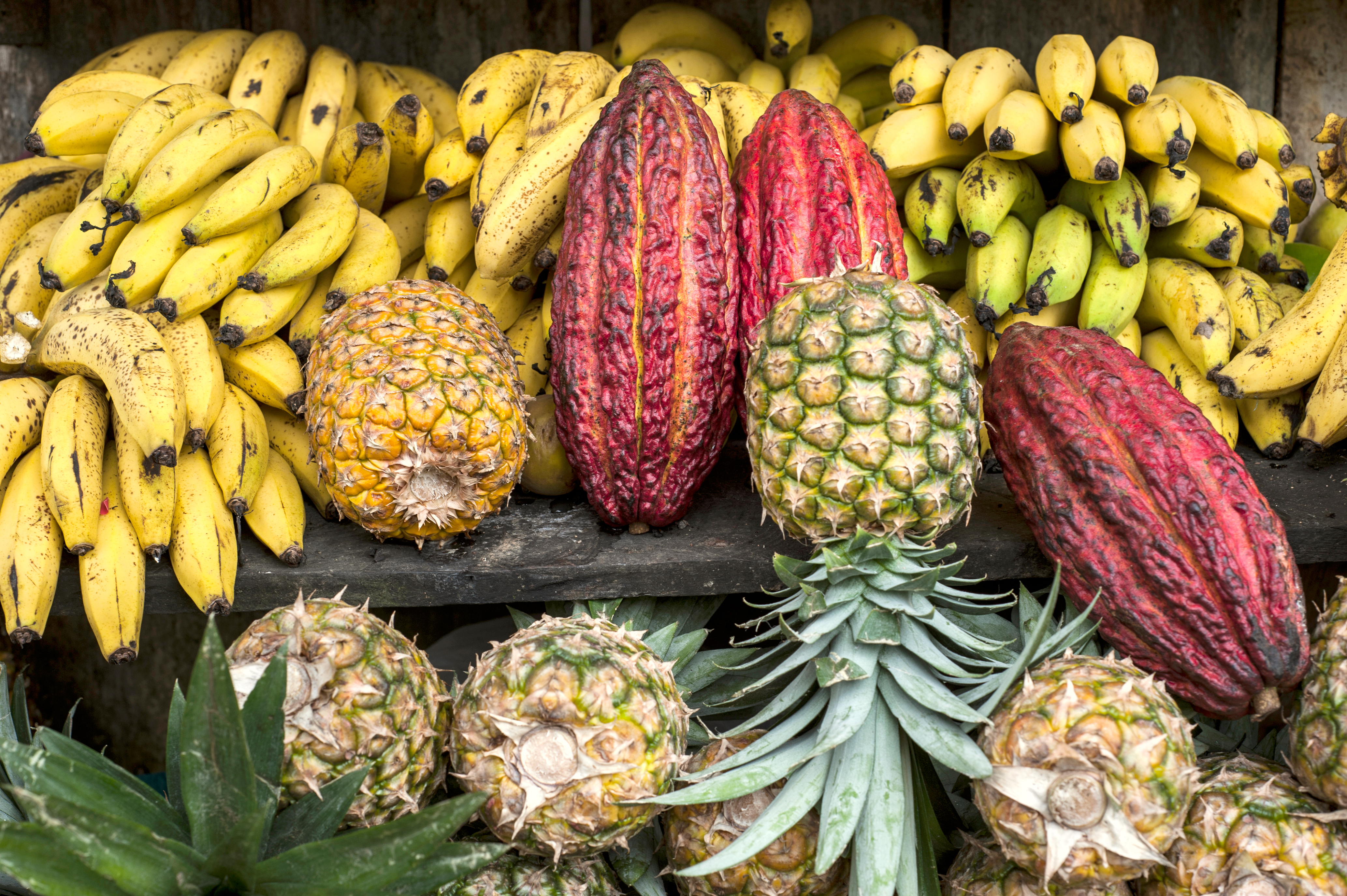
The Coffee Region of Colombia Highlights
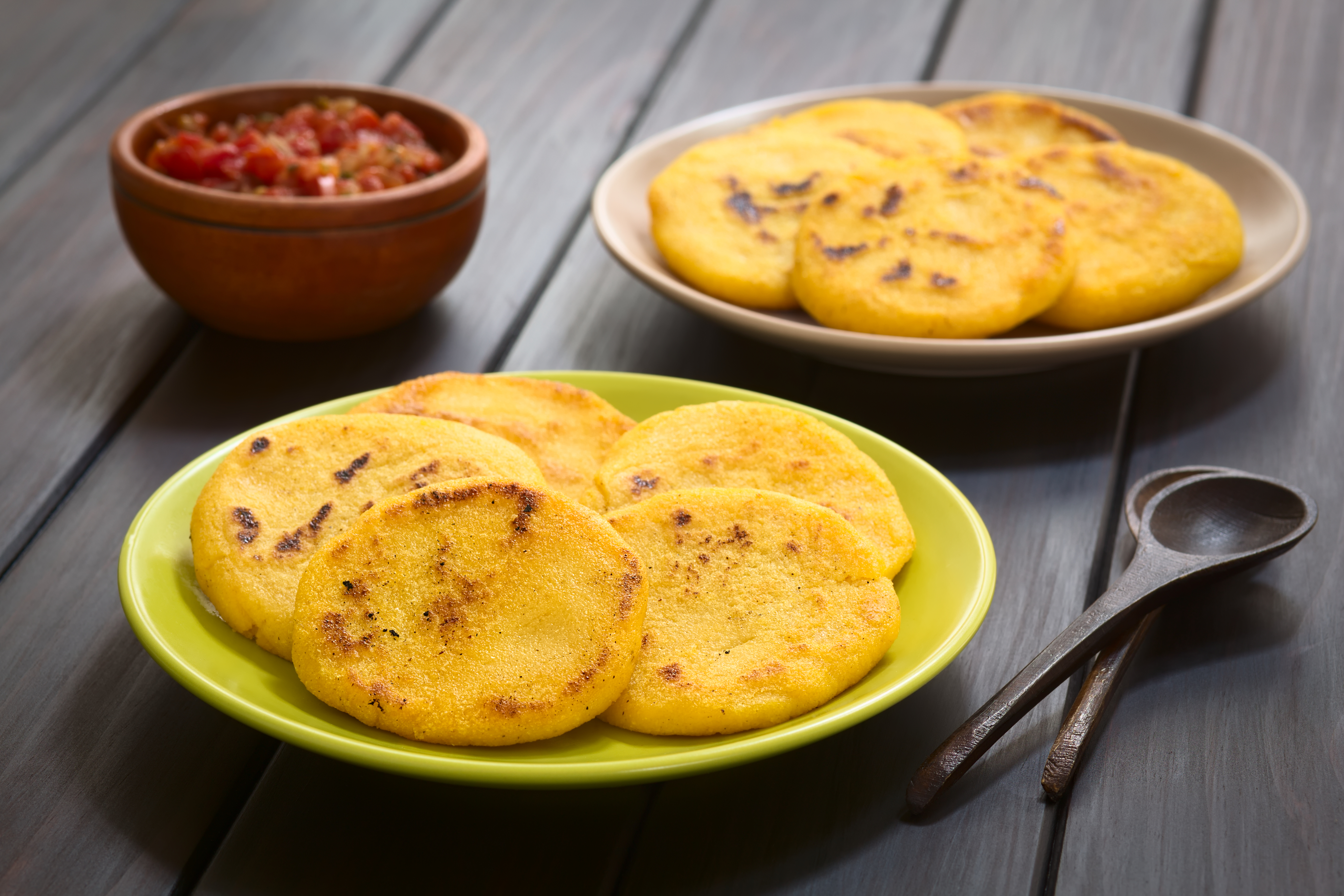
Some of the sights and experiences in and around the Coffee Region of Colombia
Speak to a Travel Specialist today
The Coffee Region of Colombia Travel FAQs
What language is spoken in the Coffee Region, and is English understood?
Spanish is the official language throughout Colombia, including the Coffee Region. In larger towns and cities such as Manizales, Pereira and Armenia, you’ll often find English spoken in hotels, restaurants and by tour guides. In smaller villages and coffee farms (fincas), English is less common, so learning a few Spanish phrases will go a long way, and locals are always warm and patient with visitors making the effort.
Do I need a visa to visit Colombia (from the UK)?
If you hold a full British passport, you do not need a visa for stays of up to 90 days for tourism. But your passport should be valid for at least six months at the time you enter. If you’re not British, it’s best to check with the Colombian embassy or consulate in your country.
What currency is used, and how do I pay for things?
The currency is the Colombian Peso (COP). In larger towns and cities, many shops, cafes and hotels accept credit/debit cards. For smaller fincas or more remote areas, it’s wise to carry cash. ATMs are available but may be sparse in rural zones, so plan ahead.
When is the best time to visit the Coffee Region?
The dry seasons (December-March and July-September) are ideal for outdoor activities like hiking, valley walks (e.g. Valle de Cocora), and farm visits. If you go during the rainy seasons (April-June, October-November), you’ll catch the landscapes at their lushest, and you may see coffee harvesting in several places.
What is the climate like there?
Because of its high elevation, the Coffee Region enjoys a milder, temperate climate, often spring-like, with daytime temperatures usually between 18-24°C (64-75°F).
Evenings can cool down, so bringing a light jacket is a good idea. Rainfall is more common in the wet seasons but rarely lasts all day.
Do I need vaccinations or health precautions?
There are no compulsory vaccinations for most travellers from the UK, but it’s wise to be up-to-date with routine immunisations (e.g., tetanus, measles). Depending on how much time you'll spend in remote areas or jungle zones, vaccines for yellow fever or hepatitis might be recommended. Also, bring insect repellent and consider altitude acclimation if going into very high terrain.
How safe is the Coffee Region for travellers?
Generally, yes, the Coffee Triangle is considered safer than many urban areas. Usual travel caution still applies: keep valuables secure, avoid poorly lit or deserted places at night, and follow local guidance. Many people travel independently through this region safely.
What should I pack for a trip to the Coffee Region?
Here are some suggested essentials:
Layers (long-sleeved shirts, a fleece or light jacket), mornings and evenings can be cool.
Comfortable walking shoes, ideally with good grip for muddy or uneven terrain.
Rain gear (light waterproof jacket, pack cover) especially if travelling in wet seasons.
Sun protection: hat, sunscreen, sunglasses.
Insect repellent.
A refillable water bottle (many fincas will help you refill).