
Inspiration
- Why the rainforests of Latin America are so special
- Exploring the Amazon: the largest of the rainforests of Latin America
- Costa Rica's wildlife-rich rainforests
- Beyond the rainforest: cloud forests and Atlantic forests
- Protecting the rainforests of Latin America through responsible travel
- Discover the rainforests of Latin America
- FAQs
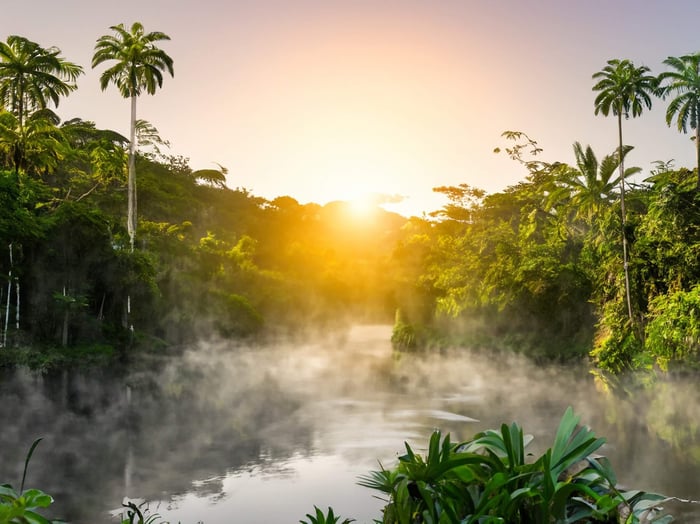
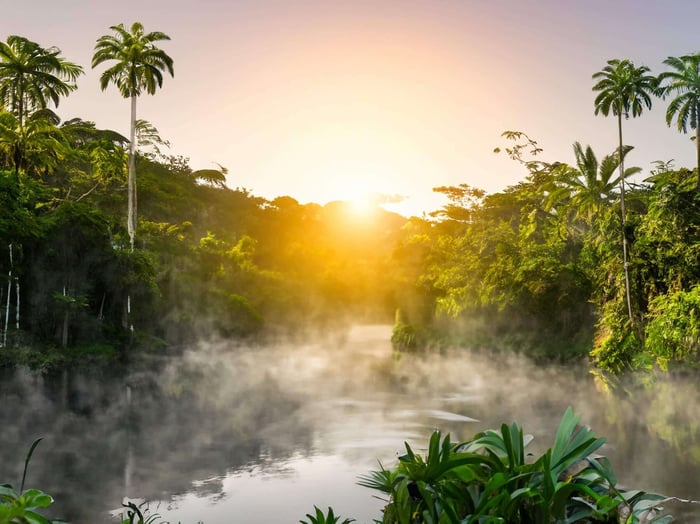
From colourful macaws and playful monkeys to elusive jaguars and pink river dolphins, the rainforests of Latin America showcase the remarkable natural diversity that makes this region so special. Whether you're gliding along an Amazon tributary at sunrise, exploring rainforest trails with expert guides or listening to the sounds of the jungle from a remote lodge, these remarkable ecosystems create memories that last a lifetime.
Across our team's travels through Peru, Costa Rica, Ecuador and beyond, rainforest regions consistently rank among the most memorable parts of a journey. They are places where every boat ride, nature walk and riverbank can reveal something unexpected, offering a deeper connection to the natural world and the communities that call these landscapes home.
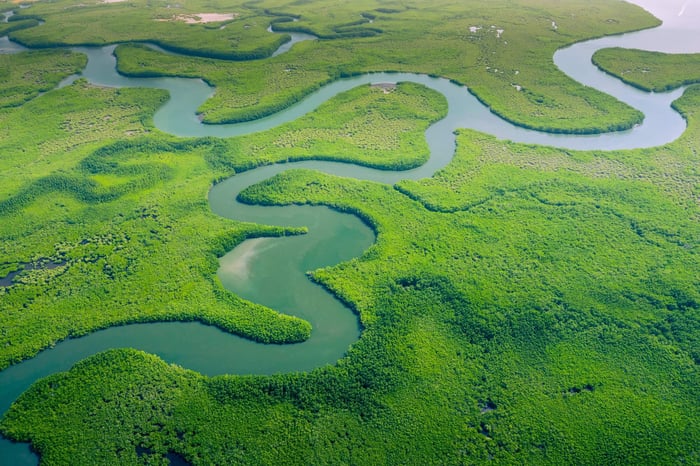
Why the rainforests of Latin America are so special
The rainforests of Latin America are among the most biodiverse places on the planet. They provide habitats for countless species, support local communities and play a vital role in regulating the Earth's climate.
What makes these forests so rewarding to visit is the sense of immersion they offer. Unlike many wildlife experiences, rainforest exploration is about much more than what you see. It's about the sounds, colours and atmosphere around you. Every journey feels different, with new discoveries around every corner.
Our Travel Specialists often return from rainforest regions with stories of unexpected wildlife encounters and memorable lodge stays. Reflecting on his journey through Peru, Travel Specialist Giuliano described the experience as one of "rainforest waterways, community encounters, incredible food and moments of pure wonder", highlighting how rainforest adventures often become the standout memories of a holiday.
Whether travelling through Peru's Amazon, Costa Rica's national parks or Ecuador's cloud forests, the experience of exploring the rainforests of Latin America is unlike anywhere else in the world.
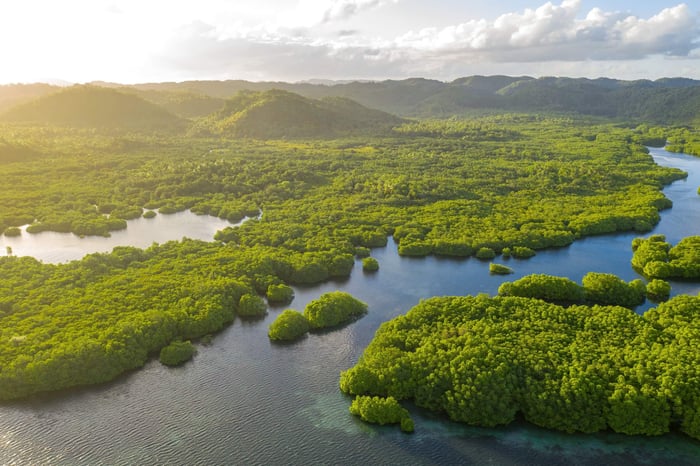
Exploring the Amazon: the largest of the rainforests of Latin America
No discussion of the rainforests of Latin America would be complete without the Amazon.
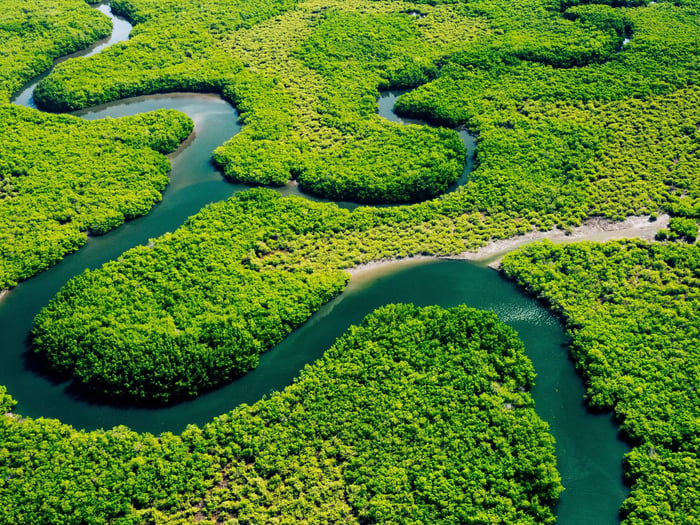
Covering vast areas of Brazil, Peru and Ecuador, the Amazon is the world's largest tropical rainforest and one of its greatest natural wonders. Its immense scale and extraordinary biodiversity make it one of the most sought-after wildlife destinations on Earth.
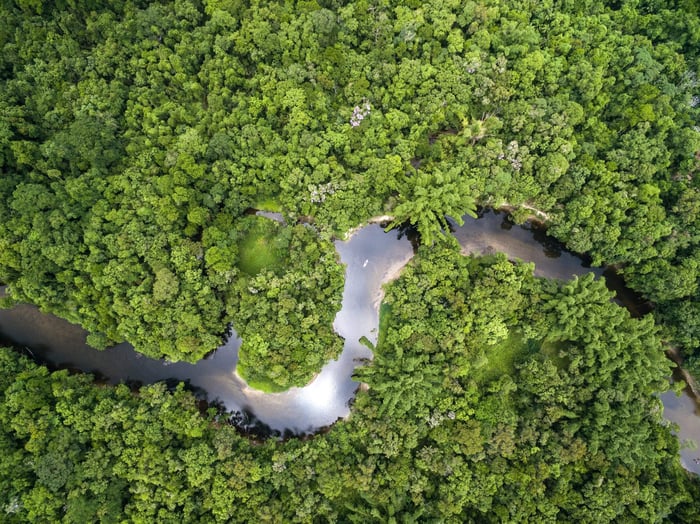
The Brazilian Amazon
The Brazilian Amazon offers a true wilderness experience. Travellers can navigate winding waterways by canoe, explore jungle trails with naturalist guides and venture out after dark to discover the rainforest's nocturnal wildlife.
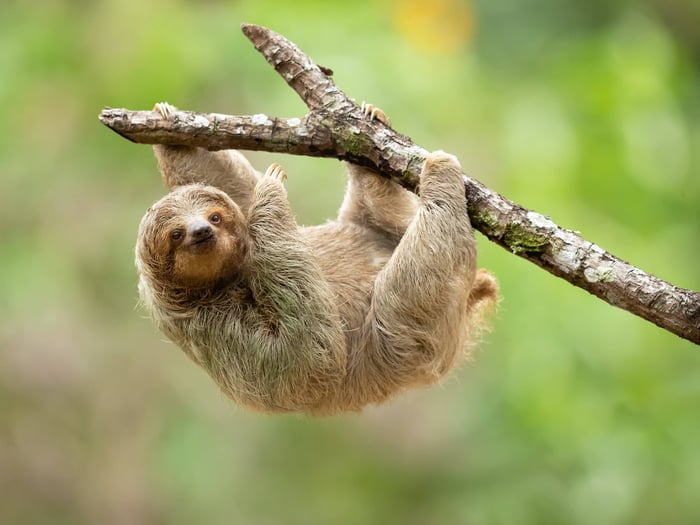
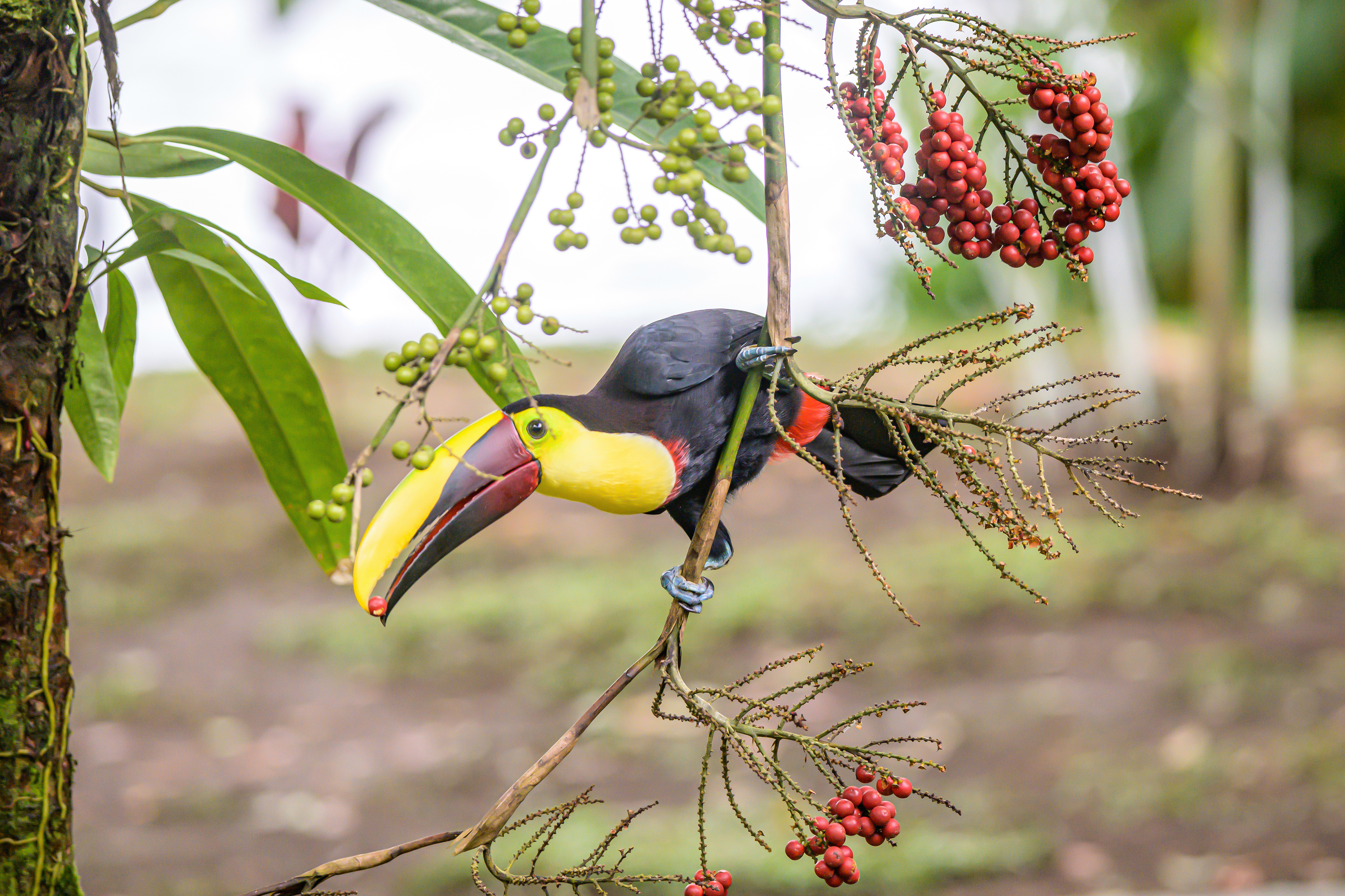
Wildlife sightings may include pink river dolphins, squirrel monkeys, capuchin monkeys, sloths, toucans, macaws and black caiman. For many visitors, the possibility of spotting a jaguar along the riverbanks adds an extra sense of excitement to every excursion.
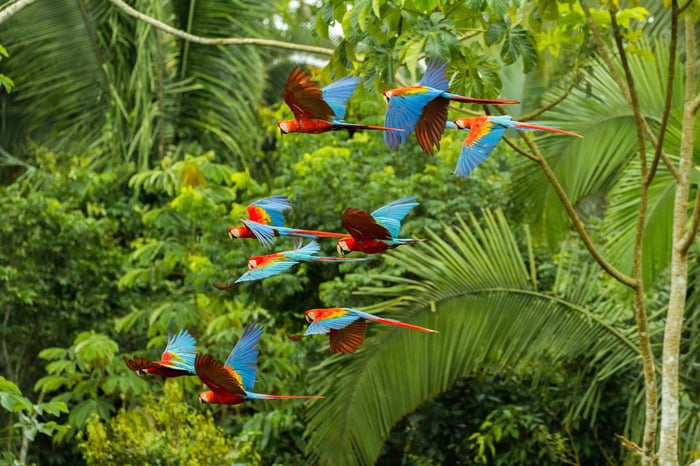
The Peruvian Amazon
Peru is home to some of the most accessible regions of the Amazon Basin, particularly around Tambopata. Here, visitors can stay at comfortable jungle lodges and explore one of the most wildlife-rich areas within the rainforests of Latin America.
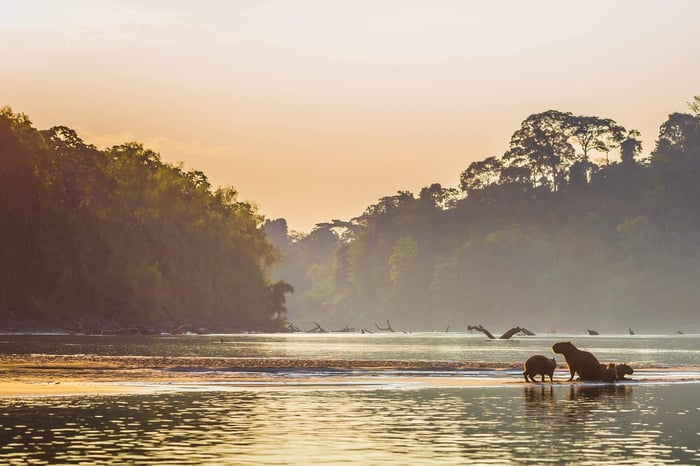
Boat excursions, rainforest walks and visits to clay licks offer opportunities to see giant river otters, capybaras, parrots, macaws and a remarkable variety of birdlife. The Peruvian Amazon combines perfectly with the Sacred Valley and Machu Picchu, creating one of Latin America's most rewarding holiday experiences.
The Ecuadorian Amazon
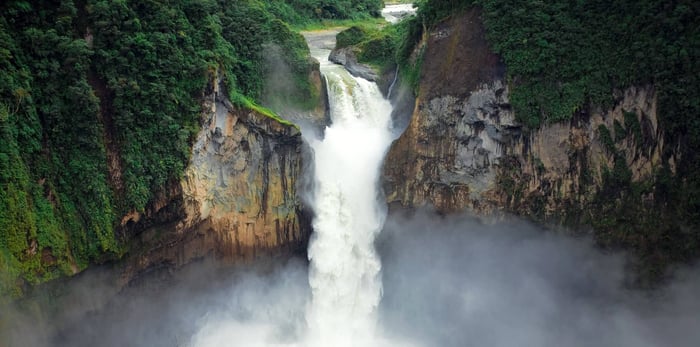
A short flight from Quito transports visitors from the Andes into another world entirely. The Ecuadorian Amazon is renowned for its accessibility and incredible biodiversity, particularly within Yasuní National Park.
This region supports an astonishing variety of wildlife, from woolly monkeys and sloths to giant river otters, pink river dolphins and colourful tropical birds. For travellers looking to experience the Amazon in comfort, Ecuador offers some of the finest rainforest lodges in Latin America.
Costa Rica's wildlife-rich rainforests
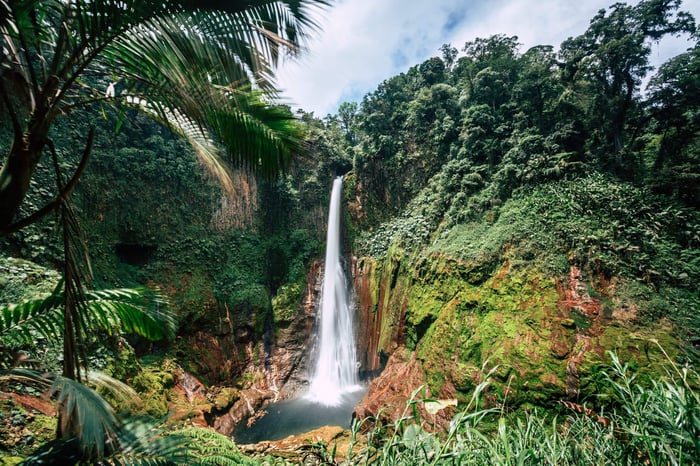
Costa Rica may be small in size, but it is home to some of the most impressive rainforests of Latin America.
Recent journeys by our team have highlighted the country's remarkable diversity, from wildlife-rich rainforests and indigenous communities to remote wetlands, protected ecosystems and lesser-visited corners of the country. While destinations such as Arenal and Manuel Antonio are well known, Travel Specialist Alex's recent explorations demonstrated that some of Costa Rica's most rewarding wildlife experiences can be found beyond the classic highlights.
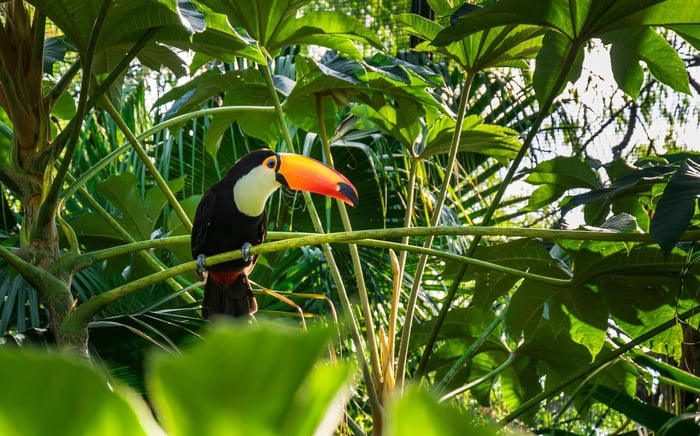
Protected national parks and reserves cover much of the country, creating vital habitats for an extraordinary range of wildlife. It's one of the best places in the region to spot monkeys, sloths, toucans, scarlet macaws and countless other species.
Corcovado National Park
Located on the remote Osa Peninsula, Corcovado protects one of Central America's last great lowland rainforests. Often regarded as one of the most biologically diverse places on Earth, the park offers exceptional opportunities to encounter wildlife in its natural habitat.
Visitors may spot Baird's tapirs, coatis, monkeys and scarlet macaws, while jaguars and pumas continue to roam the forest, although sightings remain rare.
Tortuguero National Park
On Costa Rica's Caribbean coast, Tortuguero presents a completely different rainforest experience. Its network of canals, lagoons and waterways has earned it the nickname of Costa Rica's little Amazon.
Exploring by boat allows visitors to discover a world of howler monkeys, sloths, caiman, river turtles and colourful birdlife. Depending on the season, Tortuguero also offers opportunities to witness sea turtles nesting along protected beaches.

Beyond the rainforest: cloud forests and Atlantic forests
While the Amazon often takes centre stage, there are many other remarkable forests across Latin America.
Ecuador's cloud forests
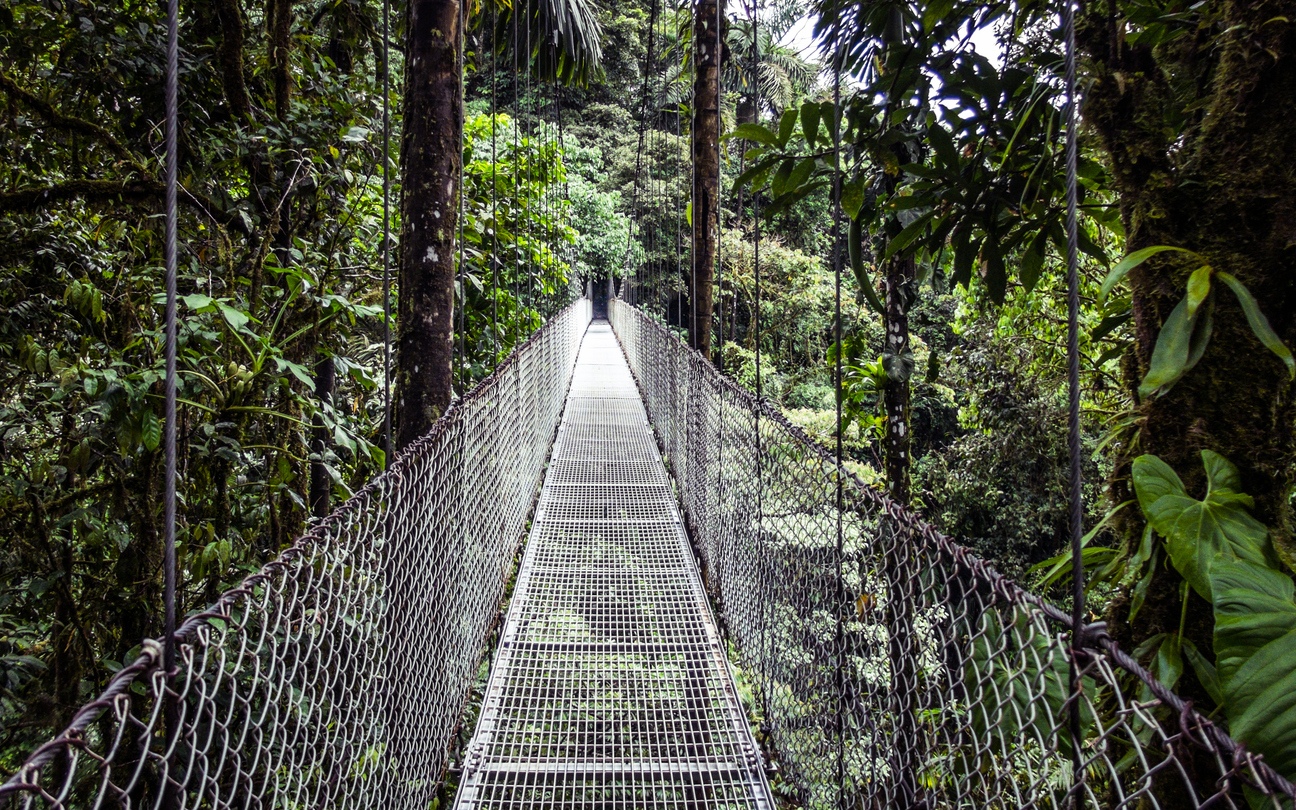
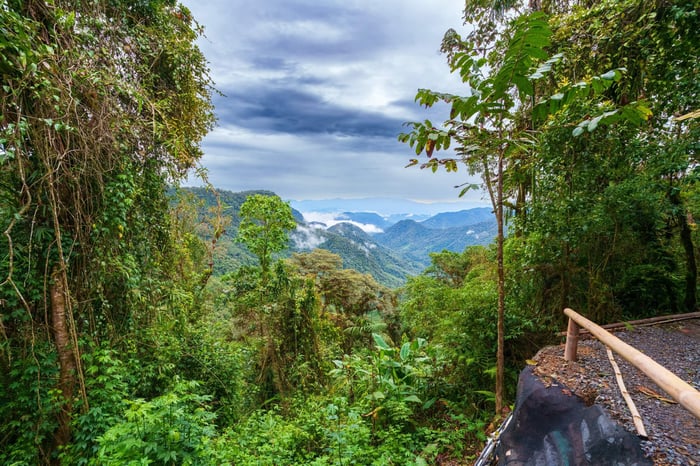
Found on the slopes of the Andes, Ecuador's cloud forests offer a different perspective on the rainforests of Latin America. Mist drifts through moss-covered trees, orchids cling to branches and waterfalls tumble through the landscape.
The Mindo region is particularly popular for birdwatching, attracting visitors hoping to spot hummingbirds, toucan barbets and the spectacular Andean cock-of-the-rock.
Colombia's cloud forests
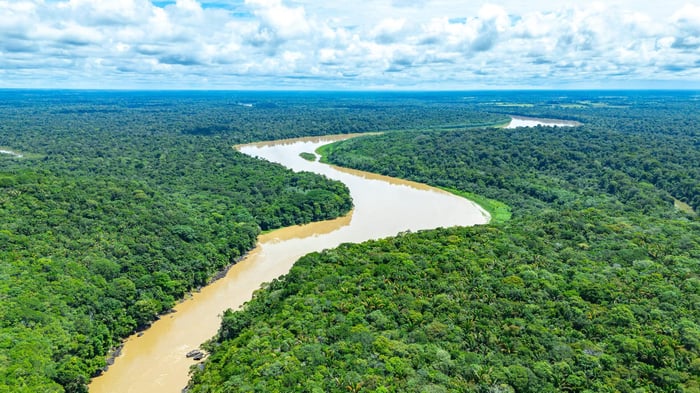
Colombia's cloud forests are among the most biodiverse habitats in Latin America. These lush environments support countless bird species, spectacular orchids and elusive wildlife including the spectacled bear.
Combined with dramatic mountain scenery, they provide some of the most rewarding nature experiences in the region.

Brazil's Atlantic Rainforest
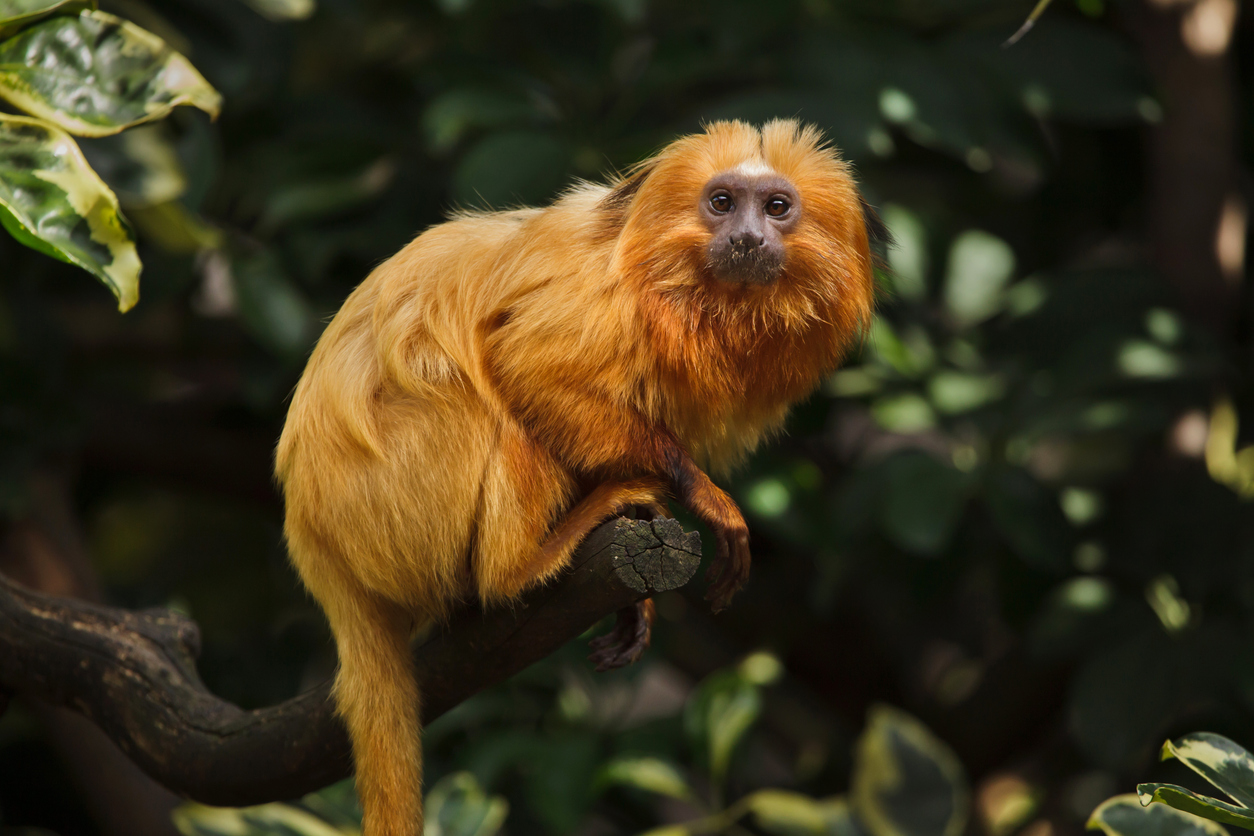
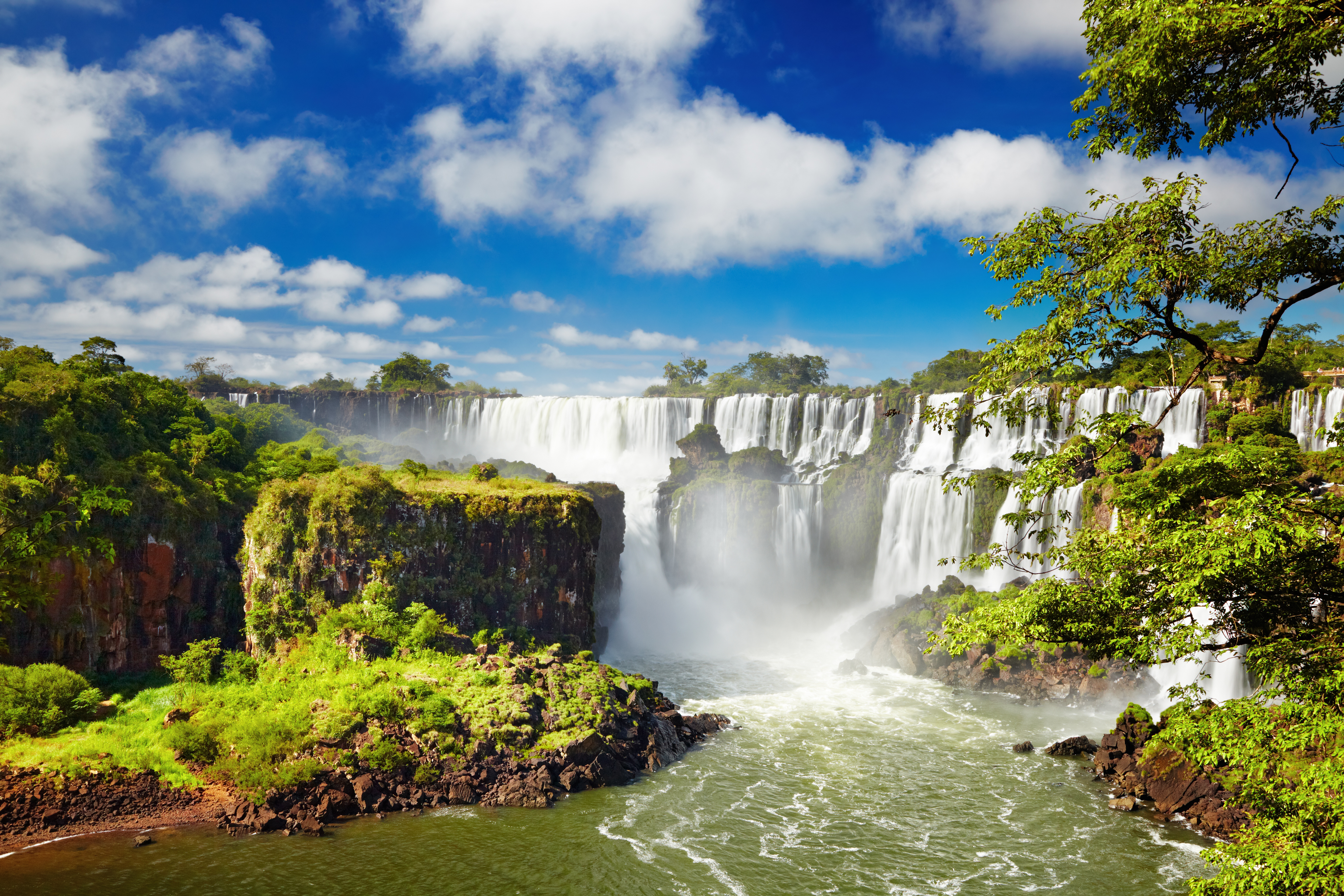
Although often overshadowed by the Amazon, Brazil's Atlantic Rainforest remains one of the world's most important biodiversity hotspots. Areas around Paraty and Iguazú provide opportunities to experience this unique ecosystem, which is home to rare species including the golden lion tamarin.
Protecting the rainforests of Latin America through responsible travel
The rainforests of Latin America play a critical role in supporting biodiversity, storing carbon and protecting water resources. They are also home to communities whose cultures, traditions and livelihoods are closely connected to these environments.
At Latin Routes, responsible travel is at the heart of what we do. Through our Conscious Routes Collection, we celebrate experiences that support conservation initiatives, protect wildlife habitats and create meaningful opportunities for local communities. These carefully selected experiences help travellers engage more deeply with the destinations they visit while contributing to the long-term protection of the natural environments they have come to enjoy.
From community-led tourism projects in the Amazon to eco-conscious lodges surrounded by pristine rainforest, many of our experiences demonstrate how tourism can become a positive force for conservation. Exploring the rainforests of Latin America is not only an opportunity to experience nature at its most spectacular, but also a chance to support the people and projects helping to preserve it for future generations.
Discover the rainforests of Latin America
From the mighty Amazon to Costa Rica's wildlife-rich jungles and the cloud forests of the Andes, the rainforests of Latin America offer some of the world's most rewarding wildlife experiences. They are places of discovery, adventure and connection, where travellers can encounter extraordinary biodiversity while gaining a greater appreciation for the landscapes, cultures and conservation efforts that make these ecosystems so important.
Whether you're searching for pink river dolphins, watching scarlet macaws soar above the canopy or simply listening to the sounds of the jungle after dark, the rainforests of Latin America provide an unforgettable connection with the natural world.
If you're ready to experience the rainforests of Latin America for yourself, our Travel Specialists can help create a tailor-made journey designed around your interests and travel style.
Explore Latin America Travel Destinations
FAQs
What is a rainforest?
A rainforest is a dense forest ecosystem that receives high levels of rainfall throughout the year. Rainforests are characterised by their rich biodiversity, layered vegetation and warm, humid conditions. The rainforests of Latin America are among the most species-rich ecosystems on Earth, supporting everything from jaguars and monkeys to thousands of plant and bird species.
What is the difference between a rainforest and a regular forest?
All rainforests are forests, but not all forests are rainforests. A rainforest receives significantly more annual rainfall and typically supports a far greater variety of plants and wildlife. Rainforests also have distinct layers, including the forest floor, understory, canopy and emergent layer, creating habitats for countless species. In contrast, temperate forests often experience seasonal changes and generally have lower biodiversity.
What is the difference between a rainforest and a cloud forest?
A cloud forest is a type of tropical forest found at higher elevations, usually on mountain slopes. While both receive abundant moisture, cloud forests are characterised by frequent low-lying clouds and mist.
The rainforests of Latin America include both tropical rainforests, such as the Amazon, and cloud forests, such as those found in Ecuador and Colombia. Cloud forests tend to be cooler and are often covered in mosses, orchids and ferns, creating a distinctive landscape.
Where are the largest rainforests of Latin America?
The Amazon is the largest of the rainforests of Latin America and spans several countries, including Brazil, Peru, Ecuador, Colombia and Bolivia. Other important rainforest regions include Costa Rica's tropical rainforests, Brazil's Atlantic Rainforest and the cloud forests of the Andes.
What wildlife can you see in the rainforests of Latin America?
Wildlife varies by destination, but visitors may encounter sloths, monkeys, toucans, macaws, pink river dolphins, giant river otters, tapirs, caiman and countless bird species. Some rainforest regions are also home to elusive predators such as jaguars, pumas and ocelots.
Which country is best for visiting the rainforests of Latin America?
The best destination depends on the experience you're looking for. Brazil offers access to the world's largest rainforest, Peru combines Amazon exploration with iconic cultural sites, Ecuador provides excellent accessibility and biodiversity, while Costa Rica is renowned for its wildlife, national parks and conservation efforts.
When is the best time to visit the rainforests of Latin America?
The rainforests of Latin America can be visited throughout the year. Seasonal variations affect water levels, wildlife sightings and accessibility, particularly in the Amazon. Many travellers choose to visit during drier months for easier exploration, although wetter seasons often bring lush landscapes and excellent wildlife viewing opportunities.
Are the rainforests of Latin America important for conservation?
Yes. The rainforests of Latin America play a vital role in supporting biodiversity, storing carbon and regulating global climate systems. They also provide homes for indigenous communities and countless wildlife species. Responsible tourism can help support conservation projects and sustainable development initiatives across the region.
Where is the biggest rainforest in the world?
The Amazon Rainforest is the largest rainforest in the world. Covering approximately 5.5 million square kilometres, it stretches across nine countries in Latin America, including Brazil, Peru, Colombia, Ecuador, Bolivia, Venezuela, Guyana, Suriname and French Guiana.
Around 60% of the Amazon is located in Brazil, making it the country with the largest share of the rainforest. The Amazon is also the largest of the rainforests of Latin America and is home to an extraordinary diversity of wildlife, including jaguars, pink river dolphins, sloths, monkeys, macaws and thousands of plant species.
For many travellers, exploring the Amazon is one of the most immersive ways to experience the rainforests of Latin America, whether staying at a jungle lodge, cruising along rainforest waterways or discovering remote areas with expert naturalist guides.